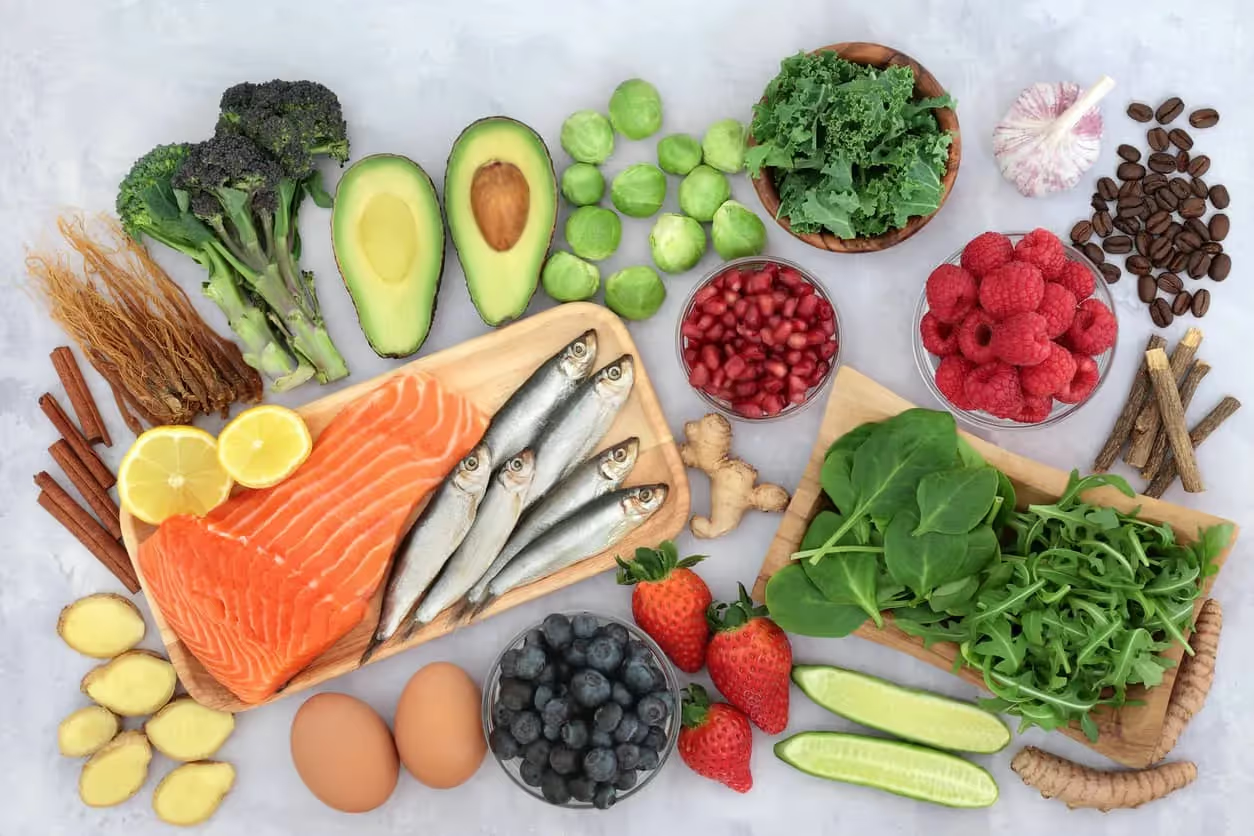
What Causes Headaches After Eating?

Medical Reviewer: Christine Russell, MS, RD, LD, CDCES

Author: Heather Smith, RN, BSN

Summary
- Headaches after eating can be caused by several factors, including food allergies, dehydration, and blood sugar issues.
- Identifying and managing triggers is crucial for prevention and treatment.
- Consult a healthcare professional for persistent or severe headaches.
If you’ve ever experienced a headache after a meal, you are not alone. Headaches after eating, while mostly harmless, can be a painful and frustrating experience.
Some headaches are triggered by food sensitivities, underlying medical conditions, and several other factors.
Whether you’re struggling with occasional discomfort or frequent post-meal headaches, read on to learn the potential causes and when it’s time to seek professional help.
{{splash}}
What Causes Headaches After Eating?
Here are several reasons why you may be experiencing headaches after eating.
Food Allergies Or Sensitivities
Certain foods may trigger a reaction in your body that causes headaches. While a true food allergy is relatively rare, food sensitivities are much more common.
Food allergies involve an immune system response that triggers histamine and other chemicals that cause a range of symptoms, including headaches. Other symptoms may include:
- Hives.
- Itching.
- Swelling.
- Difficulty swallowing.
- Digestive discomforts (gas, bloating, etc.)
Food sensitivities or intolerances don’t involve the immune system but can still cause unwanted symptoms. They happen when your body has trouble digesting a particular food, which can lead to inflammation, digestive discomfort, and sometimes headaches.
Foods that commonly cause allergic reactions or sensitivities include:
- Dairy.
- Gluten.
- Nuts.
- Eggs.
- Fish.
- Soybeans.
- Sesame.
- Shellfish.
Dehydration
Dehydration is a common trigger for headaches. Even mild dehydration can leave you feeling drained and achy.
Our brains are about 80% water and need a constant supply of fluids to function properly.
Signs of dehydration include:
- Dry mouth.
- Thirst.
- Dark yellow urine.
- Fatigue and weakness.
- Dizziness, especially when standing up.
- Headache.
It can be easy to forget to drink water before, during, and after meals, but it’s essential for preventing headaches.
Blood Sugar Problems
Your brain relies on a steady supply of glucose (sugar) for energy.
When your blood sugar levels fluctuate, either too high (hyperglycemia) or too low (hypoglycemia), you can get a headache.
Other symptoms of imbalanced blood sugar can include:
- Dizziness.
- Sweating.
- Confusion.
- Feeling hot.
- Shaking or feeling jittery.
- Irritability.
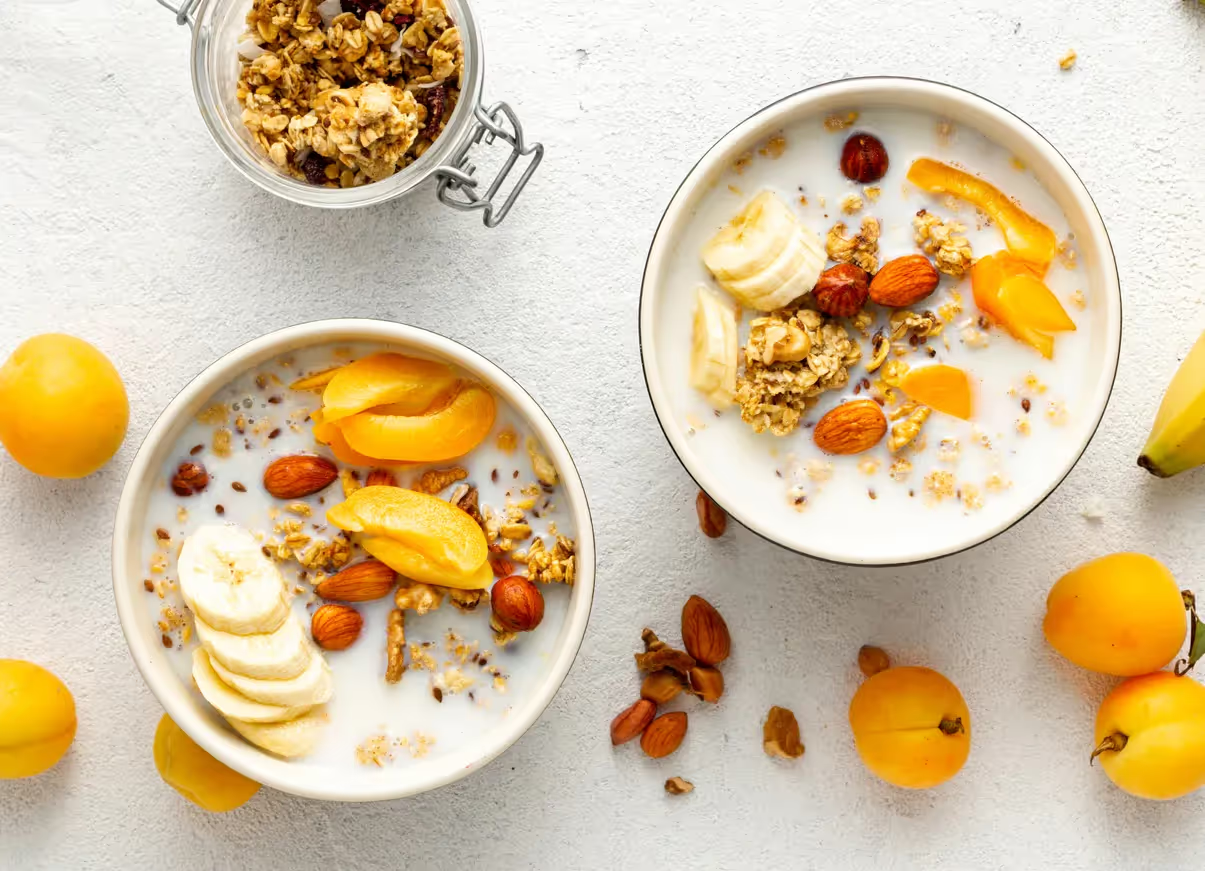
To avoid major blood sugar fluctuations, eat a good breakfast and consistent meals throughout the day.
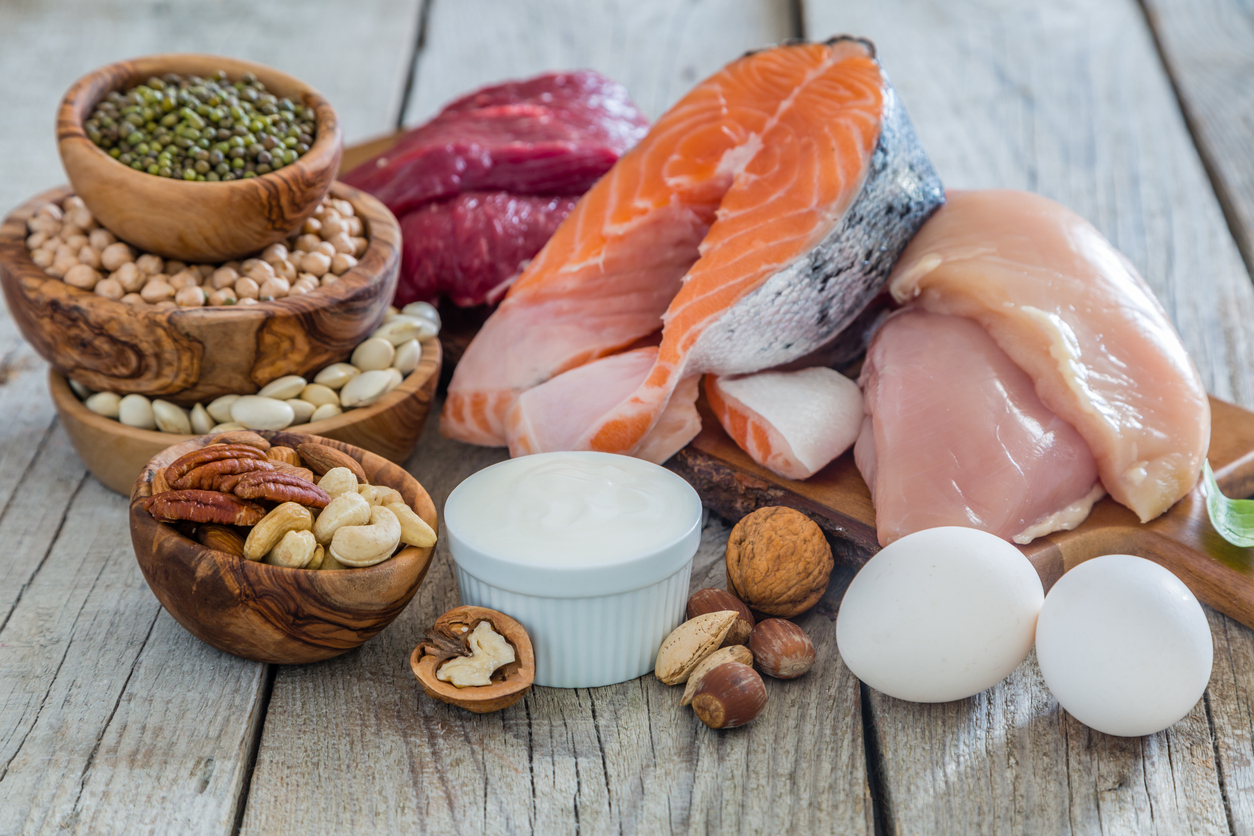
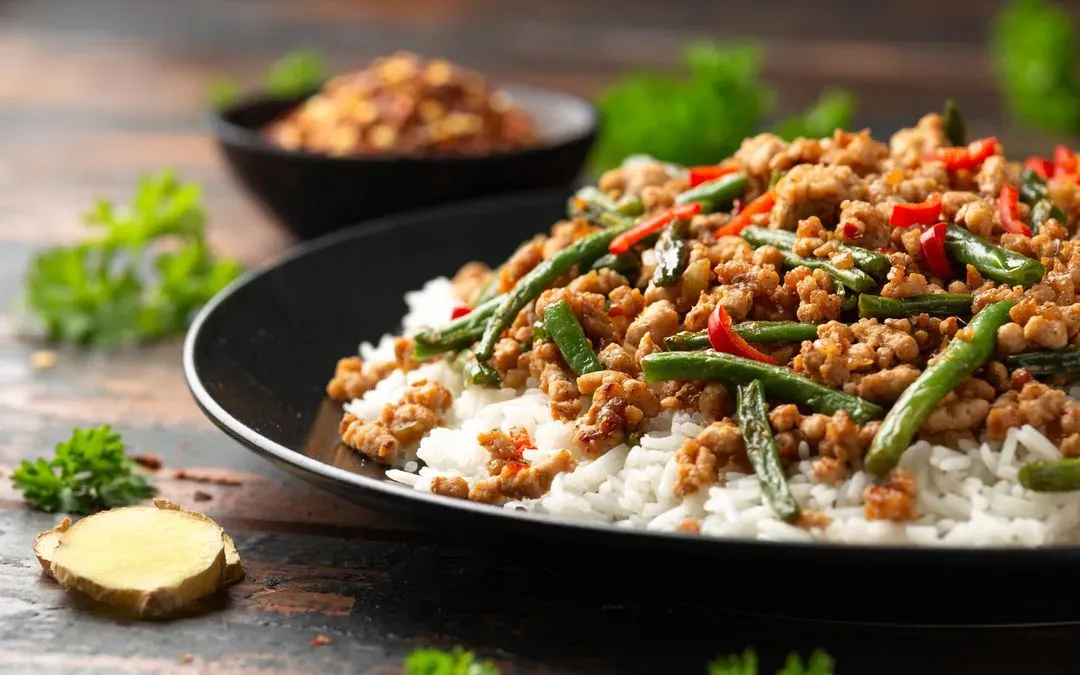
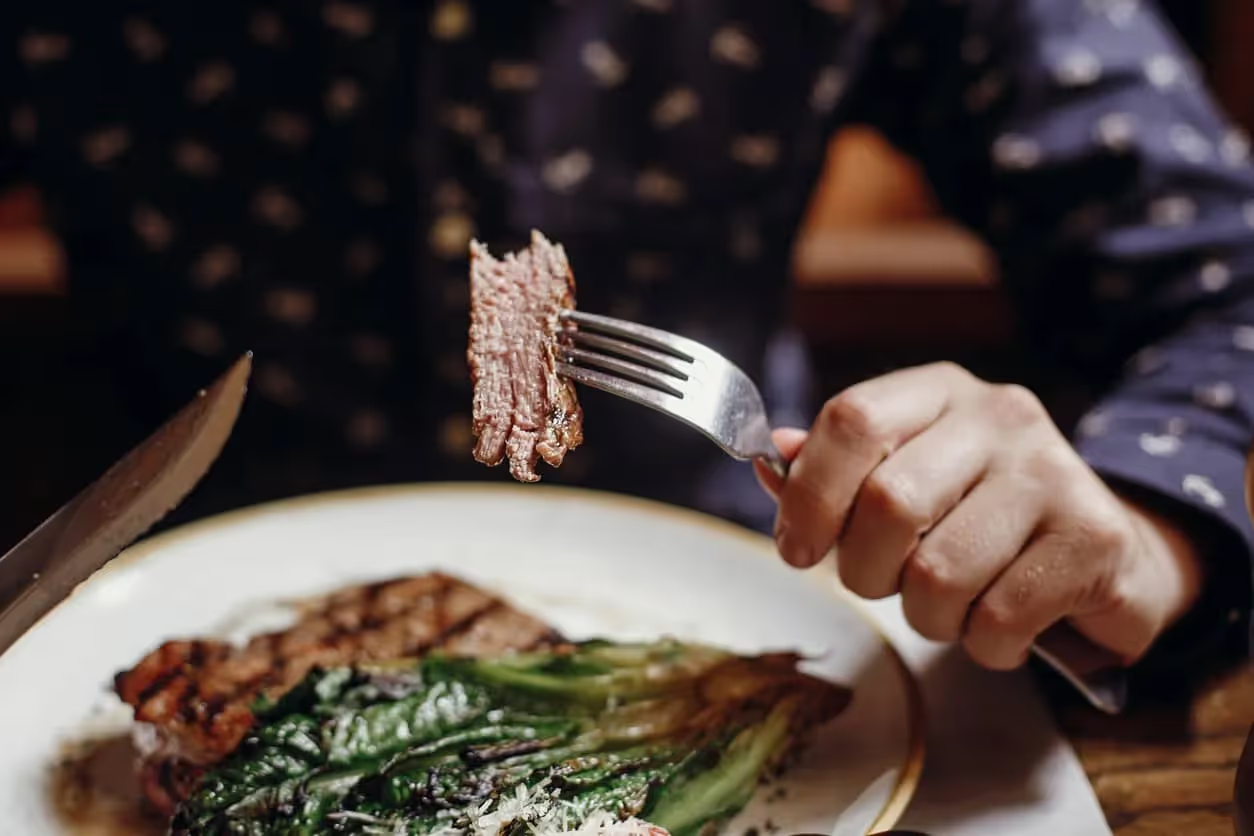
Include a quality source of protein such as lean meat, eggs, fish, beans, nuts, or seeds in your meals.
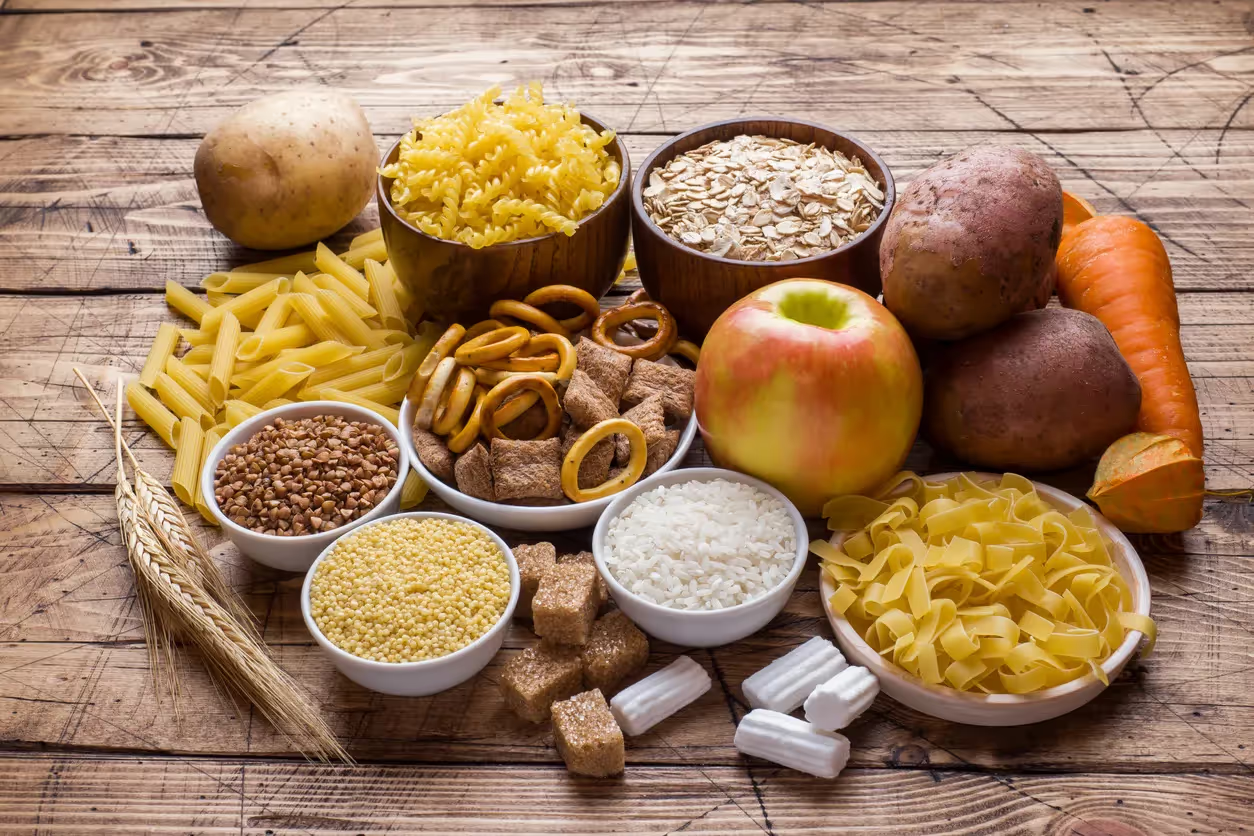
Limit refined carbohydrates like white bread and sugary foods, which can cause your blood sugar to rise quickly. Instead, opt for whole grain options like whole grains, fruits, and vegetables.
Temporomandibular Disorder (TMJ)
Your temporomandibular joint (TMJ) is the hinge connecting your jawbone to your skull.
TMJ disorders are a common cause of headaches, especially headaches that worsen with chewing or jaw movement.
Other symptoms of TMJ include:
- Jaw pain.
- Clicking or popping sounds in the jaw.
- Difficulty chewing or opening the mouth wide.
- Earaches.
- Headaches.
- Locking of the jaw.
If you think your jaw is causing your headache, try applying ice packs to the sore side and eating soft foods that don’t require much chewing.
It may take several days for the muscles to relax.
If your jaw pain is recurring, consider talking with your dentist or medical provider for personalized guidance.
Migraine
Migraine disorder can cause severe throbbing or pulsing headaches. Some foods that commonly trigger migraine headaches include:
- Chocolate.
- Aged cheese.
- Citrus fruits.
- Artificial sweeteners.
Keeping a food diary can help you identify potential triggers. Record everything you eat and drink, along with the time of any migraine attacks.
If you experience frequent migraine headaches, it’s important to seek medical guidance.
Gastrointestinal Disorders
Certain digestive disorders, such as gastroesophageal reflux disorder (GERD) and irritable bowel syndrome (IBS), can trigger headaches after eating.
GERD is a condition where stomach acid frequently flows back up into the esophagus, causing heartburn and other symptoms, including headache.
IBS is a common disorder that affects the large intestine. It’s characterized by symptoms like abdominal pain, cramping, bloating, gas, diarrhea, and constipation. IBS can also increase the likelihood of headaches.
If you think you have one of these conditions, consider talking with a registered dietitian for personalized guidance.
Dietary Factors That Can Contribute To Headaches
Certain eating habits can also contribute to headaches.
Skipping Meals
Skipping meals is a common headache trigger.
This is because skipping meals can cause your blood sugar to drop too low, triggering a headache.
If you notice a headache after skipping meals, try to eat at consistent intervals throughout the day.
Caffeine Intake
Caffeine has a complex relationship with headaches.
For some, caffeine can help break a headache, while for others, it can trigger headaches.
Also, if you regularly drink caffeine and then suddenly stop or significantly reduce it, you may get a caffeine withdrawal headache.
Alcohol Consumption
While a glass of wine may sound relaxing, alcohol is a common headache trigger.
Alcohol can lead to dehydration, which can cause a headache, or you may have a sensitivity to sulfites found in some wines and beers.
Foods Containing MSG
Monosodium glutamate (MSG) is a flavor enhancer commonly added to processed foods, restaurant dishes, and some Asian cuisines.
While generally recognized as safe, MSG may trigger headaches in some individuals.
If you suspect that MSG or high sodium intake might trigger your headaches, try keeping a food diary to track your intake and see if there's a connection. You can also talk to your doctor or a registered dietitian for personalized advice.
Treatment Options For Headaches After Eating
Treating headaches that occur after eating depends on the underlying cause.
Identifying And Eliminating Triggers
Pinpointing specific food triggers can be a key to finding relief.
A food diary is your most valuable tool in this process.
Record everything you eat and drink along with when a headache strikes.
Record the time, severity on a scale of 1-10, location of the pain, and any accompanying symptoms.
Aim to maintain the diary for at least two to four weeks.
This provides enough information for your registered dietitian to help pinpoint what may be causing your headaches.
Under the guidance of a dietitian, it may be beneficial to try an elimination diet, in which you cut out specific foods for a time to see if your headaches go away.
Hydration
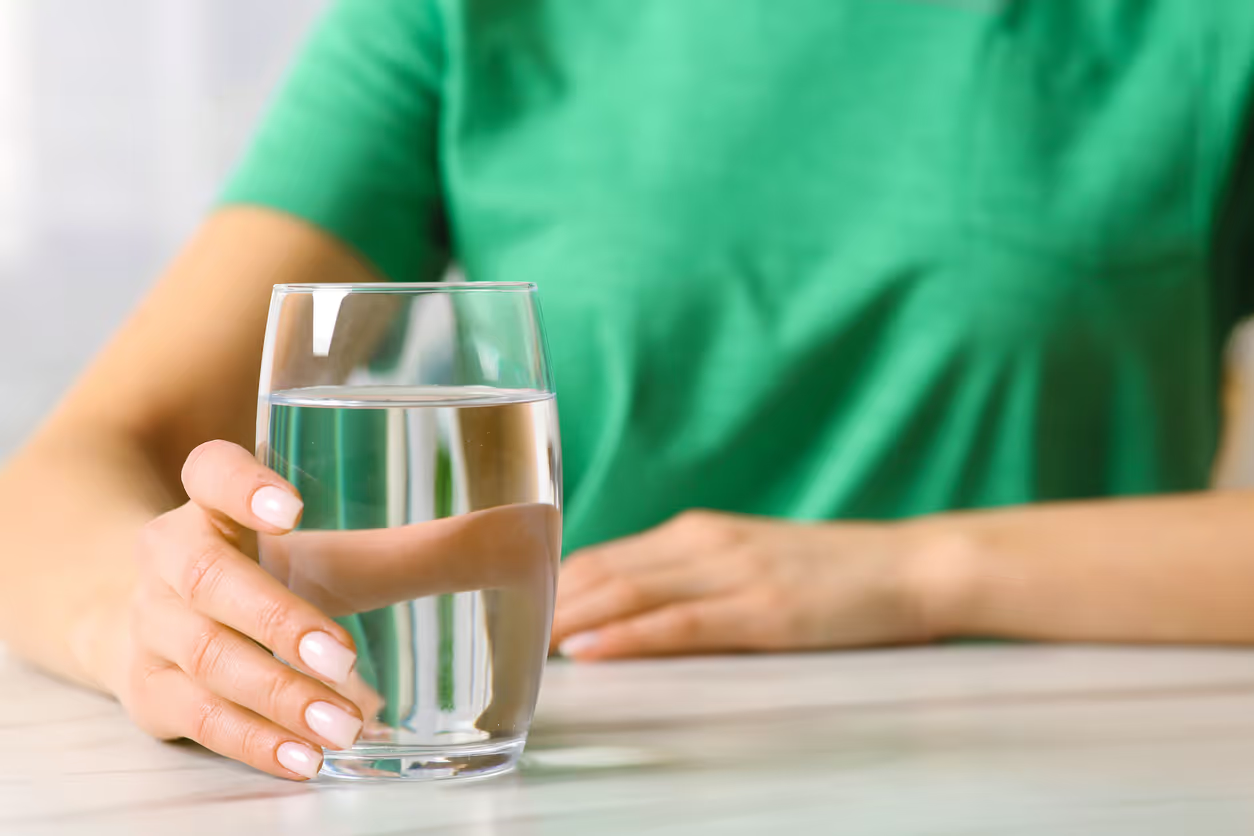
Staying hydrated is critical for overall health and reducing headaches.
Try carrying a reusable water bottle or tumbler wherever you go and sipping on it throughout the day.
For added flavor, add some cucumbers, mint leaves, or fruit to your water.
Monitoring your urine color is a great way to determine if you need more water.
Your urine should be clear and pale yellow. If it is dark yellow, it’s a good idea to increase your fluid intake.
Balanced Meal Planning
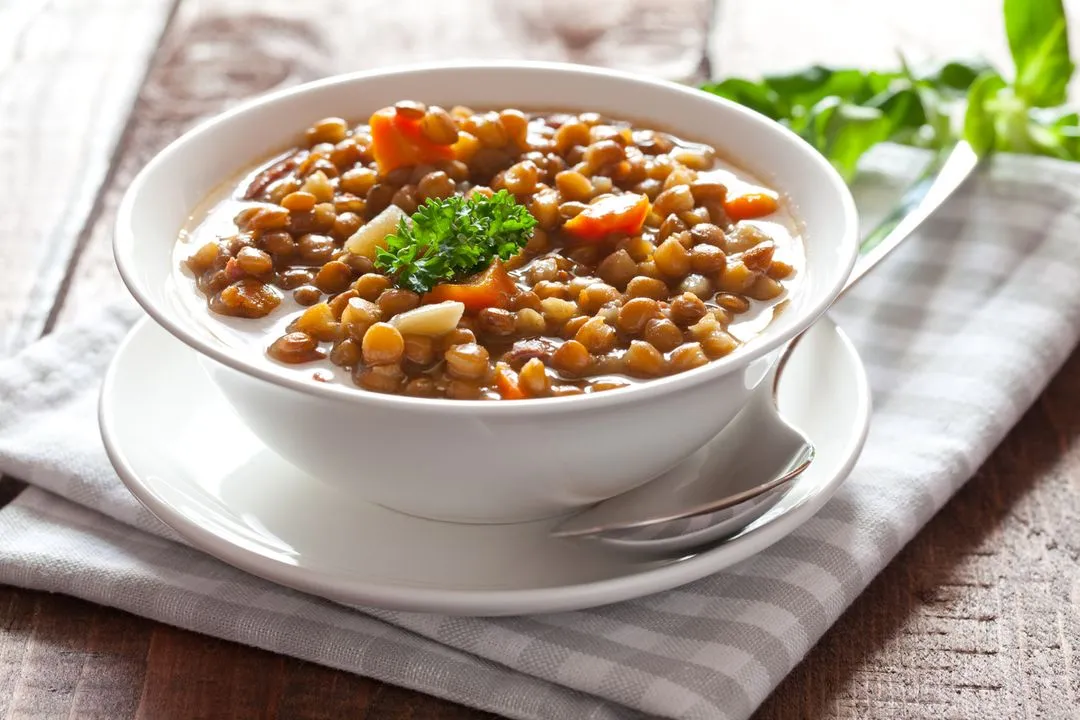
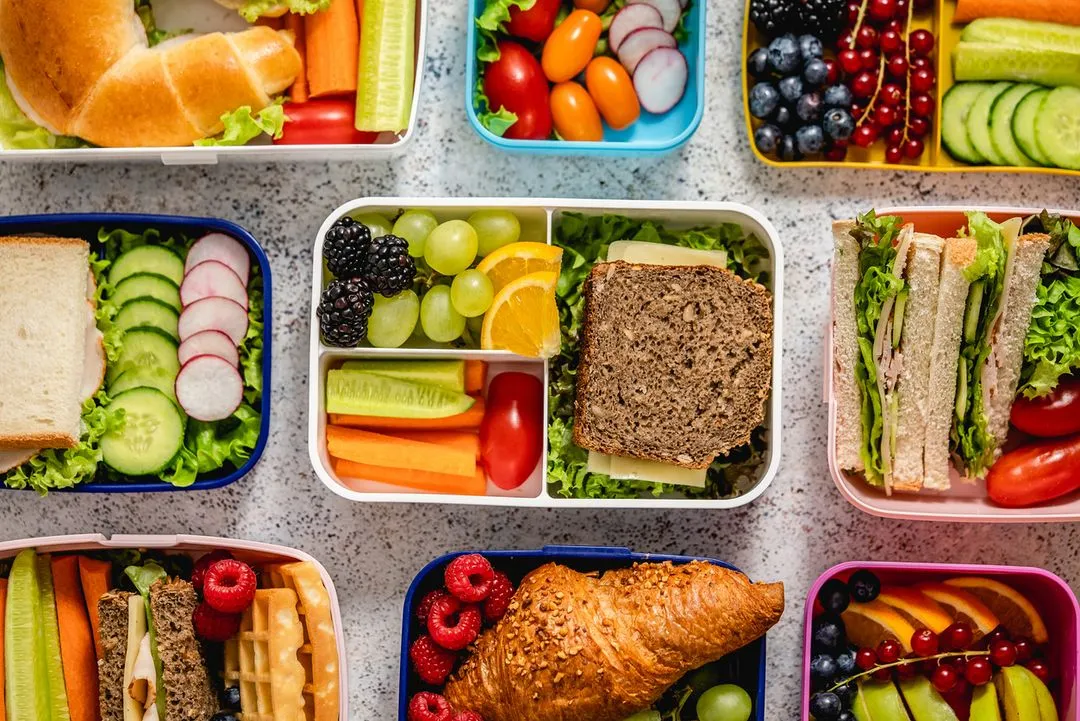
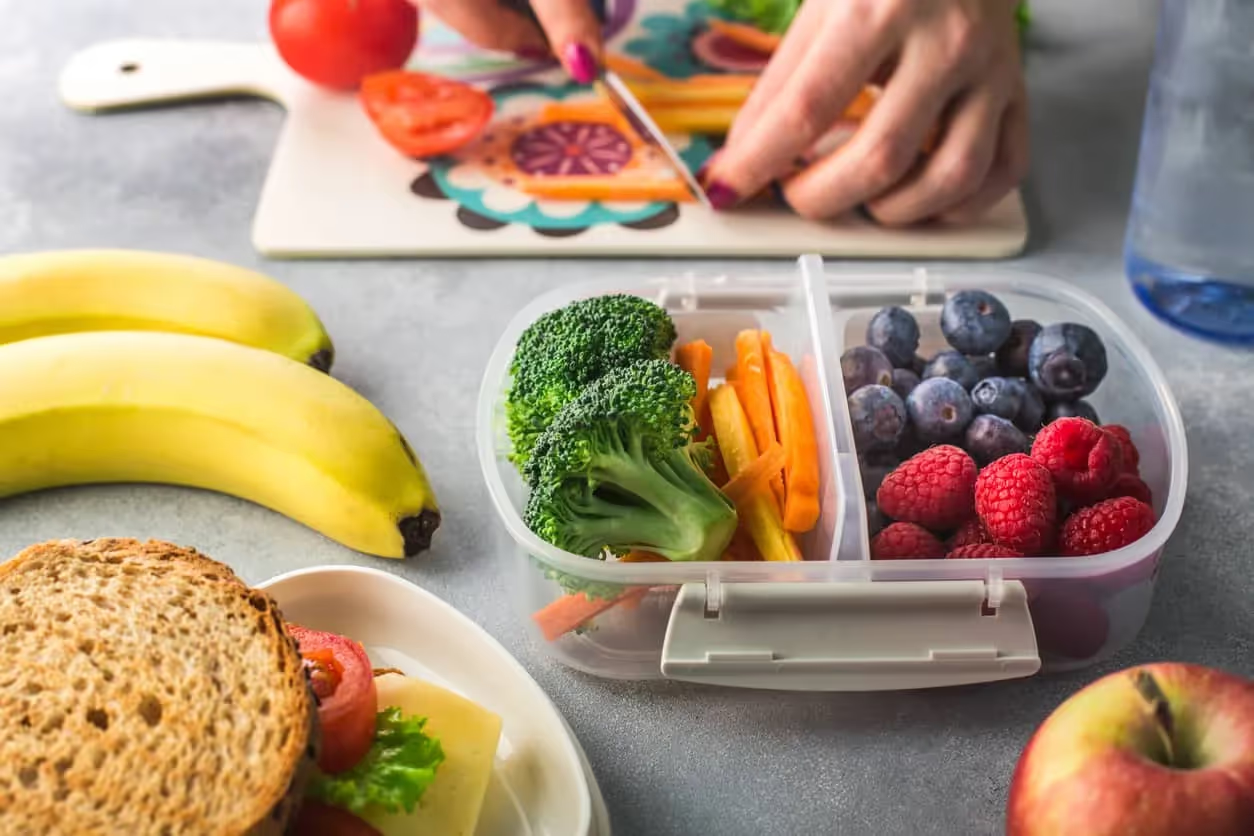
Creating balanced meals can help you maintain steady blood sugar levels and can be a key factor in preventing headaches.
Aim for each meal to contain:
- Lean protein (meat, poultry, fish, beans, lentils, tofu, nuts)
- Fruits.
- Vegetables.
- Whole grains.
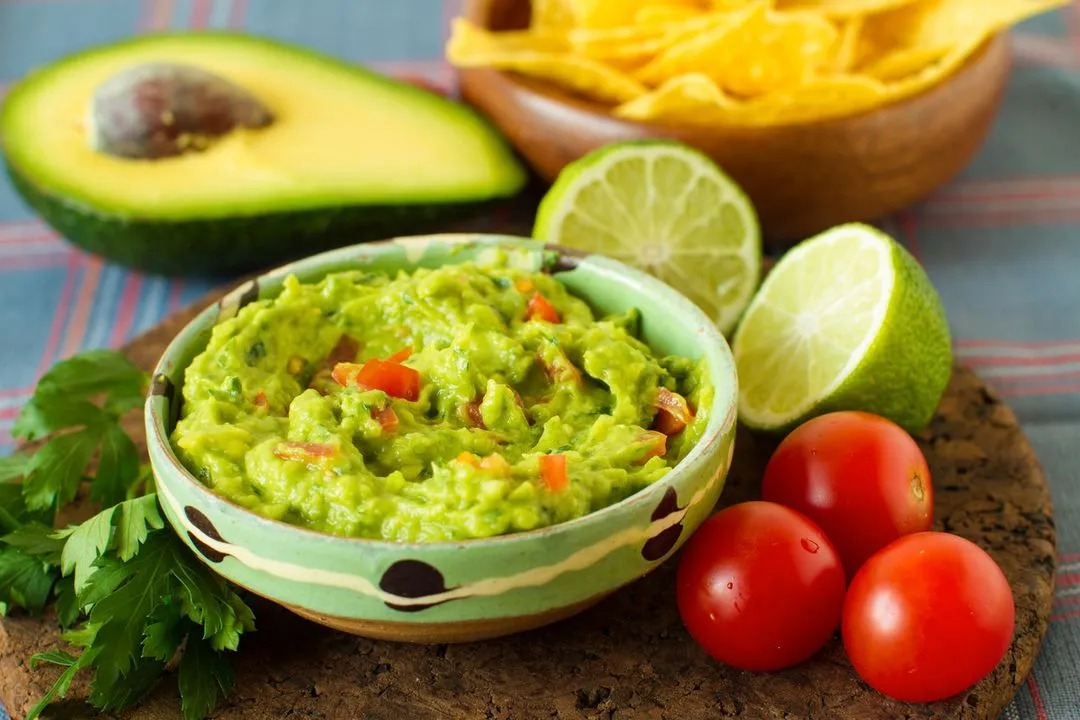
- Healthy fats (avocados, nuts, olive oil, seeds).
{{splash}}
Medications Or Supplements
Medications and supplements may also help you find some relief from headaches after eating.
Over-the-counter medications like ibuprofen or naproxen can help alleviate mild to moderate headaches.
Acetaminophen is another option.
It’s important to use these medications as directed and avoid overuse.
While research on supplements for headache prevention is ongoing, some people find relief with:
- Magnesium.
- Coenzyme Q10 (CoQ10).
- Riboflavin.
- Feverfew.
It’s important to consult with your healthcare provider before starting any supplements, as they can interact with medications.
Lifestyle Changes
Beyond dietary modifications, certain lifestyle changes can help reduce the frequency of headaches.
- Stress management: Managing stress through mindfulness, meditation, and exercise may help reduce headaches.
- Establish a consistent sleep schedule: Go to bed and wake up around the same time each day to regulate your body’s natural sleep-wake cycle.
- Get regular physical activity: Aim to get around 30 minutes of moderate-intensity physical activity five days a week.
- Reduce screen time: Electronics can interfere with sleep and potentially trigger headaches for some people.
- Practice good posture: Having poor posture can strain neck and shoulder muscles and contribute to headaches.
When To Consult A Healthcare Professional
While some headaches may reduce in frequency or severity with dietary and lifestyle changes, it’s important to know when to seek professional medical advice.
Seek medical care in the following circumstances:
- Sudden or severe headache.
- Headache accompanied by fever, stiff neck, vision changes, numbness or weakness, or confusion.
- Headache after a head injury.
- Headaches that interfere with daily activities.
- Persistent headache.
- Severe pain around eyes or temple.
- Headaches that don’t respond to over-the-counter medications.
Takeaway
Headaches after eating can be frustrating.
Understanding their potential causes and taking proactive steps may significantly reduce their impact on your life.
Several reasons may be food allergies or sensitivities, dehydration, blood sugar problems, TMJ, migraine disorder, or digestive disorders.
Some foods and drinks are also known for triggering headaches.
Keeping a food journal and working with a registered dietitian can help you eliminate triggers from your diet.
If diet and lifestyle changes do not help reduce the severity or frequency of the headaches, it’s a good idea to seek medical advice.
How A Dietitian Can Help
If you suspect your headaches are linked to your diet, consulting with a registered dietitian can be incredibly beneficial.
A dietitian can help in several ways:
- Conducting a thorough assessment of your eating habits to identify potential triggers.
- Guide you through an elimination diet to see if you find relief.
- Create balanced meal plans that meet your nutritional needs while avoiding trigger foods.
- Monitor your progress and make any adjustments as needed.
Find a registered dietitian who accepts your insurance.
Frequently Asked Questions
Why do I get a headache after eating?
Headaches after eating can be triggered by various factors, including food sensitivities, dehydration, blood sugar fluctuations, or underlying medical conditions.
Can diabetes cause headaches after eating?
Yes, both high and low blood sugar levels, often experienced by individuals with diabetes, can lead to headaches after meals.
How long do diet headaches last?
The duration of a diet-related headache varies from person to person.
They may last up to several hours.
References
View all references
Food Allergies: The “Big 9.” (2024). USDA.
MacAulay, N., (2021). Molecular mechanisms of brain water transport. Nat Rev Neurisci.
About diabetic ketoacidosis. (2024). CDC.
TMJ disorders. (2022). MedlinePlus.
10 Common migraine triggers and how to cope with them. (2022). PubMed.
Unraveling the MSG-Headache Controversy: an Updated Literature Review. (2023). PubMed.
Hydrating for health: Why drinking water is so important. (2023). NIH.
Nourish has strict sourcing policies and prioritizes primary sources, including medical organizations, governmental agencies, academic institutions, and peer-reviewed scientific journals. Learn more about our medical review process and editorial guidelines.










.jpg)
























.avif)


.avif)























.avif)

%20(1).webp)






.avif)
.avif)