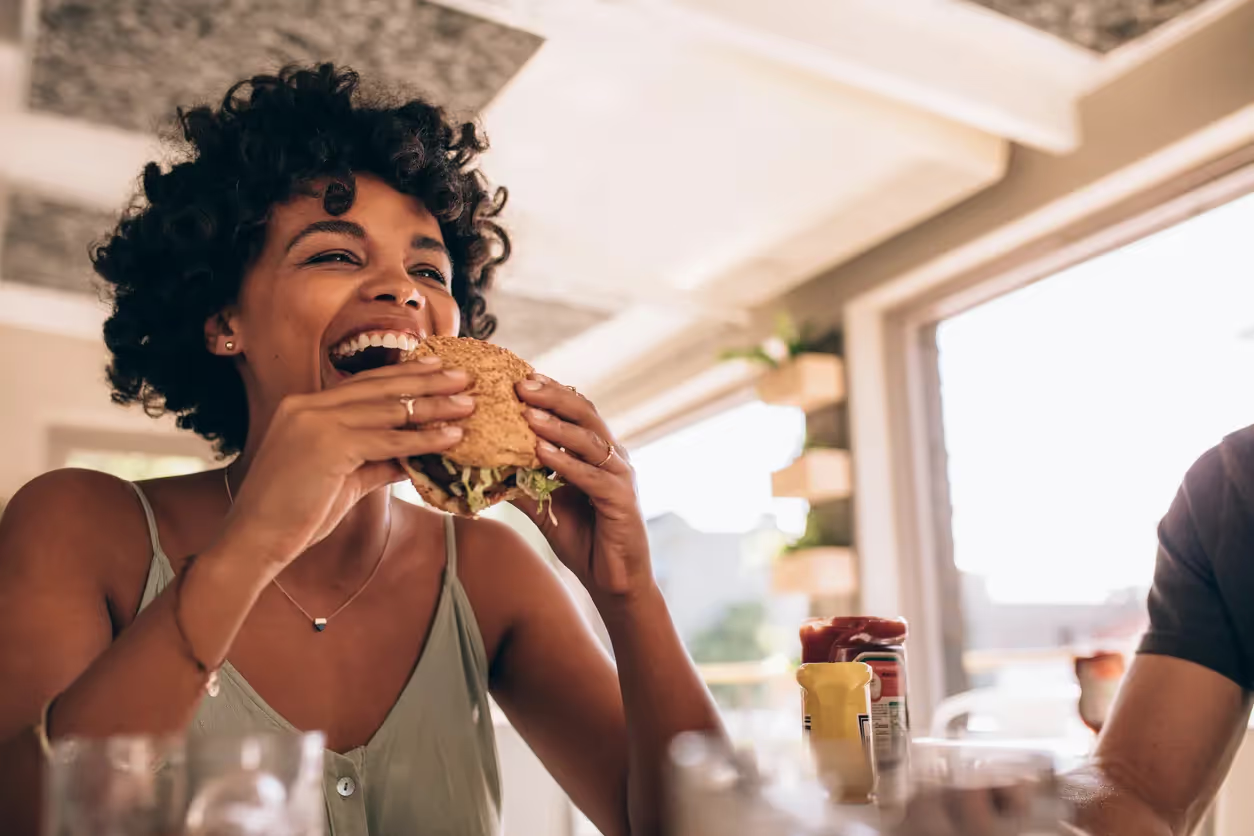
The Best Foods for Gut Health and Weight Loss, According to a Dietitian

Medical Reviewer: Danielle Matthies, RD, LD, CD

Author: Sarah Glinski, RD

Summary
- Incorporating fiber-rich foods like fruits, vegetables, whole grains, legumes, nuts, and seeds can improve your gut health and support weight loss. These foods contain anti-oxidants and anti-inflammatory properties.
- Probiotic-rich fermented foods like yogurt, kimchi, kombucha, sauerkraut, and miso can support gut health and weight loss thanks to their good bacteria content.
- A high-protein diet promotes feelings of fullness, which aids in calorie control, while healthy fats are crucial for nutrient absorption and hormone production.
Understanding the link between gut health and weight is crucial for those interested in weight management.
Incorporating fiber-rich foods and probiotic-rich options as well as antioxidant-rich and anti-inflammatory foods can support a healthy gut and aid in weight loss efforts, while lean proteins and healthy fats promote satiety, provide essential nutrients and aid in nutrient absorption.
These dietary choices, combined with stress management, quality sleep, and regular exercise, can support your gut health and a healthy body weight.
Read on to learn about the best foods for gut health and weight loss, the relationship between gut health and weight, and tips for improving gut health for weight loss.
{{splash}}
The Best Foods for Gut Health and Weight Loss
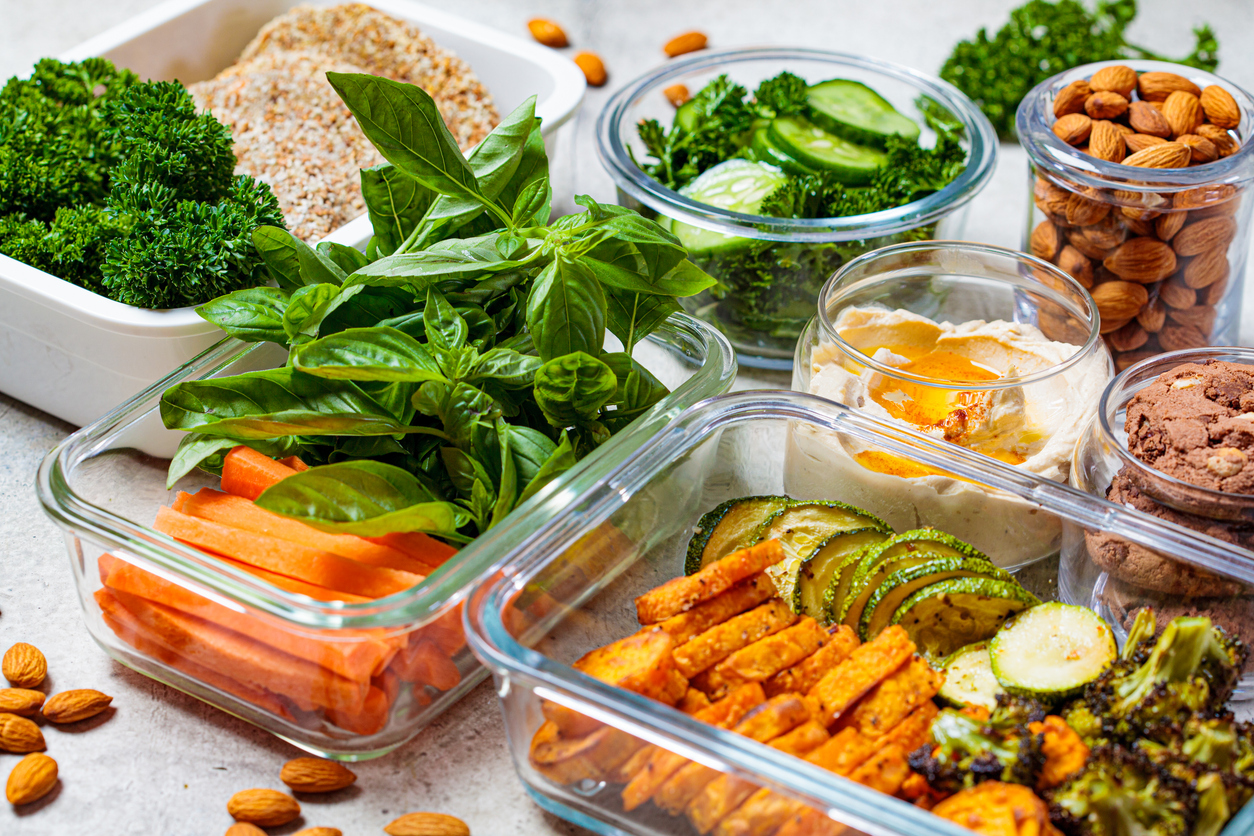
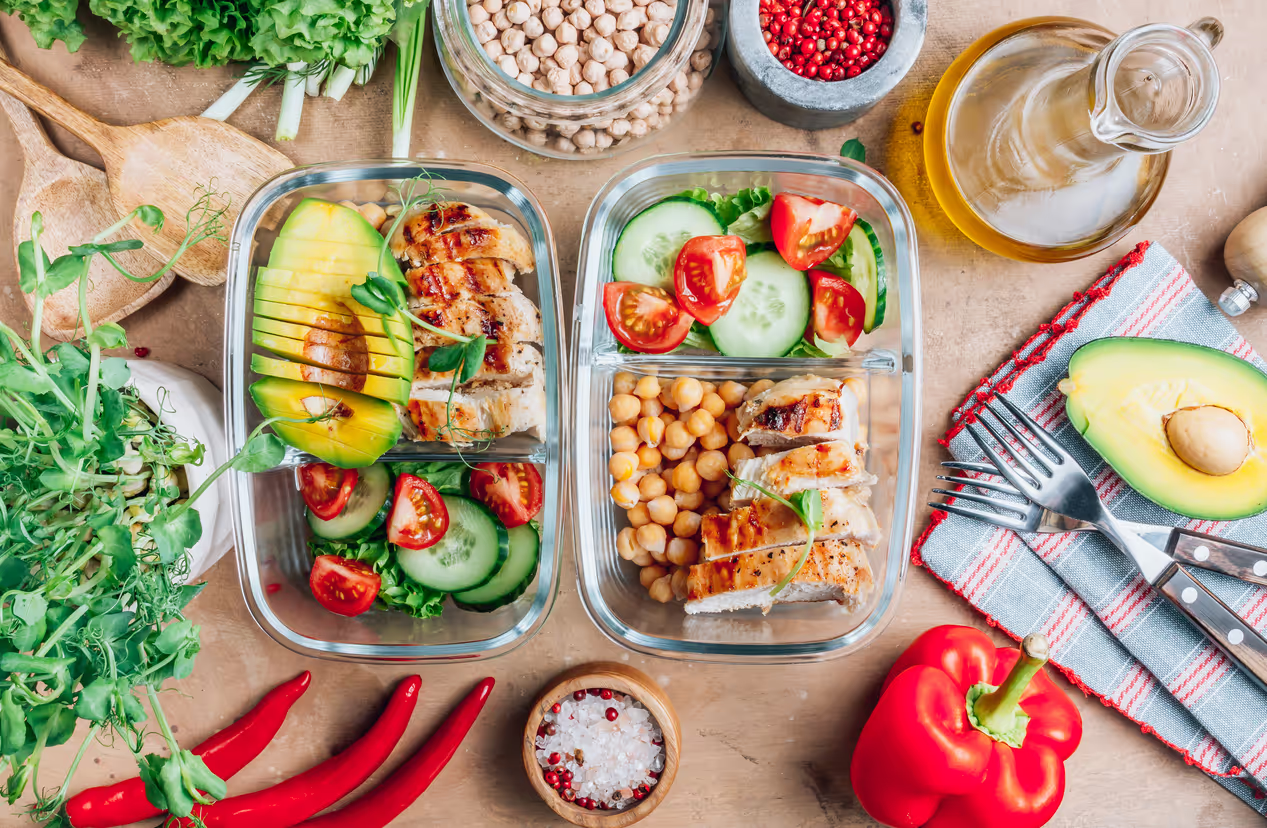
A varied diet full of fiber-rich foods, probiotics, lean proteins, healthy fats, anti-inflammatory foods, and antioxidant-rich foods is an important component of a successful weight management plan.
Here are recommendations of foods to eat in each category.
Fiber-Rich Foods
Fiber is a non-digestible carbohydrate found in plant-based foods.
While the human body doesn’t digest fiber, it is an important nutrient for gut health and weight management thanks to its interaction with the gut microbiota and its effects on satiety.
The gut microbiota refers to the diverse community of trillions of microorganisms living in our gut.
When these microorganisms break down fiber, they produce beneficial molecules for our health, such as short-chain fatty acids (SCFAs), which may affect human metabolism and strengthen the gut barrier.
Improved gut barrier function may impact metabolic diseases like obesity and type 2 diabetes because it reduces the entry of microbes into the blood.
This reduces inflammation.
Since chronic, low-grade inflammation is a risk factor for metabolic diseases, reducing inflammation may protect against developing these diseases.
Fiber is also good for weight management because it reduces hunger and promotes satiety. This may make it easier to follow a calorie-reduced weight-loss eating plan.
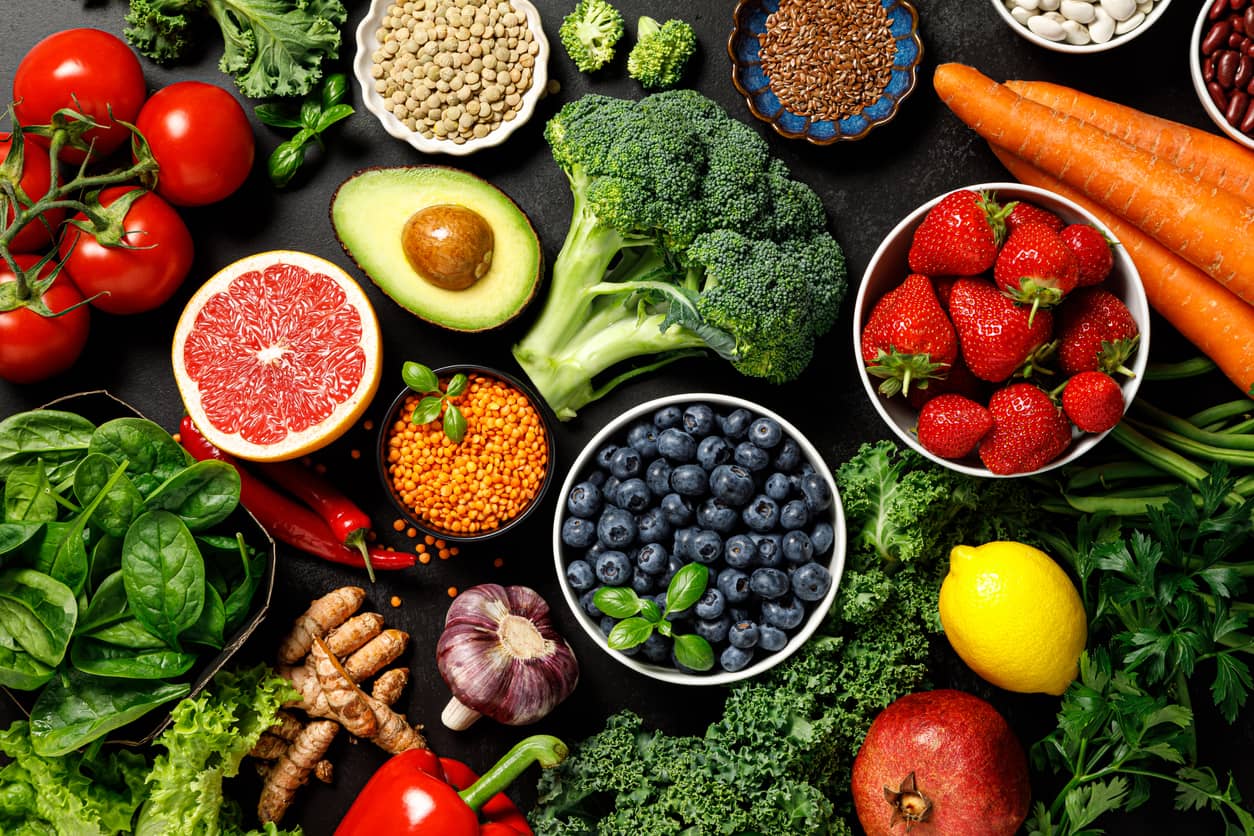
Here are some high-fiber foods that are good for both gut health and weight loss:
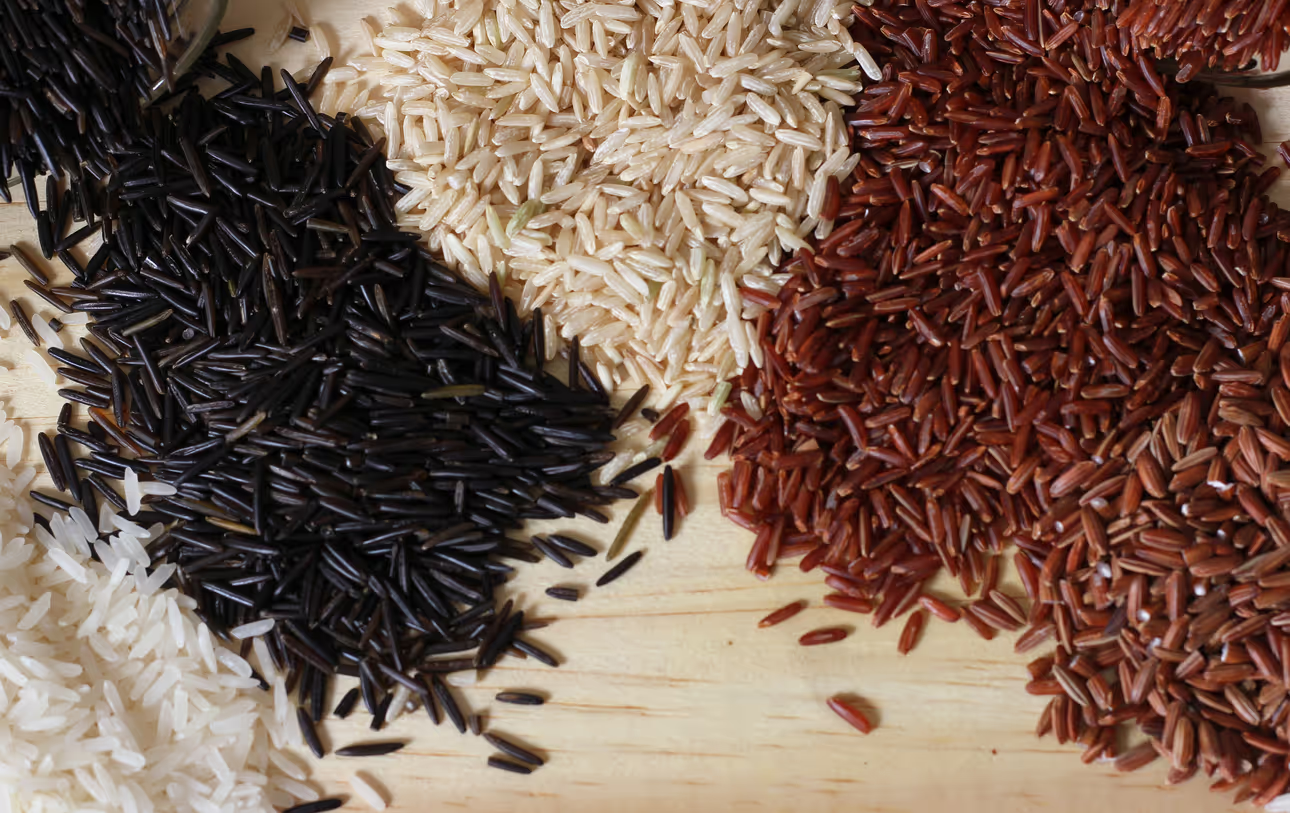
- Whole grains, like whole wheat, oats, barley, quinoa, bulgur, brown rice, and air-popped popcorn.
- Legumes, like beans, chickpeas, and lentils.
- Fruits, like apples, pears, berries, oranges, bananas, and avocados.
- Vegetables, like broccoli, Brussels sprouts, carrots, leafy greens, sweet potatoes, and peas.
- Nuts and seeds, like almonds, chia seeds, and flaxseeds.
Most adults need 14 grams of fiber for every 1,000 calories consumed.
This is about 25 grams daily for women and 38 grams for men. Increase your fiber intake slowly to avoid digestive issues like gas and bloating.
Probiotic-Rich Foods
Probiotics are live microorganisms that benefit human health.
They’re naturally present in some fermented foods and are also available as dietary supplements.
Emerging research shows that certain probiotic strains may help with weight loss.
For example, when given a probiotic containing Akkermansia muciniphila, people had moderately reduced body weight. In addition, Lactobacillus gasseri BNR17 may also help with weight loss by reducing fat accumulation around the organs and waist circumference.
While fermented foods may not necessarily contain the specific probiotic strains that promote weight loss, studies show that eating fermented foods is associated with several metabolic health benefits, including a reduced risk of type 2 diabetes and heart disease and improved weight management.
Here are some fermented foods to include in your diet for gut health and weight loss:
- Yogurt.
- Kimchi.
- Kefir.
- Kombucha.
- Sauerkraut.
- Miso.
- Pickles.
- Tempeh.
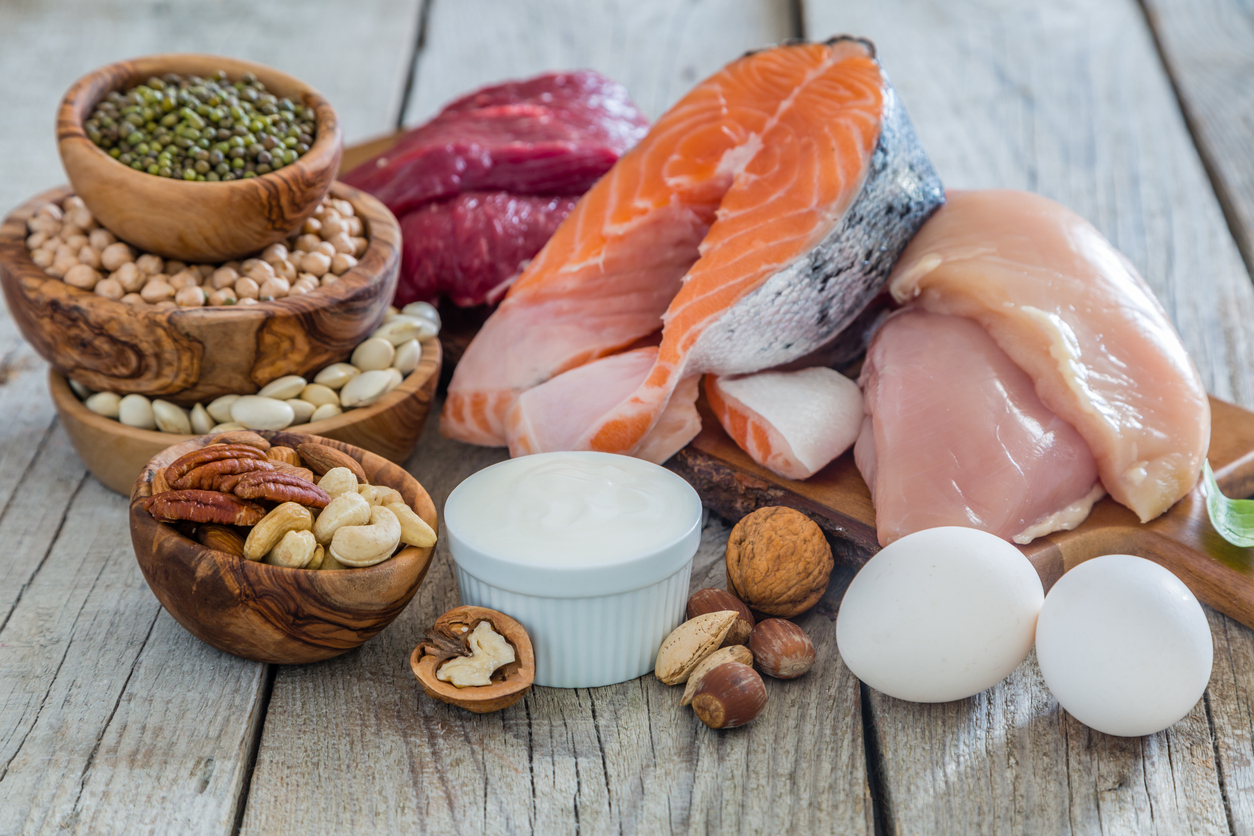
Lean Proteins
A high-protein diet has been found effective for promoting weight loss because it helps you feel full for longer after a meal.
This may make it easier to reduce your overall calorie intake.
A high-protein diet generally involves about 30 percent of calories coming from protein.
For someone eating 2,000 calories a day, this would be about 150 grams of protein.
If you’re trying to lose weight, it’s best to choose lean proteins (proteins without much fat) because they are lower in calories.
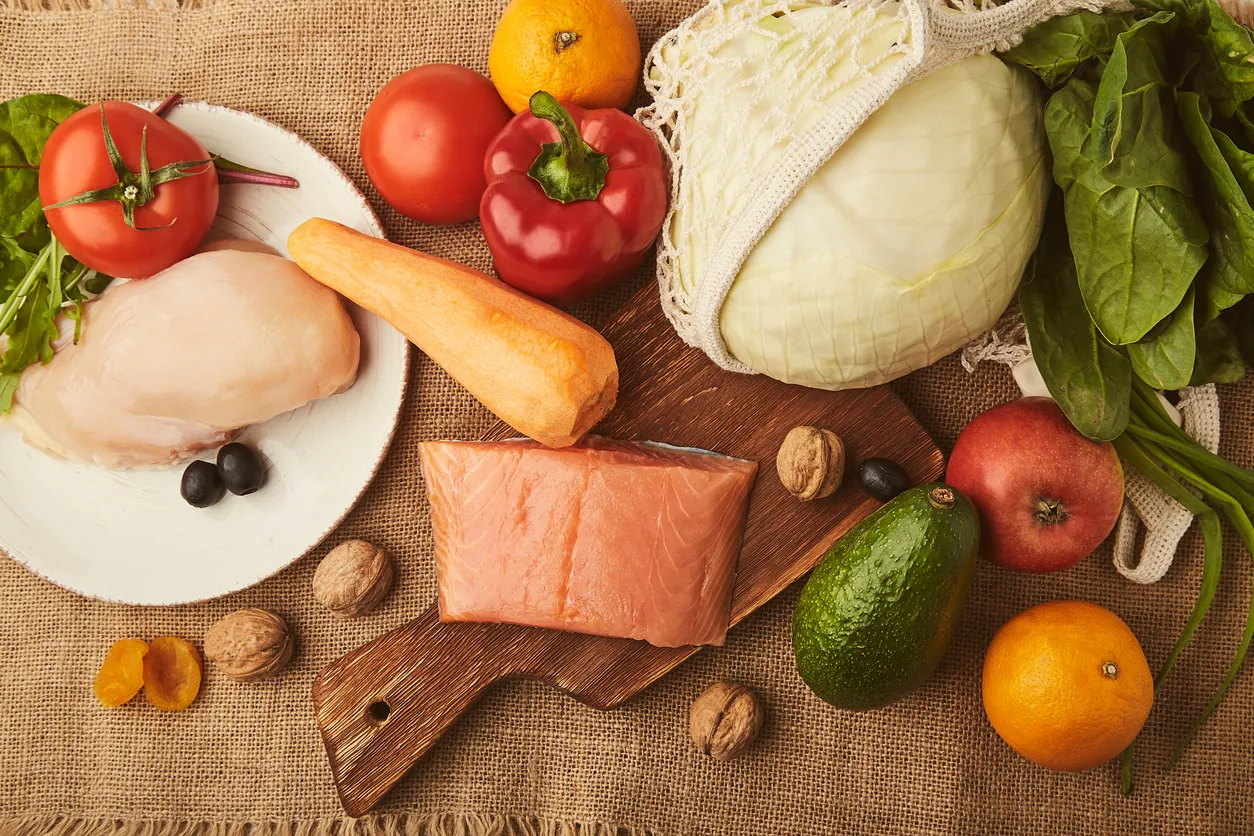
Here are some lean proteins to include:
- Skinless chicken breast.
- Skinless turkey breast.
- Fish, like cod, tilapia, tuna, and salmon.
- Shrimp.
- Lean cuts of beef, like sirloin, tenderloin, and flank steak.
- Lean cuts of pork, like pork loin.
- Eggs.
- Low-fat Greek yogurt.
- Low-fat cottage cheese.
- Tofu.
- Tempeh.
- Legumes, like beans, chickpeas, and lentils.
Some people also add protein powder to their smoothies or baked goods to help them meet their protein goals.
Healthy Fats
Many people try to limit their fat intake when pursuing weight loss due to its higher calorie content.
However, fat is an important nutrient that provides your body with energy, supports cell function, helps you absorb nutrients, and aids in hormone production.
There are four types of fats found in foods: monounsaturated fats, polyunsaturated fats, saturated fats, and trans fats.
Mono- and polyunsaturated fats are healthy fats that tend to be liquid at room temperature, while saturated and trans fats are unhealthy fats that tend to be solid at room temperature.
Here are some sources of mono- and polyunsaturated fats to include in your weight loss plan in moderation:
- Avocado and avocado oil.
- Olive oil.
- Nuts, like almonds, walnuts, pistachios, and cashews.
- Seeds, like chia seeds, flaxseeds, and pumpkin seeds.
- Fatty fish, like salmon, mackerel, sardines, and trout.
- Flaxseed oil.
- Sunflower oil.
Anti-Inflammatory Foods
Obesity can increase inflammation, leading to insulin resistance and blood vessel dysfunction.
This can increase your risk of developing type 2 diabetes and heart disease. An anti-inflammatory diet may be used to counteract this inflammation.
While there is no single anti-inflammatory diet, the Mediterranean and Dietary Approaches to Stop Hypertension (DASH) diets include many anti-inflammatory foods. Studies show that people following a Mediterranean diet are more likely to maintain their weight loss.
Here are some anti-inflammatory foods to include in your diet:
- Fruits.
- Vegetables.
- Whole grains.
- Legumes, like beans, chickpeas, and lentils.
- Monounsaturated fats, like avocados, nuts, and olive oil.
- Polyunsaturated fats, like walnuts, flax seeds, chia seeds, and fatty fish.
- Tea.
- Coffee.
- Dark chocolate (at least 70% or higher cocoa solids).
- Herbs and spices.
Antioxidant-Rich Foods
Antioxidants are food components that neutralize harmful substances called free radicals in the body. Some common antioxidants include carotenoids, polyphenols, ascorbic acid (vitamin C), tocopherols (vitamin E), zinc, and selenium.
Recent studies show that consuming antioxidant-rich foods is associated with positive changes in the gut microbiota. While less is known about whether antioxidants lead to weight loss, they may counteract the chronic low-grade inflammation associated with obesity.
Here are some antioxidant-rich foods to include in your diet:
- Berries.
- Dark chocolate.
- Broccoli.
- Brussels sprouts.
- Cantaloupe.
- Leafy greens.
- Kiwi.
- Sweet potatoes.
- Tomatoes.
- Bell peppers.
- Almonds.
- Avocado.
- Sunflower seeds.
- Asparagus.
- Beets.
- Carrots.
- Brazil nuts.
- Tea.
- Grapes.
Does Gut Health Impact Weight Loss?
Changes to your gut microbiota diversity and volume may impact weight loss results.
Studies demonstrate that people with obesity have a higher ratio of Firmicutes to Bacteroidetes. People with obesity may also have a less diverse gut microbiota.
While at-home tests to determine your gut microbiota composition are available, they are still in their infancy. These tests typically use a stool sample and only give you data for one moment in time.
The gut microbiota is constantly shifting and can be influenced by food intake in as little as 24 hours.
Therefore, these tests may not provide an accurate picture of your gut microbiota.
Certain microbes, such as Firmicutes, are better at extracting calories from food, and if a person has many of these microbes, they may find it harder to lose weight.
Also, some gut microbiota may influence appetite and satiety signals.
Eating a diet rich in fiber may contribute to a more diverse gut microbiota, which could benefit weight loss.
Having trouble losing weight? Take the weight loss quiz to understand your next steps and reach your goals.
Tips for Improving Gut Health for Weight Loss
Below are several evidence-based strategies that can improve your gut health and support weight loss.
For more personalized advice, consider meeting with a dietitian.
Further understand your digestive health by taking the gut health quiz!
Eat a High-Fiber Diet
Fiber-rich foods like fruits, vegetables, legumes, whole grains, nuts, and seeds can promote gut health by feeding your good gut microbes.
Include Probiotic-Rich Foods
Probiotics are beneficial microbes that can improve your gut health.
They are often found in fermented foods. Include foods like yogurt, kefir, sauerkraut, kimchi, tempeh, and miso in your diet to reap the benefits of fermented foods.
{{splash}}
Limit Processed Foods
While it’s okay to occasionally enjoy these foods, foods high in sugar and unhealthy fats can negatively impact your gut health and contribute to inflammation.
Choose whole, minimally processed foods like fruits, vegetables, legumes, whole grains, nuts, seeds, and lean proteins whenever possible.
Manage Stress
Chronic stress can disrupt gut health and make it harder to lose weight.
To manage stress, practice techniques like meditation, yoga, deep breathing exercises, or spending time in nature.
Get Enough Sleep
Poor sleep habits can disrupt the gut microbiota and increase cravings for calorie-dense foods. Aim for seven to nine hours of quality sleep each night.
Exercise Regularly
Physical activity can improve gut health by promoting the growth of beneficial microbes and improving microbiota diversity.
Aim for at least 150 minutes of moderate-intensity exercise and two or more days of muscle-strengthening activities per week.
Takeaway
While we are still learning about the relationship between gut health and body weight, research shows that improving gut health and having a diverse gut microbiota may improve weight loss.
Your diet can include many foods to support gut health and weight management.
These include fiber-rich foods, probiotic-rich foods, lean proteins, healthy fats, anti-inflammatory foods, and antioxidant-rich foods.
Paired with good sleep, stress management, and regular exercise, these are some of the best foods for gut health and weight loss, and can be part of a comprehensive weight management plan.
How a Dietitian Can Help
If you want to improve your gut health for weight loss, working with a registered dietitian can help.
They will assess your current dietary habits, provide education about gut health and weight loss, assist you with meal planning, and provide ongoing monitoring and support for your gut health and weight loss journey.
You can find a dietitian who accepts insurance through Nourish.
Frequently Asked Questions
What foods are good for gut and weight loss?
Many foods are good for both your gut and weight loss.
Fiber-rich foods like fruits, vegetables, and whole grains help keep you full while supporting the growth of beneficial gut microbes. Fermented foods like sauerkraut, kefir, and kimchi can also support metabolic health.
Lean proteins like chicken, fish, and legumes help keep you full, which may make it easier to reduce your overall calorie intake, while healthy fats such as those found in avocados, olive oil, nuts, seeds, and fatty fish, are important for nutrient absorption and hormone production as you try to lose weight.
What are the three superfoods for your gut?
Fiber-rich, probiotic-rich, and antioxidant-rich foods can all support a healthy gut.
Fiber-rich foods include fruits, vegetables, whole grains, legumes, nuts, and seeds.
Probiotic-rich foods include sauerkraut, kimchi, kefir, miso, and tempeh.
Antioxidant-rich foods include berries, leafy green vegetables, brightly colored vegetables and fruits, dark chocolate, tea, and coffee.
How can I heal my gut for weight loss?
While no specific diet has been found to heal the gut, eating a diet rich in fiber can support a healthy and diverse gut microbiota, which may contribute to weight loss. However, certain gut conditions, like irritable bowel syndrome (IBS) or inflammatory bowel disease (IBD), may need different types or amounts of fiber. If you have one of these conditions, speak with a gut health dietitian who can help you determine the type and amount of fiber that will best suit your needs.
References
View all references
- Myhrstad, M. C., Tunsjø, H., Charnock, C., & H., V. (2020). Dietary Fiber, Gut Microbiota, and Metabolic Regulation—Current Status in Human Randomized Trials. Nutrients, 12(3), 859. https://doi.org/10.3390/nu12030859
- Akhlaghi, M. (2024). The role of dietary fibers in regulating appetite, an overview of mechanisms and weight consequences. Critical Reviews in Food Science and Nutrition, 64(10), 3139–3150. https://doi.org/10.1080/10408398.2022.2130160
- Thursby, E., & Juge, N. (2017). Introduction to the human gut microbiota. Biochemical Journal, 474(11), 1823-1836. https://doi.org/10.1042/BCJ20160510
- McKeown, N. M., & Slavin, J. (2022). Food for Thought: Fibre intake for optimal health: How can healthcare professionals support people to reach dietary recommendations? The BMJ, 378. https://doi.org/10.1136/bmj-2020-054370
- National Institutes of Health Office of Dietary Supplements. (November 3, 2023). Probiotics. Retrieved May 7, 2024, from https://ods.od.nih.gov/factsheets/Probiotics-HealthProfessional/
- Depommier, C., Everard, A., Druart, C., Plovier, H., Hul, M. V., Vieira-Silva, S., Falony, G., Raes, J., Maiter, D., Delzenne, N. M., Loumaye, A., Hermans, M. P., Thissen, P., & Cani, P. D. (2019). Supplementation with Akkermansia muciniphila in overweight and obese human volunteers: A proof-of-concept exploratory study. Nature Medicine, 25(7), 1096. https://doi.org/10.1038/s41591-019-0495-2
- Kim, J., Yun, J. M., Kim, M. K., Kwon, O., & Cho, B. (2018). Lactobacillus gasseri BNR17 Supplementation Reduces the Visceral Fat Accumulation and Waist Circumference in Obese Adults: A Randomized, Double-Blind, Placebo-Controlled Trial. Journal of medicinal food, 21(5), 454–461. https://doi.org/10.1089/jmf.2017.3937
- Kok, C. R., & Hutkins, R. (2018). Yogurt and other fermented foods as sources of health-promoting bacteria. Nutrition Reviews, 76(Supplement_1), 4-15. https://doi.org/10.1093/nutrit/nuy056
- Kim, J. Y. (2021). Optimal Diet Strategies for Weight Loss and Weight Loss Maintenance. Journal of Obesity & Metabolic Syndrome, 30(1), 20-31. https://doi.org/10.7570/jomes20065
- American Heart Association. (November 1, 2021). Dietary Fats. Retrieved May 8, 2024, from https://www.heart.org/en/healthy-living/healthy-eating/eat-smart/fats/dietary-fats
- Kenđel Jovanović, G., Pavičić Žeželj, S., Šuša, B., Rahelić, D., & Klobučar Majanović, S. (2020). The Efficacy of an Energy-Restricted Anti-Inflammatory Diet for the Management of Obesity in Younger Adults. Nutrients, 12(11), 3583. https://doi.org/10.3390/nu12113583
- Harvard T. H. Chan School of Public Health. (October, 2021). Diet Review: Anti-Inflammatory Diet. Retrieved May 8, 2024, from https://www.hsph.harvard.edu/nutritionsource/healthy-weight/diet-reviews/anti-inflammatory-diet/
- Poulimeneas, D., Anastasiou, C. A., Santos, I., Hill, J. O., Panagiotakos, D. B., & Yannakoulia, M. (2020). Exploring the relationship between the Mediterranean diet and weight loss maintenance: the MedWeight study. The British Journal of Nutrition, 124(8), 874–880. https://doi.org/10.1017/S0007114520001798
- Naliyadhara, N., Kumar, A., Kumar Gangwar, S., Nair Devanarayanan, T., Hegde, M., Alqahtani, M. S., Abbas, M., Sethi, G., & Kunnumakkara, A. (2023). Interplay of dietary antioxidants and gut microbiome in human health: What has been learnt thus far? Journal of Functional Foods, 100, 105365. https://doi.org/10.1016/j.jff.2022.105365
- Soto, M. E., & Esther, M. (2021). Oxidative Stress, Plant Natural Antioxidants, and Obesity. International Journal of Molecular Sciences, 22(4), 1786. https://doi.org/10.3390/ijms22041786
- Harvard T. H. Chan School of Public Health. (n.d.). Antioxidants. Retrieved May 8, 2024, from https://www.hsph.harvard.edu/nutritionsource/antioxidants/
- Liu, N., Liu, T., Liang, H., & Wang, H. (2021). Gut microbiota in obesity. World Journal of Gastroenterology, 27(25), 3837-3850. https://doi.org/10.3748/wjg.v27.i25.3837
- Han, H., Yi, B., Zhong, R., Wang, M., Zhang, S., Ma, J., Yin, Y., Yin, J., Chen, L., & Zhang, H. (2021). From gut microbiota to host appetite: Gut microbiota-derived metabolites as key regulators. Microbiome, 9. https://doi.org/10.1186/s40168-021-01093-y
- Aoun, A., Darwish, F., & Hamod, N. (2020). The Influence of the Gut Microbiome on Obesity in Adults and the Role of Probiotics, Prebiotics, and Synbiotics for Weight Loss. Preventive Nutrition and Food Science, 25(2), 113-123. https://doi.org/10.3746/pnf.2020.25.2.113
- Satokari, R. (2020). High Intake of Sugar and the Balance between Pro- and Anti-Inflammatory Gut Bacteria. Nutrients, 12(5), 1348. https://doi.org/10.3390/nu12051348
- Wolters, M., Ahrens, J., Romaní-Pérez, M., Watkins, C., Sanz, Y., Benítez-Páez, A., Stanton, C., & Günther, K. (2019). Dietary fat, the gut microbiota, and metabolic health – A systematic review conducted within the MyNewGut project. Clinical Nutrition, 38(6), 2504-2520. https://doi.org/10.1016/j.clnu.2018.12.024
- Molina-Torres, G., Rodriguez-Arrastia, M., Roman, P., Sanchez-Labraca, N., & Cardona, D. (2019). Stress and the gut microbiota-brain axis. Behavioural pharmacology, 30(2 and 3-Spec Issue), 187–200. https://doi.org/10.1097/FBP.0000000000000478
- Geiker, N. R. W., Astrup, A., Hjorth, M. F., Sjödin, A., Pijls, L., & Markus, C. R. (2018). Does stress influence sleep patterns, food intake, weight gain, abdominal obesity and weight loss interventions and vice versa?. Obesity reviews : an official journal of the International Association for the Study of Obesity, 19(1), 81–97. https://doi.org/10.1111/obr.12603
- Han, M., Yuan, S., & Zhang, J. (2022). The interplay between sleep and gut microbiota. Brain research bulletin, 180, 131–146. https://doi.org/10.1016/j.brainresbull.2021.12.016
- Lv, W., Finlayson, G., & Dando, R. (2018). Sleep, food cravings and taste. Appetite, 125, 210–216. https://doi.org/10.1016/j.appet.2018.02.013
- Monda, V., Villano, I., Messina, A., Valenzano, A., Esposito, T., Moscatelli, F., Viggiano, A., Cibelli, G., Chieffi, S., Monda, M., & Messina, G. (2017). Exercise Modifies the Gut Microbiota with Positive Health Effects. Oxidative medicine and cellular longevity, 2017, 3831972. https://doi.org/10.1155/2017/3831972
- Centers for Disease Control and Prevention. (June 2, 2022). How much physical activity do adults need? Retrieved May 8, 2024, from https://www.cdc.gov/physicalactivity/basics/adults/index.htm
- Cheng, W., Lu, J., Li, B., Lin, W., Zhang, Z., Wei, X., Sun, C., Chi, M., Bi, W., Yang, B., Jiang, A., & Yuan, J. (2017). Effect of Functional Oligosaccharides and Ordinary Dietary Fiber on Intestinal Microbiota Diversity. Frontiers in Microbiology, 8. https://doi.org/10.3389/fmicb.2017.01750
- Dhakal, S., McCormack, L., & Dey, M. (2020). Association of the Gut Microbiota with Weight-Loss Response within a Retail Weight-Management Program. Microorganisms, 8(8), 1246. https://doi.org/10.3390/microorganisms8081246
- American Society for Nutrition. (June 9, 2021). Most Americans are not getting enough fiber in our diets. Retrieved May 16, 2024, from https://nutrition.org/most-americans-are-not-getting-enough-fiber-in-our-diets/
- CDC. (n.d.). About Sleep. Retrieved May 17, 2024, from https://www.cdc.gov/sleep/about/?CDC_AAref_Val=https://www.cdc.gov/sleep/about_sleep/how_much_sleep.html
- Magne, F., Gotteland, M., Gauthier, L., Zazueta, A., Pesoa, S., Navarrete, P., & Balamurugan, R. (2020). The Firmicutes/Bacteroidetes Ratio: A Relevant Marker of Gut Dysbiosis in Obese Patients? Nutrients, 12(5). https://doi.org/10.3390/nu12051474
- Leeming, E. R., Johnson, A. J., Spector, T. D., & Le Roy, C. I. (2019). Effect of Diet on the Gut Microbiota: Rethinking Intervention Duration. Nutrients, 11(12). https://doi.org/10.3390/nu11122862
Nourish has strict sourcing policies and prioritizes primary sources, including medical organizations, governmental agencies, academic institutions, and peer-reviewed scientific journals. Learn more about our medical review process and editorial guidelines.
More articles
%201%20(1).jpg)


.avif)










.avif)








.avif)














.avif)