What Is Reverse Dieting? A Comprehensive Guide To Boosting Your Metabolism

Medical Reviewer: Ellie Stamerjohn, MS, RDN, LD

Author: Ashley Petrie, RDN, LDN

Summary
- Reverse dieting is an eating strategy that claims to help people maintain their weight more easily after a period of weight loss.
- No research currently exists to support the effectiveness of reverse dieting on weight loss maintenance or metabolic function.
- If you’re interested in trying this weight maintenance approach, this comprehensive guide provides information to help you get started.
Many people who lose weight with a calorie-restricted diet struggle to maintain their new weight once they stop dieting.
As you lose weight, your body will require fewer calories to sustain the lower weight.
Additionally, our metabolism becomes more efficient, and hormonal adjustments may occur to conserve energy and increase hunger signals (meaning you’ll lose weight more slowly and your body will start to make you feel hungrier to encourage you to eat more).
Reverse dieting has become popular as a potential method to maintain weight more effectively after dieting.
The idea is to gradually increase calories in small steps, which proponents claim can help maintain weight and boost metabolism.
However, there is currently no scientific evidence to support these claims.
Despite the lack of evidence, reverse dieting is likely considered safe for most people who may want to try this approach to weight maintenance.
Of course, always consult your healthcare provider before starting any new diet.
If you're interested in using reverse dieting to maintain your weight after losing weight, read on for our comprehensive guide.
{{splash}}
What Is Reverse Dieting?
Reverse dieting is a strategy of gradually increasing your calorie intake after a period of dieting or calorie restriction.
The goal is to avoid rapid weight gain and help boost your metabolism as you transition to the maintenance phase of your weight loss journey.
No research currently supports this weight maintenance approach, but some anecdotal evidence for the use of reverse dieting in athletes does exist.
How it Works
Reverse dieting involves gradually adding a small number of calories, usually 50 to 100, to your daily intake every one to two weeks.
For example, if you were eating 1,600 calories a day to lose weight and have now reached your goal, you wouldn't jump straight to your maintenance level of 2,000 calories per day.
Instead, you would add 50 to 100 calories each week until you reach 2,000 calories.
This gradual increase is claimed to help your body adjust to the higher calorie intake without gaining weight.
The goal is to reach a maintenance level where your calorie intake matches your energy expenditure, keeping your weight stable.
What Are the Benefits of Reverse Dieting?
Proponents of reverse dieting claim that this approach can make maintaining weight loss easier and boost your metabolism after dieting.
However, these benefits are based only on anecdotal evidence and lack scientific support.
Here is a deeper look at some of the “potential benefits” of reverse dieting:
Sustainable Weight Management
After losing weight, many people find it easy to regain it when they start eating more calories.
This happens because the body adapts to the lower weight and needs fewer calories to function.
When you increase your calorie intake, your body is still efficient at using those calories, leading to weight gain.
Reverse dieting aims to minimize this effect by slowly increasing your calorie intake.
This gradual approach is supposed to give your body time to adjust to the higher calorie intake, helping to maintain your weight loss.
Metabolic Boost
Another claim by supporters of reverse dieting is that it can boost your metabolism.
However, there is no scientific evidence to support this claim, and reverse dieting is unlikely to significantly boost your metabolism.
Your metabolism and the number of calories you need are influenced by several factors, including your age, activity level, muscle mass, and overall health.
While reverse dieting may not significantly boost your metabolism, it may be beneficial to use it to slowly increase your calorie intake after dieting.
Preserve Lean Body Mass
Some people believe reverse dieting can help preserve lean muscle mass.
However, the diet you follow to lose weight is more likely to impact your muscle maintenance than reverse dieting.
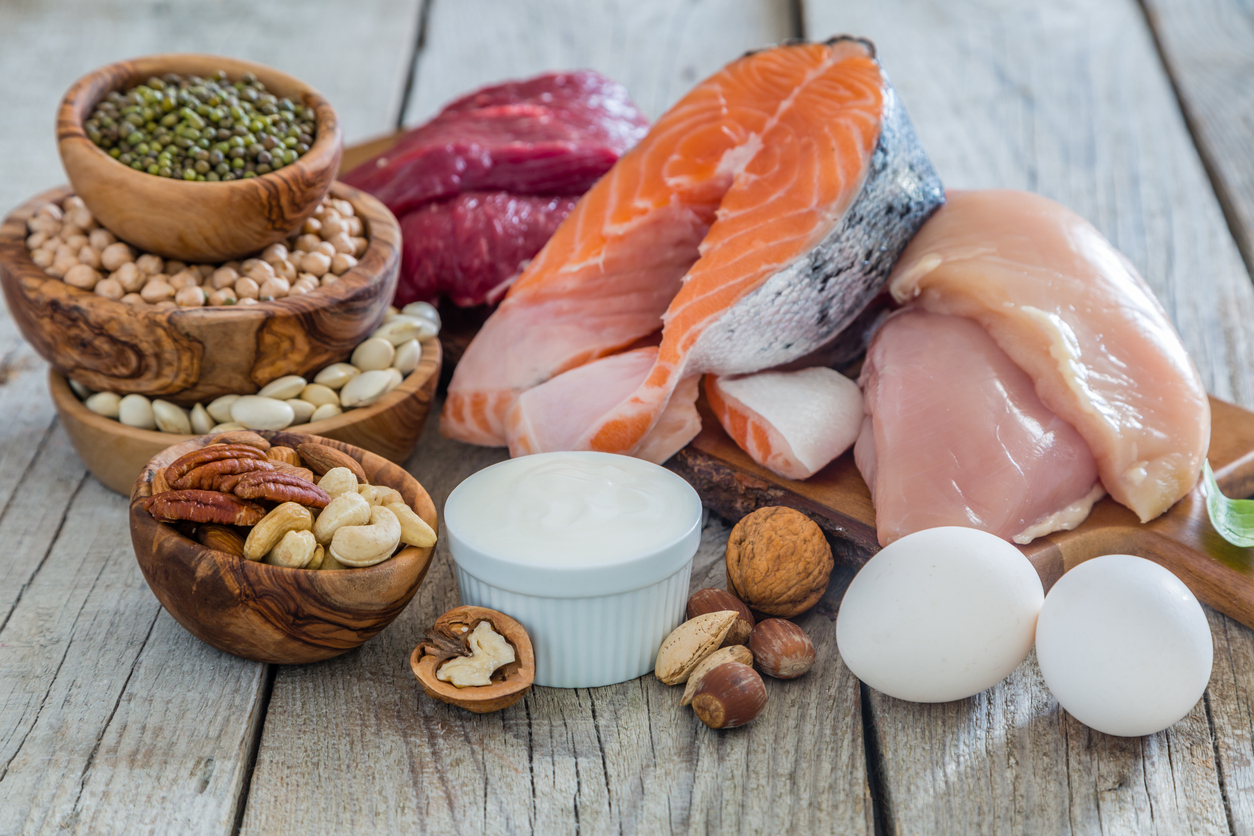
Research demonstrates that a high-protein diet combined with exercise can help preserve muscle mass during weight loss.
Restore Hormones
Another claim is that reverse dieting can help restore hormone balance after weight loss.
When you follow a calorie-restricted diet, hormones that regulate hunger and metabolism, like leptin, ghrelin, and insulin, are thought to shift to conserve energy and encourage eating more.
Reverse dieting aims to gradually increase calorie intake, allowing your body to adjust and restore hormone levels to a balanced state.
However, there is no scientific evidence supporting reverse dieting as a method for restoring hormonal balance after dieting.
How to Implement Reverse Dieting
Implementing reverse dieting involves a structured approach to gradually increasing calorie intake after a period of calorie restriction.
For this method to be effective, you’ll need to track your daily calorie intake and weight closely.
Here are the steps to implement reverse dieting:
- Assess your current caloric intake. Begin by determining your current daily calorie intake (the amount you’ve been eating to lose weight).
- Calculate your maintenance calories. Your estimated maintenance calorie intake is based on factors like age, weight, activity level, and metabolic rate.
- Plan incremental increases. Start by adding 50-100 calories to your daily intake every one to two weeks.
- Monitor your progress. Regularly monitor your weight, body measurements, energy levels, and hunger cues throughout the process. Adjust your calorie intake as needed based on your goals and how your body responds until your weight stabilizes.
Who Should Try Reverse Dieting?
Reverse dieting has shown anecdotal benefits in athletes aiming to maintain performance while adjusting calorie intake.
It may also appeal to individuals who have recently completed a calorie-restricted diet and prefer a gradual transition to weight maintenance.
While scientific evidence supporting the effectiveness of reverse dieting is lacking, this approach is likely considered safe for most individuals interested in using it to maintain their weight.
However, as with any dietary change, consulting with your healthcare provider or dietitian before starting is recommended.
Sample Reverse Dieting Plan
Using the example of eating 1,600 calories daily for weight loss with a maintenance goal of 2,000 calories, here’s a sample reverse dieting plan:
- Week 1: Start by increasing your daily calorie intake to 1,700. Track your weight to see if there’s any change.
- Week 2: If you’re still losing weight, increase your intake to 1,800 calories per day. Continue tracking your weight to see if there are any changes.
- Week 3-4: Keep monitoring your weight and add 100 calories to your daily intake each week until your weight stabilizes and you're neither losing or gaining.
If you prefer a slower approach, you can add 50 calories to your daily intake each week or only increase your calorie intake every other week.
After completing the reverse dieting process, you’ll likely have added a few hundred calories to your daily total.
Focus on choosing whole, unprocessed foods as part of a well-balanced eating plan, but in slightly larger portions compared to your weight loss phase.
Risks and Considerations of Reverse Dieting
While reverse dieting is generally considered a safe approach to weight maintenance, it's important to be aware of potential risks and other considerations:
Weight Gain
Increasing calorie intake, even gradually, can lead to weight gain if not carefully monitored.
Individuals may overshoot their maintenance calories, resulting in unintended weight gain.
Overly Complicated
Reverse dieting requires careful tracking of calories and weight, which can be challenging for some.
This is especially true if you don’t track calories during weight loss.
Relationship with Food and Dieting
Engaging in a structured dieting approach like reverse dieting may reinforce a rigid relationship with food, particularly for those with a history of disordered eating.
This can affect psychological well-being and lead to feelings of guilt or anxiety surrounding food choices.
Lack of Research
The lack of scientific research supporting reverse dieting means its long-term effects and overall efficacy are not well understood.
Without evidence, it can be difficult to determine its appropriateness for various individuals.
Other Tips for Success
Here are some other tips to help you successfully maintain your weight, whether through reverse dieting or another approach:
- Focus on nutrient-dense foods. Eating mostly whole, unprocessed foods as part of a well-balanced diet will keep you feeling satisfied as you work on maintaining your weight loss.
- Stay active. Regular physical activity can help maintain lean muscle mass during the transition from weight loss to weight maintenance. Incorporate both aerobic exercise and strength training into your routine.
- Track non-scale victories. Pay attention to non-scale victories like changes in energy, mood, and physical performance to understand how your body responds to increased calories.
- Seek support. Involve your healthcare provider in your weight maintenance journey to ensure you're progressing safely and effectively. They can offer personalized advice based on your health history and goals.
{{splash}}
Takeaway
Reverse dieting involves gradually increasing your calorie intake after losing weight on a calorie-restricted diet, with the goal of making weight maintenance more sustainable.
Some also claim that reverse dieting can boost metabolism, preserve muscle mass, and balance hormones after weight loss.
While popular among athletes based on their personal experiences, there is limited scientific evidence proving its effectiveness.
Despite the lack of strong evidence, reverse dieting is generally considered safe and may appeal to individuals seeking to maintain weight loss more effectively after dieting.
If you’re considering trying a reverse dieting approach, talk to your healthcare provider or dietitian to make sure it’s right for you.
How a Dietitian Can Help
If you’re considering reverse dieting to maintain your weight after weight loss, a dietitian may be able to help.
A dietitian can assess whether reverse dieting is right for you based on your lifestyle preferences and weight maintenance goals.
They can accurately assess your maintenance calorie needs and create a structured reverse dieting plan that helps you smoothly transition from weight loss to weight maintenance.
A registered dietitian can also monitor your calorie intake, weight, and energy levels to help you make informed dietary adjustments.
Find a weight management dietitian who can help you maintain your weight using the best approach for you.
Frequently Asked Questions
References
View all references
- Busetto, L., Bettini, S., Makaronidis, J., Roberts, C. A., Halford, J. C., & Batterham, R. L. (2021). Mechanisms of weight regain. European Journal of Internal Medicine, 93, 3–7.
- Sumithran, P., Prendergast, L. A., Delbridge, E., Purcell, K., Shulkes, A., Kriketos, A., & Proietto, J. (2011). Long-Term persistence of hormonal adaptations to weight loss. New England Journal of Medicine/The New England Journal of Medicine, 365(17), 1597–1604.
- De Jonge, L. (2018). Could Slow Reintroduction of Calories after Weight Loss Prevent Metabolic Adaptation after Weight Loss? Current Research in Diabetes & Obesity Journal, 5(5).
- Trexler, E. T., Smith-Ryan, A. E., & Norton, L. E. (2014). Metabolic adaptation to weight loss: implications for the athlete. Journal of the International Society of Sports Nutrition, 11(1).
- Can you boost your metabolism?: MedlinePlus Medical Encyclopedia. (n.d.).
- McCarthy, D., & Berg, A. (2021). Weight loss strategies and the risk of skeletal muscle mass loss. Nutrients, 13(7), 2473.
- Fardet, A. (2016). Minimally processed foods are more satiating and less hyperglycemic than ultra-processed foods: a preliminary study with 98 ready-to-eat foods. Food & Function, 7(5), 2338–2346.
Nourish has strict sourcing policies and prioritizes primary sources, including medical organizations, governmental agencies, academic institutions, and peer-reviewed scientific journals. Learn more about our medical review process and editorial guidelines.













.jpg)























.avif)


.avif)





























.avif)

%20(1).webp)








.avif)
.avif)