What Vitamins Help With Weight Loss?

Medical Reviewer: Danielle Matthies, RD, LD, CD

Author: Sarah Glinski, RD
Summary
- While vitamin supplements may not directly promote weight loss, they may indirectly support weight loss efforts when combined with other evidence-based practices, like improving diet quality and increasing fitness.
- People with overweight and obesity are at a higher risk of having certain nutrient deficiencies, so supplementation may be necessary in some cases.
- Before starting a vitamin supplement, consider your overall diet and speak with a healthcare provider for guidance.
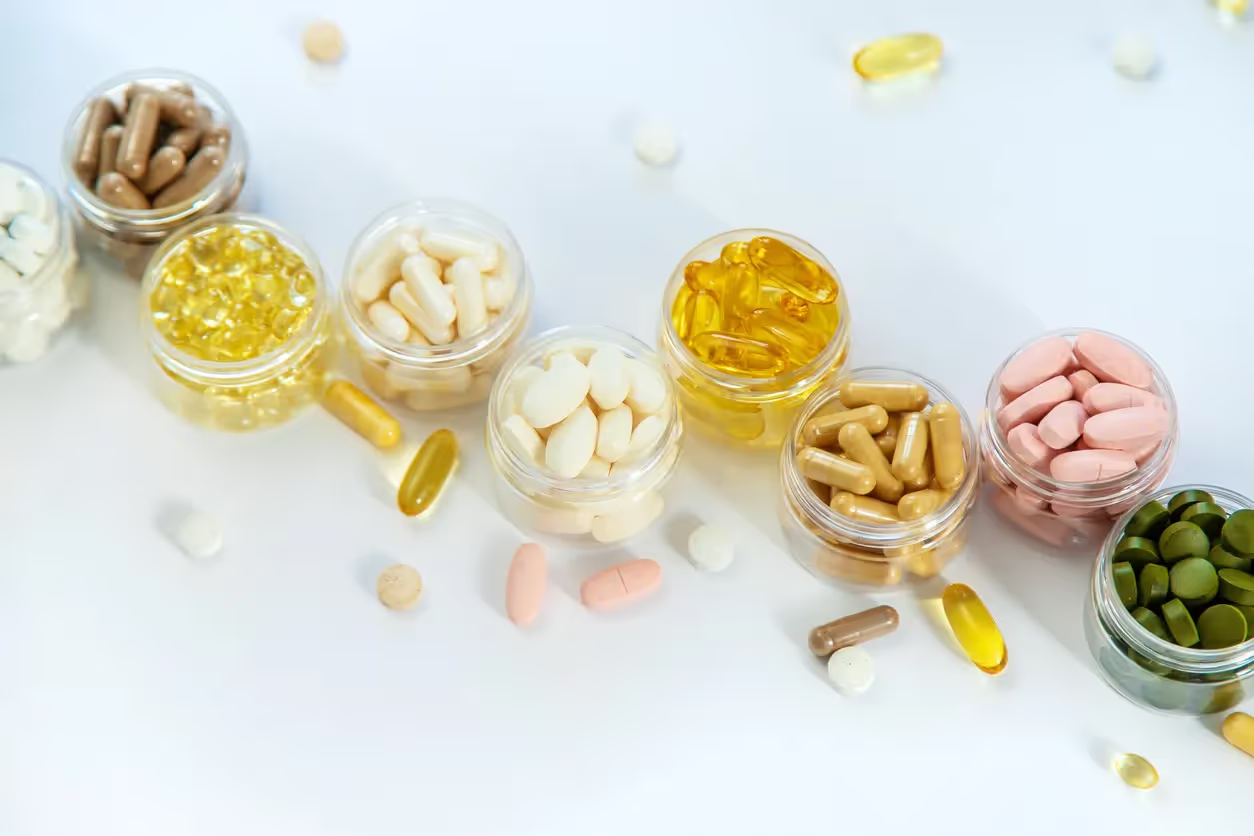
If you’re on a weight loss journey, you may wonder which vitamins help with weight loss.
While more research is needed regarding whether vitamins directly promote weight loss, certain vitamins, such as B vitamins, may indirectly help with weight loss thanks to their role in metabolism and energy production.
Read on to learn about what vitamins help with weight loss, food sources of these vitamins, and tips for deciding which vitamin supplements to take.
{{splash}}
What Vitamins Help With Weight Loss?
There isn’t enough evidence that vitamins and minerals lead to weight loss directly in humans.
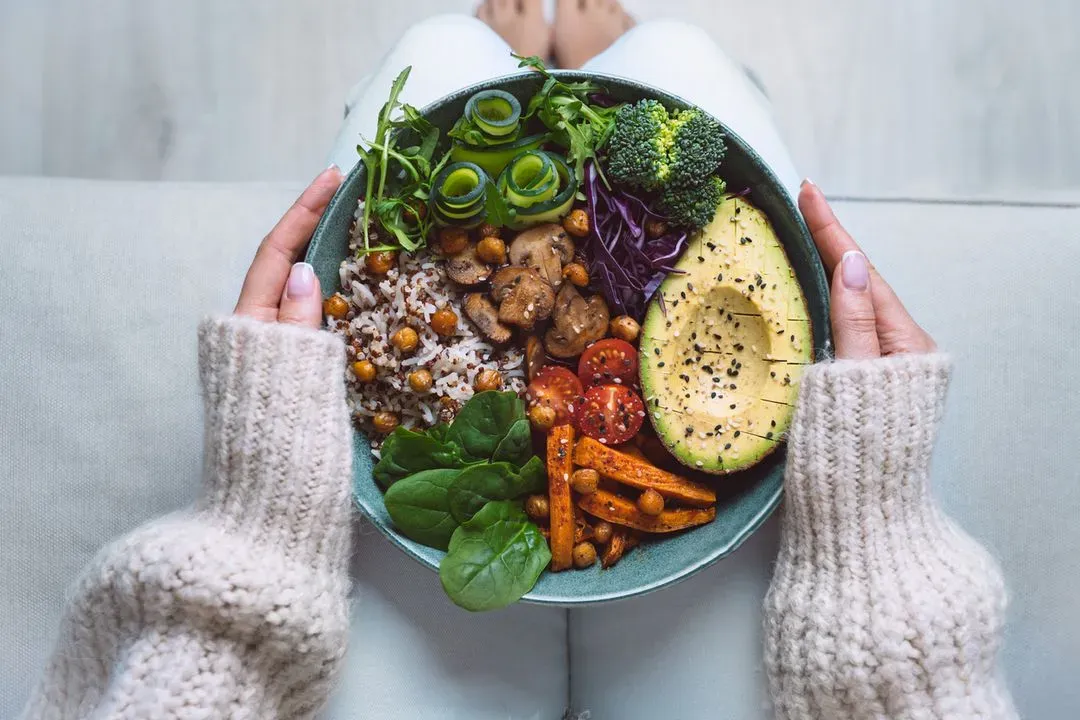
However, due to their involvement in metabolism, energy production, and overall health, maintaining healthy vitamin levels may indirectly support weight loss efforts when combined with a balanced diet, regular exercise, good sleep, and stress management techniques.
Additionally, if you are on a weight loss journey you may be at an increased risk of developing nutrient deficiencies.
This may occur you’re following a diet that eliminates certain food groups or if you engage in behaviors such as breakfast-skipping to promote weight loss.
Therefore, supplementing with certain vitamins and minerals could benefit
B-Complex
There are eight B vitamins:
- Vitamin B1 (thiamine).
- Vitamin B2 (riboflavin).
- Vitamin B3 (nicotinamide).
- Vitamin B5 (pantothenic acid).
- Vitamin B6 (pyridoxine).
- Vitamin B7 (biotin).
- Vitamin B9 (folate).
- Vitamin B12 (cobalamin).
B vitamins are water-soluble vitamins that play a key role in energy metabolism.
Since the body doesn’t store them, they must be obtained through the diet daily.
Symptoms of B-vitamin deficiency can include fatigue, irritability, sleep disturbances, confusion, depression, trouble thinking, and anemia (not having enough healthy red blood cells). Deficiency can occur for several reasons, including following a low-carbohydrate diet, not absorbing B vitamins properly, or following a vegan diet (vitamin B12 is only found in animal products).
What Research Says
There is little research in humans supporting using B-vitamin supplementation for weight loss.
A small study in rats fed a high-fat diet found that rats given a B-complex supplement gained significantly less weight than the control group.
They also found that the activity of certain enzymes associated with energy metabolism increased in the B-vitamin group.
B vitamins could theoretically provide metabolic benefits, especially if you’re deficient.
However, more human research is needed before B vitamin supplementation is recommended as a weight management strategy.
Food Sources
Different B vitamins come from different foods.
- Vitamin B1 (thiamine): Whole grains, pork, fish, and yeast.
- Vitamin B2 (riboflavin): Eggs, dairy products, meat, mushrooms, green vegetables, almonds.
- Vitamin B3 (niacin): Many animal and plant-based foods, such as soy, seeds, legumes, nuts, and grains.
- Vitamin B5 (pantothenic acid): Fortified cereals, infant formulas, mushrooms, eggs, fish, chicken, beef, pork, avocados, sunflower seeds, lentils, and sweet potatoes.
- Vitamin B6 (pyridoxine): Beef, poultry, non-citrus fruits, fortified cereals, and starchy vegetables.
- Vitamin B7 (biotin): Organ meats, fish, eggs, seeds, nuts, and soybeans.
- Vitamin B9 (folate): Dark leafy greens, nuts, beans, dairy products, meat, poultry, and grains.
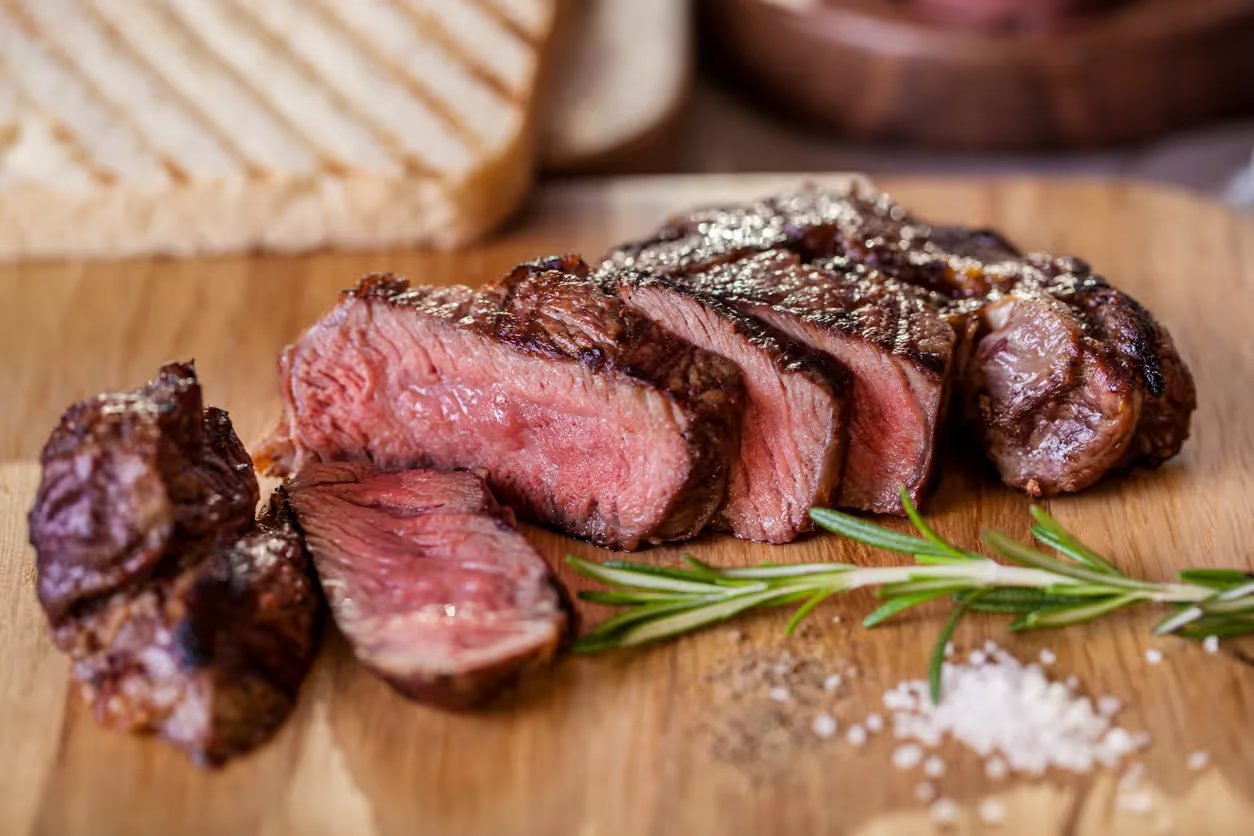
- Vitamin B12 (cobalamin): Animal products.
Vitamin D
Vitamin D, also known as the “sunshine vitamin,” is a fat-soluble vitamin typically obtained from sun exposure, which triggers vitamin D synthesis.
It’s also present in a few foods and fortified products.
What Research Says
Studies show that vitamin D deficiency is associated with obesity.
However, there is still controversy regarding whether vitamin D deficiency is a consequence or a cause of obesity.
While it remains to be seen whether supplementing with vitamin D leads to weight loss, people with obesity may benefit from a vitamin D supplement due to an increased likelihood of being deficient.
Food Sources
There aren’t many foods that naturally contain vitamin D.
Fatty fish, such as salmon, tuna, and mackerel, is one of the best dietary sources, while beef liver, egg yolks, and cheese contain small amounts of vitamin D.
In the United States, fortified foods such as dairy milk and milk alternatives (such as soy, almond, or oat milk) typically contain about 120 IU of vitamin D per cup.
For reference, adults between eight and 70 years old need 600 IU of vitamin D daily.
People over 70 need 800 IU of vitamin D daily.
Omega-3 Fatty Acids
There are many types of omega-3 fatty acids, but three have been the focus of most of the current research: alpha-linolenic acid (ALA), eicosapentaenoic acid (EPA), and docosahexaenoic acid (DHA). While the body can make EPA and DHA from ALA, it can only do so at a very low rate.
Therefore, getting EPA and DHA directly from your diet or supplements is recommended.
What Research Says
Some studies show that omega-3 fatty acid supplementation may reduce weight.
However, a meta-analysis combining the results of 11 randomized controlled trials found that although omega-3 fatty acids reduced waist circumference and triglycerides (a type of fat in the blood), they did not reduce weight.
Larger clinical trials are needed before recommending omega-3 fatty acids for weight loss.
Food Sources
Food sources of omega-3 fatty acids differ for ALA and EPA/DHA:
- Sources of ALA: Flaxseeds, chia seeds, walnuts.
- Sources of EPA and DHA: Fatty fish, such as salmon, herring, mackerel, and trout.
Iron
Iron is a mineral naturally found in many foods.
It’s an important part of hemoglobin, the red blood cell that transports oxygen around the body.
Iron deficiency is common, especially among women of reproductive age and pregnant people.
Infants and young children are also at risk of iron deficiency.
Symptoms include weakness, fatigue, and difficulty concentrating.
What Research Says
Studies show that the risk of iron deficiency increases in people with overweight and obesity.
Since iron deficiency can cause tiredness and weakness, it could theoretically reduce a person’s ability to exercise, which is a key component of a weight loss plan.
While no studies show that iron supplementation leads to weight loss, people with overweight and obesity may benefit from an iron supplement if they’re deficient.
Men and women have different iron requirements. Men aged 19 and older need eight milligrams of iron daily, while women aged 19 to 50 need 18 milligrams of iron daily. Iron needs increase to 27 milligrams per day during pregnancy and decrease to 9 mg per day when breastfeeding.
Food Sources
There are several food sources of iron, including:
- Fortified breakfast cereals.
- Oysters.
- White beans.
- Beef liver.
- Lentils.
- Spinach.
- Tofu.
- Kidney beans.
- Sardines.
- Chickpeas.
- Beef.
- Chicken.
Magnesium
Magnesium is a mineral that is present in many foods.
It is involved in over 300 chemical reactions in the body and is required for energy production and muscle contraction.
Chronically low intake or malabsorption of magnesium can lead to deficiency.
Several groups of people are at a higher risk of deficiency, including those with gastrointestinal diseases, those with type 2 diabetes, those with alcohol use disorder, and older adults.
What Research Says
Obesity increases the risk of magnesium deficiency. While studies show that consuming enough magnesium helps lower blood pressure, blood sugar, and triglycerides, it has not been found to reduce body weight.
However, there are metabolic benefits associated with consuming enough magnesium, so getting enough through dietary sources t is important, especially for those at risk of deficiency.
Food Sources
Magnesium is present in a variety of foods, including:
- Green leafy vegetables.
- Legumes.
- Nuts.
- Seeds.
- Whole grains.
- Fortified breakfast cereals.
Calcium
Calcium is the most abundant mineral in the human body and forms the structure of bones and teeth.
It is also important for muscle function, blood clotting, and nerve transmission.
The symptoms of calcium deficiency can be difficult to detect. Insufficient calcium can lead to weak bones, an increased risk of falling, and osteoporosis.
People who have gone through menopause and people who avoid dairy products are at an increased risk of developing osteoporosis due to a calcium deficiency.
What Research Says
Studies show that dairy products may reduce fat mass and body mass index (BMI) in adults with overweight and obesity.
However, calcium supplements did not significantly change fat mass or BMI.
Therefore, it may be more beneficial to get your calcium through diet rather than a supplement when it comes to weight loss.
Food Sources
Calcium is present in dairy foods, as well as some fortified foods. Here are some good sources of calcium:
- Yogurt.
- Milk.
- Cheese.
- Fortified orange juice.
- Canned fish, with bones.
- Fortified soy beverage.
- Tofu made with calcium sulfate.
- Soybeans.
- Fortified breakfast cereals.
- Chia seeds.
- Pinto beans.
- Spinach.
- Bok choy (Chinese cabbage).
Lower-fat dairy products contain less saturated fat.
Eating foods high in saturated fat can increase your risk of heart disease, so reducing saturated fat intake by choosing lower-fat dairy is recommended.
{{splash}}
How to Decide Which Vitamins I Need
Deciding which vitamins you need depends on many factors, including your age, sex, overall health, diet, lifestyle, and specific health concerns.
Before taking supplements, look at your overall diet.
Is it well-balanced with plenty of fruits, vegetables, whole grains, lean proteins, and healthy fats, or are there food groups you tend to avoid? If so, you may need to take a supplement.
For example, say you avoid dairy products because you’re lactose intolerant.
If you don't want to try lactose-free dairy, you may need a calcium and vitamin D supplement.
Since doses vary based on a variety of factors, it’s best to speak with a healthcare professional like a doctor, dietitian, or pharmacist before starting new supplements.
Having trouble losing weight? Take the weight loss quiz to understand your next steps and reach your goals.
Takeaway
While no single vitamin or mineral supplement has been shown to promote weight loss, people with overweight and obesity are at a higher risk of certain nutrient deficiencies, such as vitamin D, iron, and magnesium. Increasing dietary intake or taking a supplement could be beneficial in these cases.
Overall, it’s important to have a comprehensive weight loss plan that includes a balanced diet, exercise, stress management, and adequate sleep.
How a Dietitian Can Help
If you’re trying to lose weight, a weight loss dietitian can help you develop a comprehensive plan to prevent common nutrient deficiencies associated with weight loss diets.
This can include personalized one-on-one counseling, goal setting, assistance with meal planning, and supplement recommendations.
You can find a dietitian who accepts insurance through Nourish.
Frequently Asked Questions
What is the best vitamin for weight loss?
There isn’t enough evidence to support vitamin supplementation for weight loss.
However, people with overweight and obesity are at a higher risk of certain nutrient deficiencies, such as vitamin D, iron, and magnesium.
In these cases, supplementation or increasing dietary intake could be an important part of a comprehensive weight management plan.
How can I lose 20 pounds in a month?
Losing 20 pounds in a month can be unsafe and generally not recommended.
Instead, losing weight at a rate of one to two pounds per week is recommended.
People who lose weight slowly are more likely to maintain their weight loss than those who lose weight quickly.
What supplements should I use when losing weight?
Which supplements to use when losing weight depends on several factors, including your age, sex, overall health, diet, lifestyle, and specific health concerns.
While people with overweight and obesity are at a higher risk of having certain nutrient deficiencies, such as vitamin D, magnesium, and iron, it’s important to take an individualized approach to supplementation
References
View all references
- Lyon P, Strippoli V, Fang B, Cimmino L. 2020. B Vitamins and One-Carbon Metabolism: Implications in Human Health and Disease. Nutrients. 12(9):2867. doi: 10.3390/nu12092867.
- Hanna M, Jaqua E, Nguyen V, Clay J. 2022. B Vitamins: Functions and Uses in Medicine. Perm J. 26(2):89-97. doi: 10.7812/TPP/21.204.
- Zheng Y, Ma AG, Zheng MC, Wang QZ, Liang H, Han XX, Schouten EG. 2018. B Vitamins Can Reduce Body Weight Gain by Increasing Metabolism-related Enzyme Activities in Rats Fed on a High-Fat Diet. Curr Med Sci. 38(1):174-183. doi: 10.1007/s11596-018-1862-9.
- National Institutes of Health Office of Dietary Supplements. (September 18, 2023). Vitamin D: Fact Sheet for Health Professionals. Retrieved April 22, 2024, from https://ods.od.nih.gov/factsheets/VitaminD-HealthProfessional/
- National Institutes of Health Office of Dietary Supplements. (February 15, 2023). Omega-3 Fatty Acids: Fact Sheet for Health Professionals. Retrieved April 22, 2024, from https://ods.od.nih.gov/factsheets/Omega3FattyAcids-HealthProfessional/
- National Institutes of Health Office of Dietary Supplements. (June 15, 2023). Iron: Fact Sheet for Health Professionals. Retrieved April 22, 2024, from https://ods.od.nih.gov/factsheets/Iron-HealthProfessional/
- National Institutes of Health Office of Dietary Supplements. (June 2, 2022). Magnesium: Fact Sheet for Health Professionals. Retrieved April 22, 2024, from https://ods.od.nih.gov/factsheets/Magnesium-HealthProfessional/
- National Institutes of Health Office of Dietary Supplements. (January 3, 2024). Calcium: Fact Sheet for Health Professionals. Retrieved April 22, 2024, from https://ods.od.nih.gov/factsheets/Calcium-HealthProfessional/
- Althunibat, O. Y., Mohammed Saghir, S. A., Aladaileh, S. H., Rawadieh, A. (2023). The impact of weight loss diet programs on anemia, nutrient deficiencies, and organ dysfunction markers among university female students: A cross-sectional study. European Journal of General Medicine, 20(1), em436. https://doi.org/10.29333/ejgm/12675
- Yao Y, Zhu L, He L, Duan Y, Liang W, Nie Z, Jin Y, Wu X, Fang Y. 2015. A meta-analysis of the relationship between vitamin D deficiency and obesity. Int J Clin Exp Med. 8(9):14977-84.
- Zhang YY, Liu W, Zhao TY, Tian HM. 2017. Efficacy of Omega-3 Polyunsaturated Fatty Acids Supplementation in Managing Overweight and Obesity: A Meta-Analysis of Randomized Clinical Trials. J Nutr Health Aging. 21(2):187-192. doi: 10.1007/s12603-016-0755-5.
- Alshwaiyat NM, Ahmad A, Wan Hassan WMR, Al-Jamal HAN. 2021. Association between obesity and iron deficiency (Review). Exp Ther Med. 22(5):1268. doi: 10.3892/etm.2021.10703.
- Piuri G, Zocchi M, Della Porta M, Ficara V, Manoni M, Zuccotti GV, Pinotti L, Maier JA, Cazzola R. 2021. Magnesium in Obesity, Metabolic Syndrome, and Type 2 Diabetes. Nutrients. 13(2):320. doi: 10.3390/nu13020320.
- Asbaghi O, Hosseini R, Boozari B, Ghaedi E, Kashkooli S, Moradi S. 2021. The Effects of Magnesium Supplementation on Blood Pressure and Obesity Measure Among Type 2 Diabetes Patient: a Systematic Review and Meta-analysis of Randomized Controlled Trials. Biol Trace Elem Res. 199(2):413-424. doi: 10.1007/s12011-020-02157-0.
- Hong JY, Lee JS, Woo HW, Om AS, Kwock CK, Kim MK. 2021. Meta-analysis of randomized controlled trials on calcium supplements and dairy products for changes in body weight and obesity indices. Int J Food Sci Nutr. 72(5):615-631. doi: 10.1080/09637486.2020.1856794.
- Centers for Disease Control and Prevention. (June 15, 2023). Losing Weight. Retrieved April 23, 2024, from https://www.cdc.gov/healthyweight/losing_weight/index.html
- Briggs, M. A., Petersen, K. S., & M., P. (2017). Saturated Fatty Acids and Cardiovascular Disease: Replacements for Saturated Fat to Reduce Cardiovascular Risk. Healthcare, 5(2), 29. https://doi.org/10.3390/healthcare5020029
Nourish has strict sourcing policies and prioritizes primary sources, including medical organizations, governmental agencies, academic institutions, and peer-reviewed scientific journals. Learn more about our medical review process and editorial guidelines.
More articles
%201%20(1).jpg)


.avif)














.avif)















.avif)















.avif)







.avif)
.avif)










.avif)
.avif)