Will One Day of Overeating Ruin My Diet?

Medical Reviewer: Christina Harris, RDN

Author: Jennifer Huddy, MS, RD, LD

Summary
- One day of overeating is not associated with weight gain from fat mass, but you may notice a temporary weight increase due to water weight.
- Responding to an overeating episode by doubling down on intense dieting and exercise can backfire. Instead, focus on eating nutritious foods and gentle exercise habits.
- You can prevent future overeating episodes by eating mindfully, prioritizing sleep, and getting curious about the root cause.
Overeating, or eating past your point of fullness, can be stressful.
In addition to feeling physically uncomfortable, you may be concerned about how overeating might impact your health or weight.
Although chronic overeating and binge eating are associated with adverse health effects, research shows that the symptoms that accompany occasional overeating are temporary.
Continue reading to learn why one day of overeating won’t ruin your diet, along with strategies for preventing future overeating episodes.
{{splash}}
What Happens to Your Body When You Overeat?
Most of us have experienced instances of feeling physically uncomfortable after overeating.
You may feel abdominal pain because your stomach is too full and your body is working to digest the food.
You may also experience other symptoms such as:
- Bloating.
- Acid reflux.
- Indigestion.
- Fatigue.
These symptoms tend to be short-lived and go away within a few hours or days as the food digests and you return to your regular eating pattern.
After a day of overeating, you may feel concerned if you see a higher number on the scale.
However, this weight gain is likely not from fat mass.
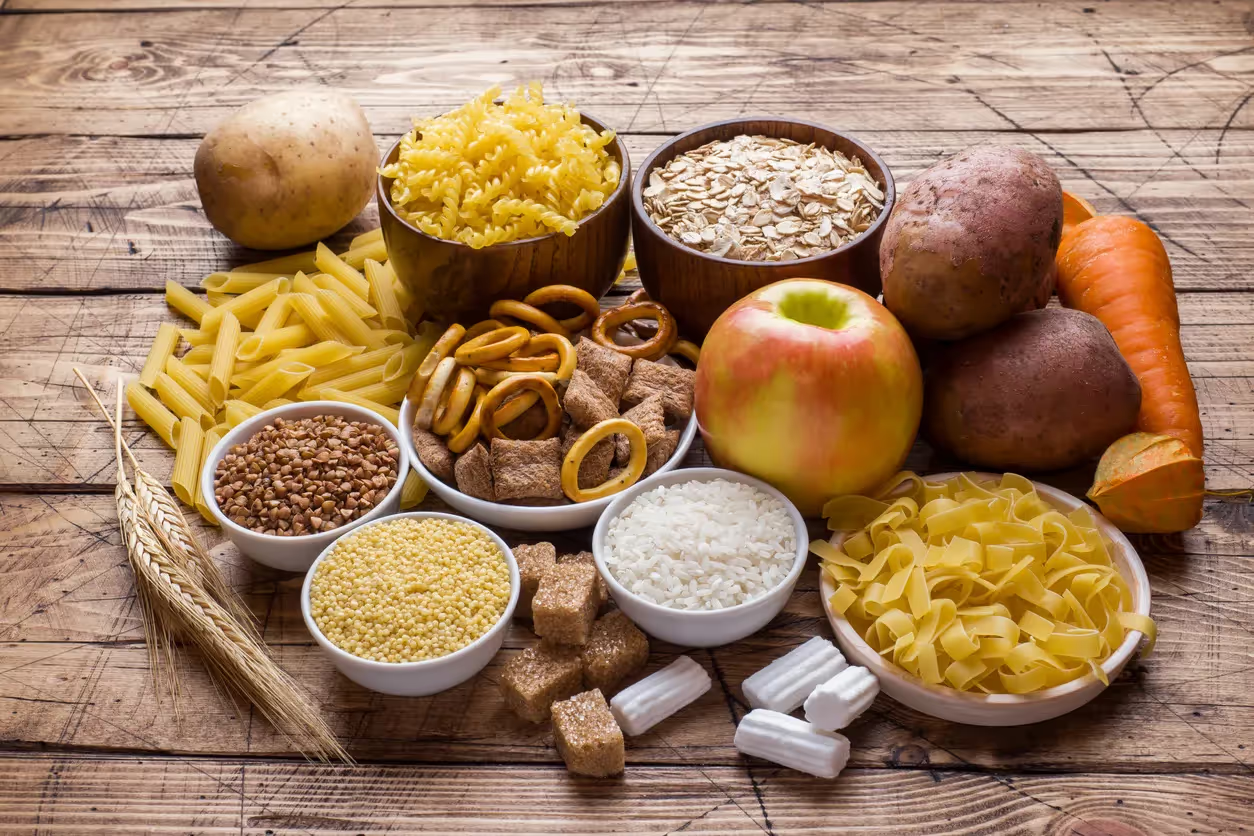
Bloating or water retention from an increased intake of sodium and carbohydrates can play a role in this temporary weight increase.
Research shows that frequent overeating is associated with weight gain over time, but one day of overeating is unlikely to impact your weight significantly.
Will One Day of Overeating Ruin My Diet?
If you’re following a diet for weight loss, you may feel concerned about how overeating might impact your results, but one day of overeating will not negate the progress you’ve made.
A small study from 2014 found that men who overate by 1,500 calories per day for three days did not experience any increase in fat mass.
In addition, the increases in water weight that followed the overeating normalized after five days.
However, many people have an “all-or-nothing” when it comes to dieting.
Overeating can trigger thoughts like, “I already failed; I might as well go off my diet.”
Research shows that this response can lead to more overeating and a lack of adherence to the diet in the long term, which is associated with weight gain.
Alternative to Dieting
In addition to this “all-or-nothing” approach that can hinder dieting success, research shows that weight loss from dieting is usually temporary.
The body has mechanisms to push back against calorie restriction, like slowing the metabolism and increasing appetite.
This can lead to weight regain in many cases.
Instead of falling into a cycle of weight loss and regain, alternatives such as intuitive eating can allow you to regulate your eating by listening to your body instead of external diet rules.
This approach involves honoring your natural hunger and fullness signals and learning to enjoy all foods in moderation.
{{splash}}
Tips for When You Overeat
Overeating doesn’t have to cause a downward spiral.
Try these tips to understand the root cause of your overeating and how to respond.
Practice Non-Judgement
If overeating is a common occurrence for you, take some time to consider what might be contributing to this behavior.
The goal is to get curious and explore your habits—without being judgemental.
Use these prompts to guide your reflection:
- Does my diet feel too restrictive?
- Do I skip meals on busy work days and then overeat in the evenings?
Understanding the root cause of overeating can help you work towards reducing this behavior.
Mindful Eating
Following a day of overeating, you may feel the urge to double down on restricting your diet.
However, this can lead to a cycle of restriction and overeating that can be difficult to break.
Instead, practice honoring your hunger and fullness cues.
Eating slowly can also help you accurately assess your fullness signal.
Try not to skip meals, and listen to what your body needs.
{{splash}}
Incorporate Nutrient Dense Foods
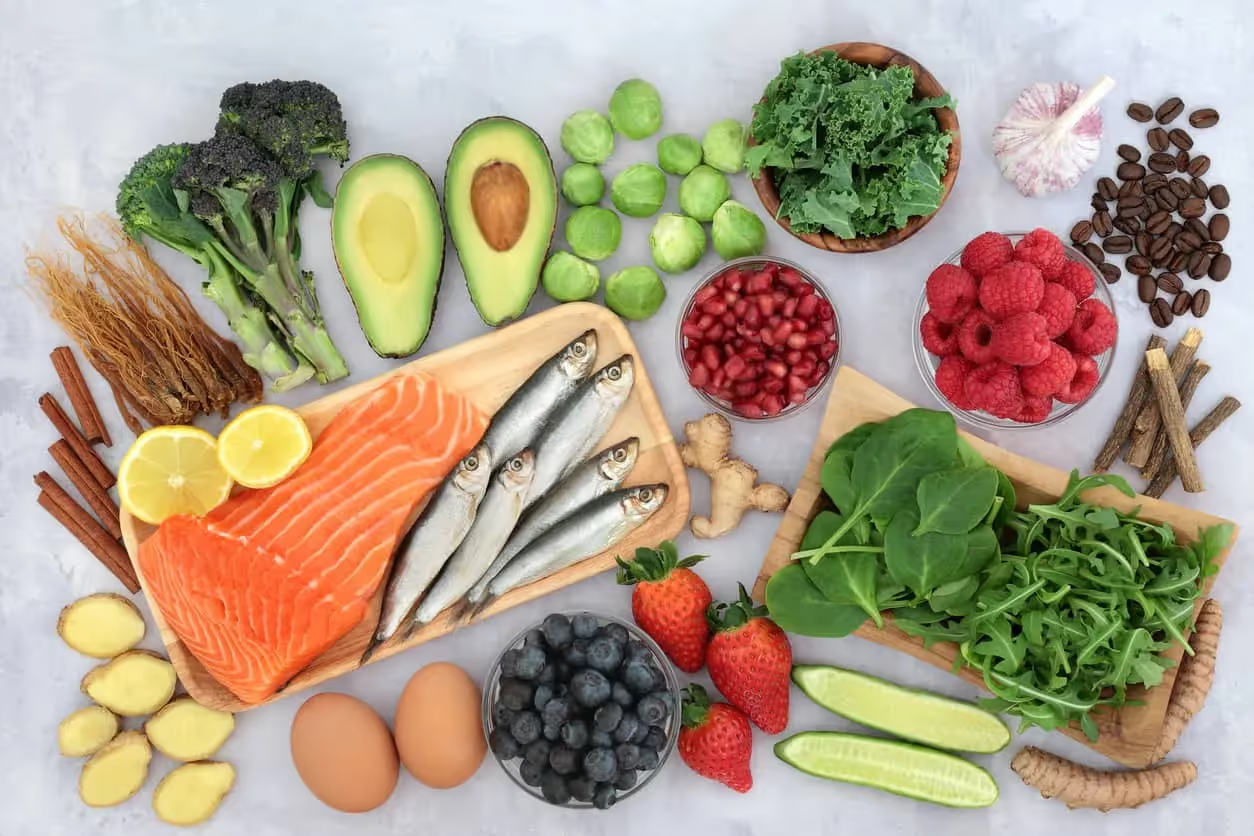
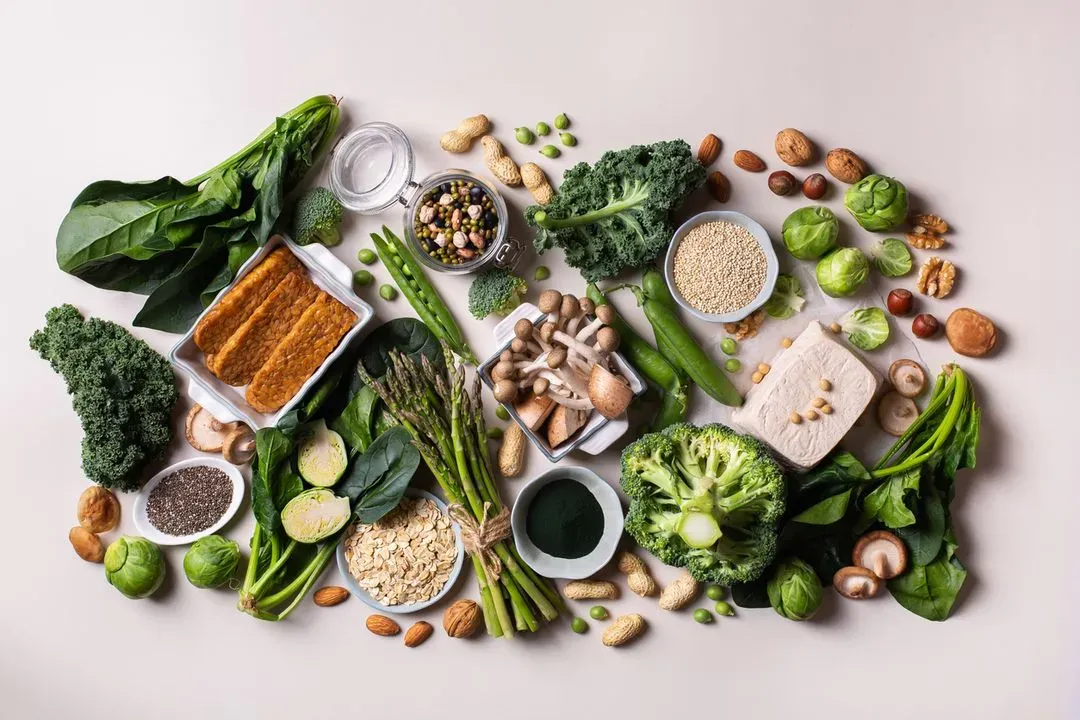
Rather than focusing on dietary restriction after a day of overeating, it can be beneficial to emphasize eating nutrient-dense foods from all the food groups.
Research shows that people who exhibit high dietary restraint are more likely to engage in disordered eating behaviors like overeating.
Ensuring your nutritional needs are met and that your diet isn’t overly restricted can prevent future overeating episodes.
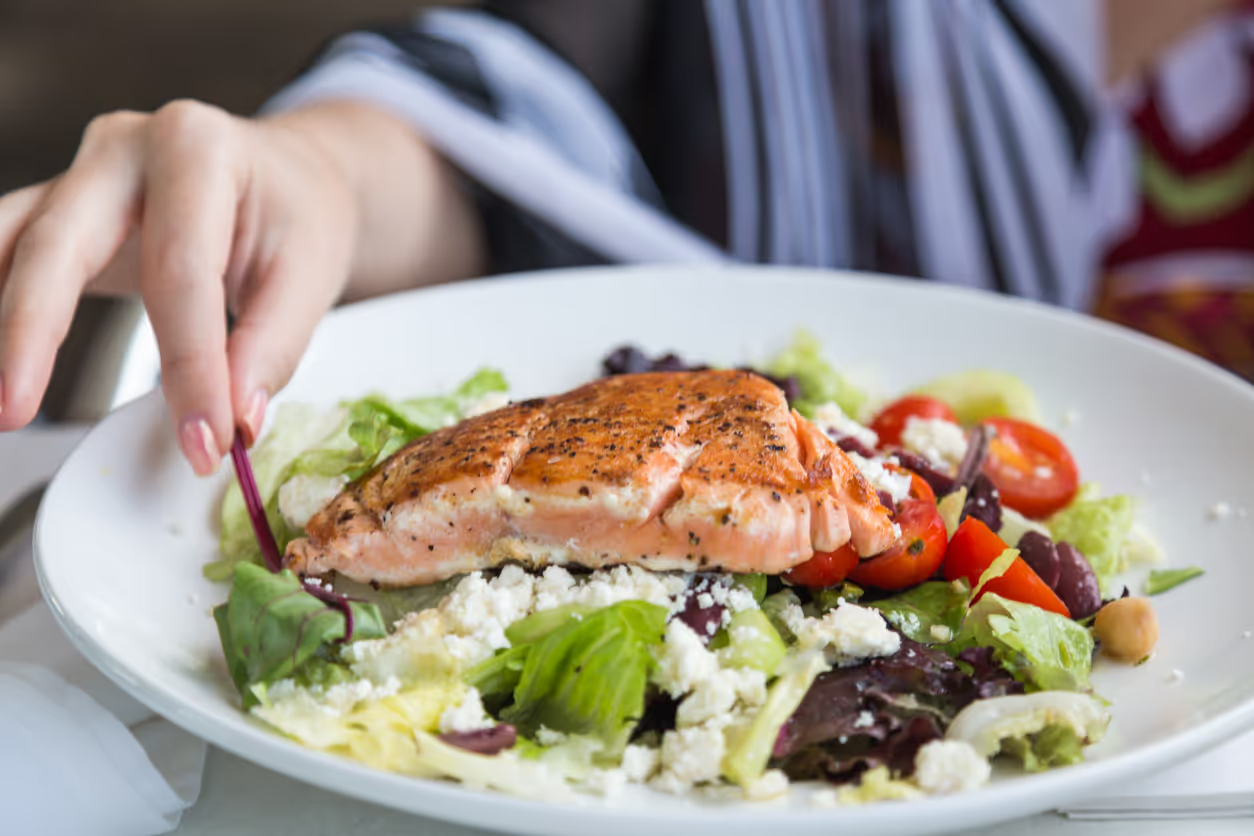
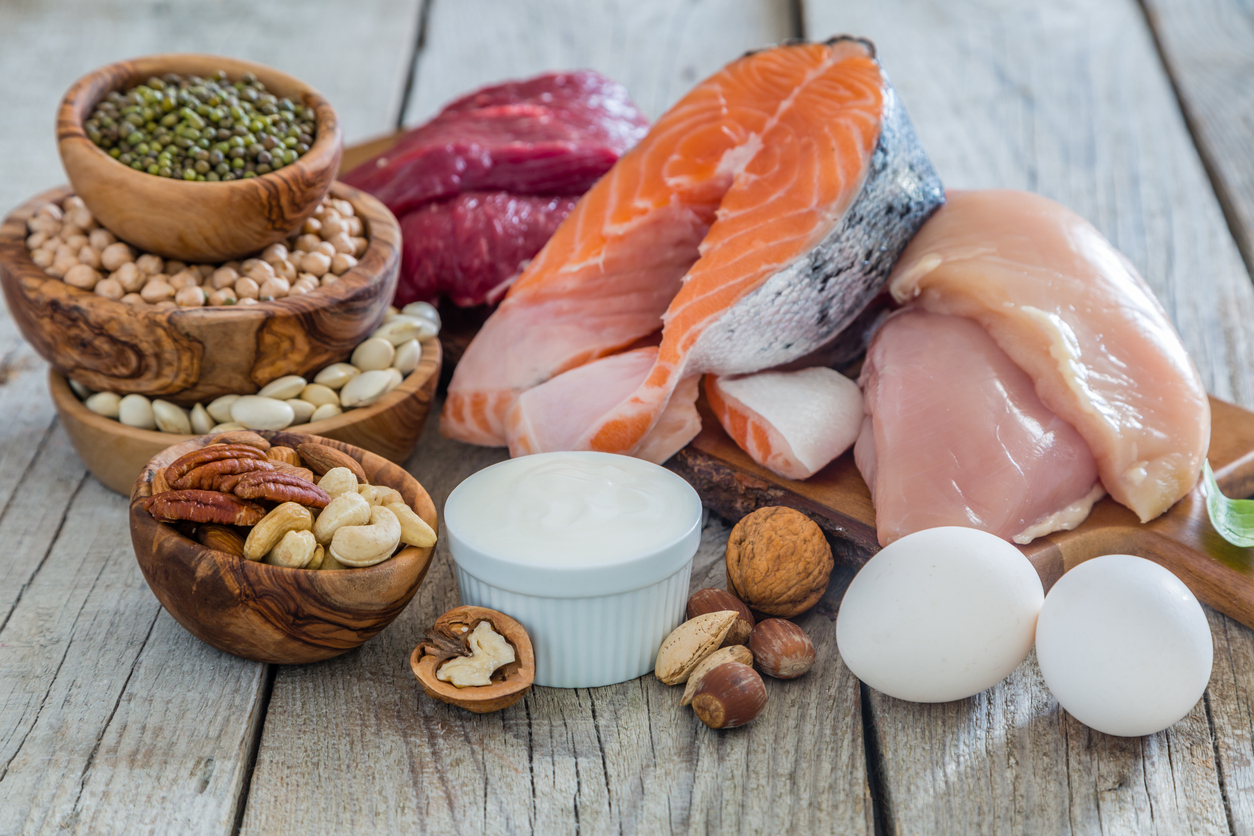
Consider following the plate method to help you plan nutritious, balanced meals that include:
- Lean protein.
- Whole grain carbohydrates.
- Healthy fats.
- Fruits.
- Vegetables.
Stay Hydrated
Following an episode of overeating, it’s important to focus on drinking enough water.
Staying hydrated can help increase the rate of stomach emptying, supporting digestion.
It may also prevent constipation, which can happen after overeating, depending on the type of foods eaten.
Though an adult’s fluid needs vary based on many factors, including climate and activity level, experts generally recommend a minimum of:
- 2 liters (68 ounces) per day for females.
- 2.5 liters (84 ounces) per day for males.
Getting Enough Sleep
Most adults need between seven and nine hours of sleep every night, yet research shows that one in three Americans consistently get less than seven hours per night.
Inadequate sleep may impact your appetite and make you more likely to overeat highly palatable foods, like sweets.
A small study from 2019 found that after just one night of inadequate sleep, women reported increased hunger and food cravings.
Some research also identified an association between sleep problems and binge eating.
However, more studies are needed to understand this complex relationship fully.
Exercise and Physical Activity
It’s important to be mindful of how you approach exercise after overeating.
You may feel the urge to participate in intense physical activity to “burn off” what you’ve eaten.
However, compensating for overeating by overexercising can be a sign of an eating disorder.
Additionally, research shows that exercise that is high intensity or long in duration is associated with slower digestion.
Instead, use physical activity in a way that feels good to your body.
Research shows that low-intensity exercise, such as light walking, can help stimulate digestion by increasing the rate of stomach emptying.
If light exercise doesn’t feel good after overeating, let go of the pressure to engage in this and listen to your body.
Binge Eating Versus Overeating
Though overeating and binge eating are commonly used interchangeably, it’s important to understand the difference between these terms.
Binge eating is defined as eating a larger-than-normal amount of food in a sitting and is accompanied by feeling a lack of control and intense guilt.
On the other hand, overeating is when a person eats past their point of fullness but doesn’t feel a lack of control.
It’s normal to overeat on occasion, but frequent binge eating can indicate binge eating disorder (BED), which requires treatment.
While following the tips in this article can help minimize overeating episodes, they are not a replacement for eating disorder treatment.
If you have concerns about binge eating, talk to your doctor for support and treatment recommendations.
Takeaway
Overeating can result in temporary symptoms like abdominal pain, bloating, and acid reflux.
Increases in water weight may follow an overeating episode, but this tends to normalize within a few days.
While one day of overeating does not typically cause an increase in fat mass, frequent overeating or binge eating can contribute to weight gain.
Following an overeating episode, be kind to yourself by practicing non-judgment and avoiding intense dietary restrictions and exercise.
Instead, eat mindfully and prioritize nutritious foods, hydration, and sleep.
{{splash}}
How a Dietitian Can Help
If you frequently overeat or have been diagnosed with binge eating disorder, a registered dietitian can help.
A dietitian specializing in binge eating can help you develop a healthy relationship with food and teach you how to nourish your body and meet your health goals without dieting.
Frequently Asked Questions
Will two slices of pizza ruin my diet?
Eating two slices of pizza is unlikely to reverse the progress you’ve made on a diet for weight loss.
Research shows that even when overeating in excess over multiple days, any weight gain is temporary and tends to come from water retention, not fat mass.
However, studies show that a “black or white” mentality around food can encourage repeated episodes of overeating.
Thinking two slices of pizza will “ruin” their diet, people may “fall off the wagon” and feel less motivated to continue following a balanced diet.
Will eating a bag of chips ruin my diet?
Though it can feel stressful and sometimes physically uncomfortable to overeat, one instance of overeating is unlikely to negate your weight loss progress.
In fact, one small study found that even when eating 1,500 extra calories for three days, participants did not gain fat mass.
You may observe an increase on the scale, but this is most likely due to water retention from increased intake of sodium and carbohydrates.
If overeating is a common occurrence for you, get curious about why this is happening and seek professional help if needed.
Can I eat unhealthy food and still lose weight?
Research shows that a diet rich in highly processed foods may increase the risk of weight gain.
However, if you are in a calorie deficit, it’s possible to lose weight in the short term while eating foods that are not nutritious.
In the long term, a high intake of ultra-processed foods may result in nutritional imbalances and health risks from excess fat, added sugars, and lack of fiber.
Consider a balanced diet and enjoy all foods in moderation to help you meet your health goals while following a sustainable eating pattern.
References
View all references
- Pagliai, G., Dinu, M., Madarena, M. P., Bonaccio, M., Iacoviello, L., & Sofi, F. (2021). Consumption of ultra-processed foods and health status: A systematic review and meta-analysis. The British Journal of Nutrition, 125(3), 308-318.
- Kim, J. Y. (2021). Optimal Diet Strategies for Weight Loss and Weight Loss Maintenance. Journal of Obesity & Metabolic Syndrome, 30(1), 20-31.
Nourish has strict sourcing policies and prioritizes primary sources, including medical organizations, governmental agencies, academic institutions, and peer-reviewed scientific journals. Learn more about our medical review process and editorial guidelines.












.jpg)
























.avif)

.avif)

























.avif)

%20(1).webp)




.avif)
.avif)