7-Day Meal Plan for Crohn's Disease: What to Eat

Medical Reviewer: Ellie Stamerjohn, MS, RDN, LD

Author: Julia Zakrzewski, RD

Summary
- Crohn’s disease is an inflammatory bowel disease that affects more than half a million people in the United States.
- Flare-ups occur when the intestinal tract becomes inflamed, and you should follow a low-residue diet to ease symptoms and allow your digestive tract to recover.
- After you heal, you can follow our 7-day meal plan for Crohn’s disease to reintroduce foods back into your diet confidently. Some foods may need to be exchanged to fit your preferences better, and you can customize this plan with the support of a registered dietitian.
More than half a million people in the United States have been diagnosed with Crohn’s disease, according to the National Institute of Diabetes and Digestive and Kidney Disorders.
People with this condition are susceptible to painful inflammation of the intestinal walls.
Fortunately, you can take proactive steps to manage your symptoms and live comfortably.
Keep reading to learn about nutrition changes to support gut healing during a flare-up.
When you feel better, you can add more variety to your diet by following our 7-day meal plan for Crohn’s disease.
{{splash}}
Crohn’s Disease Basics: Getting Started
Crohn’s disease is an inflammatory bowel disease with latent phases and painful flare-ups.
Everyone’s digestive symptoms are unique, and predicting when a flare-up can occur can be difficult.
In line with the existing research, you can take the following steps to decrease the chances of a flare-up recurring:
- Avoid smoking: Including vape products, cigarettes, cigars, etc.
- Avoid NSAIDs: Nonsteroidal anti-inflammatory drugs commonly treat inflammation-based conditions such as arthritis.
- Take Crohn’s medications recommended by your doctor: These medications are designed to help reduce the chances of a flare-up, research shows.
- Eat a balanced diet: The Crohn’s and Colitis Foundation recommends choosing unprocessed foods as often as possible which are rich in fiber, vitamins, and other essential nutrients.
- Manage stress: Your digestive tract is more susceptible to a flare-up after chronically high-stress levels.
- Enjoy regular physical activity: Research suggests that moderate-intensity exercises can be beneficial, and a trained physical exercise specialist can help you find enjoyable ways to move without pushing yourself too hard.
Optimizing your diet and taking care of your digestive health is easy with the help of a registered dietitian.
What to Eat with Crohn’s Disease
There are several ways to manage Crohn's disease, and diet is one of them.
Adjusting your diet can reduce your symptoms, notes the National Library of Medicine, who recommends the following:
- Drink more liquids.
- Eat more frequent, smaller meals.
- Keep a food diary to identify trigger problems.
Your healthcare provider may provide specific dietary guidelines.
According to the National Institute of Diabetes and Digestive and Kidney Disorders, the following diets could be appropriate:
- High calorie.
- Lactose free.
- Low fat.
- Low fiber.
- Low salt.
Foods to Avoid with Crohn’s Disease
When you have a flare-up, it is best to follow a low residue diet, which includes low-fiber foods (only 10-15g of fiber per day) and lean protein sources.
Following this diet should be temporary, after which you can return to a regular diet under the guidance of a healthcare provider when your flare-up symptoms decrease.
These are examples of foods to avoid while having a flare-up:
- Any trigger foods you know make you feel worse.
- High-fiber foods: cabbage, brussels sprouts, broccoli, cauliflower.
- High-fat foods: butter, deep-fried foods.
- Spicy foods: fresh chili peppers, spicy sauces, stews with spices, and chili powder.
- Alcohol.
- Caffeinated beverages: coffees, teas, sodas, energy drinks.
- Sugar alcohols and artificial sweeteners: saccharin (Sweet’n Low), sucralose (Splenda), aspartame (NutraSweet, Equal, Sugar Twin), mannitol, sorbitol, xylitol.
- High-sugar foods: baked goods, candies, sweetened beverages, honey, maple syrup.
You do not have to follow severe dietary restrictions when you feel better and are in remission.
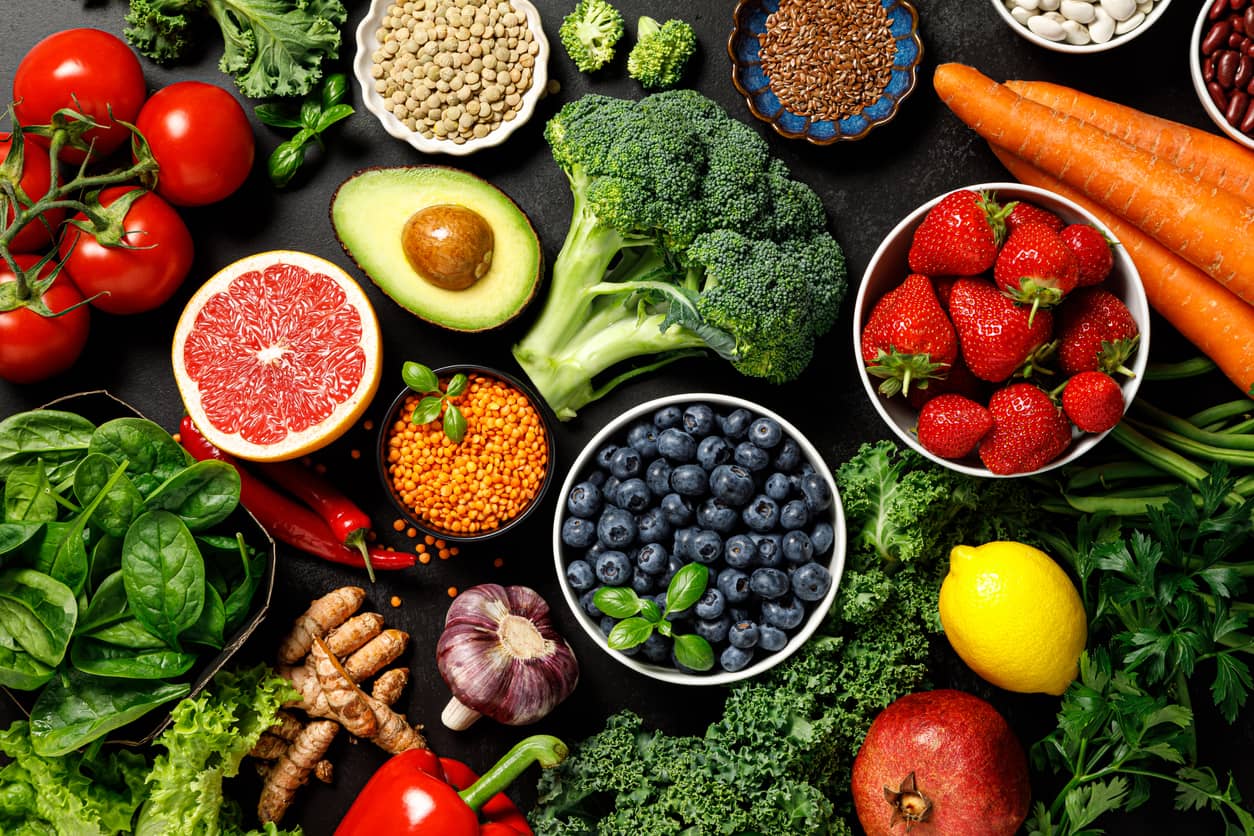
During this time, the International Organization for the Study of Inflammatory Bowel Diseases (IOIBD) recommends various foods, including vegetables, fruits, whole grains, legumes, lean proteins, and healthy fats.
Is fiber good for Crohn’s Disease?
Fiber is an essential nutrient associated with good digestive health.
However, if you have Crohn’s disease, you may wonder if the general recommendations for dietary fiber apply to you.
Most adults should aim for 14 grams of fiber per 1,000 calories, per the U.S. Department of Agriculture (USDA).
This comes out to about 28 grams of fiber per day if you follow a 2,000-calorie diet.
In people without Crohn’s disease, getting plenty of fiber can reduce the risk for developing it, notes a 2023 cohort study.
In people with an inflammatory bowel disease (IBD), including Crohn’s disease, fiber can affect you differently.
Trigger foods—those that trigger Crohn’s symptoms—vary from person to person, but many people with Crohn’s find that high-fiber foods fall into their list of trigger foods.
In some people experiencing a flare-up, a low-fiber diet is temporarily recommended.
However, researchers have found that dietary fiber can benefit people with Crohn’s disease.
A high-fiber diet could improve remissions rates for Crohn’s disease, according to a 2023 meta-analysis.
In a 2023 review that discusses whether fiber helps or hinders IBD symptoms, researchers concluded that the decades-old recommendation for a low-fiber diet may undermine the importance of dietary fiber for general health.
The researchers emphasized the importance of personalized nutrition in managing diseases like IBD.
Meal Plan for Crohn’s Disease
Your meal plan (when you are in remission) should include foods that help you feel your best. When managing Crohn’s disease, you may need to make texture modifications to your meal to help with digestion.
For example, peeling an apple before eating it or cooking carrots instead of eating them raw.
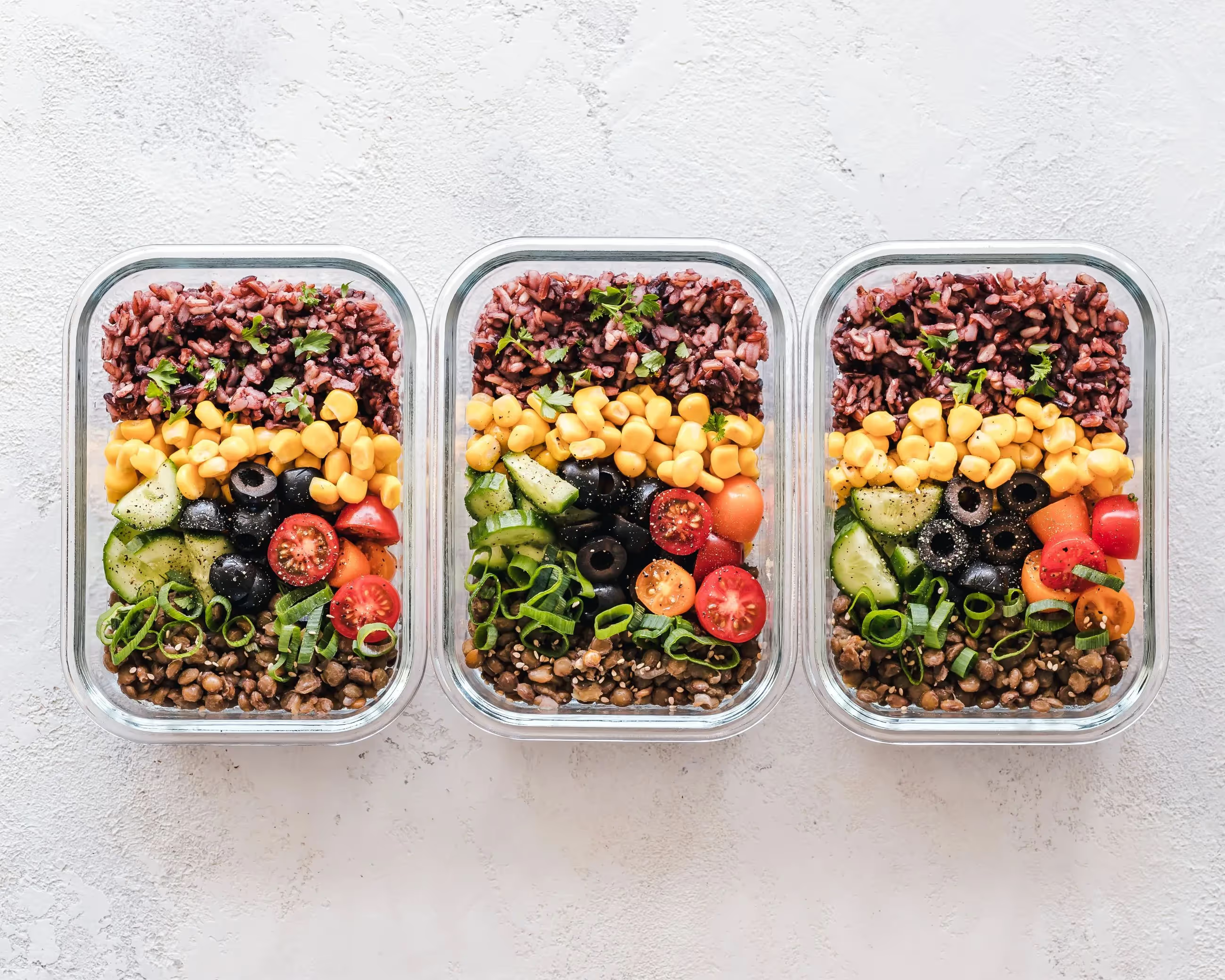
Below is an example of a 7-day meal plan for Crohn’s disease that you can modify to satisfy your preferences. The meals listed below should be adjusted to meet your serving size requirements.
If you need help figuring out how much food is enough for you, consider booking a virtual appointment with a Nourish dietitian.
Day 1
- Breakfast - Oatmeal cooked in skim milk (use lactose-free or a plant-based alternative if better tolerated), topped with fresh raspberries, roasted almonds, and lemon zest. You can add a drizzle of honey if desired.
- Lunch - Chicken noodle soup with carrots, parsnip, and fresh parsley. Add a side of strawberries to enjoy after your meal.
- Dinner - Sheet pan meal with baked extra firm tofu, butternut squash, and green beans. Drizzle with garlic-infused oil and serve over rice.
- Snacks - hard-boiled egg with baked crackers and sliced red pepper; peach slices and ground cinnamon served over lactose-free cottage cheese.
Day 2
- Breakfast - Toasted sourdough bread with light cream cheese, smoked salmon, and freshly cut red onion. Drizzle with fresh lemon juice before eating.
- Lunch - Lettuce wraps with ground turkey, avocado slices, fresh tomato, cheddar cheese, and a tangy tahini dressing. Enjoy pineapple slices on the side for extra vitamins and carbohydrates (an essential energy source).
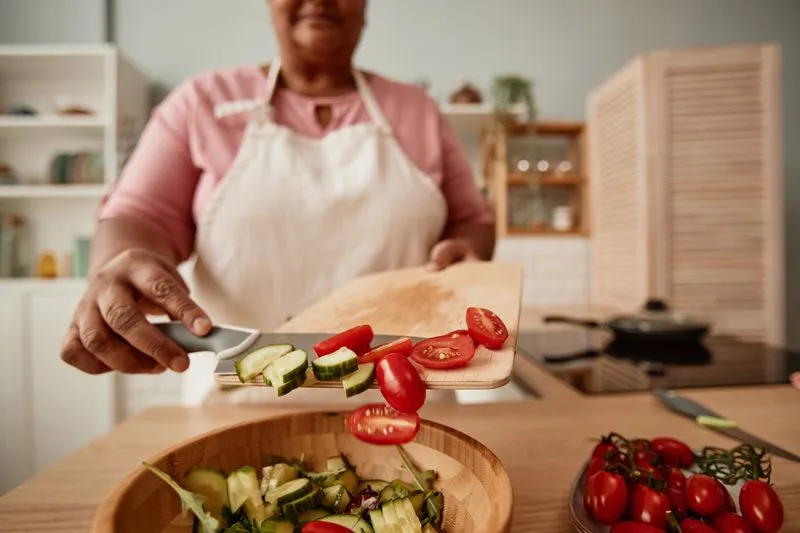
- Dinner - BBQ chicken skewers served with baked potatoes. Add a fresh salad with romaine lettuce, cucumber, tomato, red onion, olives, and a sprinkle of feta cheese. Dress with a simple olive oil and lemon juice vinaigrette.
- Snacks - Toasted whole wheat pita triangles with hummus; baked apple with cinnamon and lactose-free plain Greek yogurt.
Day 3
- Breakfast - Scrambled eggs with spinach, diced tomato, feta cheese, and fresh basil. Serve with a side of whole-grain toast.
- Lunch - Olive oil-based tuna salad with fresh basil, sun dried tomatoes, and sweet onion. Serve on a whole-grain bun.
- Dinner - Ground turkey meatballs made with mint, served over pasta with grilled zucchini and your favorite red sauce.
- Snacks - Banana with nut butter; avocado dip with baked crackers.
Day 4
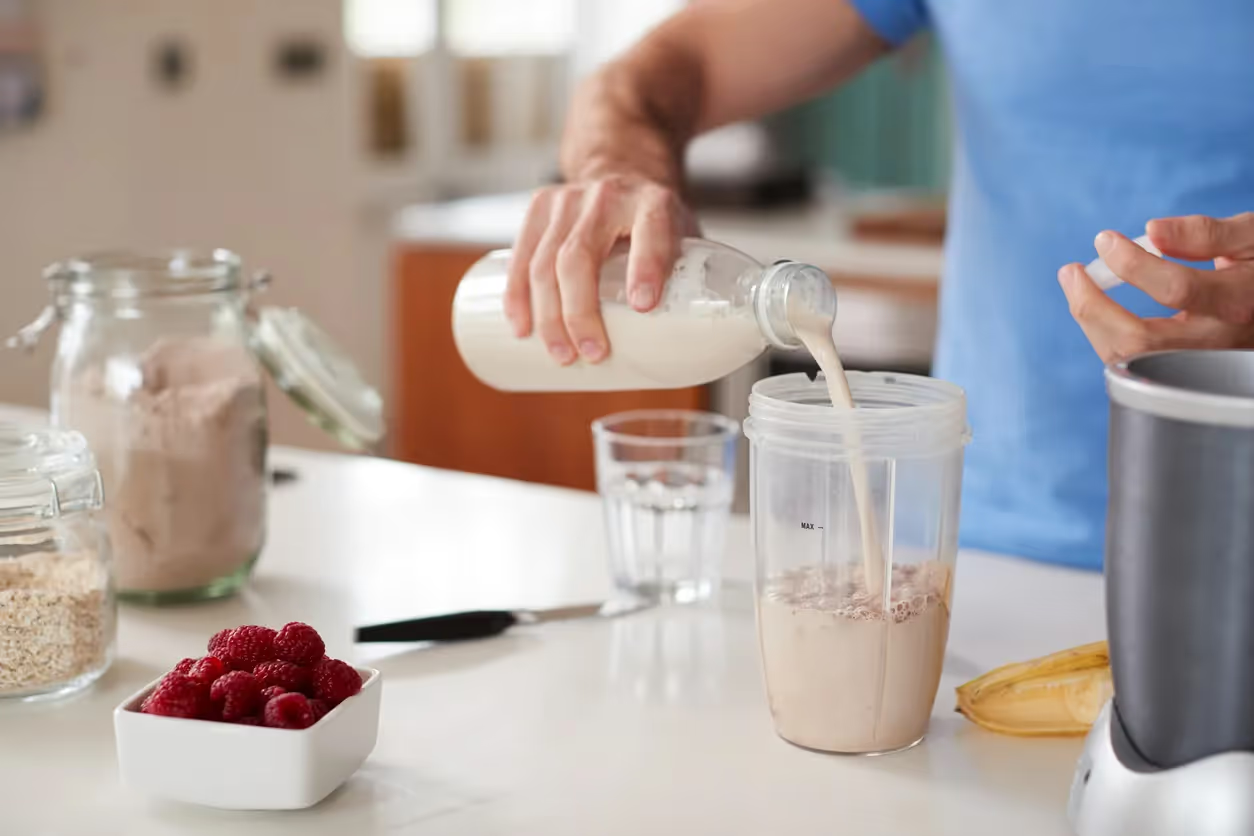
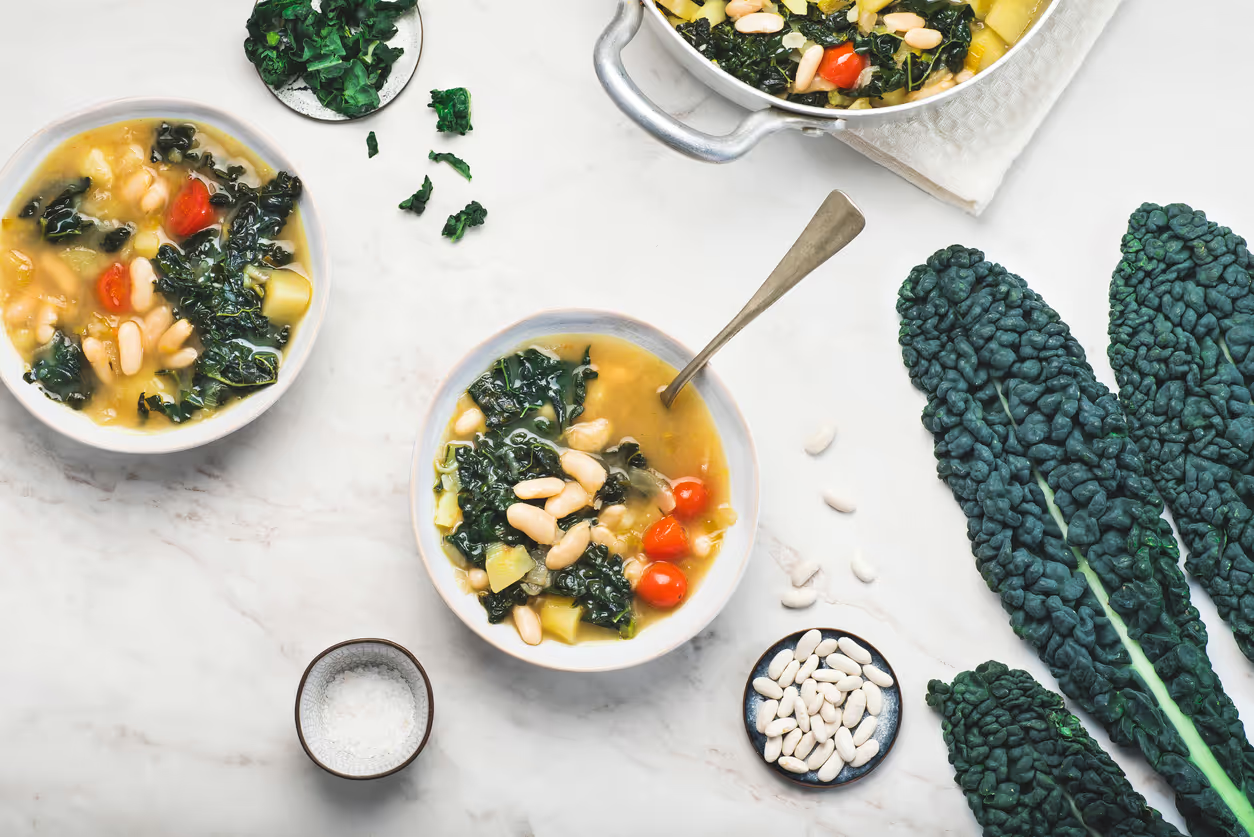
- Breakfast - Green smoothie with kale, extra soft tofu, banana, blueberries, ground flax seeds, and a spoonful of your favorite nut butter.
- Lunch - Hearty baby arugula salad with canned salmon, cooked sweet potato, caramelized onions, and cucumber. Dress with olive oil and balsamic vinaigrette - add fresh chopped sage to increase the flavor.
- Dinner - Grilled salmon served with fresh mango salsa - made with diced white onions, lime juice, and cilantro. Serve over boiled quinoa with a side of steamed green beans and carrots.
- Snacks - Roasted chickpeas with fresh fruit on the side; homemade kale chips dressed with nutritional yeast.
Day 5
- Breakfast - Overnight oatmeal with skim milk (use lactose-free or a plant-based alternative if better tolerated), peeled diced apples, cinnamon, and a dollop of walnut butter.
- Lunch - Mid-day egg frittata made with shredded zucchini, bell peppers, oregano, and goat cheese. Serve with a side of toast.
- Dinner - Individual pizzas made with whole wheat pita bread, chicken sausage slices, pesto, kale, and shallots. Serve with a side salad made with your favorite vegetables.
- Snacks - Charcuterie-style snack with fresh fruits and cheese slices - add your favorite baked crackers; cucumber slices with roasted red pepper dip.
Day 6
- Breakfast - Whole grain wrap with avocado, arugula, fresh tomato, chopped hard-boiled egg, cheese, and Dijon mustard.
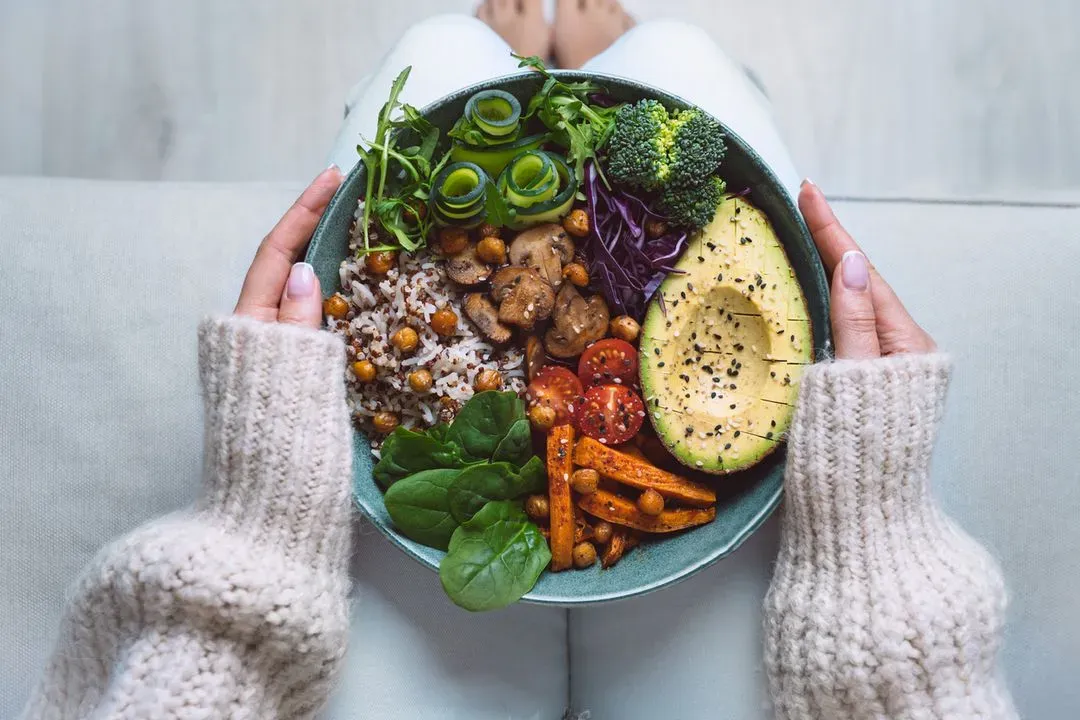
- Lunch - A grainy bowl with wheat berry, grilled chicken, fresh lettuce, tomato, sliced avocado, and a dollop of chunky salsa.
- Dinner - Shrimp stir fry with cooked bell peppers, onion, baby bok choy leaves, and a homemade sauce with sesame oil, ginger, orange juice, and grated garlic. Serve over rice.
- Snacks - Plain lactose-free yogurt dressed with fresh fruit; baked crackers with cheese.
Day 7
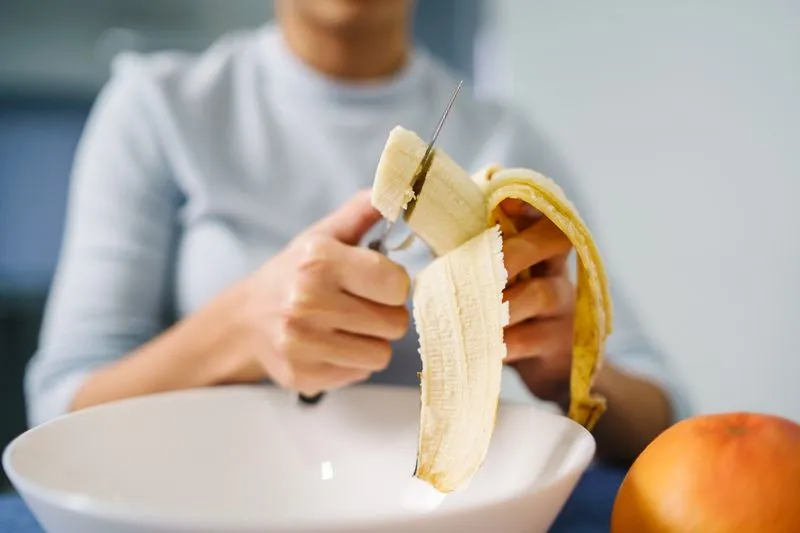
- Breakfast - Whole grain toast with smooth peanut butter and fresh banana slices, sprinkled with dark chocolate chips and ground cinnamon.
- Lunch - Barley soup with frozen carrots, peas, and turkey. Serve with a side of your favorite fresh fruit.
- Dinner - Breakfast for dinner! Enjoy pan-fried eggs over toast, add fresh cantaloupe on the side, and a baby arugula salad with blueberries, cucumber, and tomato.
- Snacks - Cherry tomatoes with beet hummus; no-bake oatmeal power balls made with quick oats, peanut butter, dried cranberries, and maple syrup.
Tips for Meal Preparation
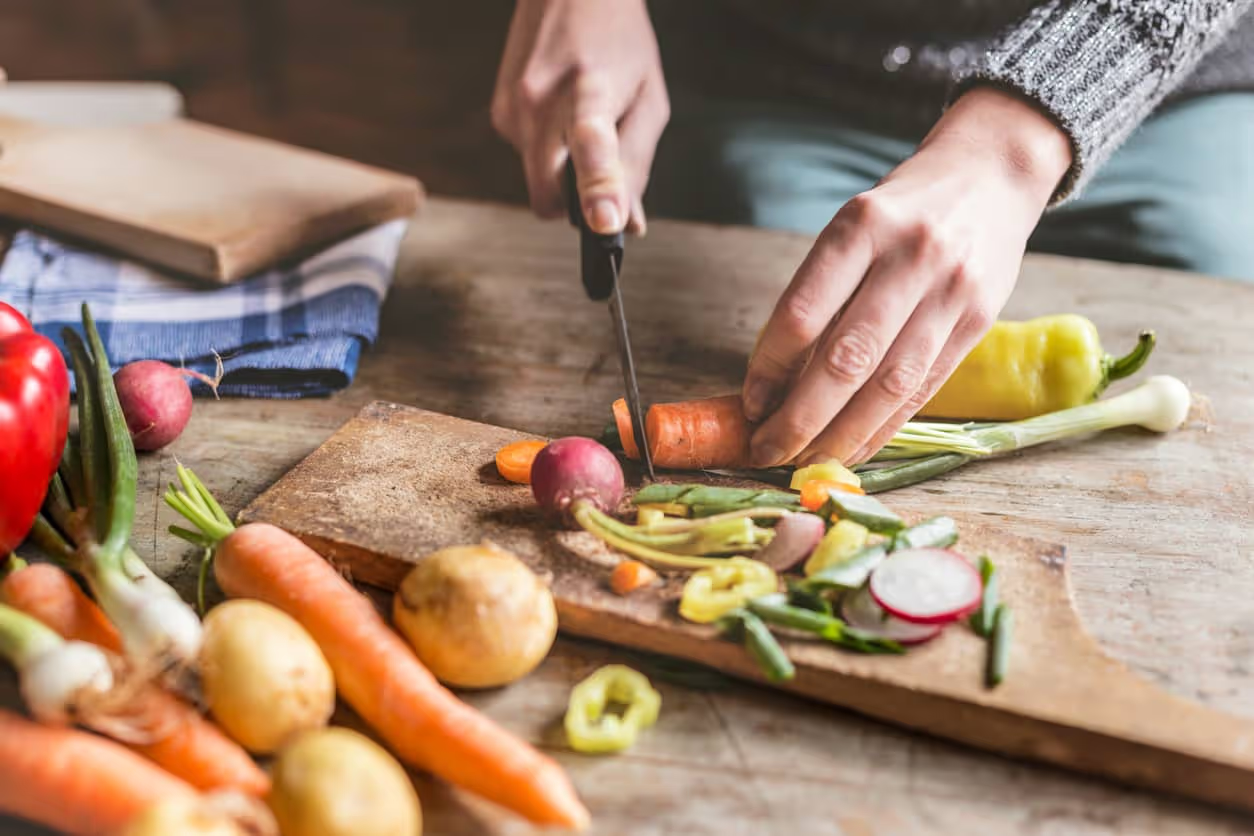
A few common barriers to consistent meal preparation include a lack of access to certain foods, a decreased availability of vegetables (which can be affected by your income), and a lack of confidence in cooking skills.
Another instance may be an unsupportive home environment that doesn’t value healthy eating, research has found.
Fortunately, there are small solutions that can help make meal preparation easier.
- Frozen vegetables and fruits can be more affordable, and their nutritional value is on par with fresh varieties, studies show.
- Buy pre-cut vegetables to save you valuable time in the kitchen. They might be slightly more expensive, but if it helps you eat vegetables regularly, they can be worth the extra dollars.
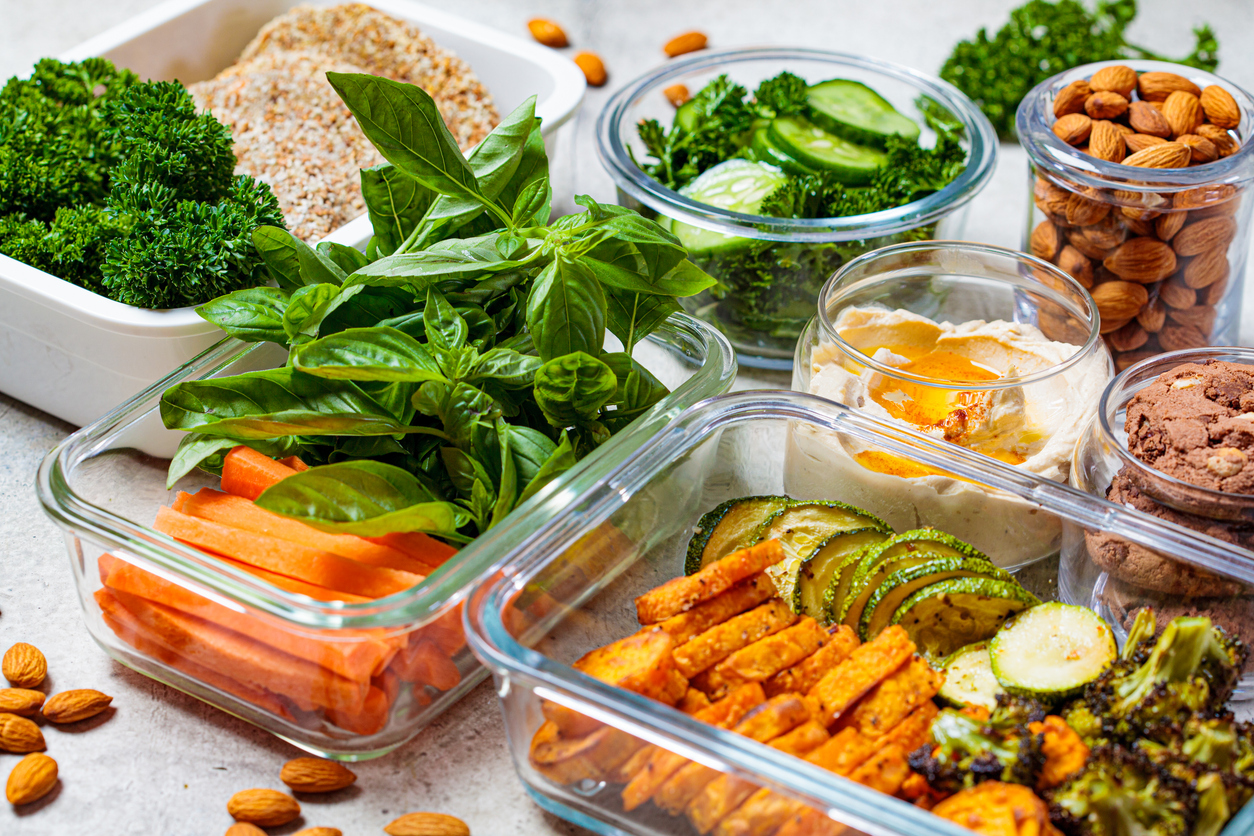
- Batch cook your dishes whenever possible. You can freeze the leftovers and simply reheat them in the future for a quick meal.
- Visit local farmer’s markets to gain access to various foods that are in season. You may have more options available to you compared to big box grocery stores.
- Schedule a day and time in your week for meal planning and preparation. Creating this routine can help you build the habit, which should feel easier over time.
- Talk to your family members about your health goals and ask for support. Chances are everyone in the house will benefit from these nutrition-conscious changes!
Takeaway
If you avoid certain foods (because you fear they will cause a flare-up), you should meet with a registered dietitian and address these concerns.
Together you can make a personalized meal plan that helps you manage your symptoms and helps you feel satisfied.
Find a dietitian near you that accepts insurance using Nourish.
Frequently Asked Questions
What is the best meal for someone with Crohn's?
Most people should try to get enough protein, calories, and nutrients with Crohn’s.
The best meal for someone with Crohn’s is rich in nutrients and free from trigger foods, which can vary from person to person.
Specific nutrition guidelines can vary, so ask your healthcare provider or registered dietitian what your meal plan should and shouldn’t include, such as high-fiber foods.
What is a superfood for Crohn's disease?
There are no miracle foods for Crohn’s disease, but certain foods may help reduce your symptoms.
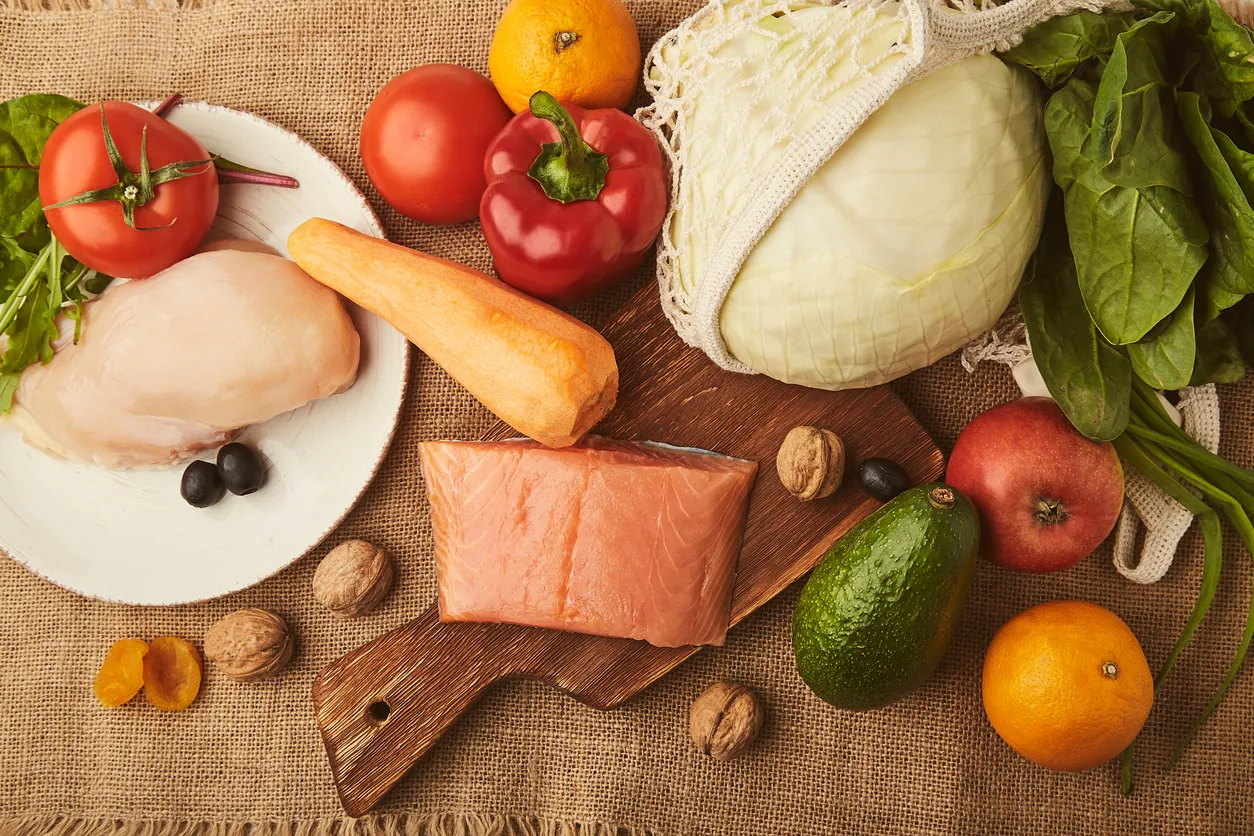
Oily fish, cooked vegetables, yogurt, and potatoes are some examples of nutrient-dense foods that are typically well tolerated in people with Crohn’s disease.
What is a Crohn's disease diet plan?
There’s no one Crohn’s eating plan that works for everyone with the disease, but some eating patterns could help.
It’s recommended to adopt a temporarily low-fiber diet during flare-ups. When your Crohn’s is in remission, follow a balanced, nutrient-dense diet full of foods you know your body tolerates well.
References
View all references
Nourish has strict sourcing policies and prioritizes primary sources, including medical organizations, governmental agencies, academic institutions, and peer-reviewed scientific journals. Learn more about our medical review process and editorial guidelines.
More articles





.avif)























.avif)