The Best Gut Healing Foods For Improved Digestion, According To An RD

Medical Reviewer: Christa Brown, MS, RDN, LD

Author: Jennifer Huddy, MS, RD, LD

Summary
- An anti-inflammatory eating pattern rich in minimally processed plant-based foods may positively impact gut health over a Western diet.
- Foods like bananas, oats, salmon, legumes, and avocados can help healthy gut bacteria grow.
- Probiotic-rich foods, like yogurt, may support digestive health.
The relationship between gut health and food choices can feel confusing, especially when dealing with chronic digestive concerns.
You may wonder which foods to prioritize to support your digestive health.
While gut health isn’t a one-size-fits-all approach, there are a few areas you can focus on in your diet as a starting point in collaboration with your dietitian.
Continue reading to learn the best gut-healing foods for digestive health.
{{splash}}
The Best Gut Healing Foods Recommended by an RD
The gut microbiome is a complex system made up of trillions of microorganisms.
The diversity of bacteria in your digestive tract and the balance of beneficial versus harmful bacteria can influence your digestion and overall health.
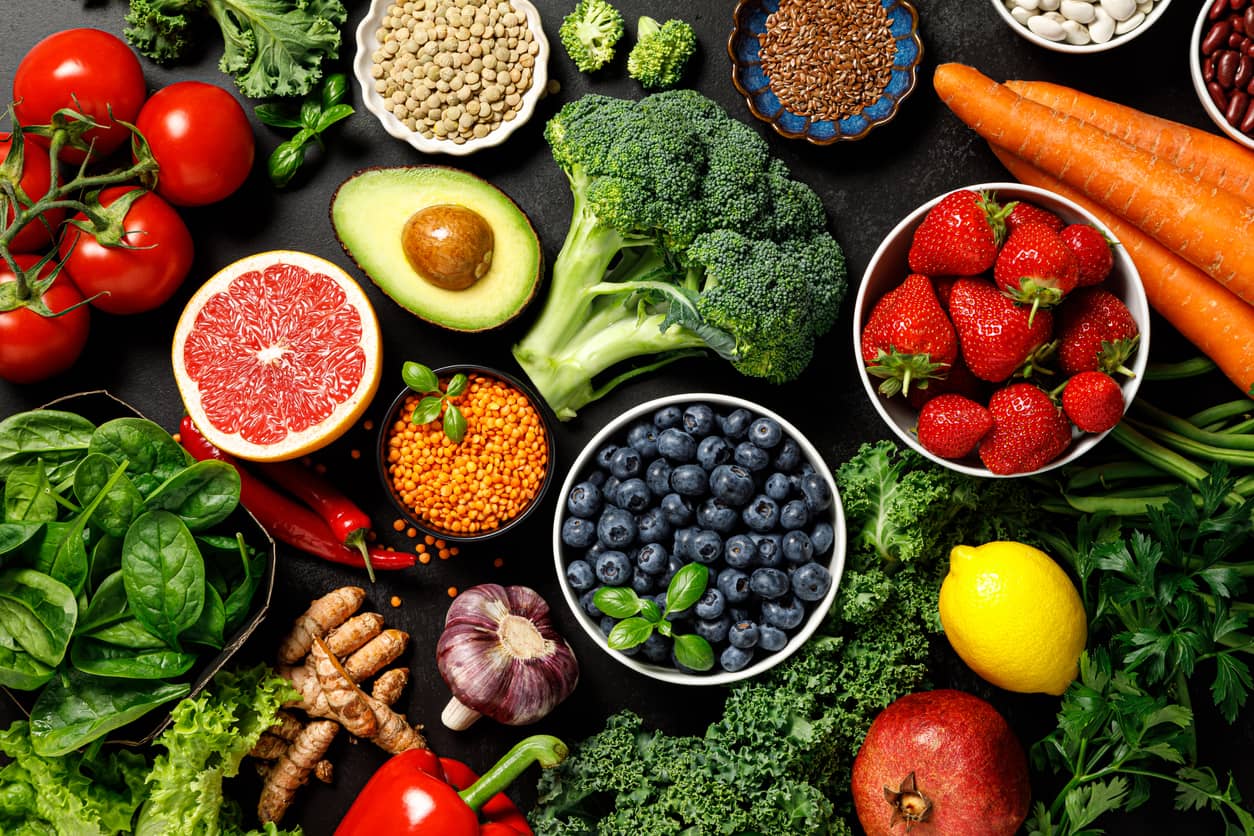
Research shows that a diet rich in fruits, vegetables, whole grains, legumes, nuts, seeds, and healthy fats can support gut health.
This is in contrast to the Western diet, which is dense in added sugars, refined grains, and processed meats.
The Western diet has been linked with gut dysbiosis, an imbalance of healthy and unhealthy gut bacteria.
There are several categories of foods to focus on when it comes to gut health.
It’s important to talk with your dietitian if you have specific digestive concerns or conditions, but in general, a good starting point is to incorporate foods rich in:
Probiotic-Rich Foods
Probiotics are live microorganisms that have health benefits when consumed.
They can be found in dietary supplements and some fermented foods.
Probiotics can support digestive health by helping beneficial gut bacteria grow and suppressing harmful bacteria.
Other benefits, which depend on the strain of probiotics, include producing short-chain fatty acids, strengthening the gut barrier, and supporting immune health.
It’s important to note that probiotics found in some food sources, like sourdough bread and pickles, may not contain live cultures due to how they’re processed.
Other probiotic-rich foods, like yogurt, often contain live cultures, but these may not survive the acidic environment of the stomach.
However, research shows there are specific probiotic strains that can survive digestion.
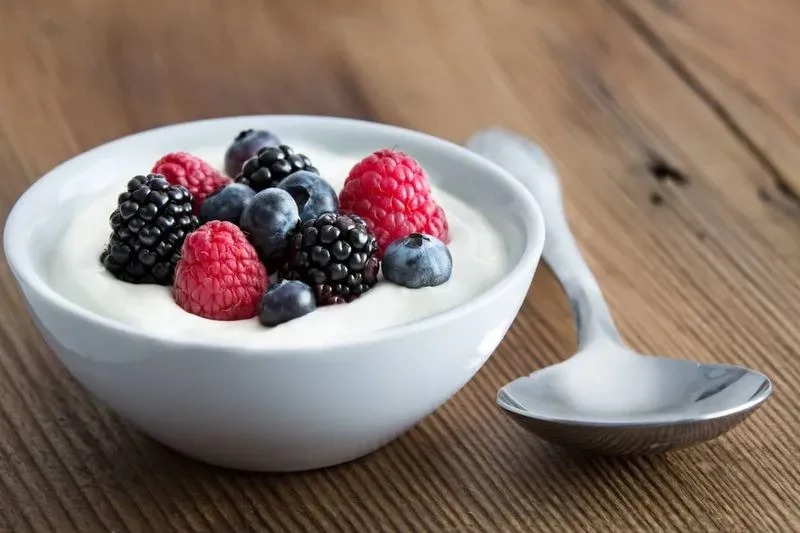
Yogurt
Yogurt with live active cultures is a convenient way for many people to consume probiotics.
Research shows that people who eat probiotic yogurt tend to have higher levels of healthy gut bacteria and a greater diversity of gut bacteria than those who don’t.
Kefir
Kefir is a fermented milk drink that has been shown to positively impact the gut microbiome and reduce digestive symptoms in people with inflammatory bowel disease (IBD).
Sauerkraut and Kimchi
Sauerkraut and kimchi are both variations of fermented cabbage.
Research shows these may support the balance of healthy bacteria in the gut, but more studies are needed to understand their health benefits.
Kombucha
Kombucha is a fermented tea drink.
A 2023 systematic review found that kombucha consumption may reduce inflammation and improve intestinal dysbiosis (an imbalance of unhealthy gut bacteria).
Prebiotic Foods
Prebiotics are non-digestible carbohydrates that resist digestion in the small intestine and are instead fermented by healthy gut bacteria in the large intestine.
This process provides food for the healthy gut bacteria to help them grow.
The fermentation process also creates beneficial byproducts, such as short-chain fatty acids (SCFA), which support colon health.
Prebiotics are naturally present in certain foods like garlic, bananas, artichokes, and barley.
You can also find prebiotics in dietary supplements.
Many prebiotic-rich foods are also high in FODMAPs, carbohydrates that may not be digested well by people with irritable bowel syndrome (IBS).
Talk with your dietitian about your prebiotic intake if you have IBS.
Garlic and Onions
Garlic and onions are members of the Allium family and are high in fructans, a type of prebiotic.
Garlic and onions also contain organosulfur compounds (OSCs), which have been associated with improved gut health.
However, more human studies on OSCs are needed.
Bananas
Between 60% and 80% of the carbohydrates found in bananas have prebiotic properties, making them an excellent source of prebiotics.
Asparagus and Artichokes
Asparagus is a vegetable that contains fructans, while artichokes contain two sources of prebiotics: fructans and oligosaccharides.
Whole Grains (Oats, Barley, Brown Rice)
Whole grains, such as oats, barley, and brown rice, are rich in prebiotics.
Research shows that consuming whole grains is associated with greater gut microbial diversity and can help healthy gut bacteria grow.
Anti-Inflammatory Foods
An anti-inflammatory eating pattern, such as the Mediterranean diet, can support beneficial gut bacteria while suppressing potentially harmful ones.
It can also improve the diversity of the gut microbiome.
This diet is rich in fiber, antioxidants, and healthy fats from minimally processed foods, including:
- Fruits.
- Vegetables.
- Legumes.
- Whole grains.
- Nuts and seeds.
- Seafood.
- Olive oil.
- Herbs and spices.
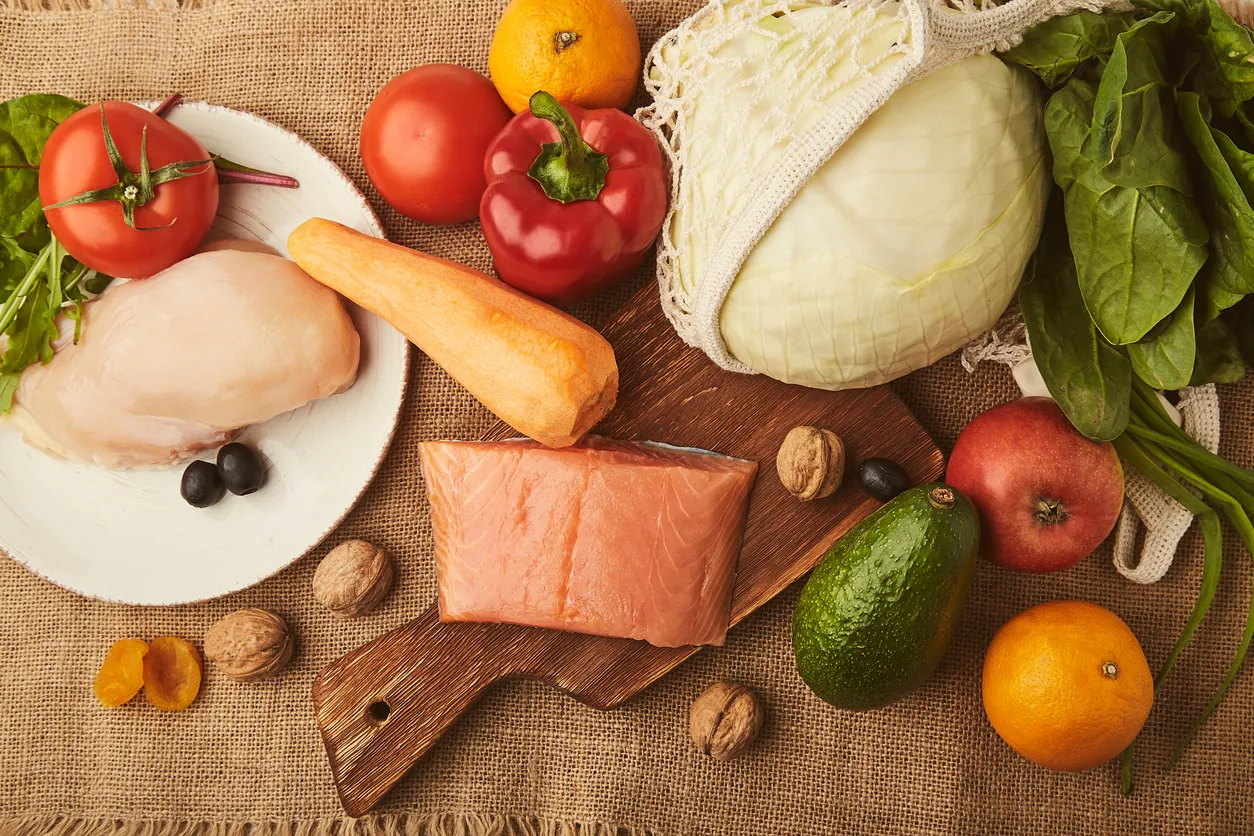
Fatty Fish (Salmon, Tuna, Sardines)
Oily fish provide an excellent source of omega-3 fatty acids.
Research shows that consuming healthy fats may help beneficial gut bacteria thrive and reduce inflammation levels in the digestive tract.
Examples of oily fish (or fatty fish) include:
- Herring.
- Salmon.
- Sardines.
- Trout.
- Mackerel.
- Tuna.
Leafy Greens (Spinach, Kale)
Dark leafy greens, including spinach, kale, bok choy, and collard greens, are known for being nutrient-dense and anti-inflammatory vegetables.
Research shows that a diet high in vegetables can positively influence the gut microbiome.
A small study from 2021 found that adults who were at an increased risk of colorectal cancer may be able to reduce this risk by consuming one cup of cooked green leafy vegetables per day.
Turmeric
Turmeric is a popular spice with a bright orange-yellow hue.
It contains the active compound curcumin, which is associated with some of this spice’s potential health benefits.
Research shows that curcumin has anti-inflammatory properties and may support gut health by positively influencing the composition and diversity of the gut microbiome.
Berries (Blueberries, Raspberries)
Berries, such as blueberries, raspberries, and blackberries, are rich in polyphenols, plant compounds with antioxidant properties.
Because of their polyphenol content, berries may help reduce inflammation in the digestive tract and influence the balance of healthy gut bacteria.
Fiber-Rich Foods
A high-fiber diet is linked with improvements in gut health because some types of fiber can be fermented by healthy gut bacteria, producing beneficial byproducts.
Dietary fiber can foster a more diverse gut microbiome and help healthy bacteria grow.
Consuming adequate fiber can also support regular and healthy bowel movements.
Many plant foods are high in fiber, including:
- Beans and lentils.
- Fruits and vegetables.
- Nuts and seeds.
- Whole grains.
Beans and Legumes
Legumes, including lentils, beans, and peas, are rich in fermentable fibers and resistant starches.
These types of fiber work like prebiotics in the digestive tract, serving as food for healthy gut bacteria and producing beneficial short-chain fatty acids.
Apples and Pears
Fruit is an excellent source of fiber and polyphenols, which can positively influence gut health.
Apples with the skin provide both soluble and insoluble fiber.
In vitro (test tube) research shows that pectin, the type of soluble fiber in apples, can be fermented by gut bacteria to produce short-chain fatty acids.
Research also suggests tannins, the primary polyphenols present in apples, can undergo fermentation in the digestive tract.
Pears are also high in dietary fiber, primarily from insoluble fiber.
Research shows that pears may support a healthy digestive tract and promote regular bowel movements.
More human research is needed to fully understand the impact of apples and pears on gut health.
Avocado
Avocados are an exceptional source of healthy fats and dietary fiber.
Randomized controlled trials from 2019 and 2021 found that daily avocado intake increased the number of healthy gut bacteria and boosted SCFA production.
Chia Seeds and Flaxseeds
Seeds, including chia seeds and flaxseeds, provide fiber and polyphenols, which can act like prebiotics in the digestive tract.
They’re fermented by gut bacteria and produce beneficial SCFA such as butyrate.
These seeds may also help improve bowel movements in people with chronic constipation.
Overall, more human research is needed on the impact of chia and flax seeds on gut health.
{{splash}}
Tips for Incorporating Gut-Healing Foods into Your Diet
When increasing your fiber intake, it’s common to experience digestive symptoms like gas, bloating, and cramping.
To minimize these symptoms and observe the impact on your digestion, it’s best to slowly incorporate gut-healing foods into your diet under the supervision of a dietitian.
You may wonder if prebiotic, probiotic, or fiber supplements are appropriate for filling gaps in your diet and supporting gut health.
Talking with your doctor and dietitian before starting any new supplements is important.
They may recommend specific probiotic strains or types of fiber based on your health concerns.
In some cases, supplements may not be advised.
Takeaway
A diet rich in minimally processed fruits, vegetables, legumes, whole grains, nuts, seeds, and healthy fats is recommended to support gut health.
Specifically, foods high in probiotics, prebiotics, dietary fiber, and anti-inflammatory properties can help healthy gut bacteria grow, suppress harmful gut bacteria, promote short-chain fatty acid production, and improve the diversity of the gut microbiome.
If you have specific digestive concerns, talk with your dietitian before making significant changes to your diet.
How a Dietitian Can Help
If you’ve been diagnosed with a digestive disease or have chronic digestive concerns, you may feel unsure how to best support your gut health through your food choices.
Working with a registered dietitian will give you access to evidence-based nutrition recommendations that fit your food preferences and lifestyle.
During your initial appointment, your dietitian will formulate an individualized plan after reviewing your:
- Current food and beverage intake.
- Digestive symptoms and concerns.
- Medical history and lab work.
- Current medications and supplements.
- Top concerns and questions.
Find a dietitian specializing in gut health to take control of your digestion and well-being.
Frequently Asked Questions
What foods heal your gut?
An anti-inflammatory diet rich in fruits, vegetables, whole grains, nuts, seeds, legumes, and healthy fats provides important fibers and beneficial plant compounds that help support gut health.
Specifically, it can be helpful to focus on minimally processed food sources of:
- Probiotics, like yogurt and kefir.
- Prebiotics, such as bananas and whole grains.
Dietary fiber, including berries and avocados.
How do I heal my gut fast?
If you have concerns about your digestive health, the first step is to seek consultation with a gastrointestinal doctor.
This will ensure you receive a proper diagnosis and treatment plan.
Depending on your digestive concerns, a registered dietitian may recommend adjusting your diet to support your gut health.
This may include adding probiotics and increasing your intake of dietary fiber and prebiotics in the form of minimally processed plant foods.
What is the 7-day gut reset?
The 7-day gut reset is a one-week elimination diet or cleanse that some people with digestive concerns will engage in.
There are several variations of this protocol that may involve temporarily eliminating refined sugar and processed foods while focusing on gut-healing foods.
While your gut microbiome can be influenced by short-term dietary changes, research shows that these changes are not long-lasting.
Ideally, dietary changes to support gut health should come in the form of long-term sustainable habits.
References
View all references
Nourish has strict sourcing policies and prioritizes primary sources, including medical organizations, governmental agencies, academic institutions, and peer-reviewed scientific journals. Learn more about our medical review process and editorial guidelines.
More articles



.avif)


















.avif)