Top Foods To Avoid With Colitis + Gut-Healing Alternatives

Medical Reviewer: Blair Kott, MDA, RD, LD

Author: Julia Zakrzewski, RD

Summary
- Some foods and drinks may exacerbate ulcerative colitis symptoms.
- Limiting your intake of high-fiber foods, full-fat dairy products, spicy dishes, alcohol, and raw produce may help you feel more comfortable.
- You can eat some cooked fruits and vegetables, lean proteins, and other gut-healthy options while healing.
An ulcerative colitis flare-up is when you have painful inflammation and ulcers on the inner lining of your large intestine.
While inflamed, you may feel better removing dietary triggers that could exacerbate your symptoms, including high-fiber and high-fat foods.
After your symptoms and flare-up subside, you can eat regular amounts of fiber (approximately 28-34g daily) to restore your colon health and functionality.
Eating fiber-rich foods daily will help you stay regular, minimize inflammation, restore your gut microbiome, and support overall wellness.
Keep reading to learn which foods to avoid with a colitis flare-up (and what to eat instead).
{{splash}}
Top Foods to Avoid with Colitis
Your colon and digestive system can be very sensitive during a colitis flare-up.
To avoid exacerbating unpleasant colitis symptoms, you may want to limit your intake of some foods listed below during this time.
The following information is educational and should not replace medical advice.
Always speak with your healthcare team before eliminating foods from your diet.
High-Fiber Foods
Fiber can stimulate digestion. So, while having a flare-up, the UK’s National Health Service (NHS) suggests limiting your intake of high-fiber foods.
These can include:
- Nuts and seeds (include nut and seed butter).
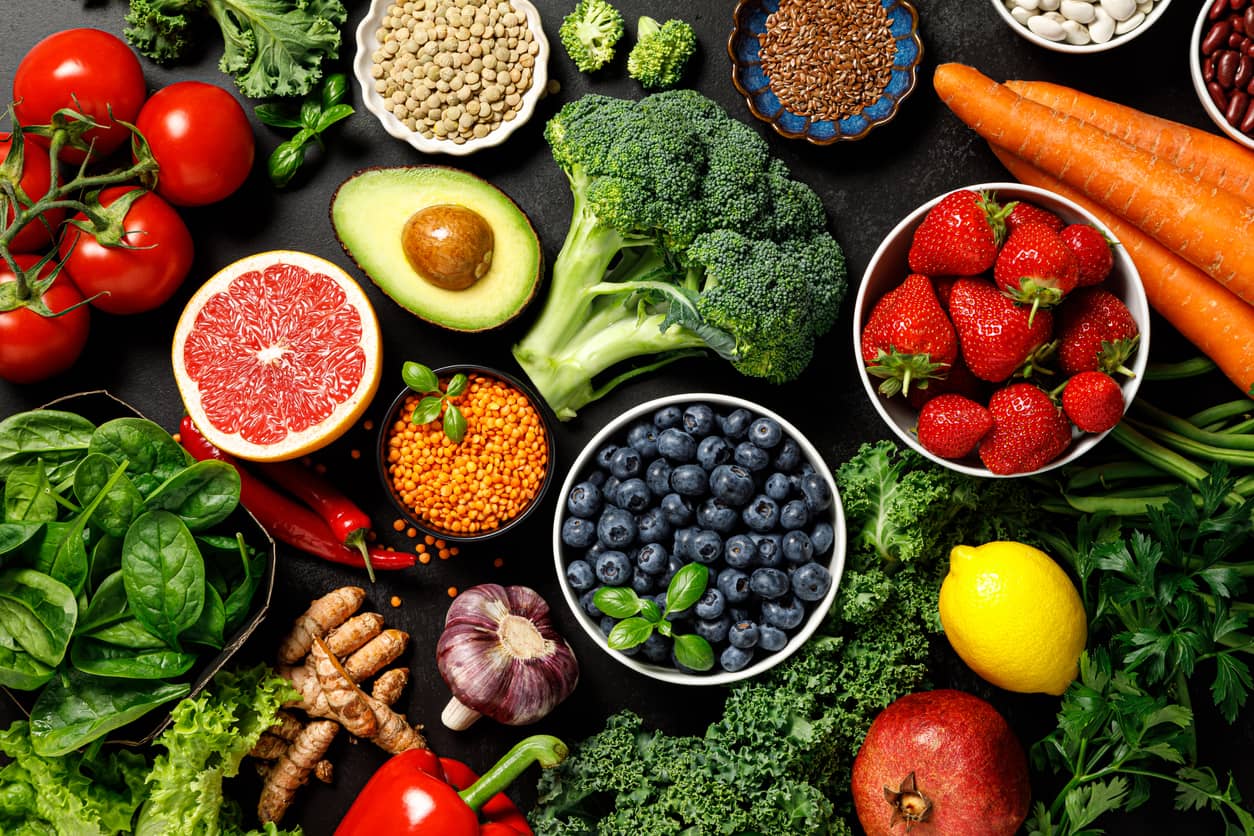
- Many fruits and vegetables.
- Whole grains (quinoa, teff, wheat berries, brown rice, etc.)
- Legumes (including bean-based dips).
Spicy Foods
Capsaicin is a natural spicy compound found in some hot chili peppers (jalapeño, habanero, etc.).
It may cause diarrhea and stomach upset in people with a sensitive digestive system, and you may want to steer clear of these peppers (and other spicy dishes) while experiencing a colitis flare-up.
Try to limit your intake of these spicy foods:
- All chili peppers (jalapeños, reapers, etc.)
- Spicy curries and stews.
- Spicy salsa.
- All types of hot sauce.
- Chili flakes.
- Black pepper.
- Fresh horseradish.
- Fresh wasabi.
Dairy Products (Sometimes)
People with ulcerative colitis can be 2.7 times more likely also to be lactose intolerant, in which case the symptoms can mimic an ulcerative colitis flare-up.
While your colon is inflamed, you’ll probably feel more comfortable avoiding lactose-containing foods (cow’s milk, yogurt, cheeses, etc.) or, at a minimum—taking a Lactaid pill. Alternatively, your dietitian can review plant-based dairy alternatives with you.
If you know that dairy products affect your digestive system, try to avoid these items:
- Full-fat milk.
- Full-fat yogurt.
- Full-fat kefir.
- Full-fat cheeses.
- Ice cream.
- Ice cream cake.
- Butter.
Raw Fruits and Vegetables
Fruits and vegetables are essential to a nutritionally balanced diet, but eating them raw can require extra effort from your digestive system due to the foods' tough natural fibers.
Try to limit your intake of these raw fruits and vegetables, which contain higher amounts of insoluble fiber:
- Carrots.
- Celery.
- Onion.
- Green bell pepper.
- Red Cabbage.
- Raspberries.
- Apricots with skin.
- Dried figs.
- Pear.
- Apple.
Alcohol
People with inflammatory bowel disease (a group of gut health conditions that includes ulcerative colitis) reported worse gastrointestinal symptoms after drinking alcohol.
Try to limit your intake of these alcoholic beverages:
- Beer.
- Wine.
- Vodka.
- Tequila.
- Rum.
- Whiskey.
- Gin.
- Mixed cocktails.
How These Foods Impact Colitis Symptoms
Some research suggests that eating high-fat and high-sugar foods can negatively impact the gut microbial composition, making the gut more susceptible to inflammation and colitis. So, eating these foods may worsen flare-up symptoms.
Researchers also discovered that low-fiber intake may limit the number of short-chain fatty acids in the gut (they support a healthy intestinal barrier) and increase susceptibility to colitis.
Remember, this list is generalized, and you may have unique trigger foods.
To learn more about how your food choices could impact your gut health, consider tracking your food intake in a journal and documenting any symptoms.
Afterward, review your journal entries with your dietitian.
Together, you may uncover trends and find links between foods and how you feel after eating.
You can use this information to build a personalized menu plan to help you feel comfortable, energized, and healthy.
Nutrient-Dense Alternatives for Gut Health
While experiencing a flare-up, it's essential to eat nourishing foods that won’t aggravate your colitis symptoms.
Try any of the foods listed below to help you feel more comfortable and have enough energy to heal.
Cooked or Puréed Fruits and Vegetables
Softened fruits and vegetables may be easier for your digestive system to tolerate.
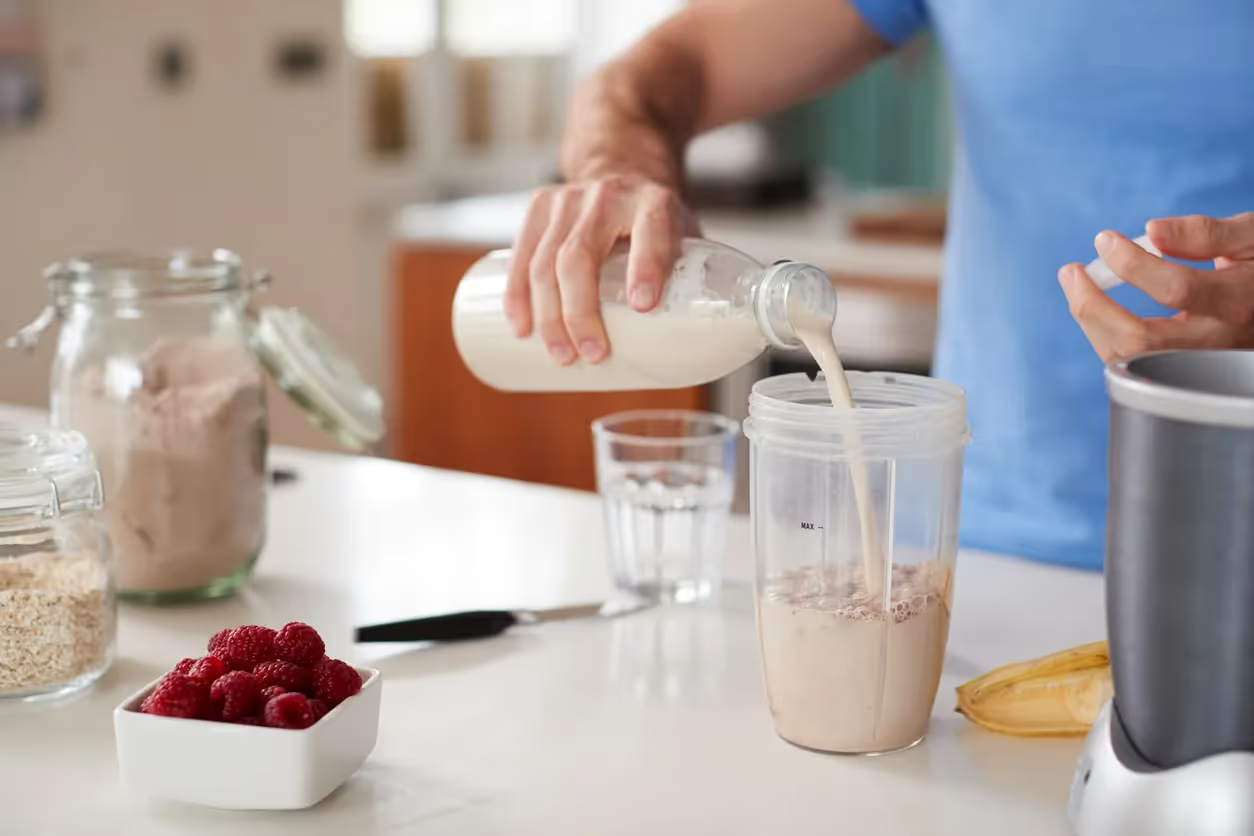
Try incorporating them into your meals more often by blending them into smoothies and sauces or adding them to soups and stews.
Additionally, fruits and vegetables with soluble fiber may help slow down stool transit time and ease digestive symptoms:
- Orange.
- Grapefruit (talk to your doctor before eating grapefruit if you take prescription medications).
- Mango.
- Cooked Brussels sprouts.
- Cooked asparagus.
- Cooked carrot slices.
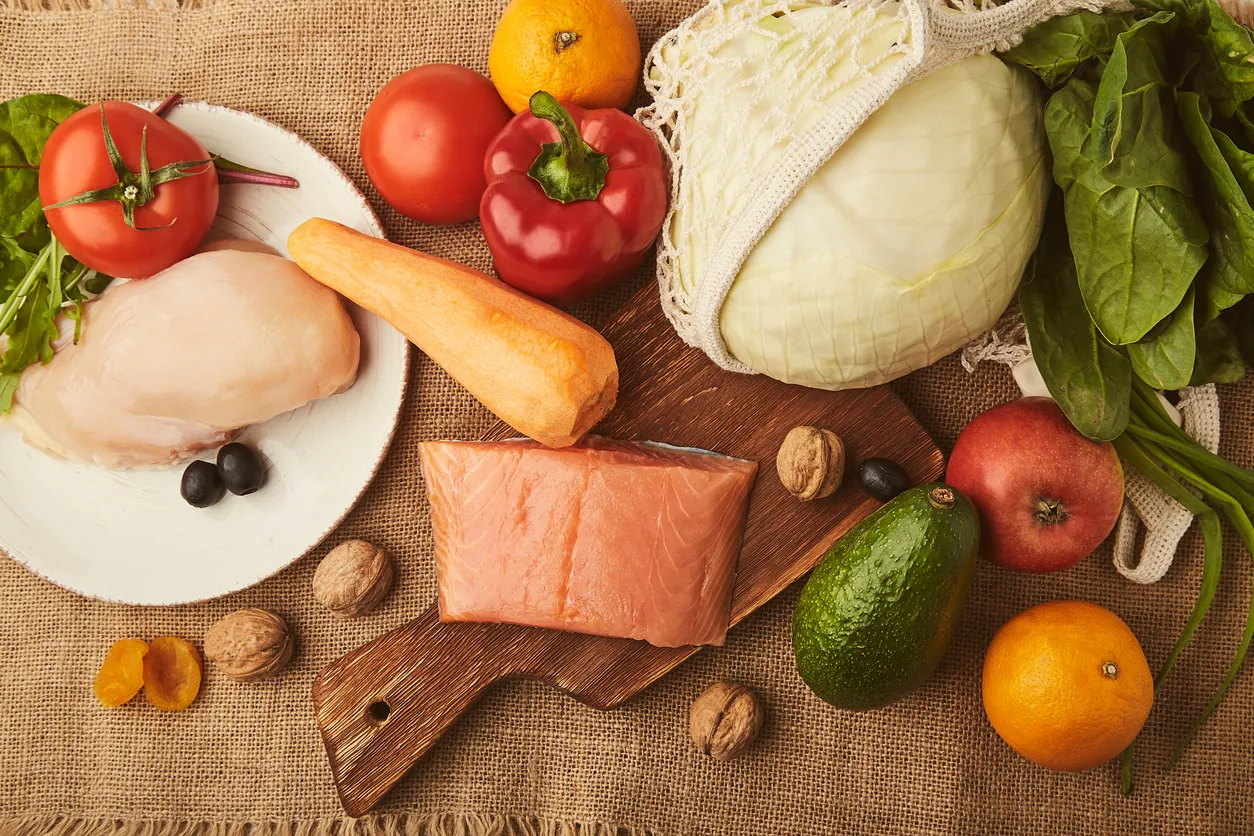
Lean Proteins (Fish, Poultry)
Lean proteins contain very little fat and might be easier to tolerate while healing from a flare-up. Enjoy any of these lean proteins at meals or snacks:
- Poultry (skinless).
- Fish.
- Seafood.
- Beans.
- Eggs.
- Low-fat dairy products (if you can tolerate dairy).
Dairy-Free Alternatives
Many dairy-free alternatives are naturally lean and lactose-free, making them easier to digest if you’re sensitive to animal dairy products.
Some unsweetened, fortified, dairy-free alternatives you may want to try are:
- Almond milk.
- Rice milk.
- Low-fat coconut milk.
- Cashew milk.
- Soy milk.
- Pistachio milk.
- Oat milk.
- Hemp milk.
Low-FODMAP Options
FODMAPS are a type of carbohydrate that can be difficult for some people to digest.
You may feel better choosing low-FODMAP foods more often, and you should ask your dietitian for more suggestions.
Here are some low-FODMAP foods:
- Lean meats (chicken, turkey, fish, seafood, etc.)
- Cucumber, bok choy, pumpkin, lettuce, and kale.
- Strawberries, cantaloupe, and papaya.
- Canned lentils and chickpeas.
- Olive oil and avocado oil.
- Lactose-free milk and almond milk.
{{splash}}
Probiotic-Rich Foods
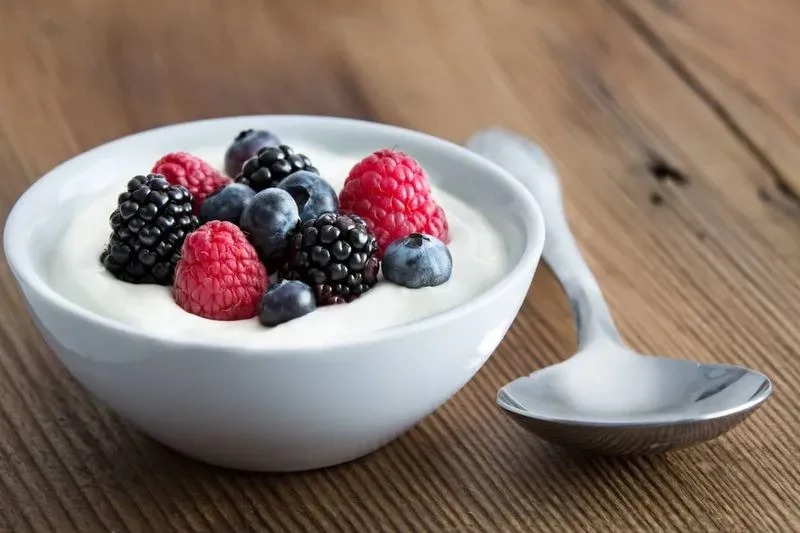
Some fermented foods, including yogurt and kefir, naturally contain probiotics—living microorganisms that can have generalized health benefits.
If you tolerate dairy, you may benefit from incorporating these foods into your diet (pick lower-fat options).
However, you may also want to ask your dietitian if they can recommend a probiotic supplement.
Other fermented foods don’t necessarily contain probiotic colonies, and although they’re perceived as being healthy, it’s unlikely they’ll significantly impact your gut health.
Tips for Healing Your Gut with Colitis
While experiencing a flare-up, you can expect to modify your diet to include gentler, easy-to-digest foods.
Work with your dietitian to find options that provide energy, vitamins, minerals, and other essential nutrients needed to heal.
Some other easy tips to help you heal include:
- Eating more low-fiber fruits and vegetables (try peeling and cooking them first).
- Picking lean proteins.
- Asking your dietitian about low-FODMAP foods.
- Talking to your doctor about medications and other treatment options.
- Reviewing probiotic supplements with your dietitian.
Make sure you take time to rest as your digestive system recovers.
To help your body heal, get comfortable in bed (or on the couch) with a great book and a hot water bottle to soothe any stomach aches or cramps.
Takeaway
Your food and drink choices may exacerbate ulcerative colitis symptoms while your colon is inflamed. Fortunately, you can make some dietary changes that could help.
To start, try to limit your intake of these foods:
- High-fiber foods.
- Spicy foods.
- Full-fat dairy products.
- Raw fruits and vegetables.
- Alcohol.
Remember that nutrition and diet are one part of your colitis management plan.
Ask your doctor about other possible treatments, including medications and possible surgeries (less common).
How a Dietitian Can Help
A dietitian specializing in ulcerative colitis can help you manage your symptoms through nutrition and diet.
After working together, you’ll learn what foods and lifestyle strategies help you feel your best.
At Nourish, all nutrition appointments are done online.
During your appointment, you'll complete food recalls, make goals, and take steps to help you achieve them.
Thousands of people have already improved their health by working with a Nourish dietitian.
They love the accountability, nutrition knowledge, and unconditional support that their dietitian provides.
Find your dietitian through Nourish today.
Frequently Asked Questions
What makes ulcerative colitis worse?
Some foods and drinks may worsen ulcerative colitis symptoms. Generally, these can include:
- High-fiber foods.
- Spicy foods.
- Full-fat dairy products.
- Raw fruits and vegetables.
- Alcohol.
What vegetables should be avoided with colitis?
Raw vegetables that are high in insoluble fiber may cause unpleasant symptoms while managing a colitis flare-up. Try to limit your intake of these foods:
- Carrots.
- Celery.
- Onion.
- Green bell pepper.
- Red Cabbage.
Do eggs make colitis worse?
Eggs are a lean source of protein that should be OK to eat. An exception would be anyone who has an egg allergy.
References
View all references
Definition & Facts of Ulcerative Colitis - NIDDK.
Dietary Guidelines for Americans, 2020-2025
Living with Ulcerative colitis.
Table 10. [Fiber Content of Selected Fruits]. - Endotext - NCBI Bookshelf
Table 8. [Fiber Content of Selected Vegetables*]. - Endotext - NCBI Bookshelf
A Systematic Review of the Role of Diet in Ulcerative Colitis - PMC
Probiotics - Health Professional Fact Sheet
Nourish has strict sourcing policies and prioritizes primary sources, including medical organizations, governmental agencies, academic institutions, and peer-reviewed scientific journals. Learn more about our medical review process and editorial guidelines.
More articles



.avif)















.avif)