Eating to Fill a Void: How to Satisfy Emotional Hunger

Medical Reviewer: Christina Harris, RDN

Author: Jennifer Huddy, MS, RD, LD

Summary
- Eating to cope with unpleasant emotions is known as emotional eating.
- Emotional hunger differs from physical hunger because it has to do with psychological sensations, like feeling upset or stressed.
- You can stop emotional eating by identifying your triggers, practicing mindfulness-based techniques, and seeking professional help.
Emotional eating, or overeating when feeling unpleasant emotions, is a coping mechanism many people use for emotional regulation. It can be a concerning behavior if it happens often, but there are ways to manage it.
The first step is to identify which emotions and situations cause emotional eating for you. Then you can practice non-food coping mechanisms to handle those situations. Continue reading to learn more about emotional eating, why it happens, and how to manage it.
{{splash}}
What is Emotional Eating?
Emotional eating occurs when a person overeats in response to negative emotions like stress, anxiety, or sadness. It is a coping mechanism for dealing with these unpleasant emotions, and it typically happens when you are not physically hungry.
People tend to seek foods that taste good when eating emotionally, like those high in fat, sugar, and salt. Research shows that eating these types of food releases mood-boosting neurotransmitters, like dopamine, in the brain. This is one explanation of why some people rely on food to help them feel better when experiencing emotional discomfort.
There are many other reasons why certain people are drawn to eating emotionally. For example, studies show that people who follow restrictive diets for weight loss are at a higher risk of emotional eating. This is because the self-control needed to restrict “off-limits” foods is weakened when experiencing negative emotions like stress.
Eating to Fill a Void
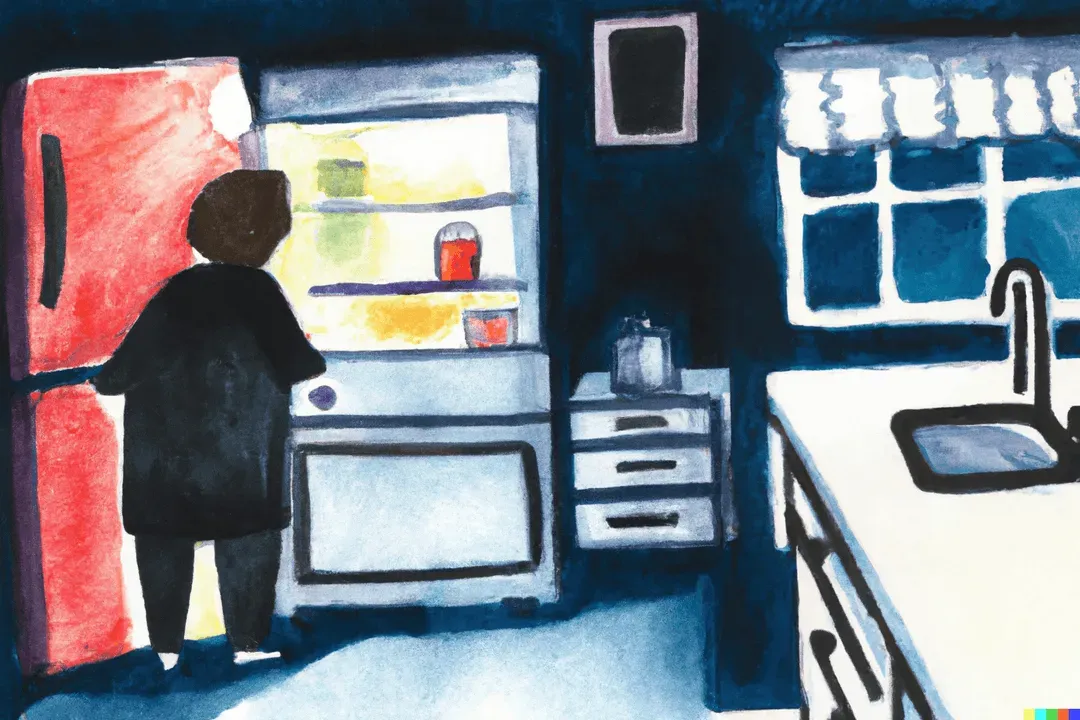
Most people experience emotional eating occasionally. For example, emotional eating might look like picking up your favorite dessert on the way home from a stressful day at work and eating it after dinner even though you’re not hungry. Emotional eating is a common experience and does not always require treatment.
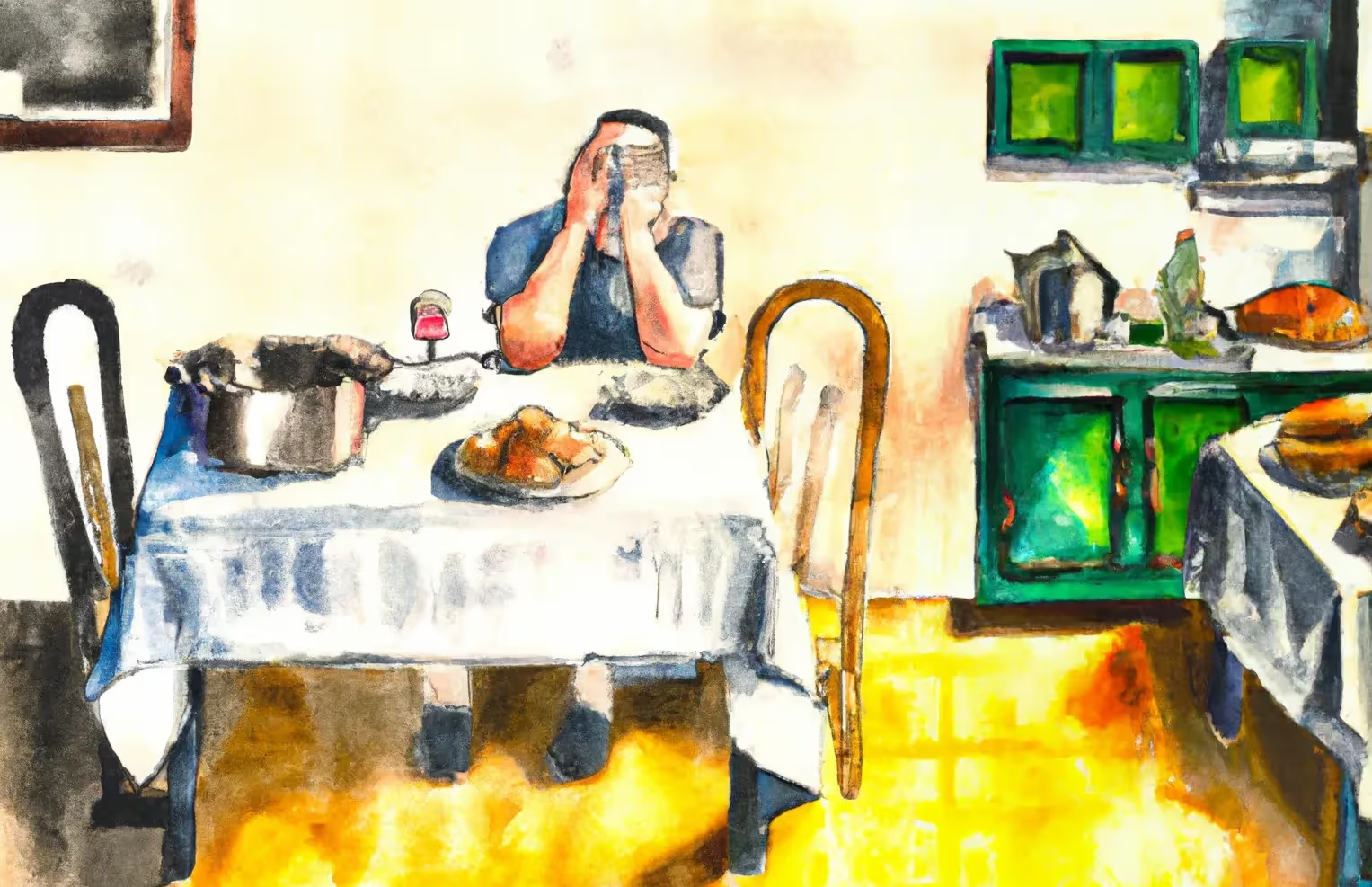
For some, emotional eating feels like they are “eating to fill a void.” In other words, they are using food to fulfill an unmet emotional need or something that is missing from their lives. If emotional eating happens frequently or feels like your primary tool for managing difficult emotions, it may be time to seek support.
Emotional eating can sometimes be a symptom or warning sign of other mental health concerns. It has been linked to both binge eating and depression. If you often feel a lack of control while overeating, followed by intense guilt and shame, you may be experiencing a binge eating disorder. Talk to your doctor to get the treatment you need.
Emotional vs. Physical Hunger
When it comes to emotional eating, it can be helpful to understand the difference between emotional hunger and physical hunger. Physical hunger occurs in response to your body’s need for food. Most people feel grumbling or emptiness in their stomach, but other physical hunger symptoms include:
- Fatigue.
- Difficulty concentrating.
- Stomach ache.
- Lightheadedness.
- Irritability.
If physical hunger is your body telling you that you need food, emotional hunger is your brain telling you that you have an unmet emotional need. For example, you might be feeling lonely, and your brain is craving something to make you feel better.
You might feel the urge to eat when experiencing emotional hunger, since eating palatable food can boost your mood. However, it may be hard to stop eating if you’re not physically hungry when you start.
Identifying Emotional Eating Triggers
The first step in stopping emotional eating is learning your triggers. This will look different for everybody—try not to impart judgment or shame as you think about your eating habits.
One way you can identify your triggers is to keep a log. Any time you experience emotional eating or eat to fill a void, write down how you felt and what was going on that day.
An example may look like this:
8:00 pm—ate a sleeve of cookies
Feeling exhausted, stressed, and worn out.
Haven’t taken a moment for myself all day.
Once you have a few entries in your log, look over the episodes and try to find what they have in common. You may find you have one primary trigger, like stress, or multiple triggers.
Common triggers for emotional eating include:
- Stressful day at work or school.
- Needing a way to unwind and relax at the end of the day.
- Being around triggering people.
- Feeling sad or upset.
- Anxiety and depression.
- Not taking time for self-care.
- Boredom.
- Grief.
How to Stop Emotional Eating
If you have been experiencing emotional eating for many years, stopping can feel overwhelming. The key is to learn how to respond to and cope with your trigger emotions without using food. This can be done through mindfulness techniques.
Mindfulness is the practice of observing your feelings in a non-judgemental way. Mindfulness-based techniques have been shown to be effective in treating emotional eating because they focus on tools for regulating emotions. Examples include mindful eating and mindfulness meditation.
Practice Mindful Eating
Research shows mindful eating can result in fewer food cravings and reduce emotional eating when practiced regularly. Mindful eating involves the following characteristics:
- Eating when hungry and stopping when full.
- Savoring the taste and texture of food.
- Noticing how different foods make you feel (physically and emotionally).
- Being present while eating (i.e., minimizing distractions, eating slowly, and chewing food thoroughly).
In our fast-paced society, it can be challenging to be present while eating. Often, we eat while on our phones, watching TV, working, or driving. When you experience an episode of emotional eating, notice your environment and how you are eating.
For example, if you tend to eat quickly while watching TV, it can be difficult to get mental satisfaction from the food. You may be physically satisfied (i.e., full), but if you don’t slow down to enjoy the food, you’ll likely be drawn to continue eating past your point of fullness. This is because your brain hasn’t had a chance to register the food.
A good starting point is to take a moment to check in with yourself before eating. Start by noticing whether you feel physically hungry. If so, go ahead and eat something while practicing being present. If you don’t feel physically hungry, explore why you want to eat.
Emotional eating, or eating to fill a void, often occurs when we experience an uncomfortable emotion. Check in with what you are feeling. Are you stressed, upset, or bored? Naming the emotion is important here.
Next, you can ask yourself what your body needs to feel better. If you are stressed, perhaps you can take a light walk or enjoy a bath. If you notice you’re feeling upset, try talking it through with a loved one. The more and more you practice asking yourself these questions, the easier it will become to find non-food tools for regulating your emotions.
It can take time and practice to learn how to eat mindfully. Consider scheduling a consultation with a registered dietitian at Nourish to receive guidance on how to apply mindful eating techniques in a way that is effective for stopping emotional eating.
Try Mindfulness Meditation
Mindfulness meditation is something you can practice on your own or with the guidance of a therapist. If you’re new to meditation, try guided meditation practices available through many smartphone apps. Deep breathing, body scans, and mindful movement are all examples of mindfulness meditation.
A body scan meditation is a useful tool for practicing awareness of your physical and emotional states as they relate to emotional eating. Start by sitting or lying down in a calm setting. Close your eyes and bring your attention to your toes. Slowly move up your body—feet, ankles, calves, thighs, and stomach—stopping to observe the sensation of each body part.
If your body feels tense, how does this relate to the emotions you’re feeling? Notice if your stomach feels hungry or full. You can use this information to decide how to respond to your physical and emotional needs.
It can be hard to learn these skills on your own. Mindfulness-Based Stress Reduction (MBSR) and Mindfulness-Based Cognitive Therapy (MBCT) are two types of therapy focusing on emotional regulation and awareness. These approaches can help you stop emotional eating by teaching you healthy coping skills for negative emotions.
Seeking Help
Emotional eating can be a complex coping mechanism and a deeply ingrained habit. Working with a registered dietitian can help you identify your emotional eating triggers and learn mindfulness techniques.
At Nourish, you’ll be matched with a registered dietitian who will create an individualized plan to help you stop emotional eating for good.
{{splash}}
Frequently Asked Questions
References
View all references
Nourish has strict sourcing policies and prioritizes primary sources, including medical organizations, governmental agencies, academic institutions, and peer-reviewed scientific journals. Learn more about our medical review process and editorial guidelines.