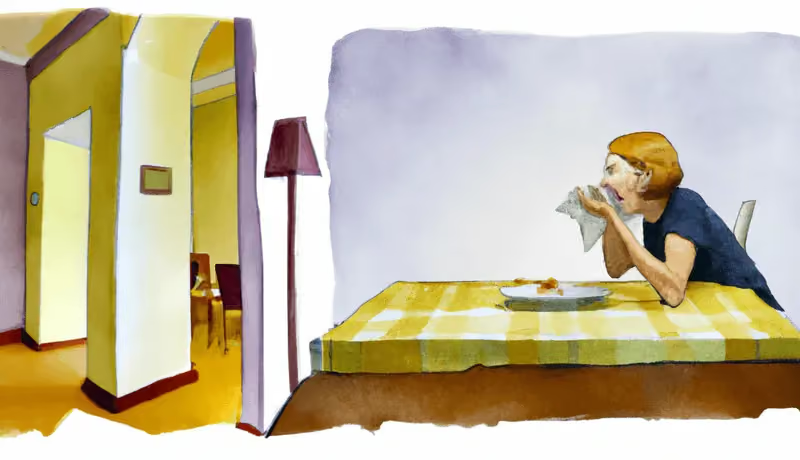
The Link Between Depression And Overeating: What Does Science Say?

Medical Reviewer: Ellie Stamerjohn, MS, RDN, LD

Author: Julia Zakrzewski, RD

Summary
- Depression is a mental health condition characterized by low mood and persistent feelings of sadness, which may impact appetite levels.
- There’s a known link between mood disorders (including depression) and an increased risk of overeating, although this symptom doesn’t happen for everyone.
- Using food to cope with depression isn’t a sustainable plan. You can break this cycle by seeking treatment from qualified healthcare professionals, such as a registered social worker or dietitian.
Depression is a mental health disorder estimated to affect up to 5% of the global population.
Telltale signs of depression include persistent sadness and a lack of interest in previously enjoyed hobbies or activities.
It can also affect sleep, appetite, and overall outlook on life.
It’s difficult to say if depression contributes to overeating or vice versa.
These behaviors and feelings can be tightly interlaced, and it can be challenging to stop the cycle.
Fortunately, working with a team of trained health experts, which includes social workers, dietitians, and physicians, can help you manage your mental health and eating patterns.
Keep reading to learn about the link between depression and overeating and why working with a dietitian can be beneficial.
{{splash}}
How are Depression and Overeating Connected?
Overeating can be defined as eating more fuel than your body needs.
Some signs that may suggest you’re overeating include continuing to eat past the point of fullness and eating very quickly.
If you have depression, which is a mood disorder, you may overeat because emotions can influence your eating appetite and eating patterns.
It can also increase impulsivity, a personality trait that can further influence your decision to eat.
Severe forms of depression, such as major depression, have been linked to food addiction, which frequently leads to overeating.
Binge Eating Disorder
Binge eating behaviors may be linked to depression. Binge eating is different from overeating because it occurs more regularly and is typically followed by more severe mental and physical outcomes.
A binge eating disorder is another serious mental health condition that your physician should address.
Treatment options include psychotherapy as well as medications to manage the symptoms.
The Science Behind the Link
There are several biochemical and psychological layers involved that might prompt you to overeat while having depression.
Highly palatable foods are more likely to prompt overeating.
These foods are high in fat, sugar, and salt and may trigger a dopamine boost after eating.
This neurotransmitter is connected to temporary feelings of pleasure and satisfaction, which is one reason overeating can feel soothing during unpleasant times.
After eating, the parasympathetic nervous system activates the “rest and digest” response—the opposite of the fight or flight response.
This is a pacifying reaction, and people coping with depression may crave these sensations while trying to manage their mental health.
Overeating may become a tool for achieving a sense of calm.
According to Dr. Sophia Monsour, Chief Psychiatrist for Pennsylvania at Talkiatry, "there are several depressive disorder subtypes and overeating is most associated with the atypical subtype. When you're struggling with depression, especially the atypical subtype, you may search for a source of comfort and/or create a calm environment.
If you don't have access to healthy coping mechanisms, you may try to mimic this feeling by overeating, leading to a surge in dopamine, a chemical messenger that is considered a “feel good hormone”."
Not everyone with depression will engage in overeating behaviors. Some people experience the opposite effect and find their appetite decreases while managing their mood.
This reinforces the idea a “one-size-fits-all” approach isn’t enough to address mental health conditions and individualized care is necessary.
Common Symptoms of Depression
The National Institute of Mental Health (NIH) states that anybody experiencing the following symptoms most of the day, nearly every day, for the last two weeks may be experiencing depression.
Follow up with your doctor if you have questions or concerns.
- Persistent sadness: feeling sad or empty and having difficulty getting things done.
- Feelings of hopelessness or pessimism: believing that happy moments won’t last and adverse events will return.
- Feelings of irritability, frustration, or restlessness: being impatient and quickly annoyed over minor things (like spilling your coffee.)
- Loss of interest or pleasure in hobbies and activities: feeling numb when things used to spark you with interest or joy.
- Decreased energy or fatigue: constantly feeling tired even after sleeping.
- Difficulty concentrating or making decisions: being unable to stay focused or remember details throughout the day.
- Altered sleeping patterns: sleeping longer than usual and finding it difficult to wake up.
- Changes in appetite or weight: experiencing unexplained weight changes, which include weight loss or gain.
- Physical aches: having persistent headaches or digestive problems that do not go away with treatment.
- Thoughts of suicide or death: these thoughts are profound, and you should reach out to your healthcare team for immediate support.
Signs You May Be Overeating as a Coping Mechanism
Using food to cope with your feelings is a behavior called emotional eating.
The decision to eat isn’t based on physical hunger. Instead, you may consume foods or beverages to soothe big emotions.
These overwhelming feelings can include fear, stress, boredom, loneliness, worry, and sometimes joy.
Overeating is normal on an occasional basis, but consistently using food to feel better isn’t a sustainable strategy.
Here are common scenarios where you may be using overeating to cope with depression:
- Eating to find emotional relief.
- Rapidly eating without pausing to enjoy the food.
- Eating despite not feeling hungry.
- Trying to suppress unwanted emotions.
- Temporarily distracting yourself by eating.
Although you may feel full, you probably won’t feel satisfied after eating.
{{splash}}
Negative emotions and symptoms of depression can linger on, and it’s time to address them through better modalities, such as mental health therapy and nutrition counseling.
Ways to Break the Cycle of Depression and Overeating
You can break the cycle of depression and overeating by taking gradual steps and practicing self-compassion.
Changing your behaviors is hard work, but having a plan can make your efforts feel more manageable.
Identify your triggers
Start by identifying triggers that prompt you to overeat.
Track overeating episodes in a journal and review the data to identify possible patterns.
Is there a time of day you’re more likely to overeat, a specific mood, or perhaps there’s a food that you frequently overindulge?
Explore realistic solutions
Brainstorm realistic solutions to diffuse the effect of your triggers.
For example, if you notice that you’re more likely to overeat between 9 and 11 pm because of boredom, try to fill this time with engaging activities instead.
This might include solving a puzzle or completing a guided meditation before bed.
Another idea would be to review your ability to recognize your hunger and fullness cues under the guidance of a registered dietitian.
These are your body’s way of telling you it needs energy or is satiated after eating.
Bouts of overeating can make it harder to tune into these signals, but they can be relearned by adopting intuitive eating practices.
Consider mental health support
Seeking mental health support from a registered social worker can also be beneficial.
They can teach you strategies to manage your emotions instead of emotionally eating.
Potentially helpful treatment routes include cognitive behavioral therapy (CBT) to address unhelpful thought patterns or dialectical behavioral therapy (DBT) for emotional regulation, which can be beneficial if you’re prone to binge-eating episodes.
{{splash}}
Takeaway
Depression is a mood disorder that can impact your daily behaviors, including your eating habits.
If you’re feeling out of control at meals or overwhelmed by guilt and shame after eating, you might want to work with a dietitian.
They offer evidence-based practices to help heal your relationship with food, such as mindful eating or intuitive eating.
While working with a dietitian, consider also reaching out for mental health support.
How a Dietitian Can Help
A registered dietitian is a nutrition expert and licensed health care professional.
They work alongside your healthcare team to provide comprehensive nutrition support to help you achieve your health goals.
You may not know what to expect if you’ve never worked with a dietitian.
Here are questions to ask:
- Which foods help with depression?
- I don’t feel hungry during the day—can we work on that?
- Do you have quick recipes that are healthy and easy to make?
- Are there any foods that I should avoid?
Find a dietitian near you who specializes in overeating to learn other strategies to manage your mental health and nutrition.
Frequently Asked Questions
Is eating more a symptom of depression?
Eating more may be a symptom of depression, but it’s not a standalone symptom.
You must examine other areas of your life to assess your mental health adequately.
Has your weight changed, are you sleeping regularly, and do your past hobbies bring you joy?
Contact your doctor for more support if you need help navigating these symptoms.
Who treats depressive overeating?
A registered social worker specializing in eating behaviors related to depression would be a great candidate to help you address depressive overeating.
A dietitian who has specialized training in this area could also support you.
Does medication help depression and overeating?
There are medications available to treat depression and related symptoms.
They include:
- Selective serotonin reuptake inhibitors (SSRIs).
- Tricyclic antidepressants.
- Bupropion.
Your physician and pharmacist can review options and discuss possible side advantages or side effects with you.
References
Nourish has strict sourcing policies and prioritizes primary sources, including medical organizations, governmental agencies, academic institutions, and peer-reviewed scientific journals. Learn more about our medical review process and editorial guidelines.