Top Leaky Gut Foods To Avoid And Approved Alternatives

Medical Reviewer: Christine Russell, MS, RD, LD, CDCES

Author: Heather Smith, RN, BSN
.avif)
Summary
- Manage leaky gut by avoiding inflammatory foods like gluten, alcohol, dairy, and added sugars.
- Prioritize gut-healing options like fruits, vegetables, lean proteins, and fermented foods.
- A registered dietitian can provide ongoing personalized guidance for your gut-healing journey.
Leaky gut syndrome is a condition that affects the lining of the intestines.
Having a “leaky gut” means that larger than normal gaps between the cells of the intestinal wall allow toxins, bacteria, and undigested food particles to pass into the bloodstream.
These particles can trigger inflammation and potentially lead to a variety of health problems.
We’ve compiled a comprehensive list of foods to avoid and foods to prioritize if you have a leaky gut.
{{splash}}
What Is Leaky Gut Syndrome?
Leaky gut syndrome, also known as increased intestinal permeability, describes the compromised condition of the intestinal lining.
The intestinal lining is made up of a single layer of cells called intestinal epithelial cells, which are held together by tight junctions.
During digestion, these tight junctions regulate the passage of nutrients and fluids into the bloodstream and prevent harmful substances from passing through.
However, certain factors, such as prolonged stress, poor diet, and exposure to toxins, can damage these tight junctions, leading to a “leaky gut.”
Top Foods To Avoid With Leaky Gut
Certain foods may contribute to inflammation and damage the gut lining, potentially worsening leaky gut symptoms.
Limiting or reducing these foods may help your gut start to heal and improve symptoms.
The top foods to avoid include gluten, dairy, and sugar.
Gluten
Gluten, a protein found in wheat, rye, and barley, is a common cause of leaky gut.
This is especially true if you have celiac disease or gluten intolerance.
Gluten is found in many foods. Here are some common foods with gluten.
- Bread.
- Pasta.
- Many breakfast cereals.
- Baked goods.
- Crackers and cookies.
- Beer.
- Soy sauce.
- Processed meats (hot dogs and deli meats).
- Sauces and gravies.
- Imitation seafood.
It’s important to note that this list is not exhaustive, and gluten-free alternatives are often available.
Always read food labels carefully when avoiding gluten.
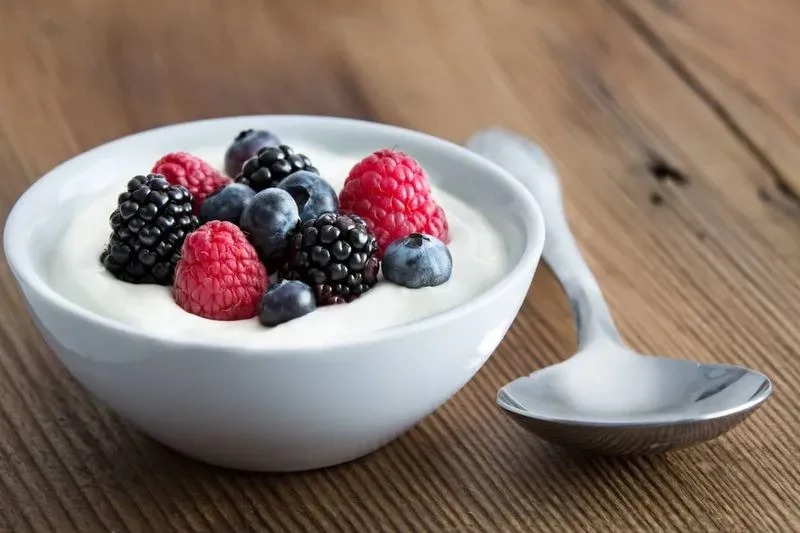
Dairy Products
Dairy products, particularly those from cows, can be problematic if you have a leaky gut.
Many people lack the enzyme lactase, which is necessary for properly digesting lactose, a sugar found in dairy.
If you don’t have lactase, you may experience bloating, diarrhea, and other digestive discomforts when you eat dairy products.
For leaky gut, avoid dairy products such as:
- Milk.
- Yogurt.
- Butter.
- Cheese.
Processed And Packaged Foods
Highly processed and packaged foods often contain additives, preservatives, sugar, and artificial ingredients that may disrupt the bacteria balance, or microbiome, in your gut.
These foods are also often low in nutritional value and fiber, which are essential for healthy digestion.
Opting for whole, unprocessed foods is always better for gut health.
Alcohol
Excessive alcohol consumption can harm your gut health and exacerbate leaky gut.
Alcohol also disrupts the balance of gut bacteria and causes inflammation that may damage the integrity of the intestinal lining.
Artificial Sweeteners
While sometimes marketed as healthier alternatives to sugar, artificial sweeteners can negatively impact gut health and may worsen leaky gut symptoms.
Research suggests that artificial sweeteners can alter the gut microbiome, leading to unbalanced levels of gut bacteria.
Artificial sweeteners can include:
- Aspartame (NutraSweet, Equal).
- Saccharin (Sweet’N Low).
- Acesulfame potassium (Sunett, Sweet One).
- Sucralose (Splenda).
Alternatives For Promoting Gut Health
Here are foods that help strengthen your gut health.
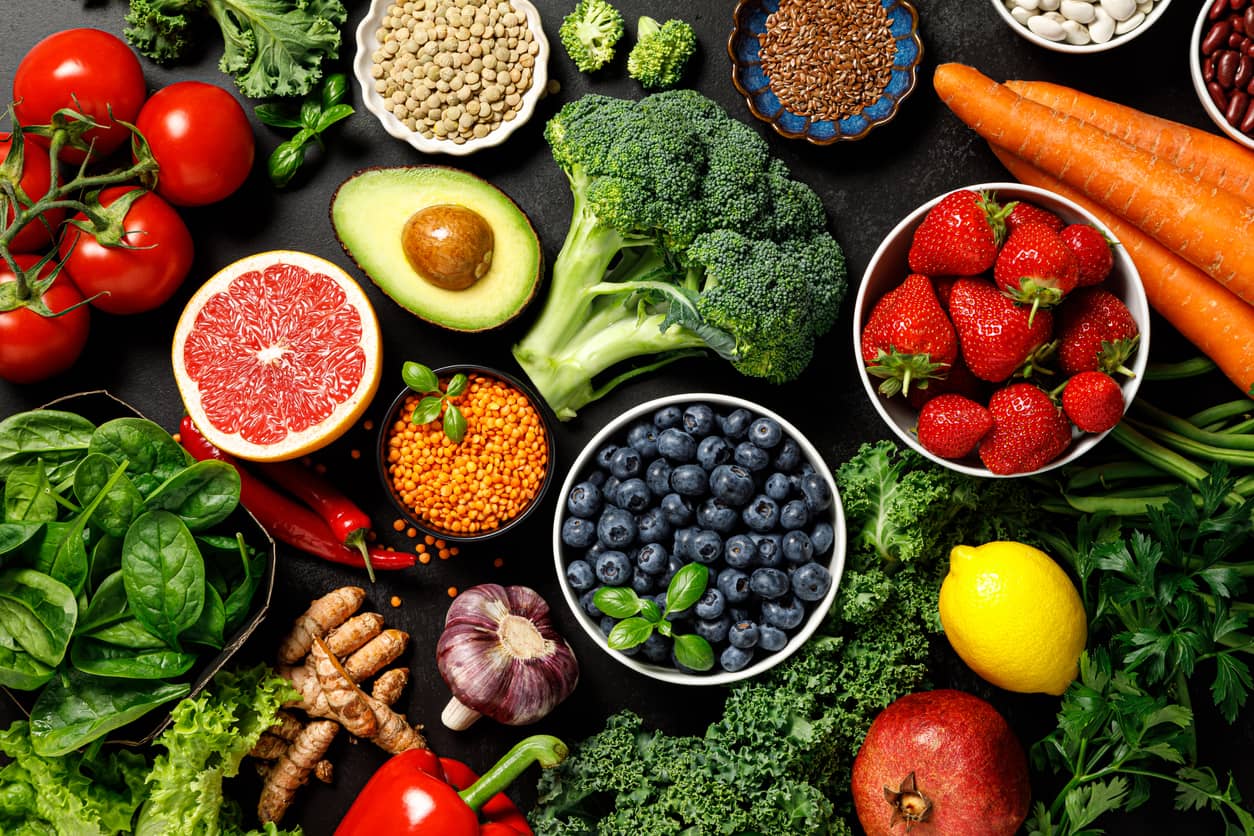
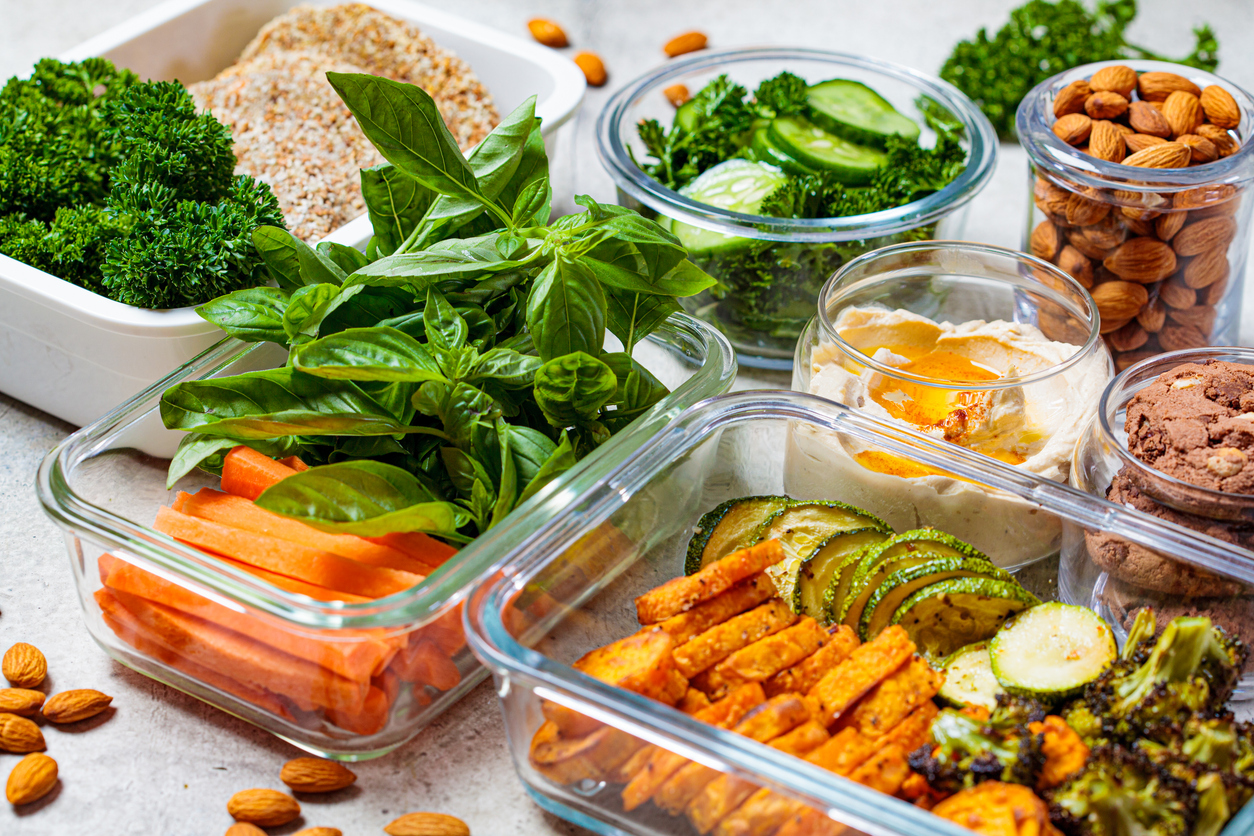
Anti-Inflammatory Fruits And Vegetables
A diet rich in fruits and vegetables promotes gut health and helps reduce inflammation.
These foods are packed with fiber and prebiotics that help support digestion and nourish healthy gut bacteria.
Here are some fruits and vegetables that are beneficial for gut health:
- Berries.
- Cruciferous vegetables (broccoli, cauliflower, Brussels sprouts, cabbage).
- Leafy greens (spinach, lettuce, collard greens).
- Avocados.
- Apples.
- Bananas.
- Ginger.
Healthy Fats (Avocado, Nuts)
Consuming healthy fats supports the health of your microbiome, which is important for maintaining a healthy intestinal barrier.
A 12-week study suggests that eating a daily avocado (a source of healthy fats) boosts the diversity and strength of certain beneficial bacteria
Prioritize healthy fats, including omega-3 fats and monounsaturated fats, such as extra-virgin olive oil, avocados, and almonds, to improve your healthy gut flora.
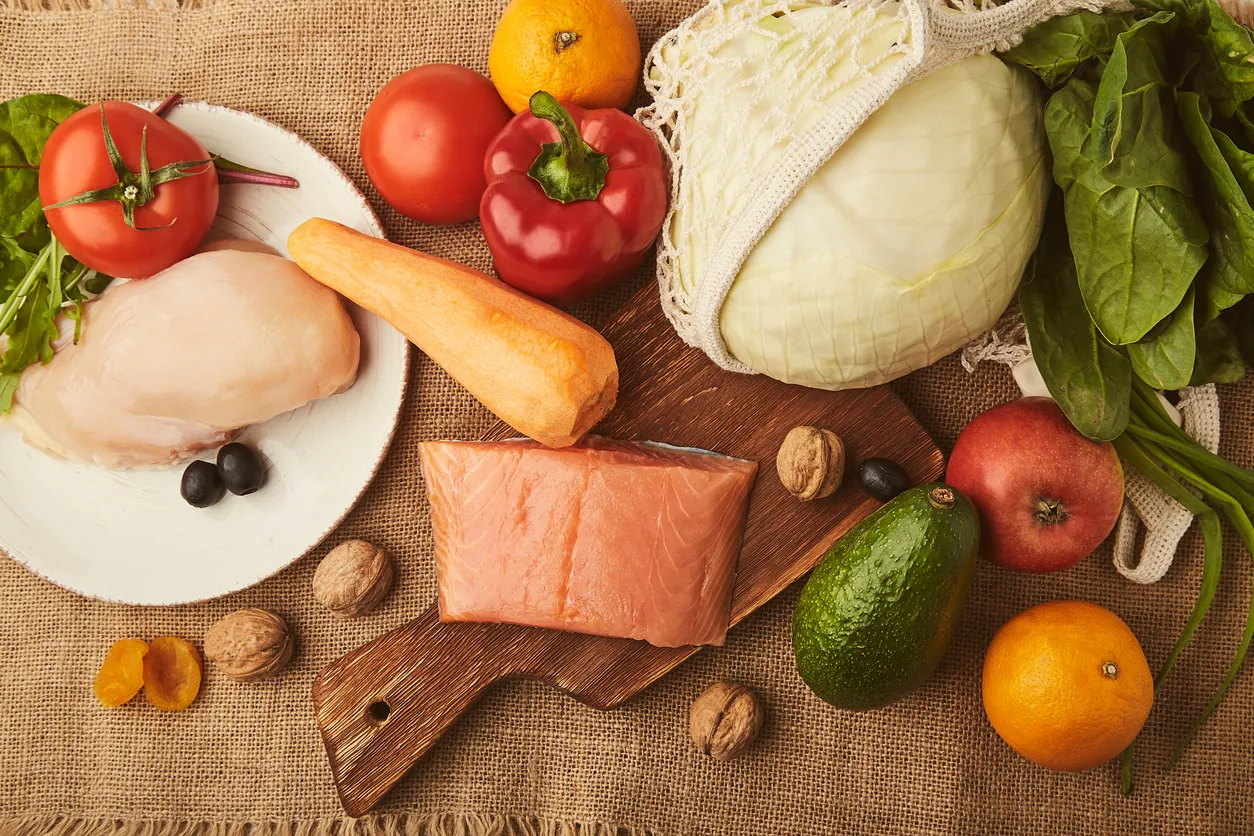
Lean Proteins
Lean proteins are essential for supporting gut health and overall well-being.
High-quality proteins provide the building blocks for cellular repair and help maintain a healthy gut lining.
Prioritize lean proteins, such as:
- Poultry.
- Fish.
- Lentils.
- Beans.
- Nuts.
Low-FODMAP Options
If you have leaky gut and irritable bowel syndrome (IBS), following a low-FODMAP diet can reduce symptoms and promote gut healing.
FODMAP stands for fermentable oligosaccharides, disaccharides, monosaccharides, and polyols.
These carbohydrates can be difficult for the small intestines to absorb and can lead to gas, bloating, and other digestive discomforts.
By temporarily eliminating FODMAPs, you can systematically reintroduce them and identify your triggers.
It’s important to note that a low-FODMAP diet should be followed under the guidance of a registered dietitian to ensure you are still meeting your nutritional needs.
Fermented Foods And Probiotics
Incorporating fermented foods and probiotics into your diet can help restore a healthy gut microbiome and improve leaky gut.
Probiotics and fermented foods can also help reduce inflammation and strengthen the intestinal barrier.
Foods to prioritize include:
- Sauerkraut.
- Kimchi.
- Kefir.
- Miso.
- Kombucha.
Tips For Managing Leaky Gut With Diet
Here are several additional tips for managing a leaky gut with diet:
- Keep yourself hydrated to support digestion and overall gut health.
- Eat mindfully by only eating when hungry, slowing down, and chewing your food thoroughly.
- Manage stress as it can negatively affect gut health.
- Aim to get between seven to nine hours of sleep each night for overall health.
- Start a food journal and keep track of the foods you eat and symptoms you experience.
- Work with a registered dietitian for personalized guidance.
{{splash}}
Takeaway
Addressing leaky gut requires dietary modifications, lifestyle changes, and sometimes the guidance of a healthcare professional.
By understanding the foods that can contribute to leaky gut and those that promote gut healing, you can make informed choices to support your gut health.
Each person is unique, and sometimes, it takes an individualized approach to discover the foods or lifestyle choices that are hurting your gut health and determine the best healing approach.
How A Dietitian Can Help
Consulting with a dietitian for leaky gut can provide invaluable support and guidance.
Here are several ways a dietitian can help:
- Identify food sensitivities.
- Guide you through an elimination diet tailored to your needs.
- Create a personalized eating plan.
- Provide evidence-based recommendations based on the latest research.
- Offer ongoing support and motivation.
- Make changes to your wellness plan as needed.
Find a dietitian who accepts insurance through Nourish.
Frequently Asked Questions
What foods trigger a leaky gut?
While triggers vary from person to person, common culprits include gluten, dairy, sugar, and alcohol.
These foods can contribute to inflammation and damage to the gut lining.
It’s essential to listen to your body to discover which foods trigger your symptoms.
What are the three worst foods for your gut?
Research suggests that gluten, excessive sugar, and dairy products are the most common foods that cause leaky gut.
Are eggs ok for a leaky gut?
Eggs are a great source of protein and nutrients.
However, some people with leaky gut may be sensitive to eggs.
It’s best to listen to your body and moderate your intake if you notice digestive discomfort after eating eggs.
References
View all references
Nourish has strict sourcing policies and prioritizes primary sources, including medical organizations, governmental agencies, academic institutions, and peer-reviewed scientific journals. Learn more about our medical review process and editorial guidelines.
More articles




















.avif)