How to Overcome Orthorexia
Medical Reviewer: Jillian Fox, MS, RD, LD
Author: Julia Zakrzewski, RD
Summary
- You may experience orthorexia if eating certain foods causes you to feel overwhelmed with fear and anxiety because they may impact your health.
- Unamanged disordered eating can develop into a diagnosable eating disorder.
- A dietitian can help you address food fears and overcome orthorexia.
Orthorexia is not an official eating disorder according to the Diagnostic and Statistical Manual, but it is a recognized form of disordered eating in which specific foods are restricted or severely limited from the diet.
People with orthorexia believe they can only eat foods traditionally labeled as “healthy” or “clean” because if they eat anything “bad,” their health will suffer.
Keep reading to learn how you can recognize symptoms and how you can start addressing orthorexia.
What Is Orthorexia?
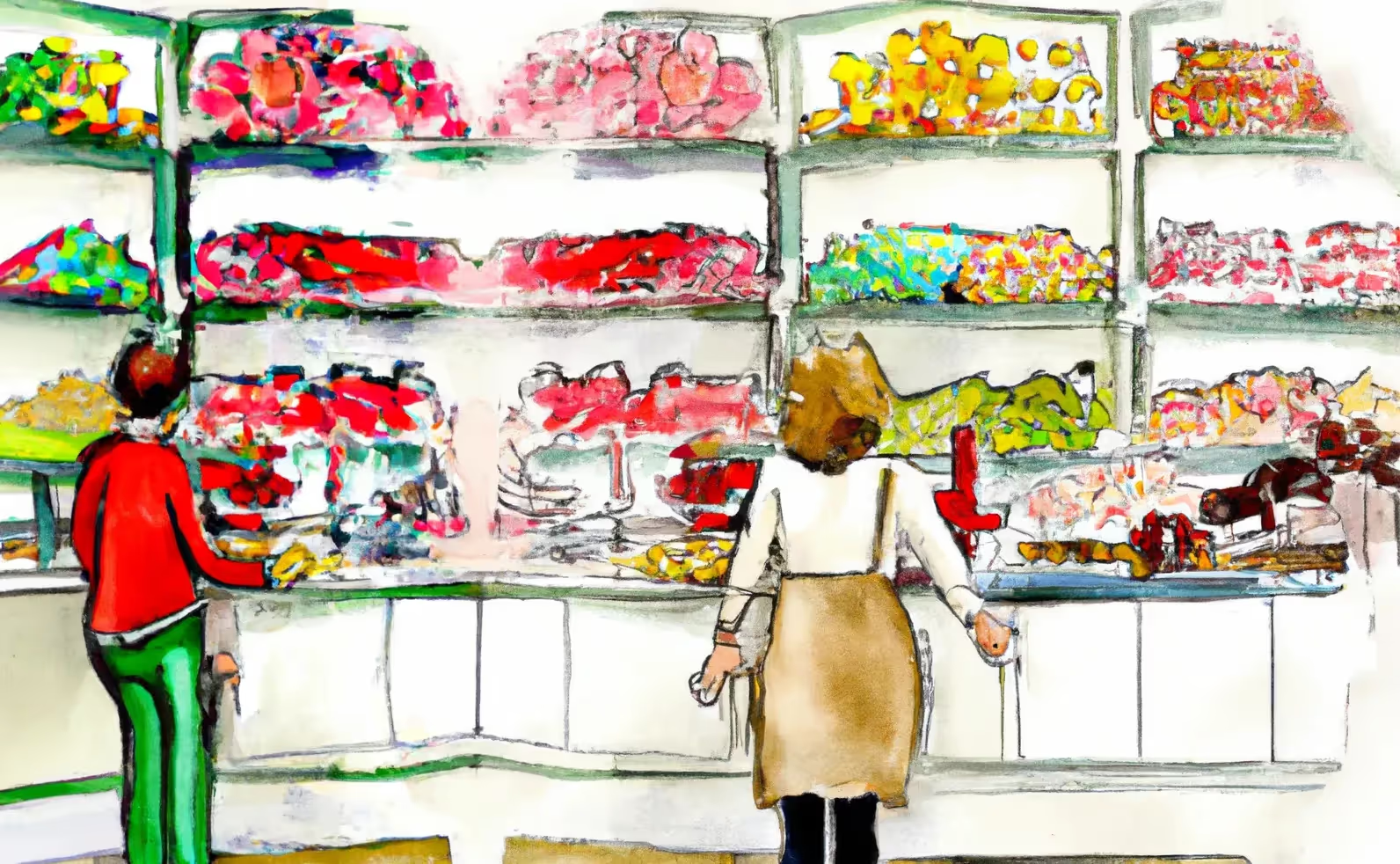
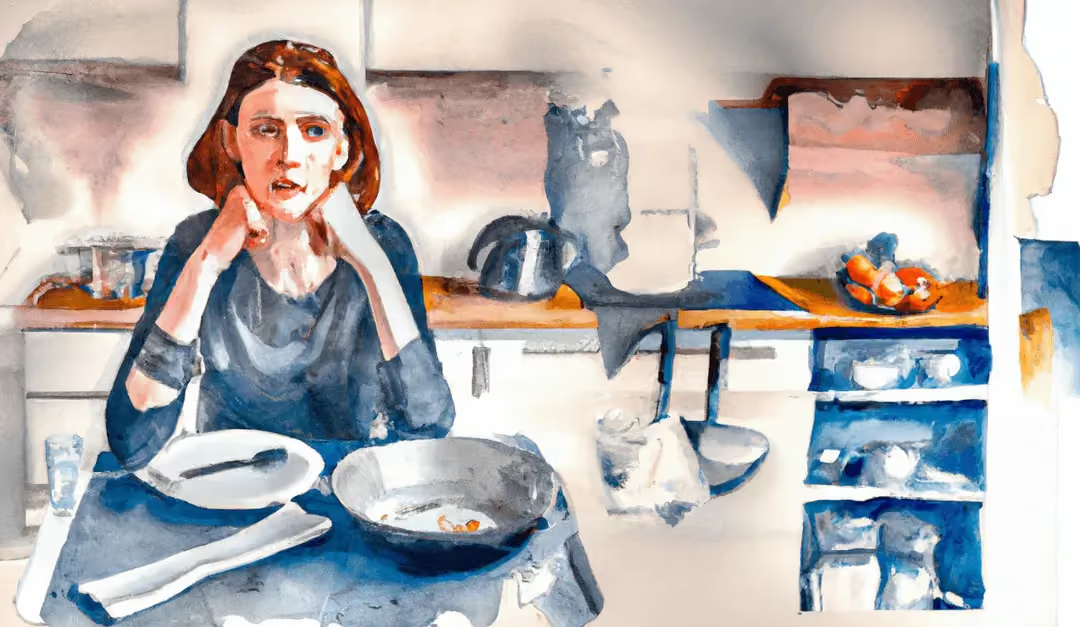
Orthorexia may begin as a way to improve diet and health. A person might start by making a few dietary changes, swapping “bad” foods out for “good” foods, and paying more attention to the types of foods they bring into their home.
These innocent intentions can become obsessive, and the thought of eating “bad” foods leads to intense feelings of guilt and shame. A person with orthorexia may avoid any food they do not believe is healthy.
Someone with orthorexia may be preoccupied with trendy health recommendations from social media, such as refusing to eat non-organic vegetables and fruits because they contain “harmful” GMOs.
This list can grow to include anything with pesticides, preservatives, or artificial enhancements. The food choices slowly dwindle until they are left with a minimal diet that can be inadequate in nutritional diversity.
What Causes Orthorexia?
It is unclear what exactly causes orthorexia. Some personality traits are at a higher risk for developing disordered eating habits or eating disorders. Anybody prone to obsessive-compulsive tendencies is considered high risk.
People with OCD complete ritualistic behaviors, which can also be common in people with orthorexia.
Researchers believe genetics can also play a role, and people with a family history of eating disorders are likelier to develop unusual eating patterns.
Orthorexia Symptoms
- Extreme stress or anxiety about eating “unhealthy” foods.
- Limited mealtime flexibility.
- Preoccupation with planning, thinking, and worrying about meals.
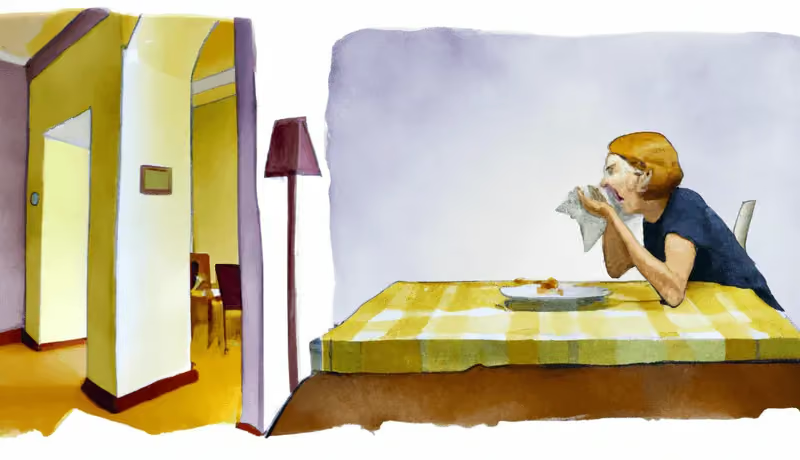
- Isolating and avoiding meals with people who don’t share the same food philosophies.
- Spending hours following social media accounts that use sensational language to describe food. “Clean eating recipes only” or “detox smoothie ideas.”
- Distrust of the nutrition opinions of others.
- Unusual interest in what others are eating.
- Memorizing and compulsively checking food nutrition labels.
Nourish offers online nutrition counseling. If you suspect you have disordered eating, book a virtual appointment with a Registered Dietitian.
How To Overcome Orthorexia
People with orthorexia can find it challenging to accept treatment because they genuinely believe they already follow the healthiest diet possible. Being told their habits have turned unhealthy can be shocking, and it can take time for them to accept counseling and treatment.
There are five stages that a person can go through when trying to decide if treatment is right for them.
- Pre-contemplative: people in this stage are not ready to think about treatment or make changes.
- Contemplative: people begin to weigh the pros and cons of treatment and make changes.
- Preparation: people demonstrate commitment to change by making a plan.
- Action: showing up for appointments and actively making changes.
- Maintenance: integrating the change into the lifestyle and managing any challenges that arise.
A person should feel ready to take action when they start treatment. Being at this stage means they are ready to attend regular appointments, be open and honest with their feelings, and apply the therapist's suggestions.
A Three-Pronged Approach
Research suggests that providing treatments from several different avenues can help someone recover from orthorexia.
- Cognitive Behavior Therapy (CBT): a mental health specialist can teach you CBT skills to help you cope with disordered eating. Learning CBT can help you change the way you think and behave.
- Psychoeducation: focused mental health counseling that addresses the root cause of disordered eating. This type of counseling can address familial issues, past trauma, and other factors relevant to your case.
- Medication: anti-anxiety and antidepressant medications can significantly affect how a person interacts with the world. These two classes of medications are proven to help people suffering from orthorexia.
Orthorexia and Chronic Disease Management
Disordered eating habits can develop after a person has received a life-changing diagnosis, such as celiac disease or kidney failure. People living with these conditions need to make dietary changes to manage their health, which can feel like a lot of pressure.
Learning how to balance diet and chronic disease management alone can be very challenging.
Nourish can connect you with a Registered Dietitian.
Consider booking a virtual appointment if you need help managing your nutrition across multiple health conditions.
Steps You Can Take Today
You can take immediate action to help you start your recovery journey. You don’t have to do all these steps today; every change you make will help you heal.
Unfollow social media accounts that play a role.
You may have followed an influencer who inspired you during the pandemic.
Now might be an excellent time to unfollow them and take a social media break.
It is challenging to recover from disordered eating habits if you are bombarded with social media accounts that directly impact how you feel about food.
Do a friend audit.
People with orthorexia may spend time with others with similar nutrition opinions.
Like following an influencer online, having these people in your life may hinder your healing progress.
You don’t have to completely cut your friends out of your life, but you should set clear boundaries about conversation topics involving food and health.
Involve your family.
Family members of people with disordered eating can benefit immensely from receiving treatment and deepening their understanding of the condition. They want to support you, but they may need to learn how.
Familiarize yourself with marketing terms vs. nutritional terms.
So many words used in social media are created by marketing professionals rather than health experts. Examples of these words include toxic, cleanses, detoxifying, clean eating, purifying, and so many more.
Try to avoid programs or products that use this type of language; it might exacerbate orthorexia symptoms.
Try new foods.
Try new foods at home or in any relaxed and comfortable environment.
Trying a food you told yourself was “forbidden” can be an empowering experience. You should not force yourself to finish the whole plate if you don’t want to; start by taking a bite and observing your reaction.
Other lifestyle habits could be attached to your healthy ideals. People with orthorexia may also develop obsessive behaviors around exercising and physical activity.
Although regular movement is essential for long-term health, overexercising can have harmful consequences.
If you feel guilty after missing a workout or if you rearrange your schedule to squeeze in additional workouts, or don’t allow your body sufficient rest and recovery time, you should reassess your habits and scale back.
Seeking Help
Receiving one-on-one counseling is recommended for anybody recovering from disordered eating. Building a meaningful relationship with a dietitian specializing in orthorexia can help address fears about food.
Find a dietitian near you to get started today for as little as $0—94% of our patients pay nothing out of pocket.
{{splash}}
Frequently Asked Questions
References
View all references
- Walker-Swanton, F. E., Hay, P., & Conti, J. E. (2020). Perceived need for treatment associated with orthorexia nervosa symptoms. Eating behaviors, 38, 101415.
- Koven, N. S., & Abry, A. W. (2015). The clinical basis of orthorexia nervosa: emerging perspectives. Neuropsychiatric disease and treatment, 11, 385–394.
- National Eating Disorders Association. (2019, December 13). Orthorexia.
- Turner, P. G., & Lefevre, C. E. (2017). Instagram use is linked to increased symptoms of orthorexia nervosa. Eating and weight disorders : EWD, 22(2), 277–284.
- Klein, D. A., Sylvester, J. E., & Schvey, N. A. (2021). Eating Disorders in Primary Care: Diagnosis and Management. American family physician, 103(1), 22–32.
- Breen, M., James, H., Rangan, A., & Gemming, L. (2020). Prevalence of Product Claims and Marketing Buzzwords Found on Health Food Snack Products Does Not Relate to Nutrient Profile. Nutrients, 12(5), 1513.
Nourish has strict sourcing policies and prioritizes primary sources, including medical organizations, governmental agencies, academic institutions, and peer-reviewed scientific journals. Learn more about our medical review process and editorial guidelines.