Overeating During Period: Why Does it Happen?

Medical Reviewer: Ellie Stamerjohn, MS, RDN, LD

Author: Jennifer Huddy, MS, RD, LD

Summary
- Appetite changes and food cravings caused by hormone changes can lead to overeating during your period.
- While overeating is a typical symptom of premenstrual syndrome, there are some warning signs to be aware of, such as feeling out of control while eating.
- To manage overeating during your period, practice healthy habits like eating mindful and balanced meals, exercising regularly, and getting good sleep.
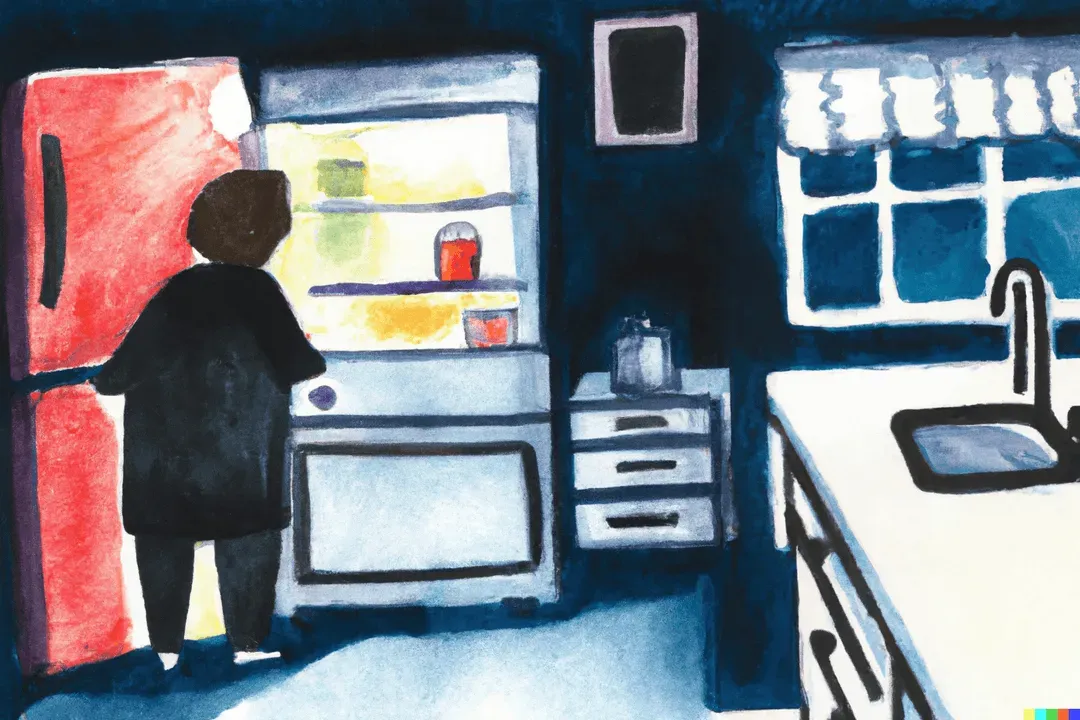
If you experience overeating during your period, you’re not alone. Hormonal shifts that occur before and during your period can increase appetite and cravings for carbohydrates. This is a normal part of premenstrual syndrome (PMS). However, when overeating becomes difficult to manage, it may be an indication of a more serious condition, such as a binge eating disorder or premenstrual dysphoric disorder.
Working with your medical provider and a registered dietitian can help you better understand why you overeat and how to minimize it. Strategies like mindful eating and choosing foods that may lessen PMS symptoms are key tips that can help you better manage your conditions and symptoms.
Learn more about the science behind overeating during your period and tips for managing it below.
{{splash}}
Is it Normal to Overeat Before or During my Period?
It's common for people to experience specific food cravings and an increased appetite before and during their periods. These changes are common with premenstrual syndrome (PMS), the collection of symptoms that can appear in the week leading up to your period and end within a few days of your period starting.
According to the Office of the Assistant Secretary for Health (OASH) Office on Women‘s health, more than 90% of females experience premenstrual symptoms. After ovulation, which occurs approximately two weeks before a period, a hormone shift occurs if a person does not become pregnant. Estrogen and progesterone levels drop—and this is thought to be the cause of PMS.
For many, the hormone-driven appetite boost and food cravings can lead to overeating around the time of their period. Along with appetite changes, other common symptoms of PMS include:
- Mood swings.
- Digestive upset.
- Headaches.
- Difficulty sleeping.
Why Do I Want to Eat More During My Period?
In addition to experiencing an increased appetite, you may tend to overeat certain types of foods while on your period. Research shows that the hormone changes that occur before your period can cause increased cravings for carbohydrates, sugary foods, and fat.
In addition, other PMS symptoms can contribute to overeating. For example, research shows that eating high-carbohydrate meals is associated with lower levels of depression, anger, and fatigue during premenstrual syndrome. People may be drawn to eating this way as a natural way of regulating mood during their period.
Carbohydrate-rich foods can boost serotonin levels, a neurotransmitter that improves mood and makes you feel happy. PMS comes with many uncomfortable symptoms, from cramps to headaches. People may overeat carbohydrates during their period to get some relief from PMS.
When Overeating Becomes a Problem
While overeating is a common symptom of PMS, it’s important to watch out for some warning signs that something more serious is happening in the body. If this occurs, you may need to seek professional help from a registered dietitian or mental health practitioner.
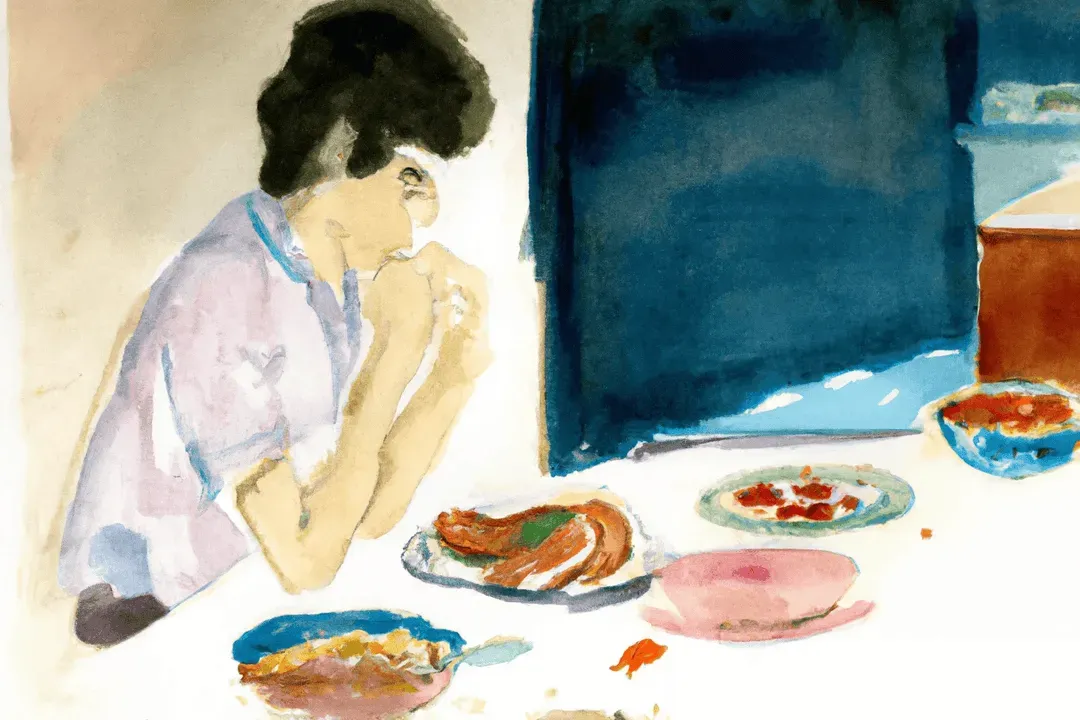
If your overeating episodes involve the following characteristics, you may be experiencing binge eating.
- Feeling a lack of control.
- Eating very quickly.
- Eating until overly full.
- Overeating when not hungry.
- Feeling embarrassed, guilty, or depressed after overeating.
When binge eating occurs more frequently, like on a weekly basis, it is called binge eating disorder (BED). This is an eating disorder that should be evaluated and treated to minimize long-term health risks.
You may only experience binge eating during your period. If this is the case, you may be dealing with premenstrual dysphoric disorder (PMDD), a less common form of PMS. It causes more intense symptoms, including binge eating.
Other PMDD warning signs include:
- Depression.
- Loss of interest in regular activities.
- Anxiety.
- Panic attacks.
- Intense irritability or anger.
It’s important to seek professional help if you experience symptoms of PMDD during your period. There are several treatment options available to help reduce these symptoms.
Preventing Overeating
There are some strategies you can use to minimize overeating during your period, such as practicing mindful eating, learning relaxation techniques, and seeking professional support.
Recognize How You Feel
The first step in managing PMS-related overeating is to practice awareness of your hunger and fullness cues, as well as being aware of your mood. Overeating can often overlap with mindless eating, like consuming food quickly or watching TV while eating. These behaviors can make it harder for us to be aware that overeating is happening until after the fact.
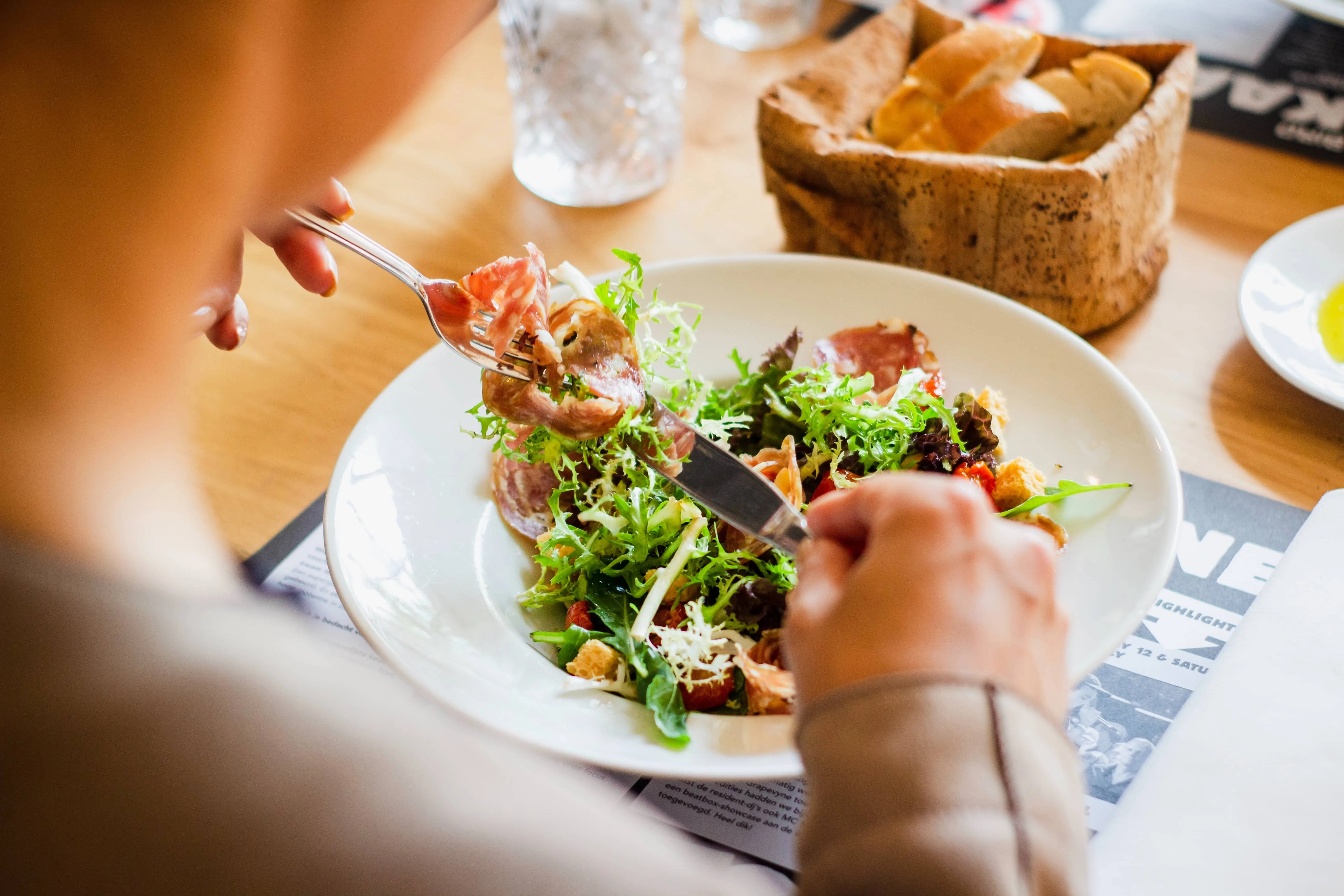
Mindful eating is the practice of being present while eating, noticing how food makes you feel, and eating in response to your appetite signals. It has been shown to be an effective intervention for overeating and binge eating.
A great starting point is to check in with your hunger level before, during, and after eating. It may be helpful to think of your appetite on a scale of one to ten, with one being ravenous and ten being overly full.
Next, think about your eating environment. It’s best to minimize distractions and stressors. Be intentional about slowing down your pace of eating. Try to notice the taste and texture of your food. Check in with your appetite throughout the process and practice stopping eating when full.
The key to mindful eating is observing how food makes you feel without imparting any judgment. Instead of beating yourself up after an overeating episode, check in with your body. Do you feel bloated or uncomfortable? Consider what changes you can make next time to avoid these negative feelings.
Checking in with your emotions can also be helpful. Mindful eating can help reduce emotional eating, which may be heightened during your period due to mood fluctuations. Notice your emotions, and think about activities that might make you feel better if you’re not physically hungry.
Seek Support
It can feel isolating to experience the symptoms of PMS before and during your period. If you’re struggling with overeating, consider sharing your concerns with a loved one. Seeking social interaction and getting out of the house may help boost your mood and distract you from the symptoms.
If you’re concerned about your mental health around your period, talk to your doctor and consider establishing care with a therapist.
See a Dietitian
Eating balanced meals and including regular snacks throughout the day is important to keep blood sugar and energy levels stable during your period. According to the OASH, minimizing caffeine, sodium, and added sugars in the weeks leading up to your period can help reduce PMS symptoms.
The article on OASH also explained that there are specific nutrients that have been shown to help PMS symptoms. For example, calcium-rich foods can help with fatigue, cravings, and mood during PMS. Milk, yogurt, cheese, calcium-fortified orange juice, and spinach are good sources of calcium. Vitamin B6, found in chicken, potatoes, and fruit, can also help reduce PMS symptoms.
Magnesium-rich foods can also help target migraines and other PMS symptoms. Dark leafy greens, nuts, whole grains, and dark chocolate contain magnesium.
A dietitian can work with you to identify ways to boost these nutrients in your diet before and during your period.
{{splash}}
Try Relaxation Techniques
High stress levels may increase your appetite and set you up for overeating during your period. Mindfulness meditation can be an effective tool for managing emotional overeating. It involves relaxation techniques, including deep breathing and awareness of your feelings.
Lifestyle habits like getting regular exercise and adequate sleep can reduce PMS symptoms. Try going for a light walk or doing a gentle yoga practice. The key is finding something that feels good. Aim for a consistent bedtime every night, and try to limit screens before bed.
Seeking Help
If you are looking for an individualized plan to target overeating during your period, consider scheduling a consultation with a binge eating dietitian.
They will help you understand the emotional and physiological triggers for overeating and help you identify the best foods to target PMS symptoms.
Find a dietitian near you that accepts insurance through Nourish to better understand how your period affects your eating patterns.
Frequently Asked Questions
References
View all references
Nourish has strict sourcing policies and prioritizes primary sources, including medical organizations, governmental agencies, academic institutions, and peer-reviewed scientific journals. Learn more about our medical review process and editorial guidelines.