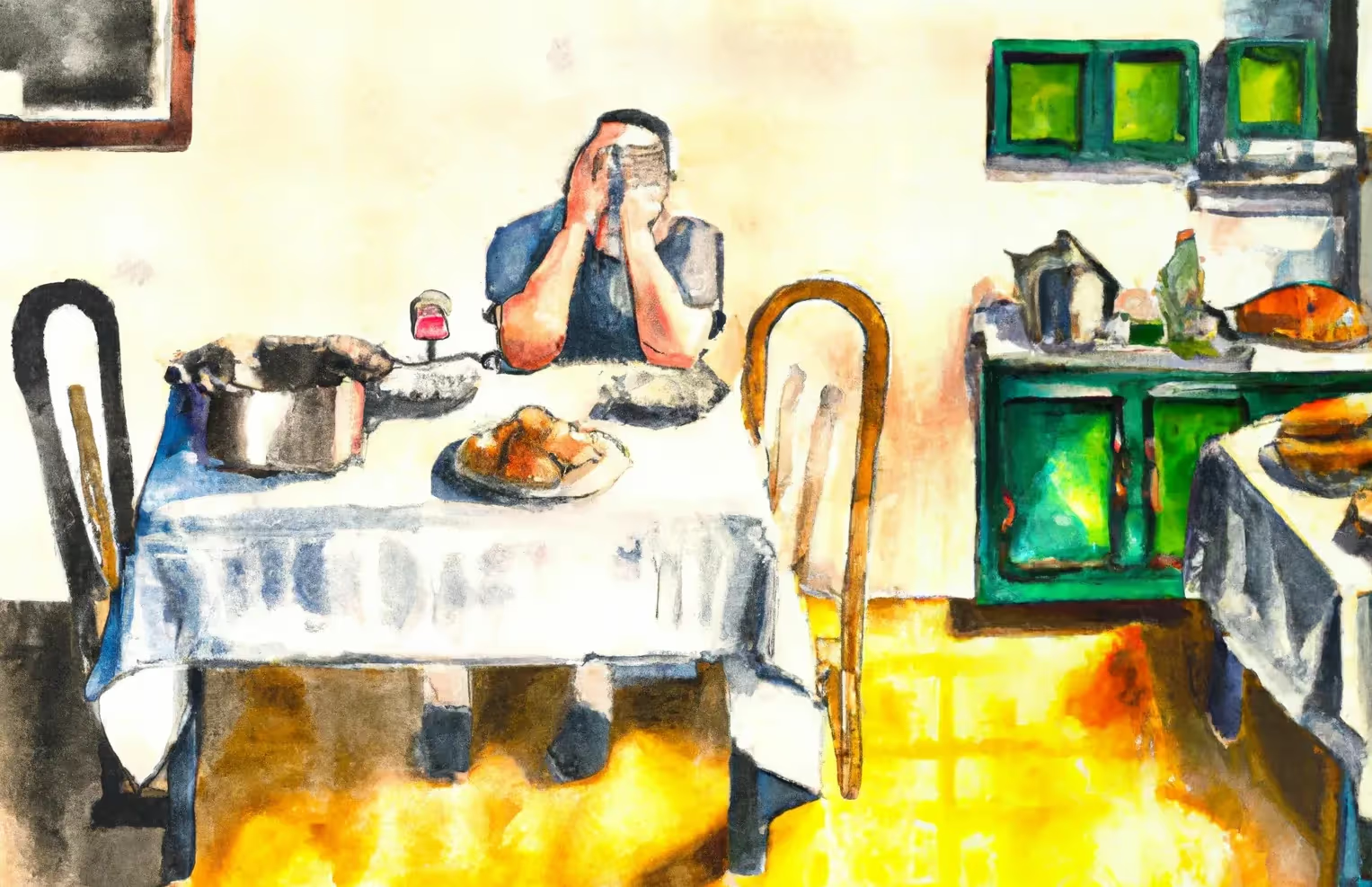
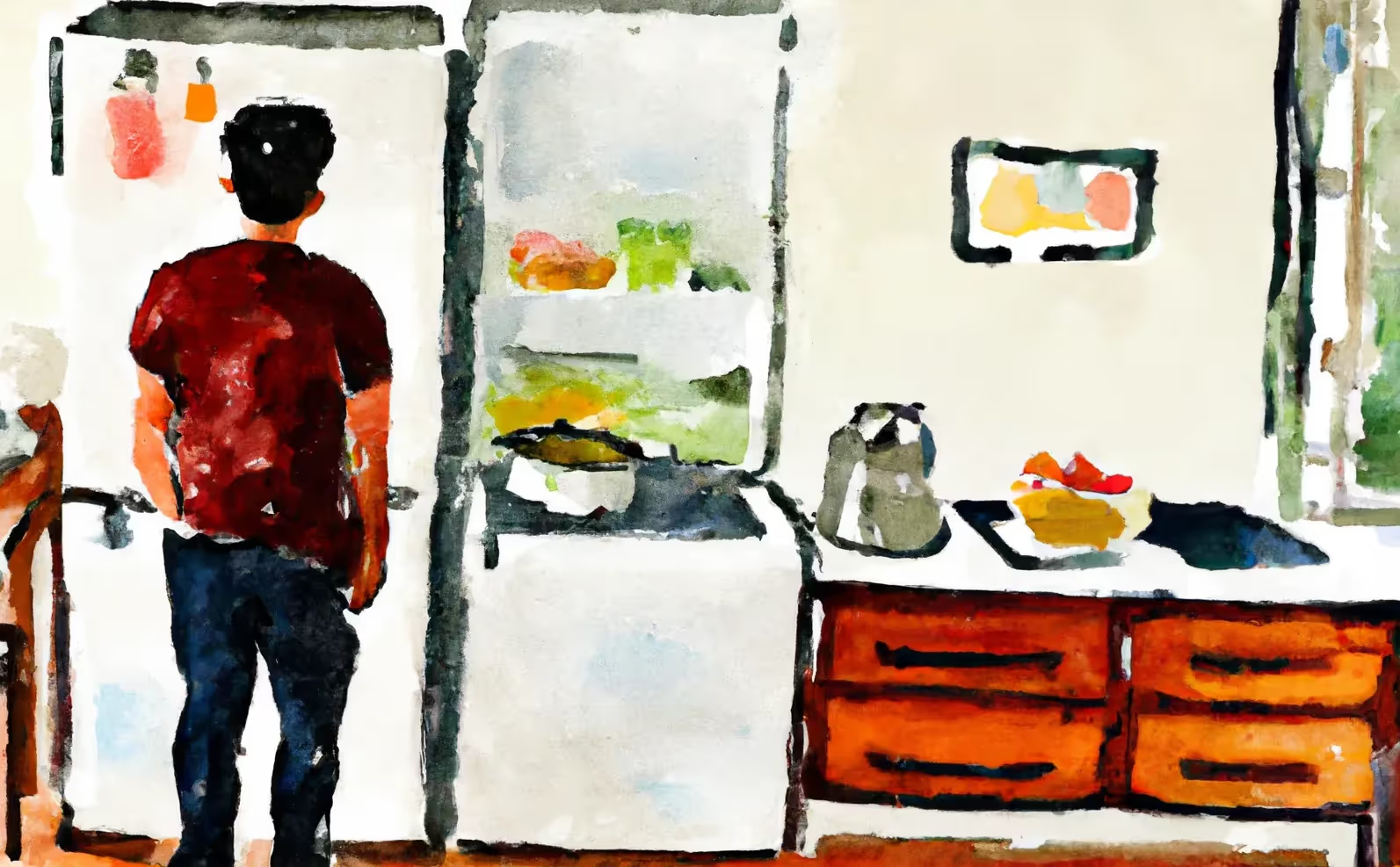
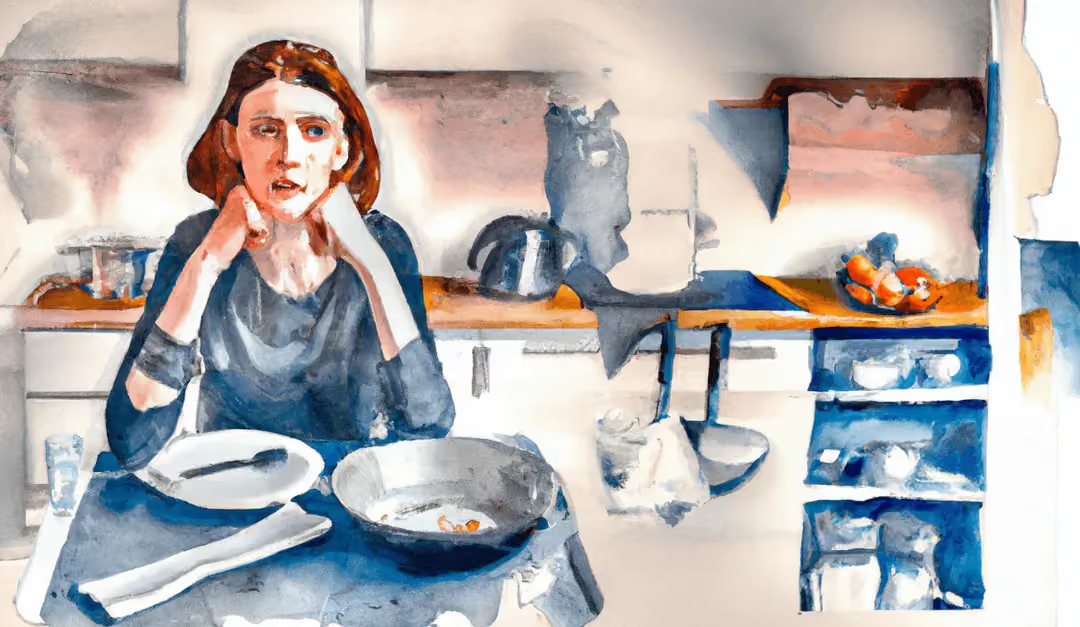
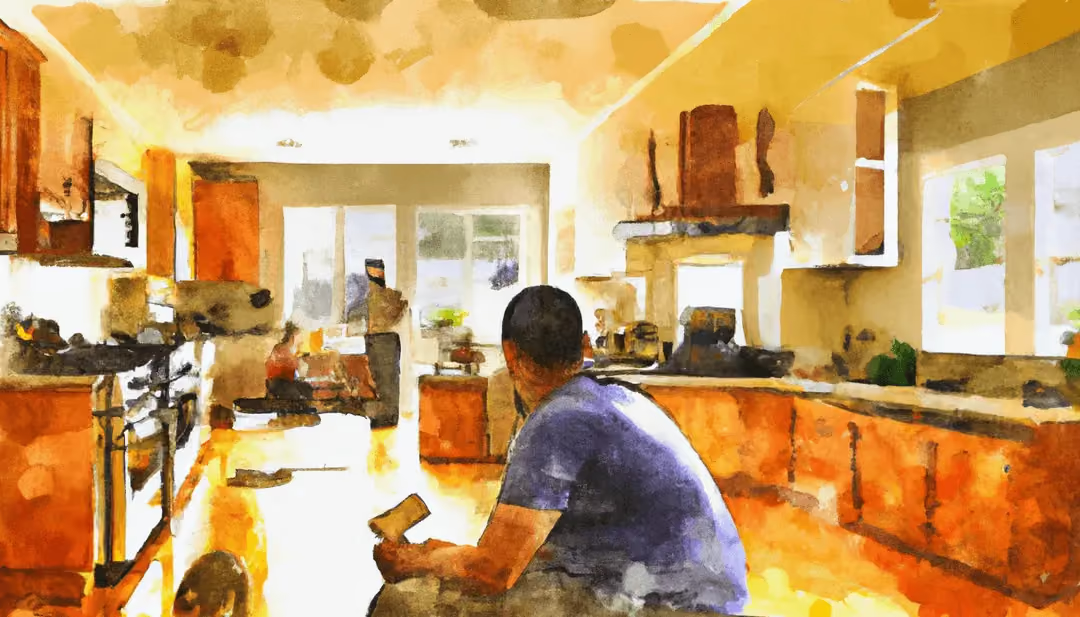
7 Signs of an Unhealthy Relationship With Food

Medical Reviewer: Renae Khalil RD, LDN

Author: Jennifer Huddy, MS, RD, LD

Summary
- An unhealthy relationship with food, known as disordered eating, is when a person has obsessive thoughts about food choices and feels guilty or out of control around food.
- Many signs of disordered eating are also symptoms of eating disorders. If you experience these symptoms, talk to your doctor for support.
- You can improve your relationship with food by avoiding restrictive diets, listening to your hunger and fullness cues, and learning to be flexible with your food choices.
Experiencing guilt and shame over your food choices, eating habits, and appearance can feel like a never-ending source of stress.
Over time, an unhealthy relationship with food, or disordered eating, can impact your physical and mental health and stifle your enjoyment at social events.
With support, you can learn how to nourish your body while enjoying food without guilt.
Read this article to learn the signs of disordered eating and how to heal from an unhealthy relationship with food.
{{splash}}
What is an Unhealthy Relationship with Food?
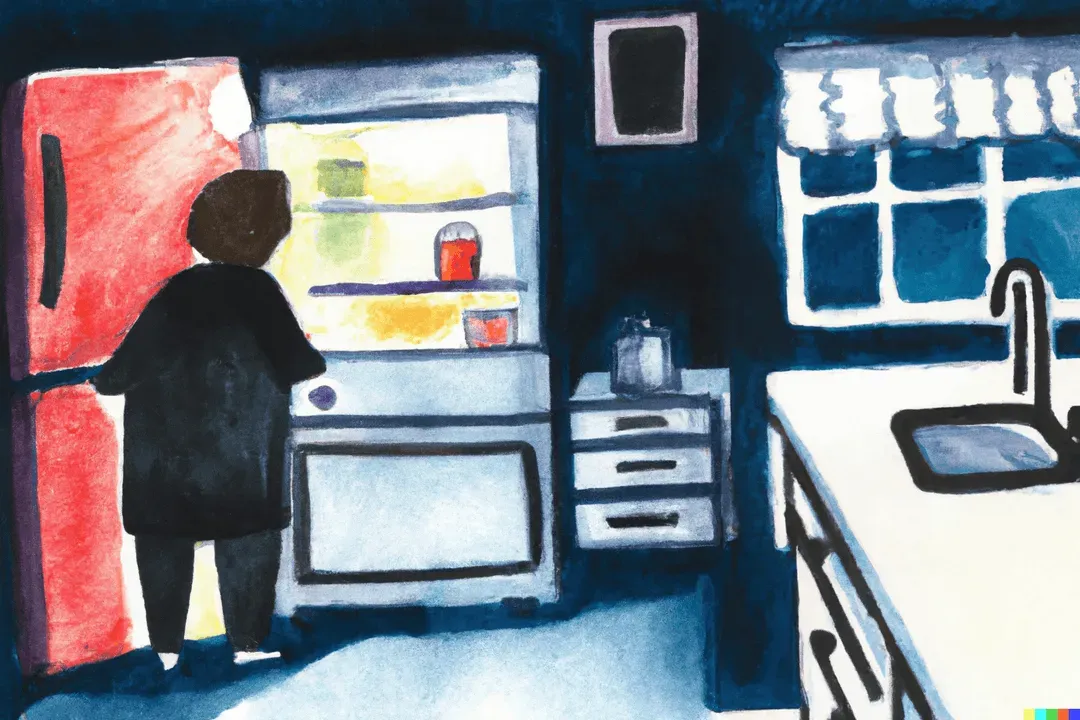
If you experience a lot of stress and guilt about your food choices, calorie intake, and eating habits, you may have an unhealthy relationship with food.
Also known as disordered eating, an unhealthy relationship with food can appear in many ways, from obsessively thinking of the calorie and nutritional content of every food you eat to feeling out of control around food.
In some cases, an unhealthy relationship with food can be a precursor or warning sign for an eating disorder, which requires professional evaluation and treatment.
On the other hand, a healthy relationship with food means being flexible in your food choices and allowing yourself to enjoy all foods without guilt or shame.
It also means taking care of yourself with nourishing foods in a way that feels good to your body.
7 Signs of an Unhealthy Relationship with Food
Talk to your doctor if you suspect you have disordered eating and experience any of the following signs of an unhealthy relationship with food.
1. Obsessive Thoughts and Behaviors
A primary way disordered eating can show up is through a preoccupation with food choices.
Someone with an unhealthy relationship with food may have frequent thoughts about calories, carbohydrates, and restricting food.
In many cases, this can originate from restrictive dieting.
Every bite is calculated, and any deviation from “good foods” is met with guilt and shame.
Another form of disordered eating is called orthorexia.
It can occur when a person becomes obsessed with eating healthy and tries to eliminate all unhealthy foods from their diet, often in an unsustainable way.
2. Feeling Out of Control Around Food
If you have difficulty stopping once you start eating and frequently overeat, you may be experiencing binge eating.
Binge eating involves eating larger-than-normal amounts of food in one sitting, feeling a lack of control and intense guilt and shame afterward.
When it occurs often, binge eating may indicate an unhealthy relationship with food or, in more severe cases, binge eating disorder.
3. Extreme Restriction or Binge Eating
If you have an unhealthy relationship with food, you may find yourself in a binge-restrict cycle: where you restrict your diet or intake, overeating, then feeling guilty and returning to the restriction.
This may look like skipping meals or eating very little during the day and binge eating in the evenings.
If frequent and extreme, the pattern of restricting and binge eating may be more than disordered eating.
Eating disorders, like bulimia and binge eating disorder, can involve these behaviors and should be addressed by a healthcare professional.
4. Feeling Guilty or Ashamed About Eating Habits
Feelings of disgust, guilt, and shame about your eating habits may indicate disordered eating.
Common after binge eating, these feelings are often connected to low self-esteem and poor body image.
It’s important to know that your food choices do not determine your self-worth, and you should never feel guilty about nourishing your body.
If you commonly feel guilty about eating, working with a registered dietitian specializing in eating disorders can help you learn how to enjoy eating the foods you love.
{{splash}}
5. Using Food as a Coping Mechanism
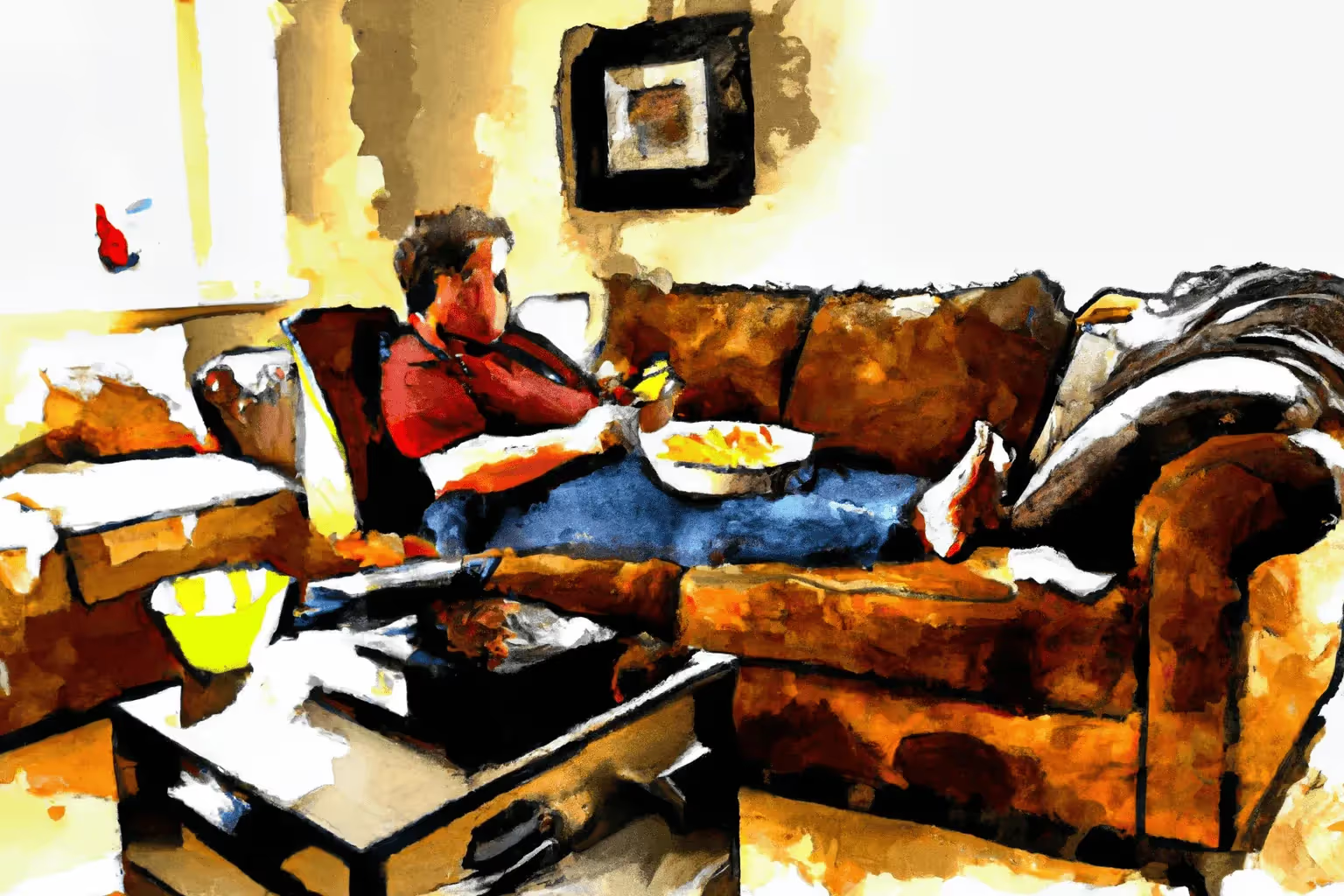
Emotional eating, or using food as a coping mechanism for unpleasant emotions, can be normal when it happens occasionally.
However, if you frequently eat when feeling upset or stressed, it can be a sign of an unhealthy relationship with food.
Emotional eating has been linked with binge eating, low mood, and fluctuations in body weight.
Learning mindfulness strategies and alternative coping mechanisms with a therapist can help you overcome emotional eating.
6. Constantly Comparing Yourself to Others
Body image and disordered eating are closely connected–concerns about appearance can often fuel restrictive diets and an unhealthy relationship with food.
Common signs of this include:
- Preoccupation with your body size and weight.
- Frequently checking your body in the mirror.
- Comparing your body shape to other people.
Sometimes, these body image concerns can interfere with your enjoyment of social interactions because the focus is on comparing yourself to others.
7. Avoiding Social Situations Involving Food
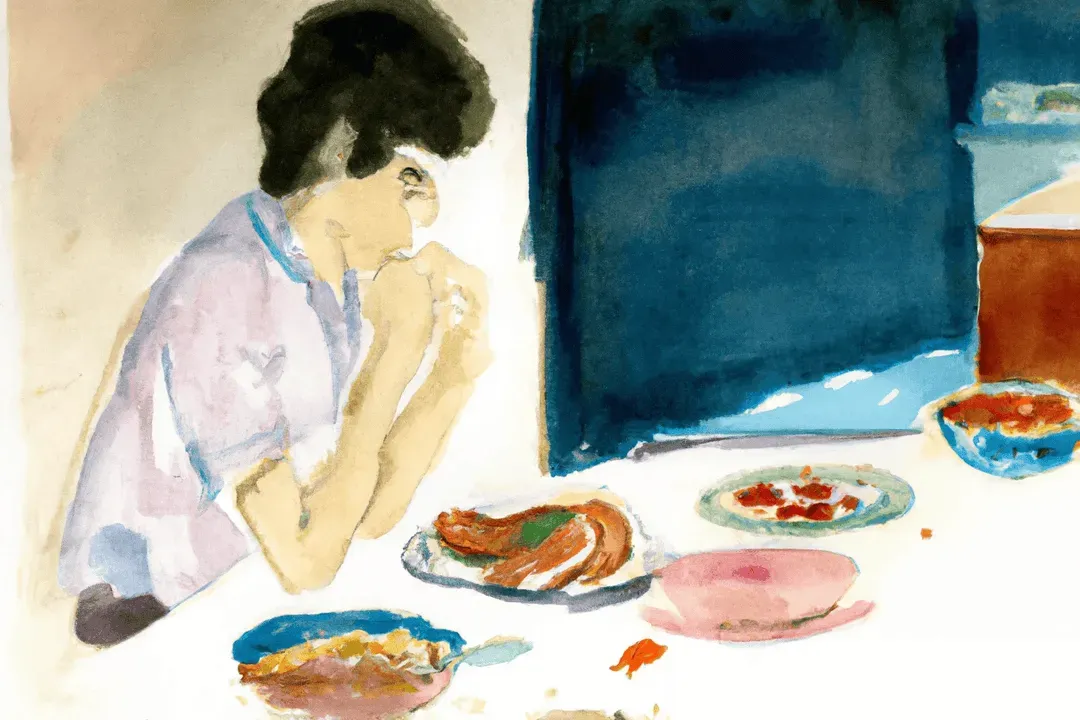
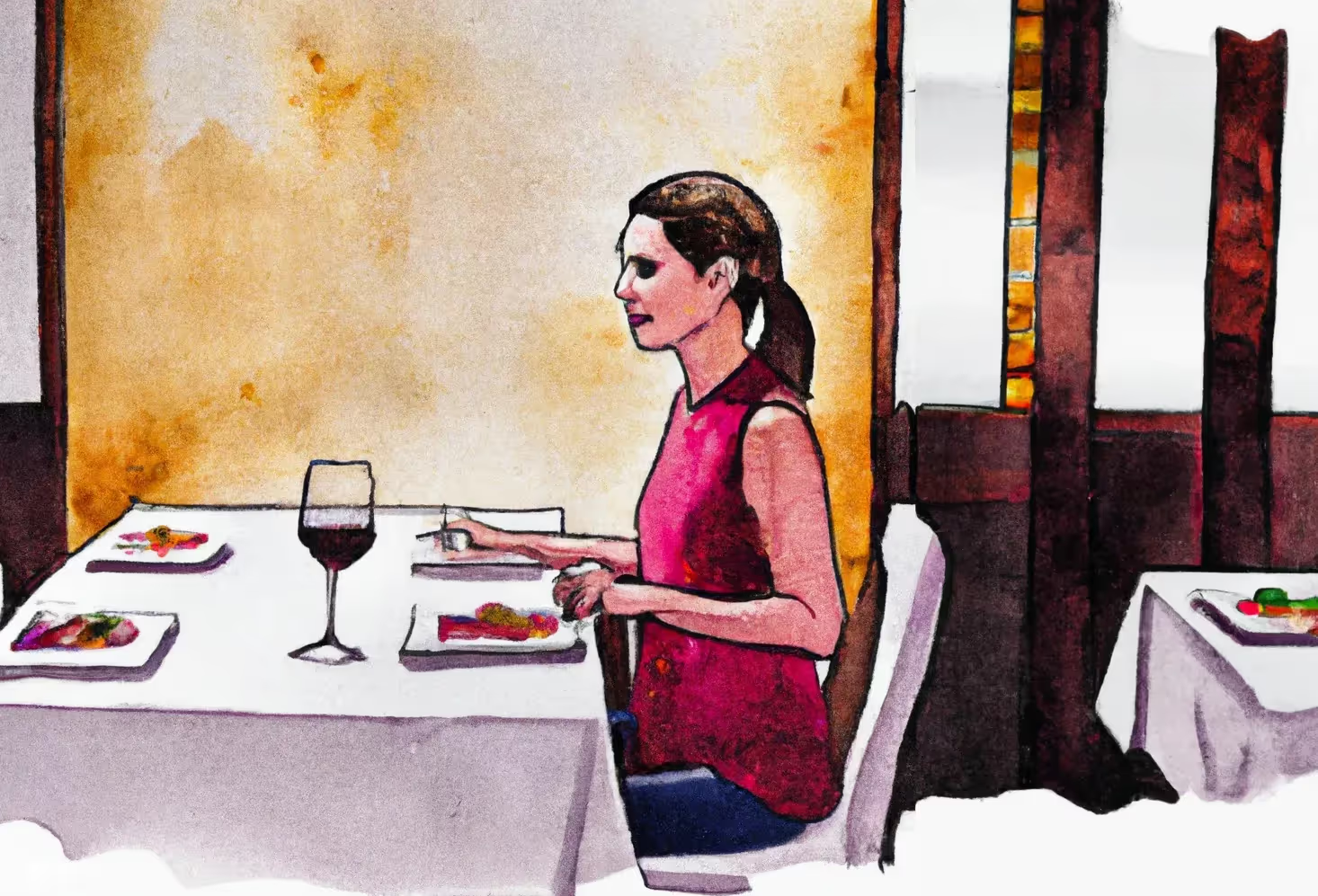
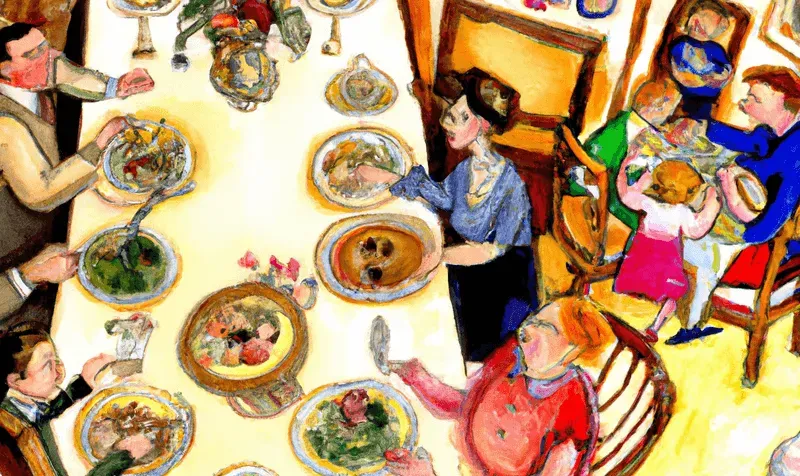
Similarly, another sign of disordered eating is feeling uncomfortable when eating around other people, even close family and friends.
Comparing your food choices to others and fearing being judged for your eating habits can make you want to avoid social events involving food.
In the case of an eating disorder, this behavior can also hide disordered eating habits (like restricting, binging, and purging) from loved ones.
How To Improve Your Relationship with Food
If you experience any of the above signs of disordered eating, know that it’s possible to improve your relationship with food and learn to find joy in eating.
Stop Restricting
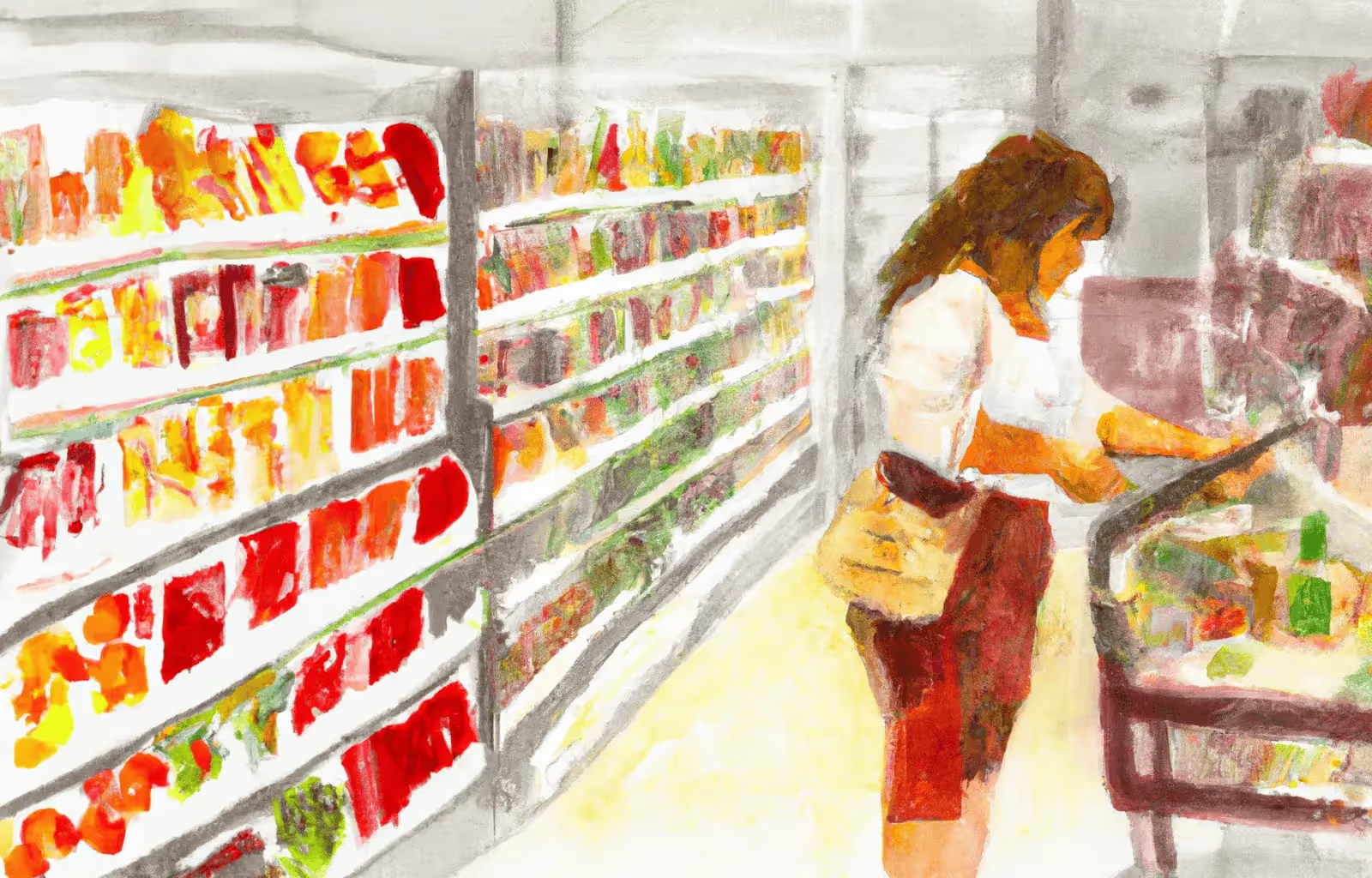
Restricting your diet and counting calories has been linked with disordered eating habits and, in some cases, can fuel binge eating behaviors.
Instead, work with a registered dietitian to focus on gentle nutrition, which involves nourishing your body with balanced meals and snacks.
It can be helpful to shift to the mindset of adding nutritious foods rather than taking away “bad foods.”
Listen to Your Hunger and Fullness
Diet culture often teaches us to ignore our hunger and fullness signals, instead providing an external set of rules for when and how much to eat.
Over time, we can lose touch with these signals, making it hard to feel in control without a specific diet plan.
Research shows that practicing intuitive eating, which involves respecting your natural hunger and fullness cues, can help improve disordered eating and your relationship with food.
Avoid Black and White Thinking
A key to having a healthy relationship with food is flexibility.
This can look like not assigning a moral value to foods (“good” or “bad”).
It also looks like avoiding an all-or-nothing approach to food, where you swing between restricting and overeating.
Give yourself permission to enjoy food without guilt.
What to Do If You Have an Unhealthy Relationship with Food
If you experience disordered eating or have an unhealthy relationship with food, consider seeking professional support.
Your doctor can assess your eating disorder risk and determine the best way to help you.
A registered dietitian specializing in eating disorders and a therapist are great healthcare professionals who can help you understand what is driving your disordered eating.
They can give you tips for improving your relationship with food and your body image.
{{splash}}
Takeaway
An unhealthy relationship with food can leave you constantly dwelling on your food choices and appearance.
It often involves cycles of restricting and overeating, followed by guilt and shame.
In some cases, disordered eating can indicate an eating disorder.
By seeking support from your doctor and dietitian, you can learn to trust your body to guide your food choices and enjoy food again.
How a Dietitian Can Help
If you are unsure where to start, a registered dietitian can guide you in healing your relationship with food.
Reframing your thoughts about eating and learning to listen to your body takes time and practice.
Find a dietitian who accepts insurance through Nourish to start making positive changes.
Frequently Asked Questions
What is an unhealthy relationship with food?
An unhealthy relationship with food, also known as disordered eating, is when a person obsessively thinks about their food choices and frequently cycles between restricting and overeating.
They may feel out of control around food and experience guilt after eating.
In some cases, an unhealthy relationship with food can be a predictor of an eating disorder.
If you feel you have disordered eating habits, talk to your doctor to get the support you need.
What is considered unhealthy eating behavior?
Unhealthy eating behaviors, or disordered eating, can show up in many ways, including:
- Frequent dieting or restricting certain foods.
- Overeating or binge eating.
- Obsessive thoughts about food choices.
- Feeling uncomfortable eating with other people.
- Body image concerns.
- Feeling a lack of control over eating.
- Guilt and shame around eating habits.
Bring up these concerns with your doctor if you have an unhealthy relationship with food.
How do you get over a toxic relationship with food?
If you have an eating disorder or disordered eating habits, seeking professional support can help you learn tools to improve your relationship with food.
A registered dietitian can teach you how to enjoy eating again by avoiding restrictive diets and listening to your hunger and fullness cues.
References
View all references
- 10 Principles of Intuitive Eating. (n.d.) The Original Intuitive Eating Pros.
- Katcher, J. A., Suminski, R. R., & Pacanowski, C. R. (2022). Impact of an Intuitive Eating Intervention on Disordered Eating Risk Factors in Female-Identifying Undergraduates: A Randomized Waitlist-Controlled Trial. International journal of environmental research and public health, 19(19), 12049.
Nourish has strict sourcing policies and prioritizes primary sources, including medical organizations, governmental agencies, academic institutions, and peer-reviewed scientific journals. Learn more about our medical review process and editorial guidelines.