What's the Best Sweetener for Gut Health?

Medical Reviewer: Christa Brown, MS, RDN, LD

Author: Jennifer Huddy, MS, RD, LD

Summary
- An excessive intake of refined sugar is linked with gut dysbiosis, which occurs when there’s a lack of diversity of gut bacteria.
- Sweeteners like honey, stevia, and monk fruit extract may be better for gut health, while some options like sucralose may be detrimental.
- However, much of the research on sweeteners and gut health is from test tubes and animal studies. More human research is needed to understand the impact of each sweetener.
Sugar tastes sweet and provides energy, but research has linked a diet high in added sugars with many health concerns, including type 2 diabetes, metabolic syndrome, and heart disease.
As a result, many people try to reduce their sugar intake by using sugar substitutes, like stevia or sucralose.
However, gut health is a growing concern when it comes to sugar and artificial sweeteners.
Research has identified that certain sweeteners have a negative impact on the gut microbiome while others may be beneficial.
Continue reading to learn more about the best sweetener for gut health and how to limit your sugar intake.
{{splash}}
Does Sugar Impact Gut Health?
A diet high in added sugars has been linked with poor gut health.
Foods that commonly contain added sugars include sodas, juices, flavored dairy products, pastries, some cereals, etc.
Refined sugar can encourage the growth of harmful gut bacteria while limiting the growth of beneficial bacteria.
It can also result in a less diverse gut microbiome.
These changes reflect a state of gut dysbiosis or an imbalance of healthy versus harmful gut bacteria.
Gut dysbiosis is associated with many health concerns, including inflammatory bowel disease (IBD) and metabolic conditions.
Additionally, a high-sugar diet may contribute to a weaker gut lining and increased inflammation throughout the body.
Natural Sweeteners
If refined sugar negatively impacts gut health, you may wonder how natural sweeteners like honey, maple syrup, and coconut sugar compare.
Some research shows that these sweeteners may be better for your gut health than table sugar.
However, they still contain sugar and calories, so moderation is the best approach.
Sugar vs Sugar Substitutes
Sugar substitutes are sweeteners that contain little to no calories.
They generally have a much more concentrated sweet taste than sugar.
Sugar substitutes are very popular, especially among people who have diabetes or who are trying to lose weight.
There are a few main categories of sugar substitutes:
- Artificial “non-nutritive” sweeteners. These are synthetic sweeteners containing zero calories. Examples include aspartame (Equal), sucralose (Splenda), and saccharin (Sweet’N Low).
- Natural “non-nutritive” sweeteners. Stevia and monk fruit extract are considered natural because they’re derived from plants. They also contain no calories.
- Sugar alcohols. These sweeteners provide some calories but less than table sugar. Examples of sugar alcohols include xylitol and sorbitol.
Sugar Substitutes and Gut Health
Very few studies have examined the impact of sugar substitutes on human gut health.
Much of the information we have on this topic is from animal studies.
Certain artificial sweeteners, like saccharin and sucralose, may negatively impact gut health by decreasing healthy bacteria, increasing harmful bacteria, and reducing the diversity of the gut microbiome.
On the other hand, natural sugar substitutes like stevia are thought to have less of an impact on gut health.
They may even have anti-inflammatory benefits and help improve the diversity of the gut microbiome.
Research shows that certain sugar alcohols, like xylitol, may have prebiotic qualities that help healthy gut bacteria grow.
Overall, more human research is needed in order to draw conclusions about the health impacts of natural and artificial sugar substitutes.
Further understand your digestive health by taking the gut health quiz!
The Best Sweeteners for Gut Health
Continue reading to learn the best sweeteners for gut health instead of refined sugar.
Remember that with any sweetener, moderation is key.
Overconsumption of more nutritious sugars may still negatively impact health.
Talk to your registered dietitian about which sweetener is best for you.
Stevia
Stevia is a natural zero-calorie sweetener derived from the leaves of the Stevia rebaudiana plant.
It’s over 200 times sweeter than table sugar.
Because stevia is metabolized in the large intestine by gut bacteria, it’s thought to impact gut health.
A 2022 review examined 14 studies on stevia and gut health.
Most of the studies showed that stevia intake had either no impact on the gut microbiome or had a slightly positive effect.
Stevia may encourage the growth of healthy gut bacteria and decrease harmful bacteria.
The research also showed that stevia can reduce inflammation markers.
However, four of the studies did find potential negative impacts of stevia on the gut microbiome.
More human studies on stevia are needed to weigh its benefits and risks regarding gut health.
Honey
Honey has long been touted for its potential health benefits and has recently been studied for its impact on the gut microbiome.
Honey contains small amounts of oligosaccharides, which are prebiotics that are digested by the gut bacteria, resulting in positive changes to the gut microbiome.
Honey has antibacterial properties that may decrease the species of gut bacteria that can cause infections, like Salmonella and C. diff.
It may also help the healthy gut bacteria grow.
In addition, honey has anti-inflammatory and antioxidant qualities that may benefit gut health.
However, most of the research on honey and gut health is from animal and test tube studies.
Maple Syrup
Maple syrup is a natural sweetener derived from the sap of maple trees.
It’s a popular alternative to table sugar in baked goods.
Maple syrup contains compounds called lignans, which are polyphenols with prebiotic qualities.
Inulin, another type of prebiotic fiber, is also present in maple syrup.
Because prebiotics help healthy gut bacteria grow, researchers suspect maple syrup may benefit gut health.
A 2023 study found that when mice were fed maple syrup instead of table sugar (sucrose), they experienced an increase in beneficial gut bacteria.
However, human research is needed to understand better how maple syrup impacts gut health.
Date Sugar
Date sugar is made by grinding up dried dates into a powder.
In doing so, the fiber and nutrients of the dates are present in the final product.
A test-tube study found that date extract helped healthy gut bacteria grow.
It also resulted in the production of beneficial short-chain fatty acids (SCFA).
However, most of the human research on dates and gut health has been done on whole dates, not date sugar.
A small human study from 2015 found that consuming whole dates did not change the gut microbiome, but it did reduce the risk of colon cancer by regulating bowel movements.
Xylitol
Xylitol is a sugar alcohol that is naturally found in certain foods like berries and oats.
It’s also synthesized and added to some sugar-free products, like candy and chewing gum.
Xylitol is thought to act as a prebiotic or food for beneficial bacteria.
Gut bacteria digest xylitol, which results in short-chain fatty acids (SCFA) and the growth of healthy bacteria.
Both of these changes can benefit gut health.
However, this has been primarily demonstrated in animal studies.
Interestingly, other sugar alcohols, like erythritol and sorbitol, have not been shown to impact the gut microbiome.
It’s important to keep in mind that some people experience digestive symptoms like gas and diarrhea after eating sugar alcohols like xylitol.
{{splash}}
Monk Fruit Extract
Monk fruit extract is derived from the Siraitia grosvenorii plant commonly used in Chinese medicine.
It’s 300 times sweeter than sugar and has recently gained popularity as a natural sugar substitute.
Monk fruit extract may improve the balance of healthy gut bacteria.
It may also encourage the production of short-chain fatty acids like butyrate.
These compounds benefit gut health by regulating the immune system and strengthening the gut lining.
Additionally, the gut bacteria that digest monk fruit extract may produce other beneficial compounds that have antioxidant properties.
It’s important to keep in mind that this research is from test-tube studies, and more human research is necessary.
How to Use These Sweeteners in Your Diet
Each sweetener has a different flavor, so certain options may be more palatable depending on the food or beverage you want to sweeten.
Maple syrup works well with traditional breakfast items like pancakes or waffles, but it’s also a good substitute for table sugar in baked goods, oatmeal, and homemade granola.
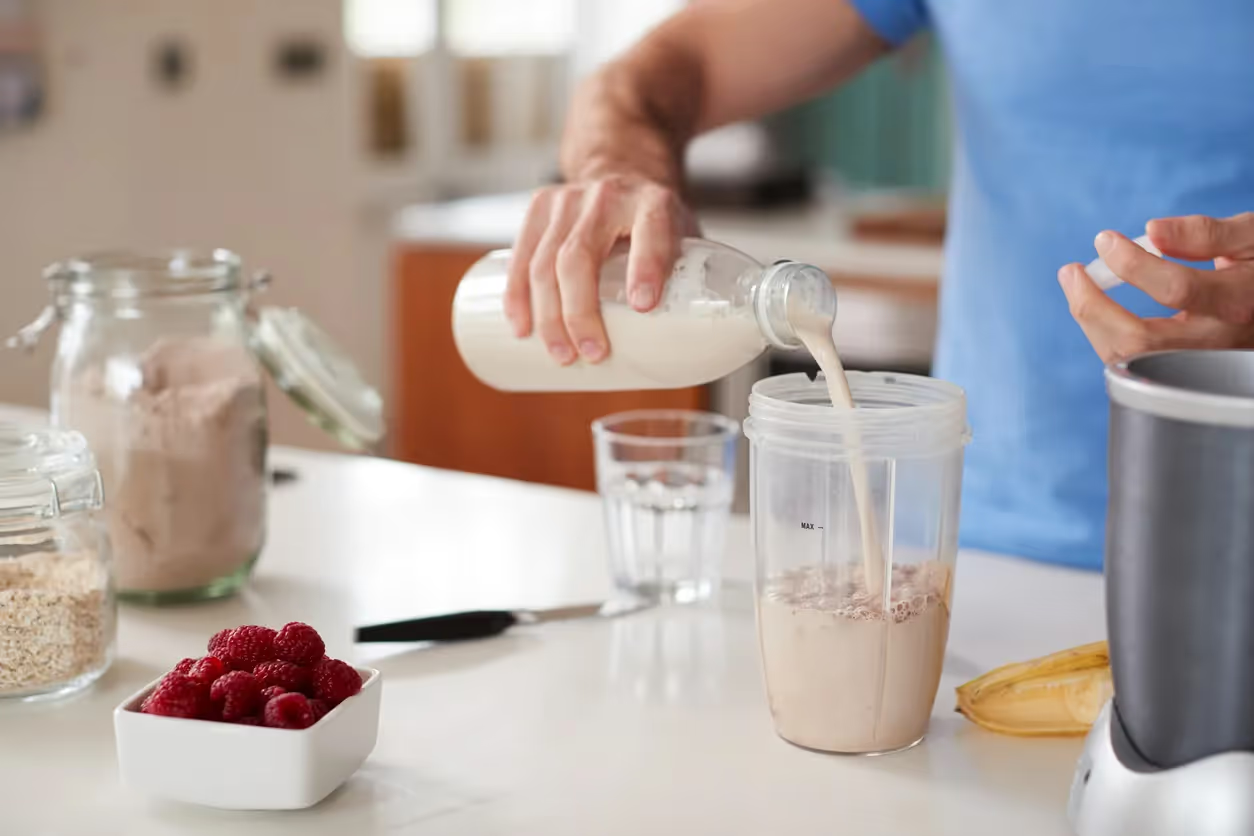
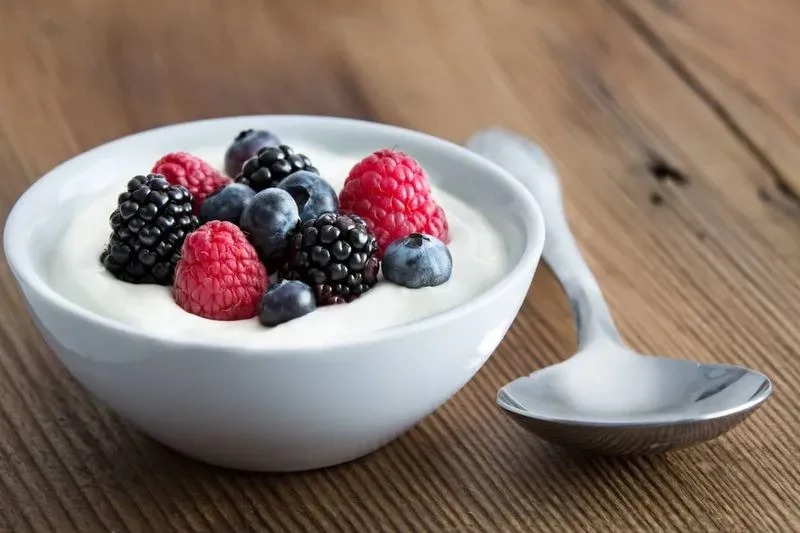
You can use honey to sweeten yogurt, oatmeal, tea, and smoothies.
You can even add honey to a homemade salad dressing like honey mustard.
Date sugar has a coarse texture that doesn’t dissolve well in liquids.
It works best for sweetening baked goods. You can also use it in smoothies or oatmeal.
Xylitol is most commonly found in sugar-free candy and gum rather than in baking or other sweetening applications.
Stevia and monk fruit extract are both very versatile and can be included in everything from baked goods to coffee and tea.
Tips for Limiting Sugar Intake and Improving Gut Health
Know that you don’t need to eliminate or replace all refined sugar in your diet in order to improve gut health.
The best diet changes for gut health are the ones that are sustainable for you.
Practicing moderation with regular sugar is a great starting point.
Other dietary changes, like eating more fiber and incorporating probiotics, can make a big difference in your gut health.
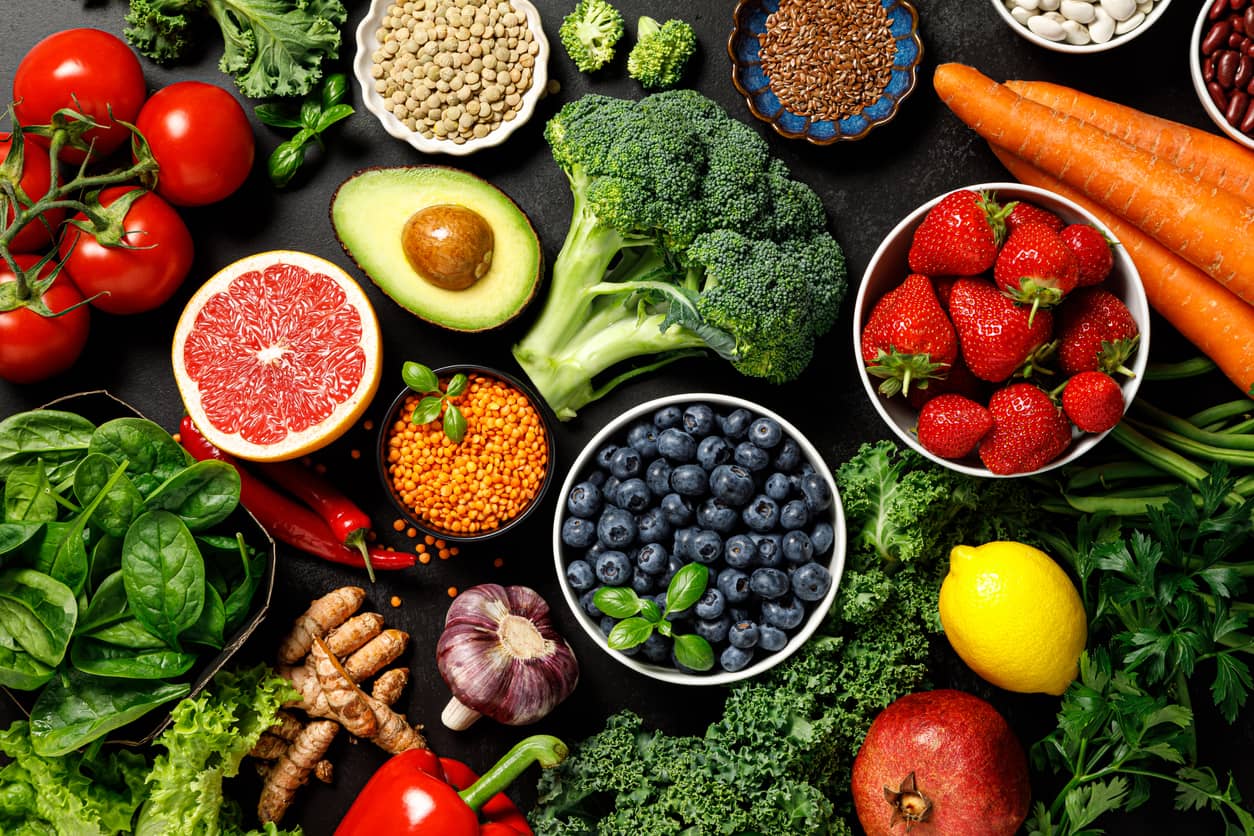
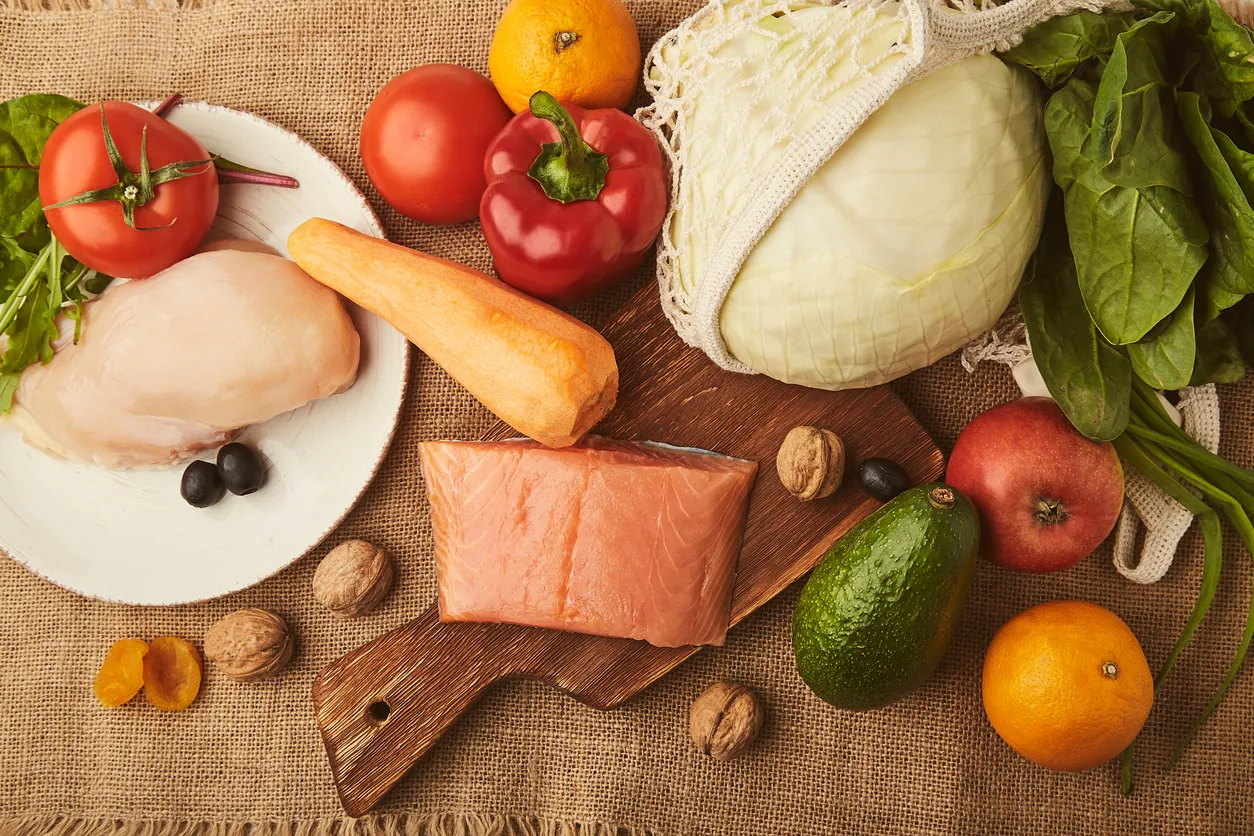
Try adding more nutrient-dense foods, like fruits, vegetables, whole grains, healthy fats, and lean proteins, into your diet rather than focusing on things to restrict.
Similarly, certain lifestyle modifications are associated with improvements in gut health, such as:
- Getting good sleep.
- Quitting smoking.
- Managing stress.
- Exercising regularly.
Takeaway
Refined sugar may negatively impact gut health when consumed in high amounts.
As a result, interest in sugar alternatives has grown.
Options like honey, maple syrup, stevia, and monk fruit may benefit gut health, while other examples like saccharin and sucralose may negatively impact the gut microbiome.
However, most of the research is from animal or in vitro studies.
Few studies have demonstrated the impact of sugar alternatives on gut health in humans.
How a Dietitian Can Help
Your sweetener of choice is only one piece of the puzzle when it comes to gut health.
Diet and lifestyle habits can significantly impact your gut microbiome, and you’ll need to take a holistic approach to improve your digestive health.
Find a dietitian specializing in digestive health who can give you evidence-based information on healing your gut and fostering a healthy gut microbiome.
Frequently Asked Questions
What sugar is best for gut health?
Since refined sugar is linked with a decline in gut health, many people look to sugar alternatives to sweeten their food and beverages.
Animal and test-tube studies have found that certain sweeteners, like honey, maple syrup, xylitol, and stevia, may benefit gut health.
However, there aren’t enough human studies to fully understand the connection between different sweeteners and gut health.
Which is the healthiest sweetener?
While all sweeteners should be eaten in moderation, some have beneficial nutrients and may even improve your gut health.
Regarding “nutritive” or calorie-containing sweeteners, options like honey, maple syrup, and date sugar may improve gut health while reducing blood sugar spikes and inflammation.
For “non-nutritive” or zero-calorie sweeteners, stevia, monk fruit extract, and xylitol may have health benefits, but more research is needed.
What sweetener is best for an anti-inflammatory diet?
An anti-inflammatory diet emphasizes a low intake of added sugars.
However, if you’re looking for the healthiest sweetener, try substituting honey in place of refined sugar.
Honey has natural anti-inflammatory properties.
Honey also has antibacterial and antioxidant properties and may even benefit gut health.
References
View all references
- Xiao, R., Liao, W., Luo, G., Qin, Z., Han, S., & Lin, Y. (2021). Modulation of Gut Microbiota Composition and Short-Chain Fatty Acid Synthesis by Mogroside V in an In Vitro Incubation System. ACS Omega, 6(39), 25486-25496.
- Conlon, M. A., & Bird, A. R. (2015). The Impact of Diet and Lifestyle on Gut Microbiota and Human Health. Nutrients, 7(1), 17-44.
Nourish has strict sourcing policies and prioritizes primary sources, including medical organizations, governmental agencies, academic institutions, and peer-reviewed scientific journals. Learn more about our medical review process and editorial guidelines.
More articles




.avif)


















.avif)