What's the Best Time To Eat Sauerkraut For Gut Health?

Medical Reviewer: Christa Brown, MS, RDN, LD

Author: Jennifer Huddy, MS, RD, LD

Summary
- Sauerkraut is a fermented cabbage condiment rich in probiotics, prebiotics, and nutrients that may benefit your overall gut health.
- The best time to eat sauerkraut is likely before or during a meal. It’s important to make it and other fermented foods a staple in your diet to reap the gut health benefits.
- Making sauerkraut at home is an easy way to include an affordable source of probiotics in your diet. All you need is salt and cabbage.
Many experts recommend including fermented foods, like sauerkraut, as part of a balanced diet for promoting gut health.
Sauerkraut, or fermented cabbage, is rich in probiotics and nutrients. Its unique tangy and salty flavor makes it an interesting addition to many dishes.
Research shows that sauerkraut can benefit gut health through its probiotic activity, prebiotic fiber, and antioxidant content.
This may improve the balance of healthy bacteria in your gut microbiome.
Continue reading to learn more about the health benefits of sauerkraut, the best time to eat it, and how much you need to eat to improve your gut health.
{{splash}}
What is Sauerkraut?
Sauerkraut is fermented cabbage commonly used as a condiment with sausage and other meat dishes.
It’s popular in German and Chinese cuisine, though humans have been eating sauerkraut since the 4th century BC.
Traditional sauerkraut fermentation involves just two ingredients–shredded cabbage and salt.
The mixture is stored in an airtight container at room temperature for a couple of weeks.
During this time, the naturally occurring lactic acid bacteria on the cabbage, combined with the salt and lack of oxygen, promote the growth of healthy bacteria. It also keeps harmful bacteria from growing.
Not only does this process result in a probiotic-rich product, but it extends the shelf life of the cabbage and adds an acidic and salty flavor.
Other fermented vegetables, like kimchi and fermented pickles, are made using a similar method.
When’s The Best Time To Eat Sauerkraut For Optimal Gut Health?
Because of the probiotic content of sauerkraut, it’s often recommended as part of gut health nutrition plans.
If you’re thinking about incorporating this into your diet, you may wonder if there’s a specific time of day that’s best for consuming sauerkraut.
While there are no official guidelines on the timing of eating fermented vegetables for optimal gut health benefits, some research has identified that probiotics have a higher survival rate in the digestive tract when consumed before or during a meal.
Another important factor is consistency–how frequently you eat sauerkraut.
Probiotics from fermented foods (and probiotic supplements) only improve the gut microbiome temporarily.
This means that to reap long-term gut health benefits, fermented foods need to be a staple in the diet–think daily or multiple times per week!
How Much Sauerkraut Should I Eat Daily?
Similarly, there is not an official recommendation for how much sauerkraut to eat daily for gut health benefits.
A small study from 2018 examined the impact of sauerkraut on irritable bowel syndrome (IBS).
Participants consumed 75 grams (around half a cup) of sauerkraut per day and were instructed to eat it with meals. It could be consumed in one meal or split up across several sittings.
After six weeks, the participants experienced significantly fewer digestive symptoms and had a favorable improvement in their gut microbiome.
Keep in mind that if you are new to eating fermented foods, it’s best to start small to prevent digestive upset.
Begin eating just a few bites of sauerkraut per day and work your way up to an amount that you tolerate and is sustainable for you to continue.
How Does it Benefit Gut Health?
Sauerkraut can positively affect gut health mainly due to the probiotics and prebiotics it contains.
Further understand your digestive health by taking the gut health quiz!
Probiotic Benefits
Research shows sauerkraut is a rich source of probiotics.
Probiotics are live bacteria that have digestive benefits. You can get them from probiotic supplements or fermented foods.
Interestingly, the concentration and strains of probiotics present in sauerkraut vary greatly depending on factors like location, fermentation time, and temperature.
The probiotics in sauerkraut can resist the acidic environment of the stomach and reach the large intestine, where most of your gut bacteria live.
There, the probiotics can help healthy bacteria grow and crowd out harmful bacteria, which benefits overall gut health.
Prebiotic Benefits
Sauerkraut is also a source of prebiotics.
Prebiotics are types of fiber that are fermented by healthy gut bacteria, helping them grow.
Prebiotics can improve stool habits and may play a role in immune health.
Research shows that prebiotics may also protect against conditions like type 2 diabetes, obesity, and inflammatory bowel disease (IBD).
Other Health Benefits
Eating sauerkraut may have additional health benefits aside from promoting digestion.
The fermentation process with lactic acid bacteria produces beneficial plant compounds (such as phytochemicals and antioxidants) that may positively affect heart health, metabolism, and the immune system.
Some studies have identified that fermented vegetables may have anti-cancer properties, though more research is needed.
Nutritional Value
Sauerkraut is naturally low in calories and rich in nutrients and fiber. Half a cup of sauerkraut contains approximately:
- 28 calories.
- 0.5 g protein.
- 1.5 g fat.
- 3 g carbohydrates.
- 2 g fiber.
- 460 mg sodium.
Additionally, sauerkraut contains small amounts of micronutrients, including vitamin A, vitamin C, vitamin K, iron, and potassium. It’s also an excellent source of antioxidants.
However, sauerkraut is high in sodium due to the salt added during fermentation.
Half a cup of sauerkraut contains 20% of the recommended daily sodium limit recommended by the American Heart Association.
To reduce the sodium content, you can rinse the sauerkraut in a strainer before eating.
Tips for Incorporating Sauerkraut into Your Diet
If you’re new to eating sauerkraut, you might be surprised by all the different ways you can eat it.
Sauerkraut can bring a crunchy texture and tangy burst of flavor to many dishes.
You can mix sauerkraut with certain foods, use it as a condiment, or simply enjoy it as a side dish!
Try eating sauerkraut:
- In a sandwich.
- On top of a salad.
- In a grain bowl.
- With meat dishes like sausage, meatballs, or pork chops.
- On bread or crackers with soft cheese.
- Mixed with egg or tuna salad.
- On its own - try a few spoonfuls before or during your meal.
Other Probiotic-Rich Foods
Remember that you can incorporate other fermented vegetables and foods into your diet in addition to sauerkraut to get similar gut health benefits.
Including a variety of probiotic-rich foods will help you sustain a long-term diet change.
Other fermented and probiotic-rich foods include:
- Kimchi.
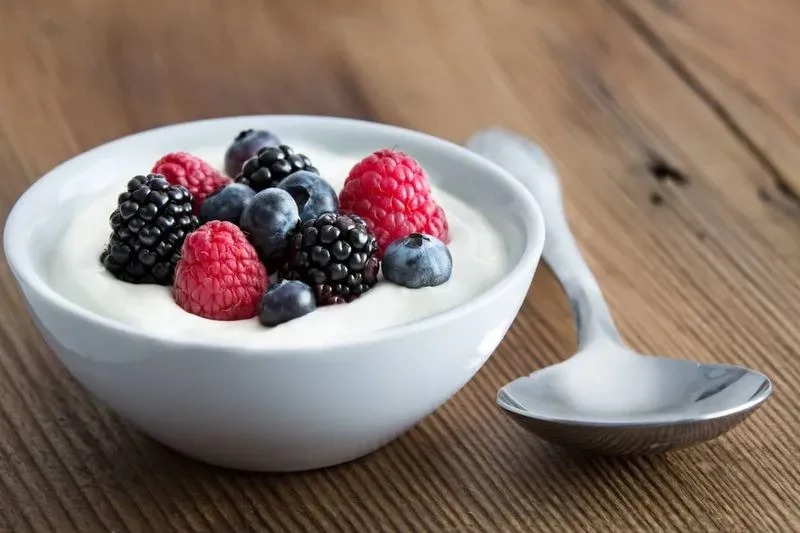
- Yogurt.
- Kefir.
- Probiotic cottage cheese.
- Kombucha.
- Fermented pickles.
- Fermented olives.
Easy Recipe to Make Sauerkraut at Home
Making sauerkraut at home is simple and affordable. All you need is cabbage and salt!
The ratio of ingredients is important to ensure the safety and flavor of the end product. Use three tablespoons of canning salt per five pounds of shredded cabbage.
Start by washing and shredding your cabbage. Add the cabbage and salt to a glass or ceramic container.
Then, massage the canning salt into the cabbage with clean hands. This will release natural juices from the cabbage.
Press down the cabbage and pack it into your container until the juices completely cover the cabbage.
To keep the cabbage weighed down, fill a food-safe plastic bag with salt water and place it on top of the mixture.
Store the container at room temperature, between 70 and 75 degrees Fahrenheit, to ferment for three to four weeks.
The temperature is critical for proper fermentation.
Enjoy your homemade sauerkraut fresh, or you may can or freeze it.
{{splash}}
Takeaway
Sauerkraut is a fermented cabbage condiment made from shredded cabbage and salt.
It’s a rich source of probiotics and prebiotics, which can improve the balance of your gut microbiome.
Additionally, sauerkraut is low-calorie and nutrient-dense.
While there are no universal guidelines for when to eat sauerkraut for optimal gut health, some research suggests eating it before or during meals is best.
Half a cup of sauerkraut per day is associated with positive changes in gut health, though you can also include other fermented foods for similar benefits.
How a Dietitian Can Help
If you’re new to eating fermented foods, it may be overwhelming to think about how to add them to your diet in a way you enjoy.
A registered dietitian can give you meal and snack ideas incorporating probiotic-rich foods.
They can also guide you in making other diet and lifestyle changes to support your gut health.
Find a registered dietitian specializing in digestive health to learn how to optimize your diet to reduce GI symptoms and feel your best.
Frequently Asked Questions
Should I eat sauerkraut in the morning or at night?
While there are no specific guidelines on the time of day best for eating sauerkraut, research suggests eating it before or during meals may bring the optimal gut health benefit.
A small study on sauerkraut and IBS found that half a cup of sauerkraut per day significantly reduced digestive symptoms and improved the gut microbiome.
You can choose to eat a larger portion of sauerkraut with one meal or split it up between your meals, depending on your preference.
What does sauerkraut do to your belly?
As a fermented vegetable, sauerkraut is a rich source of both prebiotics and probiotics.
Probiotics are live microbes that help populate your gut with healthy bacteria.
Prebiotics act as food for the beneficial bacteria in your digestive tract to grow.
This combination of prebiotics and probiotics can improve the balance of your gut microbiome, which can benefit gut health and reduce your risk of certain chronic conditions, such as type 2 diabetes.
What is the best brand of sauerkraut for gut health?
Because pasteurization can kill off some of the beneficial probiotics in sauerkraut, some people recommend choosing raw sauerkraut brands.
However, a small study comparing pasteurized versus raw sauerkraut found that both varieties resulted in similar gut microbiome improvements.
Alternatively, you can make sauerkraut at home using a simple recipe of shredded cabbage and canning salt.
References
View all references
Nourish has strict sourcing policies and prioritizes primary sources, including medical organizations, governmental agencies, academic institutions, and peer-reviewed scientific journals. Learn more about our medical review process and editorial guidelines.
More articles




.avif)
















.avif)