Can a Nutritionist Help with Ulcerative Colitis or IBD?

Medical Reviewer: Ellie Stamerjohn, MS, RDN, LD

Author: Sarah Glinski, RD

Summary
- Ulcerative colitis is a type of inflammatory bowel disease. Having ulcerative colitis puts people at risk of developing nutritional deficiencies and becoming malnourished.
- Emerging evidence suggests that certain dietary patterns (such as diets high in vegetables, fiber, and omega-3 fats) reduce the risk of developing ulcerative colitis.
- Working with a registered dietitian nutritionist to manage ulcerative colitis can help you develop a healthy eating plan, identify food triggers, prevent nutrient deficiencies, and they can provide recommendations for exclusive enteral nutrition.
Ulcerative colitis is a type of inflammatory bowel disease (IBD). When the disease is active, people with ulcerative colitis often don’t eat enough (due to a lack of hunger), have abdominal pain and diarrhea, and generally feel unwell.
This puts them at an increased risk of developing nutritional deficiencies and becoming malnourished.
While the evidence for the use of diet to treat ulcerative colitis is still emerging, working with a registered dietitian nutritionist trained in digestive disorders can be an important part of managing symptoms and preventing malnutrition and nutrient deficiencies.
{{splash}}
Can a Nutritionist Help with Ulcerative Colitis?
Recent research shows that certain dietary patterns may be a risk factor for developing ulcerative colitis.
In particular, studies have found that a higher intake of ultra-processed foods (such as soft drinks, refined sweetened foods, salty snacks, and processed meats) is associated with higher rates of IBD.
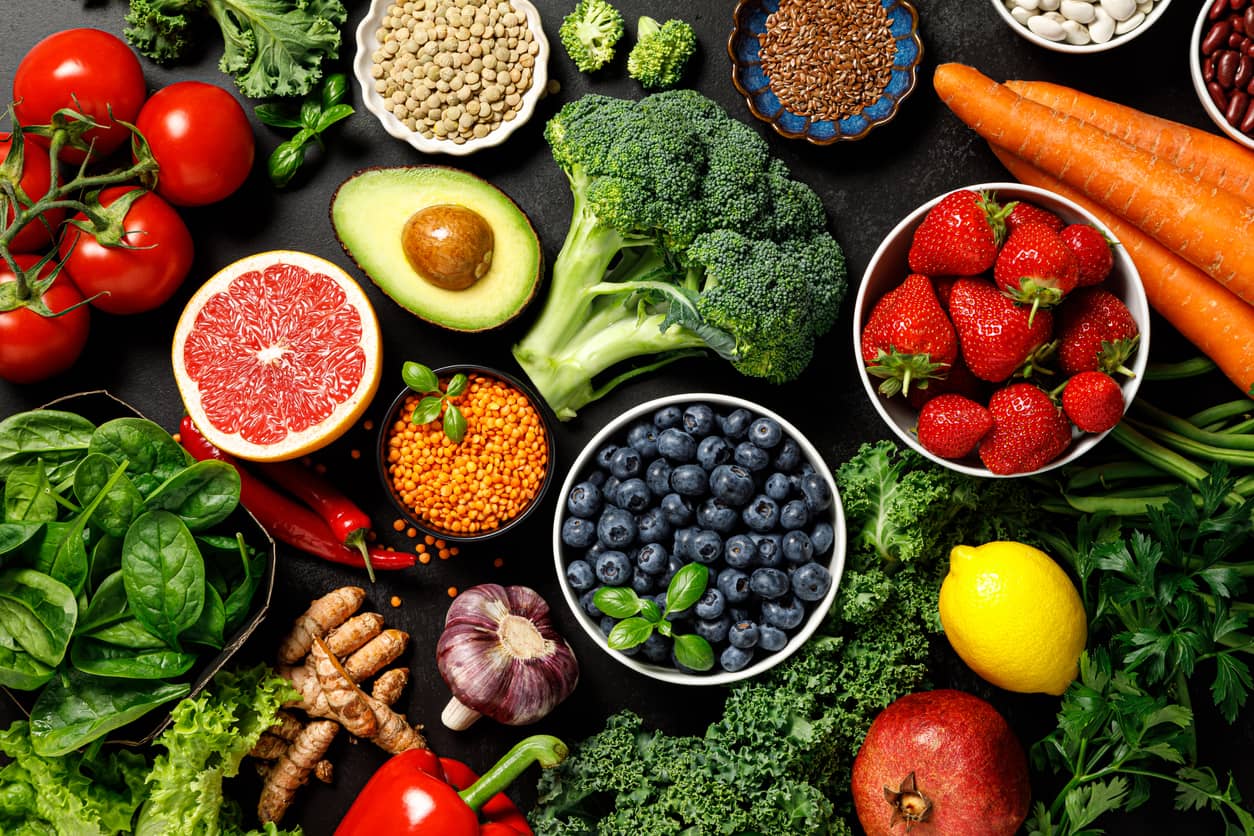
In contrast, studies show that eating a diet rich in vegetables, fiber, and omega-3 fats can protect against the development of ulcerative colitis.
Many people with ulcerative colitis find that certain foods make their symptoms worse.
However, eliminating lots of foods can lead to malnutrition and nutrient deficiencies, so it’s important to work with a registered dietitian nutritionist to ensure you’re getting all the nutrients you need.
Benefits of Working with a Nutritionist for Ulcerative Colitis
There are many benefits of working with a registered dietitian nutritionist for ulcerative colitis.
Benefits include developing a healthy eating plan, helping you identify food triggers, preventing nutrient deficiencies, and providing recommendations for exclusive enteral nutrition.
Develop a Healthy Eating Plan
Multiple studies have shown that poor diet quality is a risk factor for developing IBD. One important nutrient that is often lacking in a typical “Western” diet is fiber.
Studies show that unless you have a symptomatic intestinal stricture (a narrowing of the intestines), there is no need to limit fiber intake when you have ulcerative colitis.
However, it is recommended to include mostly sources of soluble fiber (fiber that dissolves in water, slows intestinal transit, and softens stool) instead of insoluble fiber (which speeds up intestinal transit and could make diarrhea worse).
Examples of soluble fiber include:
- Oat and rice bran.
- Beans.
- Lentils.
- Psyllium husk.
- Barley.
- Flax seeds.
- Chia seeds.
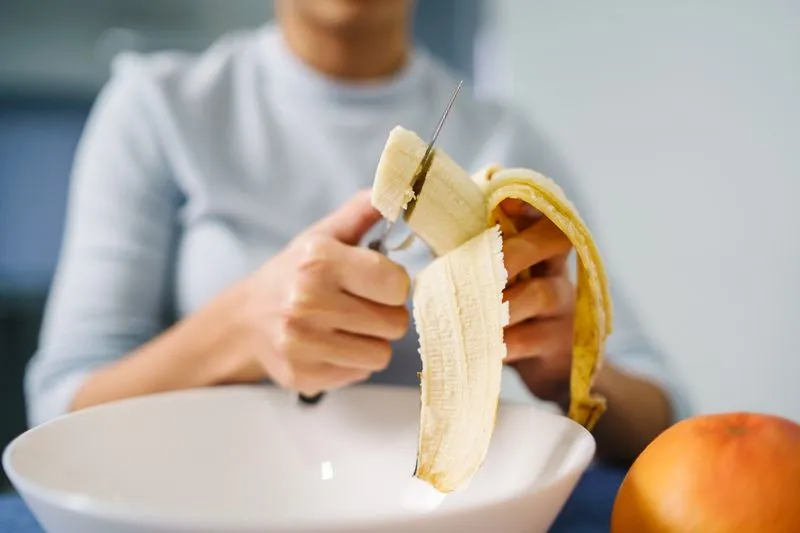
- Banana.
- Avocado.
- Applesauce.
- Carrots.
It’s best to work with a registered dietitian nutritionist to develop a plan for adding fiber without increasing digestive symptoms like gas and bloating.
Help You Identify Food Triggers
If you’re in the middle of an ulcerative colitis flare-up, your symptoms may worsen after eating certain foods.
Some foods that can make diarrhea worse include greasy foods, fruits and vegetables that cause gas (such as broccoli, beans, peas, berries, and corn), caffeine, alcohol, carbonated drinks, and, for people with lactose intolerance, dairy products.
Working with a dietitian is important because they can help you identify trigger foods without eliminating too many foods from your diet. Once you know which foods are triggers, you can go back to including the foods that agree with your digestive system.
Prevent Nutrient Deficiencies
Nutrient deficiencies are common in people with IBD. Some of the most common nutrient deficiencies include iron, vitamin B12, vitamin D, and zinc.
Working with a registered dietitian nutritionist can help prevent deficiencies, as they will help you develop an eating and supplement plan that provides adequate amounts of these nutrients.
Provide Recommendations for Exclusive Enteral Nutrition
Exclusive enteral nutrition (EEN) describes when a person gets all of their nutritional needs through liquid nutritional supplements via a tube that goes through their mouth or nose and into their stomach.
While it has been studied extensively in children with Crohn’s disease (another type of IBD), there isn’t much research on people with ulcerative colitis.
A small study looking at the effects of EEN on people’s response to corticosteroid therapy (a type of treatment for ulcerative colitis) found that EEN may increase a person’s responsiveness to corticosteroid therapy. In other words - EEN made the medication more effective.
Since EEN is used to provide all the required nutrients, a registered dietitian nutritionist should be involved in creating the EEN plan. This ensures that the EEN provides exactly what a person needs to heal.
How to Heal from Ulcerative Colitis
While diet is important for managing symptoms, the main way to heal from ulcerative colitis is through the use of medications or surgery.
The goals of treatment for ulcerative colitis are:
- Achieving remission (when your symptoms go away).
- Maintaining remission (preventing flare-ups of symptoms).
The most commonly prescribed medications for ulcerative colitis include aminosalicylates, corticosteroids, immunomodulators, biologic therapies, antibiotics, and JAK inhibitors.
Your gastroenterologist will provide recommendations for which medications to use based on your symptoms and levels of inflammation.
{{splash}}
Creating an Eating Plan for Managing Ulcerative Colitis
One of the safest dietary treatments for ulcerative colitis is the Mediterranean diet. Studies have shown that using the Mediterranean diet in people with ulcerative colitis following reconstructive intestinal surgery leads to reduced levels of inflammation.
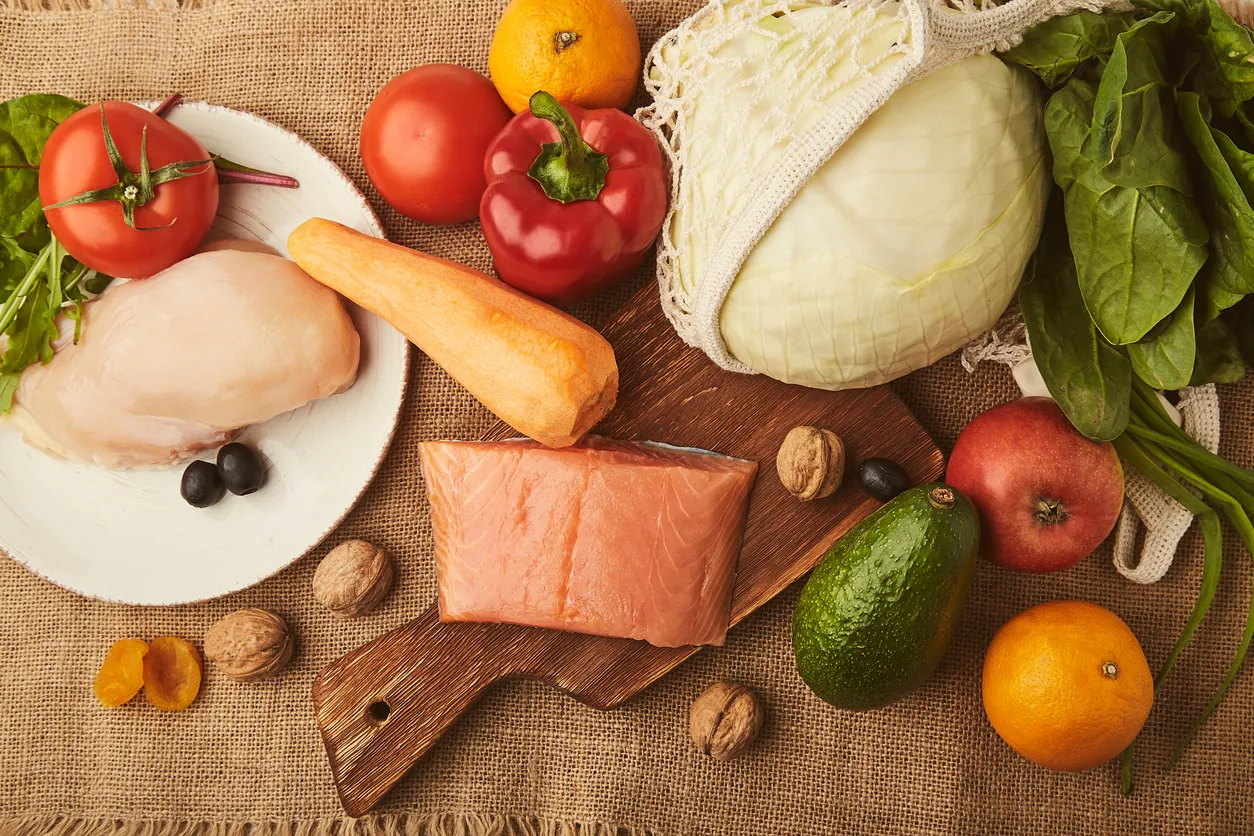
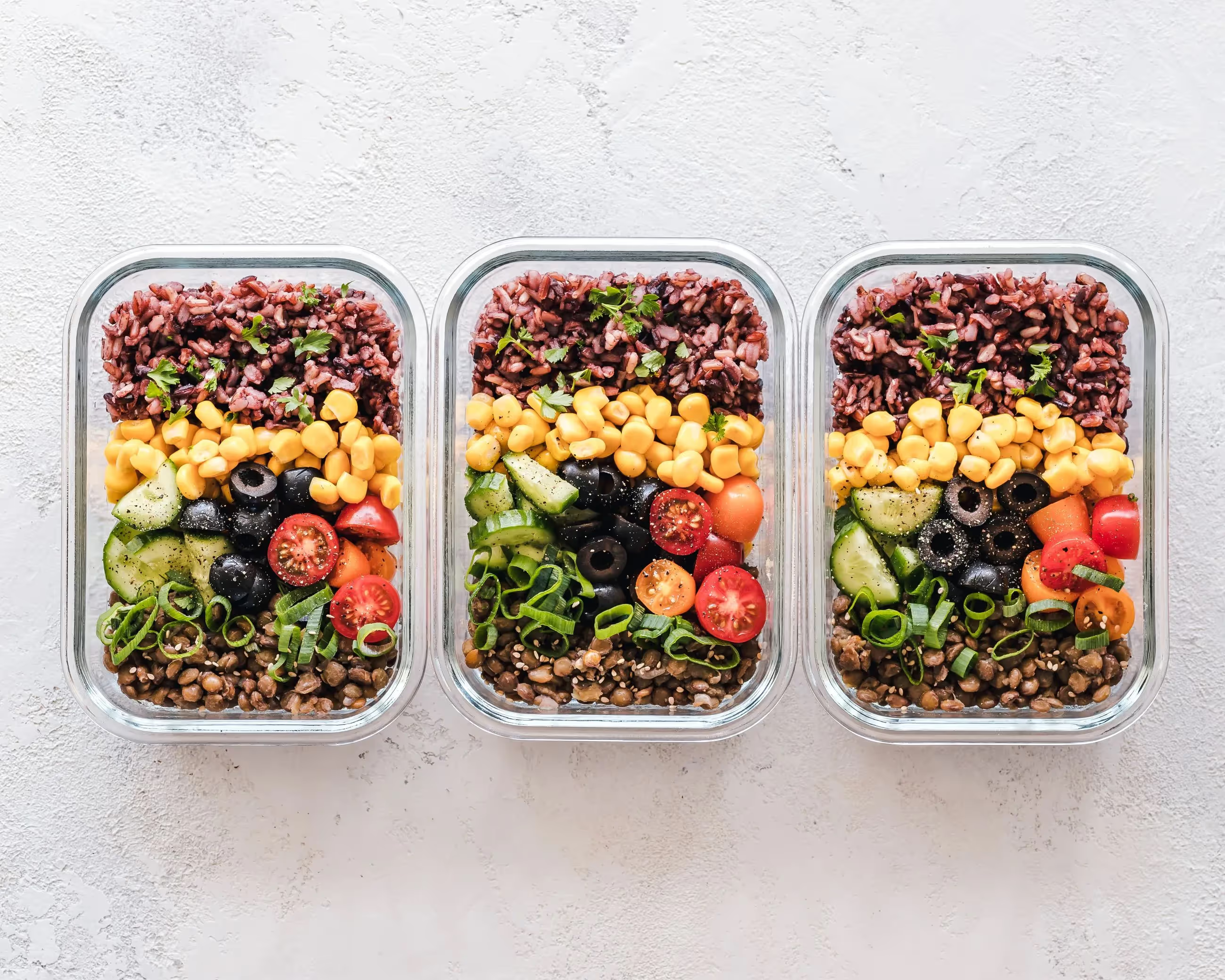
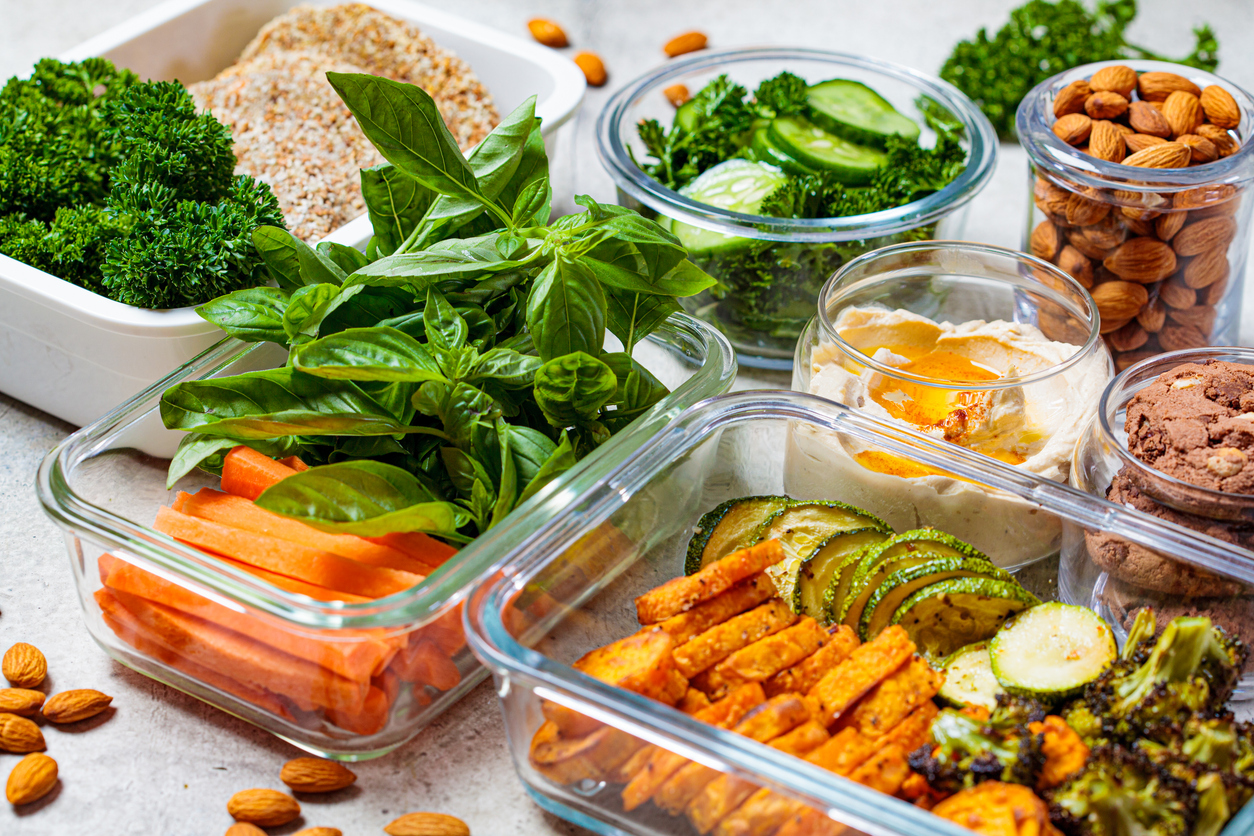
The Mediterranean diet includes a high intake of vegetables, fruits, legumes, and whole grains, as well as nuts, fish, and olive oil.
It also includes moderate amounts of dairy and eggs while limiting red meat, alcohol, and ultra processed foods.
When implementing a Mediterranean diet, focus on the foods you can add to your diet rather than the foods you’re taking away. Here are some examples:
- Add a handful of berries to your breakfast cereal.
- Dress your lunchtime salad with extra virgin olive oil
- Swap your steak at dinner for oven-roasted salmon or tuna.
- Snack on low-fat yogurt and nuts.
- Add oats to your favorite muffin recipe.
If you’re struggling with creating an eating plan for managing ulcerative colitis, consider working with a registered dietitian.
What to Expect at My First Appointment
Your first visit with a registered dietitian nutritionist will include an in-depth assessment of your current diet, your current symptoms (type and frequency), whether you’ve identified any trigger foods, and blood work.
Once the assessment portion of the appointment has been completed, your dietitian will work with you to develop a treatment plan that takes into account your symptoms, preferences, and triggers.
They will also provide education regarding what to eat and what to avoid with ulcerative colitis. Sometimes, they may provide supplementation recommendations based on your blood work.
The first appointment with a dietitian can feel overwhelming. Write down any questions you have for the dietitian so that you don’t forget anything during the appointment.
Follow-Up Appointments
During your follow-up appointments, your dietitian will monitor your food intake (to ensure you aren’t missing out on important nutrients and to identify trigger foods), your blood work, and your symptoms.
By monitoring these factors, your dietitian will be able to adjust your care plan based on how you’re responding to the changes made during previous visits.
Your dietitian will also listen to any concerns you have about the nutrition care plan you developed together and will help you identify new goals based on your current health.
How Do I Find a Registered Dietitian Nutritionist for Ulcerative Colitis?
If you’re looking for a registered dietitian to help you manage your ulcerative colitis, consider telehealth appointments.
Telehealth appointments, which can be done from the comfort of your own home, can be especially helpful for people with ulcerative colitis who may be worried about restroom access at in-person appointments.
{{splash}}
Takeaway
Ulcerative colitis is a chronic, inflammatory disease of the large intestine. While more research needs to be done, there is growing evidence that diet has an important role in ulcerative colitis prevention and management.
How a Dietitian Can Help
Working with a registered dietitian nutritionist trained in ulcerative colitis management can make it easier to understand what you need to eat and drink to manage your gut health.
Find a dietitian near you that accepts insurance using Nourish
Frequently Asked Questions
What is the most successful treatment for ulcerative colitis?
Ulcerative colitis is a highly individualized disease, and the treatment that works well for one person may not work for another. In general, treatment includes a combination of medications, dietary changes, and for some people, surgery. It’s important to work closely with a gastroenterologist, mental health professional, and dietitian to ensure all facets of your health are being addressed.
What nutrient deficiencies are linked to ulcerative colitis?
Some of the most common nutrient deficiencies linked to ulcerative colitis include iron, vitamin B12, vitamin D, and zinc. It’s important to identify and treat these deficiencies, as they can lead to fatigue, neurological problems, muscle cramps, delayed growth, anemia, and bone changes if left untreated.
How do I heal my gut of ulcerative colitis?
Unfortunately, there is no known cure for ulcerative colitis. However, a combination of medications to suppress the inflammation in the colon, dietary changes to reduce trigger foods while preventing malnutrition, and in some cases, surgery can all form part of an ulcerative colitis care plan to induce remission.
References
View all references
- Nazarenkov N, Seeger K, Beeken L, Ananthakrishnan AN, Khalili H, Lewis JD, Konijeti GG. 2019. Implementing Dietary Modifications and Assessing Nutritional Adequacy of Diets for Inflammatory Bowel Disease. Gastroenterol Hepatol. 15(3):133-144.
- Marsh A, Rindfleish S, Bennett K, Croft A, Chachay V. 2022. Outcomes of dietary management approaches in active ulcerative colitis: A systematic review. Clin Nutr. 41(2):298-306. doi: 10.1016/j.clnu.2021.12.007.
- Narula N, Wong ECL, Dehghan M, Mente A, Rangarajan S, Lanas F, Lopez-Jaramillo P, Rohatgi P, Lakshmi PVM, Varma RP, Orlandini A, Avezum A, Wielgosz A, Poirier P, Almadi MA, Altuntas Y, Ng KK, Chifamba J, Yeates K, Puoane T, Khatib R, Yusuf R, Boström KB, Zatonska K, Iqbal R, Weida L, Yibing Z, Sidong L, Dans A, Yusufali A, Mohammadifard N, Marshall JK, Moayyedi P, Reinisch W, Yusuf S. 2021. Association of ultra-processed food intake with risk of inflammatory bowel disease: prospective cohort study. BMJ. 14;374:n1554. doi: 10.1136/bmj.n1554.
- Akbari H, Akbari A, Ghiasvand R, Tamizifar B, Saneei P, Feizi A, Pourmasoumi M. 2022. The association between dietary patterns and the risk of developing ulcerative colitis. Clin Nutr ESPEN;51:307-312. doi: 10.1016/j.clnesp.2022.08.009.
- MedlinePlus. (Dec 5, 2021). When you have diarrhea. Retrieved 12 June 2023, from https://medlineplus.gov/ency/patientinstructions/000121.htm
- Sahu P, Kedia S, Vuyyuru SK, Bajaj A, Markandey M, Singh N, Singh M, Kante B, Kumar P, Ranjan M, Sahni P, Panwar R, Sharma R, Das P, Makharia G, Travis SPL, Ahuja V. 2021. Randomised clinical trial: exclusive enteral nutrition versus standard of care for acute severe ulcerative colitis. Aliment Pharmacol Ther. 2021 Mar;53(5):568-576. doi: 10.1111/apt.16249. Epub 2021 Jan 13. Erratum in: Aliment Pharmacol Ther. 54(9):1224-1227
- Crohn’s & Colitis Foundation (n.d.). Understanding IBD Medications and Side Effects. Retrieved 12 June 2023, from https://www.crohnscolitisfoundation.org/sites/default/files/legacy/assets/pdfs/understanding-ibd-medications-brochure-final.pdf
- Radziszewska M, Smarkusz-Zarzecka J, Ostrowska L, Pogodziński D. 2022. Nutrition and Supplementation in Ulcerative Colitis. Nutrients.14(12):2469. doi: 10.3390/nu14122469.
- Godny, L., Reshef, L., Pfeffer-Gik, T. et al. 2020. Adherence to the Mediterranean diet is associated with decreased fecal calprotectin in patients with ulcerative colitis after pouch surgery. Eur J Nutr 59, 3183–3190. https://doi.org/10.1007/s00394-019-02158-3
- Crohn’s & Colitis Foundation. (n.d.). Managing IBD. Retrieved 12 June 2023, from https://www.crohnscolitisfoundation.org/campus-connection/managing-ibd
- Crohn’s & Colitis Foundation (n.d.). Ulcerative Colitis Treatment Options. Retrieved 12 June 2023, from https://www.crohnscolitisfoundation.org/what-is-ulcerative-colitis/treatment-options
Nourish has strict sourcing policies and prioritizes primary sources, including medical organizations, governmental agencies, academic institutions, and peer-reviewed scientific journals. Learn more about our medical review process and editorial guidelines.
More articles




.avif)

















.avif)