What Helps Constipation After Gallbladder Removal?

Medical Reviewer: Ellie Stamerjohn, MS, RDN, LD

Author: Heather Smith, RN, BSN
Summary
- Constipation after gallbladder removal can occur for several reasons, including changes in bile secretion, side effects of medications, and lifestyle and diet changes.
- Managing constipation after gallbladder removal involves staying hydrated, incorporating fiber-rich foods into your diet, and getting regular exercise. Consider keeping a food journal to learn if certain foods are triggering your constipation.
- A dietitian can help you discover what is causing your constipation after gallbladder removal and the steps you can take to find relief.
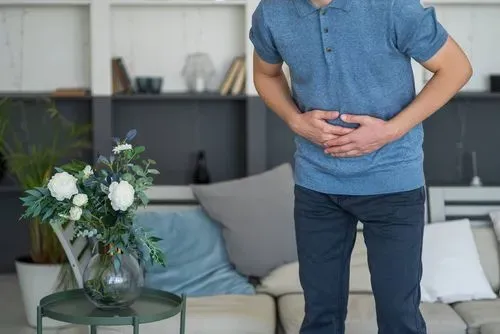
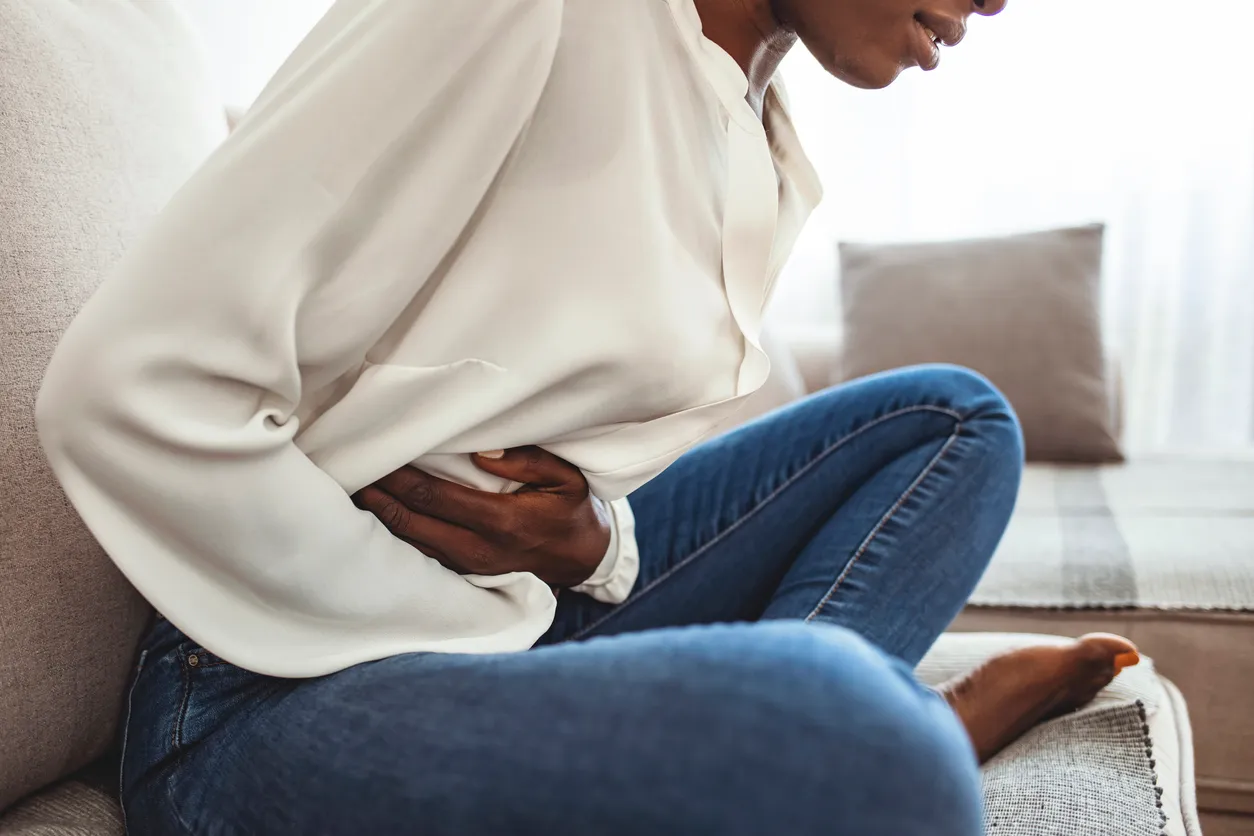
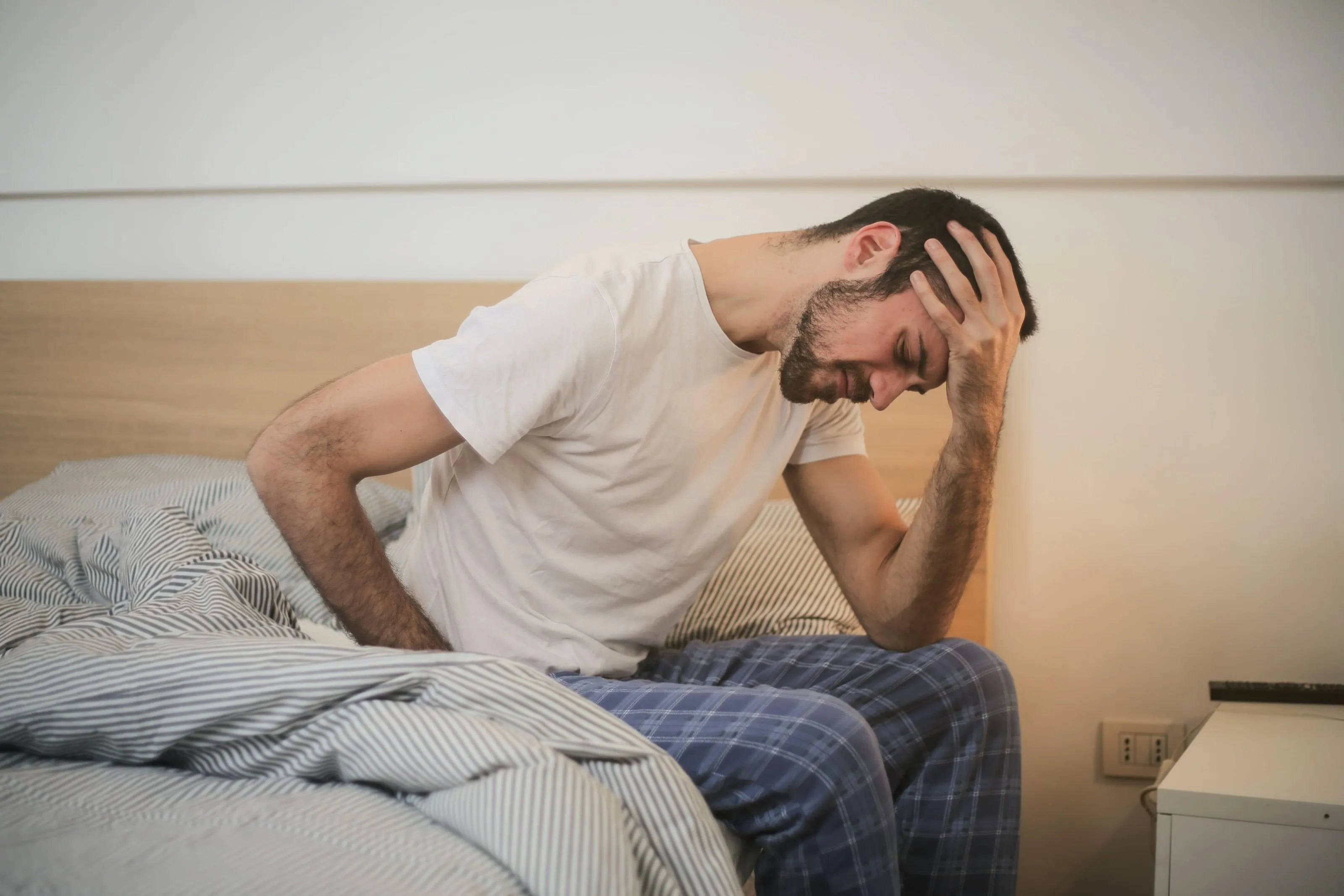
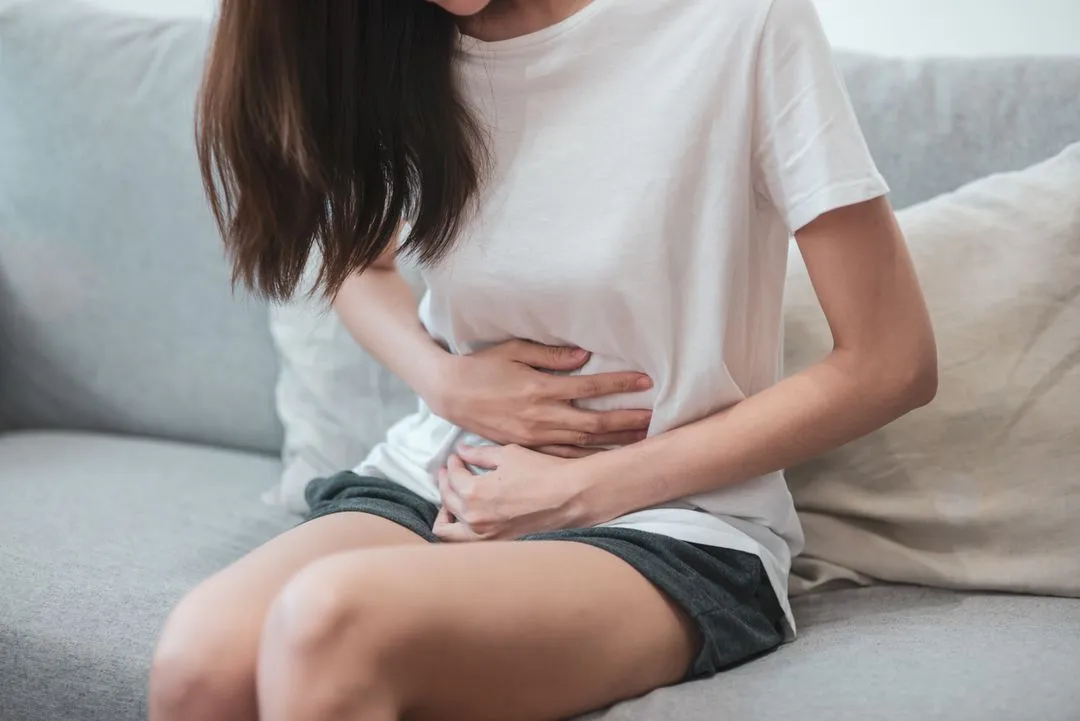
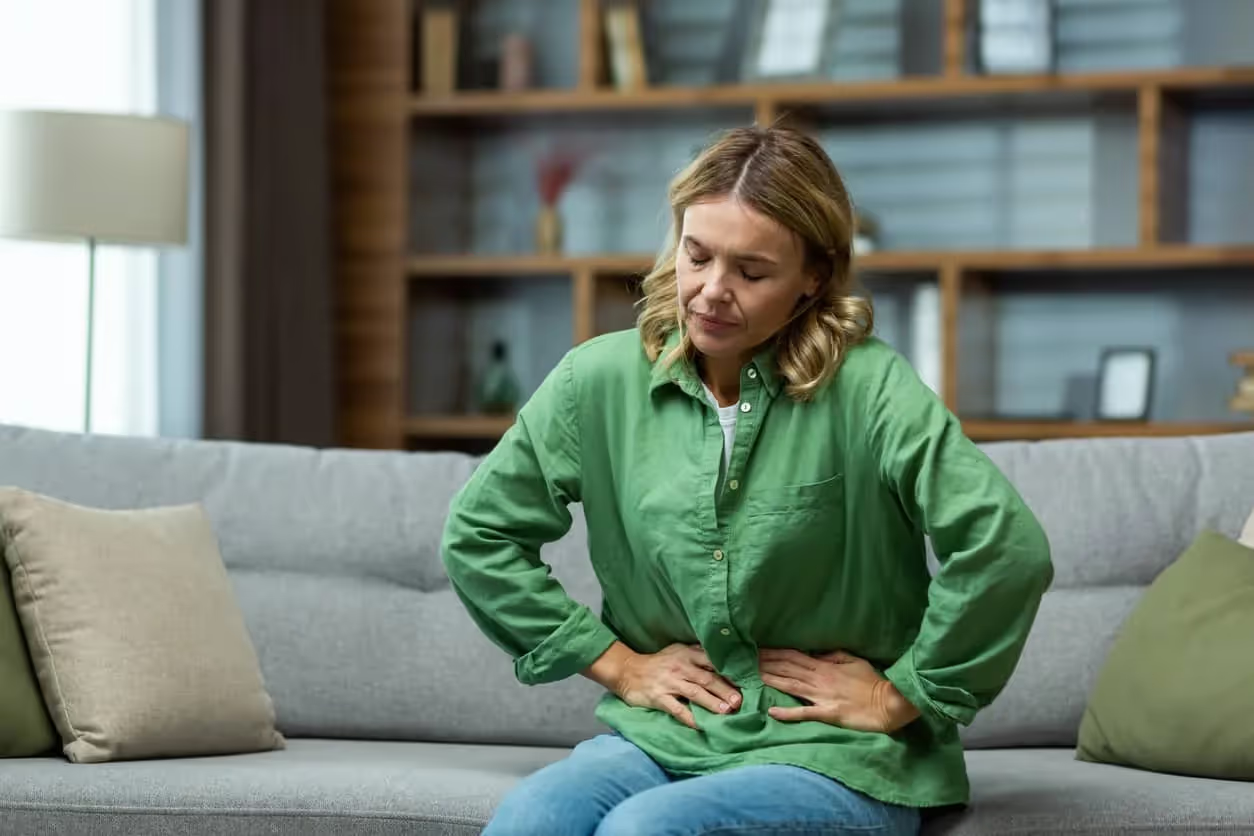
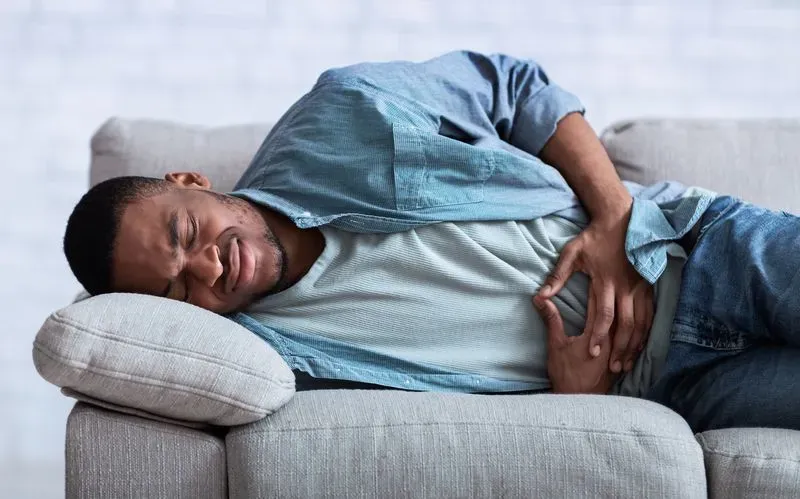
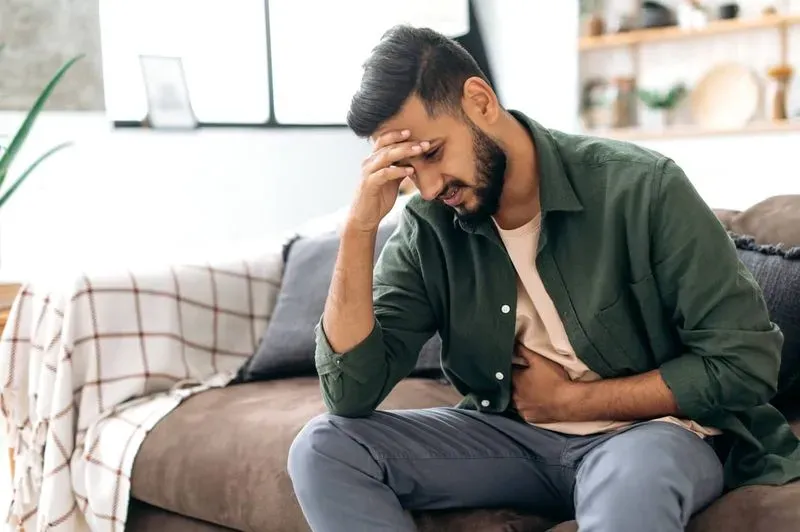
Constipation, or having hard, dry stools that are difficult to pass after gallbladder removal can happen.
Usually, constipation occurs more before surgery, and after the gallbladder is removed, diarrhea is more common.
However, changes in bile production, medications, lifestyle, and activity levels may cause constipation in some people.
Learn why you may experience constipation after gallbladder removal, as well as how to manage and prevent it after surgery.
{{splash}}
Is Constipation Common After Gallbladder Removal?
The gallbladder is a small, pear-shaped organ that sits near the liver.
It’s responsible for storing bile, a liquid the liver produces, and releasing it when you eat to help with digestion.
Sometimes, bile can become thick, or the gallbladder can become slow, which can lead to the formation of gallstones.
A gallstone that lodges in a duct can be very painful and cause other symptoms like fever, nausea, and vomiting.
Treatment typically involves having the gallbladder surgically removed.
The gallbladder isn’t an essential organ.
However, removing it alters how bile flows into your digestive system and can cause a change in your bowel habits.
Most of the time, these changes are temporary.
A recent study found that approximately 16% of people experience constipation leading up to having their gallbladder removed.
Six months after surgery, about 7% of people were still experiencing constipation.
Another study found that before surgery, about 79% of people reported chronic constipation.
When questioned again about their symptoms 12 months after surgery, 37% of people were still experiencing frequent constipation.
Changes In Bile Secretion
The liver uses cholesterol, bile salts, and bilirubin to produce bile.
Bile is necessary for digesting fats and fat-soluble vitamins (A, D, E, and K).
The gallbladder stores bile until you start eating, which signals the gallbladder to release bile to assist with digestion.
Along with digesting fats, bile also has a laxative effect on the colon by releasing water and mucus and promoting increased motility (movement of the muscles in the digestive tract).
Changes in how and when bile enters the digestive system can change bowel movements and frequency.
Medications Used During And After Surgery
During surgery, an anesthesiologist will give you anesthesia medication to put you to sleep and keep you comfortable.
While this is a benefit during surgery, anesthesia slows down gut motility and can sometimes cause constipation for a few days.
After surgery, you may also need to manage your pain with some medication.
Opioid pain medications, also called narcotics (tramadol, morphine, oxycodone, hydrocodone), can cause constipation.
Post-Surgery Diet And Lifestyle Changes
After surgery, it can be tempting to stay sedentary because of tenderness at the surgical site.
However, being inactive can lead to constipation.
While there are certain activity limitations your surgeon will give you, such as avoiding strenuous activity and lifting heavy objects, walking around, and doing light housework is typically beneficial for avoiding constipation.
A study from 2015 also demonstrated that people tend to drink less fluids and eat less fiber-rich foods such as vegetables, fruits, and whole grains after abdominal surgery, which can lead to constipation.
Managing Constipation After Gallbladder Removal
Below are some steps you can take to manage constipation after gallbladder removal.
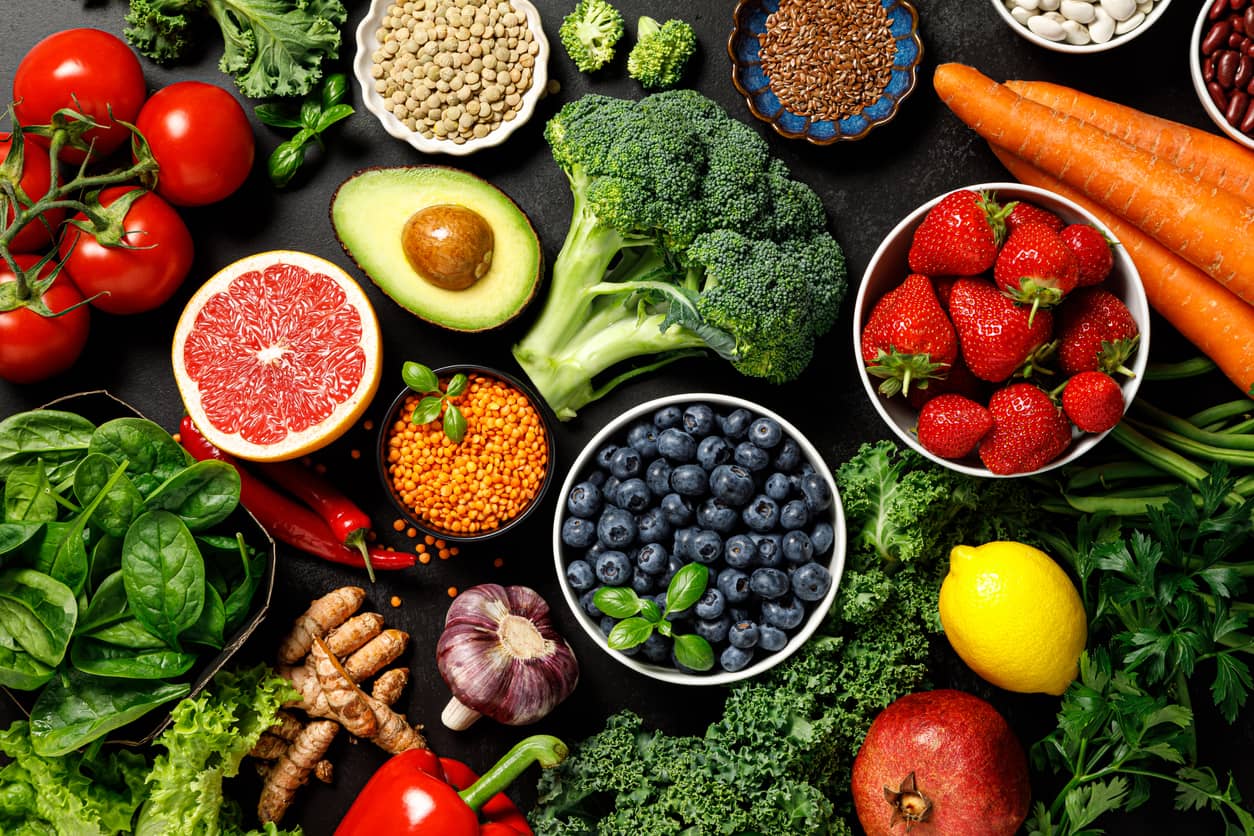
Increase Fiber Intake
Fiber is an indigestible part of some foods.
It helps form and soften your stool, so it moves more easily through your digestive system.
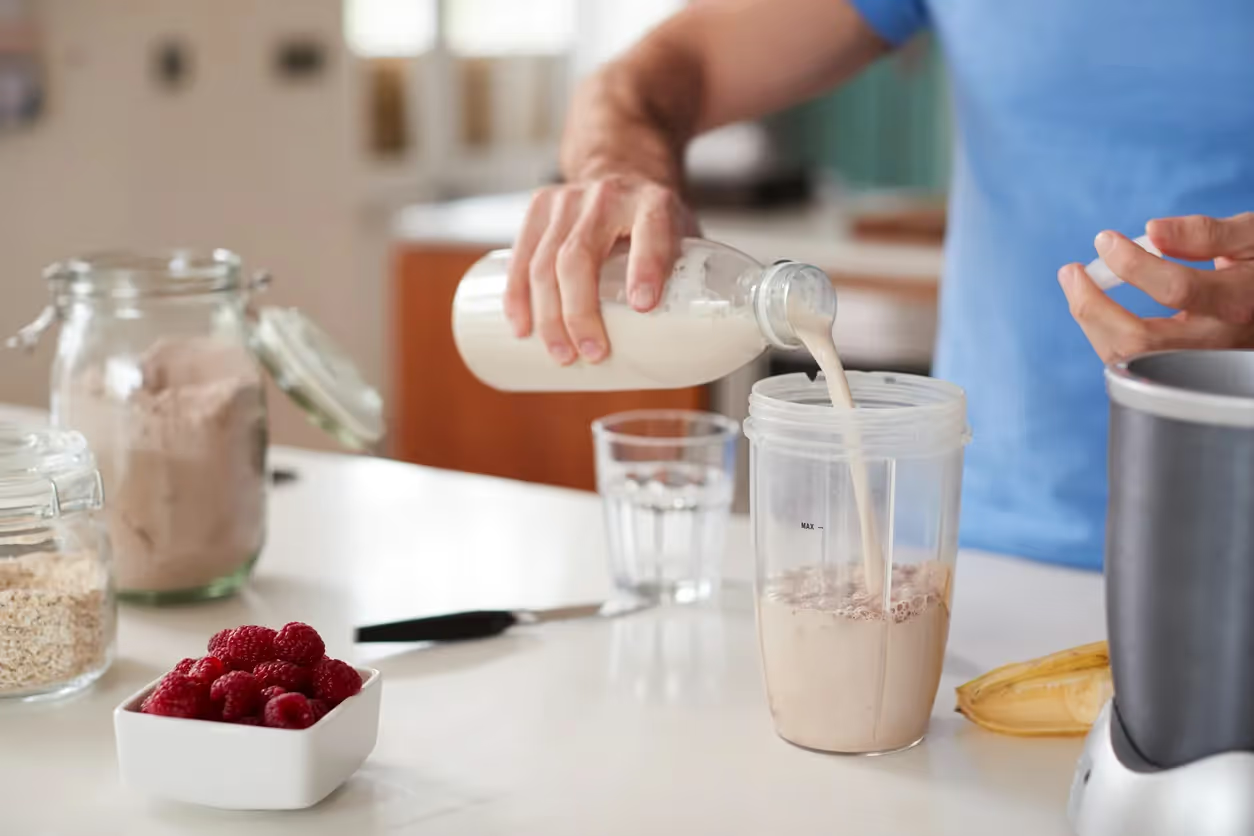
Soluble fiber, found in beans, fruit, and oats, helps add water to the stool, while insoluble fiber, found in whole grains and vegetables, helps form the stool.
Both are important for preventing constipation.
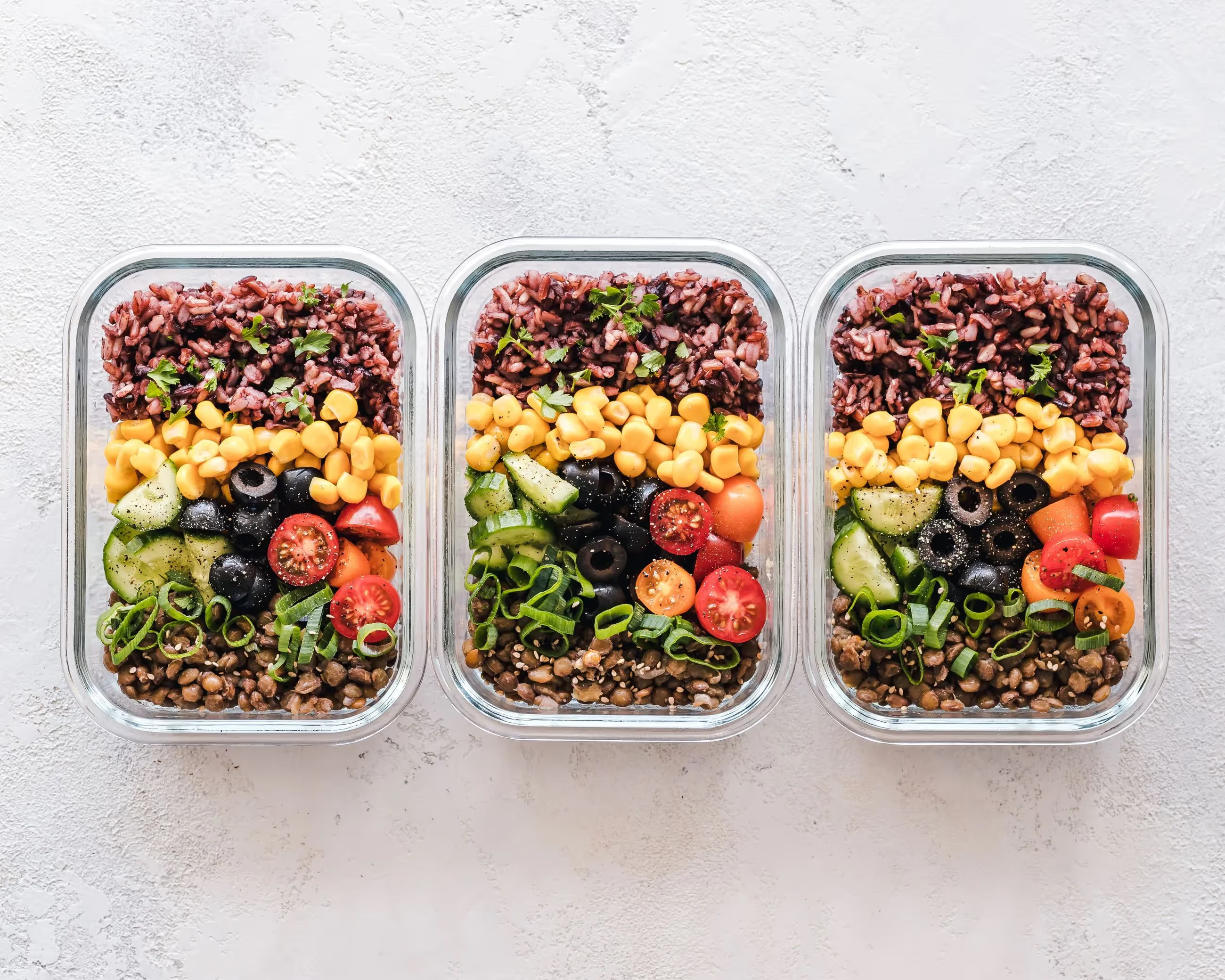
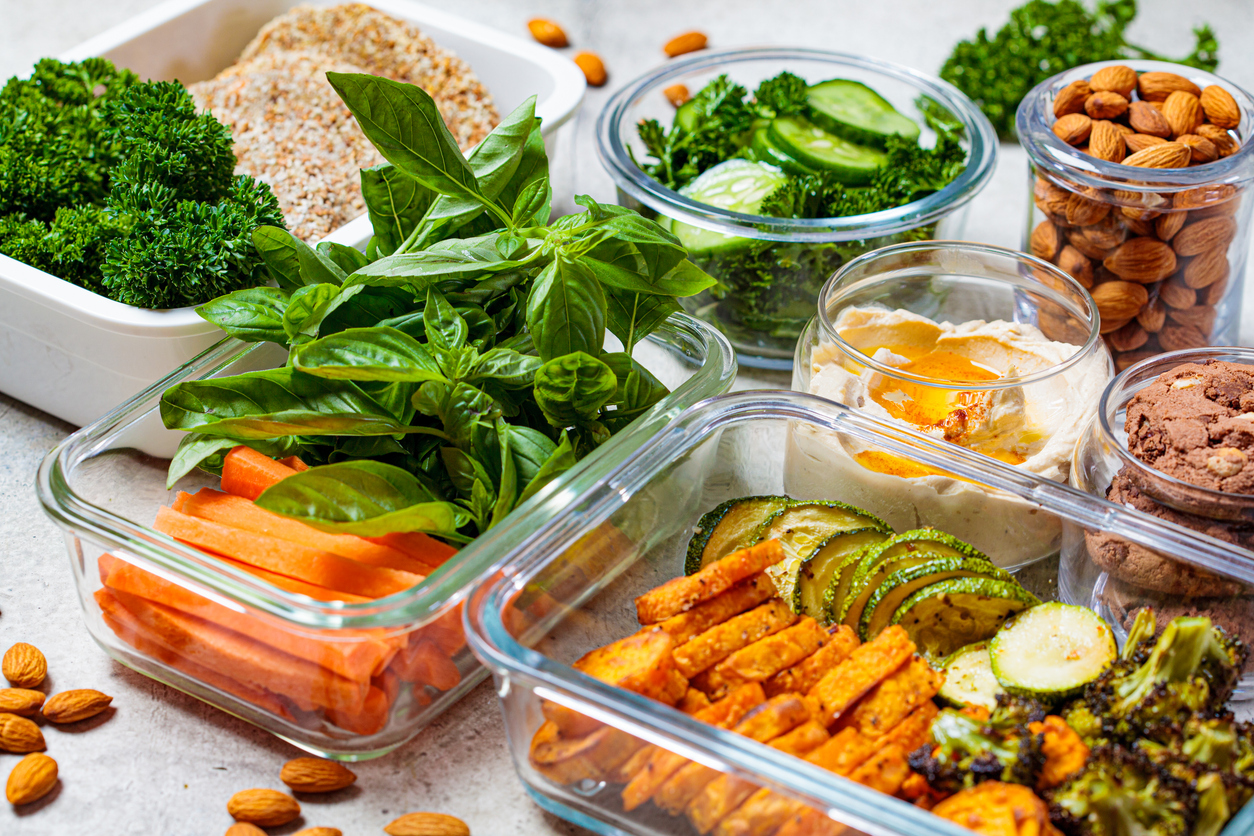
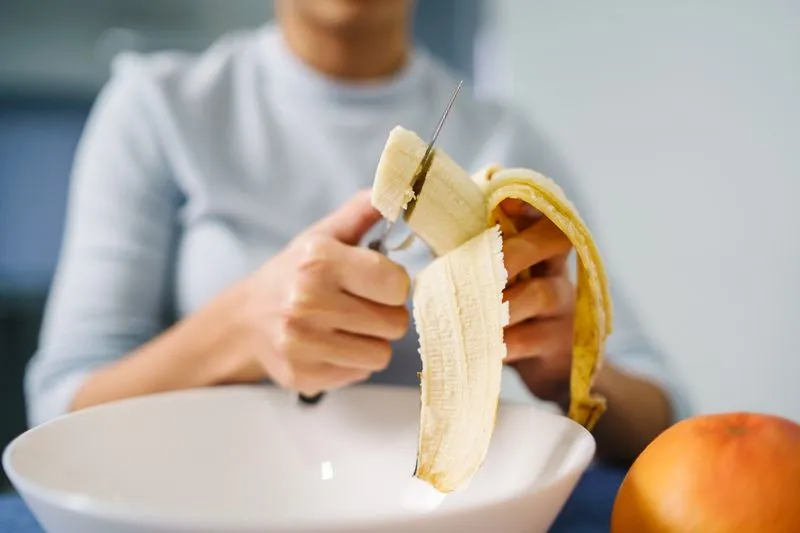
Some examples of foods high in fiber include:
- Whole grains: Whole wheat bread and pasta, oatmeal, bran flake cereals.
- Fruits: Berries, apples, oranges, pears.
- Vegetables: Carrots, broccoli, green peas, collard greens.
- Nuts: Almond, peanuts, pecans.
If you’re not used to eating much fiber, add it slowly to your diet to help your body adjust.
Adults need at least 25 g of fiber daily, and your daily requirements vary based on age and gender.
A dietitian can guide you as to how much fiber you need daily.
Drink Plenty Of Water
Drinking plenty of water helps fiber work better in your body and also helps avoid dehydration.
Without enough water, your stools can dry out and become hard and difficult to pass.
How much water you need to drink depends on your age, activity level, health, and other factors.
A dietitian can guide you on how much water you need daily.
Liquids other than water that can help keep you hydrated include:
- Clear soups.
- Decaf herbal tea.
- Naturally sweetened fruit juice.
- Naturally sweetened vegetable juice.
Incorporate Probiotics
Probiotics are live microorganisms that may have several beneficial effects on your overall health.
While research on how probiotics help with constipation is still limited, a review of research on animal and human studies found that probiotics can help decrease the time stool spends in the colon and improve stool consistency, which can help reduce constipation.
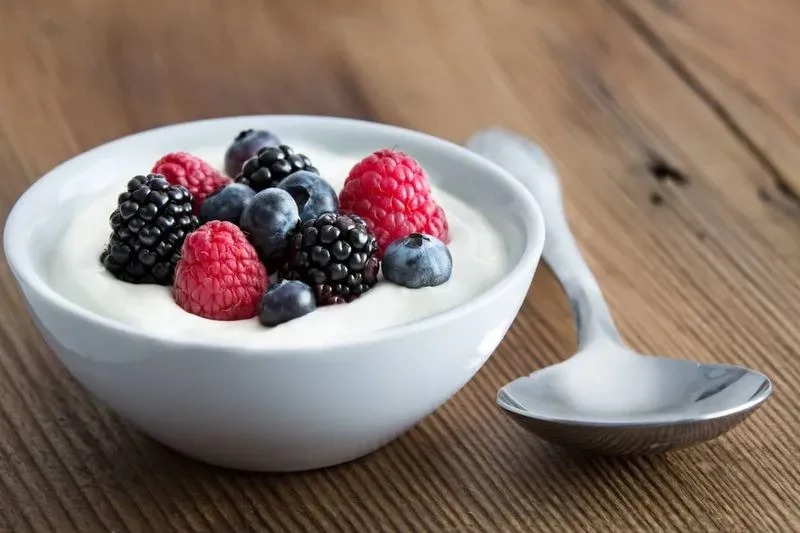
Probiotics are found in some yogurts and fermented foods (although most won’t have a significant impact on your digestive system).
Instead, a strain-specific probiotic supplement could be more helpful. Your dietitian can review options to help you pick the best one.
Exercise Regularly
Regular physical activity can help prevent constipation.
Moving your body through bouncing, jogging, and abdominal crunching may help push the stool into your rectum.
When full of waste, the rectum sends a defecation reflex to signal you to use the bathroom.
Adults should aim to get at least 150 minutes of moderate-intensity aerobic activity each week.
You can break this down into 30-minute segments five days a week.
Depending on your schedule, you can complete all 30 minutes at once or do 15 minutes of activity in the morning and 15 minutes in the evening.
Fun activities include:
- Brisk walking.
- Swimming.
- Biking.
- Dancing.
- Jogging.
- Chair aerobics.
It’s also important to do strengthening exercises at least twice a week.
Strengthening exercises include:
- Lifting weights.
- Working with resistance bands.
- Working against your own body weight (push-ups, squats, lunges).
Avoid Trigger Foods
Try keeping a food diary to figure out if certain foods are causing your constipation.
Each day, write down what you ate and drank, along with what medications and supplements you took.
Take note of what types of bowel movements you have each day (the Bristol stool chart is a well-known reference guide you can follow).
Over time, you may notice trends in what foods are causing your constipation.
If you think a medication or supplement is causing your constipation, be sure to talk with the prescribing healthcare provider.
Never discontinue a prescribed medication without guidance, as some medications need to be tapered off slowly to prevent complications.
{{splash}}
Preventing Post Gallbladder Surgery Constipation
Prevention is key when it comes to managing constipation after gallbladder removal.
After surgery, be sure to drink water and other liquids, such as broths, to keep yourself hydrated.
This helps the stool stay soft so it is easier to pass.
Talk with your surgeon about safe physical activities you can complete after surgery.
After your gallbladder has been removed, ask your healthcare team when it’s safe for you to get up and walk around.
Movement helps your digestive system function, and staying in bed constantly after surgery leads to worsening constipation.
Your surgeon may have guidance on foods to eat right out of surgery.
Be sure to follow their guidelines, and when safe, make sure to incorporate foods rich in fiber.
Give your body time each day to have a bowel movement.
When you feel the urge for a bowel movement—don’t ignore it.
Go to the bathroom and give yourself time to pass your stool.
Takeaway
Constipation after gallbladder removal is possible due to several factors, such as changes in bile secretion, medications taken during and after surgery, and limited diet and movement after surgery.
However, practical strategies such as increasing fiber intake, staying hydrated, incorporating probiotics, regular exercise, and avoiding trigger foods can help you manage and prevent constipation.
How A Dietitian Can Help
A dietitian can provide personalized support in navigating dietary changes after gallbladder removal.
Through one-on-one counseling, they can provide guidance on how much fiber to incorporate into your diet and how much water you need to stay hydrated.
Additionally, by learning your personal preferences and medical history, they can create a plan for preventing constipation after gallbladder removal surgery.
Find a dietitian that accepts insurance through Nourish.
Frequently Asked Questions
Why am I constipated without a gallbladder?
Constipation after having your gallbladder removed may be linked to several factors, including inadequate fiber and fluid intake and not getting enough physical activity.
What is the best thing for constipation after gallbladder removal?
After having your gallbladder removed, it’s best to stay hydrated with water, clear broths, decaf herbal tea, and naturally sweetened fruit and vegetable juices.
It’s also imperative to get plenty of physical activity (your surgeon will tell you what intensity and how much exercise is safe).
Additionally, eating a diet with plenty of fiber (fruits, vegetables, nuts, seeds, and whole grains) also supports regular bowel movements.
Can having your gallbladder removed affect your bowel movements?
Your gallbladder stores bile, which is made by your liver and helps digest fats.
When your gallbladder is removed, it changes how bile is delivered to your digestive tract, which can have an effect on stool consistency.
While constipation can occur, diarrhea is more common after having your gallbladder removed.
References
View all references
Gallstone. (N.D.) National Institute of Diabetes and Digestive and Kidney Diseases.
Dietary Guidelines for Americans, 2020-2025
Probiotics - Health Professional Fact Sheet
Constipation. (N.D.) National Institute of Diabetes and Digestive and Kidney Diseases.
Buchanan, L., et al. (2023). Postoperative Ileus. StatPearls.
Gallbladder removal. (2022). MedlinePlus.
Probiotics: What you need to know. (2019). National Center for Complementary and Integrative Health.
Nourish has strict sourcing policies and prioritizes primary sources, including medical organizations, governmental agencies, academic institutions, and peer-reviewed scientific journals. Learn more about our medical review process and editorial guidelines.
More articles

.avif)








.avif)