Does Constipation Cause Nausea? 5 Tips For Fast Relief

Medical Reviewer: Christine Russell, MS, RD, LD, CDCES

Author: Heather Smith, RN, BSN
Summary
- While nausea isn’t a common symptom of constipation, it can sometimes occur.
- Constipation is the decreased frequency of bowel movements, and can usually be prevented by staying hydrated, eating foods with fiber, and doing regular exercise.
- If you find yourself frequently constipated, a dietitian can help you design an eating and lifestyle plan to help relieve constipation.
Constipation is a common digestive problem that can cause several symptoms.
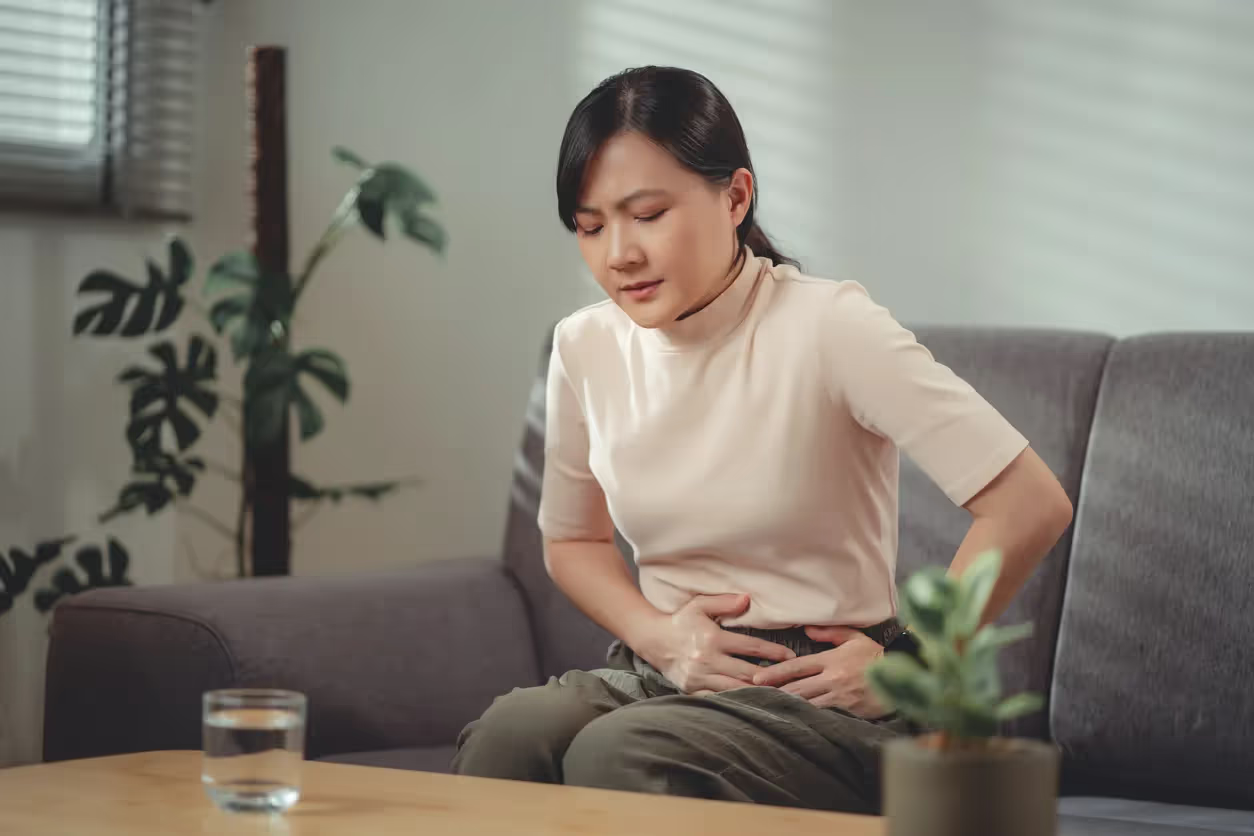
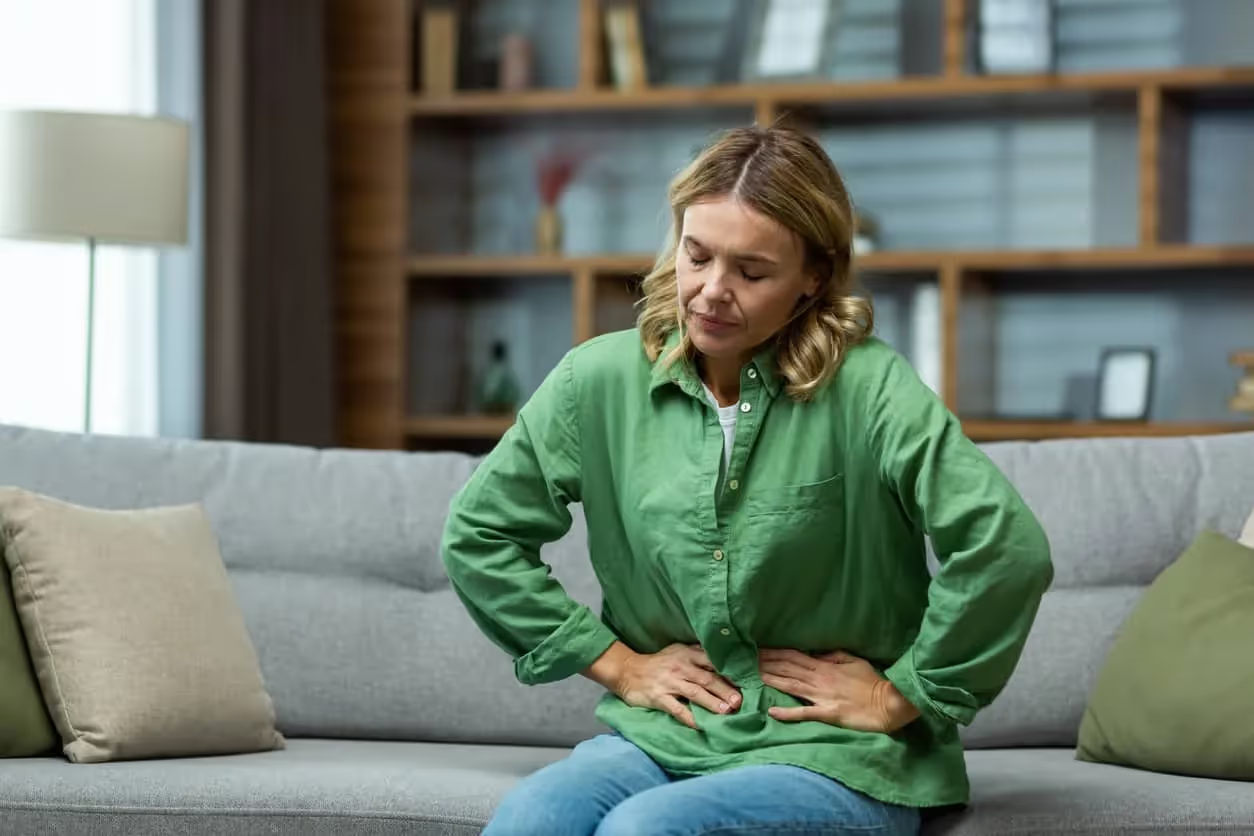
While nausea is not typically considered a common symptom of constipation, it is possible for individuals to experience nausea as a result of severe or prolonged constipation or related to an underlying digestive problem such as irritable bowel syndrome, ulcerative colitis, or gastroparesis.
Keep reading to learn the causes of constipation and five tips for relieving constipation and nausea.
{{splash}}
Can Constipation Cause Nausea?
Constipation is when you have hard or infrequent bowel movements, typically less than three a week.
Anyone (at any age) can experience constipation, and sometimes, it causes uncomfortable symptoms such as:
- Straining to have a bowel movement.
- Pain with bowel movement.
- Feeling like you can’t pass all the stool.
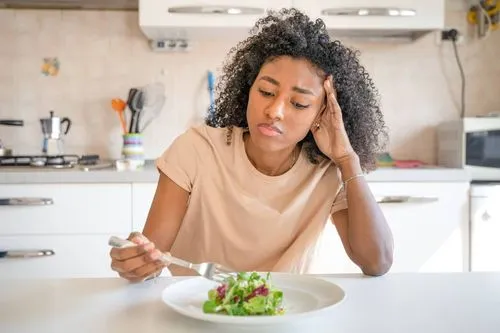
Nausea is not directly related to constipation.
However, when constipation is severe or related to an underlying condition, nausea may result.
Other symptoms of constipation include:
- Abdominal pain.
- Loss of appetite.
- Nausea.
- Loss of appetite.
- Vomiting.
- Unexplained weight loss.
Causes of Constipation and Nausea
Your digestive tract and bowel movements can vary considerably due to external factors such as diet, activity level, medications, hormones, and underlying medical conditions.
Below are some of the most common causes of constipation that may also cause nausea.
Dehydration
Dehydration is a common cause of constipation.
Your body needs adequate fluid intake to stay hydrated and function properly.
When dehydrated, your stool can become dry, hard, and difficult to pass, leading to constipation.
Dehydration can happen in several ways.
Losing large amounts of fluid through vomiting, diarrhea, and sweating.
Sometimes, medications such as diuretics or medical conditions like diabetes can also cause dehydration.
You can ask your doctor how to manage these symptoms.
Lack of Fiber in Diet
Low dietary fiber intake can cause constipation.
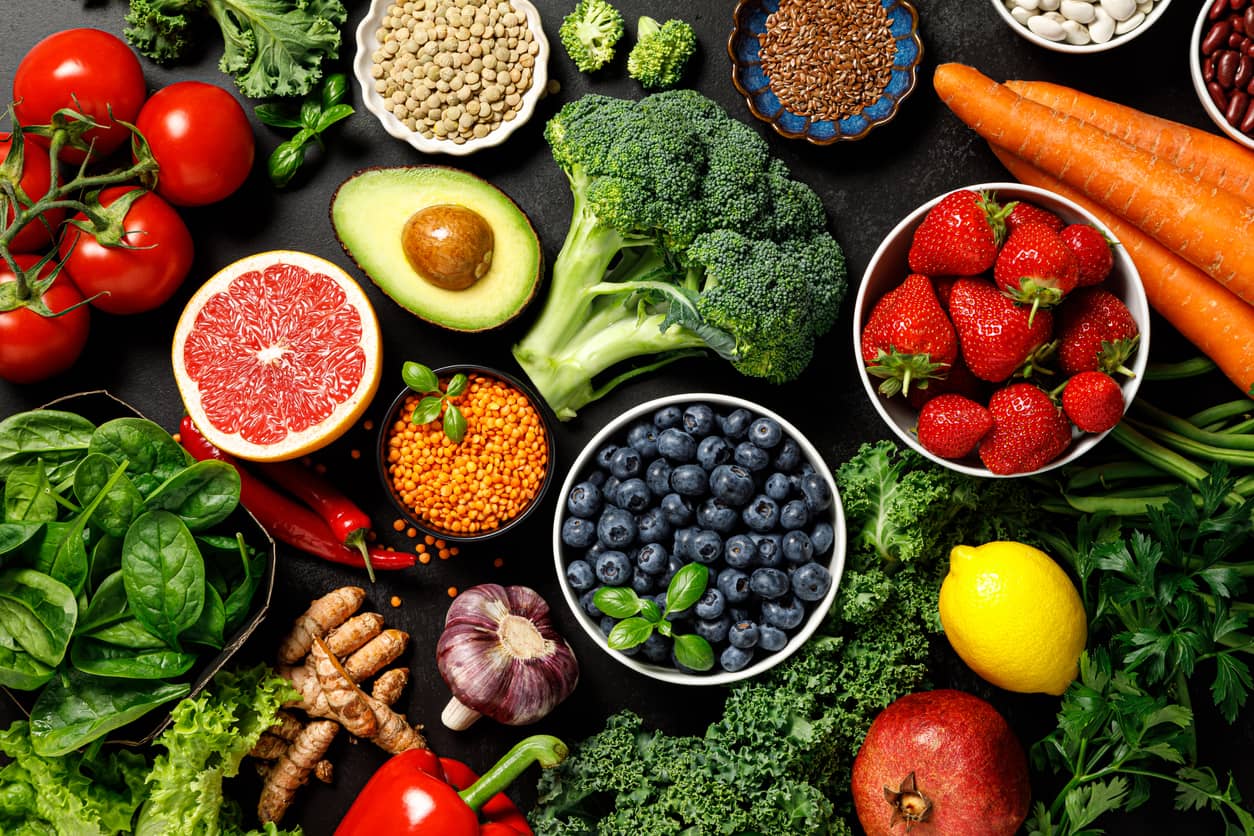
Fiber, a non-digestible carbohydrate found in fruits, vegetables, whole grains, and legumes, plays an important role in the health of your digestive tract and the quality of your stools.
There are two types of dietary fiber: soluble and insoluble.
Soluble fiber, found in fruits, vegetables, some seeds, and legumes, helps hydrate stool by drawing water into it.
Insoluble fiber, found in beans, root vegetables, and whole grains, adds bulk to the stool.
The combination of both types of fiber in your diet helps create stools that are easy to pass through the digestive tract.
Sedentary Lifestyle
Having a sedentary lifestyle that includes long periods of sitting and minimal physical activity can contribute to constipation.
Exercise stimulates the muscles of the digestive tract, helping it efficiently move indigestible food through the digestive system.
Without regular physical activity, the digestive tract can become sluggish and inefficient, causing stool to remain in the intestines for too long, leading to dry and hard stools.
Certain Medications
Certain medications have the potential to cause constipation by slowing down the digestive tract or by disrupting the water balance of the stools.
Medications that may cause constipation include:
- Anticholinergics.
- Narcotics.
- Antidepressants.
- Iron supplements.
- Calcium channel blockers.
- Nonsteroidal anti-inflammatory drugs.
- Psychotropic drugs.
Hormone Imbalances
Changes in your hormone balance can significantly impact your stool regularity and cause constipation.
Metabolic and endocrine conditions can slow down the muscle movements of your intestines or cause a water imbalance in your digestive tract, leading to dry and hard stools.
Conditions that cause hormone imbalances that may lead to constipation include:
- Hypothyroidism.
- Diabetes type 1 and 2.
- Hypokalemia (low levels of potassium).
- Hypercalcemia (high levels of calcium).
Medical Problems
Several medical conditions or structural problems with the digestive system or surrounding organs can cause constipation.
Problems with the anus, such as narrowing, hemorrhoids, or painful fissures, can result in constipation.
Some conditions that affect muscles, such as Down’s syndrome and muscular dystrophy, can contribute to constipation.
Conditions that affect nerves, such as spinal cord defects, Parkinson’s disease, and multiple sclerosis, can cause a slowing of digestion, which may lead to constipation.
Other conditions that may cause constipation include cystic fibrosis, celiac disease, and inflammatory bowel disease.
5 Tips for Fast Relief from Constipation and Nausea
Read on to learn five tips for how to relieve your constipation.
Stay Hydrated
Keeping yourself hydrated is key to relieving constipation.
How much water or other hydrating beverages you need daily depends on your age, activity level, and weight.
A dietitian can help you determine the right amount of fluid to drink daily.
You can hydrate by drinking water, broths, sports drinks, and eating foods high in water (cantaloupe, watermelon, strawberries, cabbage, cucumbers).
{{splash}}
Increase Fiber Intake
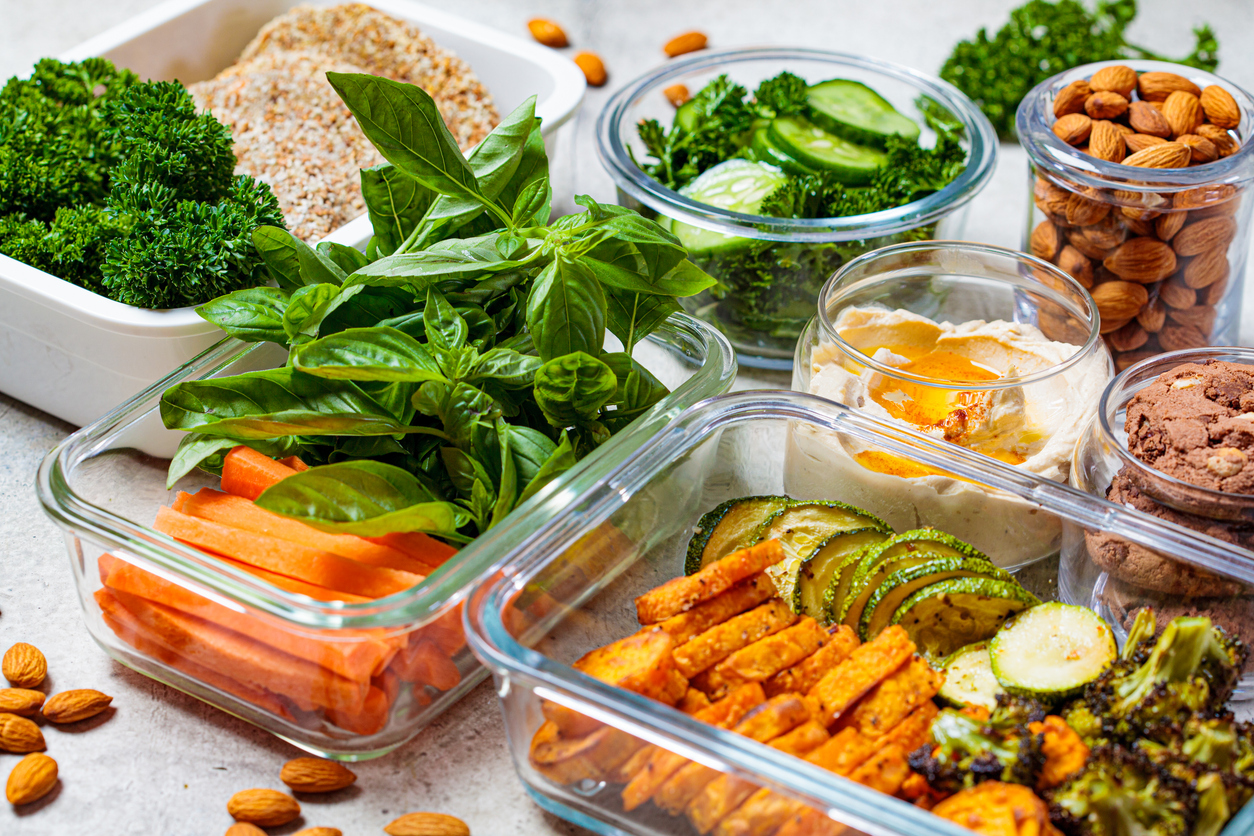
Consuming enough fiber in your diet can help your digestive system work efficiently and relieve constipation.
If you don’t typically eat much fiber, gradually increase your intake over a few weeks and keep yourself hydrated.
Eating too much fiber quickly can cause bloating, gas, and abdominal discomfort.
Foods high in fiber include:
- Fruits and vegetables.
- Whole grains.
- Legumes.
- Beans.
- Nuts and seeds.
Engage in Physical Activity
Getting regular physical activity may stimulate your digestive tract and help relieve constipation.
The Centers for Disease Control recommends adults get 150 minutes of moderate-intensity exercise and two days of muscle training activity each week.
For moderate-intensity exercise, try going for a fast walk, doing water aerobics, playing tennis, or going for a bike ride.
To strengthen your muscles, try working with resistance bands, lifting weights, or using your body weight as resistance (push-ups, squats, pull-ups, sit-ups).
Before starting an exercise program, consider talking to your doctor about what exercises are safe for you.
Try Natural Laxatives
Several natural laxatives may help treat your constipation.
- Fiber supplements: Several fiber supplements are available to help with constipation, including bran, psyllium, and methylcellulose.
- Castor oil: Castor oil is a natural oil made from vegetables that can have a laxative effect on constipation when taken orally.
- Magnesium oxide: Studies show that this natural supplement can help reduce constipation.
- Prune juice: A recent study showed that drinking 50g of prune juice daily helped relieve chronic constipation.
- Enema: An enema is the insertion of water into your colon to help moisten the tissues and stool to relieve constipation.
It’s always important to consult with your healthcare provider before implementing any remedies for constipation.
Even natural remedies can interact with medications or underlying medical conditions.
Consult Your Doctor for Medical Options
If your constipation isn’t relieved with home or natural remedies, consider seeking the advice of your healthcare provider.
They can perform a thorough physical assessment and review your medications and medical history to get to the root cause of your constipation.
If necessary, your healthcare provider may prescribe a laxative or stool softener to help relieve your constipation.
{{splash}}
Prevention
The key elements to preventing constipation include:
- Staying hydrated.
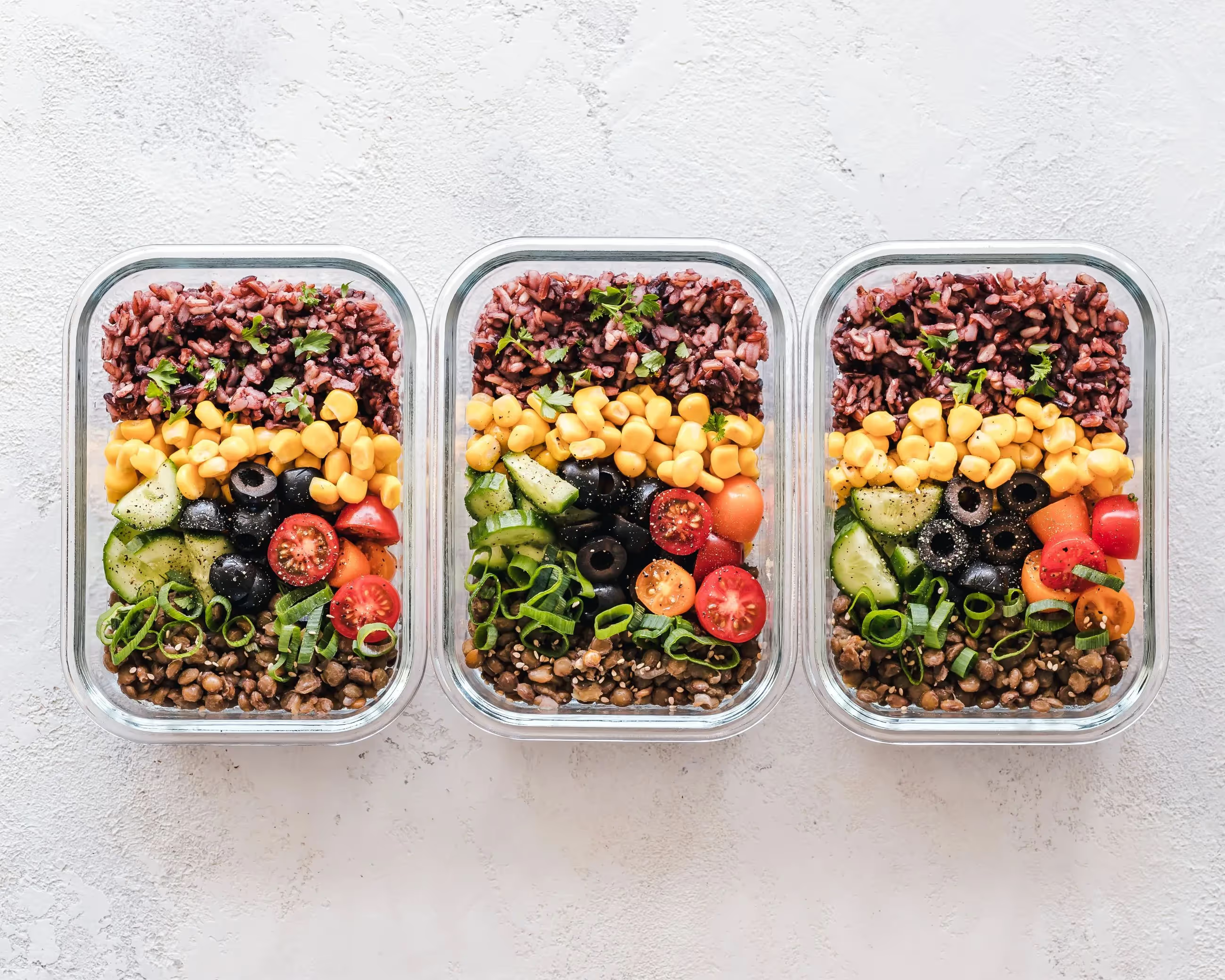
- Eating fiber-rich foods.
- Regular exercise.
If these steps don’t help prevent constipation, see your healthcare professional to evaluate underlying conditions.
Takeaway
Constipation is a common digestive complaint that can sometimes cause uncomfortable symptoms.
While nausea is not a common side effect of constipation, it can sometimes occur.
Several lifestyle changes, such as eating fiber-rich foods, staying hydrated, and exercising regularly, can help relieve and prevent constipation.
How a Dietitian Can Help
A gut health dietitian can help address constipation by conducting a nutritional assessment and providing a targeted plan based on your dietary preferences, lifestyle, and health conditions.
They can help identify foods you eat that may contribute to your constipation and create meal plans incorporating high-fiber foods and adequate hydration.
Find a dietitian through Nourish and discover how nutrition can help you decrease nausea.
Frequently Asked Questions
Can constipation make you nauseous?
Constipation does not usually cause nausea, but it sometimes can.
Nausea with constipation can also be a sign of an underlying condition that is contributing to your constipation.
What should you do when you feel sick and constipated?
When you feel sick and constipated, drink plenty of hydrating fluids such as water and broth.
Try doing some gentle activities like walking to help stimulate your digestive system.
What simple trick empties your bowels?
While there is no one simple trick to empty the bowels, there are things you can do to help stimulate a bowel movement.
This can include doing an enema, taking a natural laxative, or talking to your doctor about the possibility of a laxative.
References
View all references
Diaz, S., et al. (2023). Constipation. StatPearls.
Gotfried, J., (2022). Constipation. Merck Manual Professional Version.
Taylor, K., et al. (2022). Adult Dehydration, StatPearls.
Popkin, B. M., & Rosenberg, I. H. (2010). Water, Hydration and Health. Nutrition Reviews.
Health Benefits of Dietary Fibers Vary. (2022). National Institutes of Health.
Hypothyroidism. (2021). MedlinePlus.
Water and Healthier Drinks. (2022). Centers for Disease Control and Prevention.
Alookaran, J., et al. (2022). Castor Oil. StatPearls.
Mori, H., Tack, J., & Suzuki, H. (2021). Magnesium Oxide in Constipation. Nutrients.
Fecal Impaction. (2021). MedlinePlus.
Nourish has strict sourcing policies and prioritizes primary sources, including medical organizations, governmental agencies, academic institutions, and peer-reviewed scientific journals. Learn more about our medical review process and editorial guidelines.
More articles



.avif)














.avif)