Diarrhea After Eating: Causes And How To Find Relief

Medical Reviewer: Christina Harris, RDN
Author: Heather Smith, RN, BSN

Summary
- Diarrhea after eating may be a sign that your body is having trouble digesting certain foods or that there is an underlying illness causing diarrhea.
- While having diarrhea, it’s important to drink water to keep yourself hydrated. Additionally, you may consider keeping a food diary to track your symptoms after eating and try eating bland foods while having loose stools.
- A dietitian can help you discover what may be causing diarrhea after eating and what you can do to find relief.
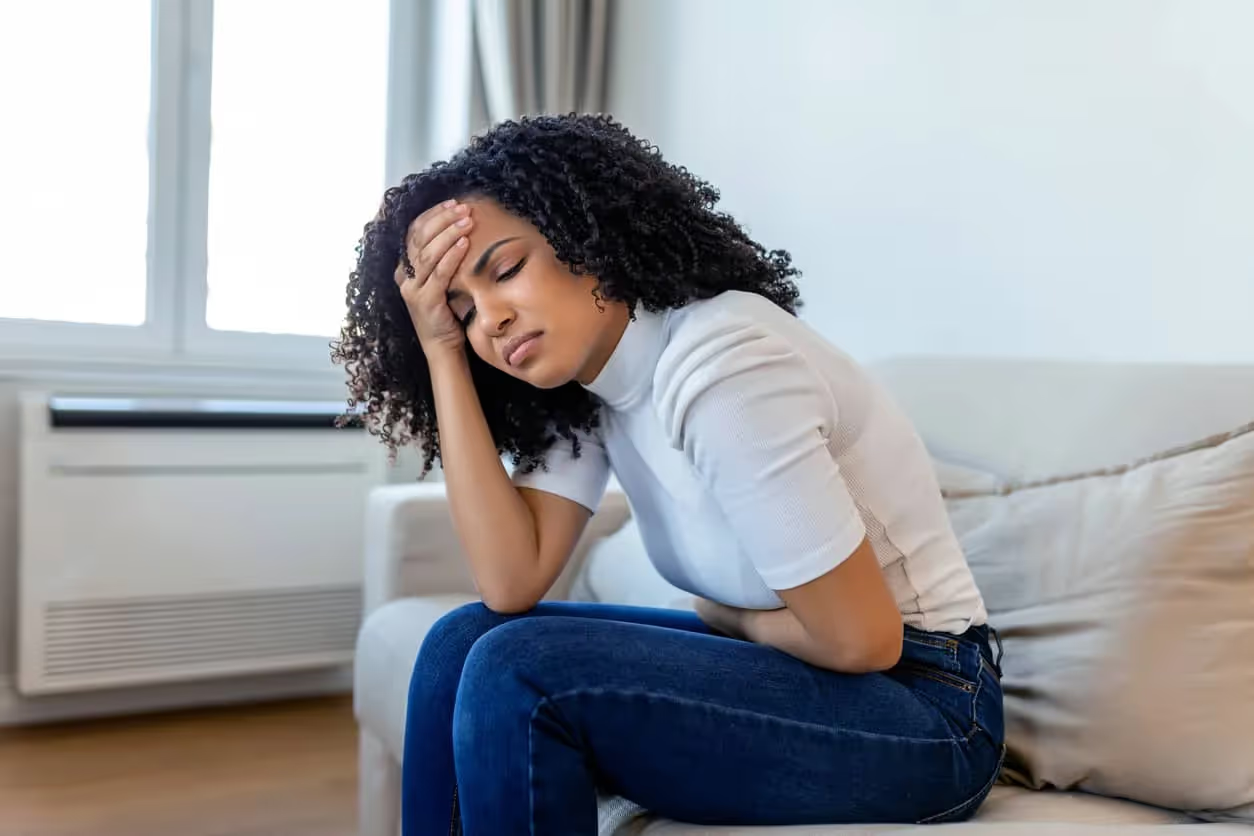
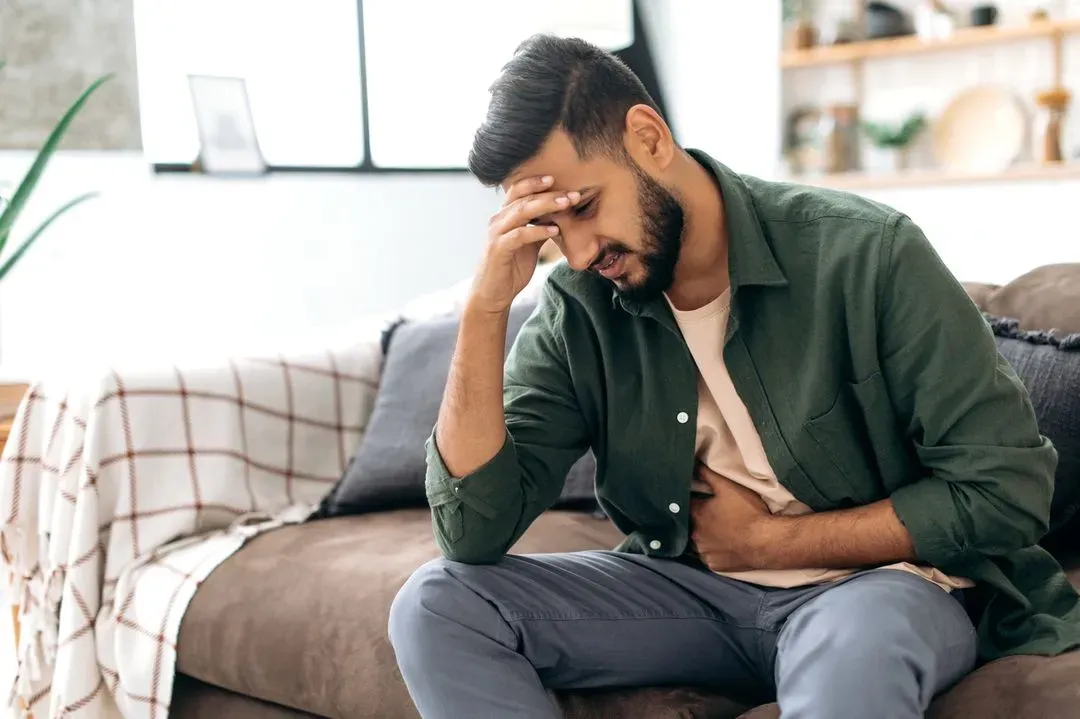
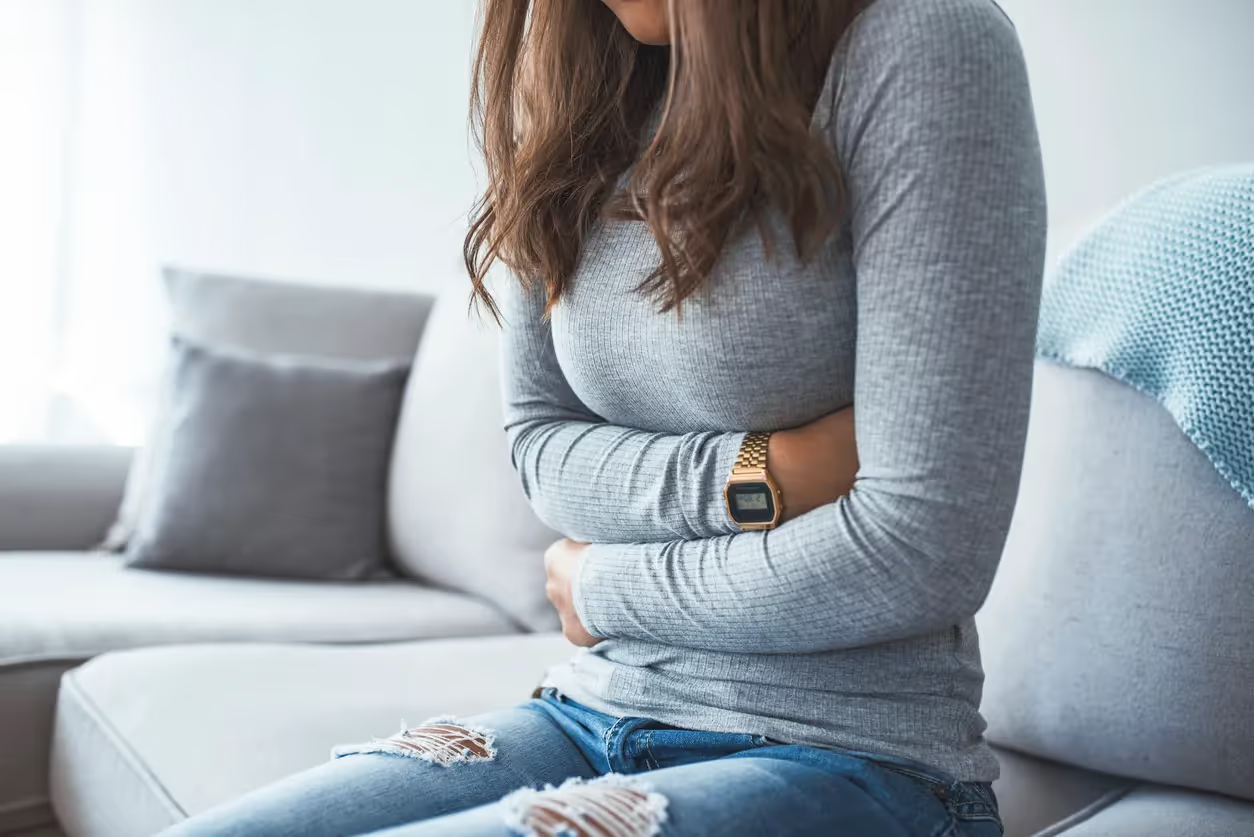
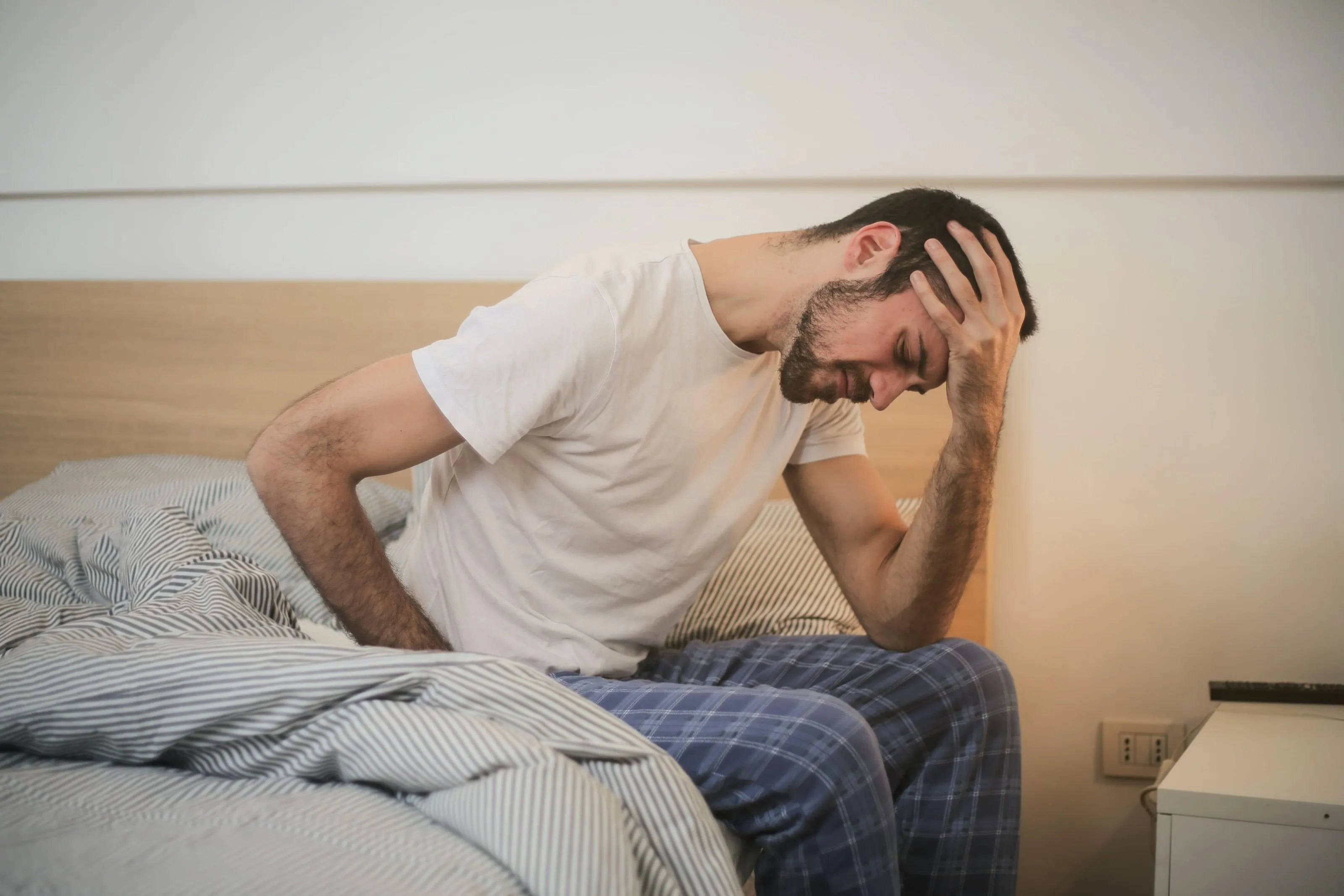
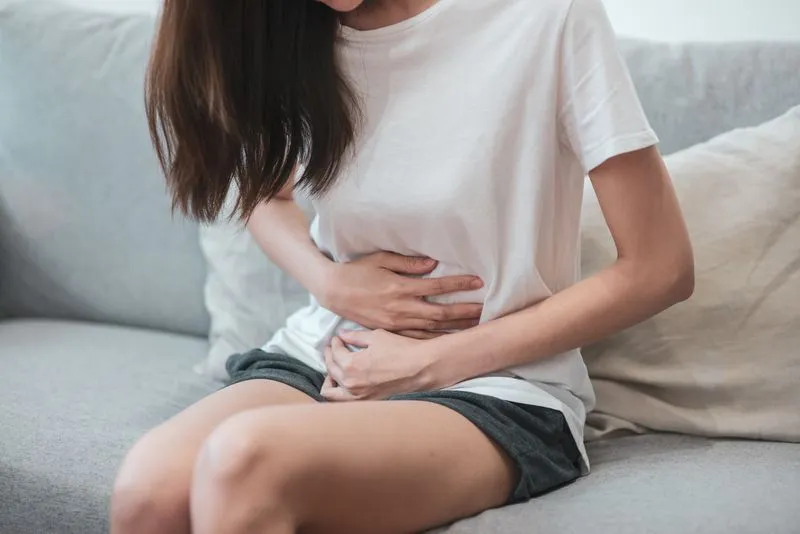
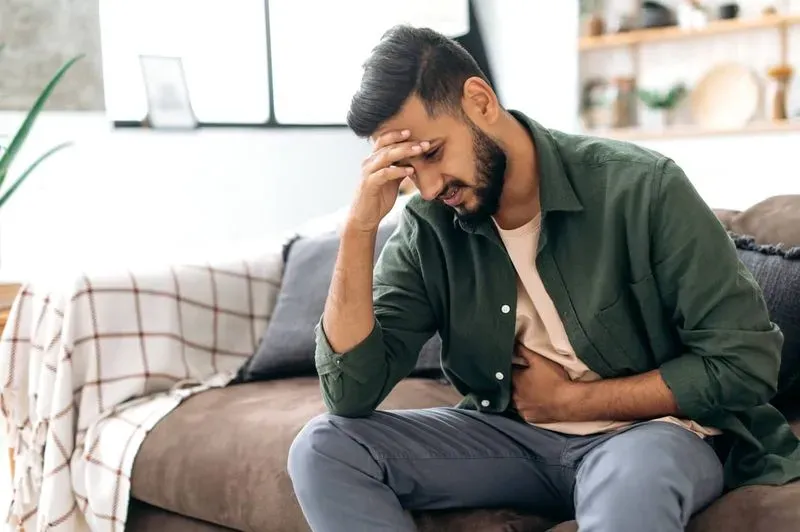
Having a loose, watery stool after eating can happen for various reasons, including illnesses, food intolerances, dumping syndrome, and more.
Healthcare professionals call having diarrhea after eating postprandial diarrhea.
They further define it as acute diarrhea–lasting one to two days, or chronic diarrhea, which lasts longer than four weeks.
Learn what may be causing diarrhea after eating and tips for relieving and preventing it.
{{splash}}
Why Do I Have Diarrhea After Eating?
Diarrhea is defined as having a loose watery stool three or more times a day.
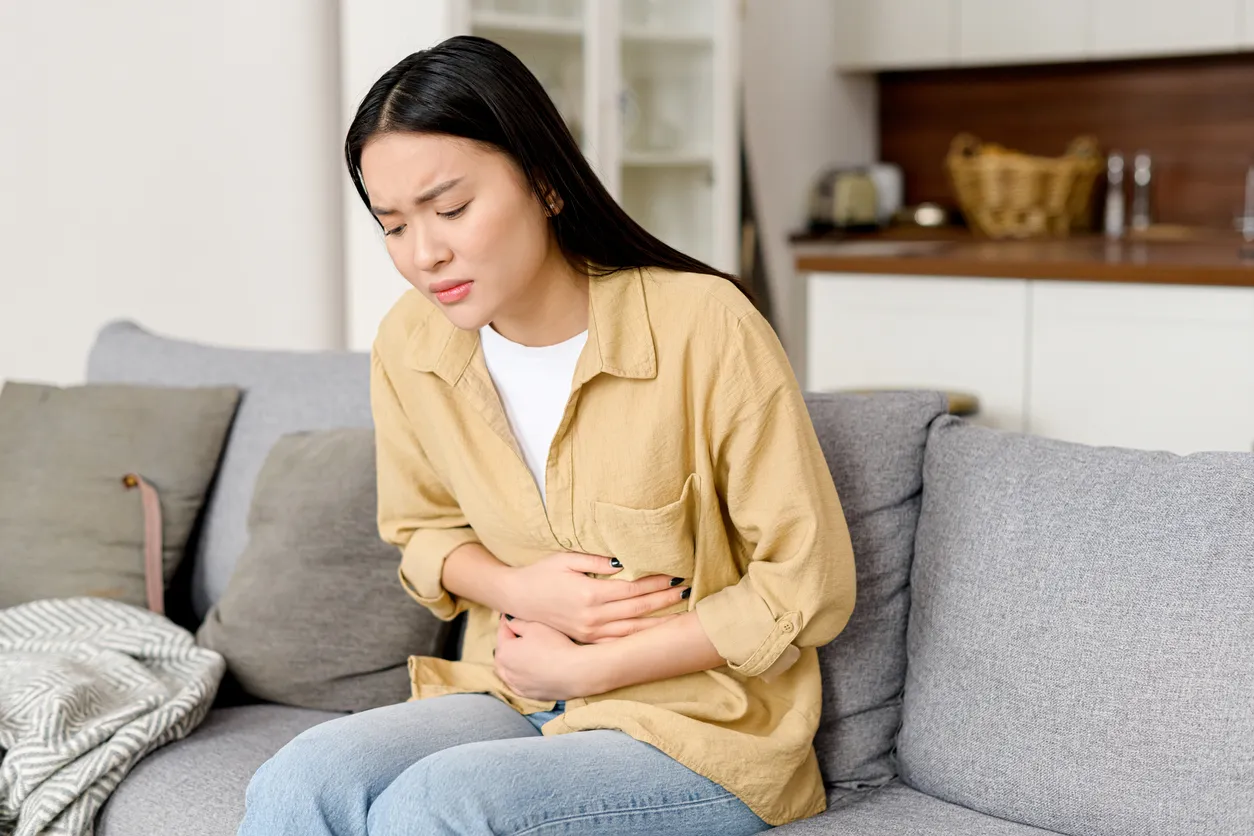
It’s sometimes accompanied by other symptoms such as bathroom urgency, abdominal cramping or pain, and nausea.
It’s recommended to contact your doctor if you’re experiencing diarrhea along with other symptoms such as:
- Blood in the stool.
- Fever and chills.
- Light-headedness or feeling dizzy.
- Vomiting.
These may be signs that you need medical attention.
Below are some common reasons for having diarrhea after eating.
Irritable Bowel Syndrome (IBS)
IBS is a group of digestive symptoms that commonly occur together.
They include frequent abdominal pain, bloating, and changes in bowel movement, such as constipation or diarrhea.
IBS is a functional disorder, meaning the connection between your digestive system and brain is not working properly.
It’s not uncommon for people with IBS to have diarrhea after eating as the digestive system is more sensitive.
People with IBS frequently experience diarrhea or constipation after eating.
Inflammatory Bowel Disease (IBD)
IBD is a term healthcare providers use to describe two inflammatory digestive diseases: Crohn’s disease and ulcerative colitis.
Long-term inflammation in the digestive tract leads to damage that can cause discomfort, persistent diarrhea, blood in stools, weight loss, and tiredness.
Experts are still looking to uncover the exact cause of IBD.
At this time, it appears that the immune system is incorrectly responding to environmental triggers, such as bacteria or viruses, and causing widespread inflammation in the digestive system.
Genetics may also play a role in causing IBD.
Food Intolerance Or Allergy
Having a food intolerance or allergy may cause diarrhea after eating those foods.
Food intolerance means you are missing an enzyme or other component needed to digest a certain food.
For example, people who can’t digest milk and other dairy products are typically missing the enzyme lactate, which is needed to break down lactose, the sugar molecule naturally found in all animal dairy products.
If you are lactose intolerant and eat something containing lactose, you’ll most likely have diarrhea.
Food allergy means that eating those foods causes an allergic immune reaction.
People with allergies to foods typically need to completely avoid those foods as some allergic reactions are life-threatening.
Common food allergens include:
- Shellfish.
- Tree nuts.
- Wheat.
- Peanuts.
- Soybeans.
- Milk.
- Eggs.
Foodborne Illness
Foodborne illnesses are common and happen when you eat contaminated food.
After eating the tainted food, you may feel symptoms coming on within several minutes or take several weeks to start.
Often, symptoms are flu-like and include nausea, vomiting, diarrhea, and fever.
Common causes of foodborne illnesses are foods that are not cooked properly or are left out and not refrigerated or kept hot.
Drinking contaminated water or washing fruits and vegetables in it can also cause a foodborne illness.
Dumping Syndrome
Dumping syndrome is when you experience several symptoms after eating.
These may include diarrhea, nausea, or feeling light-headed or tired.
Dumpling syndrome happens when food moves too quickly from your stomach into your intestines.
The most common cause of dumping syndrome is after having surgery on your stomach or esophagus.
Some people who are recently diagnosed with diabetes or whose pancreas is not working properly can also experience dumping syndrome.
Gallbladder Removal
Having your gallbladder removed sometimes causes diarrhea after eating.
Healthcare professionals cause this post-cholecystectomy syndrome and can include other symptoms such as:
- Not tolerating fatty foods.
- Nausea and vomiting.
- Heartburn.
- Passing gas.
- Abdominal pain.
- Yellowing of the skin.
Sometimes postcholecystectomy syndrome starts right after surgery, and sometimes symptoms take several months or years to develop.
The change in bile flow is thought to be the cause of these symptoms.
Medication Side Effect
Most medications can cause changes to your stools.
Some cause constipation, while others may cause diarrhea.
Some common medications that cause diarrhea include:
- Laxatives.
- Antacids.
- Antibiotics.
- Chemotherapy.
- Metformin.
- Nonsteroidal anti-inflammatory drugs (NSAIDs).
Do Certain Foods Impact Digestion?
Digestion is the process of breaking down food into small enough components for your body to use, like energy.
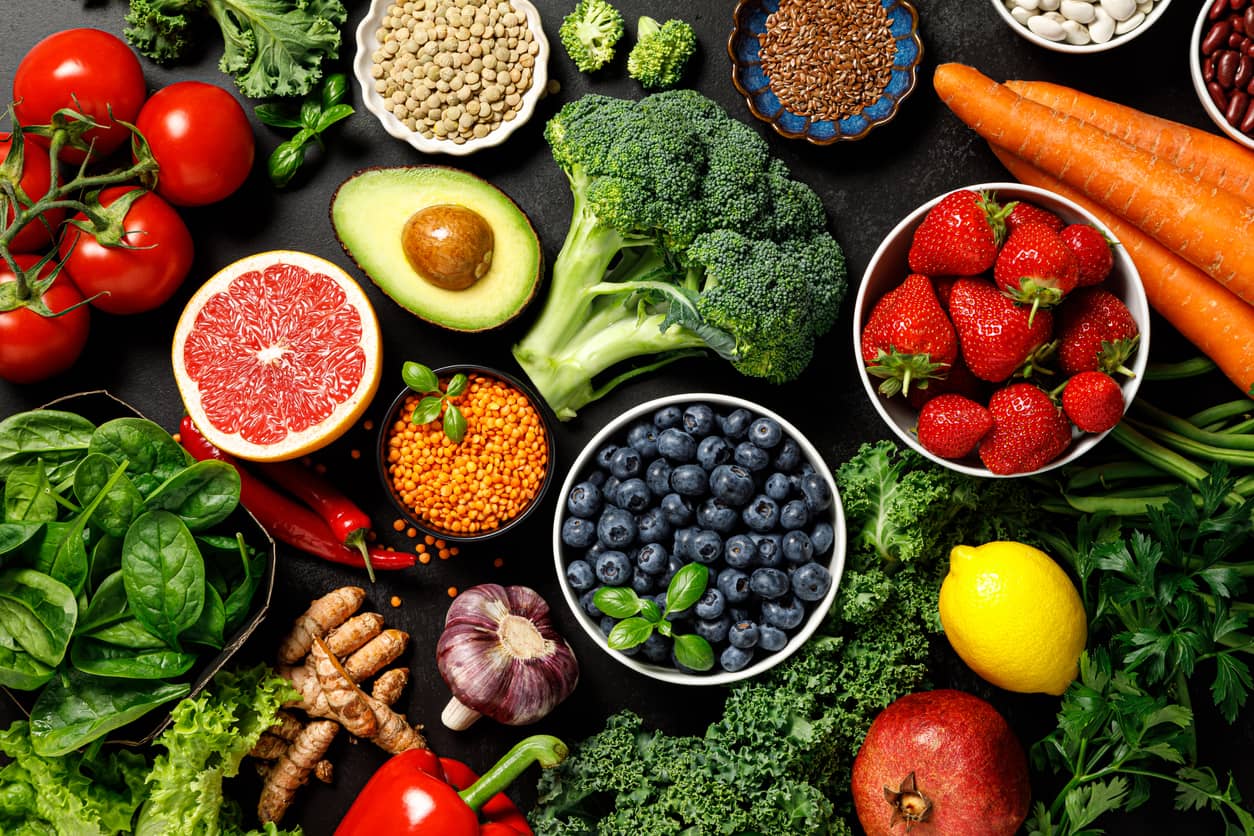
Fiber, found in fruits, vegetables, whole grains, seeds, and legumes, promotes efficient and steady digestion.
While other types of food may have an impact on digestion, not much is known about how food groups affect digestion or digestion rate.
Finding Relief from Diarrhea After Eating
Having diarrhea after eating can be uncomfortable and cause social distress.
Below are some tips to help you find relief.
Identify Potential Food Triggers
Consider keeping a food journal to identify potential food triggers.
Each day, write down what foods and beverages you consume and any follow-up digestive symptoms you experience.
Keeping a record of your diet and symptoms may help you start to pinpoint what foods are triggering your diarrhea so that you can avoid them.
Try a BRAT Diet
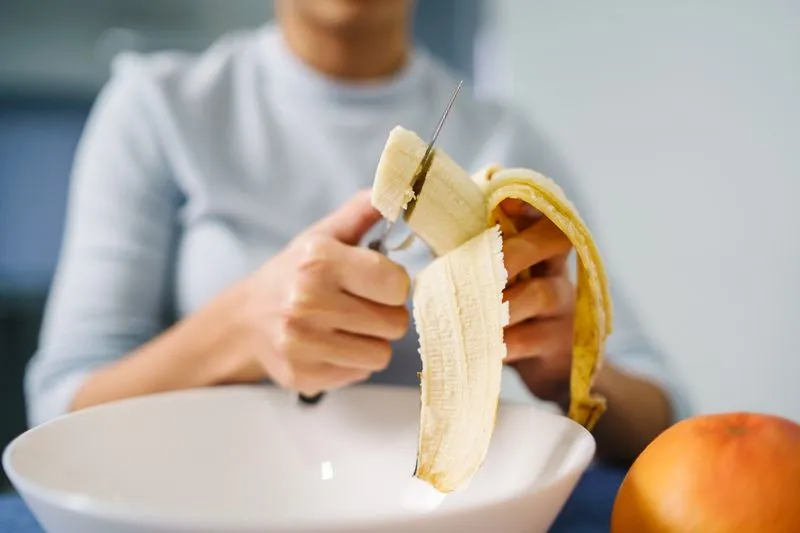
The BRAT diet is a bland method of eating that may help decrease your diarrhea symptoms.
BRAT stands for the types of food that make up the diet.
- Bananas.
- Rice cereal.
- Apple sauce.
- Toast.
These foods are considered bland and contain dietary fiber that may help bind your stools and decrease your diarrhea.
Stay Hydrated with Electrolytes
It’s important to stay hydrated with electrolytes when you are having diarrhea.
Drinking water is very important however, you also need to consume liquids that contain electrolytes, such as:
- Broths.
- Sports drinks.
- Fruit juice.
- Popsicles.
- Pedialyte.
- Naturalyte.
Take Probiotics or Digestive Enzymes
A probiotic is a type of living organism, typically a bacteria or yeast, that may help enhance your gut microbiome.
More research is needed to understand how probiotics may help diarrhea, but some healthcare providers prescribe them for diarrhea.
Digestive enzymes may help restore optimal digestion.
Some people who struggle with IBS, IBD, or who have diabetes benefit from taking digestive enzymes.
See Your Medical Provider if Diarrhea Persists
If your diarrhea continues after taking preventative measures, it’s a good idea to contact your healthcare provider.
Persisting diarrhea could mean there’s an underlying condition, which should be addressed.
It is especially important to see your healthcare provider if you have additional symptoms such as:
- Fever and chills.
- Vomiting.
- Bloody stool.
- Feeling lightheaded or dizzy.
How to Prevent Diarrhea After Eating
Preventing diarrhea after eating depends on what is causing your diarrhea.
If you have IBS, it’s a good idea to start incorporating more fiber into your diet and reduce gluten (found in most bread products.)
You may also consider doing the low FODMAP diet, which cuts out common trigger foods.
If you have IBD, you may need medical treatments to stop your diarrhea.
For food intolerances or allergies, be sure to avoid those foods to prevent diarrhea after eating.
Foodborne illnesses sometimes need to run their course for several days, and some require medical treatment.
If your diarrhea persists, consult with your medical provider for advice.
To prevent getting a foodborne illness, choose foods that have been prepared safely (no cross-contamination with raw meats, properly washed produce, and foods are kept at safe temperatures.)
If traveling to a developing country, only drink bottled water and avoid drinking tap water, brushing your teeth with tap water, or eating fresh foods washed in tap water.
For dumping syndrome, your medical provider may recommend:
- Eating small meals throughout the day.
- Waiting to drink liquids until 30 minutes after eating.
- Lying down for 30 minutes after eating.
Diarrhea after having your gallbladder removed is typically a temporary condition.
Your medical provider may give you medication to help.
Takeaway
Diarrhea after eating can occur for many reasons, some of which you can relieve through dietary and lifestyle changes, while some may require medical treatment.
While having active diarrhea, it’s important to keep yourself hydrated with water and liquids that contain electrolytes.
If diarrhea persists, it's best to consult with your medical provider for a complete evaluation.
How a Dietitian Can Help
A gut health dietitian can do a nutrition assessment and help you determine what may be causing your diarrhea symptoms.
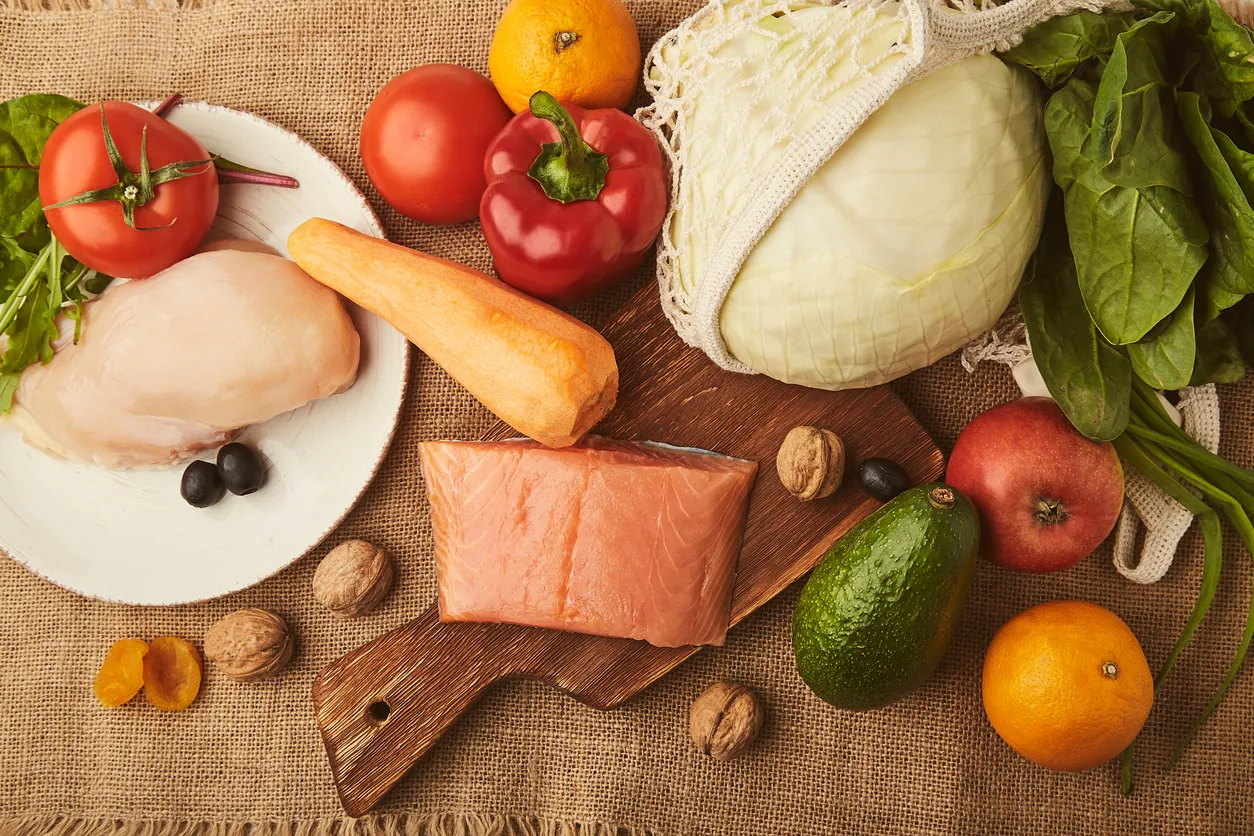
They can also give personalized dietary recommendations on foods to help reduce your diarrhea.
They may guide you through an elimination diet and help you prepare meal plans that consider your preferences.
{{splash}}
Frequently Asked Questions
Why do I have diarrhea on after I eat?
Having diarrhea after eating may be a symptom of several things, including food intolerances or underlying medical conditions of the digestive tract.
Having a foodborne illness can also cause you to vomit after eating.
Why do I have diarrhea but I'm not sick?
If you’re not sick but have diarrhea after eating, your body may be having trouble digesting some of the foods you’ve eaten.
Try keeping a food journal to track your food and symptoms.
If it persists, consider seeing your healthcare provider for an assessment, as you may have an underlying condition you are unaware of.
What are the types of diarrhea?
Diarrhea is considered to be a watery stool that happens three or more times a day.
Acute diarrhea lasts only a few days, while chronic diarrhea lasts more than four weeks.
Having blood or mucus in the diarrhea can be a sign of an underlying condition and should be assessed by a medical professional.
References
View all references
Diarrhea. (N.D.) National Institute of Diabetes and Digestive and Kidney Diseases.
Inflammatory Bowel Disease. (2023). Centers for Disease Control and Prevention.
What is the Difference Between Food Allergy and Food Intolerance? (2023). USDA.
Dumping Syndrome. (N.D.) National Institute of Diabetes and Digestive and Kidney Diseases.
Zackria, R., et al. (2023). Postcholecystectomy Syndrome. StatPearls.
Drug-Induced Diarrhea. (2021). MedlinePlus.
Gearhart-Serna, L. (2022). Health Benefits of Dietary Fibers Vary.
Nourish has strict sourcing policies and prioritizes primary sources, including medical organizations, governmental agencies, academic institutions, and peer-reviewed scientific journals. Learn more about our medical review process and editorial guidelines.
More articles

.avif)










.avif)