Should You Take a Fiber Supplement? What to Know

Medical Reviewer: Renae Khalil RD, LDN

Author: Maya De La Rosa-Cohen

Summary
- Fiber supplements can help increase your daily intake of fiber and treat certain digestive issues, like constipation or diarrhea.
- Each type of fiber supplement has their own benefits and potential drawbacks.
- Knowing the differences between fiber supplements will help you select one that’s right for your needs.
Most Americans don’t eat enough fiber.
According to some estimates, just 5% of the US population meet the recommendations for daily dietary fiber intake (which is between 22-34 grams of fiber per day, depending on your age and sex).
Fiber supplements can help to bridge the gap and increase your fiber intake.
But research shows that eating enough fiber can offer other benefits, including better blood sugar control, bowel movements, and even a reduced risk of some forms of cancers.
But not all fiber supplements are the same. Knowing the differences between the most common types of fiber supplements, what conditions they’re designed to treat, as well as their potential side effects will help you to pick the right supplement for your health needs.
{{splash}}
Are Fiber Supplements Safe to Take Every Day?
Most forms of fiber supplements, including bulk-forming laxatives like psyllium or soluble fiber products like inulin, are safe to use daily.
However, they can cause side effects like bloating and gas that cause temporary discomfort.
People with certain conditions, like Crohn’s disease or a blocked bowel, should talk to their doctor before taking a daily fiber supplement.
Benefits of Fiber Supplements
There’s substantial evidence that demonstrates increasing your fiber intake through whole foods and/or fiber supplements may provide several benefits for your health, including:
- Better short-term blood sugar control after meals.
- Better long-term blood sugar control in people with type 2 diabetes.
- Lower cholesterol levels, particularly lower LDL cholesterol levels.
- Reduced symptoms of constipation, diarrhea, and irritable bowel syndrome (IBS).
- Improved stool form.
- Lower blood pressure.
- Improved mineral absorption.
- Lower risk of heart disease and coronary artery disease.
- Lower risk of pancreatic cancer.
- Lower risk of gastric cancer.
- Longer lifespan.
Best Fiber Supplements
The best fiber supplement is the one that’s designed to target your unique symptoms and support your health goals.
Understanding the different types of fiber supplements and how their benefits, uses, and possible side effects can impact your health is critical to knowing which type may be best for you.
Types of Fiber Supplements
Most fiber supplements contain either soluble or insoluble fiber.
Soluble Fiber
Soluble fiber draws in water, dissolves, and turns into gel during digestion.
It helps to slow digestion, lower inflammation, and can help to treat constipation, diarrhea, and may lower the risk of heart disease.
Plant-based sources of soluble fiber include:
- Oat bran.
- Barley.
- Nuts.
- Seeds.
- Beans.
- Lentils.
- Peas.
- Citrus fruits.
- Carrots.
Insoluble Fiber
Insoluble fiber absorbs liquid but doesn’t dissolve.
It works to add bulk to stool and help food pass more quickly through the digestive tract.
It’s often used to treat constipation.
Plant-based sources of insoluble fiber include:
- Wheat bran.
- Whole-wheat flour.
- Cauliflower.
- Green beans.
- Potatoes.
- Carrots.
- Nuts.
- Beans.
- Berries.
Natural v. Synthetic
Some fiber supplements contain natural fibers from plant sources, like flaxseed or acacia gum, while others contain synthetic fibers that are a product of some form of processing, like methylcellulose.
Forms of Fiber Supplements
Fiber supplements can come in several forms, including:
- Capsules.
- Tablets.
- Powders.
- Gymmies.
- Snack foods (like crackers, cookies, or cereals).
Potential Side Effects and Risks
Many people tolerate fiber supplements well.
But adding too much fiber to your diet too quickly can increase the risk of some gastrointestinal (GI) side effects, including gas, bloating, and cramping.
Some fiber supplements can also lower blood sugar levels.
If you’re on insulin or another diabetes medication, it’s important to talk to your doctor about which fiber supplement is best for you and whether a change in your medication dosage is recommended while taking a fiber supplement.
Should I Take a Fiber Supplement?
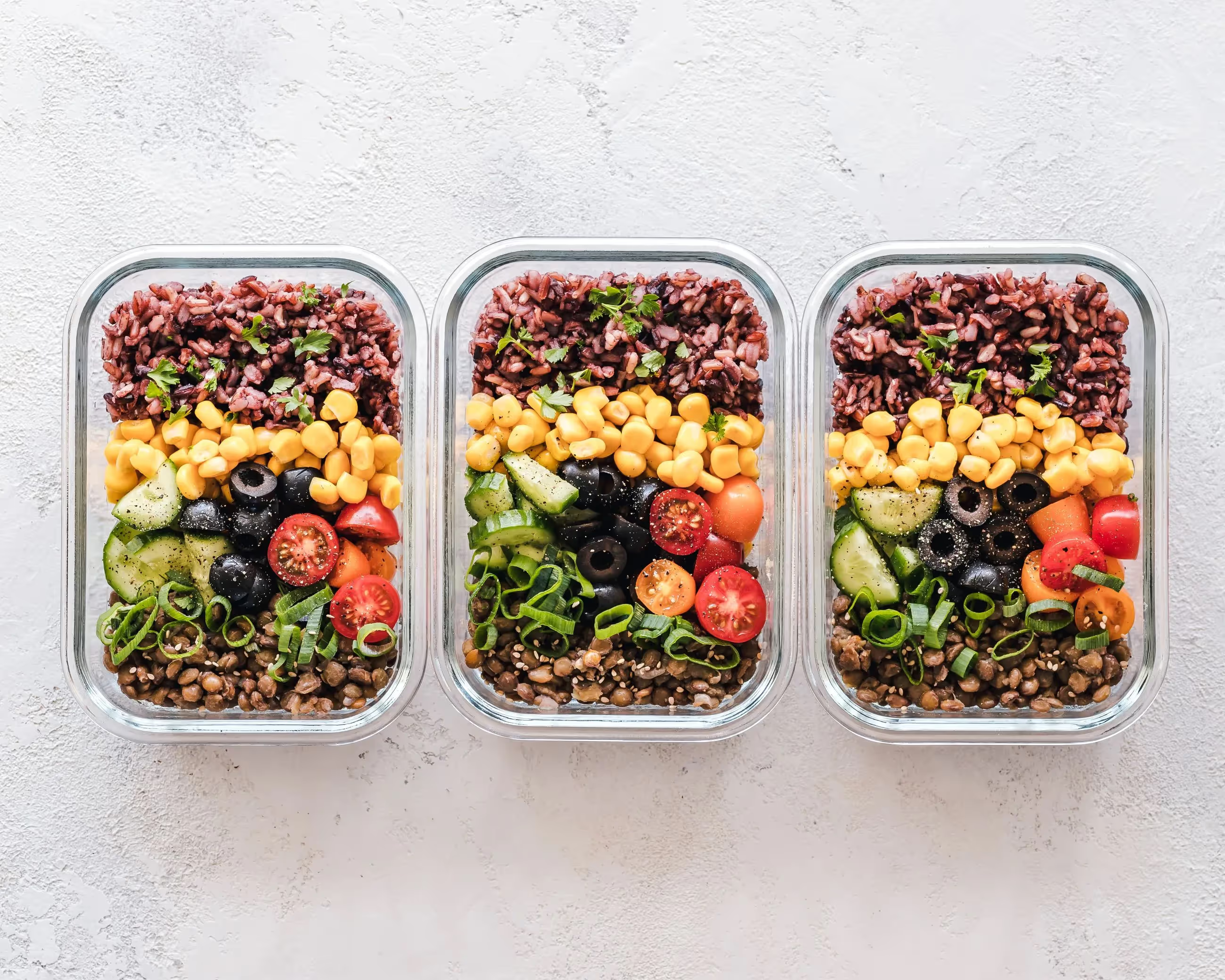
For most people, eating the recommended amount of fiber through whole foods like fruits, vegetables, beans, nuts, and whole grains is the best way to meet a variety of your nutrient needs.
But if you’re experiencing occasional symptoms like constipation, diarrhea, or if you’re struggling to meet your fiber needs through foods alone, a fiber supplement may be right for you.
Recommended Dosage
The right dosage for you will vary depending on the type of fiber supplement you’re taking and other unique health factors.
If it’s your first time using a fiber supplement, reach out to your doctor or dietitian for their recommendations on dosage.
How to Choose the Right Fiber Supplement
It’s important to take your symptoms and health needs into account when choosing a fiber supplement.
If you’re experiencing new GI symptoms, reach out to your doctor for an evaluation so they can guide you to the right treatment options.
If you’re managing a health condition, like diabetes or Crohn’s disease, or if you’re pregnant or nursing, it’s also important to consult with your doctor or dietitian for their recommendations on the right fiber supplement for your needs.
Tips for Adding Fiber Supplements to Your Daily Routine
Finding a fiber supplement that fits into your lifestyle is another factor to consider when choosing the best option for your needs.
For example, some people may be more likely to take their fiber supplement when in the form of a chewable gummy rather than dissolvable powder.
Others may prefer swallowable capsules or snack bars.
Talking with your doctor or dietitian about your preferred form of supplement will help you to incorporate it into your routine in a manageable and sustainable way.
Takeaway
Increasing your fiber intake through diet or the use of a fiber supplement can provide a host of benefits for your health.
There are several different types of fiber supplements, including ones that are best for treating constipation, diarrhea, or both.
Talking with your doctor or dietitian about your symptoms will help guide you to the best fiber supplement for your needs.
{{splash}}
How a Dietitian Can Help
Working with a registered dietitian will help you to build a meal plan that meets your dietary fiber needs.
If your provider still recommends taking a fiber supplement for your symptoms, a registered dietitian can help you to incorporate it into your routine in a manageable and sustainable way.
You can find a dietitian through Nourish to start optimizing your nutrition.
Frequently Asked Questions
What is the best form of fiber to take?
The best form of fiber supplement will depend on your symptoms and health history.
If you’re experiencing new symptoms, like abdominal cramping, diarrhea, or constipation, reach out to your doctor for guidance.
What is the best supplement for fiber?
Fiber supplements come in many varieties, some of which are better at treating constipation or diarrhea.
The best supplement for your needs will depend on your symptoms.
Is it OK to take fiber supplements daily?
Yes, most people can take fiber supplements daily.
If you’re managing a chronic condition like Crohn’s disease, or if you’re pregnant or nursing, consult with a healthcare provider before taking a new supplement.
References
Nourish has strict sourcing policies and prioritizes primary sources, including medical organizations, governmental agencies, academic institutions, and peer-reviewed scientific journals. Learn more about our medical review process and editorial guidelines.
More articles





.avif)

















.avif)