Top 10 Foods Good For Colon Health And Digestion

Medical Reviewer: Christina Harris, RDN

Author: Heather Smith, RN, BSN

Summary
- The colon is an important part of your digestive system, where undigested food turns into stool.
- The foods you eat affect how well your colon functions and the health of your microbiome.
- To have a healthy colon, eat high-fiber foods, foods that strengthen your microbiome, and foods packed with essential vitamins and minerals.
Your colon makes up the last several feet of your intestines and is important to your digestive and overall health.
A healthy colon ensures your body digests food efficiently, absorbs nutrients, and eliminates waste through bowel movements.
Your colon also houses a large portion of your gut microbiome and is an important part of your immune system.
The foods you eat greatly affect the health of your colon.
Eating foods that promote its structure and function and reduce your risk of colon problems such as colitis, inflammation, or colon cancer is important.
This article explores how foods affect your colon and reviews the top 10 foods for colon health and digestion.
{{splash}}
How Foods Affect Your Colon
The types of foods you consume have a significant impact on the health and function of your colon.
Your colon, also known as the large intestines, is where water is absorbed from the remaining indigestible food, and waste is formed into feces.
Eating fiber-rich foods, such as fruits, vegetables, legumes, and whole grains, helps prevent constipation and nourish your gut microbiome.
On the other hand, eating highly processed foods (white bread, chips, hot dogs, sweetened cereals), those high in saturated fats and low in fiber, can lead to constipation, inflammation, and an imbalance of your gut microbiome.
An unhealthy colon increases your risk of colon conditions, including:
- Colon cancer.
- Ulcerative colitis.
- Inflammatory bowel disease.
- Diverticulitis.
According to experts, more than 90% of women and 97% of men don’t eat enough daily fiber.
Below are delicious foods you can enjoy to bring you closer to your fiber goals.
Top 10 Foods Good For Colon Health and Digestion
Here are ten foods that promote a healthy colon.
1. Fruits
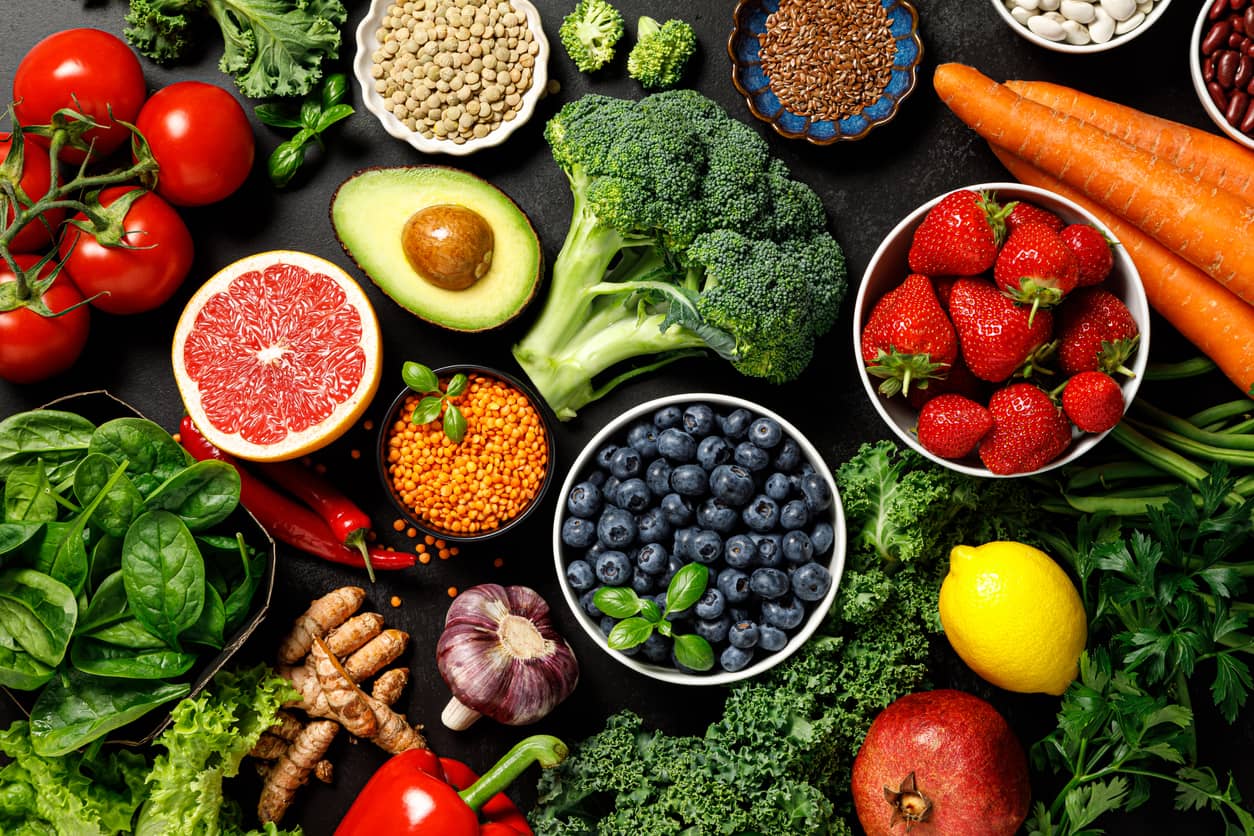
Fruits are a great source of dietary fiber, which helps soften stool and promote regular bowel movements.
Fruits are also known for enhancing the microbiome in your gut by promoting the health of your intestinal walls.
In addition, fruits contain many antioxidants, vitamins, and minerals that help reduce inflammation.
Enjoy a variety of fruits throughout the day, and fill approximately one-fourth of your plate with fruit at each meal to provide your colon with essential nutrients and fiber.
While all fruits have health benefits, here are those with the most amount of fiber:
- Raspberries.
- Blackberries.
- Pears.
- Blueberries.
- Kiwis.
- Grapefruits.
- Apples.
2. Vegetables
Vegetables are an important source of fiber to help add bulk and softness to stool and prevent constipation.
They also contain antioxidants and vitamins A and C, which help decrease inflammation and boost your immune system, helping prevent colon health conditions.
Your gut microbiome also gets a boost when you eat vegetables.
Beneficial microbes in your intestines feed on indigestible starches and fiber from vegetables, helping strengthen and grow your microbiome.
Enjoy a variety of raw vegetables as snacks throughout the day and fill approximately one-fourth of your plate with vegetables for meals.
These vegetables contain the most fiber:
- Artichokes.
- Brussels sprouts.
- Sweet potatoes.
- Jicama.
- Winter squash.
- Broccoli.
- Avocado.
- Dark leafy greens.
3. Whole Grains
Whole grains contain carbohydrates, which are essential for healthy digestion.
Some of the carbohydrates from whole grains are digested and stored as energy for your body.
The indigestible part of the carbohydrates are beneficial fibers that improve your microbiome.
Whole grains differ from refined grains in that they contain more indigestible fiber and nutrients.
When making your plate, plan to have about one-fourth of your plate contain whole grains.
Some great whole grains include:
- Shredded wheat or bran cereal.
- Bulgar.
- Barley.
- Oat bran.
- Whole wheat crackers.
- Whole wheat tortillas.
- Popcorn.
4. Lentils
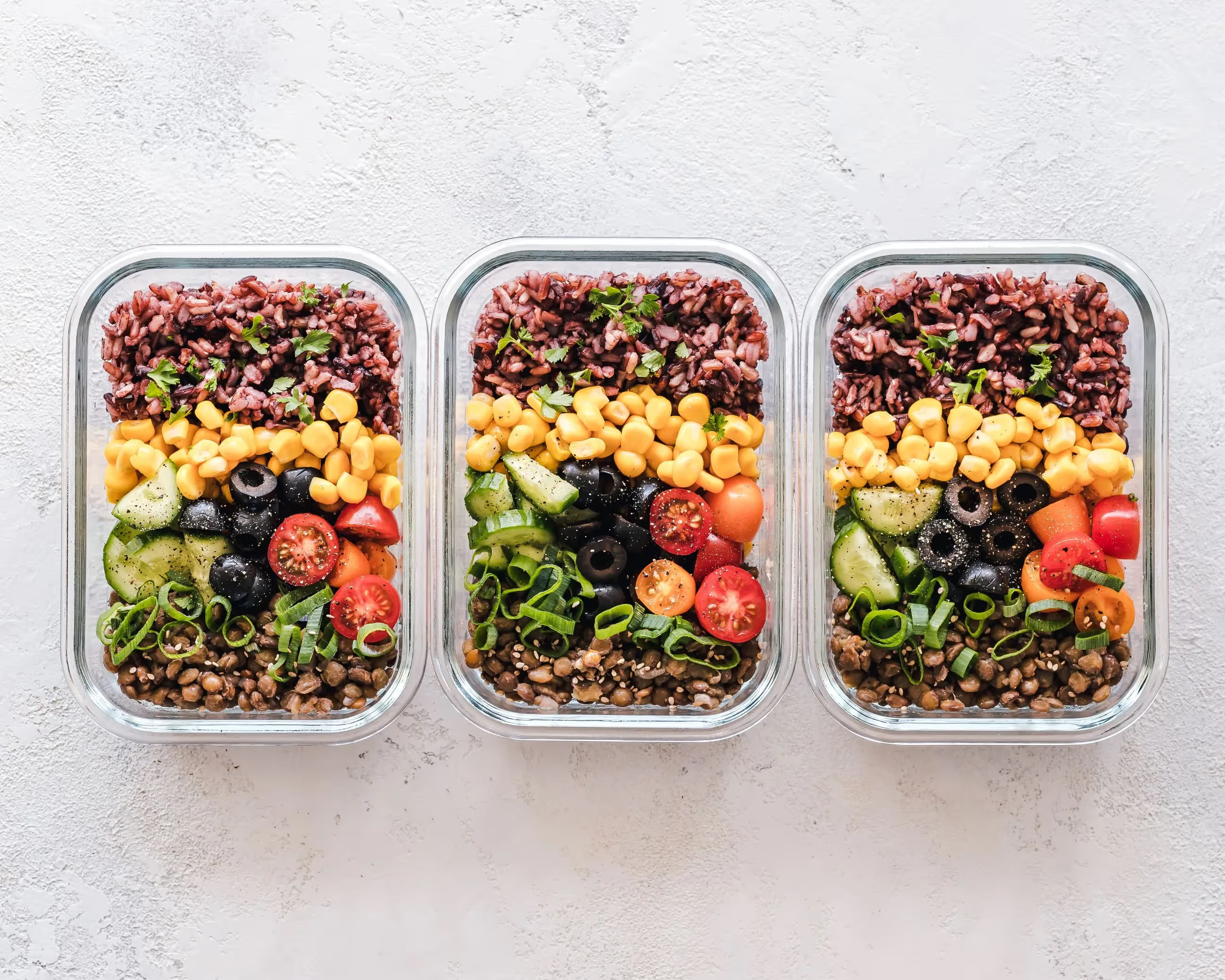
Lentils are packed with healthy fiber, which can help keep your bowel movements regular and feed your microbiome.
Lentils are unique in that they’re also a good source of plant protein, iron, and zinc.
Protein is important for repairing and maintaining muscle, skin, and other tissues—including your colon.
You may want to count lentils as a vegetable if you get most of your protein from meat, poultry, or seafood.
However, if you get your protein from plant sources, you can count lentils as a protein.
You can eat lentils in a variety of ways.
Add them to your salads, mix them into sauces, or make them into soups.
{{splash}}
5. Fish
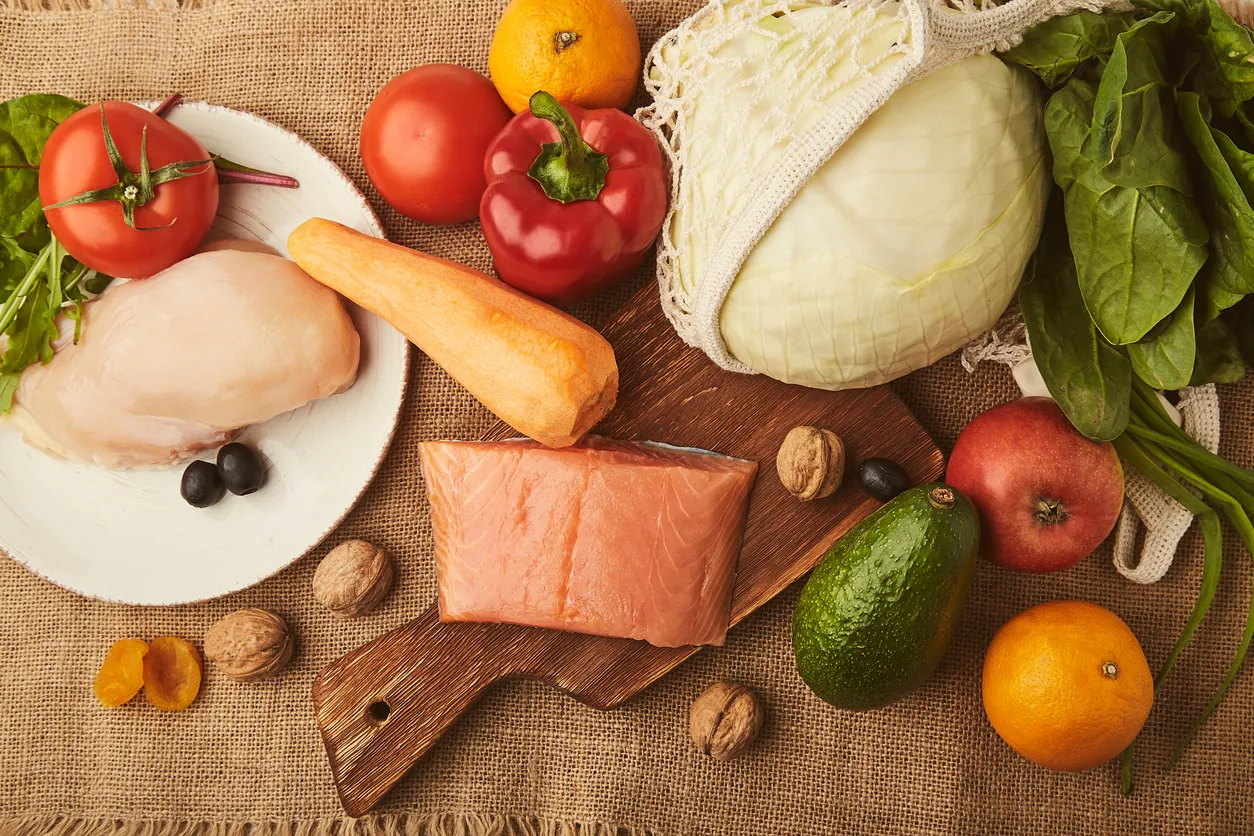
Fish are a healthy protein source, essential for tissue maintenance and satiety at meals.
Fish also contains high levels of omega-3 fatty acids, which can help reduce inflammation.
Decreasing inflammation in your colon can help protect against problems with your colon, such as inflammatory bowel disease.
Some healthy fish you can enjoy include:
- Salmon.
- Scallops.
- Black sea bass.
- Catfish.
- Cod.
- Anchovy.
- Crab and lobster.
- Tilapia.
6. Beans
Beans are a great source of protein, minerals, and antioxidants that can benefit your colon and overall health.
Similar to lentils, they’re also packed with fiber, making them helpful in preventing constipation.
One study demonstrates beans' ability to reduce inflammation and improve obesity, both of which are risk factors for colon health.
Another study found that eating ⅓ cup of navy beans daily helped improve the colon health of people who survived colon cancer.
Enjoy beans mixed in soups or salads, as salsa or hummus, or add them to your favorite dishes.
7. Lean Meats
Lean meats are important sources of protein and collagen, which are essential for colon health and overall well-being.
Your body uses protein and collagen to help maintain the strength and integrity of your colon.
Lean meats are also a good source of vitamins B and E, iron, zinc, and magnesium, all necessary nutrients for your body.
When planning your meals, try to fill a little less than one-fourth of your plate with a protein source.
Healthy sources of lean meats include:
- Skinless turkey.
- Skinless chicken.
- Fish or shellfish.
- Lean cuts of pork or red meat such as tenderloins, top sirloins, or rounds.
8. Greek Yogurt
Greek yogurt can provide your colon with probiotics, promoting optimal colon health.
Probiotics are health-promoting organisms that help strengthen and grow your gut microbiome, which is essential for your digestive health.
One study found that eating yogurt helped enhance the function and health of the gut microbiome.
Your gut microbiome is essential for your immune system and overall well-being.
Enjoy Greek yogurt with fruit for breakfast or as a snack, add it to your smoothies, or substitute sour cream for Greek yogurt when making dips or dressings.
{{splash}}
9. Low-Fat Milk
Milk is rich in calcium and vitamin D, which helps your body absorb calcium.
Calcium supports bone health and is also linked to improving colon health.
One study found that colon cancer risk was reduced by 6% for every 300 mg of calcium taken daily and 4% for 100 IU/day of vitamin D.
Another study found that supplementing with calcium appeared to help improve the intestinal walls of the colon.
Be sure to include a serving of milk or fortified plant-based dairy product at each meal.
10. Oatmeal
Oats are a whole grain containing fiber, B vitamins, magnesium, and other nutrients.
They benefit your overall health, and regularly eating oats may help protect against colon cancer.
Oatmeal also contains indigestible fiber that benefits your microbiome and antioxidants that help reduce inflammation, potentially reducing problems with your colon.
Try mixing oatmeal with your favorite berry toppings or nut butter, adding it to smoothies, or baking it into muffins.
For more gut-friendly meal ideas, read our 11 dietitian-approved gut health breakfast ideas.
Takeaway
The health of your colon is an integral part of your overall well-being.
It’s where the final stages of digestion take place, and your colon houses a large portion of your gut microbiome, which is essential for your immune health.
Eating food high in fiber, proteins, probiotics, and antioxidants can help improve the health of your colon structure and microbiome.
{{splash}}
How a Dietitian Can Help
Gut health dietitians can provide advice on how to improve your colon health based on your specific dietary needs, preferences, and health goals.
They can also advise you on proper portioning of nutrients based on your needs.
Find a dietitian near you to better understand which foods support a healthy digestive system.
Frequently Asked Questions
How can I make my colon strong?
To strengthen your colon, be sure to eat a diet that includes plenty of fiber, probiotics, and protein.
Focus on eating plenty of fruits, vegetables, probiotic-rich foods, and lean meats.
What improves your colon?
To improve your colon health, you need to eat plenty of foods containing fiber to help maintain regular bowel movements and support your microbiome.
You also need to eat foods containing proteins such as collagen to support the strength and integrity of your intestinal walls.
Is banana good for the colon?
Yes, bananas contain fiber that promotes regular bowel movements and supports overall digestive health.
They also contain essential vitamins and minerals that support a healthy colon.
References
View all references
Kahai, P., et al. (2023). Anatomy, Abdomen and Pelvis: Large Intestine. StatPearls.
Colonic Diseases. (2016). MedlinePlus.
Dietary Guidelines for America, 2020-2025. USDA.
Dreher, M. L. (2018). Whole Fruits and Fruit Fiber Emerging Health Effects. Nutrients.
Food Sources of Dietary Fiber. (2019). Dietary Guideline for America.
Beans, Peas, and Lentils. (N.D.) USDA.
Omega-3 Fatty Acid. (2022). MedlinePlus.
Nourish has strict sourcing policies and prioritizes primary sources, including medical organizations, governmental agencies, academic institutions, and peer-reviewed scientific journals. Learn more about our medical review process and editorial guidelines.
More articles




.avif)


















.avif)