The Ultimate Gut Health Grocery List for Beginners

Medical Reviewer: Ellie Stamerjohn, MS, RDN, LD

Author: Jennifer Huddy, MS, RD, LD

Summary
- For most people, a Mediterranean-style eating pattern including lean proteins, legumes, healthy fats, whole grains, fruits, and vegetables can support a healthy gut.
- Limit ultra-processed foods and ingredients like refined grains, added sugars, and artificial sweeteners to avoid an imbalance of gut bacteria, known as dysbiosis.
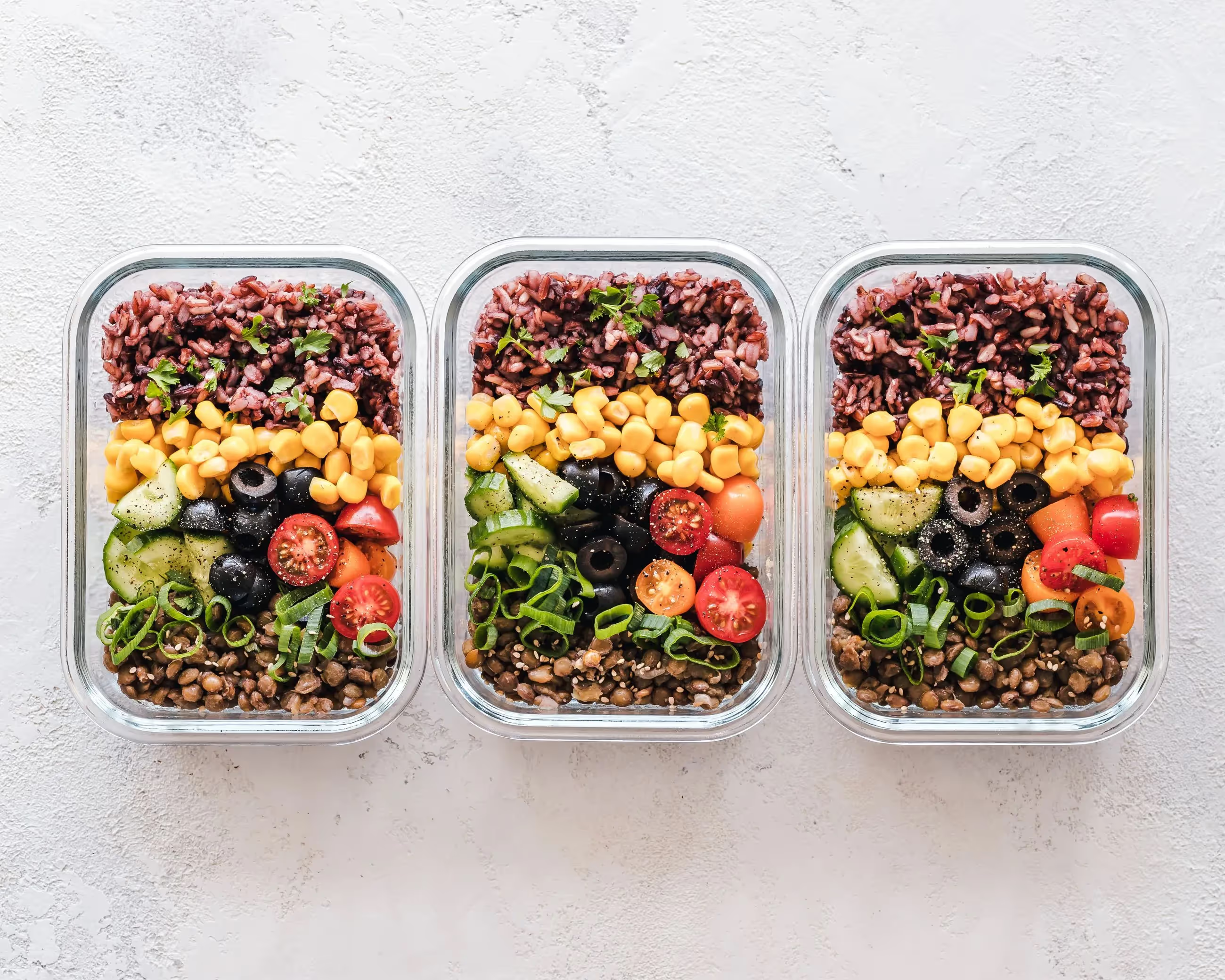
- Aim to prepare most of your meals at home, and keep easy pantry staples on hand, like dried beans and whole grains.
Gut health is a complex topic, and conflicting recommendations online can make it challenging to understand which foods are best for supporting a balance of beneficial gut bacteria.
Below you’ll find a gut health grocery list with tips for how you can start shopping for foods that support healthy digestion.
{{splash}}
Gut Health Grocery List Basics
When writing a grocery list for digestive health, the first step is understanding how different foods and eating patterns can impact the gut microbiome (all of the bacteria in your digestive system).
Your digestive tract contains trillions of bacteria, and many factors, including food choices, can influence the types of bacteria present.
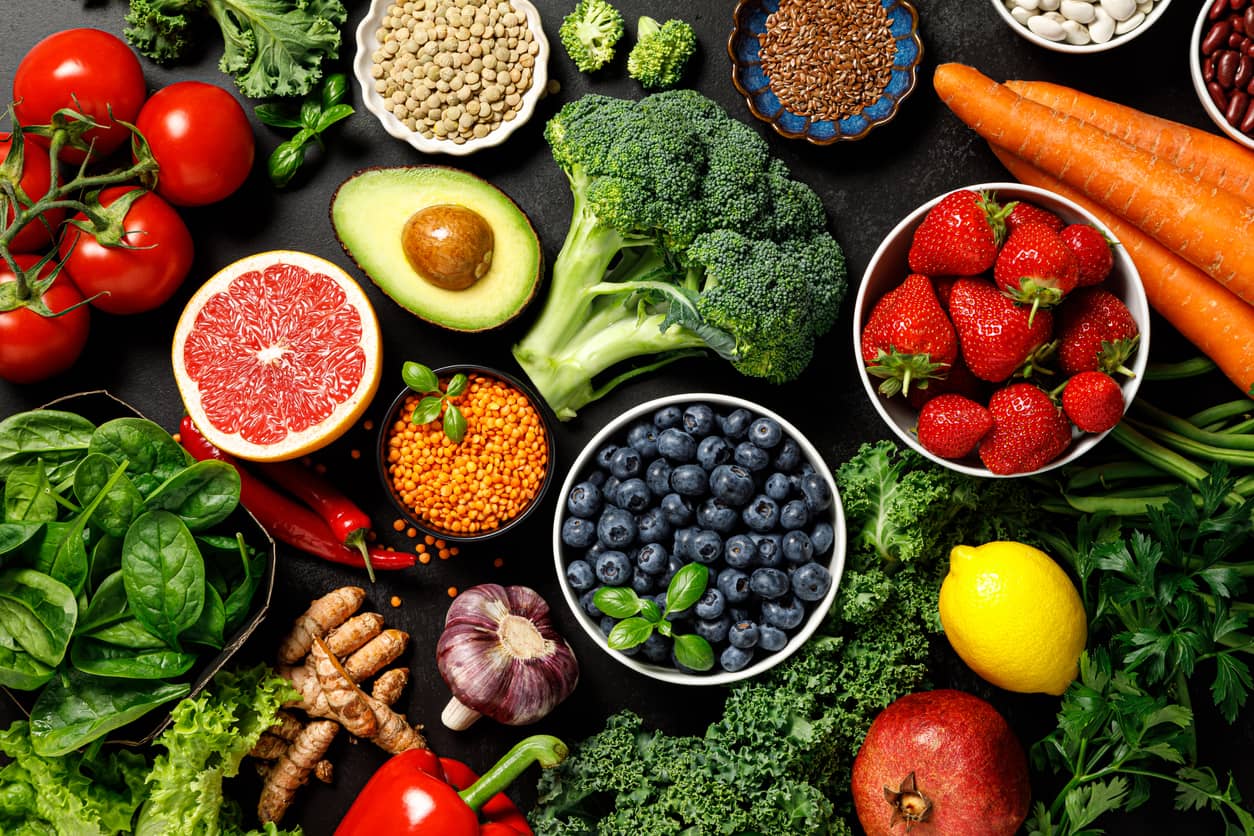
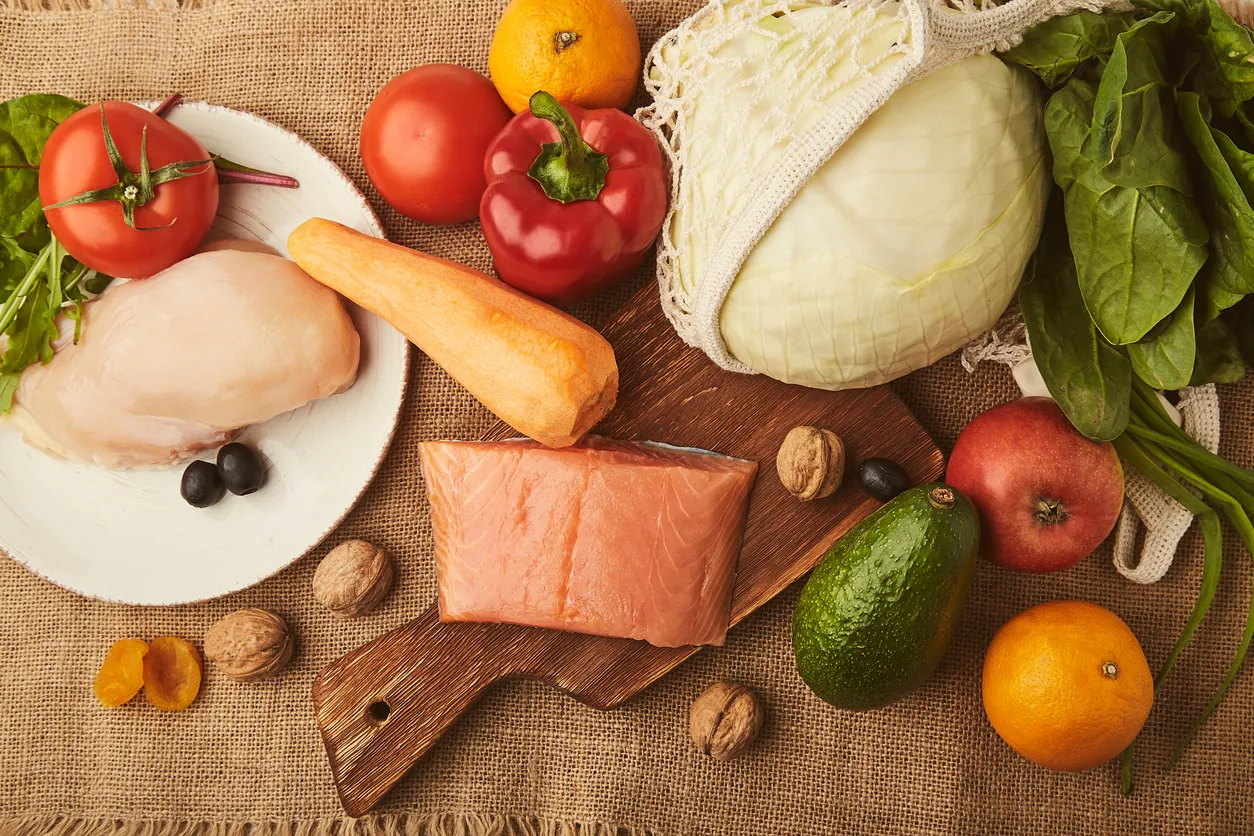
When planning your grocery list for gut health, you’ll want to include foods from the following categories for a nutritionally complete diet.
- Complex carbohydrates for energy and fiber.
- Protein for satiety.
- Fruits and vegetables for vitamins, minerals, antioxidants, and fiber.
- Healthy fats for satiety and vitamin absorption.
- Pantry staples and frozen goods for convenience.
What is Dysbiosis?
Dysbiosis occurs when there is a disproportionate level of harmful bacteria in your gut. It can result in gastrointestinal symptoms like bloating, upset stomach, and gas.
It may also cause inflammation and impact immune function, which has been linked to an increased risk of chronic conditions like diabetes, obesity, and cancer.
Research shows that people who follow a Mediterranean diet have greater levels of health-promoting gut bacteria and a lower risk of chronic diseases.
This diet consists of minimally processed foods, fruits, vegetables, legumes, healthy fats, whole grains, and limited amounts of animal products.
In addition, food sources of prebiotics and probiotics benefit gut health. Prebiotics, like onions, asparagus, and oats, act as food sources for your healthy gut bacteria to grow.
Probiotics, on the other hand, are foods or supplements that contain live active cultures (good bacteria) and are typically found in cultured or fermented foods, like yogurt, kefir, sauerkraut, and kimchi.
{{splash}}
Foods to Include for Gut Health
When considering the foods to include or exclude from your diet, it’s important to understand that one size does not fit all.
If you’ve been diagnosed with a specific gastrointestinal disorder, there may be a different set of dietary guidelines to help your symptoms.
For example, people with irritable bowel syndrome (IBS) may need to limit certain types of fiber, while those with celiac disease must avoid gluten.
If you have chronic digestive symptoms, talk to your doctor to determine the underlying cause before making major dietary changes.
Further understand your digestive health by taking the gut health quiz!
Protein
Research shows that a high intake of animal proteins, especially red meat and certain kinds of dairy, can increase harmful gut bacteria.
Plant-based proteins have a protective effect and help support the growth of health-promoting bacteria in the digestive tract.
- Beans, like pinto beans, garbanzo beans, and black beans.
- Lentils, including red lentils, brown lentils, and green lentils.
- Peas, such as split peas and yellow peas.
- Soy protein, such as tofu, edamame, and tempeh.
- Poultry, like chicken and turkey.
- Fish, including salmon and tuna.
- Eggs.
- Cultured dairy, like yogurt, kefir, and probiotic cottage cheese.
Carbohydrates
Some carbohydrates contain fermentable dietary fiber, meaning bacteria can digest it in the large intestine, supporting a healthy gut microbiome. This type of fiber is primarily found in whole-grain foods.
On the other hand, refined carbohydrates and sugar can negatively impact gut health.
Though gluten is commonly excluded in eating plans for gut health, research actually shows a gluten-free diet may decrease the number of healthy gut bacteria.
However, it may be important for those with certain diagnoses, such as Celiac disease, to avoid gluten.
- Barley.
- Farro.
- Amaranth.
- Wheat, such as wheat berries, whole wheat pasta, and whole wheat bread.
- Rye.
- Brown rice.
- Oats.
- Quinoa.
- Corn.
- Potatoes.
Healthy Fats
There is evidence that a high-fat diet consisting of primarily saturated fats (common in Western diets) can negatively impact the balance of gut bacteria and increase inflammation.
Therefore, focusing on monounsaturated fats and omega-3 polyunsaturated fats is best for the gut microbiome.
- Extra virgin olive oil.
- Avocados and avocado oil.
- Nuts and nut butters, like peanuts, walnuts, and almonds.
- Seeds, like chia seeds, flax seeds, hemp seeds, and sunflower seeds.
- Fatty fish, like salmon, trout, and tuna.
Fruits
Fruits are rich in polyphenols, which are beneficial plant compounds naturally found in certain foods.
Research has linked a higher polyphenol intake with an increase in the number of healthy gut bacteria.
Fruits also contain antioxidants, which have anti-inflammatory properties that support gut health.
All fruits are a good source of fiber, and many have prebiotic fiber, which helps your good bacteria grow.
- Berries, like blueberries, strawberries, and blackberries.
- Mango.
- Citrus, like oranges, grapefruit, and clementines.
- Grapes.
- Cherries.
- Papaya.
- Pineapple.
- Apricots.
- Peaches.
- Apples.
- Kiwis.
Vegetables
Like fruits, vegetables are excellent sources of gut-friendly antioxidants. Vegetables contain prebiotic fiber, which is important food for healthy gut bacteria.
Pickled vegetables are a great source of probiotics, which help introduce health-promoting bacteria to your digestive tract.
- Bell pepper.
- Beets.
- Cauliflower.
- Broccoli.
- Leafy greens, like spinach, romaine, and kale.
- Winter squash, including butternut squash, pumpkin, and acorn squash.
- Carrots.
- Artichoke.
- Onion.
- Asparagus.
- Brussels sprouts.
- Mushrooms.
- Pickled vegetables, including kimchi, sauerkraut, and probiotic pickles.
Pantry Staples
Consider always keeping your kitchen stocked with the following pantry staples so that you always have the basic ingredients to create a homemade meal.
Then, you can supplement this list with fresh foods from the above lists, like fruits, vegetables, avocados, cultured dairy, and lean proteins.
- Dried beans and lentils.
- Frozen, unflavored fruits and vegetables.
- Olive oil.
- Grains, like farro, quinoa, and barley.
- Oats.
- Whole wheat or bean-based pasta.
- Potatoes.
- Nuts, seeds, and nut butters.
- Onions.
- Garlic.
- Pickled vegetables.
- Chicken, beef, or vegetable broth.
- Dried herbs and spices.
- Brown or wild rice.
{{splash}}
Foods to Avoid With Gut Dysfunction
Conflicting information exists online, recommending people avoid foods like soy, gluten, and legumes for gut health.
However, the evidence does not support eliminating these foods from a healthy person’s diet to improve digestive function.
Of course, some people may have individual intolerances or conditions requiring avoidance of some of these foods.
Though dairy is often on lists of foods to avoid for gut dysfunction, the data is mixed.
While a few small studies show milk may increase certain types of harmful bacteria, other evidence has found the type of fat present in dairy may benefit gut health.
In addition, cultured dairy products are an important source of probiotics for many people.
Research has linked certain foods to the growth of harmful bacteria, including:
- Refined grains, like white rice and products made with white flour.
- Added sugars.
- Red meat.
- Processed meats, such as bacon, sausage, and pepperoni.
- Saturated fats, found in foods like butter and fried foods.
- Ultra-processed foods, like chips, soda, and fast food.
- Artificial sweeteners.
- Alcohol.
Tips for Grocery Shopping For Gut Health
A diet for gut health consists primarily of whole, minimally processed ingredients focusing on eating more plant foods.
By planning your meals and going grocery shopping regularly, you can cook more often at home.
Creating a balanced eating plan to heal your digestive tract can be tricky. For more guidance, try our free four-week meal plan for gut health.
Takeaway
The foods you eat impact the balance of bacteria in your gut.
Eating too many foods containing refined grains, sugar, saturated fat, and artificial ingredients can cause harmful bacteria to grow, leading to dysbiosis.
On the other hand, a Mediterranean-style eating pattern rich in legumes, whole grains, lean proteins, healthy fats, fruits, and vegetables can help your beneficial gut bacteria thrive.
Probiotic and prebiotic foods are also important for maintaining a healthy digestive system.
Working with a Gut Health Dietitian
A gut health registered dietitian can help by considering your digestive symptoms, medical history, dietary restrictions, and food preferences to guide you in healing your gut in a realistic and sustainable way.
Find a dietitian near you that accepts insurance using Nourish.
Frequently Asked Questions
What factors harm gut bacteria?
Certain foods have been linked with a greater number of harmful gut bacteria, inflammation, and increased risk of chronic conditions. These types of foods are common in typical Western diets.
Examples include:
- Refined carbohydrates, added sugars, and artificial sweeteners.
- Saturated fats like red meat and processed meats.
- Ultra-processed foods.
- Alcohol.
What are the signs of poor gut health?
If you experience chronic gastrointestinal symptoms, like stomach pain, bloating, gas, constipation, or diarrhea, you may have an imbalance of gut bacteria or a digestive condition.
Talk to your doctor to identify the root cause of your symptoms, and consider working with a registered dietitian to guide your food choices. Major dietary changes can sometimes worsen digestive symptoms if the plan isn’t tailored to your situation.
What are the best foods to heal your gut?
A Mediterranean eating plan is associated with a positive increase in numerous health-promoting gut bacteria. Staples include lean proteins, legumes, fruits, vegetables, healthy fats, and whole grains.
In addition, food sources of prebiotics (such as onions, artichokes, and oats) and probiotics (such as yogurt, kefir, and sauerkraut) may also improve digestive health.
References
View all references
Nourish has strict sourcing policies and prioritizes primary sources, including medical organizations, governmental agencies, academic institutions, and peer-reviewed scientific journals. Learn more about our medical review process and editorial guidelines.
More articles




.avif)


















.avif)