How Many Times a Day Should A Person Poop?

Medical Reviewer: Taylor Hawkins, RD, LD

Author: Julia Zakrzewski, RD

Summary
- Defecating, or pooping, is an essential process for removing waste and other by-products from your body.
- It’s considered normal for people to poop anywhere from three times per day to three times weekly.
- Everyone’s digestion and stool formation happens at different rates, and you should always go to the bathroom when you feel the urge to poop.
Recently, a California-based physician filmed a Tiktok video asking gastroenterologists (specialists in digestive and bowel health) how often they pooped each week.
Some reported having one to three bowel movements per day, which varied based on travel and changes in routine.
At the end of the clip, a physician states it's normal to have between three bowel movements daily and three per week.
Keep reading to learn more if the scientific research on bowel movement frequency aligns with these claims, and what evidence-based changes you can make to encourage regularity.
{{splash}}
How Many Times a Day Should I Poop?
All over the world, research and patient surveys from 2000 onward support pooping between three times per day and three times per week as normal.
However, recent studies use three bowel movements per week as the benchmark for constipation, meaning three or fewer movements per week is considered constipation (infrequent bowel movements that could result in health complications).
On an individual level, there isn’t a “right” number of times to go to the bathroom, but monitoring your weekly habits can help gauge if you’re going often enough.
Factors that Affect Bowel Movements
Your digestive system is sensitive to diet, stress, sleeping habits, physical activity, and medications.
Here’s a breakdown of possible factors that may affect how often you go to the bathroom.
Diet and Fluid Intake
Fiber-rich foods such as whole grains, fruits, vegetables, nuts, and seeds contribute to regular bowel movements.
Upon digestion, the natural fibers in these foods add bulk to your stool and keep it soft, so it’s easy to pass.
Contrastingly, foods low in fiber (fast food and many ultra-processed foods like frozen dinners or commercial baked goods) can decrease stool development, and you may go to the bathroom less often.
A possible reason may be that people who eat high amounts of fast and processed foods are more likely to have functional gastrointestinal disorders, which can delay stool transit time and alter bowel movement frequency.
In addition to fiber, drinking plenty of fluids is vital for having regular bowel movements.
Try to pick water as often as possible, but tea, coffee, yogurt, soup, jello, and other fluid items contribute to your hydration status.
Their lubricating effects keep stool soft so it passes more easily through the intestines.
Physical Activity
Physical activity may help you go to the bathroom through mechanical and chemical signals.
Jumping, jogging, and other upright movements (compared to horizontal) allow gravity to pull food downward and closer to the rectum and anus for defecation.
Additionally, while exercising, the blood flow to your gastrointestinal (GI) tract lessens, which alters GI hormone production.
Researchers believe changes to your hormone levels in the GI tract could stimulate a bowel movement, but more research is needed.
Remember, regularly completing physical activity benefits the gut and overall health.
Medications and Supplements
Some medicines can alter how quickly your GI tract can form a stool.
The National Institute of Health reports a link between constipation and decreased bowel movements with these medications:
- Antacids containing calcium and aluminum.
- Anticholinergics and antispasmodics.
- Anticonvulsants that prevent seizures.
- Calcium channel blockers.
- Diuretics.
- Iron supplements.
- Medicines used to treat Parkinson’s disease.
- Narcotic pain medicines.
- Some medicines for depression.
Many of these drugs are essential, and you should never stop a medication or treatment unless it’s medically advised.
Side effects, like constipation, may be managed through diet and lifestyle changes or sometimes laxatives.
If you have concerns, review your medications with the prescriber.
Medical Conditions
Many digestive disorders may affect how frequently you go to the bathroom.
Functional GI disorders, like irritable bowel syndrome (IBS), appear to be highly prevalent in the US.
Other conditions that may impact bowel frequency include irritable bowel disease, celiac disease, food allergies or intolerances, diverticulitis, and intestinal blockages or obstructions.
Additionally, people living with hormone disorders (hypothyroidism), metabolic disorders (diabetes), bariatric surgery, or brain and spine injuries could also experience changes in bowel movement frequency.
What is Considered a Normal Bowel Movement?
A normal bowel movement should feel easy to pass but firm enough to hold its shape.
You can expect to see one primary stool and a few smaller pieces.
It should have a consistent brown texture, but the color can change based on what you eat—beets turn stool pinkish, and iron supplements can make stool black.
Bristol Stool Scale
The Bristol Stool Scale was created in 1977 at the University of Bristol.
The tool is a helpful visual chart that healthcare providers and patients can refer to while assessing stool.
There are seven types of stool listed on the scale. You can review the cartoon-drawn stools here for visual reference.
- Separate hard lumps: very hard to pass.
- Lumpy and sausage-like: slightly constipated.
- A sausage shape with cracks in the surface: normal.
- A smooth, soft sausage or snake: normal.
- Soft blobs with clear-cut edges: borderline normal.
- Mushy with ragged edges: diarrhea.
- Liquid consistency without solid pieces: liquid diarrhea.
Frequency Guidelines
Going to the bathroom up to three times per day, or three times per week, appears to be within an acceptable range (although no health authority has published an official frequency guideline).
You probably don't need to worry if you’re occasionally over or under these cutoffs.
But, if your bathroom habits fall significantly outside these guidelines, you should meet a doctor for a comprehensive assessment.
How to Improve Bowel Habits
Here are some evidence-based recommendations that may improve bowel habits.
It’s strongly recommended that you make these changes under the guidance of a dietitian for best results.
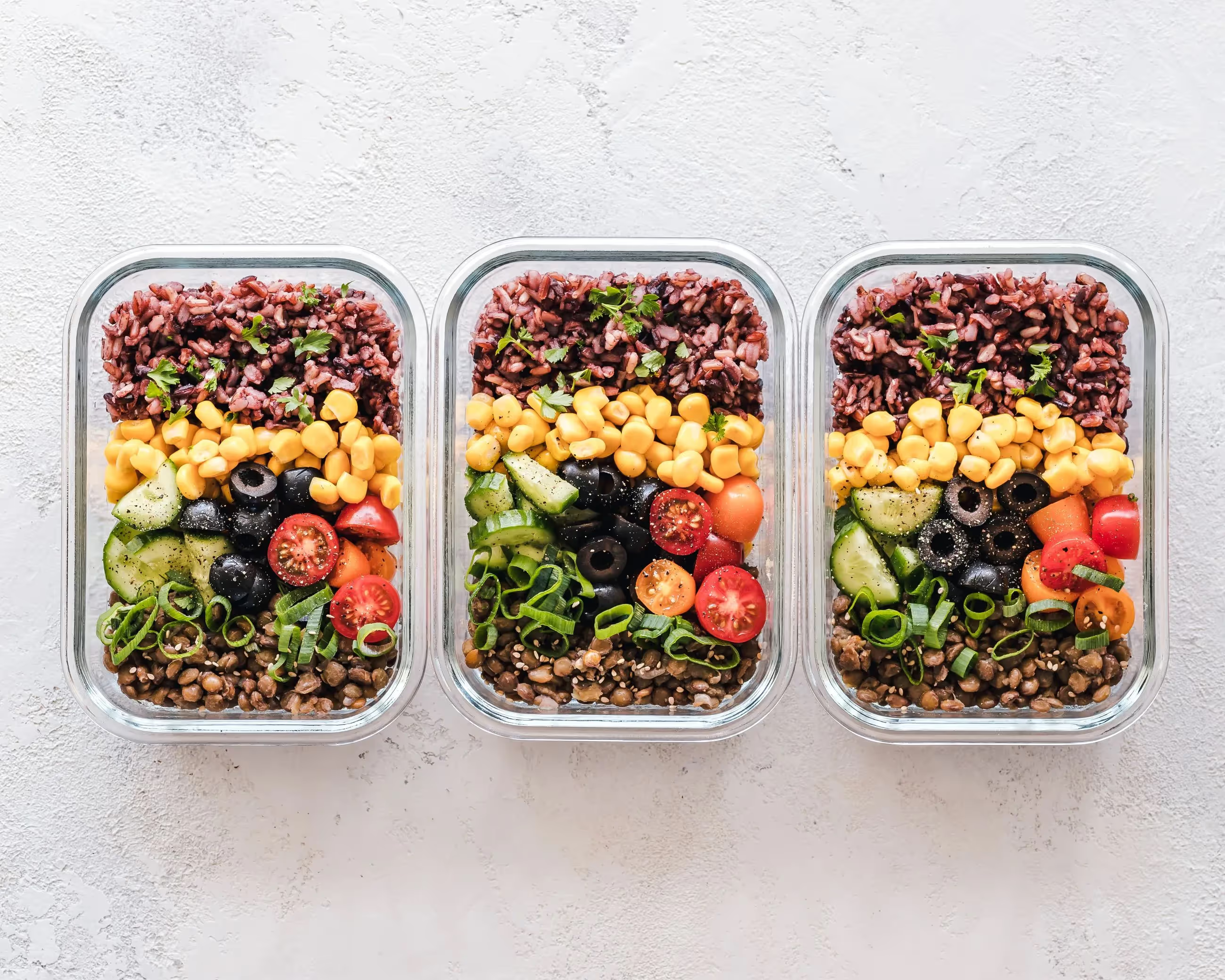
Plan Your Meals
The foods you eat directly impact your stool.
Choosing whole foods with fiber can help you go to the bathroom more regularly.
It may be challenging for some people to eat nutritious foods without a proper meal plan, especially if they have a busy working schedule and have limited time to cook.
A dietitian can teach you how to plan meals efficiently.
By attending nutrition counseling appointments, you’ll learn to incorporate delicious, healthy foods that support digestive health throughout the week.
Increase Fiber Intake
Increasing your fiber intake might help you go to the bathroom more regularly.
Most adults need approximately 30g of fiber daily for overall health and digestion.
You can meet this goal by eating:
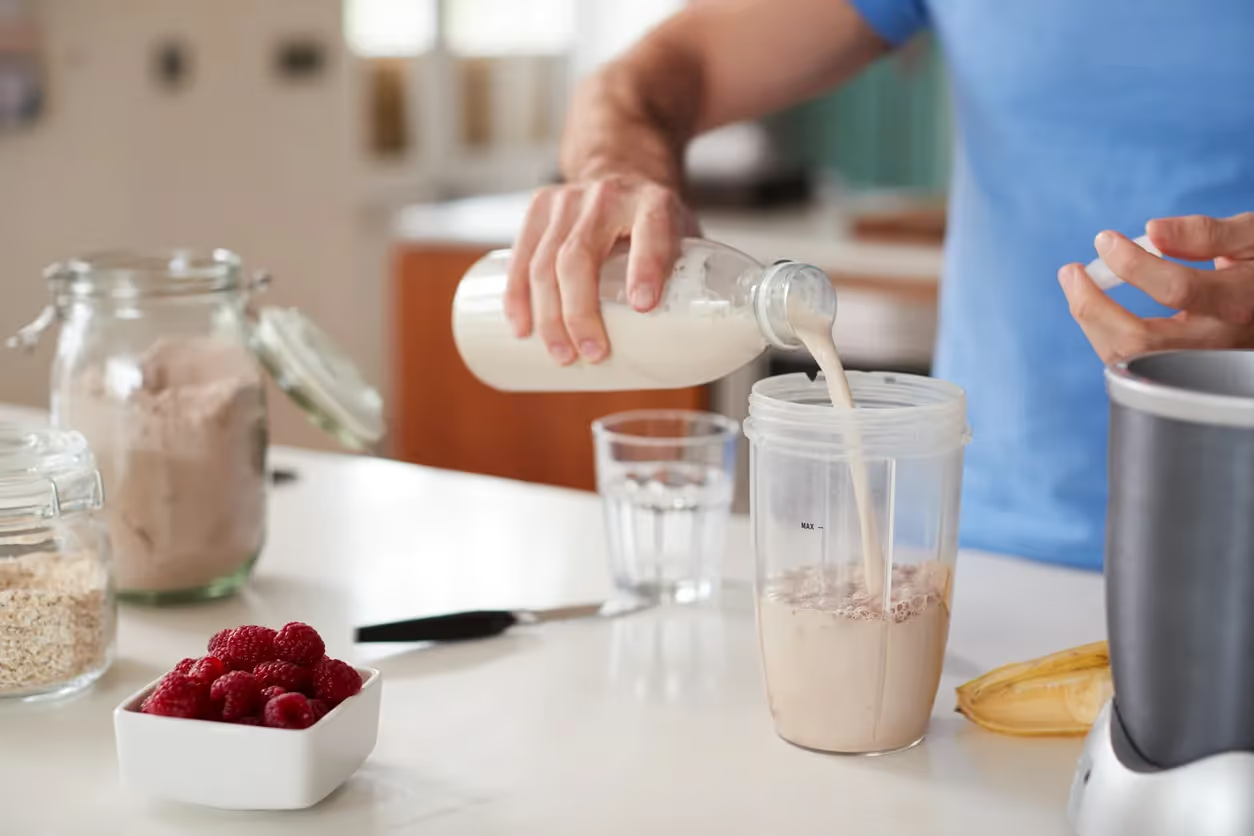
- Steel-cut oats with skim milk (or a plant-based alternative), topped with a handful of mixed berries, mixed nuts, cinnamon, and a spoonful of maple syrup.
- A snack of apple slices with nut butter.
- A kale shredded salad with pomegranate seeds, almonds, feta, and sliced avocado. Add a side of whole-grain crackers with tinned salmon.
- A snack of plain cottage cheese with diced peaches.
- Stir fry with cabbage, celery, carrots, onion, garlic, and eggplant. Serve over brown rice and dress with soy sauce, sesame seeds, oil, and grated ginger.
Increase your fiber intake gradually over a few weeks, and drink extra water to prevent constipation.
Stay Hydrated
Stay hydrated by drinking water throughout the day.
If you don’t like the taste of plain water, you can enhance its appeal by adding natural flavor-boosting ingredients like fresh herbs, citrus, and other fruits, vegetables, and ginger.
Here are some refreshing combinations to try:
- Fresh pineapple, grated ginger, and fresh mint.
- Fresh strawberries, fresh basil, and cucumber.
- Lemon, fennel seeds, and fresh mint.
Your dietitian can help you determine how much fluid and beverages you should have daily.
Exercise Regularly
The Centers for Disease Control recommends that adults complete 150 minutes of aerobic exercise weekly, plus an additional two strength-based workouts.
Some exercises you might want to try include:
- Rock-climbing.
- Dance classes.
- Swimming.
- Jogging.
- Pilates.
Participating in enjoyable forms of physical exercise makes it way more fun (go, figure!)
Consider finding group classes that add a social layer to your workout routines.
This may also help you stay accountable, and you could make a new friend.
Manage Stress
Your mental health does impact your gut, and high stress levels may increase gut motility and lead to diarrhea.
It may also cause uncomfortable symptoms like bloating, gas, and indigestion.
There will always be sources of stress in your life, but a therapist can teach you how to manage your stress levels healthily.
These visits, alongside nutrition appointments, should help you feel more confident in your ability to manage GI symptoms linked to your mental health.
Medical Treatments
A specialist or a physician may recommend pharmacological interventions to help you go to the bathroom more regularly.
Probiotics
Probiotics are health-promoting microorganisms that naturally live throughout your GI tract.
If you’re prone to constipation, a probiotic supplement may help you stay regular in the future (although it won’t provide immediate relief.)
You can find a helpful list of evidence-based strains here.
Medications for Constipation
Laxatives are medications that stimulate bowel movements.
Some products are available over the counter, while others require a prescription.
They all function differently, and some are stronger than others.
Your pharmacist should review these details before you take them.
{{splash}}
When to See a Provider
Per the National Institute of Health, if you experience any of these signs, you should consult a provider:
- Bleeding from your rectum.
- Blood in your stool.
- Persistent abdominal pain.
- Inability to pass gas.
- Vomiting.
- Fever.
- Lower back pain.
- Losing weight without trying.
Takeaway
Pooping up to three times per day, or three times per week, could be considered normal.
Every person has unique bathroom habits, and it’s important to pay attention to what is normal for you.
Changes in bowel habits could signal an underlying problem.
Suppose you’re more prone to constipation and consistently fall under these guidelines.
You may benefit from dietary and lifestyle changes, such as increasing fiber intake and physical activity.
If, on the other hand, you’re going to the bathroom more often (but still having smooth stools without pain or blood)—that might be your body’s “normal” number of bowel movements.
Any new changes, like diarrhea or pain with bowel movements, should be discussed with your doctor.
If you have any concerns, you can follow up with a dietitian or a physician for more personalized recommendations.
How a Dietitian Can Help
A registered dietitian is a nutrition expert who can help you improve your digestive health through lifestyle and dietary changes.
Find a dietitian who accepts insurance through Nourish to receive comprehensive nutrition care.
Frequently Asked Questions
Is it normal to poop four times a day?
For some people, pooping four times a day could be normal.
If the stools are easy to pass but firm enough to hold their shape, they’re probably just the “right number” of bowel movements for your body.
However, you should be assessed if the stools are loose and watery.
How often should a healthy person poop?
Going to the bathroom up to three times daily or thrice weekly may be acceptable, but most dietitians encourage people to go at least once a day.
What is a normal poop schedule?
Generally, people go to the bathroom a few hours after meals.
People may have the urge to go poop in the morning, especially if you’re a coffee-drinker—which may stimulate a bowel movement.
Later in the day, people may go to the bathroom a few hours after eating or whenever it feels right for their bodies.
References
View all references
Mawer, S. (2023, November 13). Physiology, defecation. StatPearls - NCBI Bookshelf.
Symptoms & Causes of Hemorrhoids - NIDDK
Probiotics - Health Professional Fact Sheet
Diaz, S. (2023, November 12). Constipation. StatPearls - NCBI Bookshelf.
Symptoms & Causes of Constipation - NIDDK
Nguyen, M. (2023, July 3). Iron supplementation. StatPearls - NCBI Bookshelf.
Dietary Guidelines for Americans, 2020-2025
Move more; sit less. (2023, June 22). Centers for Disease Control and Prevention.
MAYER, E. (2000). The neurobiology of stress and gastrointestinal disease. Gut, 47(6), 861-869.
Bashir, A. (2024, January 30). Laxatives. StatPearls - NCBI Bookshelf.
Nourish has strict sourcing policies and prioritizes primary sources, including medical organizations, governmental agencies, academic institutions, and peer-reviewed scientific journals. Learn more about our medical review process and editorial guidelines.
More articles





.avif)
















.avif)