How To Reset Gut Health: Tips For Sustainable Change

Medical Reviewer: Ellie Stamerjohn, MS, RDN, LD

Author: Sarah Glinski, RD

Summary
- There is no evidence that gut cleanses or detoxes are beneficial for gut health.
- Sustainable habits that promote gut health include eating high-fiber whole foods, reducing sugar intake, managing stress and sleep, drinking plenty of water, and exercising regularly.
- Studies show that if you change your diet, your gut microbiota can change in as few as 24 hours.
Everyone experiences times when they deviate away from their normal health behaviors.
If you’ve had a weekend or vacation away from home, and you weren’t eating or exercising the way you normally do, you may wonder if you need a gut reset.
Social media promotes plenty of gut detoxes and cleanses, but there is no evidence these are effective.
However, this doesn’t mean you can’t get your gut health back on track with some healthy habits.
Read on to learn how to reset your gut health in a nourishing and sustainable way.
{{splash}}
What is a Gut Reset?
There’s no official definition of a gut reset, but for many people, it simply means getting back on track with their gut health-promoting habits after a weekend of social plans or a vacation.
Does a Gut Reset Work?
If you’re talking about the quick-fix, three-day cleanses promoted by influencers, there’s no scientific evidence that these treatments reset your gut.
However, when it comes to making healthy changes to your diet, favorable changes to your gut microbiota can be seen in as few as 24 hours.
The Importance of Sustainable Habits for Gut Health
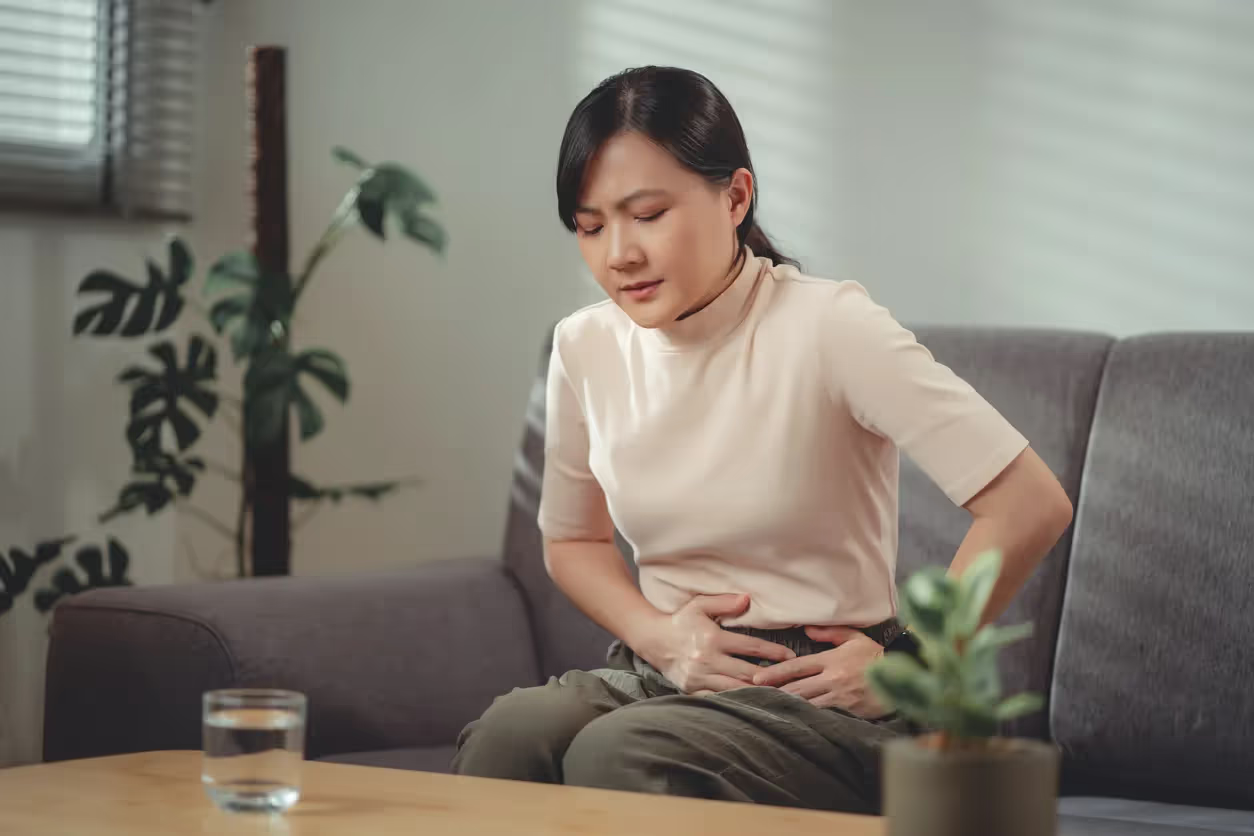
It’s possible that if you spend a weekend eating differently than normal, you could see shifts in your gut microbiota, which can lead to digestive issues like gas, bloating, or changes to your bowel habits.
However, research also shows that once you return to your regular diet, your gut microbiota “resets” to its normal composition within approximately two days.
This means you don’t need to do anything drastic to reset your gut, you just need to get back to eating a diet promoting gut health.
Further understand your digestive health by taking the gut health quiz!
Tips for Resetting Gut Health
To reset gut health, it’s important to focus on healthy, sustainable habits that fit into your daily routine.
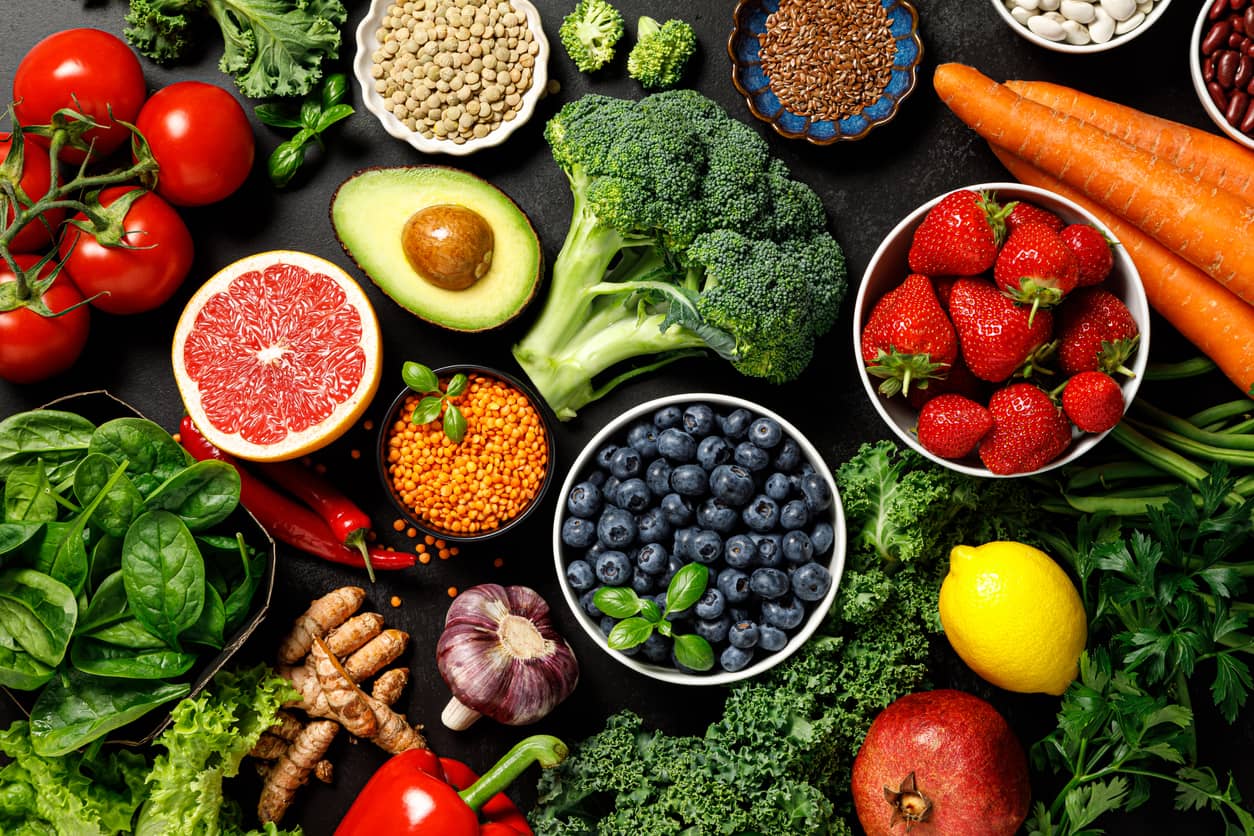
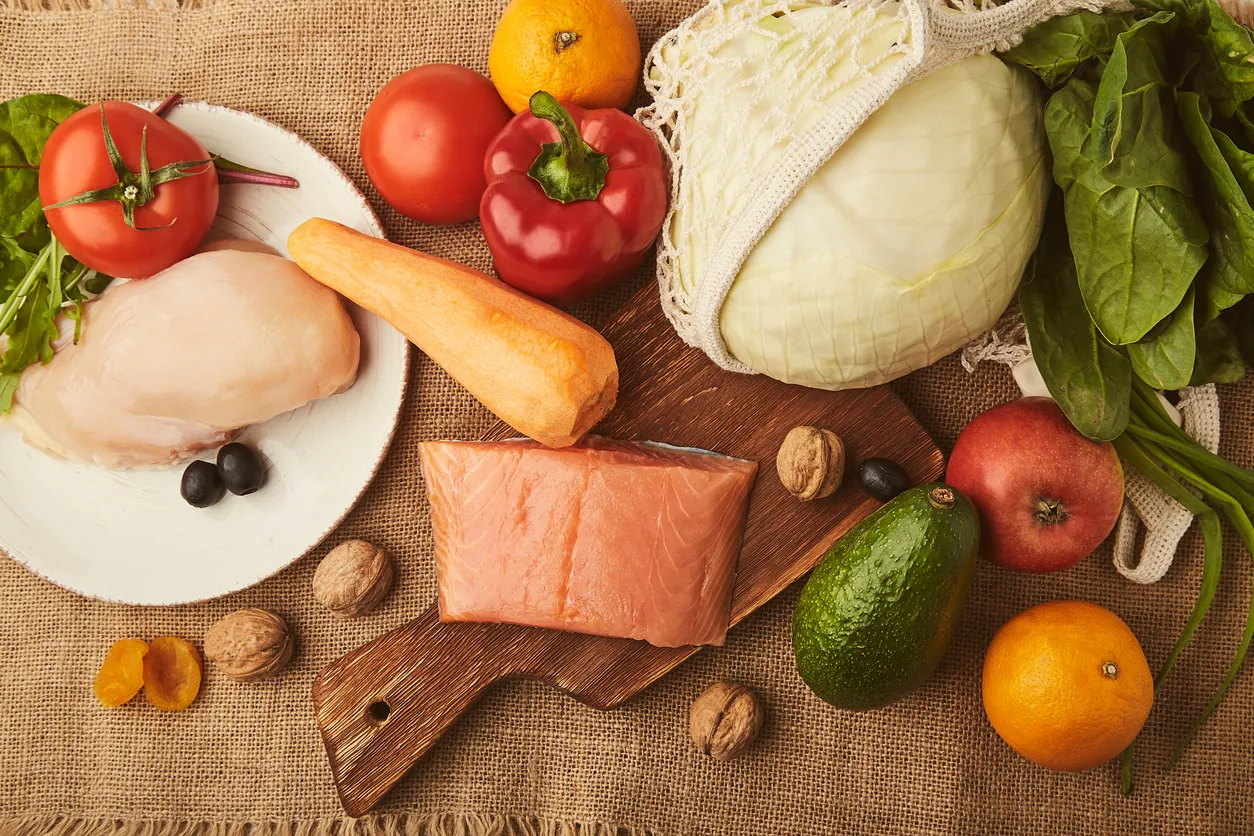
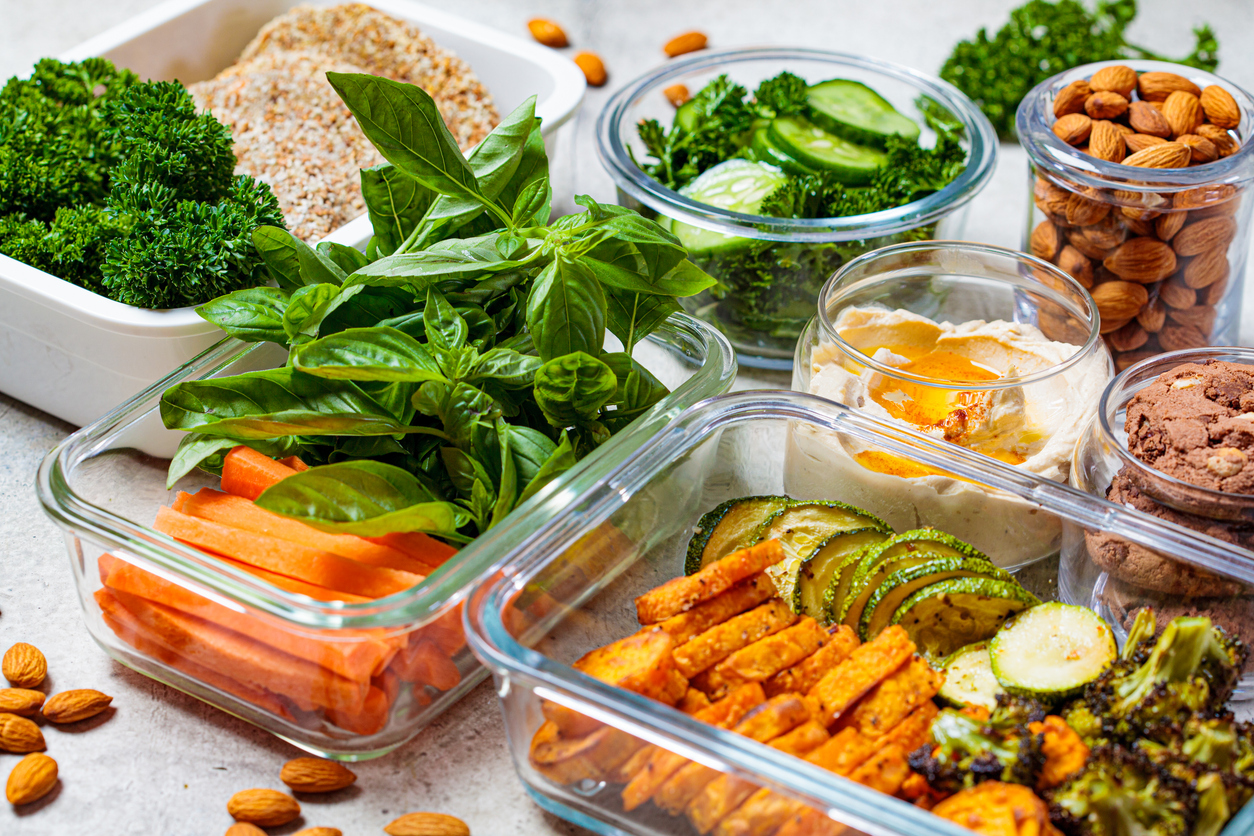
Focus on Whole Foods
Whole foods have a beneficial effect on the gut microbiota.
Certain components of whole foods, such as microbiota-accessible carbohydrates (carbohydrates that can be used as a fuel source by your gut microbes) and polyphenols, promote more diversity in the gut microbiota.
Greater microbial diversity is a sign of a healthy gut.
Eating whole foods also enables the production of beneficial metabolites.
For example, when certain gut bacteria break down fiber, they produce short-chain fatty acids (SCFAs).
SCFAs have been shown to positively influence the gut microbiota and overall gut health.
Reduce Sugar Intake
While there’s nothing wrong with the occasional sweet treat, studies show that people in the United States eat four times the recommended maximum intake of added sugars daily.
Studies have shown that a high intake of added sugars leads to a lower diversity of gut microbes, is associated with a “leakier” gut and is associated with higher levels of inflammation.
It’s not necessary to restrict your intake of naturally occurring sugars from whole foods like fruits, vegetables, and dairy products.
Instead, focus on reducing your consumption of sugar from the following sources:
- Sucrose.
- Dextrose.
- Syrups.
- Table sugar.
- Honey.
- Sugars from concentrated fruit or vegetable juices.
The Dietary Guidelines for Americans suggest keeping your added sugar intake to less than ten percent of your total daily calories.
For a 2,000-calorie diet, this is equal to 200 calories or about 12 teaspoons of added sugar.
{{splash}}
Increase Fiber Content
Fiber is not digested by humans.
Also known as roughage or bulk, it is found in plant-based foods like fruits, vegetables, whole grains, beans, nuts, and seeds.
The most common types of fiber are soluble and insoluble fiber.
Soluble fiber dissolves in water, producing a gel that softens stool and slows digestion as it moves through the digestive tract.
Soluble fiber is also fermented by the gut bacteria in the large intestine, promoting the growth of beneficial bacteria.
Insoluble fiber is not broken down or absorbed but provides bulk to waste traveling through your digestive tract.
This keeps you regular and can help prevent blockages in your intestine, constipation, and hemorrhoids.
To increase your fiber intake:
- Switch to whole wheat bread and pasta.
- Eat whole fruits instead of drinking fruit juices.
- Choose cereals with whole grains as their first ingredient.
- Snack on raw vegetables and hummus.
- Add pulses (like beans or chickpeas) to chili and soups.
- Add a spoonful of ground flaxseeds or chia seeds to cereal or yogurt.
Eat Prebiotic-Rich Foods
Prebiotics are non-digestible carbohydrates that stimulate the growth of beneficial microbes in the gut.
When fermented by gut microbes, prebiotics form metabolites that can help regulate your immune system, create resistance to harmful microbes, improve the function of your protective gut barrier, and provide fuel for the cells in your gut.
Some prebiotic-rich foods to include in your diet:
- Asparagus.
- Bananas.
- Garlic.
- Onion.
- Barley.
- Rye.
- Chicory root.
Add a Probiotics Supplement
Probiotics are live microorganisms that provide a benefit to human health when taken in the right amounts.
If you are experiencing specific gut symptoms like antibiotic-associated diarrhea, constipation, or irritable bowel syndrome, probiotics may help with symptom relief.
If you’re unsure which probiotic to take, consider consulting with a dietitian specializing in gut health. Nourish offers customized nutrition counseling and accepts most popular insurance carriers.
Manage Stress and Sleep Patterns
If you want to keep your gut happy, getting enough high-quality sleep and managing stress are crucial.
A small study from 2019 found that gut microbiota diversity is higher in people with better sleep patterns.
Here are some tips for getting your sleep on track:
- Go to bed at the same time every night and get out of bed at the same time each morning.
- Keep your bedroom dark, quiet, and at a comfortable temperature.
- Remove electronic devices from the bedroom.
- Avoid eating large meals or consuming caffeine and alcohol before bed.
- Engage in physical activity during the day (this can make it easier to fall asleep at night).
The brain and the gut “talk” to each other through the gut-brain axis.
You may have even experienced how negative emotions and stress can upset your gut.
Therefore, managing stress is a key component of resetting your gut health.
Try using a free meditation app or deep breathing to get started.
Speaking with a therapist can be beneficial if you struggle to manage your stress alone.
Drink Plenty of Water
Getting enough water is an underrated strategy for keeping your gut functioning properly.
In fact, studies show that people who drink more water have a different gut microbiota makeup compared to people who drink less water.
Getting enough water is also important for preventing constipation.
Everyone’s fluid needs are different, so consider asking your registered dietitian about how much water you should aim to drink each day.
If you’re struggling to drink enough water, here are some tips to help boost your hydration:
- Flavor it with lemons, limes, oranges, cucumber, watermelon or strawberries.
- Stack your habits. Try drinking a glass of water every time you brush your teeth or use the bathroom.
- Keep a water bottle with you all the time.
- Set a reminder on your phone to take frequent sips.
{{splash}}
Exercise Regularly
Exercise has many benefits, from heart health to mood-boosting.
Exercise is also important for your gut health, with studies showing that exercise can reduce your risk of colon cancer, inflammatory bowel disease, and diverticulosis.
Exercise can also benefit your gut microbiota.
If you haven’t exercised in a while, start small.
Ensure you warm up and cool down even if you only do five to ten minutes of exercise.
As your stamina improves, gradually increase how long you exercise.
Try to work your way up to doing moderate-intensity exercise for 150 minutes per week (for example, 30 minutes of activity five days a week).
Making time for muscle-strengthening exercises at least two days a week is also important for your overall health.
Takeaway
While it can be tempting to try gut cleanses promoted online, there’s no evidence that these cleanses can “reset” your gut.
Instead, focus on sustainable habits like eating plenty of high-fiber whole foods, reducing sugar intake, managing stress and sleep, drinking enough water, and exercising regularly.
How a Dietitian Can Help
If you want to learn how to reset gut health in a sustainable way, consider working with a registered dietitian nutritionist who is knowledgeable about gut health.
Find a dietitian near you that accepts insurance using Nourish.
{{splash}}
Frequently Asked Questions
How long does it take to reset gut health?
Research shows that if your gut microbiota has been disrupted by changes to your diet, it returns to normal after about two days of eating your regular diet.
To reset your gut health in a sustainable way, focus on eating more high-fiber whole foods, reducing sugar intake, managing stress and sleep, drinking plenty of water and getting regular exercise.
What are the symptoms of an unhealthy gut?
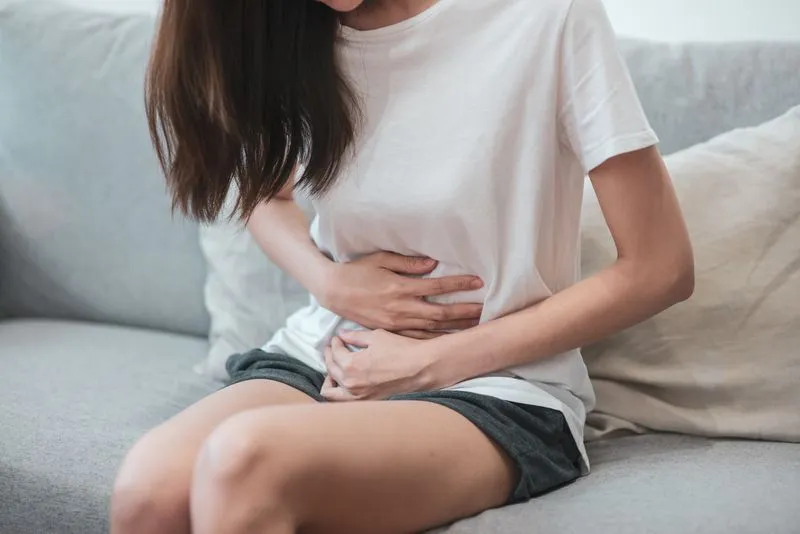
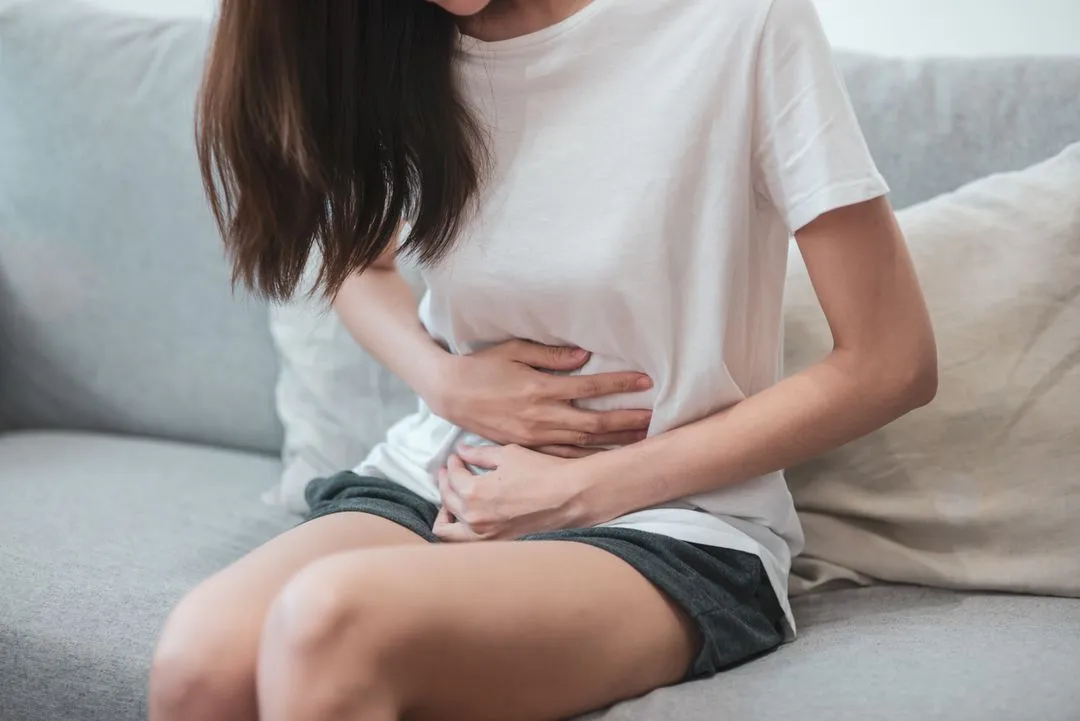
There are many possible symptoms of an unhealthy gut. They include abdominal pain, bloating, nausea, feeling too full, vomiting, and changes to your bowel movements (e.g., constipation or diarrhea).
How can I detox my gut in three days?
If you’ve spent a weekend or a vacation eating differently than normal, you may have experienced changes in your gut microbiota, leading to symptoms like gas, bloating, and changes to your bowel habits.
However, research shows that your gut microbiota returns to normal after about two days of eating your regular diet.
To detox your gut and ensure your diet supports a healthy gut microbiota, eat plenty of high-fiber whole foods, reduce sugar intake, drink plenty of water, manage your stress, stick to a sleep schedule, and exercise regularly.
References
View all references
- David LA, Maurice CF, Carmody RN, Gootenberg DB, Button JE, Wolfe BE, Ling AV, Devlin AS, Varma Y, Fischbach MA, Biddinger SB, Dutton RJ, Turnbaugh PJ. 2014. Diet rapidly and reproducibly alters the human gut microbiome. Nature. Jan 23;505(7484):559-63. doi: 10.1038/nature12820.
- Han Y, Xiao H. 2020. Whole Food-Based Approaches to Modulating Gut Microbiota and Associated Diseases. Annual Review of Food Science and Technology. Mar 25;11:119-143. doi: 10.1146/annurev-food-111519-014337.
- Di Rienzi SC, Britton RA. 2020. Adaptation of the Gut Microbiota to Modern Dietary Sugars and Sweeteners. Advances in Nutrition. May 1;11(3):616-629. doi: 10.1093/advances/nmz118
- Garcia K, Ferreira G, Reis F, Viana S. 2022. Impact of Dietary Sugars on Gut Microbiota and Metabolic Health. Diabetology. 3(4): 549-560. doi.org/10.3390/diabetology3040042
- Centers for Disease Control and Prevention. (November 28, 2021). Get the Facts: Added Sugars. Retrieved August 23, 2023, from https://www.cdc.gov/nutrition/data-statistics/added-sugars.html
- Canadian Digestive Health Foundation. (November 9, 2022). Fibre & Its Benefits. Retrieved August 23, 2023, from https://cdhf.ca/en/fibre-and-its-benefits/
- Asha MZ, Khalil SFH. Efficacy and Safety of Probiotics, Prebiotics and Synbiotics in the Treatment of Irritable Bowel Syndrome: A systematic review and meta-analysis. 2020. Sultan Qaboos University Medical Journal. Feb;20(1):e13-e24. doi: 10.18295/squmj.2020.20.01.003.
- You S, Ma Y, Yan B, Pei W, Wu Q, Ding C, Huang C. 2022. The promotion mechanism of prebiotics for probiotics: A review. Frontiers in Nutrition. Oct 5;9:1000517. doi: 10.3389/fnut.2022.1000517.
- UnlockFood.ca. (May 9, 2022). What are Prebiotics and What Foods Contain Them? Retrieved August 23, 2023, from https://www.unlockfood.ca/en/Articles/Digestion/What-are-Prebiotics-and-What-Foods-Contain-Them.aspx
- Liao W, Chen C, Wen T, Zhao Q. 2021. Probiotics for the Prevention of Antibiotic-associated Diarrhea in Adults: A Meta-Analysis of Randomized Placebo-Controlled Trials. Journal of Clinical Gastroenterology. 2021 Jul 1;55(6):469-480. doi: 10.1097/MCG.0000000000001464.
- van der Schoot A, Helander C, Whelan K, Dimidi E. 2022. Probiotics and synbiotics in chronic constipation in adults: A systematic review and meta-analysis of randomized controlled trials. Clinical Nutrition. Dec;41(12):2759-2777. doi: 10.1016/j.clnu.2022.10.015.
- Smith RP, Easson C, Lyle SM, Kapoor R, Donnelly CP, Davidson EJ, Parikh E, Lopez JV, Tartar JL. 2019. Gut microbiome diversity is associated with sleep physiology in humans. PLoS One. 2019 Oct 7;14(10):e0222394. doi: 10.1371/journal.pone.0222394.
- Centers for Disease Control and Prevention. (September 13, 2022). Tips for Better Sleep. Retrieved August 23, 2023, from https://www.cdc.gov/sleep/about_sleep/sleep_hygiene.html
- Madison A, Kiecolt-Glaser JK. 2019. Stress, depression, diet, and the gut microbiota: human-bacteria interactions at the core of psychoneuroimmunology and nutrition. Current Opinions in Behavioral Science. Aug;28:105-110. doi: 10.1016/j.cobeha.2019.01.011.
- Vanhaecke T, Bretin O, Poirel M, Tap J. 2022. Drinking Water Source and Intake Are Associated with Distinct Gut Microbiota Signatures in US and UK Populations. Journal of Nutrition. Jan 11;152(1):171-182. doi: 10.1093/jn/nxab312.
- Yurtdaş G, Acar-Tek N, Akbulut G, Cemali Ö, Arslan N, Beyaz Coşkun A, Zengin FH. 2020. Risk Factors for Constipation in Adults: A Cross-Sectional Study. Journal of the American College of Nutrition. Nov-Dec;39(8):713-719. doi: 10.1080/07315724.2020.1727380.
- NIH National Heart, Lung, and Blood Institute. (March 24, 2022). Physical Activity and Your Heart: Benefits. Retrieved August 23, 2023, from https://www.nhlbi.nih.gov/health/heart/physical-activity/benefits
- Monda V, Villano I, Messina A, Valenzano A, Esposito T, Moscatelli F, Viggiano A, Cibelli G, Chieffi S, Monda M, Messina G. 2017. Exercise Modifies the Gut Microbiota with Positive Health Effects. Oxidative Medicine and Cellular Longevity. 2017;2017:3831972. doi: 10.1155/2017/3831972.
- NIH National Heart, Lung, and Blood Institute. (March 24, 2022). Physical Activity and Your Heart: Recommendations. Retrieved August 24, 2023, from https://www.nhlbi.nih.gov/health/heart/physical-activity/tips
- Wei L, Singh R, Ro S, Ghoshal UC. 2021. Gut microbiota dysbiosis in functional gastrointestinal disorders: Underpinning the symptoms and pathophysiology. JGH Open. Mar 23;5(9):976-987. doi: 10.1002/jgh3.12528.
Nourish has strict sourcing policies and prioritizes primary sources, including medical organizations, governmental agencies, academic institutions, and peer-reviewed scientific journals. Learn more about our medical review process and editorial guidelines.
More articles



.avif)













.avif)