How To Starve Bad Gut Bacteria to Heal Your Digestive Tract

Medical Reviewer: Christina Harris, RDN

Author: Jennifer Huddy, MS, RD, LD

Summary
- A healthy gut microbiome reflects a diverse range of beneficial bacteria species and a proper balance of helpful versus harmful bacteria.
- When this balance becomes disrupted, it’s known as gut dysbiosis, which is linked to many chronic conditions like obesity and type 2 diabetes.
- Numerous diet and lifestyle changes can help feed healthy bacteria while “starving” bad bacteria, including eating more fiber, taking probiotics, and limiting added sugars and saturated fats.
Because poor gut health has been linked with numerous health concerns, many people are interested in specific diet and lifestyle changes to reduce bad gut bacteria and promote proper digestive function.
The Western diet is rich in processed foods, saturated fats, and added sugars.
This combination of foods may contribute to the growth of unhealthy bacteria.
Replacing this with a high-fiber diet, among other changes, can have a favorable impact on gut health.
Continue reading to learn more about how to improve your gut health by “starving” bad gut bacteria through diet and lifestyle changes.
{{splash}}
Can I Starve Bad Gut Bacteria?
The gut microbiome encompasses all of the bacteria throughout the digestive tract, most of which live in the large intestine.
Some types of bacteria benefit health, while others are potentially detrimental.
Factors such as genetics, age, medications, diet, and lifestyle can impact the balance of good and bad bacteria in the gut.
When too many harmful bacteria species grow, or there isn’t enough diversity in healthy species of bacteria, it’s known as gut dysbiosis.
Specific diet and lifestyle factors have been shown to reduce the presence of bad gut bacteria or “starve” them.
Making these changes can also help feed healthy gut bacteria and promote their growth, which leaves less room for harmful bacteria.
You can improve the ratio of healthy versus unhealthy bacteria in your gut by focusing on changes such as:
- Eating more fiber.
- Including probiotic-rich foods.
- Limiting added sugars and saturated fat.
- Quitting smoking.
- Exercising regularly.
- Managing stress.
In some cases, medication is needed to get rid of harmful bacteria in the gut.
For example, if you have a small intestinal bacterial overgrowth (SIBO), the first line of treatment is antibiotic therapy.
How Bad Gut Bacteria Affect the Body
The status of your gut health can significantly impact your digestive health.
Gut dysbiosis can result in a weaker digestive tract lining, more inflammation, and reduced gut immune function.
This can result in gastrointestinal symptoms (bloating, gas, stool changes, etc.) or increase the risk of chronic digestive conditions.
Additionally, poor gut health can negatively impact many other functions in the body, including metabolism, immune health, and mental health.
Gut dysbiosis has been linked with numerous chronic health conditions such as:
- Inflammatory bowel disease, including Crohn’s disease and ulcerative colitis.
- Type 2 diabetes.
- Cardiovascular disease.
- Colorectal cancer.
- Obesity.
- Depression.
The role of gut health in chronic disease development is a complicated subject.
Researchers are still working to fully understand this connection and how it can be applied to clinical practice.
Dietary Tips for Starving Bad Gut Bacteria and Healing Your Digestive Tract
If you’re unsure where to start on your journey to better gut health, consider the following dietary changes to starve bad gut bacteria and help healthy bacteria flourish.
It’s important to talk with your doctor or dietitian before making any major dietary changes for gut health, especially if you’ve been diagnosed with a digestive condition.
Avoid Processed Foods and Sugar
Research shows that a diet high in simple sugars can contribute to the growth of harmful bacteria, which may weaken the gut lining.
Additionally, sugar can cause inflammation in the gut.
Preliminary studies have linked excessive sugar intake with conditions like gut dysbiosis, leaky gut, and inflammatory bowel disease.
Highly processed foods containing additives like emulsifiers may also negatively impact gut health by decreasing healthy bacteria and increasing harmful species.
However, many of these results are from animal studies, and more human research is required.
Incorporate Fermented Foods
People have eaten fermented foods for thousands of years, and they continue to be recommended for improving gut health.
Research shows that consuming fermented foods can improve the number and diversity of beneficial gut bacteria while decreasing harmful bacteria.
These foods can also increase the production of short-chain fatty acids (SCFA), which are beneficial to gut health.
Regular intake of fermented foods is associated with a lower risk of heart disease, type 2 diabetes, and obesity.
You can increase fermented foods in your diet by incorporating the following:
- Yogurt.
- Kefir.
- Sauerkraut.
- Kimchi.
- Tempeh.
Increase Fiber Intake
The Western diet has been linked with gut dysbiosis, primarily due to insufficient fiber intake, among other factors.
Many fibers are prebiotics, which your healthy gut bacteria digest in the large intestine, helping them grow and producing beneficial byproducts, like butyrate.
As a result, increasing the fiber in your diet can increase good bacteria and improve the diversity of your gut microbiome.
A high fiber diet also helps with bowel regularity and decreases the risk of colorectal cancer.
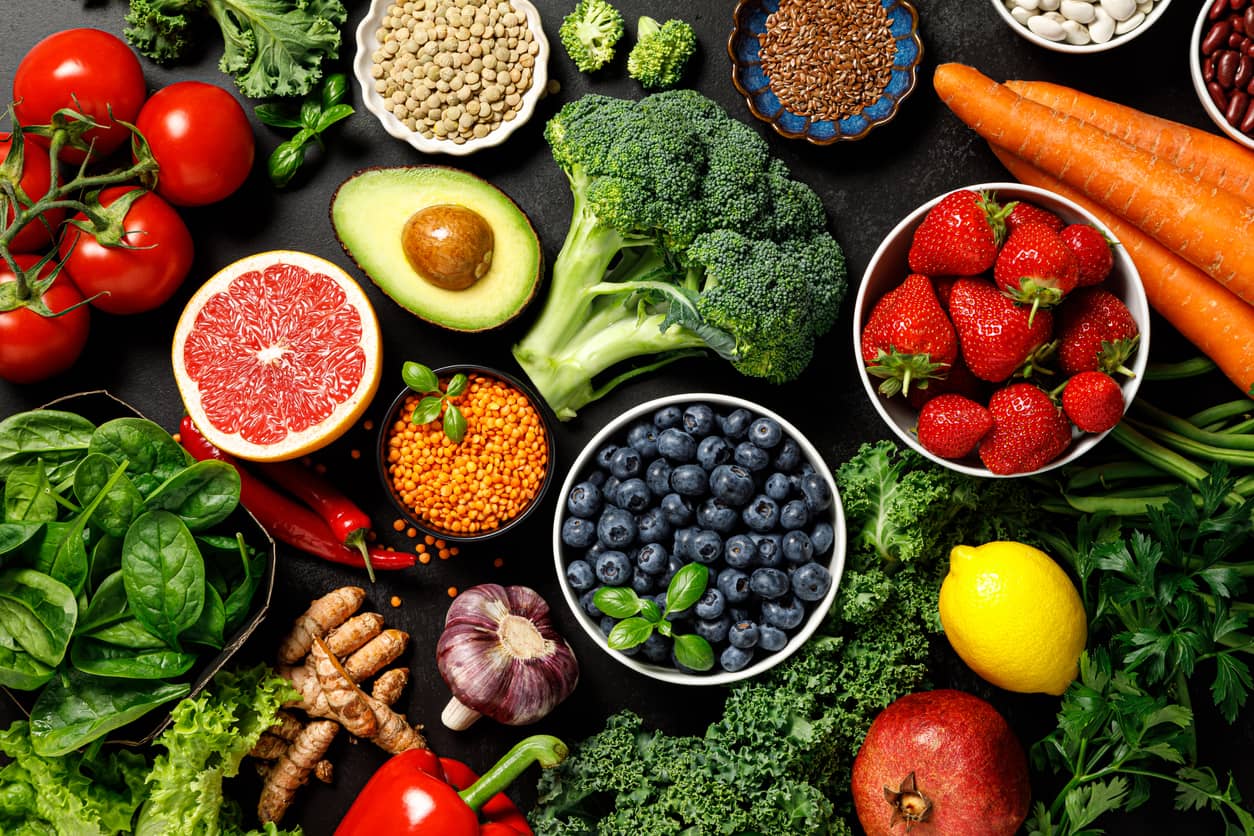
Sources of prebiotic fiber include onions, artichokes, bananas, and whole grains.
Consume Healthy Fats
Research shows that a high intake of saturated fats (butter, cheese, red meat, and processed foods) can promote growth of harmful bacteria and weaken the gut lining.
These changes in gut health have been linked with an increased risk of obesity.
On the other hand, a diet rich in unsaturated or healthy fats can help healthy bacteria grow and starve harmful bacteria.
Eating foods like salmon, olive oil, nuts, and avocados can help you get more healthy fats in your diet.
Drink Plenty of Water
The research on hydration and gut health is limited, but the preliminary results are interesting.
A study from 2022 found that people with a high water intake had less of a specific type of harmful bacteria associated with gastrointestinal infections.
A more well-known benefit of proper hydration is that it can improve constipation.
The US Institute of Medicine recommends at least 2.7 liters of total water per day for adult females and 3.7 liters per day for adult males (this includes water from foods).
Further, your primary source of drinking water–whether tap, bottled, filtered, or well water–can influence your gut microbiome.
More research is needed on water sources to understand its impact on gut health.
Limit Alcohol
Alcohol intake may decrease the amount of healthy gut bacteria, like Lactobacillus.
High consumption of alcohol can lead to inflammation and impaired immune function in the digestive tract.
Research shows that people with alcoholic liver disease experience negative changes in gut health that contribute to increased intestinal permeability, also known as leaky gut.
However, certain types of alcohol, like red wine, have been shown to increase a type of healthy bacteria with anti-inflammatory properties.
Experts recommend females consume less than one drink per day and males less than two drinks per day.
Take Probiotics
Probiotics are supplements that contain live microorganisms known to benefit gut health.
In addition to improving overall gut health, probiotics may help treat certain conditions, such as:
- Acute infectious diarrhea.
- Antibiotic-associated diarrhea.
- C. Difficile.
- Ulcerative colitis.
- Irritable bowel syndrome (IBS).
It’s important to know that different strains and species of bacteria in probiotics may be more effective depending on the condition.
Talk to your doctor before starting probiotic therapy to treat a digestive concern.
Interestingly, positive changes from probiotics are typically temporary, meaning you need to consistently include probiotics in your diet in the long term in order to reap the benefits.
Other Lifestyle Changes for Better Digestion
In addition to dietary modifications, many lifestyle factors can improve gut health, like quitting smoking, exercising regularly, managing stress, and prioritizing sleep.
Quit Smoking
Smoking can increase levels of bad bacteria in the gut and may increase the risk of developing Crohn’s disease and colorectal cancer.
Exercise Regularly
A sedentary lifestyle can negatively impact the gut microbiome and increase the risk of colorectal cancer.
Unsurprisingly, research shows that professional athletes had an increased diversity of healthy gut bacteria.
You don’t need to be as active as them to be healthy, but try to exercise regularly to maintain a robust gut microbiome.
Manage Stress
High levels of stress can harm gut health by decreasing the amount of healthy bacteria like Lactobacillus.
Stress is also a risk factor for developing irritable bowel syndrome (IBS).
Stress is thought to impact the gut microbiome through the gut-brain axis, a two-way street in which the brain communicates with the digestive tract.
Likewise, poor gut health may negatively impact mood.
{{splash}}
Prioritize Sleep
Research shows poor sleep quality is associated with a less diverse gut microbiome.
Bacterial diversity and healthy bacteria increase with higher sleep quality and greater sleep duration.
If you chronically struggle to get enough sleep, consider meeting with your doctor to discuss medications or other treatment options that could help you rest.
Takeaway
Research has identified specific diet and lifestyle changes that can help starve bad gut bacteria and improve digestive health.
As a whole, the Western diet rich in added sugars, processed foods, and saturated fat is linked with poorer gut health.
A high-fiber diet rich in probiotics, fermented foods, and healthy fats can decrease harmful gut bacteria and promote the diversity and growth of healthy bacteria.
Lifestyle changes like quitting smoking, exercising regularly, and managing stress can also improve gut health.
How a Dietitian Can Help
Gut health is a complex topic, and a search online will yield many conflicting recommendations for optimizing digestion.
A registered dietitian can offer evidence-based and condition-specific information on improving your gut health through diet and lifestyle changes.
Find a dietitian specializing in gut health to learn how to starve bad gut bacteria and improve your digestive health.
Frequently Asked Questions
How do I flush bad bacteria from the gut?
Overall, a Western diet rich in processed foods, saturated fat, red meat, and added sugars is unfavorable for gut health.
You can starve the bad gut bacteria and help healthy bacteria grow by reducing your intake of these foods and focusing on a diet high in fiber, fermented foods, and probiotics.
Focusing on lifestyle factors like getting good sleep, managing stress, quitting smoking, and exercising regularly can also optimize your gut microbiome.
What naturally kills bad bacteria in the gut?
The following dietary and lifestyle changes have been shown to starve bad gut bacteria, improve the diversity of the gut microbiome, and foster the growth of beneficial bacteria.
- Increase fiber intake.
- Include probiotics and fermented foods.
- Limit added sugars and highly processed foods.
- Reduce saturated fat, red meat, and processed meat.
- Manage stress levels and prioritize sleep.
- Quit smoking.
- Engage in regular physical activity.
- Limit alcohol intake and focus on proper hydration.
How can I detox my gut in three days?
You can improve your gut health by focusing on a high-fiber, plant-based diet and engaging in healthy lifestyle behaviors like getting good sleep, exercising regularly, and managing stress.
While the gut microbiome can begin to shift after just one day of making these changes, research shows that long-term adherence is needed to achieve sustainable improvements in gut health.
References
View all references
Nourish has strict sourcing policies and prioritizes primary sources, including medical organizations, governmental agencies, academic institutions, and peer-reviewed scientific journals. Learn more about our medical review process and editorial guidelines.
More articles





.avif)


















.avif)