How a Dietitian Can Help with Leaky Gut

Medical Reviewer: Christine Russell, MS, RD, LD, CDCES

Author: Caitlin Beale, MS, RDN

Summary
- Leaky gut is a condition where the lining of the intestines becomes damaged, allowing undigested food particles or toxins to enter the bloodstream, causing painful inflammation and other health problems.
- Working with a leaky gut dietitian can help identify trigger foods, develop a personalized eating plan, and recommend supplements to support gut healing.
- A personalized nutrition plan should include specific foods you enjoy, are easy to digest, and can help repair the lining of the intestines.
Leaky gut (the common name for a GI condition called intestinal permeability) means the intestinal walls are compromised, allowing toxins and other substances to pass through the intestines and into the bloodstream where they don't belong. For the sake of this article, we will refer to intestinal permeability as leaky gut since people are more familiar with that term, but most medical professionals don't use it.
You may have heard that leaky gut is the root cause of many health issues, including chronic inflammation, autoimmune conditions, and digestive disorders. Or you may have heard that leaky gut doesn't exist and is a made-up condition not backed by science. The truth is somewhere in between.
Leaky gut is often used as a catch-all term by wellness influencers promising quick fixes unsupported by scientific evidence. This can lead to disappointment or an incorrect self-diagnosis.
A leaky gut dietitian can help you sort through the misinformation, understand the root causes of your gut health issues, and create a personalized nutrition plan to address them.
{{splash}}
What Is Leaky Gut Syndrome?
Imagine your intestinal wall as a security guard—its job is to ensure only the essential nutrients and vitamins get through while keeping out toxins, bacteria, and other large molecules. When the security system is compromised, these compounds may pass (or "leak") through the walls of the intestines into your bloodstream.
The intestinal wall comprises several layers of specialized cells, including epithelial cells that line the intestinal walls and a thick layer of mucous containing immune cells, proteins, and other antimicrobials that defend the body against pathogens.
The intestinal wall is permeable, which means it allows for the passage of some molecules, such as nutrients and water, but it closely monitors what's allowed to leave the intestines. Tight junctions between cells keep the intestinal wall secure. They act like a zipper keeping the intestines sealed and opening just enough to allow specific molecules to pass through.
Everyone has some degree of intestinal permeability, but too much permeability can be problematic. Larger molecules or toxins can cause an inflammatory immune response or lead to symptoms like gas, bloating, food sensitivities, or fatigue.
Leaky gut is linked to conditions like irritable bowel syndrome, celiac disease, autoimmune disease, food allergies, and mental health issues like depression. Research is still trying to determine if leaky gut is the cause or result of these conditions.
What Causes Leaky Gut?
Since research is relatively new, the exact cause of leaky gut is still unclear. Theories include:
- Intestinal inflammation.
- Overproduction of zonulin, a protein that regulates intestinal permeability.
- Stress.
- Other digestive health conditions like irritable bowel syndrome (IBS), inflammatory bowel disease (IBD), and small intestinal bacterial overgrowth (SIBO).
- Diet.
- Alcohol.
- Certain medications like NSAIDs.
- Radiation or chemotherapy.
- Dysbiosis or imbalance of bacteria.
- Infections like parasites, candida, or bacterial infections.
What is a Leaky Gut Dietitian?
A leaky gut dietitian is trained to help people with leaky gut. Just like doctors specialize in different fields, a registered dietitian (RD) can specialize in gut health and have deep knowledge about the gut environment and how to support it.
While all dietitians have a general understanding of gastrointestinal health, a dietitian specializing in gut health and leaky gut understands the complexity of digestion, how to support it, and how to use dietary interventions to help reduce inflammation and symptoms.
Benefits of Working with a Leaky Gut Dietitian
The benefits of working with a leaky gut dietitian include the following:
- Personalized advice and guidance on how to support your gut health.
- Advice on which nutrients are best for healing and nourishing your gut.
- Help with an individualized eating plan that considers your unique needs.
- Insight into which foods may trigger your symptoms and how to avoid them.
- Supplement guidance.
- Sort through misinformation about leaky gut and provide reliable information.
- Access to an expert to answer your questions and provide support on your health journey.
Developing a Personalized Healing Protocol
Since gut healing requires an individualized approach, a leaky gut dietitian can work with you to develop a personalized healing protocol that emphasizes anti-inflammatory foods and gut-supporting supplements if needed.
Creating an Anti-Inflammatory Diet Plan for Leaky Gut
There's no one-size-fits-all diet plan for leaky gut, as it should be personalized. Creating an anti-inflammatory diet plan for leaky gut involves eliminating foods that could be causing inflammation and replacing them with nutrient-rich options.
Anti-inflammatory foods may support gut health by providing essential nutrients, reducing inflammation, and helping to restore balance in the microbiome. Studies show inflammation is closely connected with impaired gut health, but an anti-inflammatory diet could help the healing process.
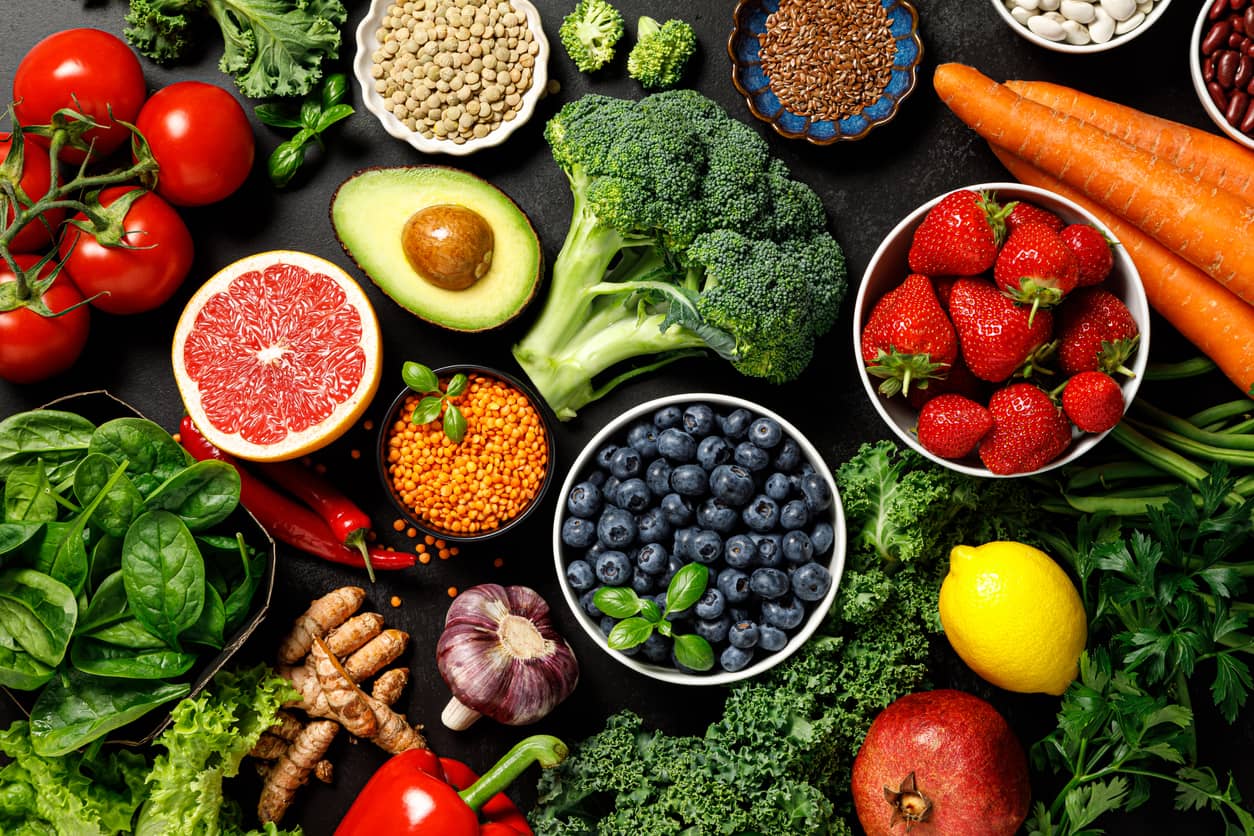
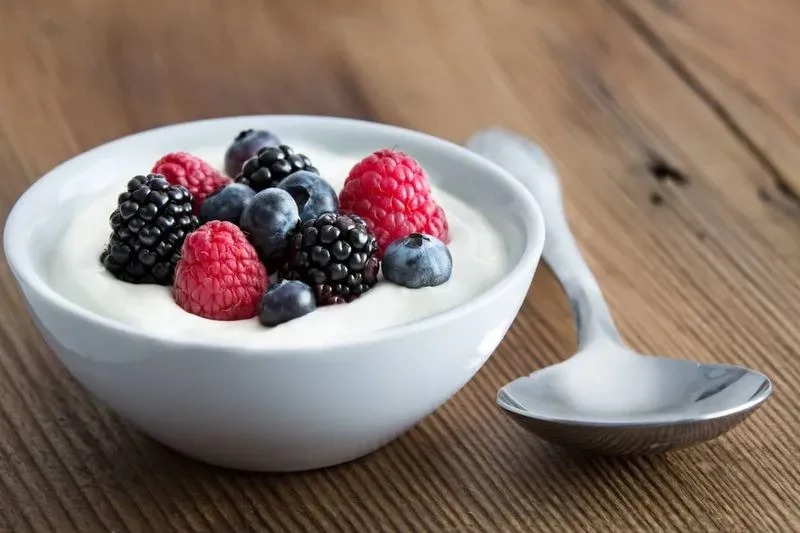
Polyphenols, chemical compounds in plant-based foods, are star players in an anti-inflammatory diet. Some research suggests that polyphenols help reduce inflammation in the gut and protect against leaky gut. Foods that are particularly high in polyphenols include green tea, dark chocolate, and berries,
Foods in an anti-inflammatory diet plan will also support the healthy bacteria in your gut—called the gut microbiome. The microbiome influences the health of your intestinal lining and overall inflammation in the body. Fiber is essential for the health of your microbiome, and some research suggests that it may help with intestinal permeability and increase tight junction proteins.
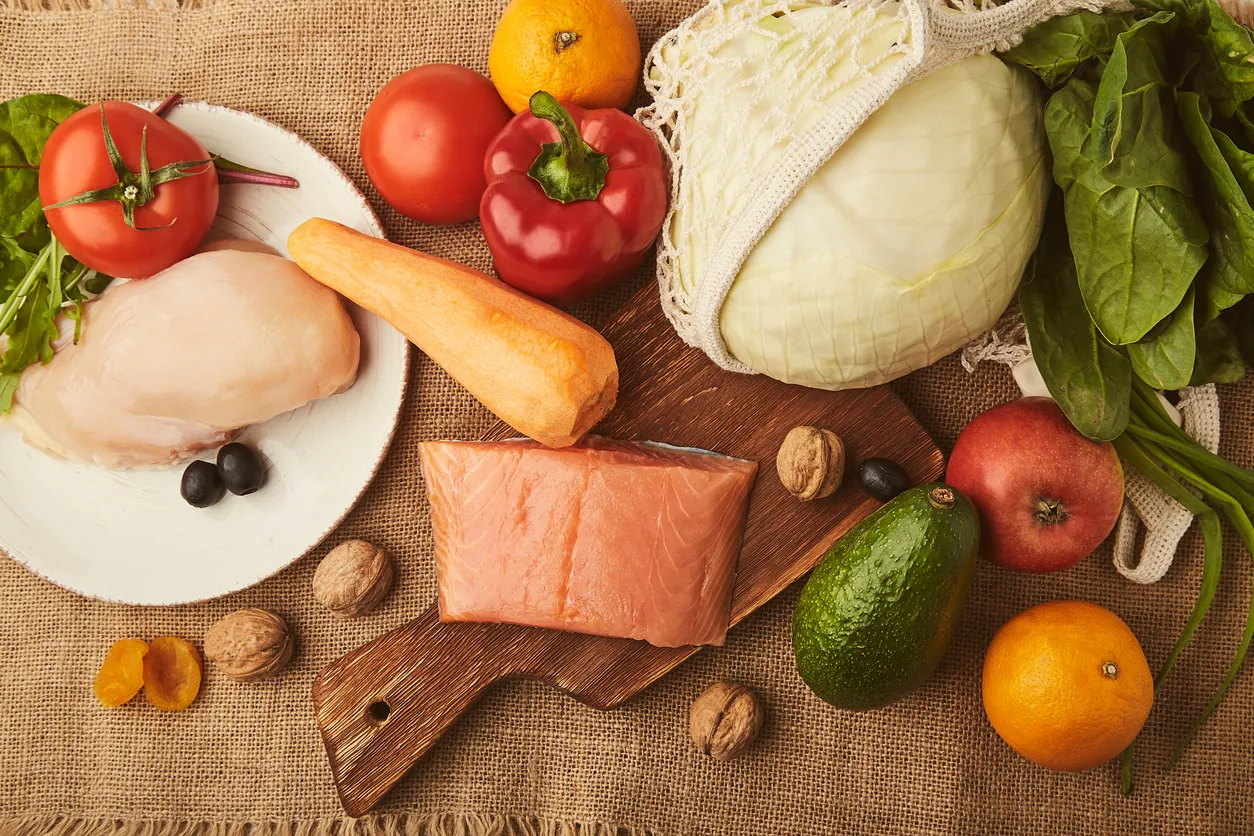
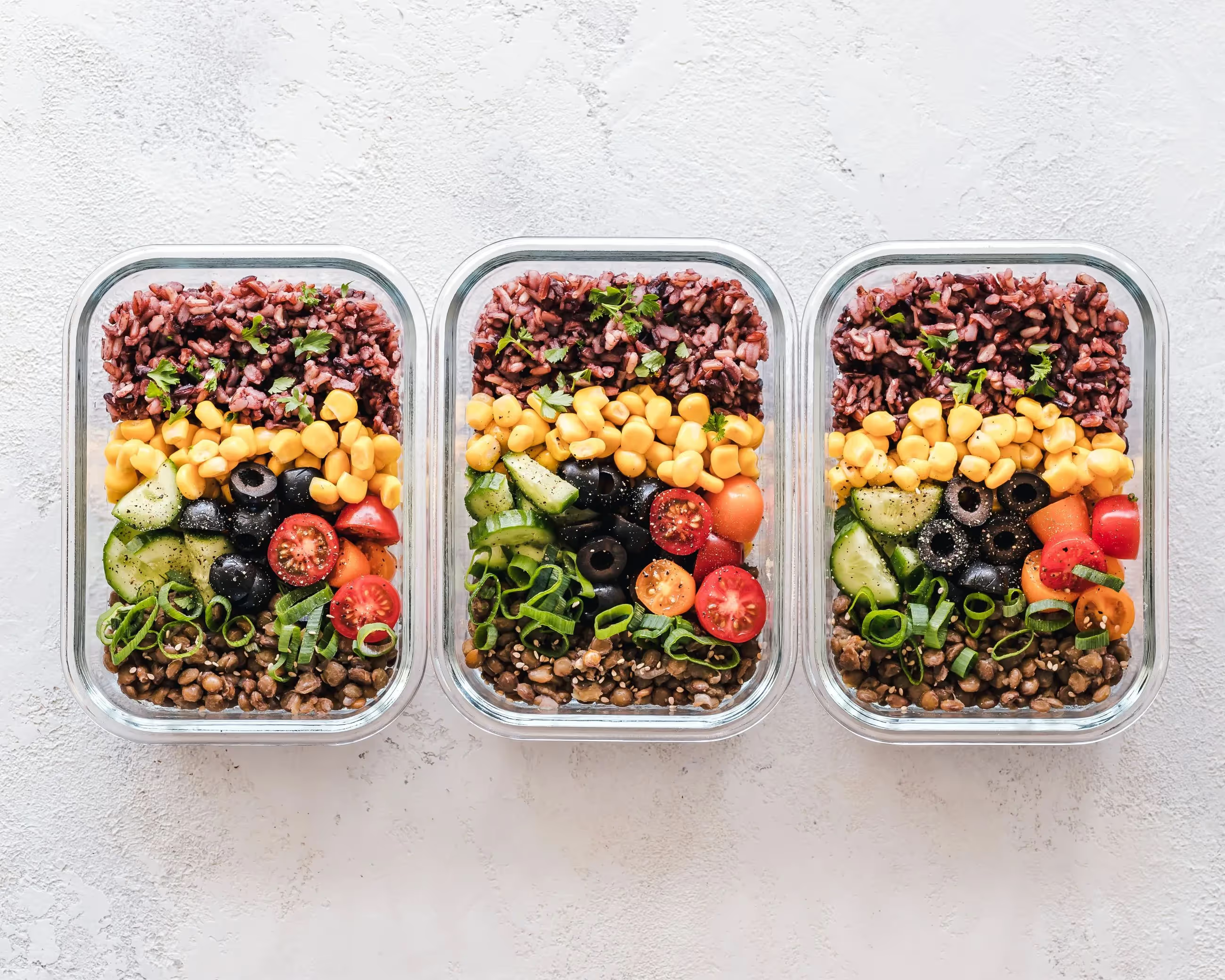
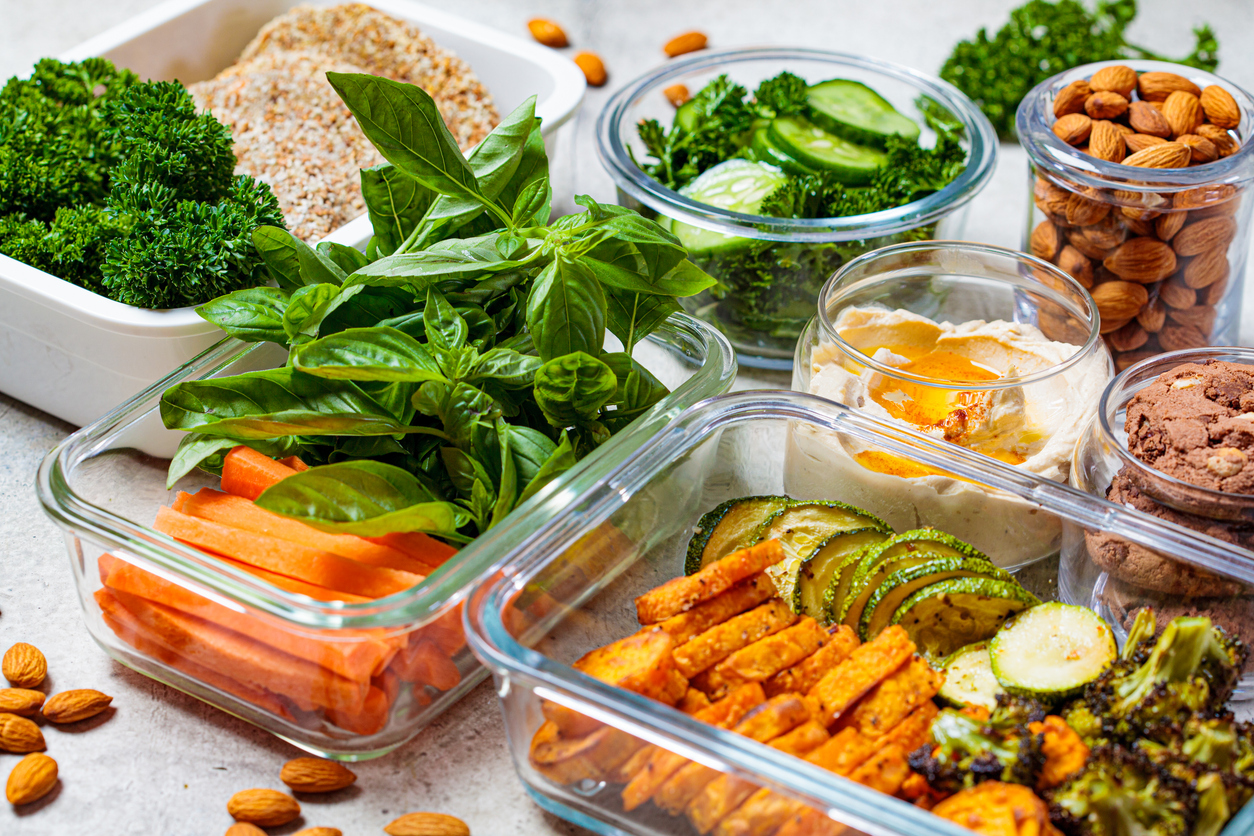
Foods emphasized in an anti-inflammatory diet include:
- Nuts and seeds.
- Fruits.
- Vegetables.
- Fermented foods.
- Chicken, turkey, and seafood.
- Seafood.
- Olive oil.
- Avocado.
Common Foods to Avoid with a Leaky Gut
Focusing on what foods to add instead of taking away is always a good idea when trying to heal a leaky gut, but there are some foods that you may want to consider removing (or your dietitian will recommend removing) while healing. These foods may contribute to inflammation or dysbiosis or be temporarily harder to digest:
- Artificial sweeteners.
- Processed sweets and snacks.
- Alcohol.
- Highly refined oils and fats
- Processed meats
You may have heard that everyone with a leaky gut should avoid gluten or grains because they can be inflammatory. However, this isn't actually true for everyone. Gluten is known to upregulate zonulin (even in people without celiac), so many healthcare practitioners will recommend avoiding gluten if your gut is healing. On the other hand, some people can tolerate small amounts of gluten without any issues or inflammation.
The decision to remove these foods is entirely individualized. Not every person needs to avoid gluten or grains, making a registered dietitian's support even more valuable.
Nourish offers personalized nutrition counseling and accepts the most popular insurance carriers. If you're interested in taking the next step in your gut health journey, consider booking a virtual appointment with a registered dietitian.
Probiotics and Supplements for Leaky Gut
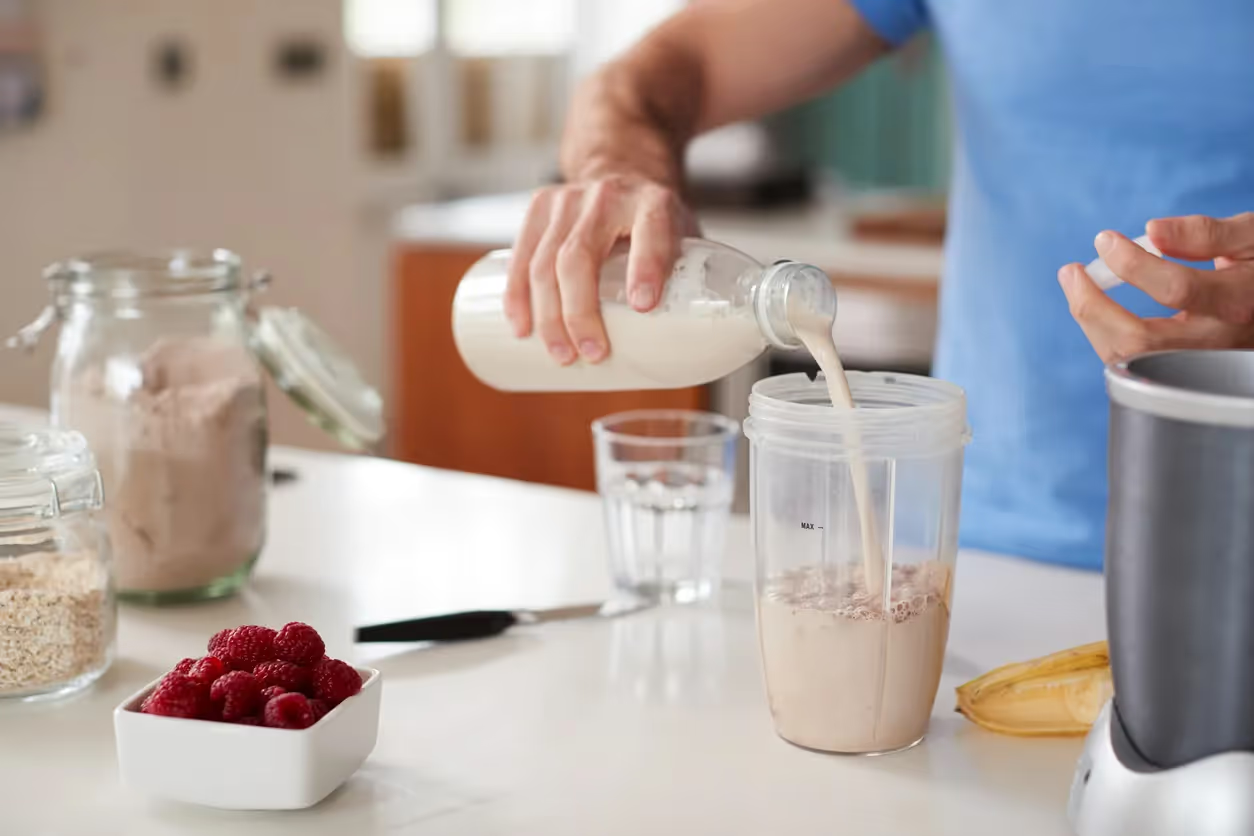
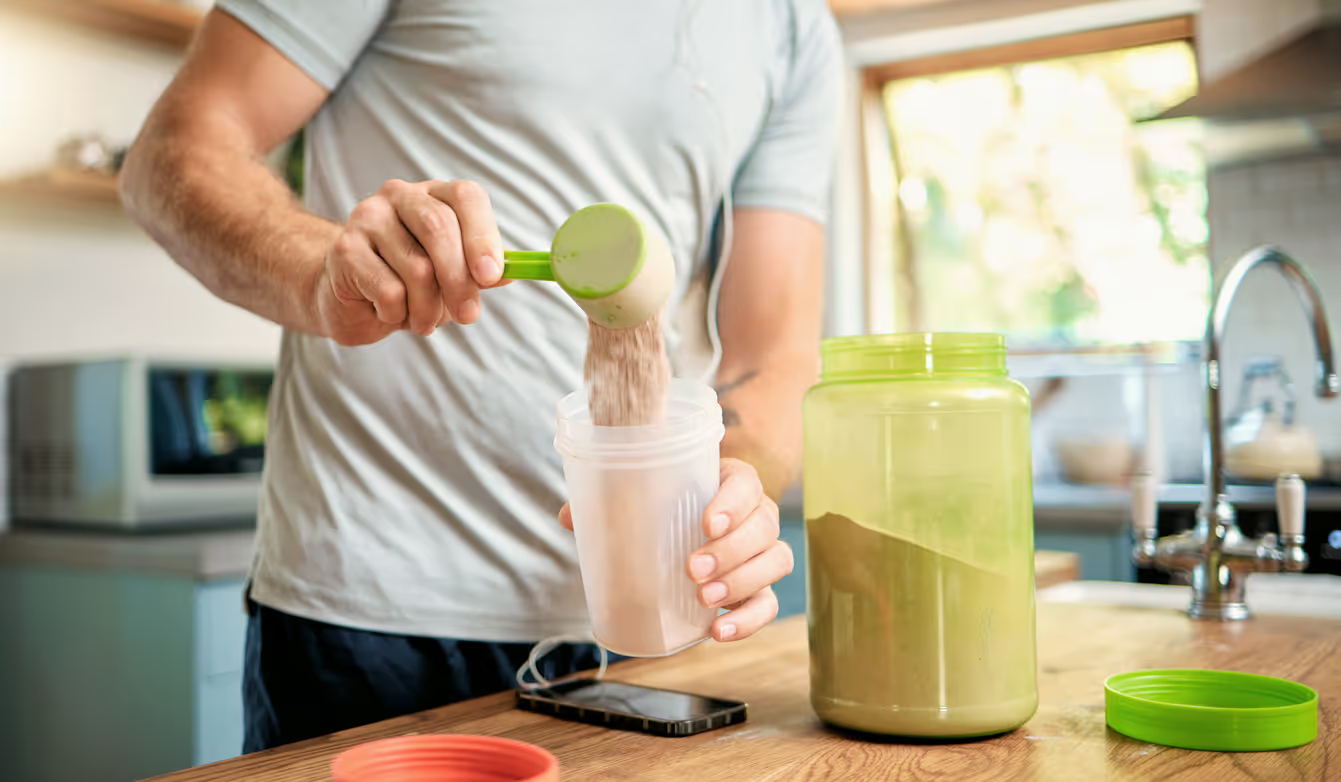
Probiotics are living bacteria that promote beneficial bacterial balance in the gut while reducing inflammation. Some probiotics can support tight junctions, reduce inflammation, and even help prevent damage to the intestinal lining. An RD can help you decide on the right strain and product.
Other supplements you may consider for gut health and intestinal healing include:
- Zinc carnosine: Studies suggest zinc carnosine may help to reduce inflammation and improve tight junction function.
- L-glutamine. Glutamine is an amino acid that provides energy for intestinal cells (L-glutamine is an absorbable form of glutamine). Studies suggest that low glutamine is linked to increased intestinal permeability, but supplementing with glutamine could help improve intestinal permeability.
- Marshmallow root: A demulcent herb, marshmallow root has been used for centuries to support and nourish mucosal linings.
- Vitamin D: Low vitamin D levels are linked with intestinal barrier dysfunction, while vitamin D supplementation may support the integrity of tight junctions.
It's normal to feel overwhelmed by the vast array of supplement options promising to be the answer for gut health. A leaky gut dietitian can guide you through all the supplement and probiotic options.
Questions to Ask When Looking for a Leaky Gut Dietitian
The most important factor to consider when looking for a leaky gut dietitian is to feel connection and trust. It's okay to shop around and get a feel for different practitioners before you commit to one. Here are some questions you can ask to help guide your search:
- How much experience do you have working with leaky gut?
- Do you have specific diet or supplement protocols for gut healing?
- How often do you recommend follow-up visits?
- Do you provide meal plans or meal guides (if needed)?
- What is your approach to food sensitivities and intolerances?
{{splash}}
Takeaway
Trying to figure out the best solution for a leaky gut can feel overwhelming, but working with a gut health dietitian can make the process easier. A leaky gut dietitian can help you with an anti-inflammatory diet personalized to you and suggest supplements that nourish and support your gut.
With the proper personalized healing protocol, you can improve your intestinal health and feel good again. Get started today.
Find a dietitian near you that accepts insurance using Nourish
Frequently Asked Questions
Can you heal a leaky gut with diet?
Healing a leaky gut takes a holistic approach that can include many aspects of health, but diet plays an important role. A leaky gut dietitian can help you create an eating plan that provides gut-healing foods and supplements to address intestinal inflammation and imbalance.
Should I hire a dietitian or nutritionist for gut issues?
A registered dietitian must attend a four-year university program and complete an accredited internship. Dietitians provide medical nutrition therapy for people with digestive disorders like leaky gut. Nutritionists have varying levels of education and can't legally offer medical nutrition therapy (only general nutrition guidance). If you hire a dietitian for gut health, make sure that's their specialty so you can get the best care.
Do dietitians help with gut health?
Yes, dietitians can help with gut health. They can provide personalized nutrition plans to support gut healing. They can also help identify food sensitivities and intolerances contributing to your gut issues and work with the rest of your healthcare team to create a comprehensive protocol.
References
View all references
- Vanuytsel, T., Tack, J., & Farre, R. (2021). The Role of Intestinal Permeability in Gastrointestinal Disorders and Current Methods of Evaluation. Frontiers in nutrition, 8, 717925.
- Arrieta, M. C., Bistritz, L., & Meddings, J. B. (2006). Alterations in intestinal permeability. Gut, 55(10), 1512–1520.
- France, M. M., & Turner, J. R. (2017). The mucosal barrier at a glance. Journal of cell science, 130(2), 307–314.
- Camilleri M. (2019). Leaky gut: mechanisms, measurement and clinical implications in humans. Gut, 68(8), 1516–1526.
- Odenwald, M. A., & Turner, J. R. (2013). Intestinal permeability defects: is it time to treat?. Clinical gastroenterology and hepatology : the official clinical practice journal of the American Gastroenterological Association, 11(9), 1075–1083.
- Fasano A. (2020). All disease begins in the (leaky) gut: role of zonulin-mediated gut permeability in the pathogenesis of some chronic inflammatory diseases. F1000Research, 9, F1000 Faculty Rev-69.
- Ratajczak, A. E., Festa, S., Aratari, A., Papi, C., & Dobrowolska, A. (2023). Should the Mediterranean diet be recommended for inflammatory bowel diseases patients? A narrative review. Frontiers in Nutrition, 9, 1088693.
- Farré, R., Fiorani, M., Abdu Rahiman, S., & Matteoli, G. (2020). Intestinal Permeability, Inflammation and the Role of Nutrients. Nutrients, 12(4), 1185.
- Bernardi, S., Del Bo', C., Marino, M., Gargari, G., Cherubini, A., Andrés-Lacueva, C., Hidalgo-Liberona, N., Peron, G., González-Dominguez, R., Kroon, P., Kirkup, B., Porrini, M., Guglielmetti, S., & Riso, P. (2020). Polyphenols and Intestinal Permeability: Rationale and Future Perspectives. Journal of agricultural and food chemistry, 68(7), 1816–1829.
- Bach Knudsen, K. E., Lærke, H. N., Hedemann, M. S., Nielsen, T. S., Ingerslev, A. K., Gundelund Nielsen, D. S., Theil, P. K., Purup, S., Hald, S., Schioldan, A. G., Marco, M. L., Gregersen, S., & Hermansen, K. (2018). Impact of Diet-Modulated Butyrate Production on Intestinal Barrier Function and Inflammation. Nutrients, 10(10), 1499.
- Fasano A. (2020). All disease begins in the (leaky) gut: role of zonulin-mediated gut permeability in the pathogenesis of some chronic inflammatory diseases. F1000Research, 9, F1000 Faculty Rev-69.
- Chaiyasut, C., Sivamaruthi, B. S., Lailerd, N., Sirilun, S., Khongtan, S., Fukngoen, P., Peerajan, S., Saelee, M., Chaiyasut, K., Kesika, P., & Sittiprapaporn, P. (2022). Probiotics Supplementation Improves Intestinal Permeability, Obesity Index and Metabolic Biomarkers in Elderly Thai Subjects: A Randomized Controlled Trial. Foods (Basel, Switzerland), 11(3), 268.
- Efthymakis, K., & Neri, M. (2022). The role of Zinc L-Carnosine in the prevention and treatment of gastrointestinal mucosal disease in humans: A review. Clinics and Research in Hepatology and Gastroenterology, 46(7), 101954.
- Benjamin, J., Makharia, G., Ahuja, V., Anand Rajan, K. D., Kalaivani, M., Gupta, S. D., & Joshi, Y. K. (2012). Glutamine and whey protein improve intestinal permeability and morphology in patients with Crohn's disease: a randomized controlled trial. Digestive diseases and sciences, 57(4), 1000–1012.
- Zaghlool, S. S., A., A., Rabeh, M. A., Abdelmohsen, U. R., & Messiha, B. A. (2019). Gastro-Protective and Anti-Oxidant Potential of Althaea officinalis and Solanum nigrum on Pyloric Ligation/Indomethacin-Induced Ulceration in Rats. Antioxidants, 8(11), 512.
- Assa, A., Vong, L., Pinnell, L. J., Avitzur, N., C., K., & Sherman, P. M. (2014). Vitamin D Deficiency Promotes Epithelial Barrier Dysfunction and Intestinal Inflammation. The Journal of Infectious Diseases, 210(8), 1296-1305.
Nourish has strict sourcing policies and prioritizes primary sources, including medical organizations, governmental agencies, academic institutions, and peer-reviewed scientific journals. Learn more about our medical review process and editorial guidelines.
More articles




.avif)
















.avif)