First Trimester Pregnancy Food Chart: What To Eat

Medical Reviewer: Renae Khalil RD, LDN

Author: Heather Smith, RN, BSN

Summary
- During the first trimester, the baby is developing all essential organs as well as growing its body structure. The expectant person’s nutritional needs also increase as their body changes during pregnancy.
- While in the first trimester, it’s important to eat a nutrient dense diet that consists of vegetables, fruits, lean proteins, whole grains, dairy, and healthy fats.
- A prenatal dietitian can help you meet your nutritional needs during the first trimester and throughout your pregnancy. They can also offer guidance for managing pregnancy symptoms such as nausea and heartburn.
Navigating the nutritional needs of the first trimester can be both exciting and challenging.
During the first trimester, the foundation for the fetal development begins and many physical and hormonal changes take place in the expectant person.
While nutritional needs increase, there can also be the challenges of nausea and food aversions.
Learning which foods to prioritize is key for ensuring you and the baby get the nutrition you both need.
In this comprehensive guide we discuss the essential nutrients needed during the first trimester to support optimal development for the baby.
Also learn which foods are dangerous and should be avoided throughout pregnancy.
{{splash}}
First Trimester Pregnancy Food Chart
*Serving goals taken from the Dietary Guidelines for Americans 2020-2025
First Trimester Nutritional Needs
Your nutritional needs while pregnant differ considerably from when you are not pregnant.
The first trimester is a time of significant change for your body, and although you may not see many physical changes at this stage, your nutritional needs are very high.
During the first trimester, the baby is also in a critical developmental stage.
The essential organs such as the brain, spinal column, heart, and kidneys are forming as well as the arms, fingers, legs, and toes.
If you’re going into pregnancy at a healthy, moderate weight, you don’t need to focus on eating extra calories for weight gain during the first trimester of pregnancy.
However, it’s crucial to eat a balanced diet that is packed with nutrition for you and your growing baby.
Key nutrients during this time include folate, iron, calcium, and protein.
Additionally, it’s important that you are drinking plenty of water to support the increased blood volume and other fluids needed for pregnancy.
Foods To Eat For A Healthy Pregnancy
To support a healthy pregnancy, it’s important to consume a well-rounded diet rich in essential nutrients.
Each of the following food groups helps support your baby's developing body and your optimal health.
Folate-Rich Foods
Folate, also called folic acid, is a type of B vitamin that’s essential for the development of the baby’s brain and spine. It’s also necessary for growing hair, skin, and nails.
The Centers for Disease Control and Prevention recommends that women of childbearing age take 400 mcg of folic acid daily.
Foods rich in folate include:
- Dark-green vegetables.
- Beans.
- Peas.
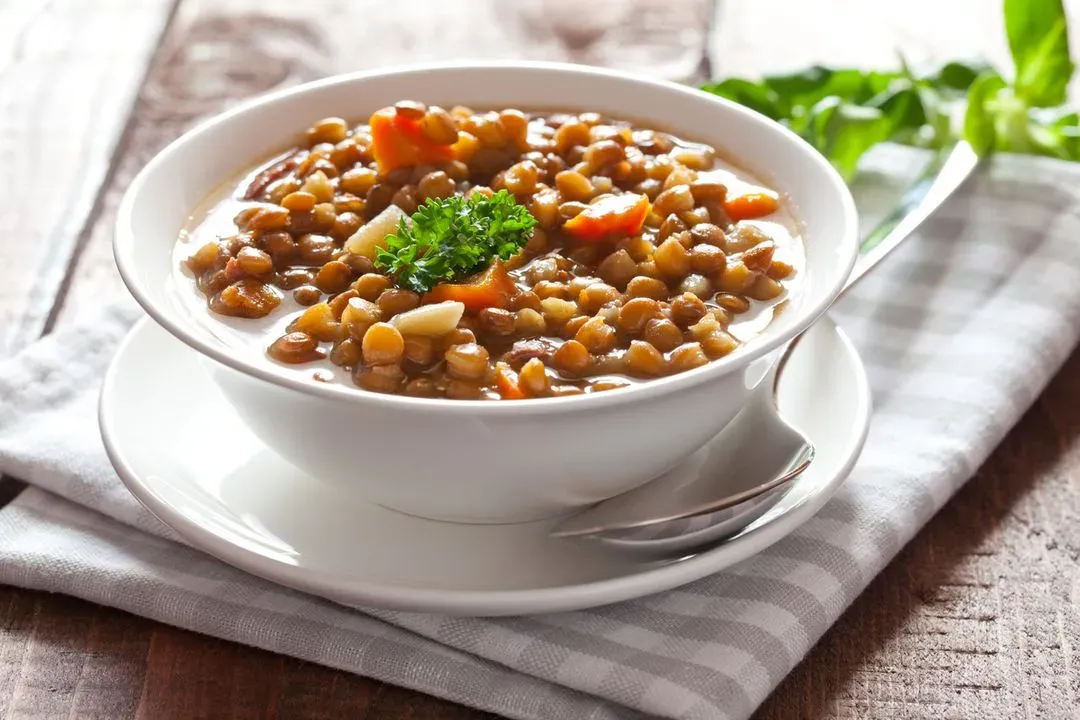
- Lentils.
- Citrus fruits.
- Enriched grains (bread, pasta, rice, and cereal).
- Some corn masa flours are fortified with folic acid.
Lean Proteins
Proteins are the building blocks of the human body.
While pregnant, your body needs extra protein to support the increase in blood volume, and the developing baby needs it for muscle, tissue, and organ growth.
Lean protein sources include:
- Chicken.
- Fish (low in mercury).
- Eggs.
- Legumes.
- Beans.
- Peas.
- Nuts and seeds.
Iron-Rich Foods
Your iron needs greatly increase when you become pregnant. Many expectant people become anemic, low in iron, during pregnancy.
However, this nutrient is essential for the baby’s development, the growing placenta, and your increased blood volume.
Foods rich in iron include:
- Poultry.
- Red meat.
- Beans.
- Eggs.
- Peas.
- Lentils.
- Dark-green vegetables.
- Enriched whole wheat breads and cereals.
High-Fiber Foods
Eating plenty of fiber is an essential part of a balanced diet during pregnancy.
Fiber supports healthy digestion and helps prevent constipation, which is a common issue during pregnancy.
An added benefit is that foods high in fiber are also packed with essential vitamins and minerals that support your overall health.
High fiber foods for pregnancy include:
- Vegetables.
- Fruits.
- Beans.
- Whole grains.
- Nuts and seeds.
Calcium-Rich Foods
Calcium is an important mineral for the baby’s teeth and bones and for preventing preterm birth.
It’s also important for lowering the risk of pre-eclampsia—a potentially dangerous condition characterized by high blood pressure.
Calcium-rich foods include:
- Dairy products (milk, cheese, yogurt).
- Fortified juices or dairy alternatives.
- Leafy green vegetables.
Omega-3 Fatty Acids
Omega-3 fatty acids are important for the baby’s eye and brain growth and early development.
Having enough omegas can also help reduce the baby’s risk of developing asthma or other allergies.
You benefit from omegas because they may lower your risk of having postpartum depression.
Foods high in omega-3 fatty acids include:
- Fatty fish (Anchovy, Black Sea Bass, Salmon, Sardines, canned light Tuna).
- Flaxseeds.
- Walnuts.
- Eggs.
Foods To Limit Or Avoid During The First Trimester
As important as incorporating nutritious foods into your diet is, it’s just as important to limit or avoid certain foods.
Raw Or Undercooked Meats And Seafood
It’s very important to only eat meat and poultry that is thoroughly cooked.
Eating raw or undercooked meat puts you and the baby at risk for harmful organisms such as, E. coli, Salmonella, Toxoplasma gondii, or Campylobacter.
Before consuming, use a food thermometer to ensure the meat has reached the USDA-recommended safe minimum internal temperature.
Seafood can also contain parasites and bacteria, including Listeria, that may make you very ill and harm your baby.
Be sure that all seafood dishes are cooked to 145° F and avoid raw seafood such as:
- Sushi.
- Sashimi.
- Raw oysters.
- Raw clams.
- Raw scallops.
- Ceviche.
After preparing raw meats, be sure to wash your cutting boards, dishes, utensils, and counters with hot, soapy water.
Always wash your hands with soap and water after touching raw meats or seafood.
Unpasteurized Milk And Cheese
Milk and cheese that have not been pasteurized (heated thoroughly to kill harmful microorganisms) are dangerous to consume while you are pregnant.
Drinking unpasteurized or raw milk and eating soft cheeses made from unpasteurized milk puts you at risk for bacterial infections such as E. coli, Campylobacter, or Salmonella.
To avoid getting sick, drink pasteurized milk and only eat the cheeses listed below if their label states “pasteurized” on it.
- Brie.
- Camembert.
- Feta.
- Roquefort.
- Queso blanco.
- Queso fresco.
High-Mercury Fish
While fish can be a healthy protein and great source of omega-3 fatty acids, some are high in mercury, which can be harmful to the growing baby.
Below is a list of fish to avoid due to their high levels of mercury:
- King mackerel.
- Marlin.
- Orange roughy.
- Shark.
- Swordfish.
- Tilefish.
- Big Eye Tuna.
Caffeine And Alcohol
Small amounts of caffeine may be fine for the baby, but there is no safe amount of alcohol.
If you need some caffeine to get you going, enjoy a decaf coffee or tea and limit drinks with caffeine to less than 200 mg per day.
That’s the amount of about 12 oz. of coffee.
When it comes to alcohol, it’s important to avoid all alcoholic beverages including beer, wine, and hard liquor.
{{splash}}
Other Important Factors For A Healthy First Trimester
Along with consuming good nutrients, here are some more healthy tips for you and the baby.
Staying Hydrated
Drinking plenty of water is important during your pregnancy.
As your blood volume starts to increase and the amniotic fluid around your baby, your water intake needs to increase.
Experts recommend drinking between 8–12 glasses of water each day.
If you’re struggling with nausea, try siping small amounts of water throughout the day.
Keep a refillable water bottle close by to help.
If you don’t like plain water, try adding a squeeze of lemon or a dash of fruit juice to add flavor.
Managing Nausea And Food Aversions
Nausea and food aversions can be very real problems during pregnancy making it difficult to get your nutrition.
Several types of foods and beverages are known to help ease nausea such as ginger, lemon, and bland foods like crackers, toast, bananas, and oatmeal.
Try eating small meals throughout the day and eat something before going to sleep. You can also try alternative therapies like acupuncture.
Taking Prenatal Vitamins
While it’s important to try and get most of your nutritional needs met through the foods you eat, sometimes it’s difficult to meet all your nutrition goals and your doctor or dietitian may recommend taking a prenatal vitamin.
However, remember that your prenatal vitamin helps complete your nutritious diet and does not replace it.
Some people feel nauseous from their prenatal vitamins.
If this is the case for you, you may find it easier to take them at night right before sleeping. You can also try taking it with food.
Takeaway
The first trimester is a crucial time for the baby as its brain, heart, and body structure forms.
Many changes are also happening in your body which increase your nutritional needs.
Eating foods packed with nutrients such as folate, iron, calcium, and protein is key.
Each day you need servings of vegetables, fruits, proteins, whole grains, and dairy.
Your doctor or dietitian may also recommend taking a prenatal vitamin to fill in any nutritional deficiencies.
During this time it’s also important to avoid certain foods and beverages that may contain harmful organisms, such as undercooked or raw meats or seafood.
Unpasteurized milk and soft cheeses made from unpasteurized milk are also a danger.
Limit your caffeine intake to a small cup daily or switch to decaffeinated beverages.
Avoid all types of alcoholic beverages including beer, wine, and hard liquor.
Staying hydrated throughout the day is key for a healthy pregnancy.
Choose water most often and add fresh fruit and herbs to naturally flavor your drink.
How A Dietitian Can Help
Prenatal dietitians are experts in helping expectant people learn how to get the nutrition they need into their diet each day.
They can provide personalized guidance on meal planning and practical tips for managing common pregnancy symptoms like nausea and heartburn.
As your pregnancy progresses, your dietitian can give you personalized advice for each stage to ensure you and your baby are getting the nutrition you both need.
Find a dietitian who accepts insurance through Nourish.
Frequently Asked Questions
What food is good for the first trimester?
During the first trimester it’s important to focus on eating foods that provide essential vitamins, minerals, like lean meats, vegetables, fruits, whole grains, and dairy.
However, eating all the right foods during the first trimester can be difficult due to nausea and food aversions.
Try eating smaller meals throughout the day that include protein, or eating bland foods when you feel nauseous.
What foods should be avoided in the first trimester?
During the first trimester and throughout the duration of the pregnancy it’s crucial to avoid all alcoholic beverages.
There’s no safe level of alcohol while you are pregnant. Limiting caffeine to one small cup a day is also recommended.
It’s also critical to avoid all undercooked, raw, or unpasteurized dairy products.
Consuming these puts you at risk for exposure to dangerous organisms that can cause sickness or harm your baby.
What are the superfoods for the first trimester of pregnancy?
While there are many superfoods, a few examples include leafy greens like spinach and kale that contain folate and iron.
Lean proteins such as poultry, eggs (fully cooked), salmon, beans, and lentils. Berries and other fruits that contain antioxidants, fiber, and vitamin C.
Nuts, seeds, and avocados that contain healthy fats and fiber. Pasteurized dairy products that contain calcium.
References
View all references
Nourish has strict sourcing policies and prioritizes primary sources, including medical organizations, governmental agencies, academic institutions, and peer-reviewed scientific journals. Learn more about our medical review process and editorial guidelines.