How To Naturally Increase Estrogen: Foods & Remedies

Medical Reviewer: Danielle Matthies, RD, LD, CD

Author: Heather Smith, RN, BSN
Summary
- Having low estrogen is a natural part of menopause and can cause symptoms like hot flashes, vaginal dryness, mood changes, and puts you at risk for decreased bone density.
- Certain diet and lifestyle changes, such as eating phytoestrogen-rich foods, taking certain vitamins and supplements, and completing regular anaerobic exercise may help promote better hormone balance naturally.
- A Nourish registered dietitian can give you personalized guidance on nutritional ways to improve your hormone levels naturally
Estrogen is a sex hormone that both males and females have and is important for sexual characteristics, bone, and heart health.
In males, estrogen stays at a relatively even level throughout life.
However, in females, estrogen levels fluctuate greatly due to menstruation, pregnancy, and menopause.
During menopause, estrogen levels decrease as the body stops having menstrual cycles.
While this process is natural, having less estrogen can cause symptoms that affect daily life.
There are several natural ways to boost estrogen levels through foods, vitamins, plant extracts, and lifestyle changes that this article explores.
Continue reading to discover 11 practical ways to naturally boost estrogen.
{{splash}}
Can You Boost Estrogen Levels Naturally?
Discovering ways to boost estrogen levels naturally has become an area of concern, especially in the wake of findings from the Women’s Health Initiative that highlight an increased breast cancer risk with estrogen and progesterone hormone therapy.
While hormones are a complex system, experts in science have demonstrated that several foods, vitamins, and plant extracts have the potential to boost estrogen naturally.
For example, phytoestrogens are plant compounds that have estrogen-like properties when consumed. Phytoestrogens are present in higher concentrations in foods such as soy, flaxseed, and certain fruits and vegetables.
Exercise is another lifestyle change that may help increase estrogen.
However, each person's response to the interventions varies, and what may work for one person may not have the same results for you.
A registered dietitian who specializes in hormones can provide personalized guidance and support on how to naturally increase your estrogen levels.
Signs And Symptoms Of Low Estrogen In The Body
Low estrogen levels can create various physical and emotional signs and symptoms, such as:
- Irregular menstrual cycles or complete cessation of menses.
- Hot flashes.
- Migraine headaches.
- Vaginal dryness, burning, or irritation.
- Recurring urinary tract infections (bladder infections).
- Decreased libido (sexual drive).
- Changes in mood or ability to concentrate.
- Trouble falling asleep or staying asleep.
- Changes in weight.
- Decreased bone density.
11 Natural Tips For Regulating Estrogen Production
Here are 11 natural ways to support healthy estrogen levels.
1. Foods High In Soy
Soy contains natural plant compounds called phytoestrogens that mimic the effects of estrogen in your body.
Genistein is a specific compound in soy that may have an effect on estrogen levels by its ability to decrease hot flashes and vaginal dryness.
Also, it helps strengthen bones and may reduce the severity of other low estrogen symptoms such as depression and anxiety.
Soy comes from the edamame bean and is present in foods like:
- Tofu.
- Soy milk.
- Tempeh.
- Soy wheat.
- Plant-based proteins made from soy.
- Roasted soy nuts.
To increase your soy intake, try tofu as a meat replacement in soups, salads, sandwiches, smoothies, and stir-fries.
2. Vitamin D3
While research on vitamin D3’s ability to increase estrogen is still in its early stages, studies show that vitamin D3 works together with estrogen to safeguard bone health and heart function.
Vitamin D3 typically comes from animal sources, which is different from vitamin D2, which is mainly derived from plant sources.
These functions are especially important after menopause when you are at higher risk for osteoporosis and heart-related conditions.
Talk with your medical provider or registered dietitian about how much vitamin D supplementation would benefit you.
3. Flaxseed
Flaxseed is rich in phytoestrogens, and health experts have been studying its potential for reducing menopause symptoms.
A review of research from 2023 found several studies demonstrating flaxseed’s ability to reduce menopause symptoms in women who had gone through menopause.
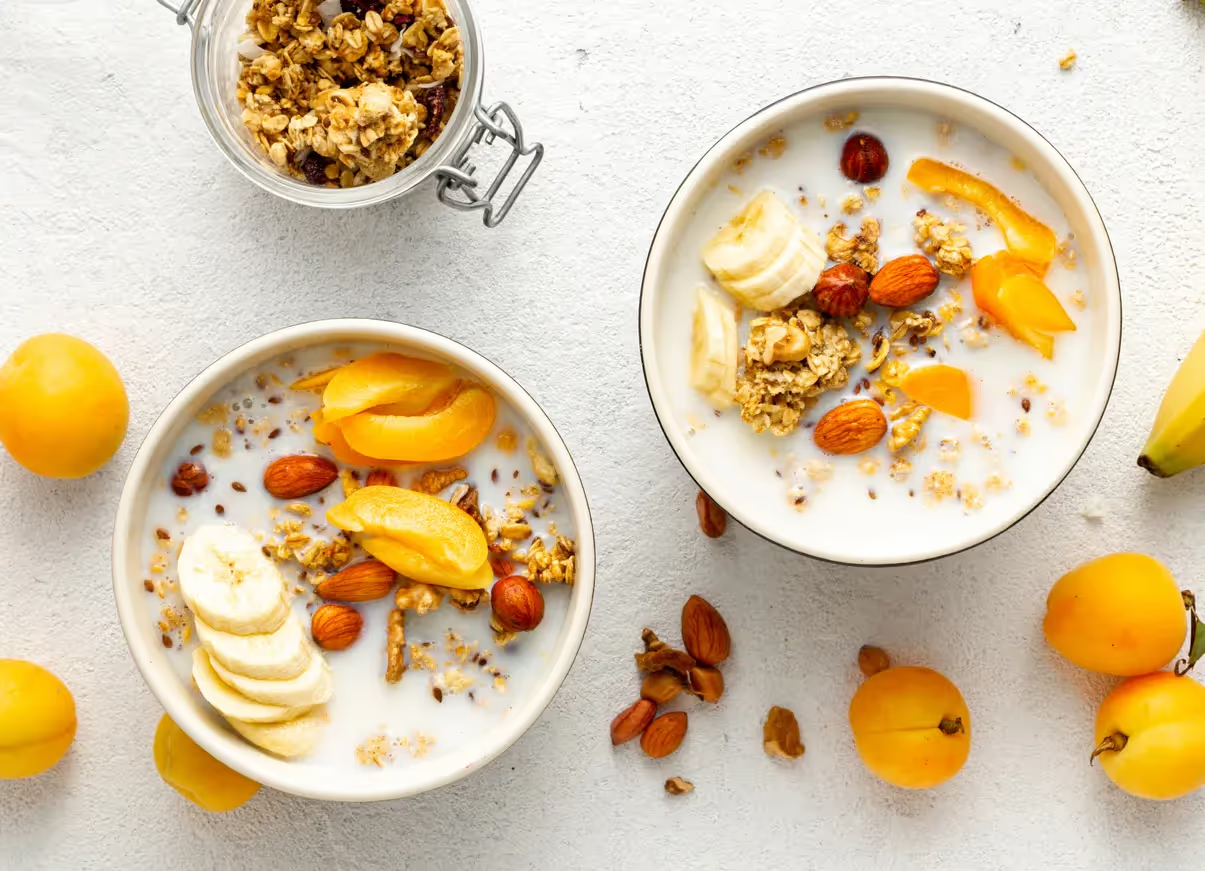
To add flaxseed to your diet, try blending it into smoothies or sprinkling it over yogurt and salads.
4. Milk Thistle
While research on milk thistle (S. marianum) is still developing, a 2020 study involving 80 women suggests that taking 400mg of milk thistle daily could significantly reduce the frequency and severity of hot flashes.
While these findings are promising, further studies are needed to understand milk thistle’s impact on menopausal symptoms fully.
To add milk thistle to your daily routine, take milk thistle supplements or sip milk thistle tea.
Before starting any new supplements, it’s always a good idea to talk with your medical provider to make sure there are no interactions with your medications.
5. Garbanzo Beans Or Chickpeas
Depending on where you live, you may refer to this legume as garbanzo beans or chickpeas. Whatever you prefer, this legume is packed with isoflavones, another type of phytoestrogen that mimics estrogen in your body.
A 2021 study reveals that chickpeas might stimulate estrogen production sites, suggesting their effectiveness in enhancing estrogen in the body.
Other research indicates that eating 50 grams of boiled chickpeas daily may decrease menopausal symptoms, hinting at the garbanzo bean’s ability to boost estrogen levels.
To benefit from chickpeas' possible effects, add them to salads or soups or blend them with olive oil, lemon juice, and tahini to create flavorful hummus.
6. Turmeric
Turmeric, a popular spice used in foods from India and Southeast Asia, contains curcumin, which has potential benefits for managing hot flashes related to menopause by influencing estrogen levels.
In research from 2020, women around 51 years of age who took 500 mg of curcumin oral supplements daily had a decrease in the occurrence of hot flashes after four weeks.
To reap the benefits of turmeric, experiment with adding it to soups, curries, or stews for a burst of warm flavor.
You can also blend it into smoothies or juices and whisk it into salad dressings or marinades.
7. Garlic
While research is limited, garlic is another herb rich in phytoestrogens and may support estrogen levels.
Another benefit of garlic is its powerful antioxidant properties.
As estrogen levels decline during menopause, a woman is at higher risk of damage from oxidative stress.
A 2013 study suggests that garlic’s antioxidant properties could benefit women who have gone through menopause.
Add garlic to your food while cooking to not only boost flavor but also for the natural health benefits.
You can sauté garlic with veggies or simmer it in olive oil to prepare an oil infusion that’s perfect for drizzling over salads, pasta, or roasted dishes.
8. Plant Extracts
Using plant extracts after menopause to potentially boost estrogen levels is gaining popularity.
Botanicals are sought out not only for their potential to support estrogen, but some may also offer protection against post-menopause concerns like osteoporosis and breast cancer.
However, it’s important to note that research on these botanicals is limited and in its early stages, and caution should be taken regarding their possible drug interactions or harmful effects.
Several plant extracts that may affect estrogen levels include:
- Horny goat weed.
- Maca.
- Fenugreek.
- Soy.
- Red clover.
- Kudzu.
- Guinea-Bissau.
- Evening primrose.
- Wild yam.
- Licorice.
- Hops.
- Alfalfa.
- Rhubarb.
- Chasteberry.
9. Exercise
Exercise is a great way to increase your estrogen levels.
In addition to helping your estrogen, it also can help maintain your bone density, which often decreases after menopause due to low estrogen.
A 2019 study conducted over 12 weeks found that women who did regular anaerobic exercise 2 to 3 times per week increased their estrogen levels almost two times more than women who did regular aerobic exercise.
Anaerobic exercises are exercises done in bursts at maximum effort, such as:
- High-intensity interval training (HIIT).
- Weight lifting.
- Jumping rope.
- Sprinting.
10. DHEA
Dehydroepiandrosterone (DHEA) is a natural steroid hormone found in your body that can act like estrogen.
A 2022 review of research on supplementing with DHEA, suggests that post menopausal women taking DHEA may have less hot flashes, improved libido, a stronger immune system, less bone loss, and increased muscle mass.
These results imply that DHEA may increase estrogen levels.
However, the review of research is also clear that study sample sizes have been small and more research is still needed to confirm these results.
11. Phytoestrogen-Rich Foods
Other foods high in phytoestrogens that your body may recognize as estrogen include:
- Celery.
- Carrots.
- Apples.
- Wheat.
- Potatoes.
- Red clover.
- Sweet potatoes.
- Pomegranates.
Non-Natural Ways To Increase Estrogen
If natural therapies are not increasing your estrogen levels and you are suffering from symptoms, your medical provider may suggest taking medication to help improve your hormone levels.
The term they use is hormone replacement therapy (HRT).
Oral estrogen pills are available by prescription, or you can try a prescription transdermal patch that slowly releases estrogen through your skin.
Both forms of hormone therapy increase breast cancer risk and have possible side effects, including blood clots.
Some people are not good candidates for HRT.
Talk with your medical provider about whether you are a good candidate and what options are available.
Are Natural Methods Of Increasing Estrogen Safe?
Some natural methods of increasing estrogen tend to be relatively safe, such as incorporating foods rich in phytoestrogens, such as soy, chickpeas, flaxseed, and garlic.
However, herbs and other supplements are still under research, and their safety profiles still need to be completed.
Keep in mind that there are times when phytoestrogen-rich foods may interact with medications or cause adverse effects if you eat them in excess.
It’s suggested to always talk with your medical provider before starting any new regimen aimed at altering hormone levels.
When To Get Help
It’s important to seek medical attention if you are having symptoms of low estrogen that are interfering with your quality of life or you have concerns about your health.
Signs of low estrogen levels include:
- Hot flashes including night sweats.
- Irregular or absent menstrual cycle.
- Vaginal dryness.
- Changes in mood.
- Bones that break easily.
Your medical provider can help look for the root cause of your symptoms and rule out other conditions that may present with similar symptoms.
Takeaway
Some individuals have found natural methods, such as eating foods high in phytoestrogens, taking certain vitamins and plant extracts, or participating in anaerobic exercise, help improve their estrogen levels.
While these methods may be beneficial for some, it’s important to remember that research on this topic is still new, limited, and in its early stages.
These methods may carry some risk and should be approached cautiously and with the guidance of a medical provider.
If persistent symptoms of low estrogen are impacting your daily life, it’s important to seek medical help for a comprehensive evaluation.
{{splash}}
How A Dietitian Can Help
A dietitian can be a wealth of guidance, education, and encouragement for managing low estrogen through several means.
- Personalized nutrition: They can develop an eating plan that includes phytoestrogen-rich foods, fits your preferences, and considers your overall health.
- Bone health: A dietitian can make food suggestions that are rich in calcium and vitamin-D to help maintain your bone strength.
- Heart health: They can advise on which foods will help maintain your heart health.
- Weight management: As weight can fluctuate during menopause, a dietitian can give balanced meal plans that support healthy weight management.
- Address nutritional deficiencies: A dietitian can evaluate your nutrition, identify any areas you may be lacking, and suggest appropriate dietary sources or supplements.
Find a dietitian who accepts insurance through Nourish.
Frequently Asked Questions
How can I raise my estrogen levels quickly?
Significant changes in your hormone levels should only be done under medical supervision. Certain foods, such as soy, flaxseed, and garbanzo beans, may help improve estrogen levels, but eating large quantities of these foods over a short period of time may have negative effects.
What are the signs of low estrogen?
Decreases in estrogen are natural around the time of menopause. Symptoms can include irregular or missed periods, hot flashes, night sweats, or mood changes.
If your symptoms are persistent and interfere with your quality of life, it’s a good idea to seek medical attention.
Which food is highest in estrogen?
Foods that contain high amounts of phytoestrogens, plant compounds that mimic estrogen, include soy, flaxseed, chickpeas, and garlic.
References
View all references
Nourish has strict sourcing policies and prioritizes primary sources, including medical organizations, governmental agencies, academic institutions, and peer-reviewed scientific journals. Learn more about our medical review process and editorial guidelines.









.avif)