Can a Nutritionist Help With a Vegetarian Diet?

Medical Reviewer: Ellie Stamerjohn, MS, RDN, LD

Author: Jennifer Huddy, MS, RD, LD
Summary
- A vegetarian diet excludes meat, poultry, and fish and typically includes eggs and dairy.
- Plant-based diets have many health benefits, including a reduced risk of type 2 diabetes, heart disease, and high blood pressure.
- A registered dietitian nutritionist can help you follow a vegetarian diet by teaching protein substitutions, how to make delicious balanced meals and snacks, and screening for nutrient deficiencies.
You may be interested in a vegetarian diet for many reasons, from ethical to environmental to health factors. However, adjusting to a vegetarian diet and getting all the necessary nutrients can be challenging.
A registered dietitian (RD) or registered dietitian nutritionist (RDN) can offer guidance on following a sustainable, balanced vegetarian diet. They can also help you identify and manage possible nutrient deficiencies.
Continue reading to learn more about how a registered dietitian nutritionist can help with a vegetarian diet.
{{splash}}
What Is a Vegetarian Diet?
A vegetarian diet is an eating pattern that excludes meat and sometimes other animal products like dairy or eggs. There are many variations of a vegetarian diet. The most common is lacto-ovo vegetarian, which means avoiding meat, poultry, and fish but includes dairy and eggs.
Other types of vegetarianism include:
- Lacto-vegetarian: Excludes meat, poultry, fish, and eggs but includes dairy.
- Ovo-vegetarian: Excludes meat, poultry, fish, and dairy but includes eggs.
- Pescatarian: Excludes meat and poultry but includes fish, dairy, and eggs.
- Flexitarian: Excludes meat, poultry, and fish most of the time.
Vegetarian vs. Vegan
The main difference between a vegetarian and a vegan diet is that vegan individuals avoid eating all foods that come from an animal. A vegan diet excludes meat, poultry, fish, eggs, dairy, and honey.
People who are vegan may also incorporate veganism into their lifestyle choices, such as not purchasing goods made from animal products (like leather shoes or clothing).
Benefits of a Vegetarian Diet
Plant-based diets are linked with many health benefits and may be especially valuable for the following health conditions:
- Heart disease.
- Type 2 diabetes.
- Obesity.
- High blood pressure.
- High cholesterol.
Research shows that people who follow a vegetarian diet have lower heart disease rates and cholesterol levels. These benefits are likely due to plant-based diets typically being lower in saturated fat and rich in fiber.
A plant-based diet can also help manage blood sugar and improve insulin resistance in people with type 2 diabetes.
Other Benefits
Vegetarian diets have been linked with improved gut health due to their high fiber content and lower amounts of animal proteins and fats. Plant-based diets can help healthy gut bacteria thrive, which may help manage painful chronic inflammation.
Though more research is needed, studies have identified that eating processed meat and large amounts of red meat may increase the risk of developing certain types of cancer, like colorectal cancer. Therefore, a vegetarian diet that excludes these foods may be a strategy for reducing cancer risk.
Common Nutrient Deficiencies in Vegetarians
Though there are many health benefits of a vegetarian diet, specific nutrient deficiencies can be common with this eating pattern, like:
- Iron.
- Vitamin B12.
- Calcium.
- Vitamin D.
- Protein.
- Omega 3.
- Zinc.
- Iodine.
Plant-based foods have lower amounts of certain vitamins and minerals than meat and other animal products. In addition, some of the nutrients in plant foods are harder for your body to absorb.
Some people who follow a vegetarian diet must take supplements to meet their nutritional needs.
Talk to a registered dietitian to learn how to properly balance a plant-based diet and get screened for possible nutrient deficiencies.
Many people are concerned about getting enough protein on a vegetarian diet, but it’s possible to meet your needs from plant proteins.
Most Americans consume much more protein than they need, especially those who live a sedentary lifestyle.
Despite the risk of nutrient deficiencies, research shows that a well-planned vegetarian diet can be healthy for most people across all life stages.
It’s important to note that many people mask an eating disorder or disordered eating by following a vegetarian or vegan diet because of the desire to control their diet.
It's important to seek support and discuss this further with an eating disorder RD.
How Can A Nutritionist Help With A Vegetarian Diet?
A registered dietitian nutritionist (RDN) can be a valuable tool whether you are a lifelong vegetarian or new to a plant-based diet.
If you’re just starting, an RDN can help you decide which form of vegetarianism is the healthiest and most sustainable for you.
They can give you ideas for substitutions and teach you how to balance your meals and snacks.
A registered dietitian nutritionist can help assess your diet for all the necessary nutrients and recommend lab work with your doctor to rule out nutritional deficiencies.
If you have a vitamin or mineral deficiency, your RDN will show you how to manage this through food or supplement sources.
If you have any health conditions, like high cholesterol or type 2 diabetes, your RDN will make recommendations to target these through dietary and lifestyle changes.
{{splash}}
Tips For Finding The Right Nutritionist
The first step in finding a plant-based nutritionist is to make sure they have the proper credentials to give you evidence-based information.
Look for the titles “registered dietitian (RD)” or “registered dietitian nutritionist (RDN)” in your search.
While all dietitians should be able to guide you in a healthy vegetarian diet, you may prefer to work with a provider who specializes in plant-based nutrition.
They are experts in this topic and will be a great resource as you transition to this new way of eating.
Meal Planning For a Balanced Vegetarian Diet
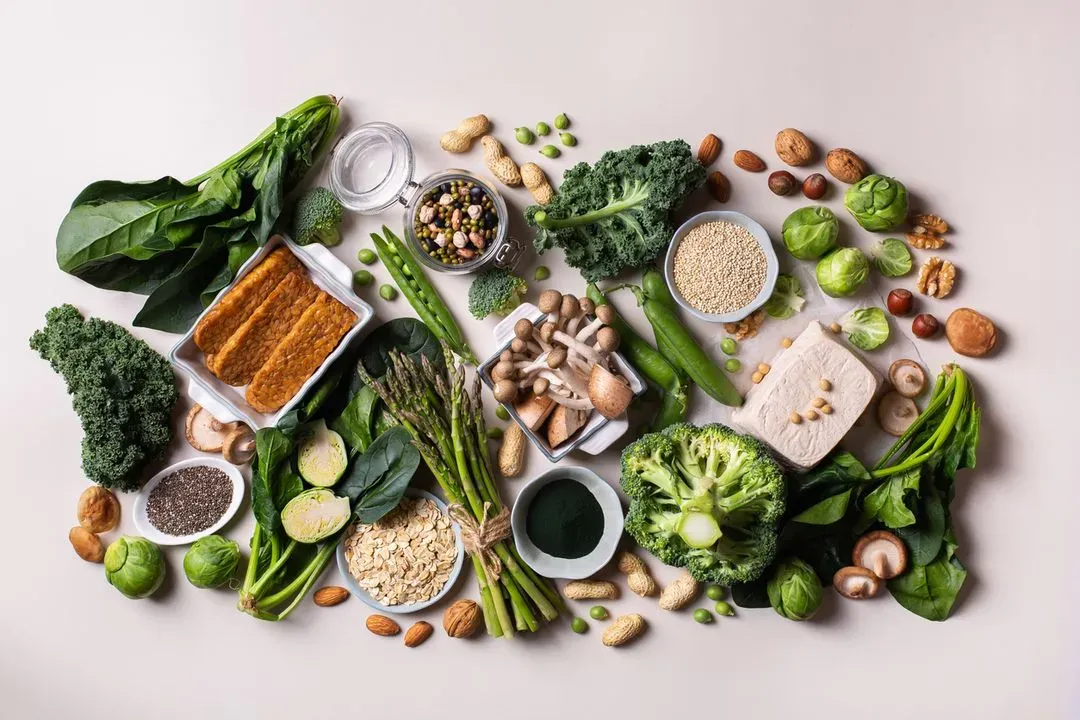
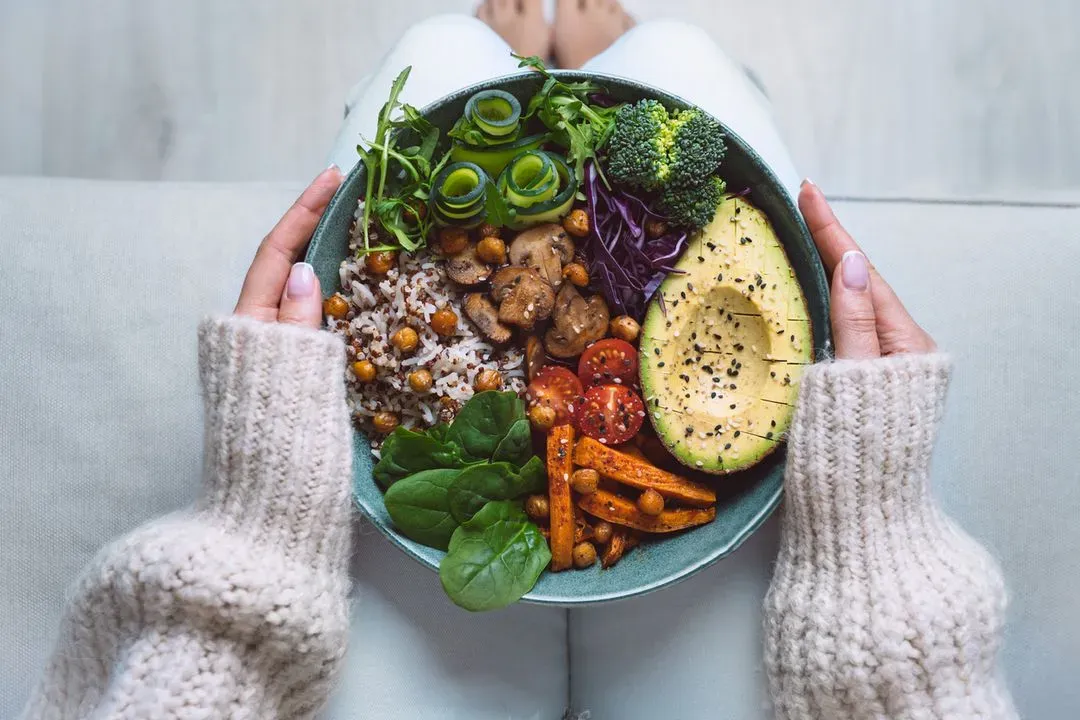
A healthy and balanced vegetarian diet includes a variety of whole grains, plant proteins, fruits, vegetables, and healthy fats.
When meal planning, you may find it helpful to follow the healthy plate method, which recommends filling:
- ¼ of your plate with protein, such as beans, lentils, tofu, or eggs.
- ¼ of your plate with starches, like brown rice, quinoa, sweet potatoes, or whole wheat pasta.
- ½ of your plate with fruits and vegetables, emphasizing a variety of colors.
It’s also important to include healthy fats with your meal, such as olive oil, avocados, nuts, and seeds.
Fat helps you feel full after eating and helps your body absorb fat-soluble vitamins that you need to stay healthy (such as vitamin D).
Tips For Getting The Right Nutrients
The best way to get all of the nutrients you need on a vegetarian diet is to focus on eating a variety of whole foods.
Although vegetarian meat substitutes are convenient, they can be high in sodium and saturated fat and low in nutrients because of the way they are processed.
Minimally processed foods contain vitamins, minerals, antioxidants, and fiber that provide the health benefits of a plant-based diet.
In addition to focusing on nutrient-dense foods, look for foods fortified with vitamins and minerals commonly low in a vegetarian diet. For example, many plant-based milk products are fortified with calcium and vitamin D.
When in doubt, talk to a Nourish registered dietitian to learn if there are any nutritional gaps in your diet.
Other Considerations Before Starting A Vegetarian Diet
If you want to pursue plant-based eating, it’s important to choose a plan that you can see yourself following long-term.
If a vegan or vegetarian diet feels too restrictive, consider a flexitarian diet.
In this eating pattern, people avoid meat most of the time but will occasionally include it in their diet.
Research shows that a flexitarian diet can still bring many of the health benefits of a vegetarian diet while being easier to follow.
Lastly, consider slowly transitioning into a plant-based diet rather than going cold turkey.
This can help you build long-lasting habits while minimizing digestive upset from a higher-fiber diet.
Takeaway
A vegetarian diet is a plant-based eating pattern emphasizing plant-based protein, grains, fruits, vegetables, nuts and seeds, dairy, and eggs.
It’s been linked with many health benefits, including a decreased risk of chronic conditions like type 2 diabetes, high cholesterol, and obesity.
Vegetarianism is associated with certain nutrient deficiencies, but a well-planned vegetarian diet can be a healthy choice for most people.
Managing Vegetarianism with an RD
Regardless of where you are in your vegetarian journey, a registered dietitian can give you balanced meal and snack ideas and help you identify possible nutrient deficiencies.
For more support, consider booking a consultation with a Nourish registered dietitian specializing in plant-based nutrition.
Find a dietitian near you that accepts insurance using Nourish
Frequently Asked Questions
Should vegetarians see a nutritionist?
A registered dietitian nutritionist (RDN) can help people following a vegetarian diet ensure they are getting all of the necessary nutrients. Specific vitamin and mineral deficiencies can happen with a plant-based diet, and an RDN can help screen for and manage these.
A dietitian can assist with plant-based meal planning and help you feel your best by building positive diet and lifestyle habits.
Do nutritionists recommend veganism?
Plant-based diets, including veganism, have many health benefits, and many registered dietitian nutritionists recommend people eat more plant-based foods. However, you don’t need to go vegan to be healthy.
Start by incorporating more whole plant foods into your diet by trying strategies like “meatless Monday” or a “flexitarian diet.” Research shows that semi-vegetarian or flexitarian diets still provide many health benefits and can be easier to follow in the long term.
What diet is best for vegetarians?
The best diet for vegetarians includes a wide variety of whole foods, such as plant proteins, whole grains, healthy fats, fruits, and vegetables. To maximize the health benefits of a vegetarian diet, limit highly processed plant-based products, which tend to be high in saturated fat and sodium.
References
View all references
Nourish has strict sourcing policies and prioritizes primary sources, including medical organizations, governmental agencies, academic institutions, and peer-reviewed scientific journals. Learn more about our medical review process and editorial guidelines.