10 Best High Protein Vegan Snacks, According to a Dietitian

Medical Reviewer: Christina Harris, RDN

Author: Sarah Glinski, RD

Summary
- Some people find it difficult to get enough protein on a vegan diet. Adding high-protein vegan snacks is an effective way to boost your intake.
- Benefits of including high-protein vegan snacks include better muscle maintenance and health, blood sugar control, weight management, and nutrient diversity.
- While not “traditional” protein foods, whole grains contain more protein than refined grains. Use them as a base for your meals to increase the overall protein content of the meal.
Whether you’ve been a vegan for your entire life or are just starting to test the waters of following an exclusive plant-based diet, one thing is certain–you need strategies for ensuring you get enough protein on your vegan diet.
Contrary to popular belief, getting enough protein on a vegan diet is not that difficult.
While it takes careful planning and forethought, you can meet your protein requirements.
Snacking is one way of boosting your protein intake.
Read on to learn about some of the best high-protein vegan snack options, the benefits of including these foods in your diet, plus other tips for meeting your protein needs on a vegan diet.
{{splash}}
Top 10 High Protein Vegan Snacks
Here are 10 high-protein vegan snacks that will have you coming back for more.
1. Roasted Chickpeas
Roasting chickpeas is a great way to give them a satisfying crunch, and they’re incredibly easy to make.
You’ll need canned chickpeas, olive oil, salt, and spices of your choice.
Drain and rinse the chickpeas, then dry them using a kitchen towel.
This step is extremely important because if damp, the chickpeas won’t crisp in the oven.
Once totally dry, drizzle the chickpeas with olive oil and place on a parchment-lined baking tray.
Bake in the oven at 425 degrees for 20 to 30 minutes or until crispy.
Toss with your favorite seasonings like garlic powder and paprika while still warm.
2. Chia Pudding
Chia pudding is a great make-ahead snack that tastes decadent if you add the right ingredients.
You should generally add one tablespoon of chia seeds for every one-quarter of a cup of plant-based beverage.
For a basic chia pudding that serves two, take one-quarter of a cup of chia seeds, one cup of plant-based beverage, and one tablespoon of sweetener, such as maple syrup.
Add one to two tablespoons of cocoa powder if you're a chocolate lover.
Mix together in a bowl or a jar.
Let the mixture sit for five minutes to thicken.
Stir the mixture again.
Cover and pop it into the fridge for at least two hours or overnight to thicken fully.
Enjoy topped with fruit and nuts.
3. Protein-Packed Smoothies
Smoothies are one of the best quick and easy ways to boost protein and stave off the mid-morning slump.
Pick at least one ingredient from each column to create your perfect smoothie:
4. Hummus
Hummus is a delicious dip made with chickpeas that can be found at almost any grocery store.
If you want a quick snack, pair it with some chopped vegetables or crackers, and you’re ready!
Hummus can also be made easily at home.
Combine a can of drained chickpeas, one-quarter cup each of lemon juice and tahini (sesame paste), one or two tablespoons of olive oil, and one tablespoon of minced garlic in a food processor.
Blend until smooth, and serve with raw veggies or whole-wheat crackers.
5. Silken Tofu Mousse
Silken tofu mousse is a protein-packed snack that can boost energy during the afternoon slump.
To make it, you need just three ingredients: silken tofu (at room temperature), vegan chocolate (dark chocolate works well) and maple syrup for added sweetness.
Using 30-second intervals, melt the chocolate in the microwave.
Stir every time until completely melted.
Set aside, and add the tofu and maple syrup to a blender and pulse until smooth.
Add the melted chocolate, blending to combine.
Scoop into individual containers and refrigerate for an hour before serving.
6. Air-Popped Popcorn Topped With Nutritional Yeast
Air-popped popcorn is one of the easiest high-protein vegan snacks.
While you might think popcorn doesn’t have much protein, it actually has three grams of protein per three-cup serving size.
Plus, nutritional yeast packs a serious protein punch, with two tablespoons providing five grams of protein.
To make a popcorn topping using nutritional yeast, combine nutritional yeast, garlic powder, and a small amount of salt to taste in a small spice jar.
Shake to combine.
Sprinkle generously over your air-popped popcorn.
7. Roasted Edamame
Edamame is a form of soybean that has become a popular high-protein vegan snack.
100 grams of edamame contains almost 12 grams of plant-based protein, making them the perfect protein-packed snack.
While you can buy edamame still in the shells, the shells are not edible.
For ease of use, consider buying frozen edamame removed from its shell.
To roast, combine thawed edamame with olive oil and spices of your choice (paprika, chilli powder, and garlic powder all work well).
Roast, uncovered, in a 375-degree oven for 10 to 15 minutes, stirring occasionally, until they begin to brown.
Serve hot or cold.
8. Peanut Butter Protein Balls
Peanut butter protein balls are a great on-the-go snack that can be made in advance and frozen or refrigerated to help them stay fresh.
There are endless recipes for protein balls, but the basic ingredients include half a cup of runny peanut butter, half a cup of rolled oats, two tablespoons of chia seeds, two tablespoons of sweetener (like maple syrup), and one-third of a cup of plant-based protein powder.
If you have a food processor or high-powered blender, it’s as simple as adding all the ingredients and processing them together.
If the mixture is too runny, add more oats.
Roll the mixture into balls and place in an airtight container.
They can be stored in the fridge for up to one week or in the freezer for up to one month.
9. Seeded Crackers with Bean Dip
Seed crackers are a great choice for dipping in hummus or bean dips.
They contain more protein than regular crackers because of their high content of seeds, like sesame seeds, flax seeds, sunflower seeds, and pumpkin seeds.
Plus, when combined with a protein-packed bean dip, they make the perfect high-protein vegan snack.
The next time you’re choosing crackers, opt for a seeded cracker for an added boost of protein.
10. Plant-Based Yogurt
Not all plant-based yogurt is created equal, so it’s important to read the label.
Try to choose plant-based yogurt that has at least five grams of protein (or more) per serving.
Top with fruit for added sweetness and nuts and seeds for an added protein boost, plus some healthy fats.
Benefits of High-Protein Vegan Snacks
There are many benefits of high-protein vegan snacks, including:
It’s important to note, however, that the benefits with snacking may not be seen when considering highly processed foods.
Studies show that snack foods that are high in calories, sugar, and salt and low in nutrients have a negative impact on people’s health.
While you don’t need to avoid these types of snack foods completely, ensuring most of your high-protein vegan snacks come from whole foods can be a healthy choice.
Other Tips for Increasing Protein Intake on a Vegan Diet
There’s a common misconception that it’s impossible to meet your daily protein needs on a vegan diet.
However, with careful planning, you can meet your protein requirements. Here are a few tips:
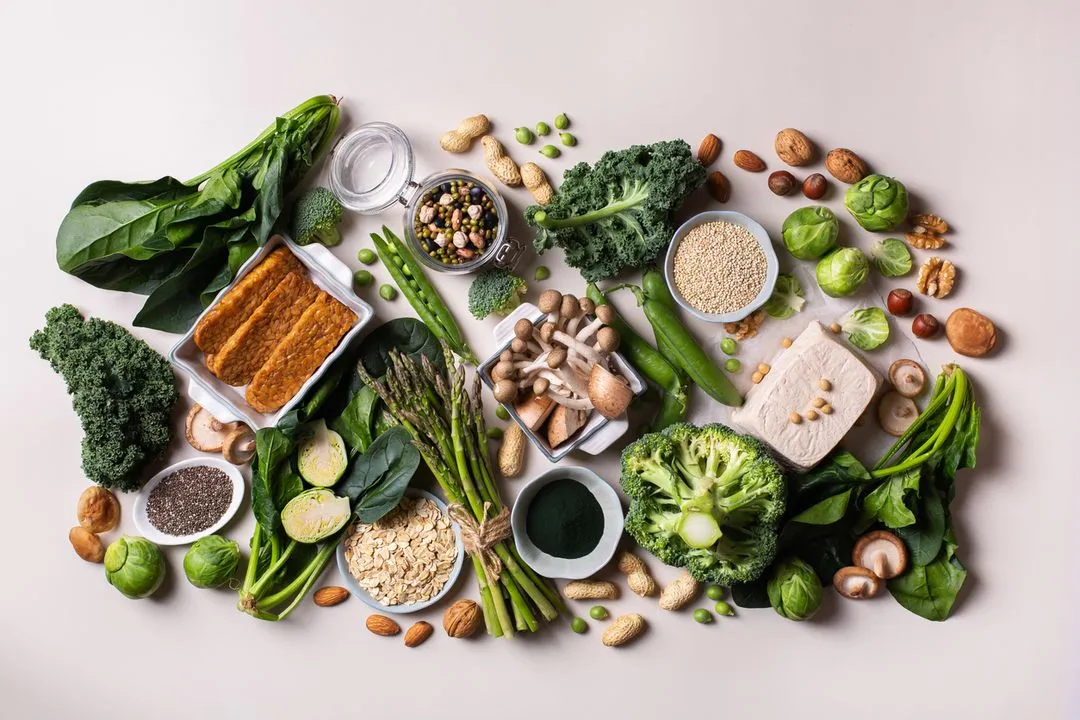
- Incorporate legumes like beans, lentils, and chickpeas. Add them to soups, salads, stews, and main dishes.
- Try tofu and tempeh, which are versatile plant-based proteins. Since they absorb flavors readily, they can be used in various dishes.
- Use quinoa as the base of your meal. Quinoa is a complete protein and contains all essential amino acids.
- Enjoy edamame as a snack or add it to salads and stir-fries.
- Choose whole grains like brown rice, farro, and bulgur. They contain more protein than refined grains.
- Top with nuts and seeds such as almonds, peanuts, chia, flax, sunflower, and pumpkin. They’re a great crunchy addition to yogurt, oatmeal, and salads.
- Sprinkle nutritional yeast, which has a cheesy flavor, on popcorn, pasta, or in sauces. Just two tablespoons of nutritional yeast provide five grams of protein.
- Pack your smoothies with protein by adding silken tofu, nut butter, cooked and cooled white beans, or a plant-based protein powder.
Takeaway
While it does take some planning, there are many easy and delicious ways to get enough protein on a vegan diet.
By planning some high-protein vegan snacks throughout your day, you can ensure your body receives a steady supply of protein and other vital nutrients.
{{splash}}
How a Dietitian Can Help
Looking to revamp your diet and interested in going fully plant-based? A registered dietitian can help ensure the transition to a vegan diet is as smooth as possible. Consider booking with a vegan dietitian today.
Frequently Asked Questions
What are some high-protein vegan snacks?
Some high-protein vegan snacks include roasted chickpeas, chia pudding, smoothies with added protein, hummus, silken tofu mousse, popcorn with nutritional yeast seasoning, roasted edamame, peanut butter protein balls, seeded crackers with bean dip, and plant-based yogurt.
What vegan food has the highest amount of protein?
Some vegan foods high in protein include legumes, tofu, and seitan (vital wheat gluten).
How can vegans can 120g of protein a day?
To get 120 grams of protein per day, aim for 30 grams of protein with breakfast, lunch, and dinner and 15 grams of protein with each of your two snacks. For example:
Breakfast: Tofu scramble (1 cup) with quinoa (1 cup) and cooked vegetables (1 cup): ~ 30 grams of protein
Snack: Fruit smoothie made with soy beverage (1 cup) and plant-based protein powder (1 scoop): ~20 grams of protein
Lunch: Chickpea salad (1 cup) with farro (1 cup) and mixed salad greens: ~25 grams of protein
Snack: Seed crackers (6-8) with hummus (½ cup): ~15 grams of protein
Dinner: Black bean (½ cup) and seitan (2 oz) burrito: ~30 grams of protein
Total: 120 grams of protein (approximate). Adjust portion sizes based on your individual requirements, and always follow the recommendations of your doctor or dietitian before making dietary changes.
References
View all references
- USDA Food Data Central. Snacks, popcorn, air-popped. Retrieved November 23, 2023, from https://fdc.nal.usda.gov/fdc-app.html#/food-details/167959/nutrients
- USDA Food Data Central. Nutritional yeast. Retrieved November 24, 2023, from https://fdc.nal.usda.gov/fdc-app.html#/food-details/2486564/nutrients
- USDA Food Data Central. Edamame, frozen, prepared. Retrieved November 24, 2023, from https://fdc.nal.usda.gov/fdc-app.html#/food-details/168411/nutrients
- Monteyne AJ, Coelho MOC, Murton AJ, Abdelrahman DR, Blackwell JR, Koscien CP, Knapp KM, Fulford J, Finnigan TJA, Dirks ML, Stephens FB, Wall BT. Vegan and Omnivorous High Protein Diets Support Comparable Daily Myofibrillar Protein Synthesis Rates and Skeletal Muscle Hypertrophy in Young Adults. J Nutr. 2023 Jun;153(6):1680-1695. doi: 10.1016/j.tjnut.2023.02.023.
- Mollard RC, Luhovyy BL, Smith C, Anderson GH. Acute effects of pea protein and hull fibre alone and combined on blood glucose, appetite, and food intake in healthy young men--a randomized crossover trial. Appl Physiol Nutr Metab. 2014 Dec;39(12):1360-5. doi: 10.1139/apnm-2014-0170.
- Marangoni F, Martini D, Scaglioni S, Sculati M, Donini LM, Leonardi F, Agostoni C, Castelnuovo G, Ferrara N, Ghiselli A, Giampietro M, Maffeis C, Porrini M, Barbi B, Poli A. Snacking in nutrition and health. Int J Food Sci Nutr. 2019 Dec;70(8):909-923. doi: 10.1080/09637486.2019.1595543.
- Almoraie NM, Saqaan R, Alharthi R, Alamoudi A, Badh L, Shatwan IM. Snacking patterns throughout the life span: potential implications on health. Nutr Res. 2021 Jul;91:81-94. doi: 10.1016/j.nutres.2021.05.001.
- Angeli V, Miguel Silva P, Crispim Massuela D, Khan MW, Hamar A, Khajehei F, Graeff-Hönninger S, Piatti C. Quinoa (Chenopodium quinoa Willd.): An Overview of the Potentials of the "Golden Grain" and Socio-Economic and Environmental Aspects of Its Cultivation and Marketization. Foods. 2020 Feb 19;9(2):216. doi: 10.3390/foods9020216.
- Poutanen KS, Kårlund AO, Gómez-Gallego C, Johansson DP, Scheers NM, Marklinder IM, Eriksen AK, Silventoinen PC, Nordlund E, Sozer N, Hanhineva KJ, Kolehmainen M, Landberg R. Grains - a major source of sustainable protein for health. Nutr Rev. 2022 May 9;80(6):1648-1663. doi: 10.1093/nutrit/nuab084.
Nourish has strict sourcing policies and prioritizes primary sources, including medical organizations, governmental agencies, academic institutions, and peer-reviewed scientific journals. Learn more about our medical review process and editorial guidelines.