5 Day Vegan Meal Plan For Weight Loss With Snacks

Medical Reviewer: Taylor Hawkins, RD, LD

Author: Jennifer Huddy, MS, RD, LD
Summary
- A vegan diet restricts all animal products and emphasizes whole grains, lean proteins, fruits, vegetables, and healthy fats.
- Whole, minimally processed plant foods are naturally high in fiber and low in calories, which can be helpful for people trying to manage their weight.
- Try planning your meals around your weekly schedule, and consider batch-cooking so you can utilize leftovers during the week.
Whether you’re new to a vegan diet or you’ve been plant-based for years, meal planning is essential for helping you feel your best and achieve your weight management goals.
Continue reading to learn more about balancing a plant-based diet, and find our five-day vegan meal plan for weight loss.
{{splash}}
Vegan Basics: Getting Started
A vegan diet excludes any food that comes from an animal, such as meat, poultry, fish, dairy (butter, cheese, yogurt, milk, etc), eggs, and honey.
While many people choose to be vegan for ethical reasons, the eating pattern comes with numerous health benefits, including weight management.
Whole plant foods are naturally low in calories and fat and rich in fiber and nutrients, which can aid in weight loss.
A 2021 study found that a vegan diet was also associated with improved gut health, less insulin resistance, and reduced cholesterol levels.
What to Eat for Vegan Weight Loss
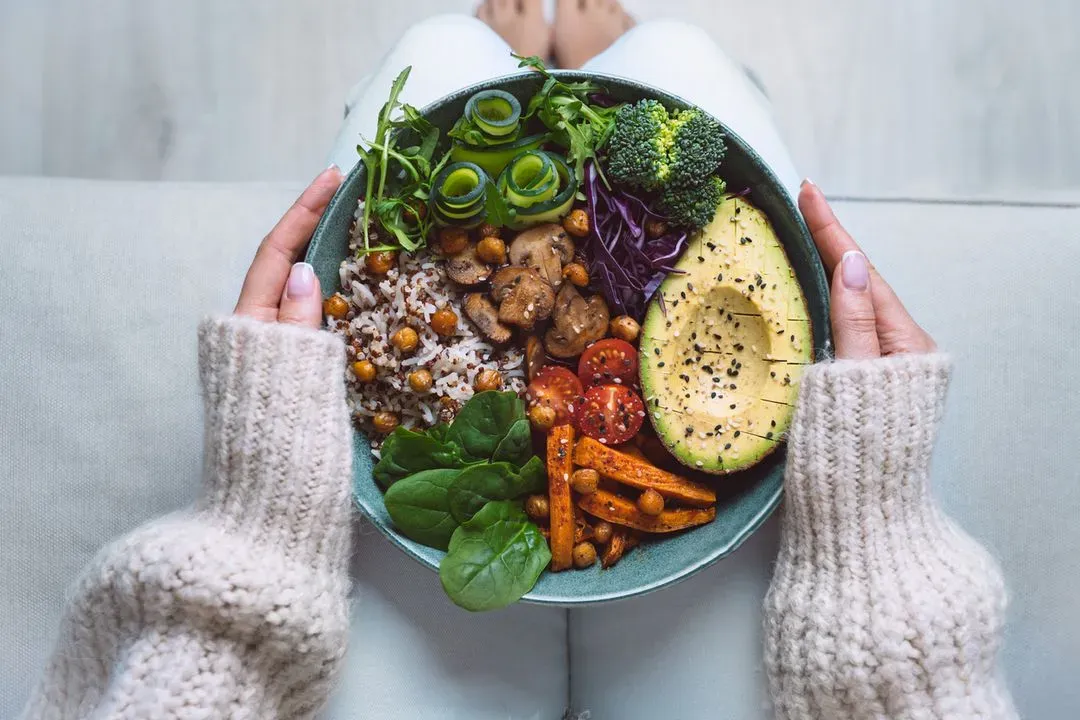
A balanced vegan diet for weight management consists of whole grains, lean proteins, fruits, vegetables, and healthy fats.
In general, aim to follow the healthy plate method for meals, which looks like this:
- ¼ plate protein.
- ¼ plate high-fiber carbohydrates.
- ½ plate non-starchy vegetables.
Try to pair a high-fiber carbohydrate like a fruit or a whole grain with a source of protein for a balanced snack.
Protein
Eating enough protein is a common concern on a vegan diet, especially when a person is trying to lose weight.
Ensuring your diet has enough protein can help you lose weight and preserve lean body mass.
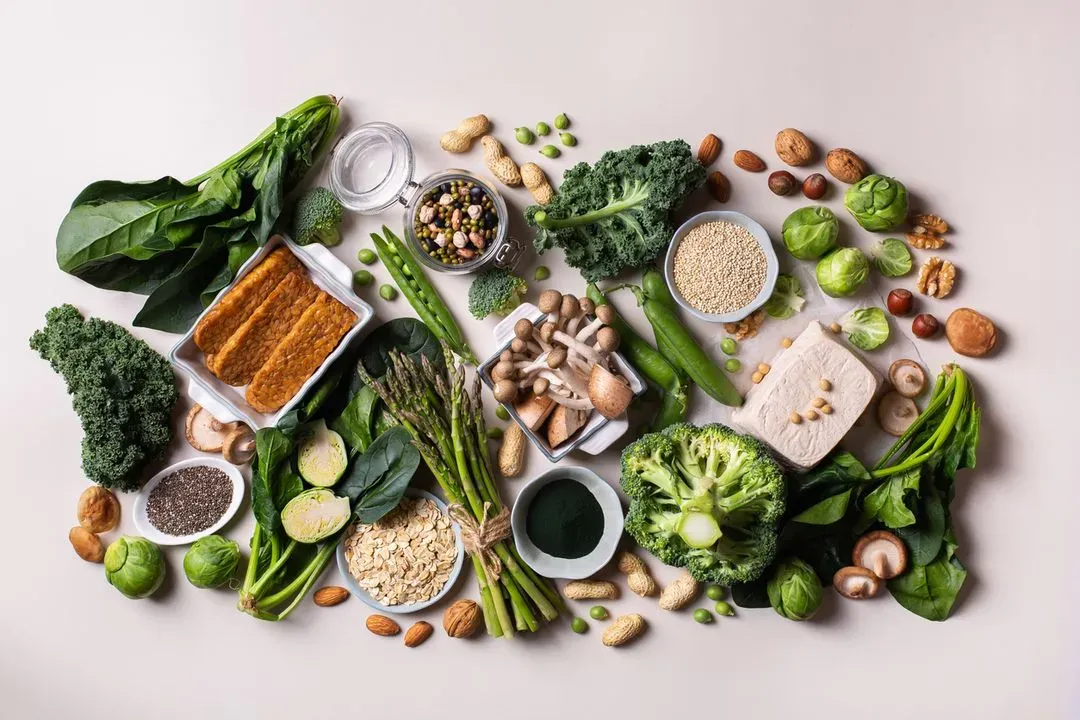
The following examples are naturally high-protein vegan foods.
- Beans, like chickpeas, black beans, pinto beans, and kidney beans.
- Lentils, including red, brown, and green lentils.
- Soy protein, such as tofu, tempeh, and edamame.
- Nuts and nut butters.
- Seeds, like sunflower seeds, hemp seeds, and pumpkin seeds.
- Seitan (a meat substitute made from wheat gluten).
- Whole grains, like quinoa and farro.
Beans
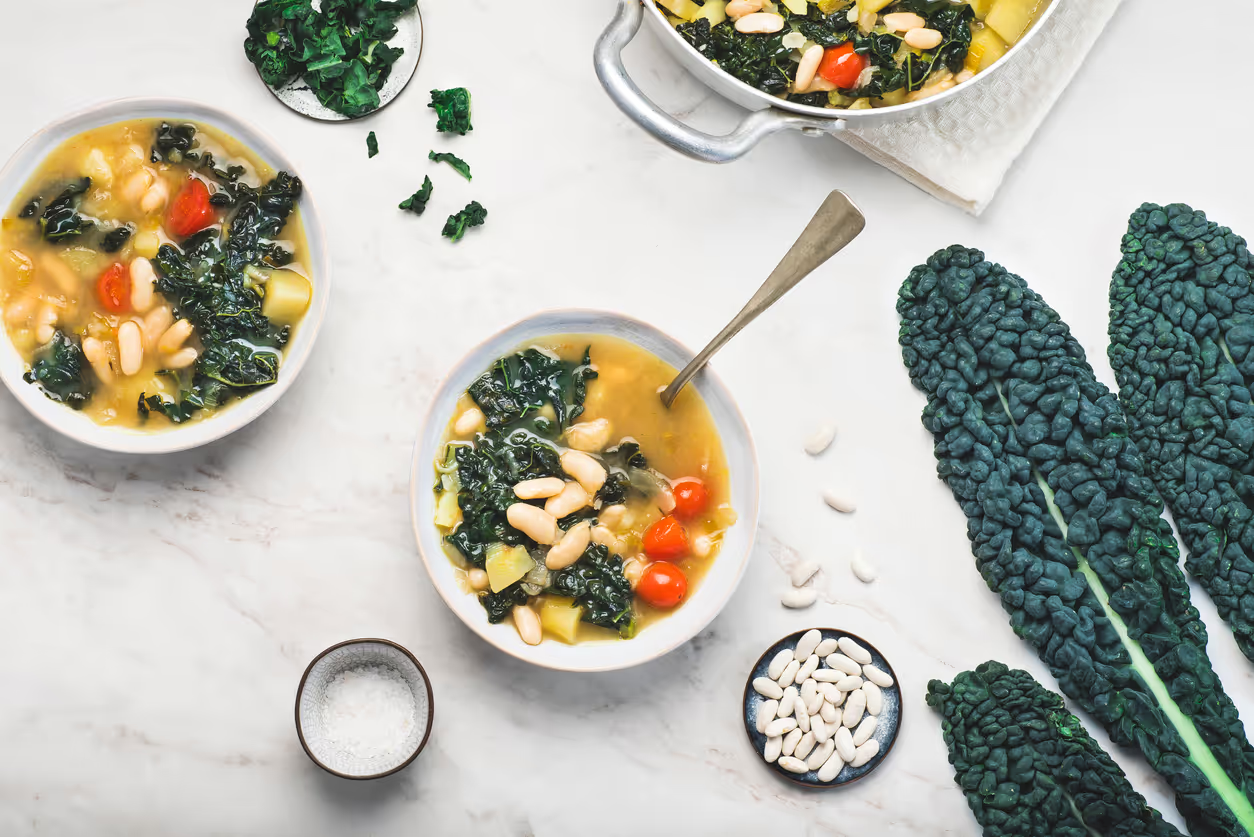
Beans are a staple in a vegan diet because they provide protein.
They also offer carbohydrates for energy, vitamins and minerals, and rich amounts of fiber. They’re hugely versatile in cooking and can be added to savory dishes or used in baking.
Try these beans:
- Kidney beans.
- Black beans.
- Navy beans.
- Pinto beans.
- Fava beans.
- Lima beans.
- Edamame (juvenile soybeans).
- Garbanzo beans (chickpeas).
- Lentils.
Meat Substitutes
As plant-based diets have grown in popularity over the years, many highly-processed meat and dairy alternatives have become available.
While these can be convenient and help people adhere to a vegan diet, many are high in calories, saturated fat, and sodium.
For weight management, it’s best to focus on whole, minimally processed plant foods most of the time.
Nuts and seeds
Nuts and seeds contain unsaturated fats (often called healthy fats) and other nutrients like fiber, vitamins, minerals, and antioxidants. Including a handful of nuts a day in your weekly meal plan can support overall health.
Popular nuts and seeds include:
- Peanuts.
- Cashews.
- Walnuts.
- Almonds.
- Pistachio.
- Pecans.
- Pumpkin seeds (pepitas).
- Sunflower seeds.
- Chia seeds.
- Flax seeds (usually ground to enhance nutrient absorption).
Berries and Other Fruits
Fruits provide antioxidants (which prevent disease and reduce inflammation) and vitamins and are a great source of fiber.
They contain natural sugars your body needs to function, and fruits can certainly fit into a vegan weight loss plan.
Enjoy these refreshing options:
- Strawberries.
- Raspberries.
- Blueberries.
- Blackberries.
- Goji berries.
- Boysenberries.
- Elderberries.
- Gooseberries.
- Currants.
- Plums.
- Peaches.
- Apples.
- Mangos.
- Pineapple.
- Honeydew melon.
- Cantaloupe.
- Pears.
Supplements
When well-balanced, a vegan eating pattern can meet your nutritional needs and give you long-lasting energy.
However, if you’re following a strict vegan diet, you must take a vitamin B12 supplement, as this essential micronutrient is not naturally found in plant-based foods.
Depending on your food preferences and medical history, you may need to supplement your diet with other vitamins and minerals.
{{splash}}
Vegan Meal Plan for Weight Loss
Below is a five-day vegan meal plan for weight management.
The plan is high in protein and emphasizes minimally processed whole foods.
Talk to a plant-based registered dietitian about your protein and calorie needs for individualized information on portion sizes.
The following meal plan is not intended to replace medical advice.
Day 1
Breakfast
Overnight oats made with old-fashioned oats, plant-based milk*, chia seeds, natural nut butter, frozen mixed berries, and protein powder (optional).
*Note: Not all types of plant-based milk are created equal. Ideally, choose a product containing protein (such as soy milk or pea protein milk) and make sure it’s fortified with calcium.
Lunch
Vegan chili topped with diced onions, tomatoes, and crumbled baked tortilla chips.
Dinner
Baked lemon pepper tofu, garlic and olive oil quinoa, and roasted asparagus.
Snacks
Trail mix made with nuts and unsweetened dried fruit.
Apple slices with natural peanut butter.
Day 2
Breakfast
Tofu scramble made with spinach, mushrooms, and onions served with whole wheat toast on the side.
Lunch
Chickpea salad sandwich on whole wheat bread (Filling: chickpeas and avocado mashed with lemon juice, salt, and pepper. Top with tomato and fresh greens).
Dinner
Lentil curry made with mixed vegetables and coconut milk served over brown rice.
Snacks
Hummus and carrots.
Smoothie with plant-based milk, protein powder, and frozen berries.
Day 3
Breakfast
Whole wheat toast with natural peanut butter and banana slices.
Lunch
Kale Caesar salad with roasted chickpeas and spicy tempeh strips—you can use store-bought vegan Caesar dressing or make it at home using cashew cream).
Dinner
Baked potato topped with black beans, soy crumbles cooked with taco seasoning, salsa, avocado slices, and green onions.
Snacks
Banana with natural almond butter.
Guacamole with baked tortilla chips.
Day 4
Breakfast
Pumpkin pie baked oatmeal made with old-fashioned oats, plant-based milk, pumpkin puree, pumpkin spice, vanilla, and toasted pecans.
Lunch
Mediterranean wrap made with a whole wheat tortilla, hummus, cucumbers, tomatoes, red onion, romaine, and olives.
Dinner
Lentil bolognese made with whole wheat pasta, red lentils, and marinara sauce. Include a side of roasted broccoli.
Snacks
Crispy roasted chickpeas made with olive oil, smoked paprika, salt, and pepper.
A pear with toasted walnuts.
Day 5
Breakfast
Smoothie made with plant-based milk, frozen banana, peanut butter, dry oats, and chocolate protein powder (optional).
Lunch
Pasta salad made with whole wheat pasta, mixed roasted vegetables, garbanzo beans, and a lemon garlic tahini dressing.
Dinner
Spicy baked tofu and stir-fry vegetables over brown rice.
Snacks
Popcorn sprinkled with nutritional yeast.
Cherries and pumpkin seeds.
{{splash}}
Tips for Vegan Meal Preparation for Weight Loss
You don’t need to spend your weekend meal-prepping to have success on a vegan diet.
Some simple planning and preparation can go a long way.
Ease Into It
If you’re new to a vegan diet, learning how to cook plant-based meals from scratch can feel overwhelming. It can be helpful to transition slowly, starting with a couple of new meals each week.
This way, you can build up a collection of vegan recipes you enjoy while gradually phasing out animal products.
Make a Realistic Meal Plan
It’s best to plan your meals around your schedule to make it easier to stick with your goals.
If you always work late on Mondays, plan to eat leftovers that night. If you’re on the go for breakfast, consider prepping your morning meal the night before.
Consider batch-cooking things like whole grains and roasted vegetables to eat throughout the week in different meals.
Use Leftovers
While the above meal plan includes different meal and snack options for each day to ensure you have plenty of ideas, you may find it easier to rely on leftovers throughout the week.
For example, you can cook a large batch of chili and eat it for three to four lunches in a row.
If you get bored with leftovers, consider freezing extra portions to help you reduce the amount of cooking you need to do during a future week.
Keep a list of ideas
Keep a running list of your favorite, easy-to-make recipes that you can reuse.
This way, you don’t have to reinvent the wheel every week.
Simple recipes include:
- A go-to smoothie with one serving of fruit (fresh or frozen), plain plant-based dairy alternative, a spoonful of nut butter, ground cinnamon, leafy greens, and soft tofu.
- A four ingredient salad. Try combining cucumber, tomato, bell pepper, and red onion. Or, mix spinach leaves, blueberries, diced zucchini, and walnuts. Dress with a simple olive oil and balsamic vinaigrette.
- Everything but the kitchen sink soup with canned beans. This is a great way to use up tired-looking vegetables.
- Quick stir-fry with mixed frozen vegetables and edamame. Serve with brown rice or quinoa.
- Sheet pan recipe with your favorite seasoned vegetables (fresh or frozen) and tofu. It can be served with brown rice or quinoa.
Takeaway
A vegan diet can benefit weight management when carefully planned and balanced to include all the necessary nutrients. Focus on minimally processed grains, fruits, vegetables, healthy fats, and proteins like legumes, nuts, and soy.
It can be helpful to plan your meals in advance, cook enough for leftovers, and start with small changes if you’re new to a vegan diet.
Having trouble losing weight? Take the weight loss quiz to understand your next steps and reach your goals.
Managing Your Weight With a Dietitian
Regardless of where you are in your vegan journey, a vegan dietitian can help you optimize your diet to meet your health goals. They can also analyze your food choices to ensure you meet all your nutritional needs.
Find a dietitian near you that accepts insurance using Nourish.
Frequently Asked Questions
References
View all references
- Woo, K. S., Kwok, T. C., & Celermajer, D. S. (2014). Vegan diet, subnormal vitamin B-12 status and cardiovascular health. Nutrients, 6(8), 3259–3273.
- Brown R, Gray AR, Chua MG, Ware L, Chisholm A, Tey SL. Is a Handful an Effective Way to Guide Nut Recommendations? Int J Environ Res Public Health. 2021 Jul 23;18(15):7812.
- Balakrishna R, Bjørnerud T, Bemanian M, Aune D, Fadnes LT. Consumption of Nuts and Seeds and Health Outcomes Including Cardiovascular Disease, Diabetes and Metabolic Disease, Cancer, and Mortality: An Umbrella Review. Adv Nutr. 2022 Dec 22;13(6):2136-2148.
- Why is it important to eat fruit?
- Mullins AP, Arjmandi BH. Health Benefits of Plant-Based Nutrition: Focus on Beans in Cardiometabolic Diseases. Nutrients. 2021 Feb 5;13(2):519.
Nourish has strict sourcing policies and prioritizes primary sources, including medical organizations, governmental agencies, academic institutions, and peer-reviewed scientific journals. Learn more about our medical review process and editorial guidelines.