7-Day Plant-Based Diet Plan For Beginners: Foods To Eat & Avoid

Medical Reviewer: Christine Russell, MS, RD, LD, CDCES

Author: Jennifer Huddy, MS, RD, LD
Summary
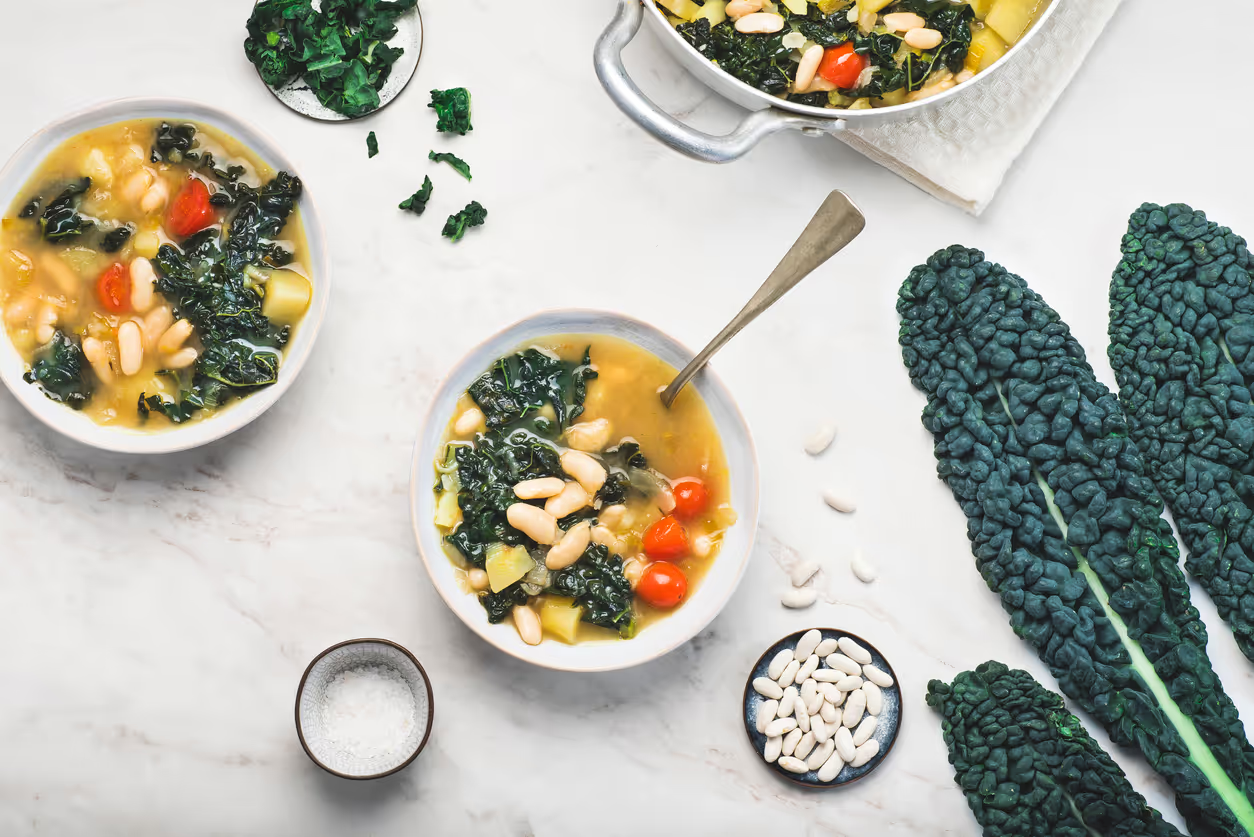
- Plant-based eating patterns include vegetarian, vegan, pescatarian, and flexitarian diets.
- Following a plant-based diet can reduce your risk of certain conditions, including type 2 diabetes and heart disease.
- To build a balanced plant-based plate, include protein, starch, fruits and vegetables, healthy fats, and calcium-rich foods.
As plant-based diets grow in popularity, more and more people have started reducing their intake of animal-based foods.
Plant-based diets, including vegan and vegetarian diets, have numerous health benefits, including a lower risk of heart disease, type 2 diabetes, and obesity.
If you’re new to relying on plant foods to meet your nutritional needs, filling your week with balanced and satisfying meals can feel overwhelming.
Continue reading to learn how to follow a plant-based diet, and find our free 7-day plant-based meal plan.
{{splash}}
Plant-Based Diet Basics: Getting Started
“Plant-based diet” is an umbrella term for several different eating patterns that limit the intake of animal-based foods and focus on plant foods like fruits, vegetables, grains, legumes, nuts, and seeds.
People may choose a plant-based diet for ethical, environmental, religious, or health reasons.
If you’re interested in following a plant-based diet, it can be helpful to understand the different variations to determine which of them best aligns with your goals.
- Vegan diet: Excludes meat, poultry, fish, dairy, eggs, and honey.
- Vegetarian diet: Excludes meat, poultry, and fish.
- Pescatarian diet: Excludes meat and poultry.
- Whole-food, plant-based (WFPB) diet: A primarily vegan diet very low in processed foods, like refined sugar and white flour.
- Flexitarian diet: A vegan or vegetarian diet that allows for occasional animal-based foods.
If you want to follow a plant-based diet for health reasons, know that it doesn’t have to be all or nothing.
Research shows that even a flexitarian diet (also known as a semi-vegetarian diet) has health benefits.
Nutrients of Concern
When well-planned, a plant-based diet can meet most people's nutritional needs.
However, getting enough of certain nutrients can sometimes be challenging, especially in diets that frequently include highly processed foods.
The following nutrients are found in lower quantities in plant foods and require special attention on a plant-based diet.
- Protein.
- Vitamin B12.
- Vitamin D.
- Calcium
- Iron.
- Zinc.
- Omega 3 fatty acids.
If you’re concerned about whether your diet provides all the necessary nutrients, meet with a plant-based dietitian for an evaluation. Additionally, you can ask your doctor to test specific vitamin and mineral levels.
What to Eat on a Plant-Based Diet
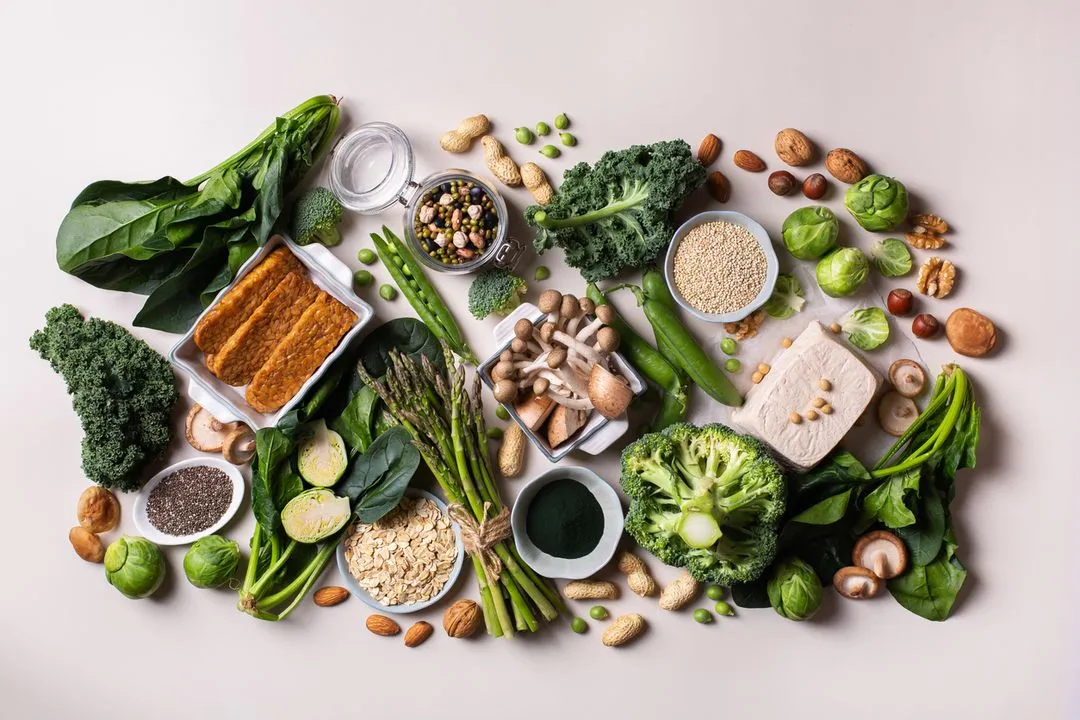
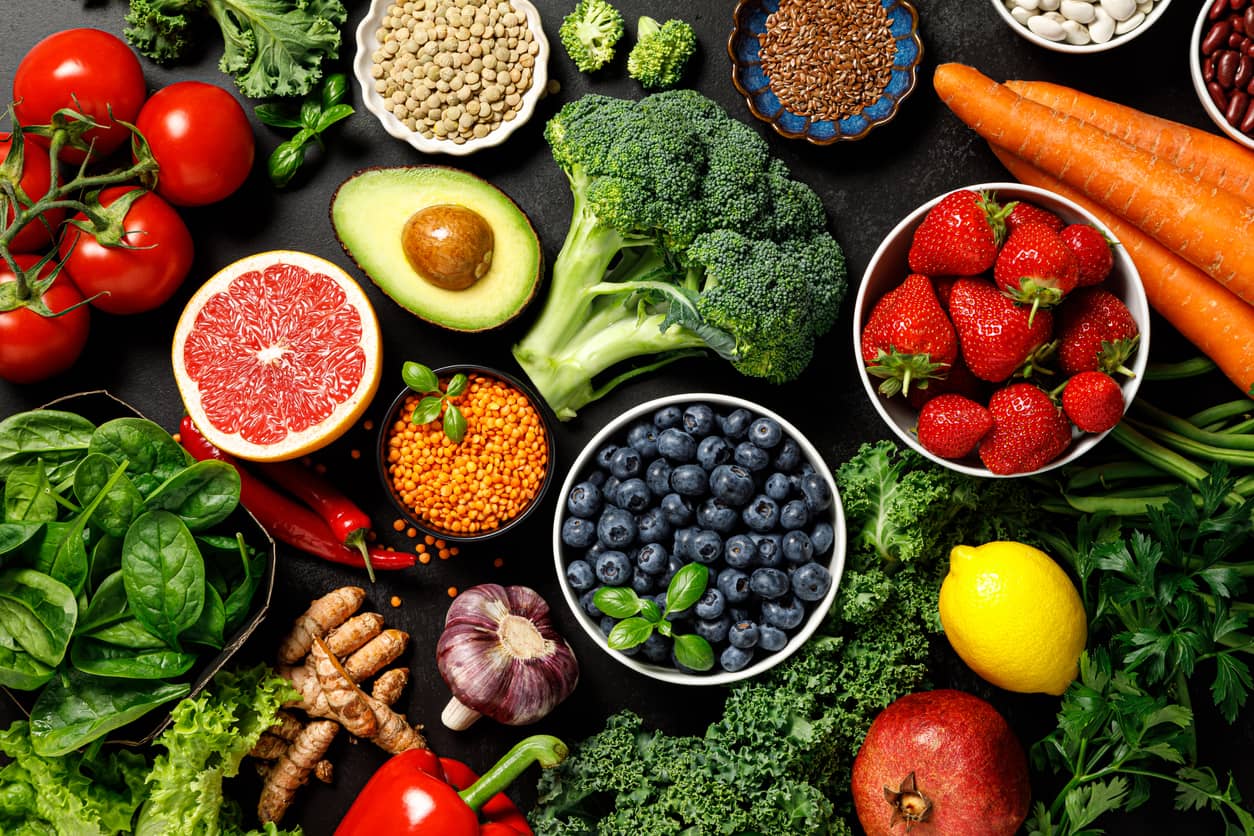
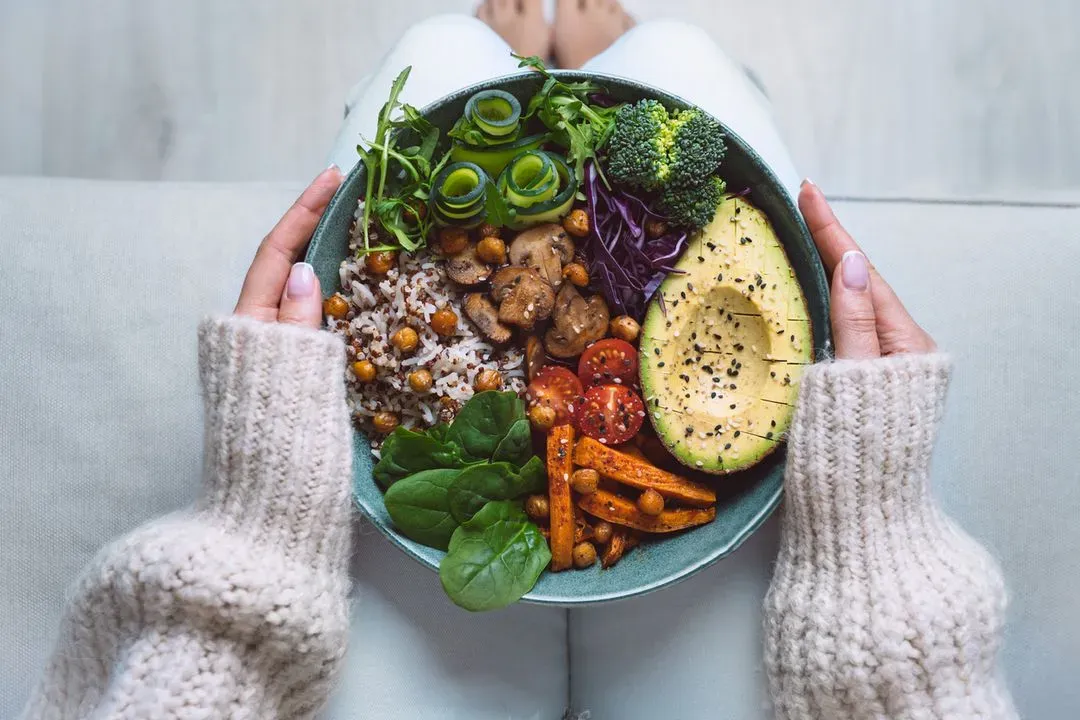
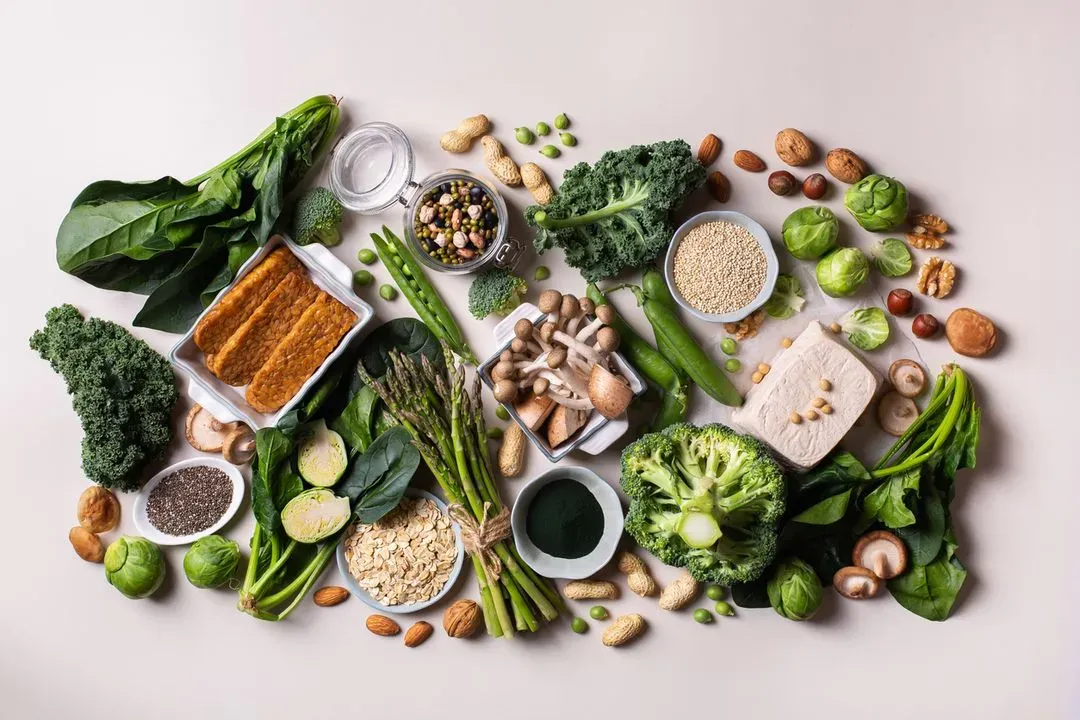
A nutritious plant-based diet is rich in fruits, vegetables, legumes, whole grains, nuts, and seeds.
For maximum health benefits, it’s important to focus on whole food options that are minimally processed.
When creating a balanced plant-based meal, try to include foods from the following categories:
- Protein: Beans, lentils, peas, and tofu.
- Starchy carbohydrates: Quinoa, brown rice, potatoes, and oats.
- Fruits and vegetables: Broccoli, bell peppers, apples, and berries.
- Healthy fats: Nuts, seeds, avocado, and olive oil.
- Calcium-rich foods: Dark leafy greens or calcium-fortified dairy alternatives such as soy or almond milk.
You can use MyPlate as a guide for how to serve each food group on your plate: ¼ plate of protein, ¼ plate of grains, ½ plate of fruits and vegetables, and one serving of a calcium-rich food.
In addition to a balanced diet, many people with a plant-based eating pattern need specific vitamin or mineral supplements to meet their nutritional needs.
For example, a vitamin B12 supplement is recommended for vegan individuals.
Foods to Avoid on a Plant-Based Diet
The foods you need to avoid will depend on which variation of a plant-based diet you follow.
For example, if you are vegetarian, you avoid meat, poultry, and fish, but if you follow a vegan diet, you also exclude dairy, eggs, and honey.
As plant-based diets have grown in popularity, many plant-based products have become available at grocery stores and restaurants.
While tasty and convenient, these foods can be highly processed and are often rich in sodium, saturated fat, and added sugars.
Some examples include:
- Imitation meats, like “chicken” nuggets or plant-based burger patties.
- Plant-based cheese.
- Vegan fast food items.
- Vegan chips, cookies, and ice cream.
However, these foods don’t need to be off-limits on a plant-based diet.
Just like any eating pattern, balance and moderation are key. Talk with a dietitian about how all foods can fit into a nutritious diet.
Plant-Based Diet Plan
The following meal plan is vegan, meaning it consists of only plant-based ingredients, but remember that plant-based diets can be flexible depending on your goals.
You can pick and choose ideas that fit your dietary preferences.
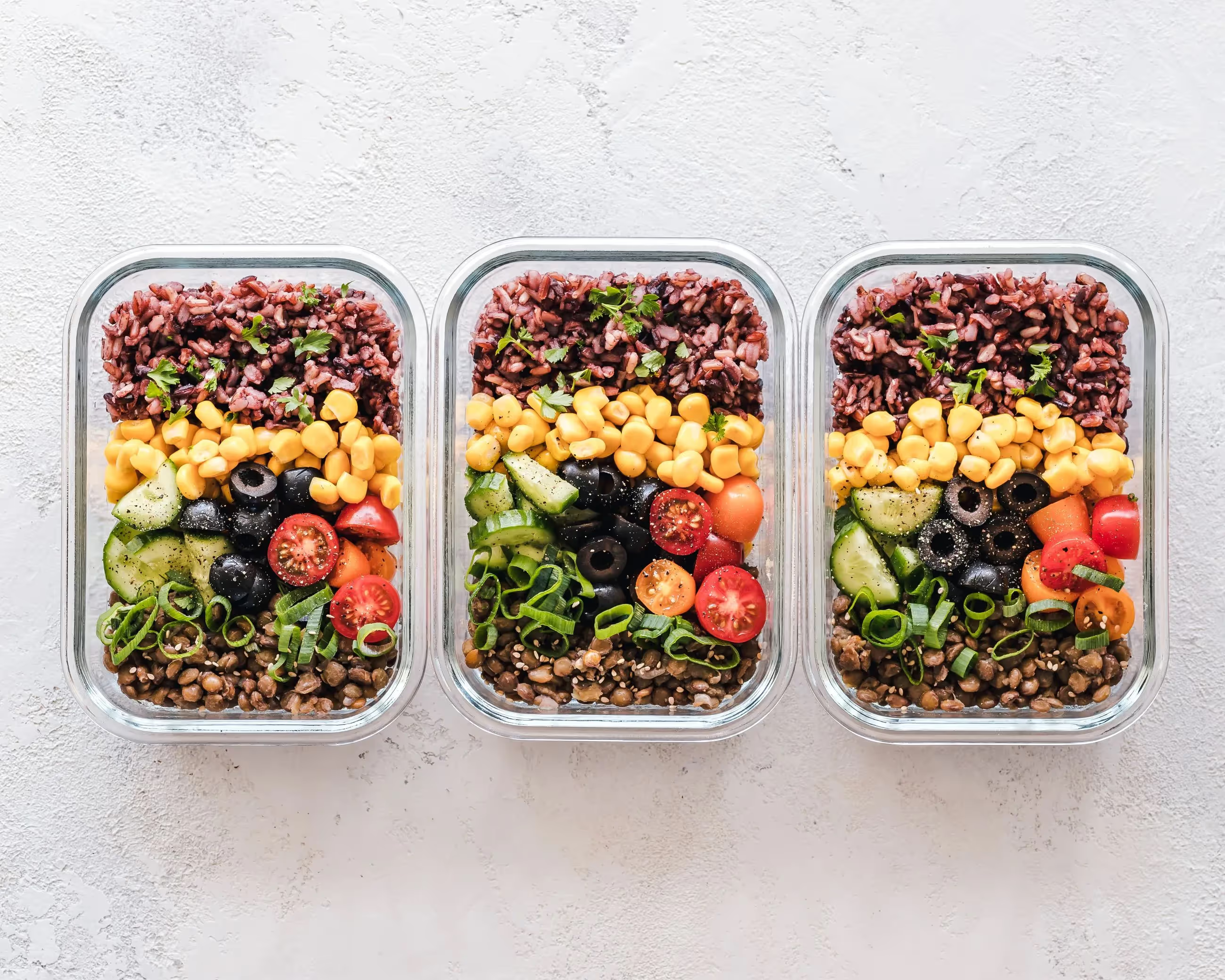
Though this 7-day plant-based meal plan lists different meals and snacks each day to show a wide variety of options, utilizing leftovers can be a great way to save time and reduce food waste.
This meal plan is not meant to replace medical advice. For individualized guidance on portion sizes and food choices, talk with a registered dietitian.
Day 1
Breakfast
Peanut butter banana overnight oats (made with plant-based milk containing protein, such as soy milk). Top with chopped peanuts or peanut butter granola.
Lunch.
Vegan poke bowl with tofu, veggies, sticky rice, and a spicy tahini dressing
Dinner
Black bean stuffed sweet potatoes topped with guacamole and salsa.
Snacks
Hummus with carrot sticks.
A pear with toasted walnuts.
Day 2
Breakfast
Tofu and veggie scramble with roasted potatoes or whole wheat toast and plant-based butter.
Lunch
Falafel salad (chopped romaine, cucumbers, cherry tomatoes, red onion, falafel, and lemon garlic tahini dressing) with a side of whole grain pita bread.
Dinner
Lentil shepherd’s pie (savory lentils and vegetables with a creamy vegan mashed potato and cauliflower topping.
Snacks
Apple with peanut butter.
Homemade granola.
Day 3
Breakfast
Protein pancakes topped with almond butter and mashed raspberries.
Lunch
Chickpea pasta salad with veggies and a creamy tahini dressing.
Dinner
Tempeh stir-fry with mixed vegetables and brown rice.
Snacks
Chia seed pudding made with coconut milk and mangoes.
Trail mix (dried fruit and mixed nuts).
Day 4
Breakfast
Whole grain toast topped with peanut butter, hemp seeds, banana slices, and a drizzle of agave or maple syrup.
Lunch
Edamame peanut crunch salad made with quinoa, veggies, and a homemade peanut dressing.
Dinner
Ginger sweet potato coconut milk stew with whole grain pita bread.
Snacks
A small bowl of cereal with plant-based milk.
Plant-based protein shake.
Day 5
Breakfast
Savory oatmeal with miso paste, pan-seared tofu, and veggies.
Lunch
Burrito bowl with black beans, corn, rice, lettuce, salsa, and guacamole.
Dinner
Sticky sesame chickpeas with roasted broccoli and soba noodles.
Snacks
Popcorn with olive oil, nutritional yeast, and salt.
Chocolate quinoa crunch bites.
Day 6
Breakfast
Fruit smoothie made with mixed frozen berries, soy milk, plant-based protein powder, and old-fashioned oats.
Lunch
Hummus toast topped with roasted balsamic cherry tomatoes.
Dinner
Lemon pepper tofu served with farro and roasted asparagus.
Snacks
No-bake chocolate peanut butter energy balls.
Guacamole with tortilla chips.
Day 7
Breakfast
Vegetable potato fritters made with red lentils. Serve with a side of fruit.
Lunch
Chickpea “tuna” melt on whole grain bread with vegan cheese.
Dinner
El pastor chickpea tacos on corn tortillas topped with avocado slices.
Snacks
Crackers with peanut butter.
Crispy roasted edamame and tangerines.
Is a Plant-Based Diet Healthy?
A balanced plant-based diet that includes fruits, vegetables, legumes, whole grains, nuts, and seeds is considered a healthy and nutrient-dense eating pattern.
Plant-based diets are rich in fiber, vitamins, minerals, and antioxidants and tend to be low in saturated fat.
Research shows that when compared to people who eat meat, vegetarians and vegans have lower:
- Body mass index.
- LDL “bad” cholesterol.
- Blood pressure.
People who follow plant-based diets also have a reduced risk of certain health conditions, such as:
- Heart disease.
- Type 2 diabetes.
- Diverticular disease.
- Kidney stones.
- Obesity.
- Hypertension (high blood pressure).
- Dyslipidemia (high cholesterol).
- Certain cancers, like colorectal cancer.
Bone Health
Some research shows that people who are vegan and vegetarian have lower bone mineral density and a higher risk of bone fractures compared to meat-eaters.
This link is not fully understood but may be related to inadequate calcium intake and lower body weights of plant-based individuals.
Talk with your doctor if you have concerns about your bone density.
A consultation with a registered dietitian can help you identify any nutrient gaps relating to bone health in your diet.
Tips for Meal Preparation
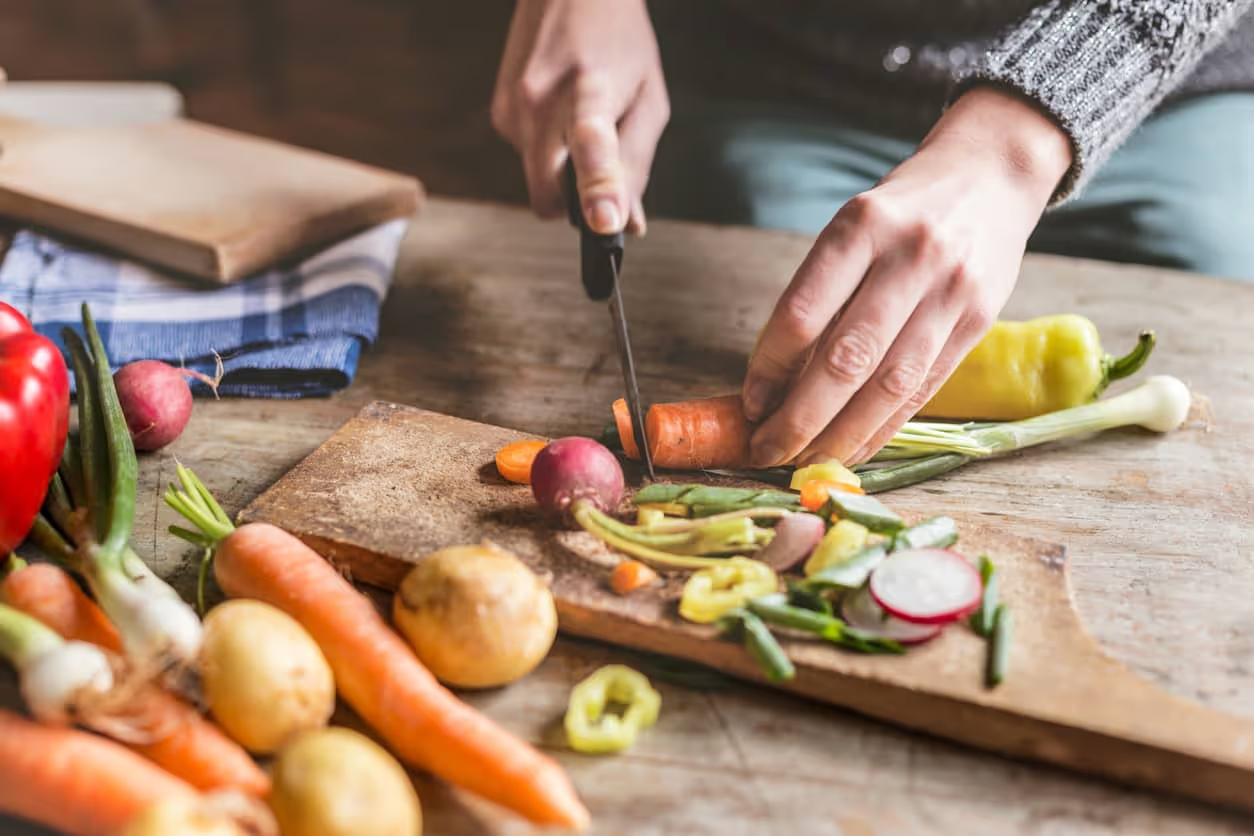
If you’re new to a plant-based diet, it can be helpful to slowly make the transition. Start with one plant-based meal or day per week, such as “Meatless Monday.”
As you gain confidence and learn how to prepare more plant-based meals, you can begin to increase the frequency.
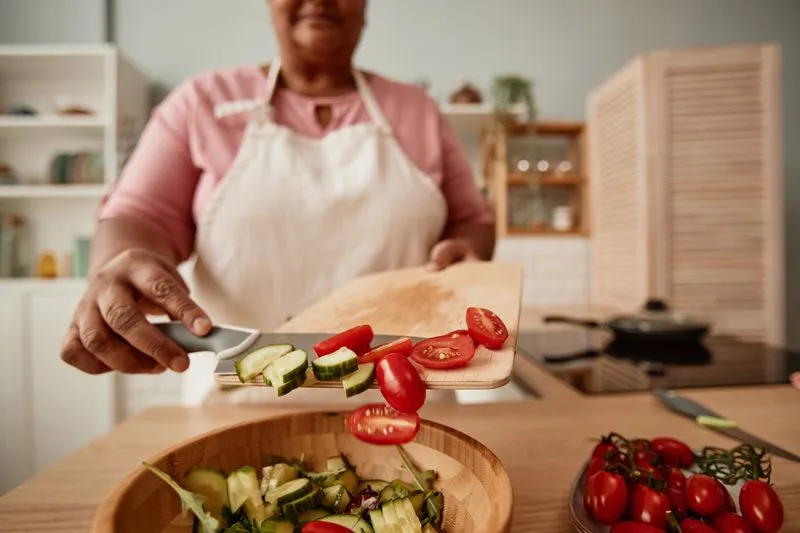
Plant-based meals don’t need to be complicated to be healthy and tasty.
They can be as simple as a peanut butter and jelly sandwich, a bowl of oatmeal, or avocado toast.
Meals like this can be a great way to start eating more plant-based.
Takeaway
A plant-based diet is a broad term used to define several eating patterns that limit animal-based foods, such as vegetarian, vegan, and pescatarian.
Plant-based diets are high in fiber and nutrients and low in saturated fat.
They have several health benefits, including lower blood pressure and cholesterol and a reduced risk of type 2 diabetes and obesity.
A balanced plant-based diet includes a wide variety of whole foods, including legumes, whole grains, fruits, vegetables, nuts, and seeds.
How a Dietitian Can Help
Whether you’re new to a plant-based diet or you’re a seasoned professional, a registered dietitian can help evaluate your diet and help you feel your best.
During your appointment, you can ask questions like:
- How much protein do I need per day?
- Should I take a multivitamin?
- Am I getting enough calcium?
- How can I add flavor to tofu?
Find a plant-based dietitian to optimize your diet and meet your health goals.
Frequently Asked Questions
References
View all references
Nourish has strict sourcing policies and prioritizes primary sources, including medical organizations, governmental agencies, academic institutions, and peer-reviewed scientific journals. Learn more about our medical review process and editorial guidelines.