7-Day Pescatarian Meal Plan + Tips for Preparation

Medical Reviewer: Renae Khalil RD, LDN

Author: Jennifer Huddy, MS, RD, LD

Summary
- A pescatarian diet is a plant-based eating pattern that includes proteins like legumes, eggs, and dairy but with fish and seafood included. People following this diet avoid meat and poultry.
- A pescatarian diet has several health benefits, including a lower risk of heart disease, colorectal cancer, and obesity.
- Certain populations, like pregnant individuals and children, need to limit the mercury they consume from fish and seafood based on guidelines set by the FDA and the EPA.
If you enjoy eating fish and are interested in the health benefits of a plant-based diet, a pescatarian diet may be for you.
This vegetarian eating pattern that includes fish and seafood is a more flexible plant-based diet because it doesn’t exclude all animal-based foods.
Research shows it can improve heart health and provide essential nutrients.
Getting started on a pescatarian diet doesn’t need to be difficult. Keep reading to learn the basics and find a free 7-day pescatarian meal plan.
{{splash}}
Pescatarian Basics: Getting Started
The pescatarian diet is a vegetarian eating pattern that includes fish and seafood.
People following this diet avoid meat and poultry and get their protein from fish, seafood, dairy, eggs, and legumes.
There’s a variation of this diet called “pescavegan,” which is a vegan diet that includes fish and seafood but excludes meat, poultry, dairy, eggs, and honey.
People may choose to follow a pescatarian diet due to the numerous health benefits associated with regular fish and seafood consumption.
In addition, fish and seafood provide key nutrients, including omega-3 fatty acids, vitamin D, and iron, which are found in lower quantities in plant-based diets.
The pescatarian diet doesn’t include set guidelines for the amount of fish to consume weekly, making it a flexible eating pattern.
For example, a vegetarian who eats fish twice a month and one who eats it daily would both be considered pescatarian.
The Dietary Guidelines for Americans recommend adults consume at least eight ounces of fish and seafood per week.
This can be a great starting point if you want to enjoy the health benefits of fish in your diet.
Health Benefits
Fish and seafood, which are significant components of the pescatarian diet, are rich in protein, healthy fats, and micronutrients, such as iron, iodine, choline, selenium, zinc, and vitamin B12. Oily fish, like salmon and mackerel, also provide vitamin D.
A nutritious diet including fish and seafood can have heart health benefits related to the omega-3 content of the fish.
Research shows that increasing your fish consumption by 20 grams per day reduces the risk of heart disease by 4%.
This trend continues with higher fish intakes.
A diet including fish and seafood can also reduce your risk of:
- Overweight and obesity.
- Hip fractures.
- Colorectal cancer.
Eating fish during pregnancy has been shown to help the baby’s brain development.
These benefits continue once the child is old enough to begin consuming fish (around six months).
However, some guidelines regarding fish intake during pregnancy and childhood are in place to reduce mercury intake (see the section below on Mercury Concerns).
What to Eat on a Pescatarian Diet
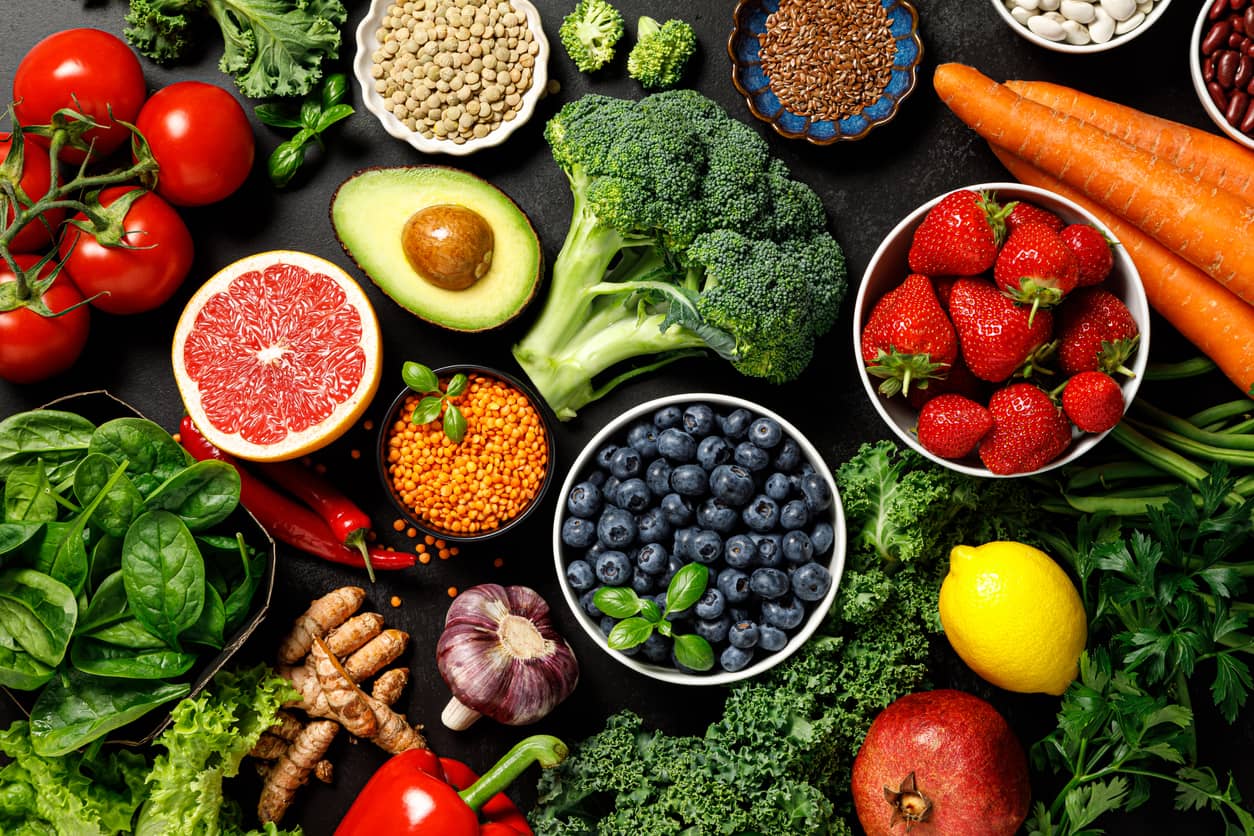
A balanced pescatarian diet is rich in nutrient-dense foods, including:
- Fish and seafood.
- Legumes, like beans, lentils, and soy.
- Dairy.
- Eggs.
- Whole grains.
- Fruits and vegetables.
- Nuts and seeds.
- Healthy fats, such as olive oil and avocados.
It’s best to include minimally processed foods most of the time, as these are high in fiber and nutrients and lower in saturated fat, added sugars, and sodium.
Though fish and seafood are nutrient-dense, research shows that people who follow a pescatarian diet may not meet the recommended daily amounts of certain nutrients, like vitamin D.
Talk with your doctor and registered dietitian for guidance on whether you need to take vitamin or mineral supplements as part of your pescatarian diet.
Foods to Avoid on a Pescatarian Diet
People who follow a pescatarian diet typically avoid meat and poultry, such as:
- Beef.
- Pork.
- Lamb.
- Chicken.
- Turkey.
The cooking method for fish and seafood can impact its nutritional value.
For example, it’s best to limit deep-fried fish and instead focus on broiled, baked, or grilled options.
These tend to contain less fat, calories, and sodium than fried fish.
Mercury Concerns
Some types of fish and shellfish contain high levels of mercury.
Mercury can accumulate in your body and become harmful over time if you consume too much.
This primarily applies to people who are:
- Pregnant and breastfeeding.
- Plan to become pregnant in the next year.
- Children ages 11 and under.
The FDA and the EPA have developed guidelines for these populations regarding the amounts and types of fish that are safe to consume.
The guidelines include a chart that lists “best choices,” “good choices,” and “choices to avoid” regarding the mercury content of fish and seafood.
The following options are listed in the “choices to avoid” section:
- King mackerel.
- Marlin.
- Orange roughy.
- Shark.
- Swordfish.
- Tilefish (from the Gulf of Mexico).
- Tuna, bigeye (other types of tuna have lower mercury contents).
The EPA and the FDA recommend pregnant and breastfeeding individuals and young children primarily consume fish and seafood from the “best choices” list. This includes options like cod, lobster, salmon, sardines, shrimp, tilapia, and tuna (canned light).
The advised serving sizes and frequency are as follows:
- Pregnancy and breastfeeding: 4 ounces, 2-3 times per week.
- Children 1-3 years old: 1 ounce, 2 times per week.
- Children 4-7 years old: 2 ounces, 2 times per week.
- Children 8-10 years old: 3 ounces, 2 times per week.
- Children 11 years old: 4 ounces, 2 times per week.
The FDA also recommends pregnant individuals and children avoid eating raw fish.
Pescatarian Meal Plan
If you’re curious about implementing a pescatarian diet, check out our healthy 7-day pescatarian meal plan below.
Remember, if you’re pregnant, breastfeeding, or providing these meals for a child, you’ll need to modify the meal plan to meet the EPA and FDA guidelines for mercury.
This meal plan is not a replacement for medical advice.
Talk with your dietitian for individual guidance on portion sizes.
Day 1
Breakfast
Whole grain bagel with cream cheese, lox, sliced red onions, and capers. Serve with a side of fruit.
Lunch
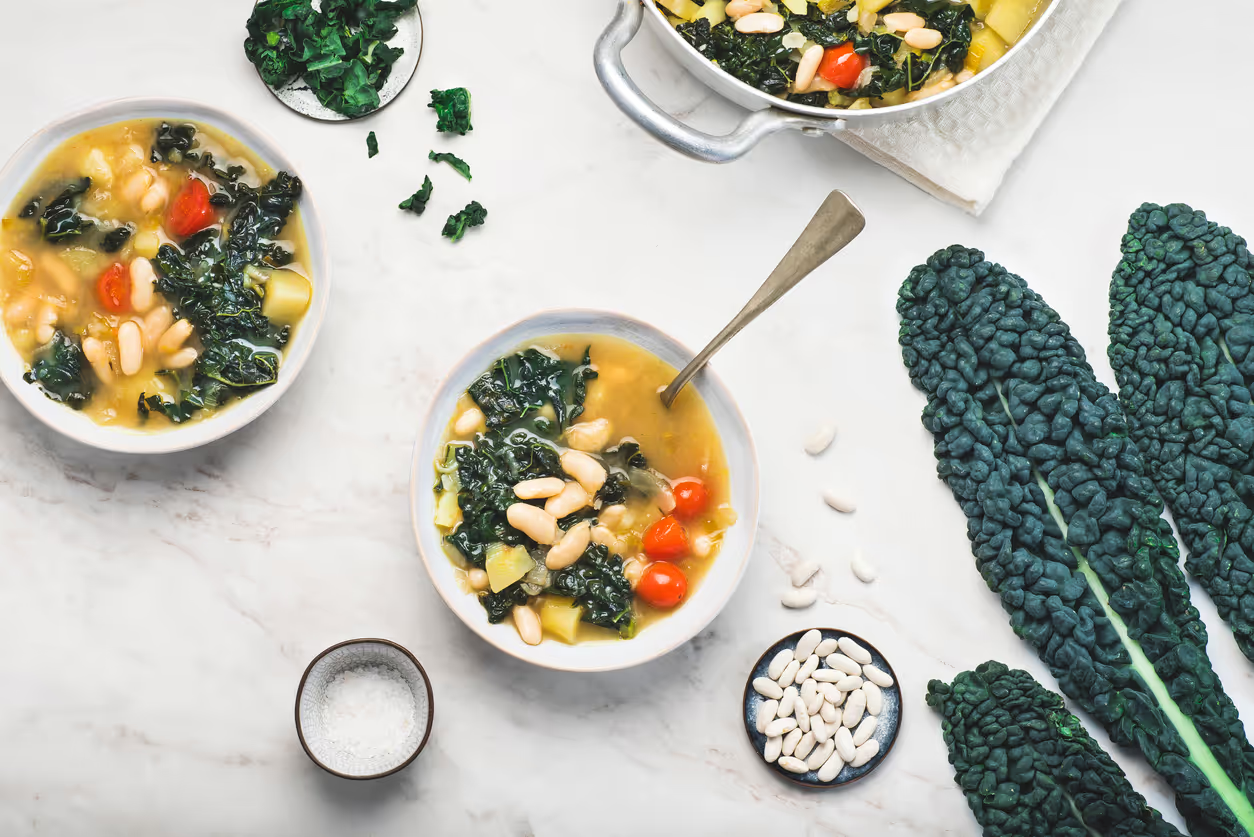
Lentil vegetable soup with a side of hearty bread.
Dinner
Stir-fry with tofu, mixed vegetables, and soba noodles.
Snacks
Canned sardines with crackers.
Apple with string cheese.
Day 2
Breakfast
Yogurt parfait with layers of plain Greek yogurt (drizzled with honey), mixed berries, sliced almonds, and granola.
Lunch
Veggie sandwich on whole grain bread with hummus and cheese. Enjoy a side of tangerines.
Dinner
Garlic honey shrimp with brown rice and roasted broccoli.
Snacks
Small bowl of whole-grain cereal with milk.
Day 3
Breakfast
PB&J overnight oats made with rolled oats, chia seeds, peanut butter, and jam. To add more protein, soak the oats in whole milk or soy milk instead of water.
Lunch
Avocado chickpea wraps with fresh herbs and lemon.
Dinner
Baked lemon garlic salmon with mashed potatoes and roasted asparagus.
Snacks
Guacamole with tortilla chips.
Day 4
Breakfast
Garden vegetable frittata with a side of whole grain toast and fruit.
Lunch
Spicy Thai salad in a mason jar with quinoa, roasted sweet potatoes, fresh veggies, and Thai peanut dressing.
Dinner
Grilled Lemon Pepper Halibut and Squash Foil Packs. Serve with whole-grain pasta.
Snacks
Banana with peanut butter.
Cottage cheese with whole grain crackers.
Day 5
Breakfast
Whole grain protein pancakes topped with almond butter and honey. Serve with a side of fruit.
Lunch
Poke bowl with sushi-grade ahi tuna, sushi rice, fresh vegetables, avocado, and a wasabi citrus sauce.
Dinner
Black bean enchiladas served with a side of baked fajita vegetables.
Snacks
Crispy roasted garbanzo beans.
Greek yogurt with granola.
Day 6
Breakfast
Egg roll-ups made by beating an egg with milk and pouring it into a small pan.
Cook the egg in a thin layer the size of a taco tortilla.
Then, place the egg on your tortilla, top it with cheese and spinach, and roll it up.
Enjoy with a side of fruit.
Lunch
Coconut curried golden lentils with riced cauliflower and whole grain pita bread.
Dinner
Salmon patty and cabbage slaw on a whole grain bun. Serve with baked sweet potato fries.
Snacks
Toasted almonds with dried cherries.
Whole grain banana chocolate chip muffin.
Day 7
Breakfast
Instant pot steel-cut oats topped with banana slices and toasted pecans.
Lunch
Tuna salad sandwich on whole grain bread (tuna salad made with Greek yogurt instead of mayonnaise).
Serve with a side of baby carrots.
Dinner
Halibut tacos on corn tortillas with a cilantro cabbage slaw
{{splash}}
Snacks
Hummus with sliced cucumbers.
Small fruit and yogurt smoothie.
Tips for Seafood Preparation
If you’re new to cooking fish and seafood, it’s important to engage in safe food preparation and storage practices, including:
- Refrigerate or freeze seafood within two hours of purchasing it.
- Store seafood in the fridge if you plan to cook it within two days; otherwise, freeze it.
- Thaw frozen seafood in the refrigerator overnight.
- Cook fish to an internal temperature of 145 degrees Fahrenheit.
Takeaway
A pescatarian diet is a vegetarian eating plan that includes fish and seafood.
People who follow this diet typically avoid eating poultry and meat but do eat dairy and eggs.
The pescatarian diet is nutrient-dense and has several health benefits, including a lower risk of obesity.
Children, as well as pregnant and breastfeeding people, should primarily choose low-mercury fish and seafood and limit their weekly serving sizes.
How a Dietitian Can Help
Changing your food choices to be more plant-based doesn’t have to be all or nothing.
Talk with a dietitian about how you can implement flexible strategies like:
- Meatless Monday.
- A pescatarian diet.
- A flexitarian diet (semi-vegetarian).
Find a registered dietitian specializing in plant-based nutrition who can help you enjoy the benefits of eating more plants.
Frequently Asked Questions
References
View all references
Nourish has strict sourcing policies and prioritizes primary sources, including medical organizations, governmental agencies, academic institutions, and peer-reviewed scientific journals. Learn more about our medical review process and editorial guidelines.