What Can I Drink To Reduce Inflammation?

Medical Reviewer: John Markell, RDN, LDN, CDN, CPT

Author: Heather Smith, RN, BSN

Summary
- Inflammation is how your body responds to injuries or infections. It’s beneficial because it helps you heal, but chronic inflammation can increase your risk for many diseases.
- Like your food choices, the beverages you drink can be anti-inflammatory. Water is essential for your overall health and managing inflammation and several juices, herbal teas, and fermented drinks may also help manage levels of inflammation.
- A dietitian can help design a meal and beverage plan to help you meet your nutritional needs to reduce inflammation.
Inflammation is a natural bodily process that assists with healing.
However, chronic inflammation that is turned on when unnecessary can negatively affect your health.
Eating certain foods can lower your overall inflammation and the same goes for beverages.
Learn how inflammation can affect your body, what you can drink to help reduce inflammation, tips for incorporating anti-inflammatory drinks into your diet, and other methods for managing inflammation.
{{splash}}
Inflammation’s Effect On The Body
Inflammation is your body’s natural response to infection or injury and is a normal part of healing.
You can see inflammation in action whenever you get a cut and your skin turns red, warm, and swollen around the injured area.
The purpose of inflammation is to clear out damaged cells and start tissue repair to recover and prevent infection.
Typically, inflammation goes away after a short time when the healing process is complete.
However, lifestyle habits and other factors sometimes cause consistent low-grade inflammation called chronic inflammation, which is a risk factor for many diseases.
Researchers have identified several causes of low-grade chronic inflammation:
- Being inactive.
- Living with pbesity.
- Experiencing chronic infections.
- Eating a pro-inflammatory diet.
- Having poor digestive health.
- Having chronic stress.
- Sleeping poorly.
- Some medications.
Having chronic inflammation in your body may result in long-term damage and can lead to conditions such as:
- Cardiovascular diseases.
- Cancers.
- Metabolic diseases (diabetes and other conditions that affect metabolism).
- Autoimmune diseases.
- Neurodegenerative diseases (dementia).
- Mood and mental disorders.
- Osteoporosis.
What Can I Drink To Reduce Inflammation?
Some drinks contain powerful antioxidants, polyphenols, and other compounds that can help reduce inflammation.
Drinks from whole fruits and vegetables, such as juices and especially smoothies, may offer health benefits.
It’s a good idea to avoid juices and other beverages that contain high amounts of sugar, especially from added sources (meaning not contained in the foods themselves) as this can increase inflammation.
Water
Water is the best beverage you can drink to reduce inflammation every day.
Your body is made up of approximately 60% water, and every cell needs water to serve as a lubricant between your joints, regulate body temperature, and eliminate wastes through sweating and urinating.
Without enough water, your body is at risk for elevated body temperature, which can lead to multiple serious issues.
Severe dehydration causes muscle breakdown and damage to various organs like your kidneys.
How much water you need depends on your age, activity level, overall health, and other personal factors.
If you don’t like plain water, consider adding fresh fruits, vegetables, or herbs to your water, such as oranges, lemons, berries, cucumbers, or mint for added flavor.
Matcha Green Tea
Matcha is a powdered Japanese green tea containing powerful antioxidants that can reduce inflammation.
The plant is grown under special conditions using bamboo mats to shade the leaves from direct sunlight.
This technique produces higher amounts of compounds responsible for its vibrant color, unique flavor, and health benefits.
In addition to reducing inflammation, matcha green tea has other potential health benefits to offer such as supporting cognitive function, strengthening blood vessels, promoting healthful aging, and reducing cancer-causing cells.
To make matcha green tea: mix matcha powder directly into hot water.
If you don’t enjoy the flavor on its own, adding a small amount of maple syrup or honey to sweeten the tea may help or try some ground cinnamon or ground ginger.
You can top it off with some steamed milk if desired.
Be sure to check the packaging for any specific instructions provided.
Turmeric Tea
Research indicates that curcumin, the active ingredient in turmeric, has anti-inflammatory and antioxidative properties.
A review of research found curcumin to have had a positive effect in decreasing inflammation for the following conditions:
- Psoriasis.
- Ulcerative colitis
- Rheumatoid arthritis.
You can purchase turmeric tea as a loose leaf tea or in a tea bag.
If you want to make your own at home, try steeping pure turmeric powder or freshly grated turmeric root in hot water.
Add a dash of honey or maple syrup to add some sweetness.
Pure Orange Juice
Pure orange juice without added sugars contains flavonoids and ascorbic acid that could reduce inflammation.
While more research is needed on the effectiveness of orange juice in decreasing inflammation, a recent study analysis found that pure orange juice helped reduce inflammatory markers and oxidative stress in healthy individuals and those at risk for chronic health conditions.
While experts still recommend consuming fruits in their whole form either fresh, frozen, or canned over juicing them, adding pure fruit juice to your diet or using whole orange slices in smoothies may help reduce inflammation.
Kombucha And Kefir
The process of fermentation breaks down complex molecules into smaller compounds that may help reduce inflammation.
Other health benefits of fermented foods include supporting the immune system, promoting digestive health, and possibly decreasing the risk of some cancers.
Kombucha is a type of fermented fizzy tea that’s typically tangy, sour, and slightly sweet.
It contains antioxidants that may benefit the immune system and reduce inflammation.
Kefir is another fermented beverage that’s been enjoyed for centuries.
It’s a fermented dairy-based product with a creamy, smooth, and thicker texture than kombucha.
It often has a slightly sour taste and is comparable to drinkable yogurt.
Kefir can support the immune system and decrease inflammation while also offering the potential side benefits of lowering blood pressure and blood cholesterol levels.
Pomegranate Juice
Pomegranates are packed with vitamins and antioxidants that may help reduce inflammation.
The juice of pomegranates is rich in polyphenols and ascorbic acid, which have numerous health benefits.
It also contains catechins which are powerful antioxidants that help decrease inflammation.
Since pomegranates naturally contain sugar its juice does as well.
When looking for pomegranate juice it’s best to get a brand that contains no added sugars.
Another way to support your health would be to add whole pomegranate seeds to smoothies, salads, and oatmeal.
Ginger Shot
One concentrated shot of ginger juice daily can be a refreshing way to reduce inflammation and promote a healthy immune system.
While ginger is a great addition to many sweet or savory dishes it also contains many compounds that benefit several areas of health.
According to a study analysis, some of the ways ginger is beneficial include:
- Easing nausea.
- Enhancing digestive function.
- Reducing inflammation.
{{splash}}
Tips for Incorporating Anti-Inflammatory Drinks Into Your Diet
Incorporating anti-inflammatory drinks into your diet can be a simple and effective way to enhance your overall well-being.
Consider starting your morning with a glass of water then helping your energy levels with some matcha green tea.
Try to sip water throughout your day beyond when you eat and consider swapping a high-sugar or caffeinated beverage with fruit juice, smoothie, or a shot of ginger.
In the evening, it may be nice to have a warm cup of turmeric tea to relax and unwind at the end of your day.
When possible, think about adding things like oranges (slices, zest, or juice), ginger (ground or fresh), pomegranate seeds, and whole or ground turmeric to things you’re already eating throughout the day.
Other Ways To Reduce Inflammation
Other ways to reduce inflammation include:
- Enjoying a wide variety of fruits and vegetables as often as possible.
- Choosing nuts and seeds when needing a snack.
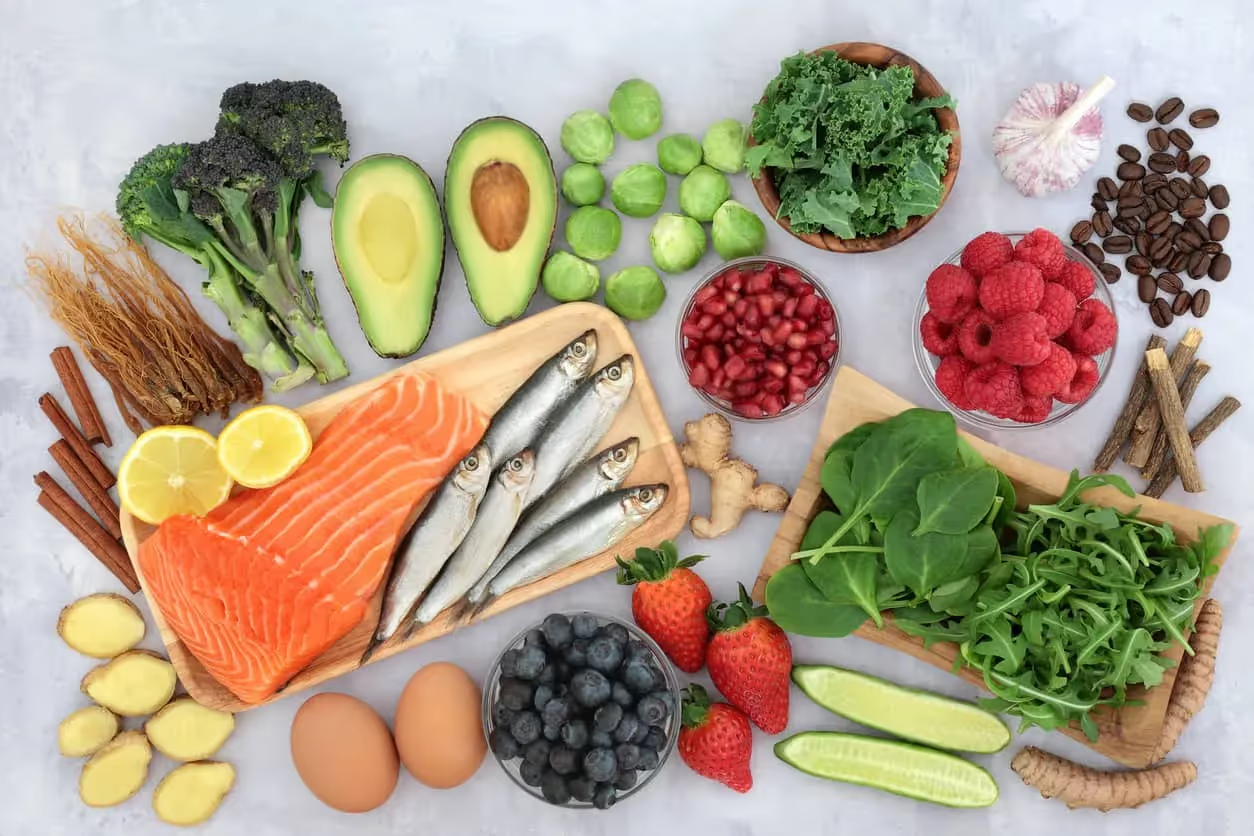
- Eating proteins rich in omega-3 fatty acids like salmon, sardines, tuna, or mackerel.
- Exercising and moving your body regularly in ways you enjoy.
- Developing a healthy sleep routine.
- Learning how to manage your stress levels.
{[splash}}
Takeaway
When you get an injury or infection, your body responds with multiple inflammatory processes.
Inflammation can help remove dead or damaged cells from injured or damaged areas and fight off infections.
Chronic infections or lifestyle choices such as lack of exercising, having extra weight, poor quality and quantity of sleep, and eating certain foods and not enough of others can cause long-term inflammation or prevent inflammation from resolving.
Several drinks may help you manage and decrease your overall inflammation, which can help reduce your risk for certain diseases and promote your overall health.
How A Dietitian Can Help
An autoimmune dietitian is an expert in nutrition and can help you figure out which foods or beverages may be causing unnecessary inflammation and how you can find personalized healthful and equally enjoyable alternatives
After doing a comprehensive health history assessment and learning more about you and your preferences, a dietitian will be there to guide you to better health and less inflammation by helping you make better food and drink choices.
Find a dietitian that accepts insurance through Nourish.
Frequently Asked Questions
What is the best drink to reduce inflammation?
Water is key to your overall health and is essential for reducing inflammation.
Other drinks that help reduce inflammation come from whole fruits and vegetables and don’t contain added sugars.
Several herbal teas also contain powerful antioxidants that help reduce inflammation.
What is the fastest way to reduce inflammation in the body?
The fastest way to reduce inflammation in your body depends on what is causing it in the first place.
If you believe you have high or unresolved levels of inflammation, it’s best to talk with your medical providers so they can help identify potential causes and start appropriate and personalized treatment plans.
What is the strongest natural anti-inflammatory?
While more research is needed on what the strongest natural anti-inflammatory food or drink is, curcumin, a compound found in turmeric, seems to possess strong natural anti-inflammatory properties you can tap into by adding it to foods or beverages like tea.
References
View all references
Inflammation. (2023). National Institute of Environmental Health Sciences.
Pahwa, R. (2023, August 7). Chronic inflammation. StatPearls - NCBI Bookshelf.
Tobias, A., et al. (2022). Physiology, Water Balance. StatPearls.
Water and Healthier Drinks. (2022). Centers for Disease Control and Prevention.
Zarfeshany, A., et al. (2014). Potent health effects of pomegranate. Advanced Biomedical Research.
Nourish has strict sourcing policies and prioritizes primary sources, including medical organizations, governmental agencies, academic institutions, and peer-reviewed scientific journals. Learn more about our medical review process and editorial guidelines.







%20(1).webp)