AIP Diet for Beginners: Meal Plan & Tips

Medical Reviewer: Christine Russell, MS, RD, LD, CDCES

Author: Julia Zakrzewski, RD

Summary
- Inflammatory responses is your body’s way of healing after being harmed or exposed to viruses, bacteria, illnesses, or other stressors.
- The autoimmune protocol diet eliminates trigger foods and may decrease inflammation in the gut.
- A registered dietitian can help you follow the autoimmune diet and manage your symptoms.
Updated by: Maya De La Rosa-Cohen
Living with chronic inflammation can be overwhelming and painful.
Confusion about what to eat and what to avoid can add even more stress to your day.
But here is some good news: following the Autoimmune Protocol Diet (or the AIP diet plan) could relieve inflammation in the digestive tract and may help you feel better.
AIP hasn’t been rigorously studied and there are no official guidelines for this diet.
It appears to mimic an “elimination diet” approach, which usually involves three components: Eliminate food triggers that are gut-irritating for two to three weeks, reintroduce foods and monitor symptoms, and then focus on maintenance.
In this article, you’ll learn how autoimmune disorders affect the body and which foods are AIP-compatible.
{{splash}}
What Does Autoimmune Mean?
Your immune system includes your lymphatic system and white blood cells.
They’re constantly screening for harmful germs, bacteria, or viruses that could make you sick.
Your white blood cells are signaled if a threat is identified.
Activating your white blood cells is a normal inflammatory response that keeps you healthy.
Once the germ or pathogen is destroyed, the inflammation will subside.
Autoimmune disorders are when your immune system targets pathogens and healthy organs and tissues in the body.
It can lead to a chronic state of inflammation and significantly decrease quality of life.
A few side effects of long-term inflammation include constant fatigue, swelling, pain all over the body, and skin changes.
Examples of Autoimmune Diseases
Johns Hopkin Medical school states there are more than 80 different types of known autoimmune diseases.
This is a shortened list of common diagnoses:
- Type 1 Diabetes.
- Lupus.
- Rheumatoid Arthritis.
- Thyroid diseases, including Graves disease (which can lead to an overactive thyroid or hyperthyroidism) and Hashimoto's (which can lead to an underactive thyroid or hypothyroidism).
- Psoriasis.
There are no cures for these conditions but they can be managed through evidence-based practices.
These include dietary strategies (the AIP diet may work for some people), regular physical activity, and medications.
What is the AIP Diet?
The Autoimmune Protocol (AIP) is sometimes also called the Autoimmune Paleolithic Diet.
It was developed to reduce inflammation by eliminating trigger foods which contain organic compounds and proteins that may worsen digestive inflammatory responses.
The AIP diet is not the same as the low FODMAP diet, which helps people reduce symptoms linked to carbohydrate intake.
By following the AIP diet plan and eliminating these foods, the inflammatory response decreases.
A break in inflammation offers the body a chance to recover, and the lining of the gut wall can heal.
We know this restrictive diet plan is not suitable for everyone.
It could help people who suffer from chronic inflammation related to an autoimmune condition.
AIP Diet Plan
The AIP diet is a stricter version of the Paleolithic diet.
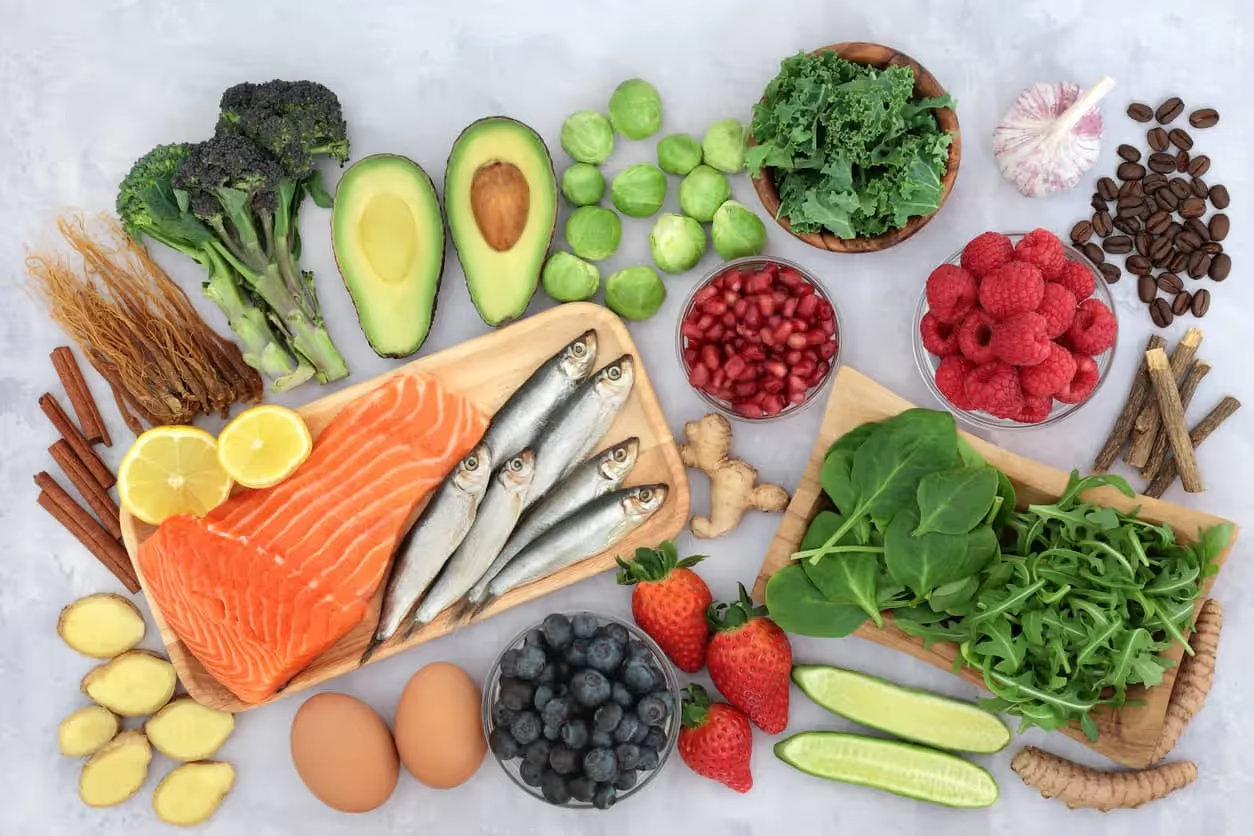
It doesn’t permit anything processed or ultra-processed (UPF), including cookies, chips, crackers, candy, breakfast cereals, etc. Instead, this diet includes various vegetables, fruits, lean protein sources including seafood, and some plant-based milks.
There are known adverse health effects associated with a high intake of UPFs.
Health risks include unwanted weight gain, heart disease, and different forms of cancer, specifically colon cancer.
UPFs are notoriously high in excess refined sugars, fats, and salt.
Consuming large amounts of these ingredients may contribute to high levels of inflammation.
For these reasons, UPFs are not recommended in the AIP diet plan.
Here are examples of other foods that are not AIP-compatible:
- Nightshade vegetables: Examples include all tomato varieties, eggplant, potatoes, and peppers (including sweet bell peppers and spicy chilis).
- Nuts and seeds: Only eliminate nuts, nut butter, and seeds from the diet if they worsen your symptoms. Most people don’t need to restrict 100% of these foods.
- All grains.
- Legumes and beans.
- Coffee and Alcohol.
- Eggs.
- Refined sugars, including white sugar, brown sugar, and high fructose corn syrup.
- Animal-based dairy products.
Keep in mind that everybody’s health and digestion are unique. This list is just a guideline.
As you move through the AIP diet plan, you’ll establish a version that best suits your needs.
If you want support, consider booking an online appointment with a Nourish dietitian specializing in inflammation.
Different Phases of the AIP Diet Plan:
There isn’t a lot of evidence to support AIP, and a rigorous guideline on “how-to” follow AIP hasn’t been developed yet.
It is a type of elimination diet, which usually follow some version of these three steps:
- Elimination Phase: Eliminate common trigger foods that may increase your body’s inflammatory response. Your healthcare will tell you how long you should stay in this phase (this phase of the diet is temporary).
- Reintroduce Phase: Reintroduce foods back into your diet and monitor your symptoms.
- Maintenance Phase: Use all the knowledge from the first two phases to develop a sustainable diet that you can maintain. A dietitian can help.
{{splash}}
What Does the Research Say?
Some studies on the efficacy of the AIP diet plan showed reduced inflammation.
The findings are promising, but more research is needed to validate the results.
Inflammatory Bowel Disease
Inflammatory bowel disease (IBD) includes Crohn's disease and Ulcerative Colitis.
People can manage both conditions through diet, but painful flare-ups can occur.
During a flare-up, the intestinal walls become inflamed, and the digestive tract is sensitive to different foods and beverages.
These acute events may lead to fatigue, fever, diarrhea, blood in the stool, and a decreased appetite.
A research study from 2017 observed 15 participants who followed the AIP diet for approximately three weeks.
At 11 weeks, the participants completed an endoscopy (an imaging test with a scope), and visible inflammation along the gut walls had decreased.
People who suffer from IBD conditions may benefit from the AIP diet plan.
Hashimoto’s
Hashimotos is an autoimmune disorder that targets and destroys thyroid cells.
It results in the underproduction of thyroid hormone (clinically known as hypothyroidism). Most people will rely on medication to manage their thyroid levels.
A study from 2019 looked at the role of the AIP diet in people diagnosed with Hashimotos.
Participants had blood drawn at the start and end of the study.
Researchers were checking thyroid and c-reactive protein levels. High levels of c-protein can be an indication of inflammation.
After ten weeks, the TSH levels in participants were the same, but the c-protein had decreased.
The sample size of this study is small and more research with a larger population would strengthen the findings.
The AIP diet plan may help people who have been diagnosed with Hashimoto’s.
Leaky Gut
Leaky gut is not an official diagnosis in western medicine, but it's a trending topic in the nutrition world.
The current definition of a leaky gut is the increased permeability (or passability) of intestinal walls.
There is an increased risk of germs and bacteria passing into the surrounding tissues of the gut.
Unwanted germs and bacteria contribute to inflammation and may cause significant pain.
Studies have confirmed that other autoimmune conditions, such as Crohn's, have permeable intestinal walls, contributing to poor gut health and uncomfortable symptoms.
The AIP diet plan may improve the leaky gut because it eliminates foods that have been linked to inflammation in the gut, however, more research is needed.
{{splash}}
How Does Diet Help Autoimmune Conditions?
A diet rich in antioxidants may decrease symptoms of inflammation associated with autoimmune conditions.
Antioxidant rich foods include fruits and vegetables, fiber-rich grains, beans, and unsaturated fats.
The nutrients in these foods neutralize harmful free radicals, which are compounds that could worsen inflammation if levels become too high.
Additionally, research has demonstrated that people with autoimmune conditions who eat anti-inflammatory diets have lower levels of mortality.
Getting Started on an AIP Diet
Before starting an AIP diet, consider talking with your doctor or registered dietitian.
Speaking with an expert will give you the opportunity to ask any questions you may have about the protocol diet.
It’s also a good idea to talk with your dietitian or healthcare professional about how to meet your nutritional needs while on the AIP diet.
Because the AIP diet eliminates your intake of many foods, it’s important to ensure that you’re still eating a diversity of foods that support your health.
Lastly, be sure to clean out your kitchen and go shopping for AIP approved foods.
Removing foods that you cannot eat while on the AIP diet will help you to stay on track.
Stocking up on AIP approved foods will support your progress as you move through the steps of the protocol diet.
A Shopping List for the AIP Diet
Below are recommendations for an AIP-friendly grocery list.
- Lean ground proteins including turkey, chicken, and beef.
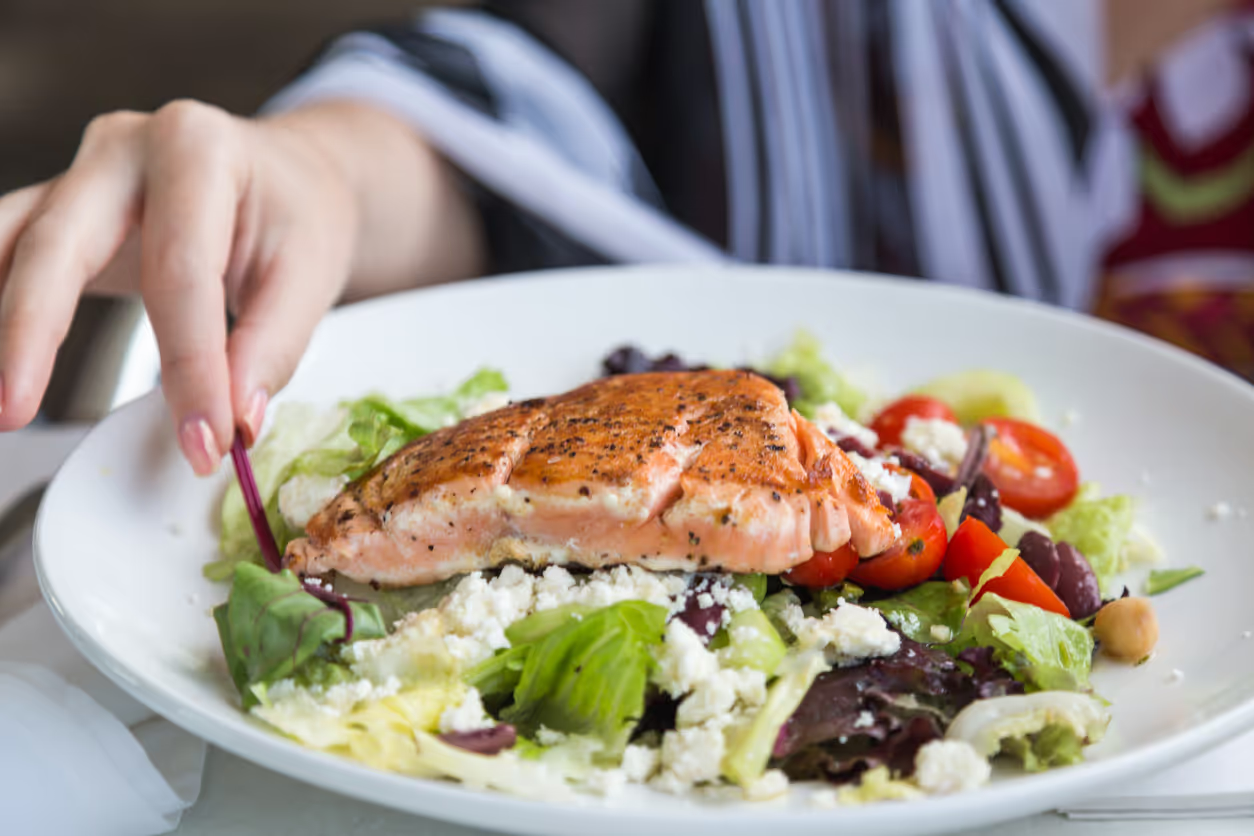
- Fish rich in omega-3 fatty acids such as salmon and trout. Other fish you can buy include cod, haddock, tilapia, and tuna.
- Seafood, including shrimp and scallops.
- Most vegetables are AIP-compliant except for nightshade options. Include broccoli, cabbage, mushrooms, turnips, zucchini, garlic, brussel sprouts, and onion.
- Starchy vegetables such as sweet potatoes, yams, and squashes.
- Most fresh fruits, including berries, apples, oranges, nectarines, pomegranates, and bananas.
- Coconut milk.
- Honey.
- Olive oil, avocado oil.
- Fermented foods that don’t contain dairy, sugar, or nightshade vegetables, like some types of sauerkraut or pickles.
- Bone broth.
- Herbs and spices, like ginger, gaelic, and oregano.
Sample AIP Meal Plan
Here’s an example of a three-day AIP diet plan you can try at home.
Day 1
- Breakfast: Sweet potato “toast” (a slice of roasted sweet potato) topped with mashed avocado and spices, such as turmeric and ground cumin.
- Lunch: Baked tuna cakes served over fresh spinach and drizzled with olive oil and balsamic vinegar.
- Dinner: One-pan chicken with rosemary, parsnips, garlic, and fresh thyme. Glaze the dish with avocado oil, salt, cinnamon, and one tablespoon of maple syrup.
Day 2
- Breakfast: Cassava flour pancakes topped with mixed berries.
- Lunch: Nori fish wraps with avocado and pickled vegetables.
- Dinner: Grass-fed steak with a green salad and sauteed mushrooms and squash on the side.
Day 3
- Breakfast: Toast large coconut flakes to create a cold cereal texture and top with fresh fruits and coconut milk.
- Lunch: Chicken lettuce wraps with homemade AIP-friendly caesar dressing and sliced avocado.
- Dinner: Mediterranean-style shrimp cooked on a pan with olive oil, minced garlic, oregano, and basil. Served with baked zucchini, carrots, and sweet potatoes.
Are There Any Risks of the AIP Diet Plan?
The AIP diet plan can result in low fiber intake because it eliminates whole grains, legumes, several vegetables, nuts, and seeds, which are all high sources of fiber.
Low fiber intake is linked to several diseases, including cancer, heart disease, type two diabetes, constipation, and diverticular disease.
Minimum Daily Fiber Recommendations
Women (ages 19-30): 28g
Women (ages 31-50): 25g
Women (ages 51+): 22g
Men (ages 19-30): 34g
Men (ages 31-50): 31g
Men (ages 51+): 28g
In the most recent USDA Dietary Guidelines it was noted that more than 90% of women and 97% of men are not meeting recommended dietary fiber goals.
These numbers are staggeringly high.
You should create a robust AIP diet plan that prioritizes high-fiber vegetables and fruits to help you satisfy your fiber requirements.
These include avocados, berries, broccoli, cabbages, and other cruciferous vegetables.
The Fear Of Moving Forward
People who have suffered from chronic inflammation may find relief after starting the AIP diet plan.
Understandably, they may be afraid to move out of the elimination phase, fearing the pain and discomfort will return.
It is essential to move on to the reintroduction phase because a sustainable diet needs variety.
If you feel stuck or fearful, reach out to a friend or, even better, a trained dietitian.
They can offer actionable steps to move forwards while still maintaining your progress.
Tips for Success
Small, consistent nutrition changes are gentler on your digestive system and easier to follow. Here are other tips you can follow:
- Focus on one meal at a time.
- Work with an expert, such as a dietitian specializing in inflammation.
- Make simple recipes that are easy to follow.
- Document your symptoms to track any changes.
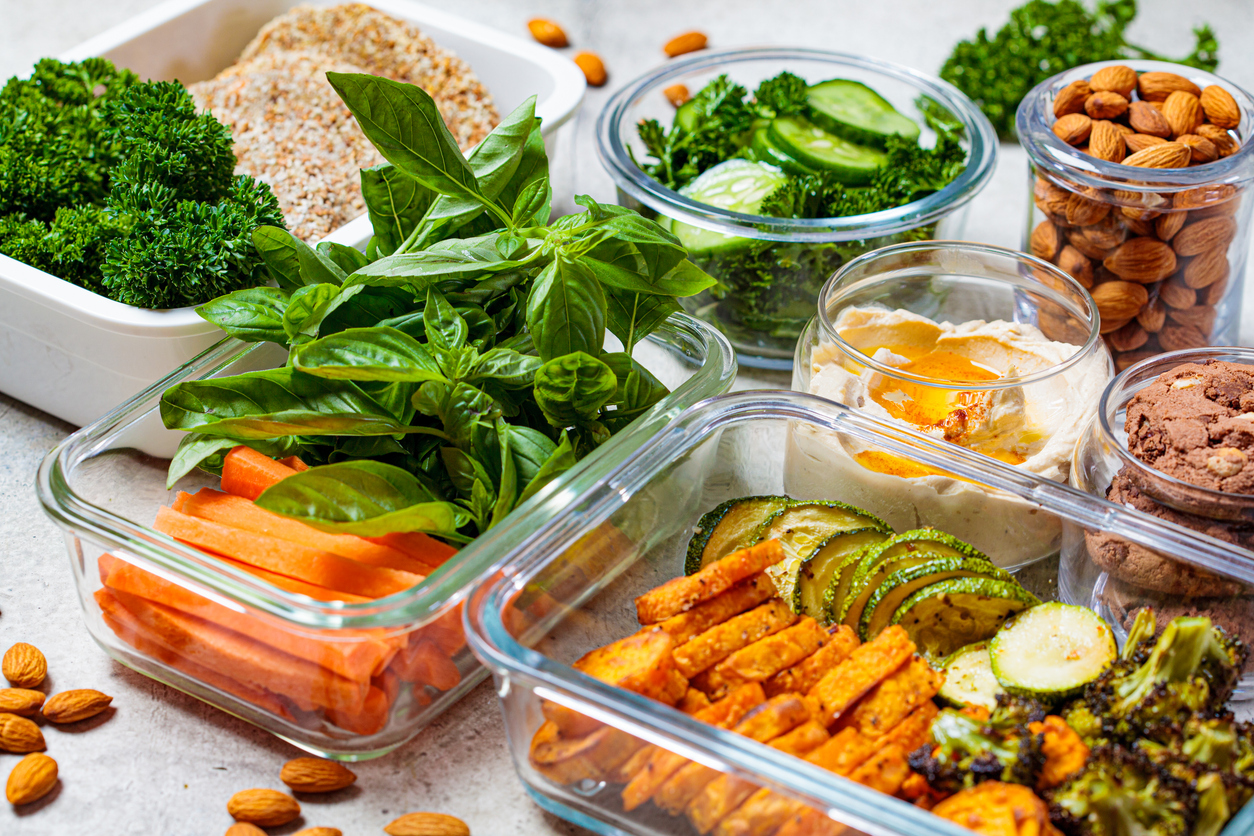
- Batch cook meals or components to prepare for the week ahead.
- Prepare AIP-friendly snacks to satisfy unexpected hunger pangs.
- Practice mindfulness at meals.
{{splash}}
Is the AIP Diet Right for Me?
The AIP diet may help you to find relief from symptoms associated with an autoimmune disorder or chronic inflammation.
If you’ve tried other treatments that haven’t been successful at remediating your symptoms, the AIP diet may be right for you.
Takeaway
AIP is an elimination diet designed to help you identify food-triggered irritations.
People who suffer from autoimmune conditions or leaky gut are the best candidates to try the AIP diet plan.
Remember that the diet has three phases and is a long-term commitment.
People with an advanced understanding of nutrition can start the diet independently. However, beginners with no nutrition education should ask for help to make safe nutrition choices.
Avoid staying in the elimination phase for too long because it can expose you to nutritional deficiencies.
The AIP diet plan can be low in fiber, and a low fiber intake can worsen your long-term health.
Limit your risk by prioritizing fiber-rich foods at all meals, starting with breakfast.
Challenge yourself to try new recipes and include as much variety in your meal plan. If you struggle with cooking daily, consider meal prepping a few dishes in advance.
Frequently Asked Questions
What can you eat on the AIP diet?
Foods that you can eat on the AIP diet include lean, minimally processed proteins, most vegetables (except nightshades), most fruits, some plant-based milks (except nut milks), natural sweeteners (like honey or agave), herbs and spices, and some fermented foods (except those that contain dairy or sugar).
What is an AIP meal plan?
An AIP meal plan is designed to help people with autoimmune conditions or chronic inflammations find relief from their symptoms.
The diet eliminates common food triggers of inflammation, including dairy, grains, nightshades, eggs, nuts and seeds, legumes, and processed foods.
Importantly, the restriction phase of the diet is brief, after which you should start to incorporate foods into your diet slowly.
What is the best diet to reverse autoimmune disease?
Nutritional changes can help to treat autoimmune disease, depending on the condition.
The autoimmune protocol diet (AIP) may help people with autoimmune diseases like inflammatory bowel disease, psoriatic arthritis, Hashimoto’s, and type 1 diabetes, decrease inflammation in their body and reduce their symptoms.
References
View all references
- Malone JC, Daley SF. Elimination Diets. [Updated 2024 Jan 9]. In: StatPearls [Internet]. Treasure Island (FL): StatPearls Publishing; 2024 Jan-.
- InformedHealth.org [Internet]. Cologne, Germany: Institute for Quality and Efficiency in Health Care (IQWiG); 2006-. How does the immune system work? [Updated 2020 Apr 23]. Available from: https://www.ncbi.nlm.nih.gov/books/NBK279364/
- Pahwa R, Goyal A, Jialal I. Chronic Inflammation. [Updated 2022 Aug 8]. In: StatPearls [Internet]. Treasure Island (FL): StatPearls Publishing; 2022 Jan-. Available from: https://www.ncbi.nlm.nih.gov/books/NBK493173/
- Ruscio, M. D. (2022, August 15). AIP Diet For Beginners: Eating to Control Autoimmune Disease. Dr. Michael Ruscio, DNM, DC. https://drruscio.com/aip-diet-for-beginners/
- Lawrence, M. A., & Baker, P. I. (2019). Ultra-processed food and adverse health outcomes. BMJ, l2289. https://doi.org/10.1136/bmj.l2289
- Wang, L., Du, M., Wang, K., Khandpur, N., Rossato, S. L., Drouin-Chartier, J. P., Steele, E. M., Giovannucci, E., Song, M., & Zhang, F. F. (2022). Association of ultra-processed food consumption with colorectal cancer risk among men and women: results from three prospective US cohort studies. BMJ, e068921. https://doi.org/10.1136/bmj-2021-068921
- Martínez Leo, E. E., Peñafiel, A. M., Hernández Escalante, V. M., & Cabrera Araujo, Z. M. (2021). Ultra-processed diet, systemic oxidative stress, and breach of immunologic tolerance. Nutrition, 91–92, 111419. https://doi.org/10.1016/j.nut.2021.111419
- DEALING WITH CROHN’S FLARE-UPS. (n.d.). Crohn'S and Colitis. https://www.crohnsandcolitis.com/living-with-crohns-uc/crohns/flare-ups
- Konijeti, G. G., Kim, N., Lewis, J. D., Groven, S., Chandrasekaran, A., Grandhe, S., Diamant, C., Singh, E., Oliveira, G., Wang, X., Molparia, B., & Torkamani, A. (2017). Efficacy of the Autoimmune Protocol Diet for Inflammatory Bowel Disease. Inflammatory Bowel Diseases, 23(11), 2054–2060. https://doi.org/10.1097/mib.0000000000001221
- Abbott, R. D., Sadowski, A., & Alt, A. G. (2019). Efficacy of the Autoimmune Protocol Diet as Part of a Multi-disciplinary, Supported Lifestyle Intervention for Hashimoto’s Thyroiditis. Cureus. https://doi.org/10.7759/cureus.4556
- Camilleri M. (2019). Leaky gut: mechanisms, measurement and clinical implications in humans. Gut, 68(8), 1516–1526. https://doi.org/10.1136/gutjnl-2019-318427
- Henke, M. T., Kenny, D. J., Cassilly, C. D., Vlamakis, H., Xavier, R. J., & Clardy, J. (2019). Ruminococcus gnavus, a member of the human gut microbiome associated with Crohn’s disease, produces an inflammatory polysaccharide. Proceedings of the National Academy of Sciences, 116(26), 12672–12677. https://doi.org/10.1073/pnas.1904099116
- Fiber. (2022, April 26). The Nutrition Source. https://www.hsph.harvard.edu/nutritionsource/carbohydrates/fiber/
- Dietary Guidelines For Americans, 2020-2025. (2020). In USDA. USDA - Dietary Guidelines for Americans. https://www.dietaryguidelines.gov/sites/default/files/2020-12/Dietary_Guidelines_for_Americans_2020-2025.pdf
- Duckworth AL, Gross JJ. Behavior Change. Organ Behav Hum Decis Process. 2020 Nov;161(Suppl):39-49.
- Mazzucca CB, Raineri D, Cappellano G, Chiocchetti A. How to Tackle the Relationship between Autoimmune Diseases and Diet: Well Begun Is Half-Done. Nutrients. 2021 Nov 5;13(11):3956.
- Kaluza, J., Håkansson, N., Harris, H. R., Orsini, N., Michaëlsson, K., & Wolk, A. (2019). Influence of anti-inflammatory diet and smoking on mortality and survival in men and women: two prospective cohort studies. Journal of internal medicine, 285(1), 75–91.
Nourish has strict sourcing policies and prioritizes primary sources, including medical organizations, governmental agencies, academic institutions, and peer-reviewed scientific journals. Learn more about our medical review process and editorial guidelines.







%20(1).webp)