The Best Foods That Heal Colon Inflammation

Medical Reviewer: John Markell, RDN, LDN, CDN, CPT

Author: Julia Zakrzewski, RD

Summary
- An inflamed colon is painful and can impair your digestive system's ability to metabolize food and absorb essential nutrients.
- Lifestyle, diet, and sometimes medication can help decrease inflammation and prevent future flare-ups.
- Choose antioxidant-rich foods that soothe colon inflammation, such as fruits, vegetables, whole grains, beans, and nuts.
The colon is part of your large intestine and absorbs precious water, vitamins, and electrolytes that you would otherwise lose through waste (stool).
More younger people are being affected by colon disease and colorectal cancer, and some researchers believe there is a dietary link to the rise in digestive illnesses.
Fortunately, there are proven strategies to support a healthy colon, such as following a nutritious diet, being active, limiting alcohol intake, avoiding tobacco, and following screening guidelines.
Keep reading to learn about eight foods that taste great and may heal colon inflammation.
{{splash}}
8 Foods That Heal Colon Inflammation
An inflamed colon can’t absorb nutrients effectively, which can increase your risk of deficiencies.
It also makes it harder to satisfy your energy requirements, so you might feel more lethargic while your appetite remains low.
To maximize your nutritional intake, opt for foods that are nutrient-dense and easy to digest.
These include soft vegetables and fruits, lean protein sources, and some grains.
As the inflammation subsides, you can increase your fiber and water intake, which may help prevent a future flare-up.
1. Leafy Greens
Leafy greens include lettuce, spinach, kale, collard greens, endive, bok choy, and many more.
Most leafy greens are highly versatile in the kitchen and can be eaten fresh or cooked into pasta, soups, or baked dishes.
They benefit your digestive health because they’re rich in vitamins, minerals, and antioxidants that decrease inflammation.
Fresh herbs are another leafy green that adds antioxidants to your food.
They can elevate the nutritional quality of your meals and add great flavor.
Experiment with basil, dill, parsley, mint, rosemary, and sage to see which flavors you like best.
2. Fruits
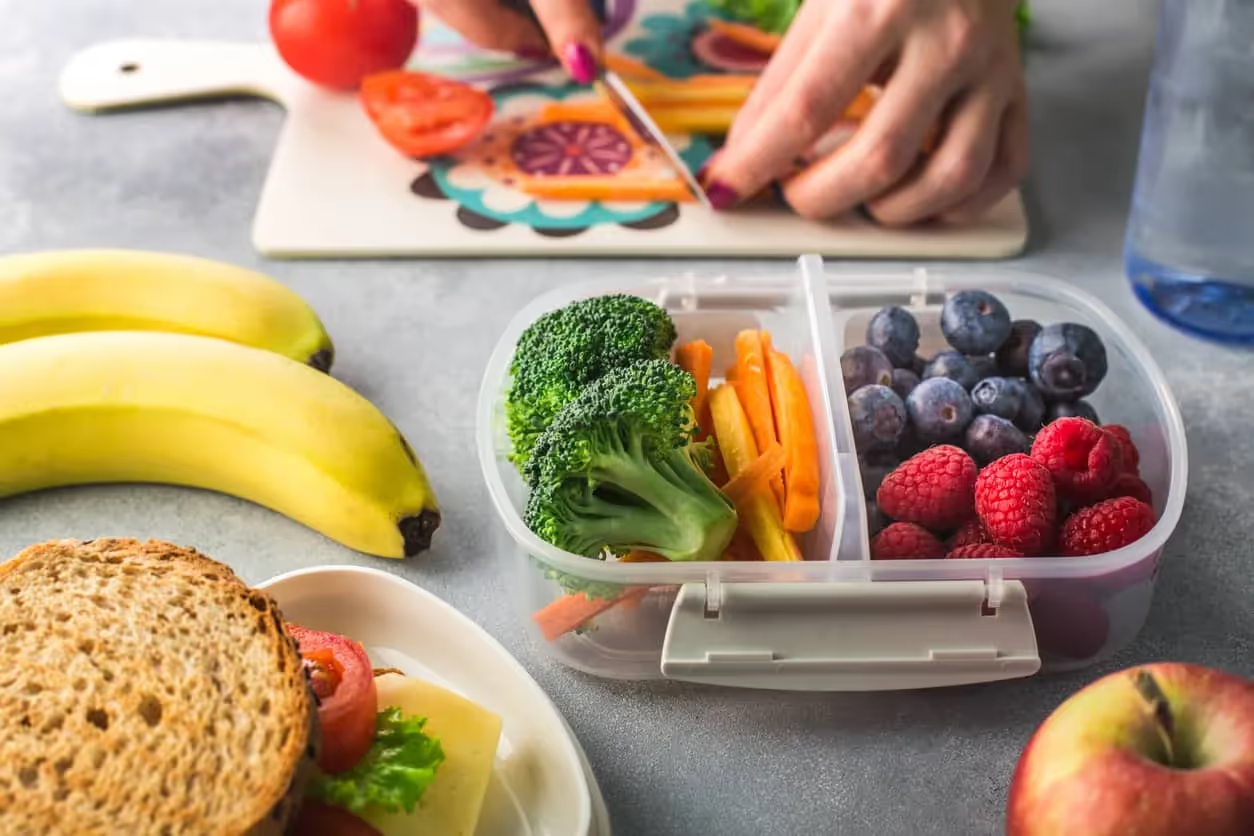
Fruits are brightly colored foods containing fiber, vitamins, minerals, and different antioxidants—all essential nutrients that keep your digestive tract healthy.
Removing their peel might make them easier to digest.
Every fruit has unique nutritional properties, so adding variety to your menu is beneficial.
Enjoy berries, bananas, grapes, melons, oranges, mangos, plums, peaches, pomegranates, and avocado (which is considered a fruit).
If you ever feel bored with fruits, try roasting them in the oven with a sprinkle of cinnamon for a comforting twist.
3. Whole Grains
A whole grain has three parts: an outer bran, a soft germ, and an endosperm at its core.
Every part of the grain has nutritional value, such as fiber, B vitamins, and antioxidants.
Eating them regularly is linked to good health, and it’s recommended that 50% of your daily grain intake should come from whole grains.
Whole grains include oats, quinoa, teff, bulgur, spelt, buckwheat, sorghum, brown rice, and whole wheat products (like pasta or bread).
While experiencing a flare-up, your dietitian may recommend lower fiber options instead of whole grains.
As you recover, they’ll suggest an appropriate serving size.
4. Fiber-Rich Foods
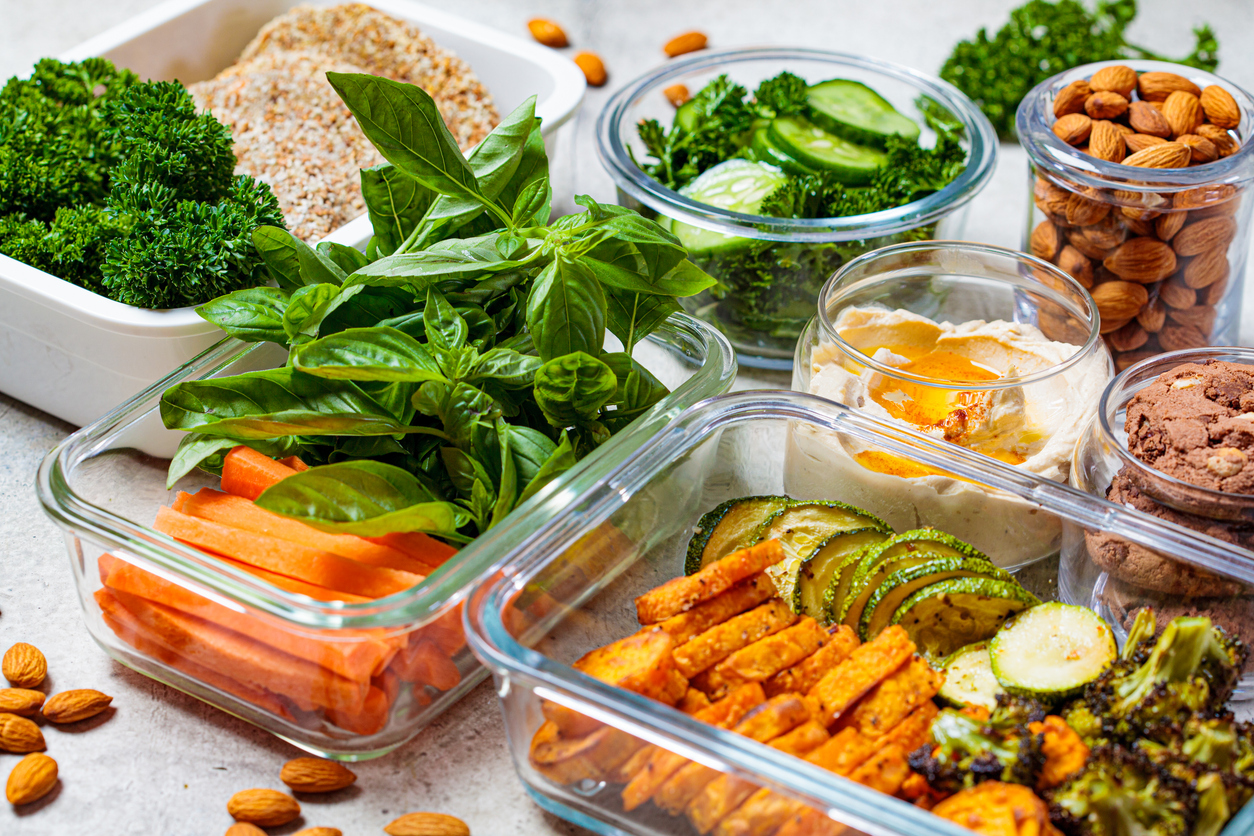
Fiber is in fruits, vegetables, and whole grains—but it’s also in beans, nuts, and seeds.
You can add nuts and seeds to your breakfast cereal, yogurt, and salads or enjoy them alone.
Beans can be added to a salad but are also excellent in soup, chili, or baked dishes.
Using a food processor, you can even make dips, like hummus.
Most adults need approximately 22-34g of fiber daily.
Slowly increasing your fiber and water intake over a few weeks can help your digestive system adjust to more fiber.
5. Foods High in Omega-3 Fatty Acids
Omega-3 fatty acids are a desirable type of polyunsaturated fat linked to several positive health outcomes.
Their anti-inflammatory properties offer heart health protection and can reduce cancer risk, but it’s unclear if they heal colon inflammation (colitis).
However, many foods rich in omega-3 fatty acids are nutritious and good for overall digestive health.
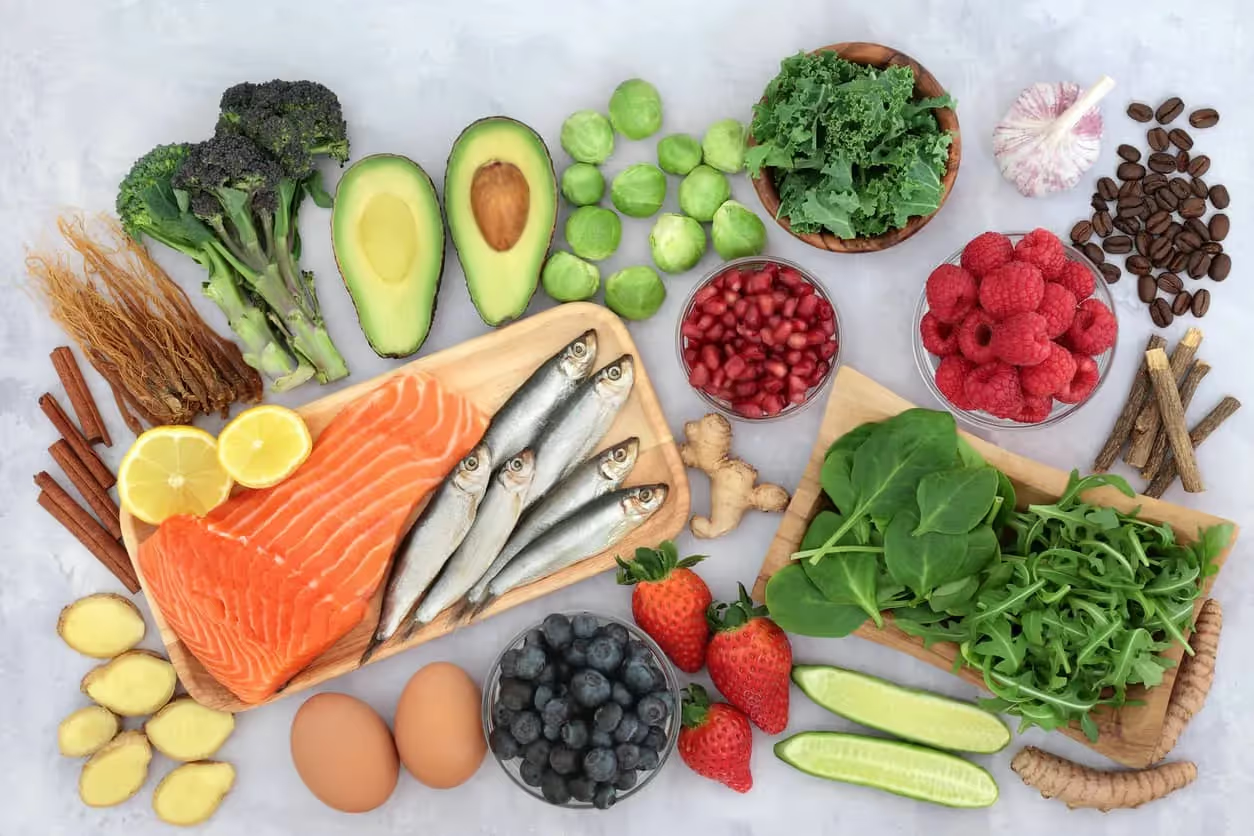
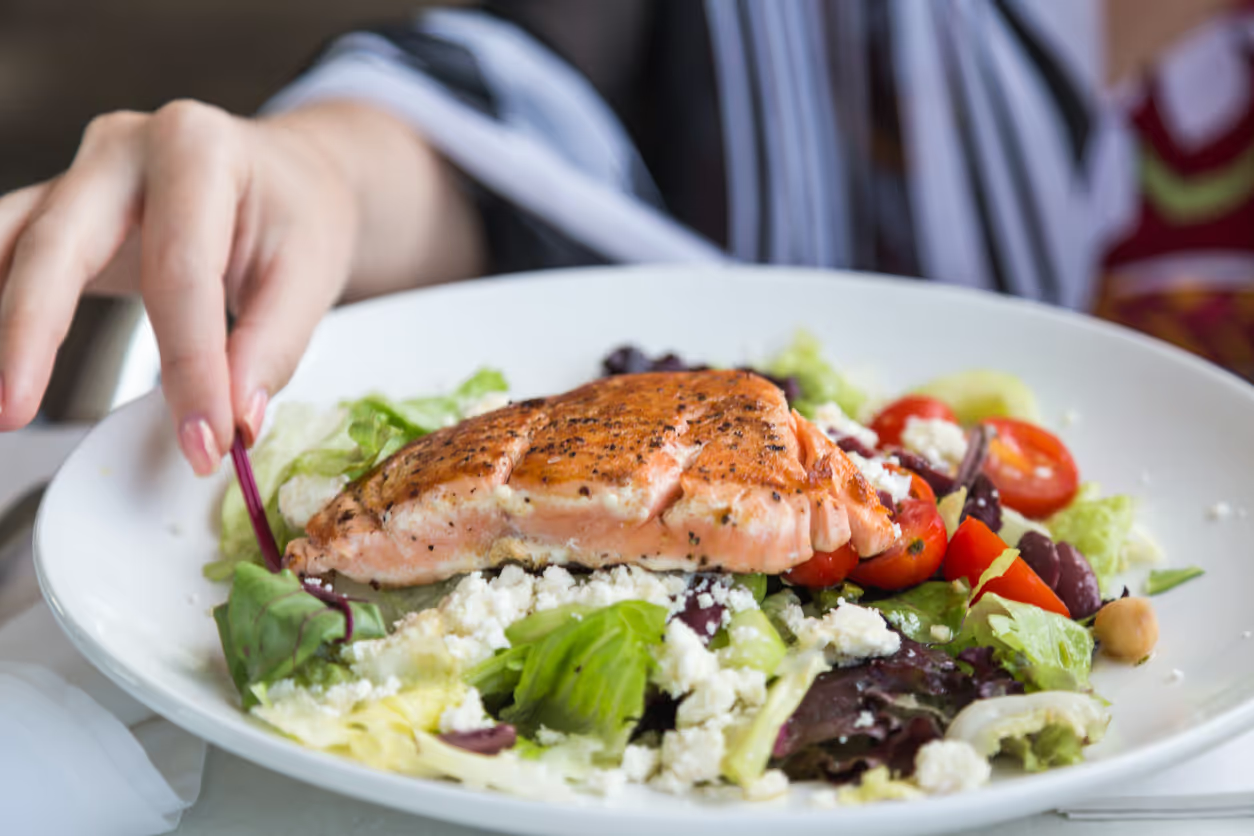
Fish sources of omega-3, such as trout, mackerel, herring, sardines, and salmon, are easily absorbed.
Two servings per week should satisfy your omega-3 requirements.
If you don’t enjoy fish (or don’t eat it), try plant-based options instead.
Enjoy chia seeds, walnuts, ground flax or flax seed oil, and hemp hearts.
Additionally, you can try fortified eggs.
6. Lean Poultry
Lean poultry is easy to digest and is a good source of protein.
Popular cuts include chicken and turkey breasts or lean ground chicken.
These foods pair well with vegetables and are a classic choice for many soup recipes.
Make chicken soup at home by sautéeing carrot, onion, celery, and garlic in olive oil.
Add chicken and cook until browned.
Top with low-sodium chicken stock, a bay leaf, and cracked black pepper.
Boil for half an hour before digging in.
7. Seafood
Like lean poultry, seafood is another excellent protein source that is easy to digest.
You can enjoy cooked shrimp, mussels, clams, and crab while healing your colon.
Flavors that pair well together include:
- Mussels with garlic, onion, and fennel.
- Clams with onion, green pepper, and parsley.
- Crab with red onion, dijon mustard, and lemon zest.
- Shrimp with avocado, green onion, and lime juice.
What Causes Colon Inflammation?
Like most body parts, the colon is susceptible to painful inflammation, sometimes called colitis.
The delicate inner lining of the colon becomes irritated, which can lead to changes in stool (usually diarrhea), rectal bleeding, fatigue, low iron levels, loss of appetite, weight loss, and sometimes fever.
People living with a gastrointestinal disease are at higher risk of experiencing colitis, such as celiac disease or irritable bowel syndrome.
It can also be caused by:
- An infection after ingesting contaminated water or food.
- Digestive disorders, such as ulcerative colitis and microscopic colitis.
- Autoimmune deficiency disorders, such as an HIV infection.
- Drugs and medications.
How Diet Affects Colon Health
Colitis can result in decreased food intake due to two primary factors:
1. Malabsorption: the large intestine can’t absorb nutrients and water, which results in unpleasant loose stools and other side effects.
2. Maldigestion: the colon can’t perform its digestive duties efficiently, which makes it difficult to access any residual nutrients from the waste.
Both of these factors contribute to unpleasant symptoms linked to colitis, like nausea, vomiting, stool changes, and abdominal cramping.
Dietary changes can help to manage symptoms, and medication might help you recover faster.
To decrease colon inflammation, choose foods with anti-inflammatory properties.
These include fruits, vegetables, nuts, legumes, omega-3-rich fish, herbs and spices.
Foods to Avoid for Colon Health
Certain foods can increase inflammation along your digestive tract when consumed in large amounts.
These foods are usually highly processed and contain large amounts of added fat, sugar, and salt.
Examples include baked goods, heat-and-eat meals, frozen packaged foods, and many fast foods.
Here’s a more detailed list of pro-inflammatory foods to avoid:
- Fried foods (french fries, onion rings, donuts, chips, tempura, etc.)
- Red meats (beef, pork, venison, goat, veal, lamb.)
- Processed meats (bacon, deli meats, sausages, hot dogs, frozen burgers, etc.)
- Sugar-sweetened beverages (flavored milk, sodas, juice from concentrate, prepackaged smoothies, sports drinks.)
- Products with trans fats (some commercial baked goods, shortening, and some frozen meals like pizza or lasagna.)
You don’t have to eliminate these foods, but a moderate approach is best.
{{splash}}
Other Tips for Improving Colon Health
One of the best things to do for your overall health (including digestive) is to increase your level of physical activity.
Research has repeatedly demonstrated that regular exercise reduces the risk of several chronic illnesses and cancer and supports mood.
Build up your workouts overtime to complete 150 - 300 minutes of aerobic activity weekly and strength training at least twice a week.
This can include a mix of biking, running, swimming, yoga, pilates, and dancing.
Try to choose activities that are fun and make you feel excited to get started.
Along with physical exercise, completing regular blood work is vital to ensure your vitamin levels are healthy.
Many people with inflammatory bowel disease require supplementation, such as vitamin D, iron, calcium, and folate, to maintain healthy levels.
Hydration is also essential for colon health.
Although drinking water doesn’t neutralize inflammation, it can prevent constipation, making it easier to go to the bathroom.
Takeaway
An inflamed colon can’t efficiently absorb vital nutrients and water from waste, making it harder to satisfy your daily vitamin and hydration requirements.
Inflammation along the digestive tract is painful, and you may benefit from dietary and medication interventions to help your body heal.
While experiencing a flare-up, choose foods that are easy to digest, such as cooked fruits and vegetables, lean protein sources, and some grains.
As you recover, you can slowly increase your fiber and water intake to help prevent future bouts of inflammation.
When you feel well enough, consider increasing your level of physical activity, which is proven to support a healthy digestive system.
How a Dietitian Can Help
A registered dietitian is a nutrition expert and licensed health care professional.
They can help you heal your colon inflammation through comprehensive nutrition counseling, which Nourish offers online.
You may not know what to expect if you’ve never met with a dietitian. Here are questions to ask:
- Are there foods that trigger inflammation?
- What can I eat while I have a flare-up?
- What other lifestyle factors affect my colon health?
Find a dietitian near you that accepts insurance through Nourish.
Frequently Asked Questions
What foods reduce colon inflammation?
Foods rich in antioxidants can help to reduce colon inflammation (although results vary per person.)
Enjoy a variety of fruits, vegetables, lean proteins like fish or poultry, beans, nuts, and seeds.
How do you get rid of inflammation in the colon?
Diet and lifestyle changes can help your colon heal from inflammation.
Try to eat whole foods as often as possible and exercise regularly to maintain a healthy digestive system.
What can I drink to heal my colon?
Water is the best choice for staying hydrated and healing your colon.
If you don't like plain water, add natural flavor boosters like fresh mint with strawberry or ginger with pineapple.
References
View all references
Azzouz, L. L. (2023, July 31). Physiology, large intestine. StatPearls - NCBI Bookshelf.
What Can I Do to Reduce My Risk of Colorectal Cancer? | CDC
USDA MyPlate Grains Group–one of the five food groups. (n.d.).
USDA MyPlate Five Food Group Gallery. (n.d.).
Dietary Guidelines for Americans, 2020-2025
Office of Dietary Supplements - Omega-3 fatty acids. (n.d.).
What should I eat? (n.d.). Crohn’s & Colitis Foundation.
Azer, S. A. (2023, August 7). Colitis. StatPearls - NCBI Bookshelf.
Physical activity and cancer fact sheet. (2020, February 10). National Cancer Institute.
Nourish has strict sourcing policies and prioritizes primary sources, including medical organizations, governmental agencies, academic institutions, and peer-reviewed scientific journals. Learn more about our medical review process and editorial guidelines.







%20(1).webp)