The Best Diet For POTS: Foods To Eat & Avoid

Medical Reviewer: Blair Kott, MDA, RD, LD

Author: Ashley Petrie, RDN, LDN

Summary
- Postural orthostatic tachycardia syndrome (POTS) causes rapid heart rate and lowered blood pressure upon standing, often accompanied by dizziness, fainting, and gastrointestinal symptoms.
- Managing POTS involves lifestyle and dietary changes to help alleviate symptoms.
- Focus on staying hydrated, increasing salt intake, and eating a well-balanced diet to effectively manage POTS symptoms.
Postural orthostatic tachycardia syndrome (POTS) causes your heart rate to spike quickly when you move from lying down or sitting to standing up.
Other symptoms include sudden drops in blood pressure, dizziness, lightheadedness, and fainting.
POTS is also linked to gastrointestinal issues, such as delayed gastric emptying, acid reflux, and diarrhea.
Although there isn't a specific diet for POTS, certain dietary changes, like increasing water and salt intake, can help reduce symptoms and enhance your quality of life.
Keep reading to learn about the best diet for POTS, including which foods to eat and avoid, and a sample meal plan to help you get started.
{{splash}}
What is POTS?
Postural orthostatic tachycardia syndrome (POTS) is a disorder of the autonomic nervous system that causes a rapid increase in heart rate when you move from lying down to standing up.
While anyone can develop POTS, it most commonly affects women between the ages of 15 and 50.
It causes a variety of symptoms, including gastrointestinal issues, and can significantly impact daily life.
Symptoms
Symptoms of POTS may include:
- Rapid heartbeat upon standing.
- Low blood pressure.
- Dizziness or lightheadedness.
- Fatigue.
- Shakiness.
- Brain fog.
- Headaches.
- Gastrointestinal (GI) issues, such as delayed gastric emptying, heartburn, nausea, vomiting, diarrhea, and constipation.
Triggers
Several factors can trigger or exacerbate POTS symptoms, including:
- Dehydration.
- Low-salt diet.
- Alcohol.
- Prolonged standing.
- Hot temperatures, including a hot shower or bath.
- Strenuous exercise.
- Stress or illness.
- Certain medications.
- Large meals.
How Does Diet Impact POTS?
Since there is no known cure for POTS, diet can play an important role in managing POTS symptoms.
Eating a diet that includes a bit of extra salt and staying adequately hydrated can help maintain blood volume and stabilize blood pressure.
Additionally, certain dietary changes can improve gastrointestinal symptoms associated with POTS, such as delayed gastric emptying.
Overall, people with POTS can better manage their condition by maintaining a healthy, well-balanced diet.
General Dietary Guidelines for POTS
Following certain dietary guidelines can help manage POTS symptoms.
Here are some general recommendations to consider:
- Increase fluid intake. Staying well-hydrated can help increase blood volume and reduce symptoms of POTS. Aim for at least 2-3 liters of fluids each day.
- Increase salt intake. Consuming more salt can help retain fluid and increase blood volume. While recommendations vary, slowly adding up to 10 grams of salt to your diet each day can help improve low blood pressure upon standing.
- Eat small, frequent meals. Smaller, more frequent meals can reduce symptoms of lightheadedness and dizziness upon standing and avoid GI upset.
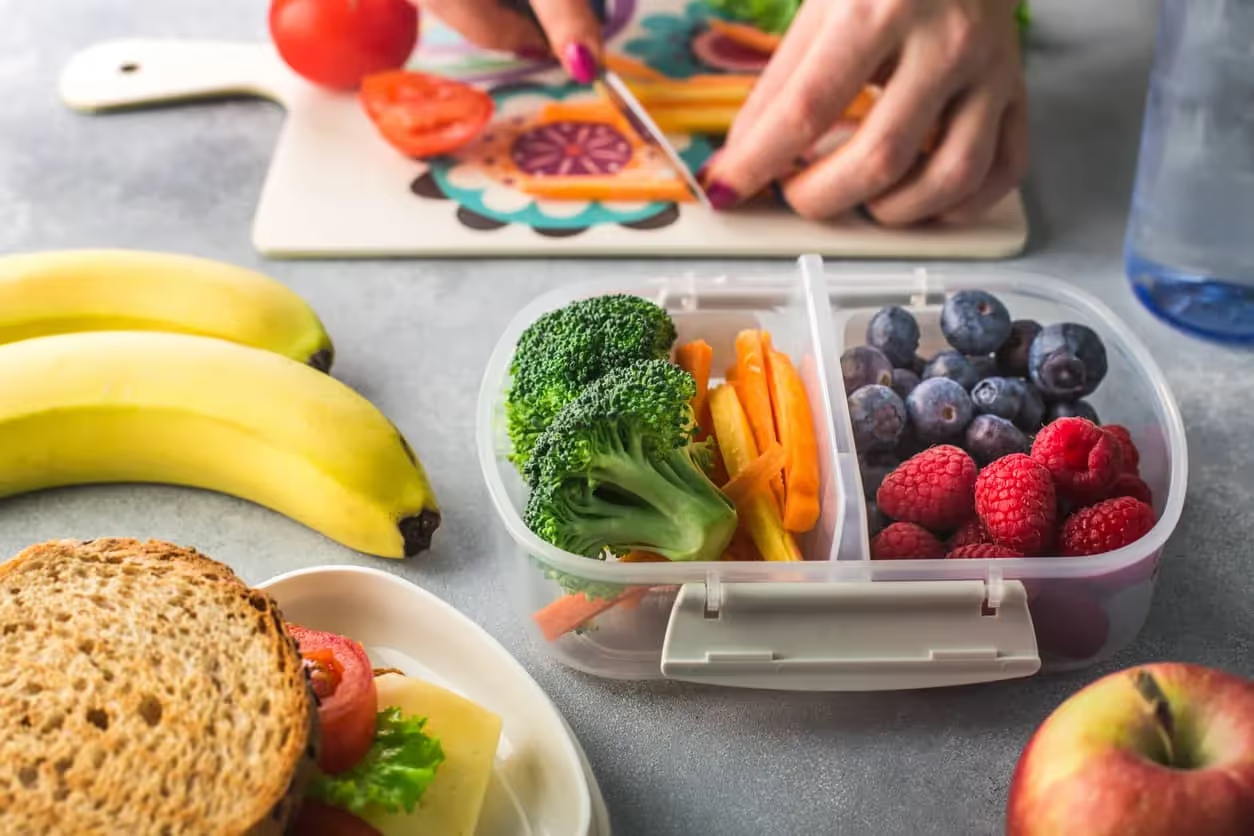
- Focus on nutrients. Eating a well-balanced diet that emphasizes fruits, vegetables, whole grains, and lean proteins can help alleviate the gastrointestinal symptoms associated with POTS.
- Avoid alcohol. It's recommended to limit or avoid alcohol if you have POTS. Alcohol can dehydrate the body and affect blood pressure, potentially worsening symptoms.
Foods to Include in a POTS Diet
When managing POTS symptoms, including the right foods in your diet can help.
Here are some beneficial foods to include in a POTS diet:
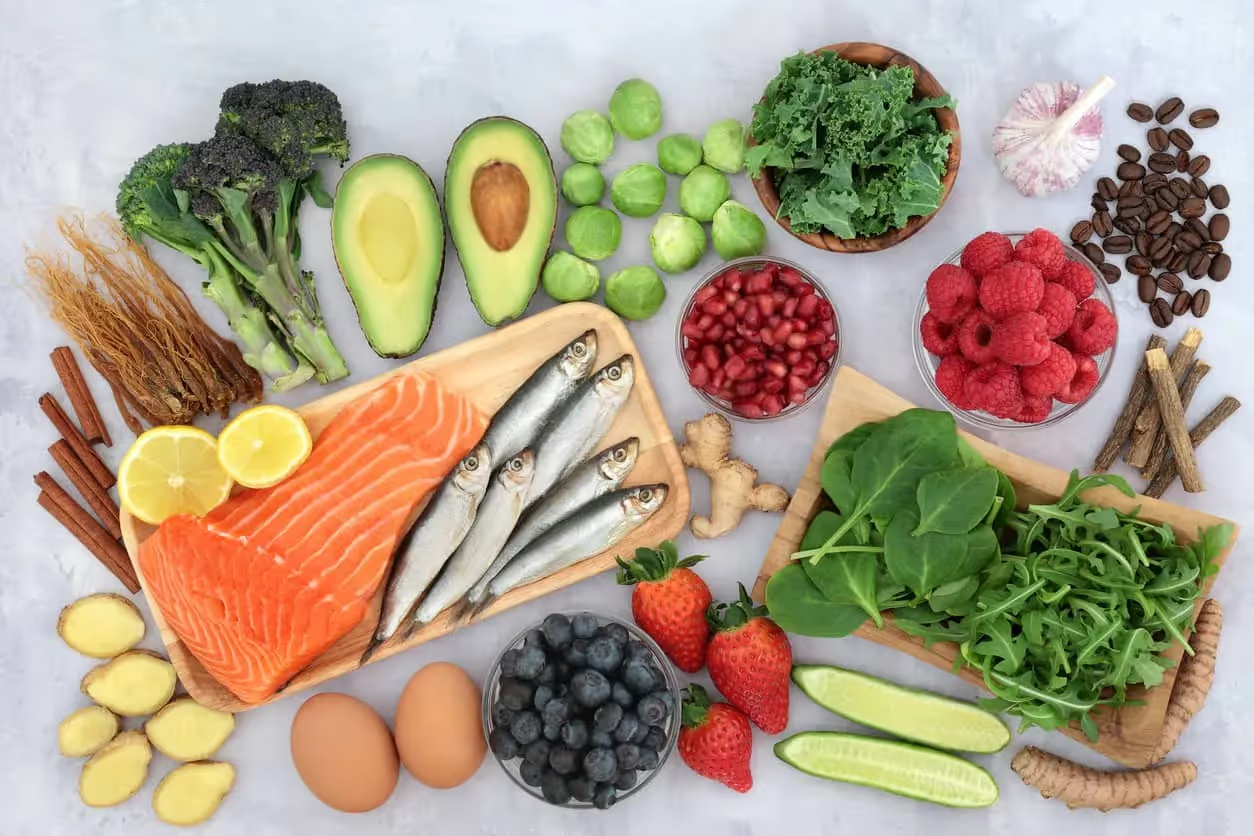
- Water-rich fruits and vegetables like cucumbers, celery, lettuce, watermelon, and oranges.
- High-sodium foods such as pickles, olives, pretzels, cheese, anchovies, and salted nuts.
- Protein-rich foods including chicken, turkey, fish, eggs, beans, legumes, and tofu.
- Complex carbohydrates like oatmeal, whole wheat bread, brown rice, farro, and quinoa.
- Probiotic-containing foods such as yogurt, kefir, sauerkraut, kimchi, miso, and sourdough.
Foods to Avoid
Certain foods can make POTS symptoms worse.
Here is a list of foods that should be limited or avoided if you have POTS:
Caffeine and Alcohol
Caffeine and alcohol can both exacerbate symptoms of POTS.
Caffeinated beverages like coffee, tea, and energy drinks can raise heart rate and cause dehydration by increasing urine production.
This can potentially worsen symptoms like dizziness, lightheadedness, and fatigue.
Caffeine can also aggravate gastrointestinal issues such as diarrhea and heartburn.
Alcohol dehydrates the body and can lower blood pressure, worsening symptoms like lightheadedness and fainting in people with POTS.
High-Sugar Foods and Refined Carbs
If you have gastrointestinal issues from POTS, reducing your consumption of high-sugar foods and refined carbohydrates can help alleviate symptoms.
Too much sugar can disrupt gut bacteria, potentially leading to GI symptoms like diarrhea.
Examples of high-sugar foods and refined carbohydrates include:
- White bread, pasta, and rice.
- Pastries and donuts.
- Desserts such as cookies, cakes, and ice cream.
- Candies and chocolate.
- Soda, sweetened coffee drinks, and other sugar-sweetened beverages.
Processed and High-Fat Foods
Processed foods are typically packed with added sugars and unhealthy fats, which can trigger gastrointestinal issues.
High-fat options like fried foods, fast food, and processed meats such as bacon and sausage are particularly problematic for those with POTS.
These foods can worsen symptoms like delayed gastric emptying, heartburn, nausea, constipation, and diarrhea.
Here are some processed and high-fat foods to limit:
- Fried foods like French fries, fried chicken, and Chinese takeout.
- Fast foods such as burgers, chicken nuggets, and pizza.
- Processed meats including bacon, sausage, and hot dogs.
- Snack foods like potato chips and packaged cookies.
- Bakery items such as donuts, cakes, and pastries.
Specific Triggers for Individuals
Triggers for POTS symptoms can vary widely among individuals, particularly regarding gastrointestinal issues.
Some people with POTS find relief by avoiding or reducing their intake of specific foods or food groups such as gluten, dairy, FODMAPs, and other foods that can irritate the digestive system.
Keeping a detailed food diary can be invaluable in identifying these individual triggers and making personalized dietary adjustments to better manage your condition.
Sample Meal Plan for POTS
Here's a sample POTS meal plan that includes six small meals and snacks, a minimum of 64 fluid ounces of water throughout the day, and incorporates salty foods:
- Breakfast: Oatmeal with fresh berries, chopped salted almonds, and a dollop of plain Greek yogurt. Drink 8 ounces of decaffeinated coffee, decaffeinated tea, or herbal tea.
- Snack: Smoothie made with kefir, natural salted peanut butter, frozen mixed berries, and fresh baby spinach. Drink 8 ounces of water.
- Lunch: Turkey sandwich made with whole wheat bread, deli turkey slices, cheddar cheese, avocado, and lettuce. Drink 16 ounces of water.
- Snack: Hummus with celery and salted pretzels. Drink 8 ounces of water.
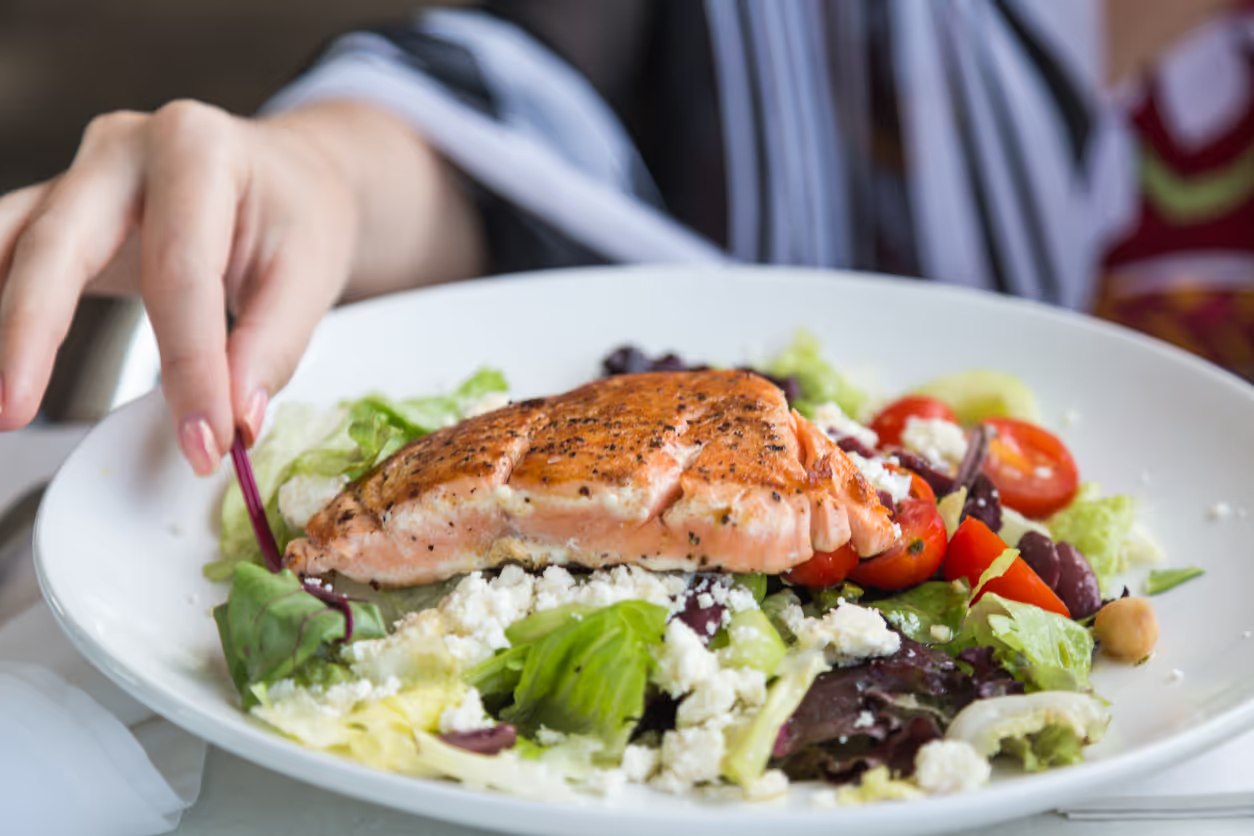
- Dinner: Grilled salmon marinated in soy sauce, sautéed bok choy, and quinoa cooked in chicken stock and seasoned with salt. Drink 16 ounces of water.
- Snack: Apple slices with natural salted peanut butter. Drink 8 ounces of water.
This meal plan includes a mix of lean protein, complex carbs, healthy fats, salty foods, and hydrating foods to help manage POTS symptoms.
Adjust portions and foods based on your preferences and dietary needs.
Tips for Eating Out with POTS
Navigating restaurant meals can be challenging when managing POTS symptoms.
Here are some helpful tips to make dining out easier and more enjoyable:
- Choose restaurants that offer healthy, balanced meals. Look for options that include lean proteins, whole grains, and vegetables to support your nutritional needs.
- Request extra salt on the side. To help reduce symptoms of low blood pressure, ask for additional salt to add to your meal.
- Avoid large meals. Choose smaller portions or consider sharing dishes to prevent exacerbating GI symptoms.
- Stay hydrated and avoid alcohol. Keep hydrated by drinking water throughout your meal. Additionally, limit your intake of alcohol, which can cause low blood pressure and dehydration.
Additional POTS Resources
When managing POTS, having access to accurate information and community support is crucial. Here are some recommended resources to learn more about POTS and connect with others:
- National Institute of Neurological Disorders and Stroke (ninds.nih.gov): Provides health information on POTS from the National Institutes of Health.
- Dysautonomia International (dysautonomiainternational.org): Offers comprehensive information, research updates, and support networks for individuals with POTS and other forms of dysautonomia.
- The Dysautonomia Project (thedysautonomiaproject.org): A book and other resources to support individuals with dysautonomia, including POTS.
- POTS UK (potsuk.org): Provides resources, support groups, and advocacy efforts specifically for those affected by POTS in the United Kingdom.
{{splash}}
Takeaway
Postural orthostatic tachycardia syndrome (POTS) is an autonomic nervous system disorder characterized by a rapid heart rate and lowered blood pressure upon standing.
It may also be accompanied by gastrointestinal symptoms.
Managing POTS involves making lifestyle adjustments, including dietary changes, to ease symptoms.
While there isn’t a specific POTS diet, focus on staying hydrated, managing salt intake, and eating a balanced diet of nutrient-rich foods to help you effectively manage your symptoms.
Including water-rich fruits and vegetables, salty foods, lean proteins, whole grains, and probiotic-rich options can help you maintain blood volume, stabilize blood pressure, and relieve gastrointestinal discomfort.
To manage symptoms effectively, it's important to also limit common triggers like caffeine, alcohol, sugary foods, refined carbs, and processed or high-fat foods.
By working closely with a healthcare provider or dietitian, individuals with POTS can improve their quality of life and better manage their condition through their diet.
How a Dietitian Can Help with POTS
If you're dealing with POTS symptoms and considering making dietary changes, a dietitian may be able to help.
A dietitian can evaluate your current nutritional needs and collaborate with you to identify specific food triggers.
They can then create a personalized POTS meal plan to help manage and reduce your symptoms.
Find a dietitian who can teach you how to make changes to your diet to better manage your POTS symptoms.
Frequently Asked Questions
References
View all references
- Postural Tachycardia Syndrome (POTS). (n.d.). National Institute of Neurological Disorders and Stroke.
- Zhao, S., & Tran, V. H. (2023, August 7). Postural orthostatic tachycardia Syndrome. StatPearls - NCBI Bookshelf.
- Kavi, L., Gammage, M. D., Grubb, B. P., & Karabin, B. L. (2012). Postural tachycardia syndrome: multiple symptoms, but easily missed. British Journal of General Practice, 62(599), 286–287.
- Tufvesson, H., Hamrefors, V., Fedorowski, A., Hansson, M., & Ohlsson, B. (2024). Gastrointestinal symptoms in patients with postural orthostatic tachycardia syndrome in relation to hemodynamic findings and immunological factors. Frontiers in Physiology, 15.
- Tasnim, S., Tang, C., Musini, V. M., & Wright, J. M. (2020). Effect of alcohol on blood pressure. Cochrane Library, 2020(7).
- National Library of Medicine. (n.d.-e). Caffeine.
- Arnone, D., Chabot, C., Heba, A., Kökten, T., Caron, B., Hansmannel, F., Dreumont, N., Ananthakrishnan, A. N., Quilliot, D., & Peyrin-Biroulet, L. (2022). Sugars and gastrointestinal health. Clinical Gastroenterology and Hepatology, 20(9), 1912-1924.e7.
- Albuquerque, T. G., Bragotto, A. P. A., & Costa, H. S. (2022). Processed food: nutrition, safety, and public health. International Journal of Environmental Research and Public Health/International Journal of Environmental Research and Public Health, 19(24), 16410.
- Eseonu, D., Su, T., Lee, K., Chumpitazi, B. P., Shulman, R. J., & Hernaez, R. (2022). Dietary Interventions for Gastroparesis: A Systematic Review. Advances in Nutrition, 13(5), 1715–1724.
- Dysautonomia international: dysautonomia awareness, dysautonomia advocacy, dysautonomia advancement. (n.d.).
- PoTS UK. (2024, May 21). Home - PoTS UK.
Nourish has strict sourcing policies and prioritizes primary sources, including medical organizations, governmental agencies, academic institutions, and peer-reviewed scientific journals. Learn more about our medical review process and editorial guidelines.






%20(1).webp)