The Ultimate Anti-Inflammatory Grocery List

Medical Reviewer: Blair Kott, MDA, RD, LD

Author: Sarah Glinski, RD
Summary
- Chronic high levels of inflammation is associated with type 2 diabetes and heart disease.
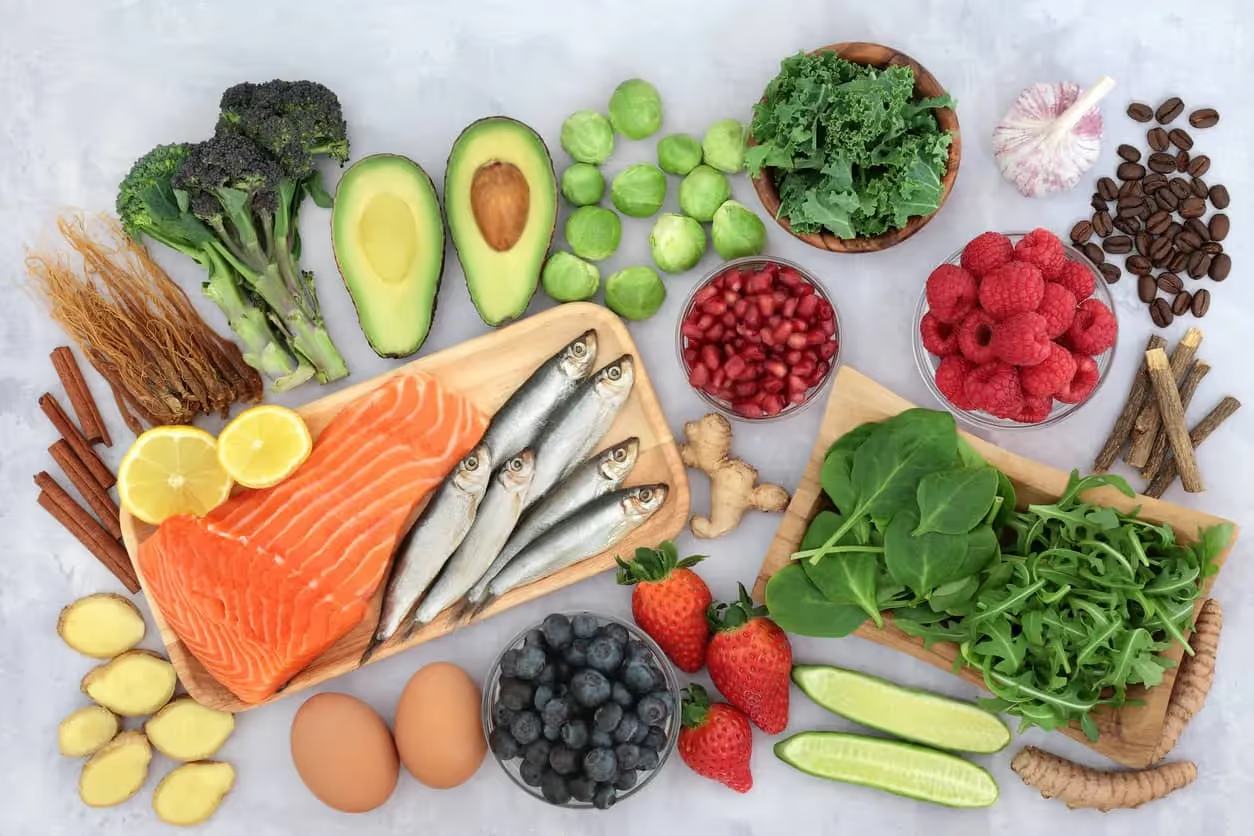
- Fruits, vegetables, herbs, spices, nuts, legumes, and fish may help lower inflammation.
- Regularly eating simple carbohydrates, saturated and trans fats, processed meats, and fried foods may increase inflammation.
Updated by: Sarah Bullard
Every day, you’re exposed to things that can increase levels of inflammation in the body. This includes your diet.
Certain foods have been found to increase levels of inflammation in the body, while other foods have been shown to reduce it.
Opting for a diet that includes more anti-inflammatory foods will help establish a more favorable environment for your body to function well and heal.
Read on to learn about what an anti-inflammatory diet is, plus tips for creating an anti-inflammatory grocery list to keep you on track at the store.
{{splash}}
What is Inflammation?
Inflammation is a process regulated by the immune system.
Acute inflammation occurs in response to injury or infection and is an essential part of our body’s defense mechanisms.
However, chronic, low-grade inflammation is associated with many chronic health conditions, including metabolic dysfunction-associated steatotic liver disease, type 2 diabetes, and heart disease.
Who Can Benefit From the Anti-Inflammatory Diet?
Anyone can benefit from an anti-inflammatory diet.
That’s because an anti-inflammatory diet helps reduce chronic inflammation in the body, and may prevent or improve the management of chronic health conditions.
Research continues to emerge regarding health conditions that can benefit from an anti-inflammatory diet.
Here are some well-studied health conditions improved by following an anti-inflammatory diet.
Obesity
Chronic low-grade inflammation is associated with the progression of obesity and related diseases (metabolic syndrome and type 2 diabetes).
The body starts producing a stronger inflammatory response.
Anti-inflammatory diets and foods may help reduce this response.
Metabolic Syndrome
Metabolic syndrome (or insulin resistance syndrome) is a group of conditions that raise your risk of developing heart disease and type 2 diabetes.
Research shows that consuming pro-inflammatory foods worsens these conditions and may predispose you to developing metabolic syndrome.
Swapping to anti-inflammatory foods may improve these conditions.
Type 2 Diabetes
Following an anti-inflammatory diet (or Mediterranean Diet) reduces your risk of developing type 2 diabetes by 20% in a large study with over 100,000 participants.
For 3,000 individuals with type 2 diabetes, following an anti-inflammatory diet reduced their glucose and insulin levels significantly.
Heart Disease
The anti-inflammatory diet has been well-studied and consistent for its strong ability to reduce coronary heart disease, stroke, and total heart disease rates.
Cognitive Health and Dementia
Diets containing anti-inflammatory foods have been linked with lower cognitive decline and a lower risk of Alzheimer’s disease.
These foods are thought to be neuroprotective and reduce inflammation.
Other health conditions have been studied with positive results as well.
Whether you have or are at risk for developing any of these chronic conditions, an anti-inflammatory diet is nutritious, well-balanced, and beneficial for anyone.
Anti-Inflammatory Grocery List Basic
Studies show that a diet rich in the following foods is associated with lower levels of inflammation:
- Fruits and vegetables.
- Herbs and spices.
- Nuts.
- Legumes.
- Fish.
While the definition of an “anti-inflammatory diet” has not been clearly defined, diets such as the Mediterranean Diet and the dietary advice to stop hypertension (DASH) diet are generally considered anti-inflammatory.
Mediterranean Diet
The Mediterranean diet includes high intakes of whole grains, fruits, vegetables, nuts, and legumes.
It also includes moderate amounts of poultry, fish, and red wine, while limiting red and processed meats.
Olive oil is used as the main fat source.
DASH Diet
The DASH diet follows similar principles as the Mediterranean diet but also recommends low-fat dairy, low salt intake, and minimal alcohol intake.
Overall, an anti-inflammatory grocery list should be made up of primarily whole, unprocessed foods, with a variety of richly-colored fruits and vegetables, and lean sources of protein.
Food Components That Reduce Inflammation
Whole, unprocessed foods contain several components that may be associated with lowering levels of inflammation in the body.
Antioxidants
Antioxidants, which are found in fruits, vegetables, and other plant-based, whole foods, can help delay or prevent cell damage by neutralizing harmful free radicals.
Free radicals are compounds that can damage your cells if their levels become too high.
Inflammation can trigger oxidative stress, thought to play a role in several diseases, including cancer, heart disease, and diabetes.
Increasing the intake of antioxidant-rich foods could help prevent diseases in which oxidative stress and inflammation play a role.
Some common antioxidants found in whole foods include vitamin C, vitamin E, and carotenoids (such as beta-carotene and lycopene).
Fiber
Many studies show that high-fiber diets reduce the risk of diseases, including inflammatory diseases, type 2 diabetes, and heart disease.
In particular, soluble fibers, which are readily fermented by gut bacteria, can help reduce inflammation due to the production of short-chain fatty acids (SCFAs).
Studies show that SCFAs play an important role in suppressing the inflammatory response.
Omega-3 Fatty Acids
Omega-3 fatty acids are found in fatty fish such as salmon or tuna, as well as in certain seeds such as flax seeds.
They help reduce inflammation in the body by preventing the formation of inflammatory molecules.
Foods to Include for Inflammation
Rather than focusing on foods to avoid, it’s best to focus on all the delicious foods you can add to your plate while following an anti-inflammatory diet.
Protein
A study looking at the relationship between protein intake and markers of inflammation in elderly people found that higher protein intake was associated with lower levels of inflammation.
This relationship was strongest when eating plant-based proteins.
That doesn’t mean you have to give up animal protein sources completely.
The Mediterranean diet recommends focusing on plant-based proteins, with moderate amounts of fish, poultry and dairy products.
Here are some high-protein, anti-inflammatory foods to include:
- Black beans.
- Kidney beans.
- Chickpeas.
- Lentils.
- Tofu.
- Tempeh.
- Cottage cheese.
- Greek yogurt.
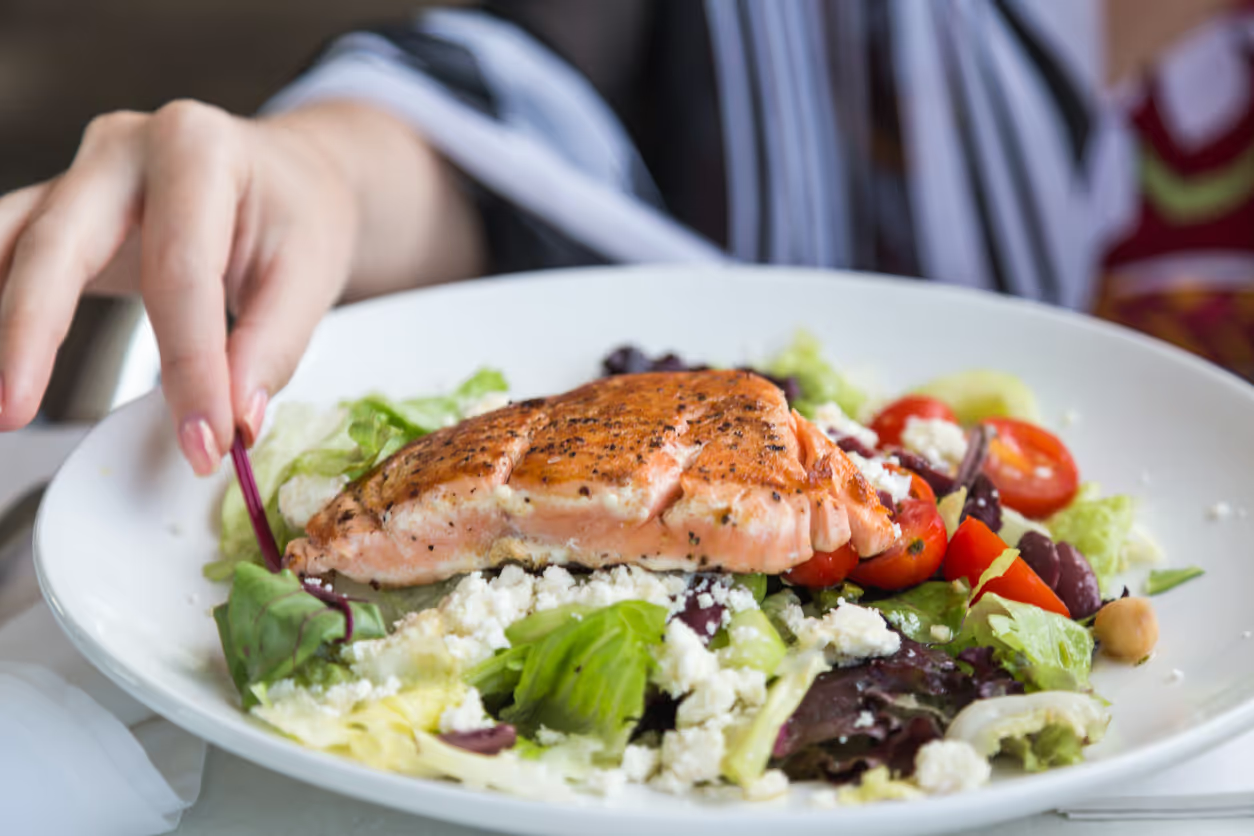
- Fatty fish such as salmon or tuna.
- Chicken.
- Turkey.
Carbohydrates
Carbohydrates are important for giving your body the energy it needs to get through the day.
When choosing carbohydrates, try to choose whole-grain options.
Whole-grain carbohydrates are higher in fiber, which can help reduce inflammation.
Here are some carbohydrate-rich foods to include:
- Whole oats.
- Whole wheat bread.
- Whole wheat pasta.
- Buckwheat.
- Bulgur wheat (cracked wheat).
- Farro.
- Barley.
- Freekeh.
- Quinoa.
- Wild rice.
- Millet.
- Amaranth.
Healthy Fats
The best kind of fats for reducing inflammation are unsaturated fats, especially omega-3 fats.
Most of these fats are liquid at room temperature.
Here are some healthy fat sources to include on your anti-inflammatory grocery list:
- Unsalted nuts, such as almonds and walnuts.
- Unsalted seeds, such as sunflower seeds and pumpkin seeds.
- Chia seeds.
- Flax seeds.
- Extra-virgin olive oil.
- Avocado oil.
- Walnut oil.
- Hemp oil.
- Flaxseed oil.
Fruits
Brightly-colored fruits are rich in polyphenols, a type of antioxidant that can help reduce inflammation.
Try to include a variety of different fruits to ensure you’re getting a variety of different polyphenols.
Here are some fruits to include in your anti-inflammatory diet:
- Strawberries.
- Blackberries.
- Cranberries.
- Blueberries.
- Apples.
- Pears.
- Cherries.
- Peaches.
- Apricots.
- Plums.
- Grapes.
- Oranges.
- Grapefruit.
- Pomegranates.
- Avocado.
Vegetables
Just like fruits, brightly-colored vegetables are rich in inflammation-reducing polyphenols.
They are also high in fiber.
Here are some vegetables to include in your anti-inflammatory diet:
- Tomatoes.
- Leafy greens (such as kale and spinach).
- Sweet potatoes.
- Broccoli.
- Brussels sprouts.
- Cauliflower.
- Beets.
- Asparagus.
- Eggplant.
- Carrots.
- Bell peppers.
- Pumpkin.
Pantry Staples
If you want to get food on the table quickly, keeping pantry staples on hand is a must.
Here are some of the best anti-inflammatory pantry staples:
- Turmeric.
- Ginger.
- Chili powder.
- Garlic powder.
- Black pepper.
- Oregano.
- Thyme.
- Parsley.
- Rosemary.
- Sage.
- Canned tomatoes.
- Canned tuna or salmon.
- Potatoes.
- Onions.
- Whole wheat pasta.
- Canned beans.
- Rolled oats.
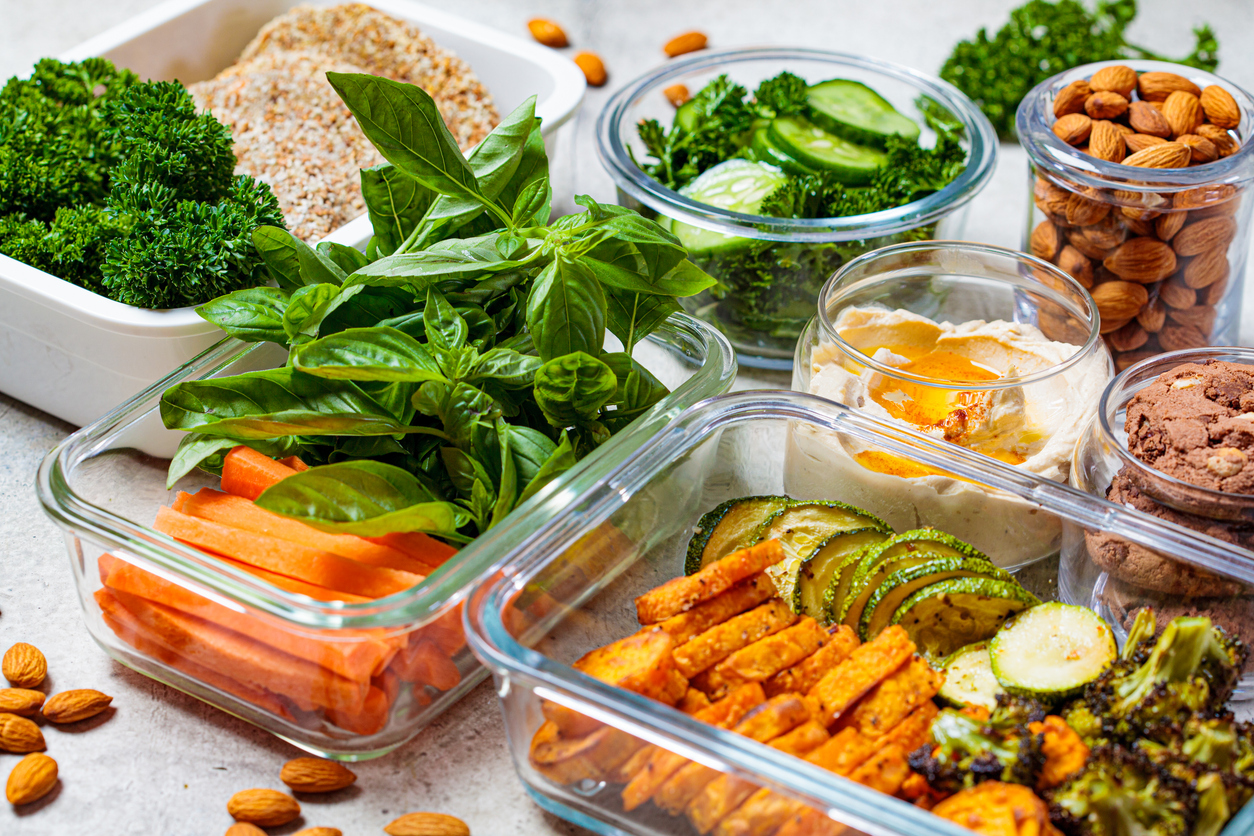
By keeping these staples on hand, you’ll be able to whip up a quick, delicious anti-inflammatory meal, even on busy weeknights.
Condiments
- Vinegar.
- Extra-virgin olive or avocado oil.
- Mustard.
- Salsa (low-sodium and no-added sugar).
- Hot sauce.
You can make your own dressings and sauces with these condiments combined with herbs and spices.
Beverages
- Water.
- Unsweetened sparkling or carbonated water.
- Unsweetened green, white, or black tea.
- Black coffee.
- Unsweetened kefir or kombucha.
Avoid adding sweetener to these beverages to maintain their anti-inflammatory benefits.
Sweeteners
- Honey.
- Maple syrup.
- Monk fruit.
- Molasses.
- Unsweetened dried fruit (dates, prunes, raisins).
When baking or cooking, utilize dried fruit (pureed) and minimal amounts of these sweeteners with anti-inflammatory properties to add a touch of sweetness.
Foods to Avoid With Inflammation
Studies have shown that a diet consisting of large amounts of the following foods is associated with increased levels of inflammation in the body:
- Simple carbohydrates (such as white flour and high-sugar foods).
- Sugary beverages.
- Saturated and trans fats.
- Processed meats.
- Fried foods.
- Omega-6 fats (corn, peanut, sunflower, safflower, and soy oils).
While these foods have been shown to increase inflammation, it doesn’t mean you need to avoid them completely.
Rather, fill your plate with anti-inflammatory foods most of the time while enjoying these other foods in smaller amounts.
Tips for Grocery Shopping With Inflammatory Conditions
When you’re making the shift to an anti-inflammatory diet, it’s important to be gentle with yourself.
If you’ve been eating large amounts of processed foods for a long time, it can be hard to make the shift to anti-inflammatory eating.
Start slowly by looking at what kinds of foods you can add to your diet.
For example, add a brightly colored fruit or vegetable to each of your main meals to increase your antioxidant intake.
Gradually work on reducing the amount of processed foods you eat and replace them with anti-inflammatory options.
Takeaway
Inflammation is a normal part of the immune system, but when it becomes chronic, it can lead to health issues like type 2 diabetes and heart disease.
Fortunately, following an anti-inflammatory diet can help reduce levels of inflammation in the body.
An anti-inflammatory diet focuses on whole, plant-based foods such as whole grains, fruits, vegetables, nuts, seeds, and plant oils. It also includes moderate amounts of fish, poultry, and dairy.
When creating your anti-inflammatory grocery list, be sure to include these foods.
How a Dietitian Can Help
Working with a registered dietitian can help you confidently implement an anti-inflammatory diet that may help you meet your health goals.
A registered dietitian partners with you to provide expert, individualized nutrition guidance to help you make positive and sustainable changes in your eating and life.
Here are some related topics to learn more about an anti-inflammatory diet:
- Can you provide me with a 21-day anti-inflammatory meal plan?
- What are some other drinks that are anti-inflammatory?
- How can an anti-inflammatory diet help IBS?
Find a dietitian who accepts insurance through Nourish.
{{splash}}
Frequently Asked Questions
Can you give me a list of anti-inflammatory foods?
Yes, we can give you a list.
Here are some anti-inflammatory foods: a diet rich in fruits, vegetables, whole grains, herbs, spices, nuts, legumes, and fish is associated with lower levels of inflammation in the body.
How to grocery shop for an anti-inflammatory diet?
Focus on progress, not perfection.
Start with foods that look appealing to you.
Think about your week and develop a grocery list of anti-inflammatory foods you want to try and those you already consume.
As you shop, try to spend more time purchasing whole foods rather than packaged items.
This means you should spend the bulk of your time in the produce area, pantry staple area, fresh meat and fish area, and some canned goods.
What are the 10 best foods to fight inflammation?
The 10 best foods to fight inflammation are: tomatoes, leafy greens, broccoli, cauliflower, all berries and fruits, fish, nuts, legumes, poultry, and whole grains.
References
View all references
- Minihane AM, Vinoy S, Russell WR, Baka A, Roche HM, Tuohy KM, Teeling JL, Blaak EE, Fenech M, Vauzour D, McArdle HJ, Kremer BH, Sterkman L, Vafeiadou K, Benedetti MM, Williams CM, Calder PC. 2015. Low-grade inflammation, diet composition and health: current research evidence and its translation. British Journal of Nutrition, 114(7):999-1012. doi: 10.1017/S0007114515002093.
- NIH. (2013, November). Antioxidants: In Depth. Retrieved May 11, 2023, from https://www.nccih.nih.gov/health/antioxidants-in-depth
- Prasad KN, Bondy SC. 2018. Dietary Fibers and Their Fermented Short-Chain Fatty Acids in Prevention of Human Diseases. Mechanisms of Ageing and Development. S0047-6374(18)30013-7. doi: 10.1016/j.mad.2018.10.003.
- NIH. (2023, February 15). Omega-3 Fatty Acids. Retrieved May 11, 2023, from https://ods.od.nih.gov/factsheets/Omega3FattyAcids-HealthProfessional/
- Hruby A, Jacques PF. 2019. Dietary Protein and Changes in Biomarkers of Inflammation and Oxidative Stress in the Framingham Heart Study Offspring Cohort. Current Developments in Nutrition, 3(5):nzz019. doi: 10.1093/cdn/nzz019.
- Serino A, Salazar G. 2018. Protective Role of Polyphenols against Vascular Inflammation, Aging and Cardiovascular Disease. Nutrients, 11(1):53. doi: 10.3390/nu11010053.
- Mukherjee MS, Han CY, Sukumaran S, Delaney CL, Miller MD. 2022. Effect of anti-inflammatory diets on inflammation markers in adult human populations: a systematic review of randomized controlled trials. Nutrition Reviews, 81(1):55-74. doi: 10.1093/nutrit/nuac045.
- NHS. (2022, October 27). Gastritis. Retrieved May 11, 2023, from https://www.nhs.uk/conditions/gastritis/
- Dzierzewski JM, Donovan EK, Kay DB, Sannes TS, Bradbrook KE. 2020. Sleep Inconsistency and Markers of Inflammation. Frontiers in Neurology, 16;11:1042. doi: 10.3389/fneur.2020.01042.
- Kim IB, Lee JH, Park SC. 2022. The Relationship between Stress, Inflammation, and Depression. Biomedicines, 10(8):1929. doi: 10.3390/biomedicines10081929.
- van den Brink, A. C., Brouwer-Brolsma, E. M., Berendsen, A. A. M., & van de Rest, O. (2019). The Mediterranean, Dietary Approaches to Stop Hypertension (DASH), and Mediterranean-DASH Intervention for Neurodegenerative Delay (MIND) Diets Are Associated with Less Cognitive Decline and a Lower Risk of Alzheimer's Disease-A Review. Advances in nutrition (Bethesda, Md.), 10(6), 1040–1065.
- Lee, Y. M., Yoon, Y., Yoon, H., Park, H. M., Song, S., & Yeum, K. J. (2017). Dietary Anthocyanins against Obesity and Inflammation. Nutrients, 9(10), 1089.
- What is metabolic syndrome? | NHLBI, NIH. (2022, May 18). NHLBI, NIH.
- Martín-Peláez, S., Fito, M., & Castaner, O. (2020). Mediterranean Diet Effects on Type 2 Diabetes Prevention, Disease Progression, and Related Mechanisms. A Review. Nutrients, 12(8), 2236.
- Panagiotakos, D. B., Tzima, N., Pitsavos, C., Chrysohoou, C., Zampelas, A., Toussoulis, D., & Stefanadis, C. (2007). The association between adherence to the Mediterranean diet and fasting indices of glucose homoeostasis: the ATTICA Study. Journal of the American College of Nutrition, 26(1), 32–38.
- Martínez-González, M. A., Gea, A., & Ruiz-Canela, M. (2019). The Mediterranean Diet and Cardiovascular Health. Circulation research, 124(5), 779–798.
Nourish has strict sourcing policies and prioritizes primary sources, including medical organizations, governmental agencies, academic institutions, and peer-reviewed scientific journals. Learn more about our medical review process and editorial guidelines.








%20(1).webp)