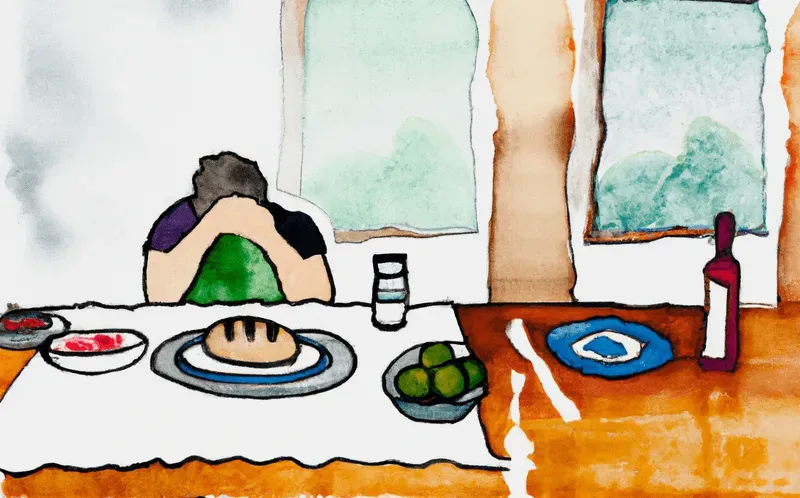
I Can't Stop Eating: How To Stop Compulsive Eating

Medical Reviewer: Christa Brown, MS, RDN, LD

Summary
- Overeating is normal on some occasions.
- For some, compulsive overeating followed by negative emotions and guilt could be an eating disorder known as binge eating disorder and professional help is recommended.
- Restrictive diets can lead to overeating.
Updated by: Maya De La Rosa-Cohen
There are many reasons why we occasionally overeat.
This article reviews how over restricting, labeling foods, and distracted eating can all contribute to overeating.
Keep reading to learn how to change these habits.
{{splash}}
Why Can’t I Stop Eating?
Overeating on occasion is normal.
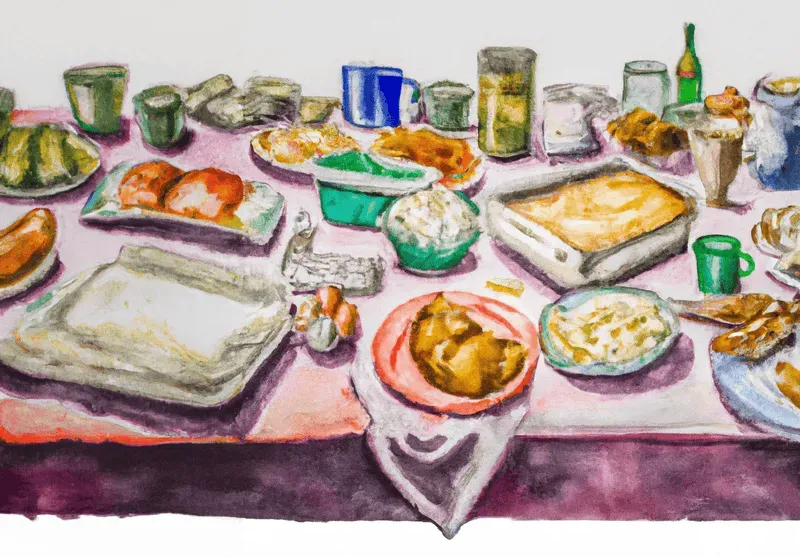
For example, many people overeat on the Thanksgiving holiday or a birthday—events that are focused around celebration and dining.
There may be several other reasons that someone overeats:
- Some people may overeat out of boredom.
- Some may over restrict foods while following diets (and may overeat after giving themselves permission to enjoy those foods).
- Some may be emotional eaters. They may find comfort in consuming food or drinks when they experience negative or positive emotions and stress.
- Some may suffer from binge eating disorder. Binge eating disorder is common and is characterized by compulsive overeating followed by feelings of shame and guilt. In this case, professional help is needed by a therapist and registered dietitian.
Food Restriction
Some people restrict the consumption of certain foods because of food allergies, sensitivities, or preference.
But restriction is also a common factor in dieting and disordered eating behaviors.
People who engage in dieting or disordered eating behaviors may restrict certain food groups in an effort to manipulate their body size.
For example, someone who restricts their food may avoid all carbohydrates or dairy—even though these foods nourish the body in important ways and can contribute to a balanced and nutrient-dense diet.
People who restrict their food consumption may also avoid eating at certain times of day, even if they’re feeling hungry.
Ignoring hunger cues may have a negative impact on a person’s relationship with food and eating.
For example, some evidence suggests that people who restrict their consumption of certain foods are more likely to crave and eventually overeat those foods.
Emotional Eating
Emotional eating describes the tendency to eat in response to positive or negative emotions.
For example, some people may turn to food as comfort when they’re feeling sad, lonely, or stressed.
Others may use food to mark special or joyous moments in their life.
Interestingly, some research suggests that boredom is the most prevalent emotion tied to emotional eating.
If this sounds like you, ask your dietitian how to better identify:
- If you’re eating from hunger.
- If you’re eating out of boredom.
Then, you and your dietitian can brainstorm strategies to cope with boredom.
Disordered Eating
Disordered eating is a term used to describe unhealthy eating patterns that can increase the risk of mental health issues, including an eating disorder diagnosis.
Disordered eating is also associated with an increased risk of physical health problems, including bone loss and poor nutrition.
Signs of disordered eating include:
- Yo-yo dieting.
- Excessive food restriction.
- An inability to control eating.
- Hyperfocus on food.
- Emotional eating.
Though overeating isn’t always a sign of disordered eating, if you engage in or experience any of the above signs, consider reaching out to a healthcare professional or registered dietitian for help rebuilding your relationship with food.
What to Do When You Can’t Stop Eating
If you feel like you can’t stop eating, there are several strategies you can try.
Don’t Over Restrict
When you over restrict foods or entire groups of foods, you may find that you crave that item even more, which may lead to a binge.
Instead, consider giving yourself permission to eat “forbidden foods” in moderation.
It may eventually make those foods less desirable.
Eat Regularly
Skipping meals is another method of over restricting and may lead to overeating later in the day.
Try to eat regularly by having a delicious breakfast with carbohydrates, fiber, protein, and healthy fats to help you feel full until your next meal.
Bringing snacks and packed lunches may also make it easier to eat more regularly throughout the day.
{{splash}}
Avoid Distractions While Eating
Distractions while eating may contribute to mindless eating practices.
As a result, you may not be aware of the amount of food you’re consuming—and can miss your body’s fullness cues.
A common distraction is watching TV or scrolling social media while eating.
Instead, make a point to eat your meals free of distractions by doing the following:
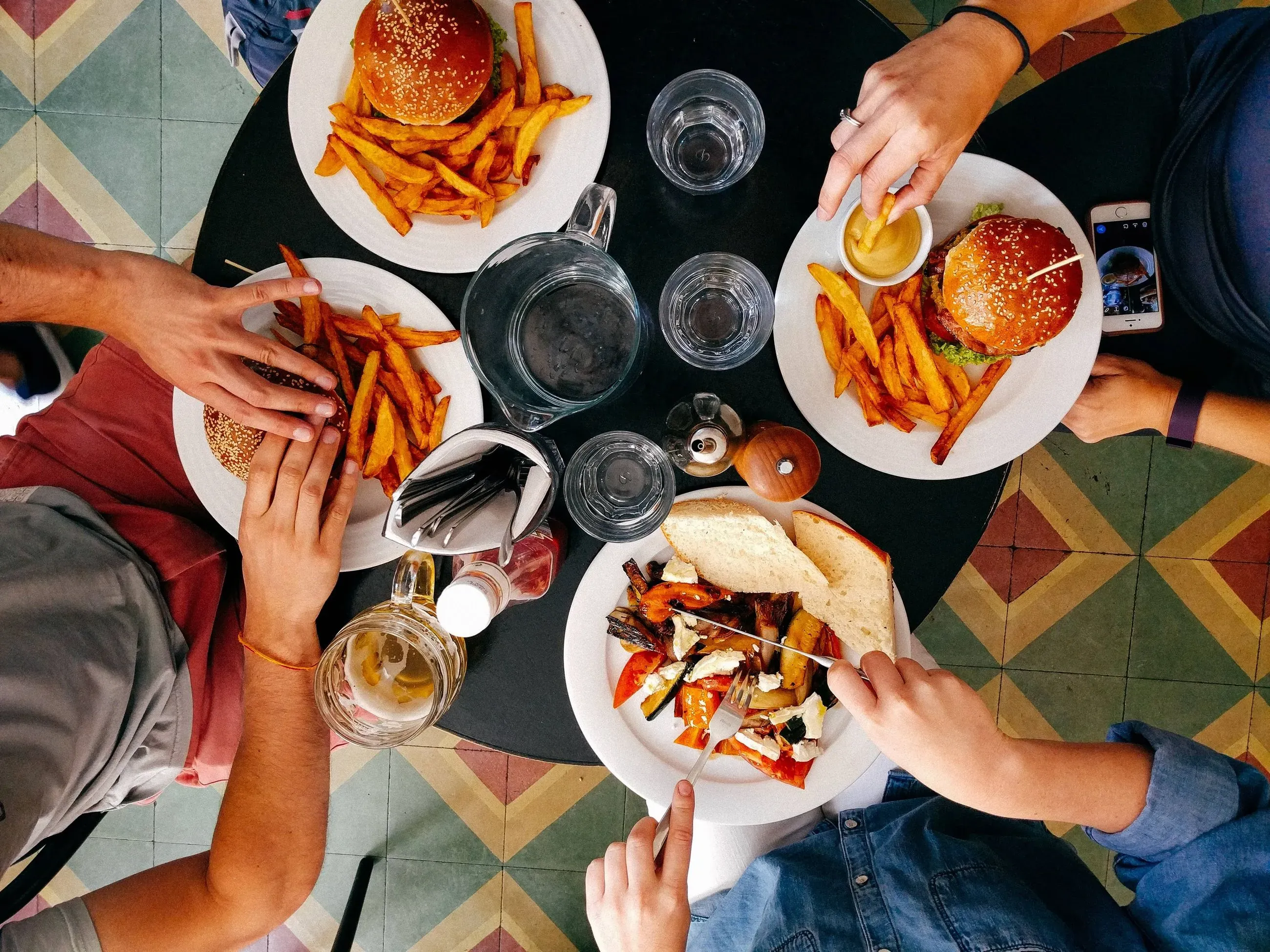
- Enjoy eating in the company of friends and family. Use mealtimes to strengthen the relationships within your family. Discuss the highs and lows of your day and what is coming up in the week ahead that excites you or offers a challenge.
- Take your time to enjoy the meal; don’t rush through it and try to pinpoint features of your dish that you love (flavors, textures, etc.)
- Take time to pause while eating. Consider putting your utensil down in between bites and taking time to drink water between bites of food.
- Be sure to chew your food well.
Be Mindful Of Nutrition Habits
A good way to understand your meal time habits is by keeping a journal of the food you eat, and how you feel before and after.
Keeping a food journal may help you to realize what influences your eating habits.
In the case of binge eating, a food journal is used to explore your eating patterns, thoughts, and emotions.
It’s not meant to track calories or the nutritional value of what you eat.
You can review this information with your registered dietitian and implement more mindful eating practices into meal times.
Mindful eating is when you use all of your senses to experience and enjoy what you are eating.
You are free from distractions and can listen to your body's cues on fullness.
Research on mindfulness based interventions has led to improvements in symptoms associated with binge eating disorder.
Address the Stress in Your Life
If stress is leading you to overeat, you will need to learn new, effective ways to cope outside of eating.
For example, regularly doing meditation or yoga can help reduce stress.
There are several apps that can offer 5-10 minute meditations or a 20 minute yoga session that can be done at home.
You may also benefit from mental health counseling from a trained professional.
They can offer evidence-based practices to help you confidently manage stress in your life.
Try Meal Planning
Some people do meal planning and prep over the weekend so they have food ready to grab and go during the week.
This can be done for breakfast and packed lunches.
Nourish has several free meal plans you can try:
- Trader Joe’s meal plan.
- Vegetarian meal plan.
- Pescatarian meal plan.
- High protein vegan meal plan.
- High fiber meal plan.
Choose Nourishing Foods
Eating foods that bring you joy is important.
Prioritizing nourishment doesn’t mean you have to give up on your favorite foods.
Instead, try to be mindful of incorporating a variety of foods that support your nourishment and will help you feel satisfied between meals.
These foods may include:
- Whole grains.
- Nuts and legumes.
- Fresh fruit and vegetables.
- Lean proteins, like chicken, turkey or fish.
Find Support
If you find yourself stuck in a pattern of overeating, poor emotional health, or suspect you have a binge eating disorder, you should seek professional support.
Doctors, specialists, mental health therapists, and dietitians can help you improve your overall health and address compulsive eating behaviors.
Takeaway
Overeating can be a result of restriction, distractions, or stress.
You may feel more in control of your eating by adopting mindfulness practices at meals and working with a registered dietitian.
If overeating becomes compulsive and is followed by negative feelings such as guilt or shame, you may be displaying signs of binge eating disorder.
All eating disorders are serious and should be addressed through therapy, medical care, and nutrition support.
How a Dietitian Can Help
Healing your relationship is easier with the right support.
A registered dietitian is a nutrition expert and healthcare professional who can help you address compulsive eating behaviors through nutrition counseling.
If you’re ready for change, sign up with Nourish and gain access to hundreds of online dietitians who are covered by insurance.
Frequently Asked Questions
Why is it when I eat I can't stop?
There are many factors that can contribute to overeating or feeling out of control around food.
Some people eat emotionally, some people overeat after a cycle of severe food restriction, and some people may overeat as a result of their eating disorder.
What is it called when you eat a lot and then stop eating?
The binge-restrict cycle describes the cycle of overeating followed by restrictive patterns of calorie or food restriction.
What is it called when you just ate but are still hungry?
If you’re still feeling hungry after a meal, it’s possible that your meal wasn’t substantial enough and that your body needs more food to feel full.
But if you find yourself frequently eating after meals, regardless of your body’s hunger and satiation cues, then you may be engaging in compulsive eating or overeating.
References
View all references
- National Eating Disorders Association. Binge Eating Disorder. https://www.nationaleatingdisorders.org/learn/by-eating-disorder/bed. 2022.
- Meule A. (2020). The Psychology of Food Cravings: the Role of Food Deprivation. Current nutrition reports, 9(3), 251–257.
- Guerrero-Hreins, E., Stammers, L., Wong, L., Brown, R. M., & Sumithran, P. (2022). A Comparison of Emotional Triggers for Eating in Men and Women with Obesity. Nutrients, 14(19), 4144.
- US Department of Veterans Affairs, Veterans Health Administration. (n.d.). Disordered Eating. VA.gov | Veterans Affairs.
- Golden NH, Schneider M, Wood C; COMMITTEE ON NUTRITION; COMMITTEE ON ADOLESCENCE; SECTION ON OBESITY. Preventing Obesity and Eating Disorders in Adolescents. Pediatrics. 2016;138(3):e20161649. doi:10.1542/peds.2016-1649
- 2008 Physical Activity Guidelines for Americans | health.gov. (n.d.).
- Daniela Mercado, Robinson, L., Gordon, G., Werthmann, J., Campbell, I. C., & Schmidt, U. (2021). The outcomes of mindfulness-based interventions for Obesity and Binge Eating Disorder: A meta-analysis of randomised controlled trials. Appetite, 166, 105464.
- Goyal M, Singh S, Sibinga EM, et al. Meditation programs for psychological stress and well-being: a systematic review and meta-analysis. JAMA Intern Med. 2014;174(3):357-368. doi:10.1001/jamainternmed.2013.13018
- Pursey, K. M., Stanwell, P., Gearhardt, A. N., Collins, C. E., & Burrows, T. L. (2014). The prevalence of food addiction as assessed by the Yale Food Addiction Scale: a systematic review. Nutrients, 6(10), 4552–4590.
Nourish has strict sourcing policies and prioritizes primary sources, including medical organizations, governmental agencies, academic institutions, and peer-reviewed scientific journals. Learn more about our medical review process and editorial guidelines.
.avif)




.avif)

.avif)
.avif)