What to Do After a Binge: Steps to Take

Medical Reviewer: Sarah Hormachea, MS, RD, CDCES, BC-ADM

Author: Julia Zakrzewski, RD

Summary
- A binge is when someone eats a lot of food quickly, often feeling a loss of control or guilt.
- Binges happen for many reasons, including increased appetite, skipping meals, or emotions.
- Frequent binging may indicate a more serious concern, but working with a registered dietitian can help improve your relationship with food.
Updated by: Caitlin Beale
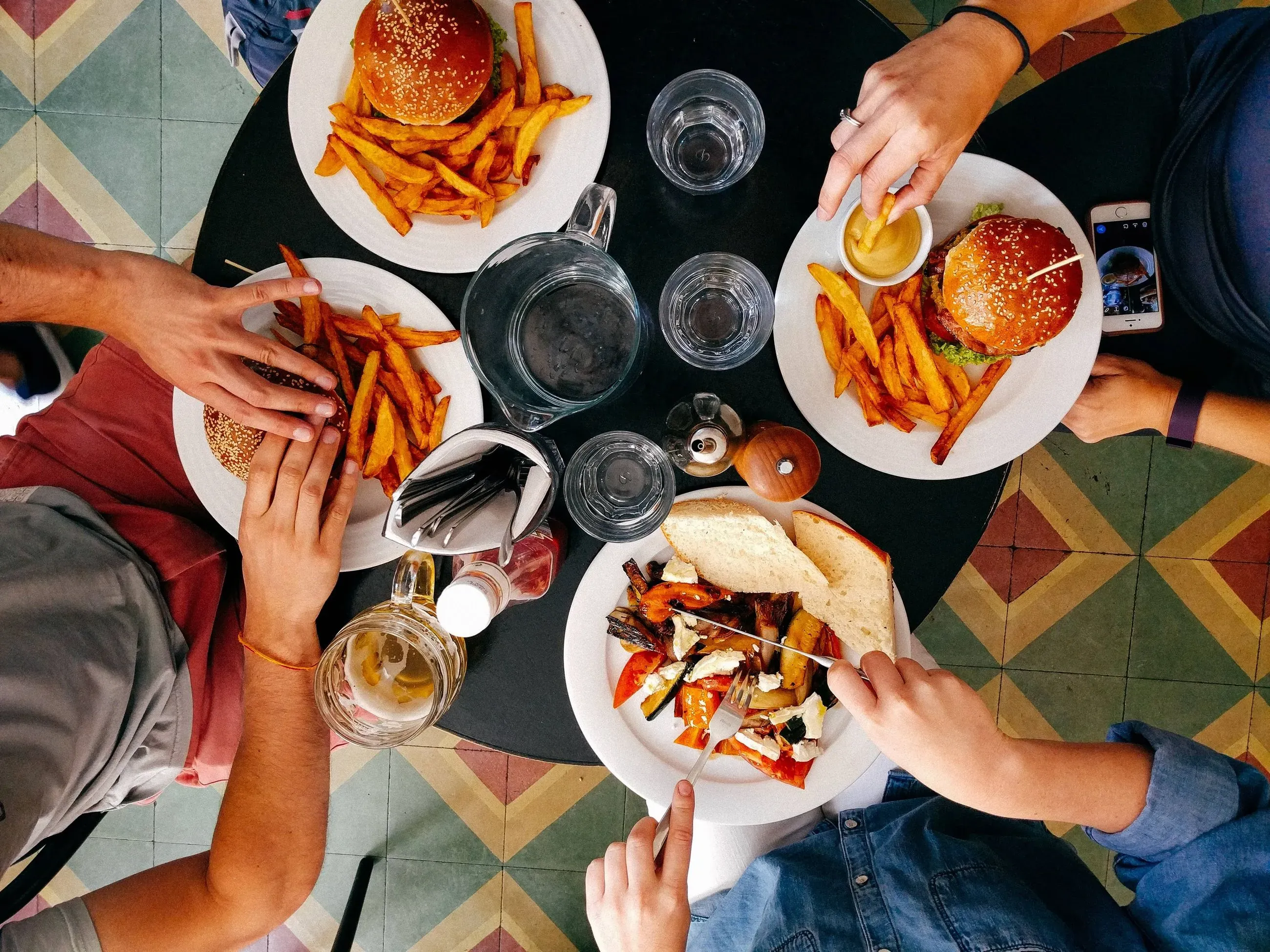
Sometimes schedules change, and you can’t sit to eat at your usual time.
When you're finally ready to eat—you eat beyond the point of comfortable fullness.
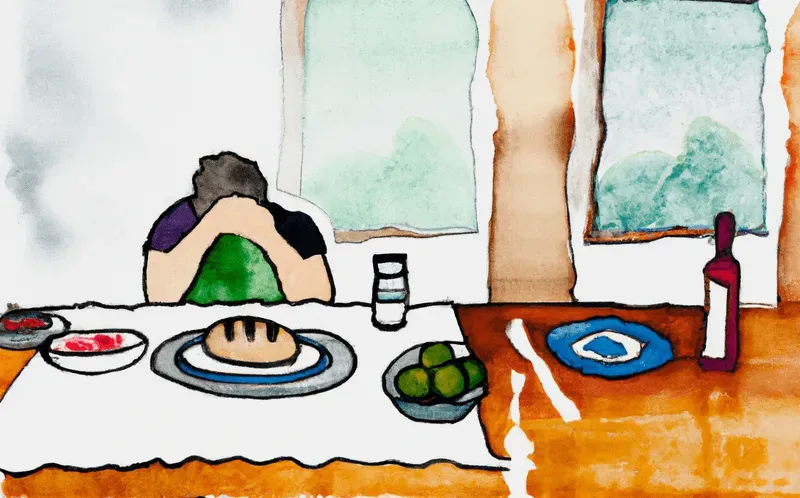
Afterward, you may feel a little ashamed, but you shouldn’t.
These events are called binges, and they can happen for several reasons.
This article will teach you why binges happen and what to do after a binge to help you feel better.
{{splash}}
What To Do (and Not Do) After a Binge
You may feel a range of emotional and physical responses after a binge, and that’s okay.
Here are some things you can do to ease discomfort and get back on track.
Practice Self-Kindness
It’s easy to feel ashamed or mad at yourself after a binge.
But binges happen to many people, and they don’t have to define you.
Remember: You are human, and it’s okay to make mistakes.
Move Your Body
If you’re feeling uncomfortable after overeating, try going for a gentle walk or stretching.
Movement gets your digestive system moving too, and using your body can help you refocus your thoughts away from the binge.
Gently Hydrate
Drinking water after a binge can support digestion and help with bloating and discomfort.
You don’t need to consume excessive amounts of water, but regular sips can help your body reset.
Stay Off the Scale
Your weight can fluctuate after overeating, but it’s not necessarily real weight gain.
If your food is higher in sodium (salt) or carbohydrates, you may hold onto more water in the body.
Weighing yourself after a binge only adds to negative self-thoughts, so skip the scale, as it won’t be accurate anyway (and won’t make you feel any better).
Don’t Restrict
It may be tempting to restrict food intake or skip a meal after a binge, but this isn’t sustainable and can even backfire, leading to overeating at the next meal.
Instead, get back on track with regular meals to nourish your body.
Why Does a Binge Happen?
Everybody’s experiences leading up to a binge will be unique.
It can be driven by emotions or plain old hunger.
One thing for sure is that your appetite can affect how much you eat in a serving.
We know several factors can impact your appetite every day. These include:
- Activity levels.
- Mental health status and mood.
- General health.
- Stress levels.
- Sleep.
- Hormones.
- Medications, such as steroids.
Any of these factors can increase your appetite, and when you feel more hungry, it can make you more likely to overeat.
But binge eating isn’t just about appetite.
The reasons for recurrent binge episodes are complex and not completely understood, ranging from genetics to gut bacteria.
Certain common scenarios that don’t always, but can also increase the chances of a binge include:
- Skipping a meal and arriving at your next meal starving or famished.
- Eating meals throughout the day that were too small and inadequate in calories.
- Feeling caught up celebrating a happy event, so you ignore your fullness cues.
- Feelings of sadness or stress fuel emotional eating.
Is A Binge Bad?
A single binge is unlikely to affect your long-term health.
However, chronic binging and regularly consuming more calories than you need can increase your risk of weight gain.
Gaining weight can increase your risk of other health conditions, including heart disease, blood sugar disorders, and even different types of cancer.
What is Binge Eating Disorder?
Binge Eating Disorder (BED) is a severe mental health condition and a recognized eating disorder.
The National Eating Disorder Information Center (NEDIC) states these symptoms that can indicate BED:
- Changes in body weight.
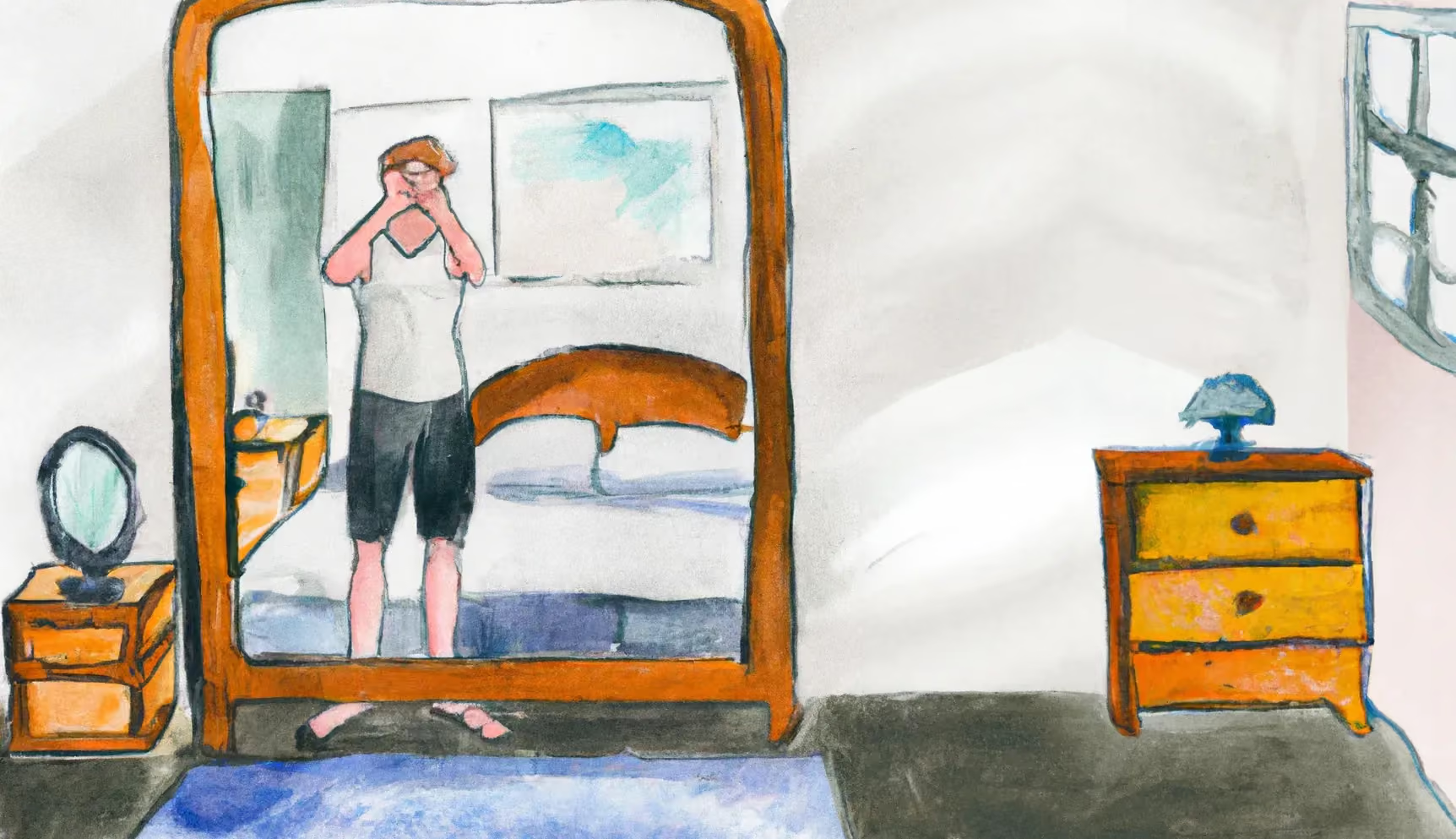
- Dressing in layers of clothing to intentionally hide body shape, even during hot weather.
- Episodes of binge eating to a point where you feel out of control.
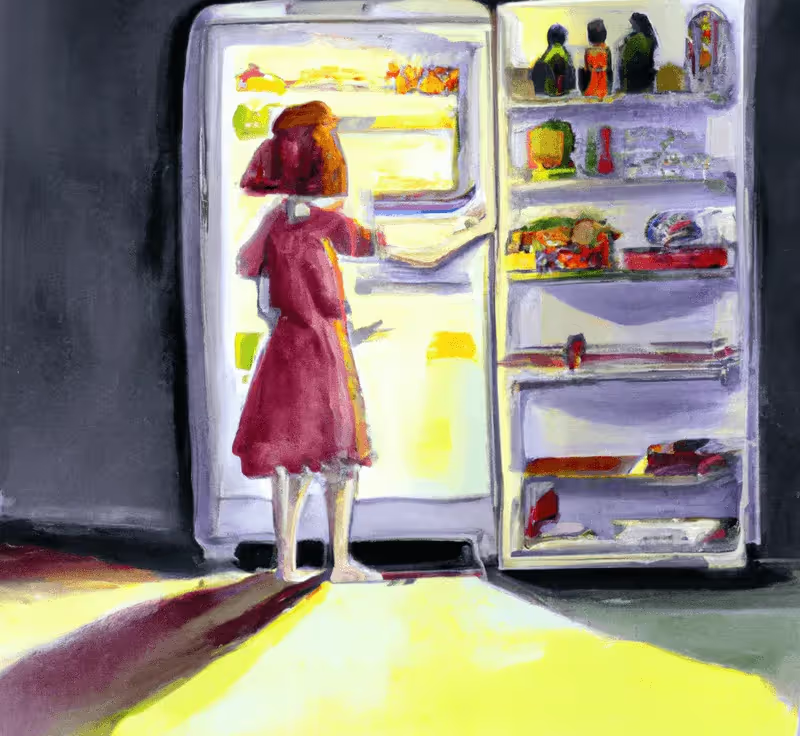
- Hiding and storing food away in secret.
- Guilt and anxiety surrounding meal or snack times.
If you have these symptoms and feel out of control while eating, you should follow up with a healthcare provider.
You can also complete a screening tool on the NEDIC website.
Steps to Take After a Binge
Nutrition messaging from the diet industry can make you feel like you’ve done something wrong by binging.
If you suffer from guilt after binging, you can read this article for helpful tips on navigating these feelings.
Immediately After a Binge
Listen to how your body is feeling.
If your clothes feel tight, change into something looser to lessen the squeezing on your stomach.
Too much pressure against your abdomen can increase your risk of heartburn or acid reflux.
Once you feel comfortable, try to complete gentle movements and light physical activity.
This can include a low-paced walk around the house or neighborhood.
Being upright allows gravity to pull food downward and help with natural digestion.
Avoid tasks that require a lot of bending over because it could squeeze your stomach and add discomfort.
A Few Hours After a Binge
Document your experiences in a journal to better understand the events leading up to the binge.
Here are some prompts to help you get started:
- When was my last meal before I overate?
- What did I eat at that meal?
- Was the gap between my meals too long?
- How am I feeling emotionally?
- Was I trying to restrict foods from my diet? What happened when I finally ate that food?
Understanding the lead-up to a binge can help you make choices in the future that could decrease the chances of another binge occurring.
Long-term Solutions To Address Binge Eating
In addition to working through the immediate solutions after a binge, working on long-term solutions to address binge eating behaviors can also help.
Here are some strategies to consider:
Develop a balanced relationship with food
How you view food and diet can significantly impact many reasons you may binge in the first place.
Whether this means working on daily meal habits or mindful eating techniques to promote awareness while eating, a balanced relationship with food can help decrease the urge to binge.
Identify triggers
Whether it's emotional stress, certain social situations, or specific environments (like sitting in front of your television in the evening), these triggers may act like a spark that ignites a binge episode.
Identifying these triggers can help you develop awareness of when or why you feel tempted to binge so you can work on developing healthier coping strategies.
Seek professional guidance
If binge eating persists despite self-help strategies, consider working with a team to support you.
Mental health professionals and registered dietitians specializing in disordered eating behavior can provide tailored support and guidance to help you make positive changes.
Tips to Decrease the Chances of a Binge
- Eat every 4-6 hours to maintain consistent energy throughout the day. A “crash” or “slump” in the afternoon is a sign you could have benefitted from a snack.
- Include food choices that make you feel full after eating: healthy fats, lean proteins, and high-fiber options.
- Learn new coping strategies for emotions outside of food.
- Avoid restricting certain foods because they are labeled as “bad.” Restricting foods can increase your want for that item, and you may overeat the next time you see it.
- Reconnect with your natural hunger cues.
Listening To Your Hunger Cues
Hunger cues are the signals your body uses to indicate if you are hungry or full.
They fall under an approach to nutrition called Intuitive Eating (IE).
IE Is not a diet plan and does not prioritize weight loss.
It’s a methodology to help you incorporate mindful practices into your daily life and improve your relationship with food.
Many people don’t have the luxury of choosing when to eat in a day.
But constantly bypassing natural hunger cues can increase your hunger level and the risk of overeating at your next meal.
Here are three simple steps to help you tune into your hunger cues:
- If you’re hungry, eat! It sounds obvious, but it’s essential to feed yourself when hunger strikes. Even a small snack is better than nothing.
- How do you feel when you’ve had enough? Are you alert and full of energy, or lethargic and ready for a nap? Ideally, you will feel energized and prepared to spring into action.
- Keep a diary. Whether you choose pen and paper or an electronic app, documenting your observations is key because memory can be unreliable.
Work With A Registered Dietitian
Making dietary changes is a great way to improve your eating habits and relationship with food.
Frequent binging can be a vicious cycle, and sometimes you need a professional to help you break the chain.
A dietitian specializing in binge eating can help you achieve your health goals.
During a nutrition counseling appointment with a dietitian, you will work together to examine the underlying reasons for binge eating and create a personalized plan to work on your relationship with food.
After an in-depth assessment of your health and medical history, your dietitian will address any nutritional gaps while working with you on skills like identifying triggers, honoring hunger cues, and eating balanced, regularly spaced meals that meet your nutrition needs.
Find a provider near you that accepts insurance through Nourish.
{{splash}}
Frequently Asked Questions
What to do after a sugar binge?
Just as with any other binge, after a sugar binge, it’s important to avoid restriction. Instead, focus on getting back on track with regular eating habits and balanced meals.
Staying hydrated and moving your body can also promote digestion and help you feel better sooner.
How to flush out excess sugar from the body?
No magic wand will “flush out” or “detox” excess sugar from the body.
The best approach is to let go of the binge episode, get moving, drink water, and get back on track by eating lean protein, healthy fat, and high-fiber carbs at your next meal.
References
View all references
- Blundell, J. E., Gibbons, C., Caudwell, P., Finlayson, G., & Hopkins, M. (2015). Appetite control and energy balance: impact of exercise. Obesity reviews : an official journal of the International Association for the Study of Obesity, 16 Suppl 1, 67–76.
- Yau, Y. H., & Potenza, M. N. (2013). Stress and eating behaviors. Minerva endocrinologica, 38(3), 255–267.
- Bayon, V., Leger, D., Gomez-Merino, D., Vecchierini, M. F., & Chennaoui, M. (2014). Sleep debt and obesity. Annals of medicine, 46(5), 264–272.
- Effects of Overweight and Obesity. (2022, September 24). Centers for Disease Control and Prevention.
- NEDIC | Binge Eating Disorder. (n.d.).
- Meule A. (2020). The Psychology of Food Cravings: the Role of Food Deprivation. Current nutrition reports, 9(3), 251–257.
- Warren, J. M., Smith, N., & Ashwell, M. (2017). A structured literature review on the role of mindfulness, mindful eating and intuitive eating in changing eating behaviours: effectiveness and associated potential mechanisms. Nutrition research reviews, 30(2), 272–283.
- Van Dyke, N., & Drinkwater, E. J. (2014). Relationships between intuitive eating and health indicators: literature review. Public health nutrition, 17(8), 1757–1766.
Nourish has strict sourcing policies and prioritizes primary sources, including medical organizations, governmental agencies, academic institutions, and peer-reviewed scientific journals. Learn more about our medical review process and editorial guidelines.












.avif)


















.avif)
.avif)




.avif)
.avif)














.avif)


.avif)
.avif)
.avif)