How to Have Better Self-Control with Food

Medical Reviewer: Christina Harris, RDN

Author: Caitlin Beale, MS, RDN
Summary
- Strict food rules and dieting can hurt your relationship with food.
- Improving self-control often begins with letting go of restrictions.
- Listening to your body’s cues, giving yourself permission to eat, and finding joy in non-food activities may improve your relationship with food.
Updated by: Maya De La Rosa
Imagine a world where you eat food because it tastes good, nourishes your body, and keeps you alive.
Sounds idyllic, but the reality is that many people struggle with self-control around food.
The word control is often linked to words like discipline or denying oneself pleasure—not really what you want to associate with food.
Instead, think of control as finding a way to feel calm, centered, or even neutral around food.
This may mean letting go of food-related rules that may seem helpful, but really lead to a cycle of guilt and shame that leave you feeling even less in control.
This article will dive deep into why these patterns start and what steps we can take to break them to gain better self-control with food.
{{splash}}
What Does It Mean to Have Self-Control With Food?
Control is defined as the power to restrain or influence, so self-control means the ability to exercise restraint over one's own impulses.
Does having control over what you eat mean you never enjoy a treat or overindulge?
No. But it means you can do so with awareness and acceptance (and, most importantly—without guilt).
Feeling in control may mean that you are more in tune with natural hunger signals and better able to distinguish between emotional and physical cravings.
Alternatively, feeling out of control may indicate struggles with emotional eating, binge eating, overeating, or an inability to recognize how much food your body really needs.
Some signs to look out for include the following:
- Overeating followed by guilt and shame.
- Using food as comfort when feeling stressed (or eating mindlessly).
- Feeling like you can't keep certain foods in the house.
- Eating until you feel sick to your stomach.
What Does Science Say About Restriction and Food?
Experts say that many people who regularly restrict food for weight loss or maintenance are more likely to overeat or impulsively eat.
In other words, fighting with your body to stay in control can backfire and lead to feeling even more out of control.
Severe restriction can also have long-lasting effects on your body’s resting metabolic rate, making it harder to lose weight over the course of your life.
Environmental & Social Factors That Impact Your Relationship With Food
There are many diverse factors that can impact your relationship with food, ranging from family influence to accessibility to diet culture messaging on how a person should look or eat.
By working with a registered dietitian, you can identify factors that could be impacting your relationship with food.
Then, through nutrition counseling, you’ll gain knowledge and practical skills to address these factors so that you can continue to heal your relationship with food.
How Restriction Affects the Body
Some research suggests that food restraint is like an over exercised muscle that never gets a break.
A lifetime spent following diets and strict food food rules means the muscle becomes depleted and weakened over time.
The more someone diets, the more out of control they may feel with food and eating.
Practicing more control and restraint isn't the long-term answer to finding a healthy relationship with food.
For many people, feeling in control means learning to let go of strict food rules and restrictions.
How Do Mood Changes Affect Eating Habits
Mood can affect eating habits in a variety of ways.
Some people may eat for comfort, when they’re bored, or even in response to trauma. Others may experience reduced appetites when they’re feeling anxious, depressed, or overwhelmed.
For most people, these changes are intermittent and temporary.
But if you think your mood has a significant impact on the way you eat, consider reaching out to a healthcare professional, registered dietitian, or mental health counselor for support.
7 Tips to Stop Letting Food Control Your Life
It takes time to relearn how to eat without restrictions or rules, but taking small steps can help you feel more in control and have a healthier relationship with food.
1. Give Yourself Permission to Eat
If you've spent your life giving yourself rules about food—or deprived yourself of certain foods because they're "bad"—then the first step is to give yourself permission to eat.
This might mean recognizing that all foods can fit into your life or removing the rules and labels you place on food.
Remember, more restrictions can make you more likely to feel out of control when presented with those same foods.
It takes time to relearn how to eat without guilt, but it is possible.
Working with a dietitian can help you create a plan to feel safe as you bring previously "forbidden" or "guilty" foods back into your life.
2. Get Back in Touch With Hunger Cues
So many of us have taught ourselves to ignore when we feel hungry.
Or trained ourselves to eat based on what time it is or when the next meal "should'' be but not when you're actually hungry.
Another step towards creating a healthier relationship with food is to relearn how to listen to your body's natural hunger signals and recognize when it's time to eat based on those cues.
To do this, focus on how your body physically feels when you're hungry so you can start to differentiate true hunger from emotional hunger.
True hunger will go away with any food, while cravings or emotional hunger often require a specific food for satisfaction.
Signs of natural hunger signals can include:
- Growling stomach or cramping.
- Feeling lightheaded or dizzy.
- Irritable (aka hangry).
- Fatigue.
Give yourself time if it's challenging to differentiate between emotional and physical hunger.
You've spent twenty or thirty years ignoring how you feel, and it will take some practice!
3. Stop Dieting
Diet doesn't have to mean a set of rules restricting what you can and cannot eat. It can simply refer to your usual pattern of eating.
As mentioned earlier, a lifetime of dieting for weight loss can deplete your self-control around food, so moving away from being on a "diet" is essential.
Your goal is to eat intuitively rather than follow a rigid plan or rules.
Be compassionate with yourself as you move through this process.
Tuning into what your body is telling you and how foods make you feel can all help you to learn how to eat without guilt.
4. Surround Yourself With Food That Makes You Feel Good
Letting go of food rules doesn't mean your pantry is filled with nothing but candy.
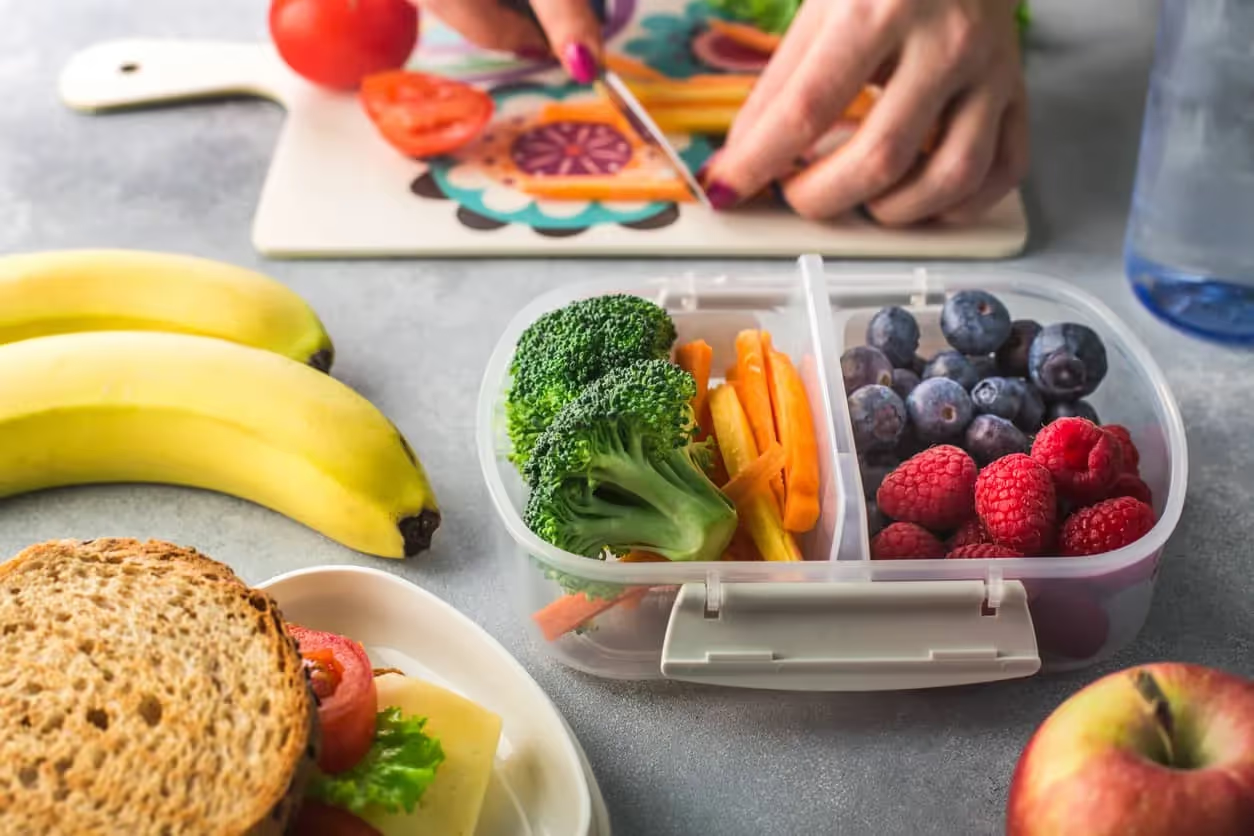
You are more likely to eat intuitively and mindfully when surrounded by foods that make you feel good—both physically and emotionally.
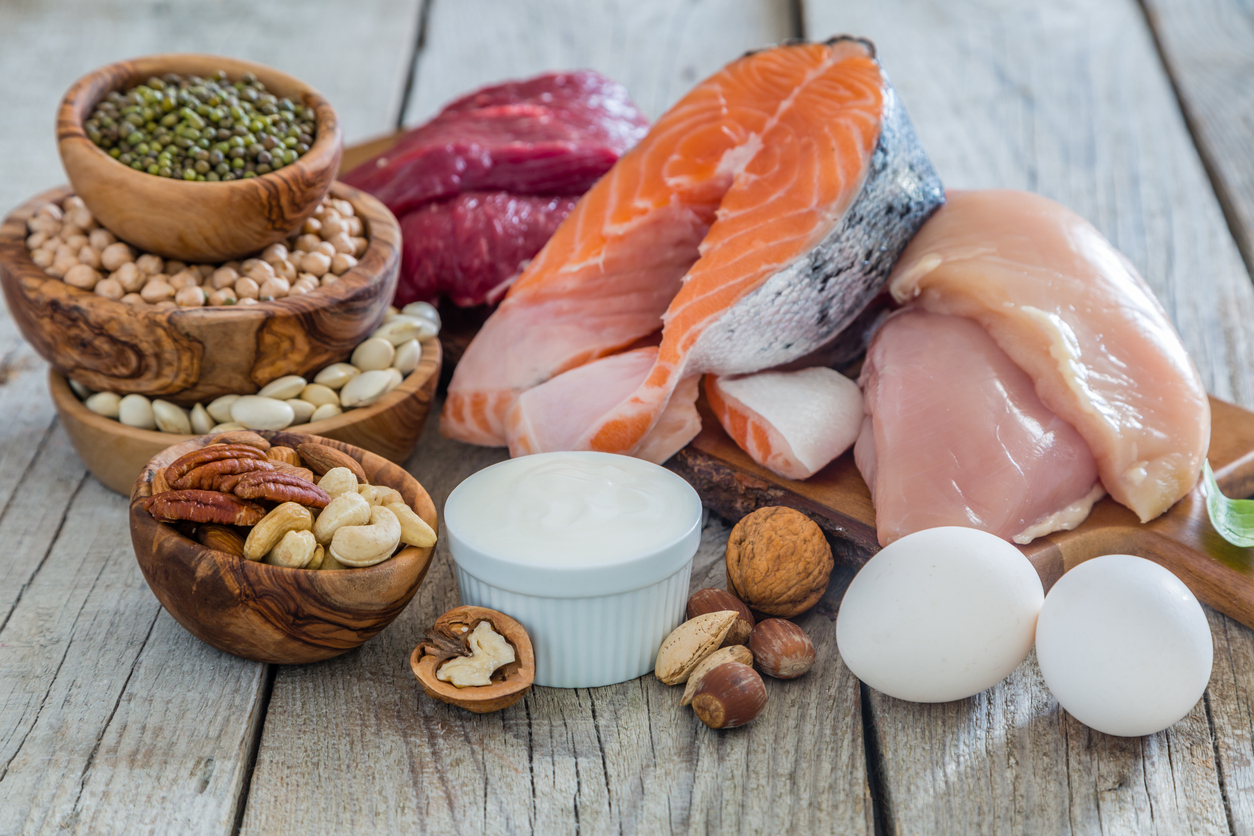
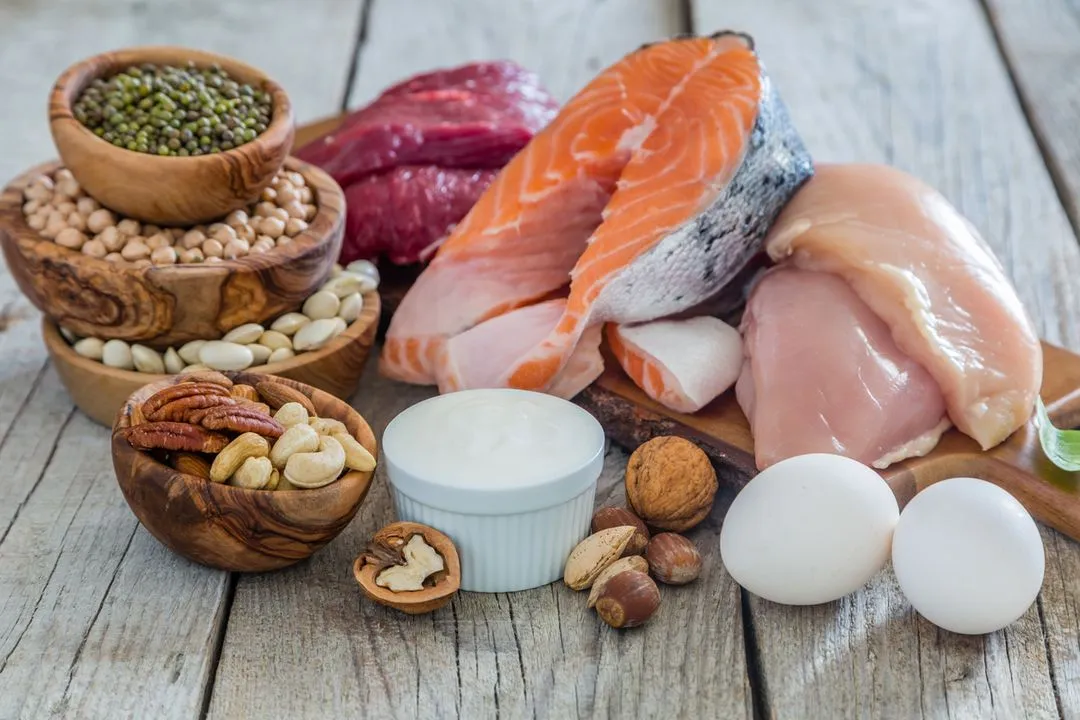
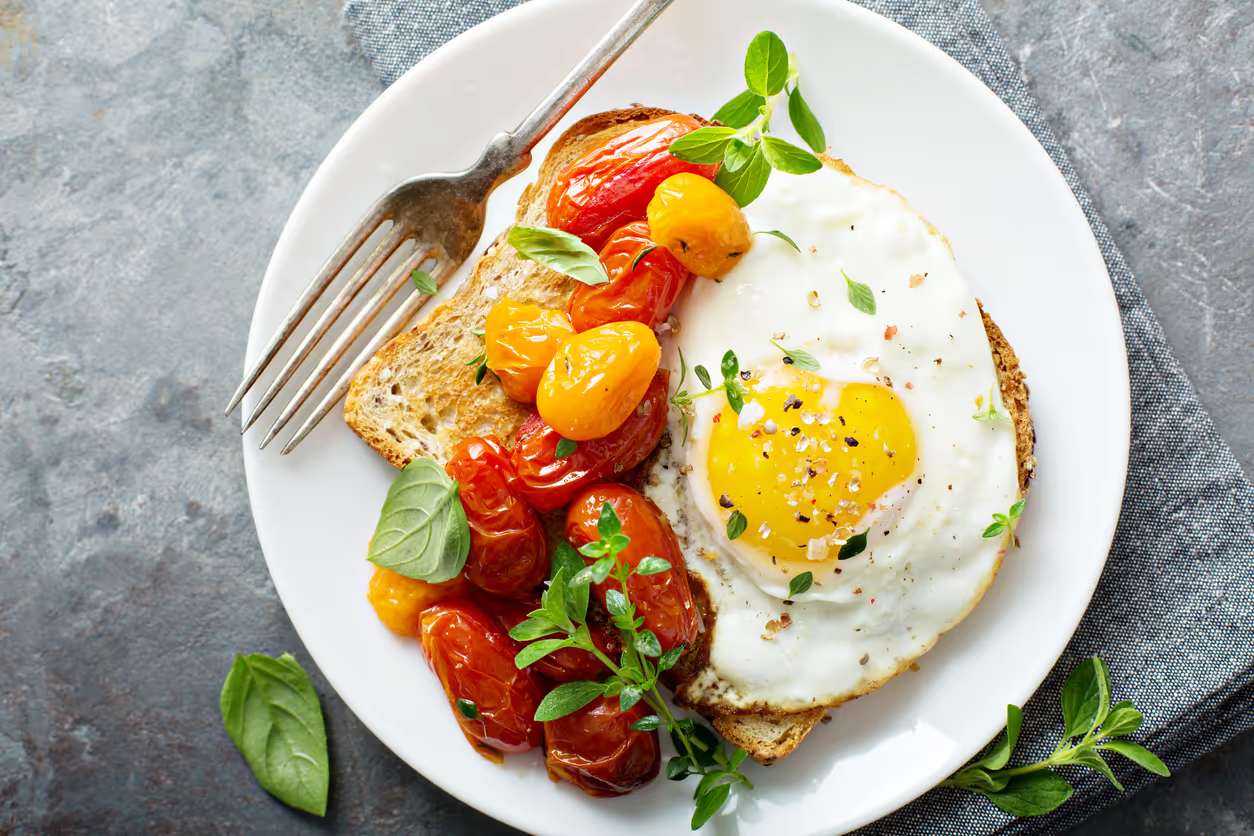
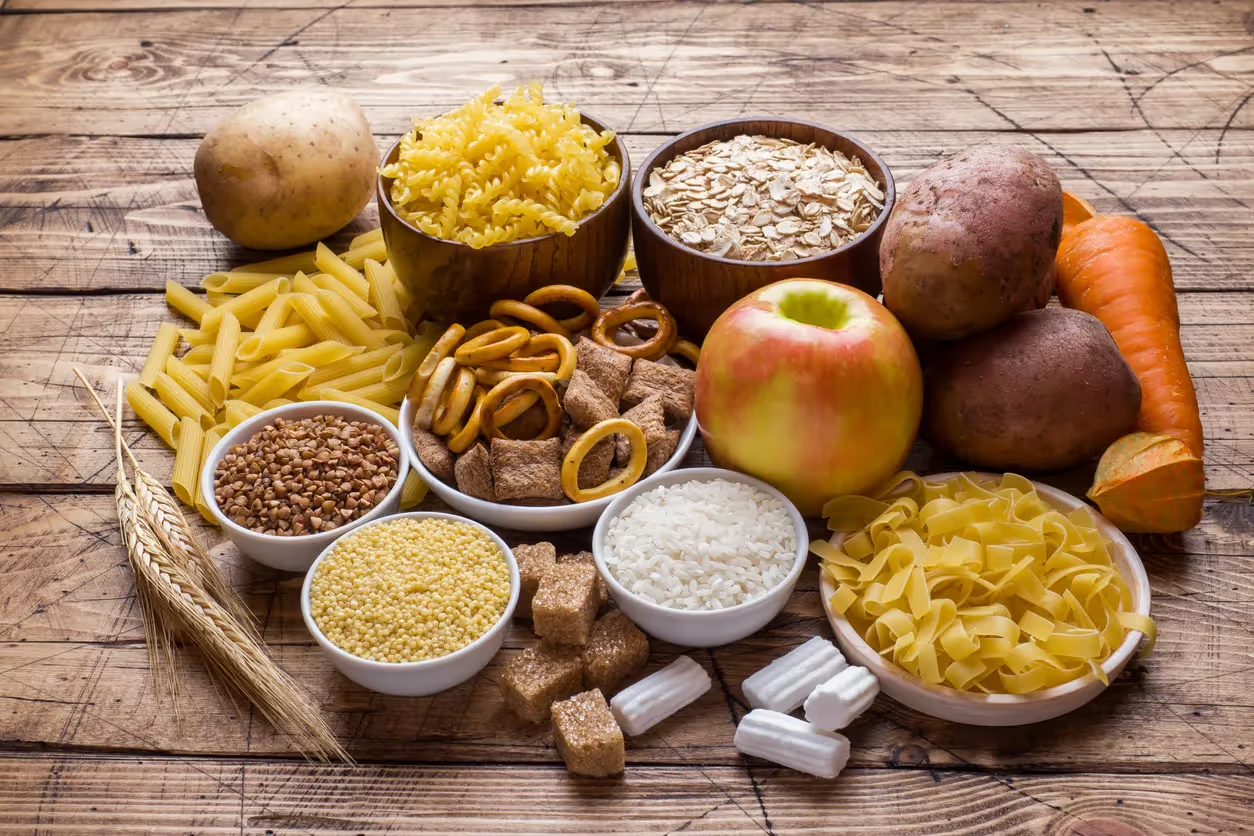
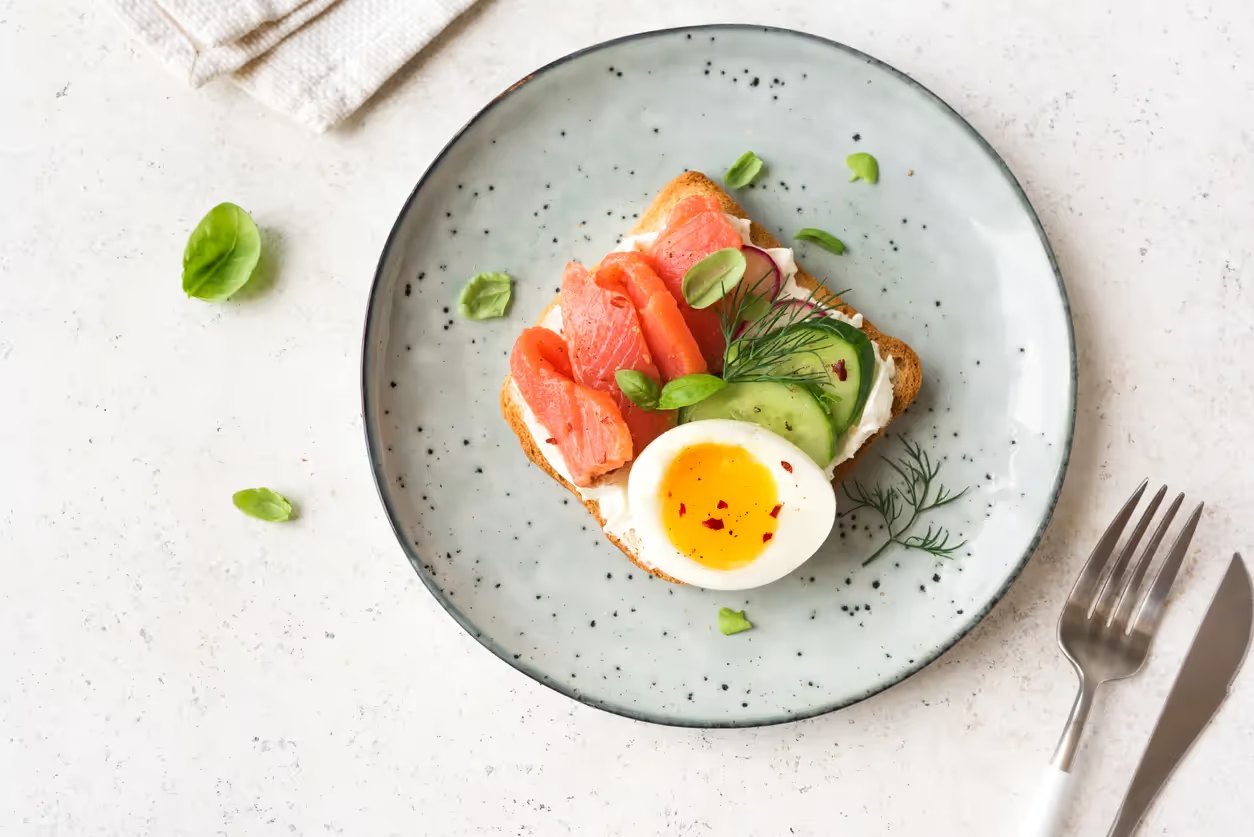
Foods like fresh fruits and veggies to snack on, healthful grains to fill you up, and proteins like eggs, chicken, or beans for sustenance.
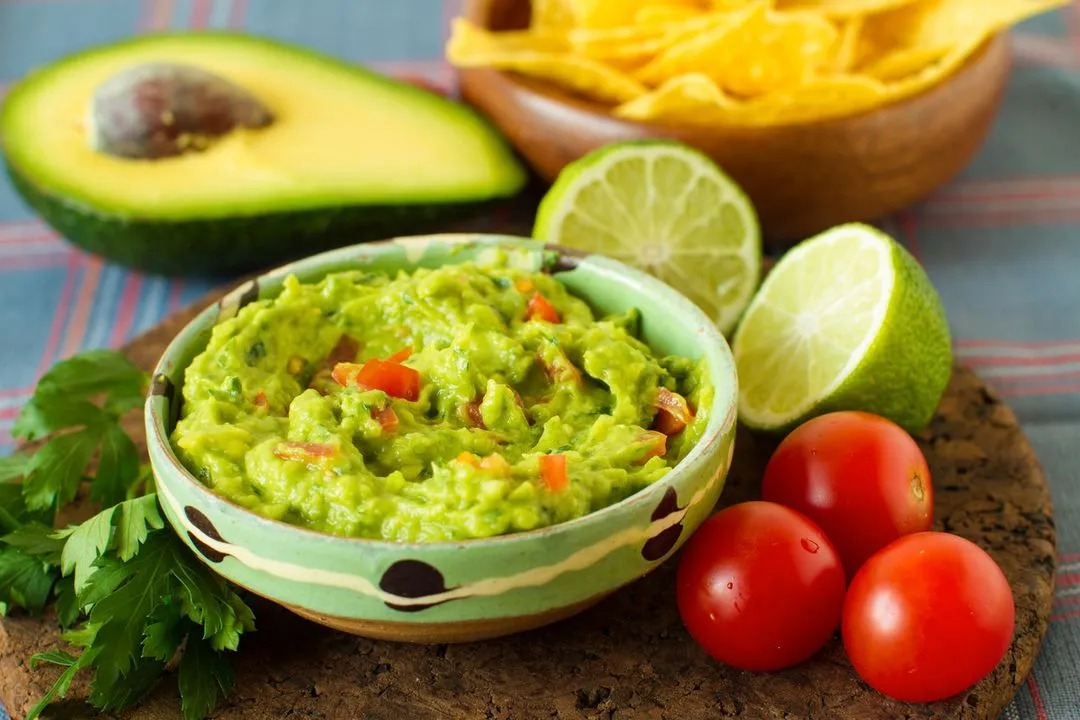
Nut butter, seeds, and avocados to keep you full and satisfied. Most importantly, foods that you actually enjoy eating.
If you don't feel in control around certain snacks or treats, it probably doesn't make sense to keep them in your kitchen right away, but you can explore how to reintroduce them mindfully while feeling satisfied from regularly eating nutrient-rich meals and snacks.
{{splash}}
5. Avoid Skipping Meals
Coming home after a long day where you barely had time to eat a snack, let alone lunch, can make it challenging to feel any sort of control around food.
Your body will seek out anything and everything just to ensure it doesn't go hungry again.
But what happens? You overeat throughout the evening to play catch up, go to bed feeling uncomfortable, wake up (possibly still full from the night before) and skip breakfast or even lunch. So the cycle repeats itself.
Starting your day with more than coffee or tea can feel challenging if you aren't used to it, and you may even wake up feeling a little nauseated.
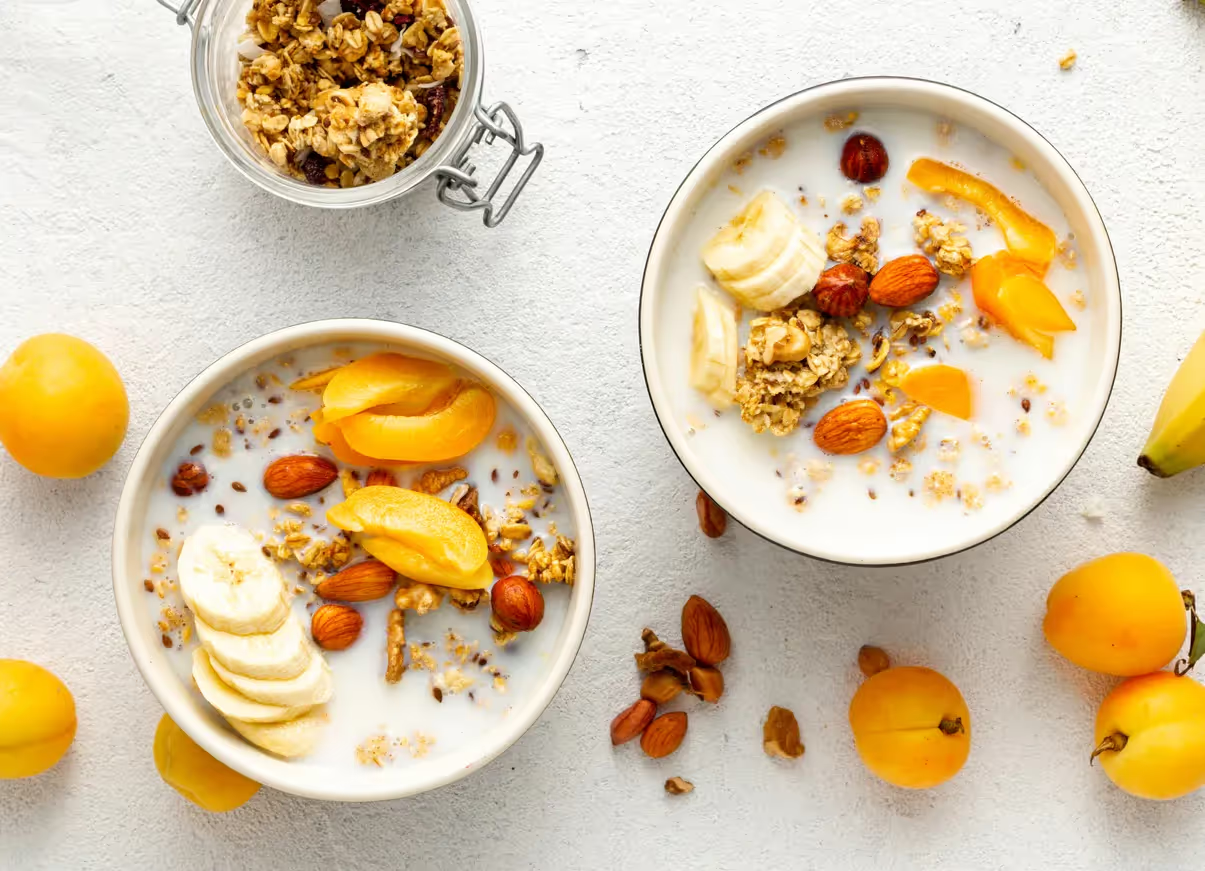
Think of starting the day with anything, even a small bowl of berries or yogurt, just to get used to the habit and avoid skipping meals.
The same goes for lunch. You don't have to sit down to a gourmet meal, but just try to get into the habit of eating something when you notice those first signs of hunger.
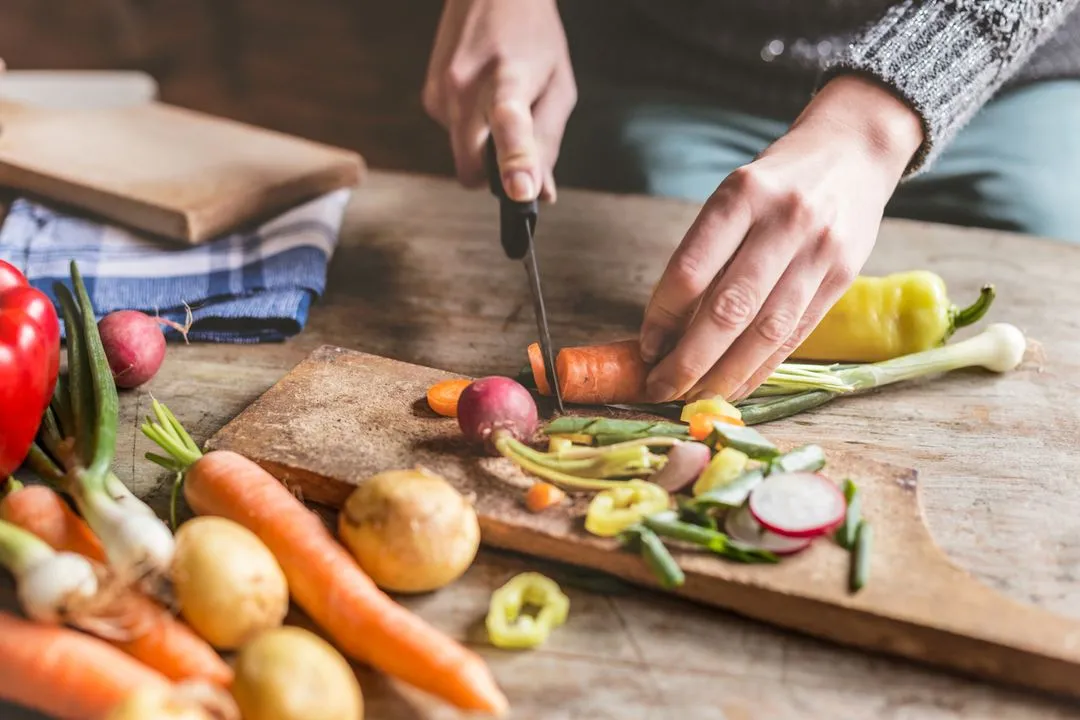
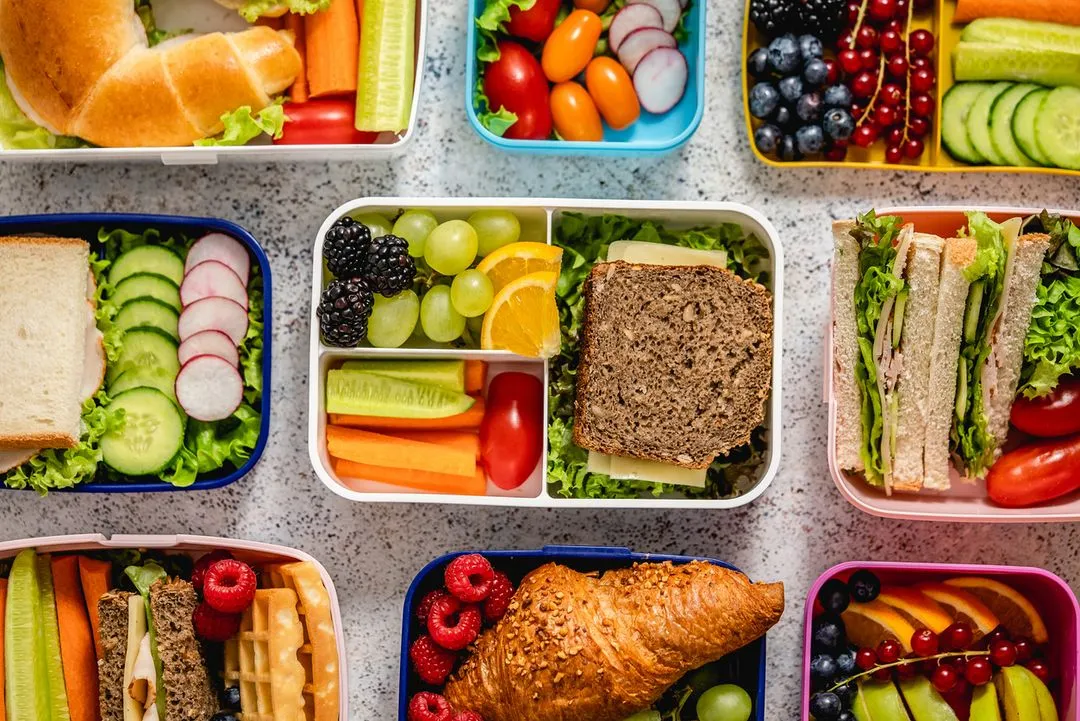
6. Meal Plan
Meal planning doesn't have to mean setting a strict plan for how much you'll eat each day.
It can be a valuable tool to take pressure off figuring out what to eat each day, especially when pressed for time or feeling hungry and vulnerable.
Planning ahead can be as simple or as detailed as you want it to be.
You can focus on a few dinners that can also be used for leftovers or include all meals and snacks.
You can build a grocery list based on your plan, so you know what to buy and won't be left staring into an empty fridge when you're hungry.
7. Find Pleasure in Non-Food Related Activities
You might have realized how often you turn to food for comfort, distraction, or pleasure, but as you start paying attention to natural hunger signals, it becomes more apparent.
Try to start exploring other ways to find joy without turning to food.
You can try making a list of activities or things that bring you pleasure and have it somewhere in your kitchen to refer to as needed.
You can write down anything—from taking a hot bath, running or riding a bike in the park, calling a supportive friend, or watching a favorite TV show.
It doesn't have to be complicated; it could be as simple as taking a few extra minutes to savor your cup of coffee in the morning or enjoying how the sun shines through your window.
{{splash}}
Disordered Eating Resources
If you’re struggling to find a balanced and healthy relationship with food and eating, there are resources that can help.
Therapy
Talk therapy (psychotherapy) is one of the pillars of treatment for disordered eating.
Working with an accredited therapist trained in disordered eating treatment will help you to address your disordered eating behaviors with empathy and understanding.
Signs that disordered eating therapy may help you include:
- If you constantly think or obsess about food.
- If you restrict your food intake throughout the day, every day or most days.
- If you cycle through periods of binge eating, purging, and/or restriction.
- If your relationship with food is impacting your work, social life, or quality of life.
Support Groups
Clinician-led and peer-led support groups are another popular form of support, which can be more accessible and affordable than some forms of talk therapy.
ANAD offers the largest peer support resource in the United States.
Work With a Dietitian to Create a Personalized Plan
If making changes feels overwhelming, you don't have to do it alone.
Working with a dietitian can give you expert guidance tailored to your life so you can feel comfortable and confident as you make these changes.
Think of a dietitian as your cheerleader, coach, and health expert all in one. They understand how to make lasting changes and break down overwhelming goals into manageable steps for success.
With the help of a binge eating dietitian, you have someone in your corner who understands how to work with your specific needs and move forward in ways that feel right for you.
{{splash}}
Find a dietitian near you that accepts insurance through Nourish. They can provide you with support to find control with food.
Frequently Asked Questions
How can I have better willpower with food?
Though it may seem counterintuitive, improving your self-control around food often starts with letting go of severe food restrictions and food rules.
If you’ve been dieting for a long time, consider working with a registered dietitian to learn how to let go of food rules and improve your relationship with food.
How can I be mentally strong with food?
Rather than framing your emotional relationship with food as one that requires discipline and restriction, try to re-frame self-control as finding a way to feel calm, centered, or even neutral around food.
Listen to your body’s hunger and satiety cues and try not to restrict certain foods or mealtimes.
Why don’t I have any willpower with food?
There are many factors that impact your relationship with food, including a history of dieting and restriction, family and societal pressures, and trauma.
If you’re struggling to build a healthy relationship with food and eating, reach out to a registered dietitian for their help.
References
View all references
- Merriam-Webster. (n.d.). Control. In Merriam-Webster.com dictionary.
- Binge-eating disorder - Symptoms and causes - Mayo Clinic. (2024, February 23). Mayo Clinic.
- Persistent metabolic adaptation 6 years after The Biggest Loser competition. (2017). https://www.ncbi.nlm.nih.gov/pmc/articles/PMC4989512/
- Hagger, M. S., Panetta, G., Leung, C. M., Wong, G. G., Wang, J. C., Chan, D. K., Keatley, D. A., & Chatzisarantis, N. L. (2013). Chronic inhibition, self-control and eating behavior: test of a 'resource depletion' model.
- Hofmann, W., Adriaanse, M., Vohs, K. D., & Baumeister, R. F. (2014). Dieting and the self-control of eating in everyday environments: an experience sampling study.
- Iqbal, A., & Rehman, A. (2022, October 31). Binge eating disorder. StatPearls - NCBI Bookshelf.
- Ciampolini, M., Lovell-Smith, H. D., Kenealy, T., & Bianchi, R. (2013). Hunger can be taught: Hunger Recognition regulates eating and improves energy balance.
- Psychotherapies. (n.d.). National Institute of Mental Health (NIMH).
- Eating disorders. (n.d.-b). SAMHSA.
Nourish has strict sourcing policies and prioritizes primary sources, including medical organizations, governmental agencies, academic institutions, and peer-reviewed scientific journals. Learn more about our medical review process and editorial guidelines.













.jpg)






















.avif)

.avif)






























.avif)


%20(1).webp)