Find the Best Autoimmune Dietitians Near You
94% of Nourish patients pay $0 out of pocket!






How Nourish works
In your first session, your dietitian will gather a full understanding of you and your health goals to provide you with a personalized care plan.



In follow-up sessions, your dietitian will fine-tune and implement your treatment plan with actionable coaching, recommendations, and progress tracking.
It was such a pleasure to meet with you today! I loved helping you understand how your eating habits are influencing your overall health.

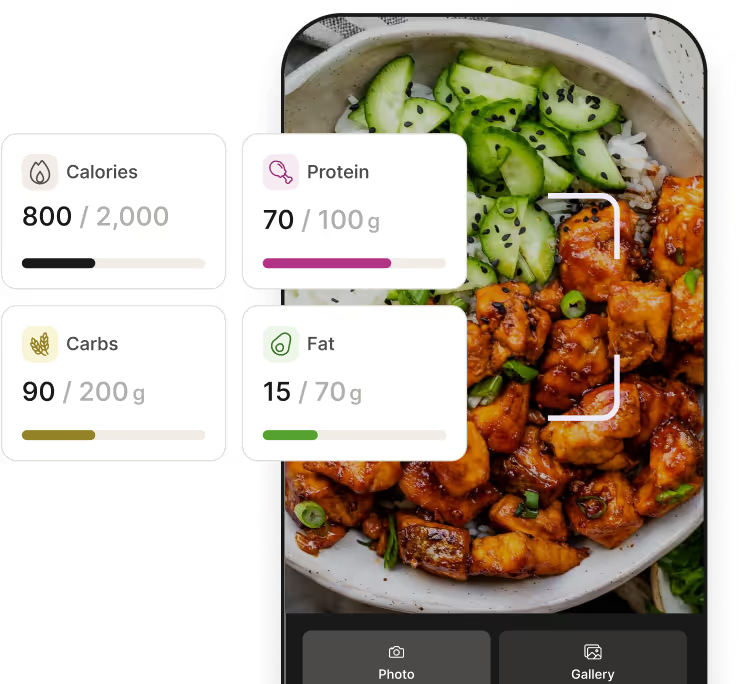
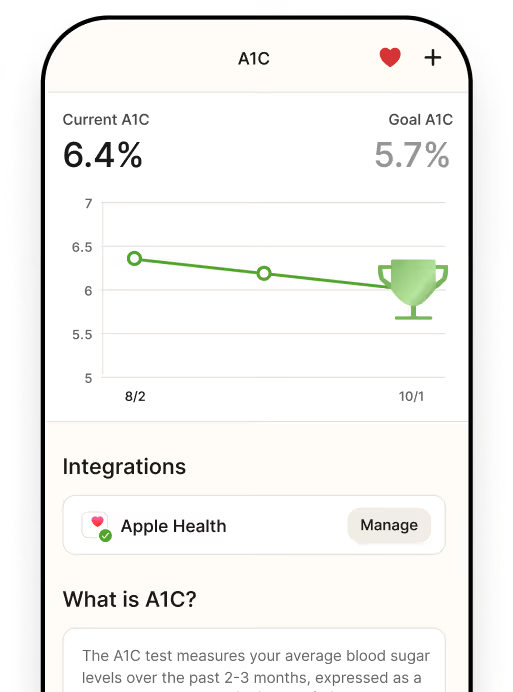
Throughout the program, leverage the Nourish app to message your dietitian, see session summaries, view curated content, set and track goals, and more.


It was such a pleasure to meet with you today! I loved helping you understand how your eating habits are influencing your overall health.
Helping millions live healthier

Lucie
37, <Condition>
Greyson P
<Condition>
Balina
25, <Condition>
John
71, <Condition>
Krista W
<Condition>
37, <Condition>
Balina
25, <Condition>
John
71, <Condition>
<Condition>
<Condition>
<Condition>
<Condition>
<Condition>
<Condition>
<Condition>
<Condition>
<Condition>
<Condition>
<Condition>
<Condition>
<Condition>
<Condition>
<Condition>
<Condition>
<Condition>
<Condition>
<Condition>
<Condition>
<Condition>
<Condition>
<Condition>
<Condition>
<Condition>
<Condition>
<Condition>
<Condition>
<Condition>
<Condition>
<Condition>
<Condition>
<Condition>
<Condition>
<Condition>
<Condition>
<Condition>
<Condition>
<Condition>
<Condition>
<Condition>
<Condition>
<Condition>
<Condition>
<Condition>
<Condition>
<Condition>
Our team of dietitians can support all areas of your health
Our team of nutritionists are skilled in numerous specialties. Whether your needs revolve around sports, weight loss, a chronic illness, or navigating a pregnancy, our professionals are prepared to provide the right nutritional guidance.



Personalized nutrition planning
Personalized nutrition planning
Autoimmune conditions can be dynamic, and nutritional needs may change over time. Regular follow-ups with a dietitian allow for adjustments to the nutrition plan based on the individual's response and any changes in their health status.
We offer virtual one-on-one sessions with dietitians to discuss preventative actions that can be taken to address your health concerns. We educate, assess lifestyle changes, help plan your nutrition, and support our clients toward long-lasting success using personalized nutrition counseling.
Convenient, virtual appointments
Convenient, virtual appointments
Receive the highest quality care wherever you are most comfortable. You get access to your dietitian virtually anytime, anywhere. Nourish dietitians can conduct a thorough assessment of your dietary habits, lifestyle, and specific autoimmune condition to understand the unique needs and challenges - all from home.
Receive the highest quality care wherever you are most comfortable. You get access to your dietitian virtually anytime, anywhere. No more driving to appointments. No more waiting around.
A holistic approach
Avoiding future complications
Autoimmune conditions may impact nutrient absorption. A dietitian can help plan diets that are rich in essential nutrients to support overall health and compensate for potential deficiencies.Some autoimmune conditions may be triggered or worsened by specific foods. Receive guidances for elimination diets to identify potential trigger foods and develop a plan to manage or avoid them.
The payoff you’ll see for adjusting your lifestyle with nutrition counseling will be tremendous for your health. You’re less likely to suffer from a heart condition, kidney failure, and other serious conditions with the proper discipline and determination that we help provide.
We’ve got answers.
Still deciding if we’re right for you? These frequently asked questions may help.

How can a nutritionist help with autoimmune conditions?
Many autoimmune conditions can be managed in part by specific dietary interventions. The approach depends on which autoimmune disorder you have, making it essential to find a registered dietitian who can guide you in following the appropriate eating pattern.
For example, a person with celiac disease must follow a strict, lifelong gluten-free diet to prevent intestinal damage. Type 1 diabetes requires careful monitoring of carbohydrate intake to control blood sugar levels. An individual with inflammatory bowel disease may need to adjust the fiber content of their diet to relieve symptoms.
Are autoimmune conditions curable?
Though there are medical treatments and lifestyle changes that can help people manage their symptoms, most autoimmune conditions do not have a cure.
Your treatment will likely continue lifelong and depends on the type of autoimmune disorder you have. Some medications help improve symptoms, while others suppress the immune system to help manage inflammation.
If your autoimmune condition has been under control for a while (known as remission), you may still occasionally experience a flare-up. Work with your healthcare team to identify your triggers, and let your doctor know if you feel a flare coming on.
What are the different types of autoimmune conditions?
Autoimmune diseases happen when the immune system mistakenly attacks healthy tissues, causing inflammation and damage. They can affect many body systems, like the skin, digestive tract, thyroid gland, nerves, and joints.
There are over 80 different autoimmune conditions, with the most common being:
- Type 1 diabetes.
- Multiple sclerosis (MS.)
- Lupus.
- Rheumatoid arthritis.
- Inflammatory bowel disease.
- Celiac disease.
- Hashimoto’s thyroiditis.
- Psoriasis.
It can be challenging to receive a diagnosis for an autoimmune condition because the symptoms often overlap with other common diseases.
Though symptoms vary significantly between the different autoimmune conditions, some of the most common signs include:
- Chronic fatigue.
- Dizziness.
- Low-grade fever.
How can I find a <Name> dietitian who accepts my insurance?
Nourish has <Name> dietitians in-network with major insurers like Blue Cross Blue Shield, United Healthcare, Aetna and Cigna. 95% of Nourish patients pay $0 when using insurance.
Are video visits with a dietitian online for <Name> covered by insurance?
Check your coverage to see if Nourish accepts your insurance plan.
What to expect during a visit with a dietitian that specializes in <Name>?
During your first appointment with a dietitian, you can expect to review your medical history, eating habits, and lifestyle. You’ll get to know your dietitian and you’ll have the opportunity to ask them any questions you have.
How can I find an online video visit with a dietitian that can help with <Name>?
Nourish offers completely virtual appointments that can help address <Name>.
How can I book a nutrition appointment online for <Name>?
Nourish offers completely virtual nutrition appointments and is covered by insurance. You can find a dietitian that’s right for you and filter by condition.
How can I see a dietitian that can help with <Name>?
Nourish has dietitians that specialize in <Name> that can help. Nourish uses evidence-based, personalized nutrition therapy so you feel your best.
A registered dietitian can also help with the following related <Name> conditions:

Can a Nutritionist Help With Autoimmune Conditions?
There are different diets that may help manage symptoms of various autoimmune conditions.
Autoimmune disorders occur when your immune system mistakenly targets healthy cells, causing damage to various organs and body systems, like your digestive tract, skin, or thyroid gland. Over time, this causes inflammation, resulting in symptoms like fatigue, digestive upset, weight changes, and joint pain.
There is evidence that nutrition therapy can play a role in reducing inflammation in autoimmune conditions. When searching for a nutritionist, you’ll want to select a provider with the proper credentials. A registered dietitian (RD) or registered dietitian nutritionist (RDN) specializing in autoimmune disorders is ideal.
What is the Best Diet for Autoimmune Conditions?
There are different diets that may help manage symptoms of various autoimmune conditions.
For example, an eating pattern for celiac disease will focus on eliminating gluten. A diet for ulcerative colitis involves increasing or decreasing your fiber intake depending on whether or not you are in an active flare-up. A dietitian can tailor an eating plan based on your autoimmune condition, medical history, and dietary preferences.
The Autoimmune Protocol (AIP)
The Autoimmune Protocol (AIP) is a popular elimination diet designed to target chronic inflammation in people with autoimmune conditions. It is a more restrictive version of the paleo diet, primarily made up of minimally processed lean animal proteins, vegetables, and fruit. The AIP diet is meant to be a short-term elimination, followed by a reintroduction phase to help identify individual triggers and liberalize the diet for the long term.
Though the AIP diet is not for everyone, it can be effective for certain autoimmune conditions, including inflammatory bowel diseases (ulcerative colitis and Crohn’s disease). Since this is a restrictive diet with multiple stages, it’s best to work with a registered dietitian to ensure adequate nutrition throughout the process.
How Are Autoimmune Conditions Treated?
Autoimmune conditions are typically treated through a combination of medication and lifestyle changes, like dietary strategies or physical therapy. Though treatments can help improve symptoms and quality of life for many autoimmune diseases, there are no cures at this time. More research on the development and progression of these disorders is needed to better understand how to treat them.
There are many dietary recommendations online that are not evidence-based for managing autoimmune conditions, and some can be harmful in the long term. Talk to a registered dietitian to help you identify safe and effective nutrition strategies.

Which Foods Can Aggravate Autoimmune Conditions?
Because each autoimmune disease affects your body differently, the foods that cause flare-ups vary across conditions. Talk to your doctor and dietitian about the best dietary strategies for you.
Some foods contain compounds that may lead to inflammation in certain individuals with autoimmune conditions. Examples of possible food triggers per the AIP diet include:
- Grains.
- Legumes.
- Nightshade vegetables (like tomatoes, potatoes, and peppers).
- Dairy.
- Refined sugar.
- Alcohol.
- Eggs.
- Coffee.
- Nuts and seeds.
- Oils.
- Food additives.
In addition, a diet high in ultra-processed foods has been linked to chronic inflammation. This includes things like soda, potato chips, and fast food which are far from their natural form, containing high amounts of refined sugar, salt, and saturated fat.
Most people with autoimmune diseases don’t need to eliminate every food from this list to reduce inflammation and improve symptoms. Working with a professional to identify your personal food triggers is important.

Find the Best Autoimmune Dietitians Near You
94% of Nourish patients pay $0 out of pocket!
80% of patients see health improvements in 30 days

Average weight loss in 4 months among patients with BMI ≥ 30 who lost weight
Average reduction in A1C for patients with A1C ≥ 6.5%
Average reduction in LDL Cholesterol for patients with LDL ≥ 130
of patients see improvements in GI symptoms
A clinically validated program


How it Works


Do more with the Nourish app


Frequently asked questions
Still deciding if we’re right for you? These frequently asked questions may help.