Find the Best IBS Dietitians Near Me
94% of Nourish patients pay $0 out of pocket!


Our team of dietitians can support all areas of your health
Our team of nutritionists are skilled in numerous specialties. Whether your needs revolve around sports, weight loss, a chronic illness, or navigating a pregnancy, our professionals are prepared to provide the right nutritional guidance.
Having a healthy relationship with stress and sleep is crucial to your overall health. Work with a registered dietitian to process how stress impacts your nutritional needs and how to optimize your sleep.
Depending on the type of IBS (constipation-predominant, diarrhea-predominant, or mixed), the dietitian can provide guidance on fiber intake. This may involve increasing soluble fiber for constipation or avoiding certain high-fiber foods for diarrhea.
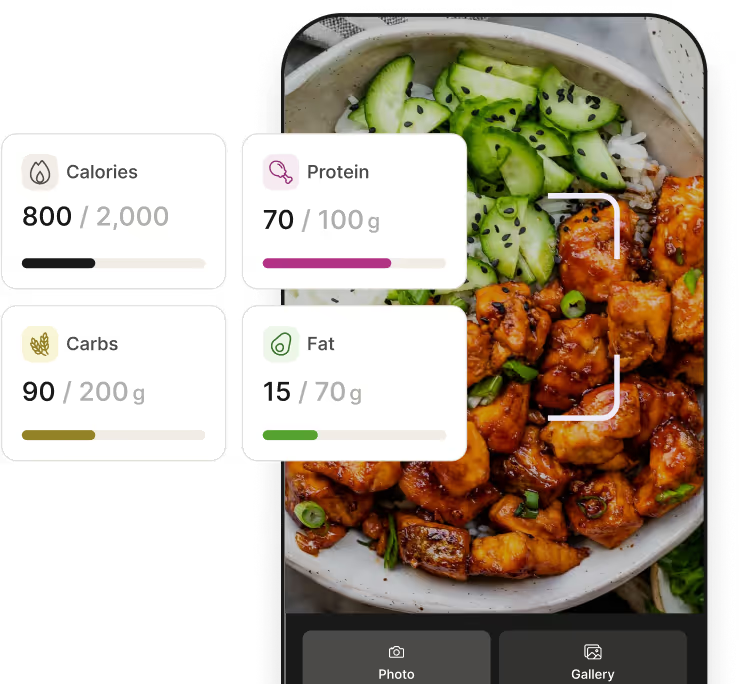
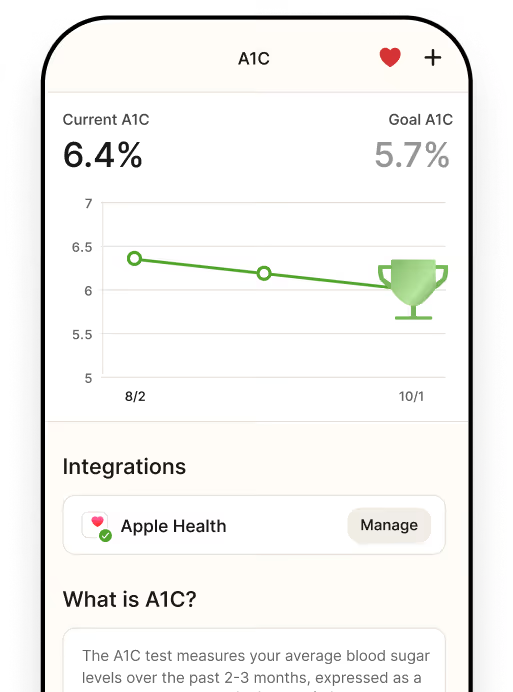
Weight loss is never a one-size-fits-all all. Nourish dietitians will provide personalized recommendations so you can reach your weight loss goals. Track your progress in the Nourish app and keep a food log to share with your dietitian.
A dietitian can help identify specific foods that trigger IBS symptoms for an individual. This is often done through methods like keeping a food diary and systematically reintroducing foods to pinpoint triggers.
Registered dietitians are essential members of the care team when treating eating disorders. Work with a Nourish dietitian to address disordered eating habits, anorexia, binge eating, bulimia, and other eating disorders.
The dietitian can create personalized meal plans that are low in trigger foods while still being varied, enjoyable, and nutritionally adequate.
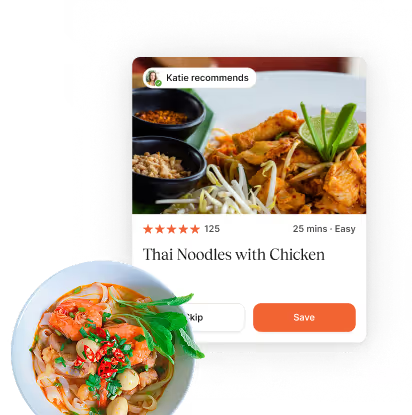
Nourish dietitians can help you build customized meal plans based on your health conditions, food preferences, and goals.
Dietitians can recommend probiotic supplements or foods rich in probiotics to support gut health and balance the gut microbiota, which may help alleviate IBS symptoms.
Being metabolically healthy means your body beneficially responds to food to reduce your risk of diabetes, heart disease, stroke, and other serious health conditions. Nourish dietitians can help you become metabolically healthy, and educate you on the right lifestyle changes to make.
Dietitians provide ongoing monitoring and support, making adjustments to the nutrition plan as needed and addressing any challenges or concerns that arise.
If you have irregularities in your menstrual cycle, painful periods, and imbalanced hormones, a Nourish dietitian can help you understand what foods to eat and get to the root cause of your symptoms.
Dietitians educate individuals about IBS, its triggers, and how diet can impact symptoms. They empower patients to make informed food choices, read labels, and navigate social situations while managing their condition.
Working with a prenatal or postnatal dietitian can help you replenish the nutrients you need during pregnancy or after. If you’re breastfeeding, you could receive nutrition support for producing breastmilk.

Personalized nutrition counseling to heal your IBS
Personalized nutrition planning
We offer virtual one-on-one sessions with dietitians to discuss preventative actions to address your IBS. We educate, assess lifestyle changes, help plan your nutrition, and support you toward long-lasting success using personalized nutrition counseling.
We offer virtual one-on-one sessions with dietitians to discuss preventative actions that can be taken to address your health concerns. We educate, assess lifestyle changes, help plan your nutrition, and support our clients toward long-lasting success using personalized nutrition counseling.
Convenient, virtual appointments that work for your schedule
Convenient, virtual appointments
Receive the highest quality care wherever you are most comfortable. You get access to your IBS dietitian virtually anytime, anywhere. No more driving to appointments. No more waiting around.
Receive the highest quality care wherever you are most comfortable. You get access to your dietitian virtually anytime, anywhere. No more driving to appointments. No more waiting around.
Relief from your IBS symptoms
Avoiding future complications
Your IBS dietitian will help address the symptoms you’re experiencing, including urgent bowel movements, stomach pain, bloat, and more. An IBS dietitian can help you understand what foods can contribute to your symptoms and may ask to see a food log to identify any patterns.
The payoff you’ll see for adjusting your lifestyle with nutrition counseling will be tremendous for your health. You’re less likely to suffer from a heart condition, kidney failure, and other serious conditions with the proper discipline and determination that we help provide.
We’ve got answers.
Still deciding if we’re right for you? These frequently asked questions may help.

How can I find a <Name> dietitian who accepts my insurance?
Nourish has <Name> dietitians in-network with major insurers like Blue Cross Blue Shield, United Healthcare, Aetna and Cigna. 95% of Nourish patients pay $0 when using insurance.
Are video visits with a dietitian online for <Name> covered by insurance?
Check your coverage to see if Nourish accepts your insurance plan.
What to expect during a visit with a dietitian that specializes in <Name>?
During your first appointment with a dietitian, you can expect to review your medical history, eating habits, and lifestyle. You’ll get to know your dietitian and you’ll have the opportunity to ask them any questions you have.
How can I find an online video visit with a dietitian that can help with <Name>?
Nourish offers completely virtual appointments that can help address <Name>.
How can I book a nutrition appointment online for <Name>?
Nourish offers completely virtual nutrition appointments and is covered by insurance. You can find a dietitian that’s right for you and filter by condition.
How can I see a dietitian that can help with <Name>?
Nourish has dietitians that specialize in <Name> that can help. Nourish uses evidence-based, personalized nutrition therapy so you feel your best.
A registered dietitian can also help with the following related <Name> conditions:
How does a dietitian help with IBS?
The best diet for IBS depends on your symptoms. However, here are some guidelines on the best diets for IBS:
How does diet impact IBS?
If certain foods trigger your IBS symptoms, these foods may irritate or stimulate your gastrointestinal tract, resulting in symptoms such as gas, diarrhea, pain, bloating, and constipation. Some foods or drinks that might trigger your IBS include foods high in fat, carbonated beverages, caffeine, and insoluble fiber.
What’s the best diet for IBS?
The best diet for IBS depends on your symptoms. However, here are some guidelines on the best diets for IBS:
Low-FODMAP Diet
The Low FODMAP diet involves avoiding foods high in fermentable oligosaccharides, disaccharides, monosaccharides, and polyols (FODMAPs). These include certain fruits (like apples and pears), vegetables (such as onions and garlic), dairy products, and some grains. A low-FODMAP diet is often used under the guidance of a healthcare professional or dietitian to identify trigger foods and then reintroduce them gradually.
Soluble Fiber
Foods rich in soluble fiber, such as oats, and barley, fruits like bananas and berries, and vegetables like carrots and potatoes, may help with IBS symptoms by improving stool consistency and reducing diarrhea.
Probiotics
Probiotics are beneficial bacteria that can help restore the balance of gut flora. They can be found in fermented foods like yogurt, kefir, kimchi, and sauerkraut, or taken as supplements.
Avoiding Trigger Food
It's essential to identify and avoid foods that trigger your IBS symptoms. Common triggers include spicy foods, caffeine, alcohol, fatty foods, and artificial sweeteners.
Eating Regularly
Maintaining regular meal times and avoiding large meals can help prevent digestive discomfort.
Hydration
Drinking plenty of water throughout the day can help keep your digestive system functioning smoothly.
Mindful Eating
Taking time to eat slowly, chew food thoroughly, and paying attention to your body's hunger signals and fullness can also support digestive health.
Can a dietitian help me implement a Low FODMAP diet?
Yes, a registered dietitian can help you implement a Low FODMAP diet. They can educate you on FODMAP foods to incorporate into your diet.
Find the Best IBS Dietitians Near Me
94% of Nourish patients pay $0 out of pocket!


80% of patients see health improvements in 30 days
Average weight loss in 4 months among patients with BMI ≥ 30 who lost weight
Average reduction in A1C for patients with A1C ≥ 6.5%
Average reduction in LDL Cholesterol for patients with LDL ≥ 130
of patients see improvements in GI symptoms
A clinically validated program
How it Works
Do more with the Nourish app


Frequently asked questions
Still deciding if we’re right for you? These frequently asked questions may help.

Nourish is a Telehealth nutrition counseling platform that connects patients with Registered Dietitian Nutritionists (RDNs). We're available in all 50 states and have a network of 9,000+ dietitians who specialize across dozens of conditions and health goals.
Here's how it works: after signing up and verifying your insurance, you browse our dietitian directory, choose a provider who fits your needs, and book a telehealth appointment via Zoom. Your first session is a comprehensive assessment where your dietitian gets to know your health history, goals, and lifestyle and builds a personalized care plan. Follow-up sessions put that plan into action with ongoing coaching, accountability, and adjustments over time.
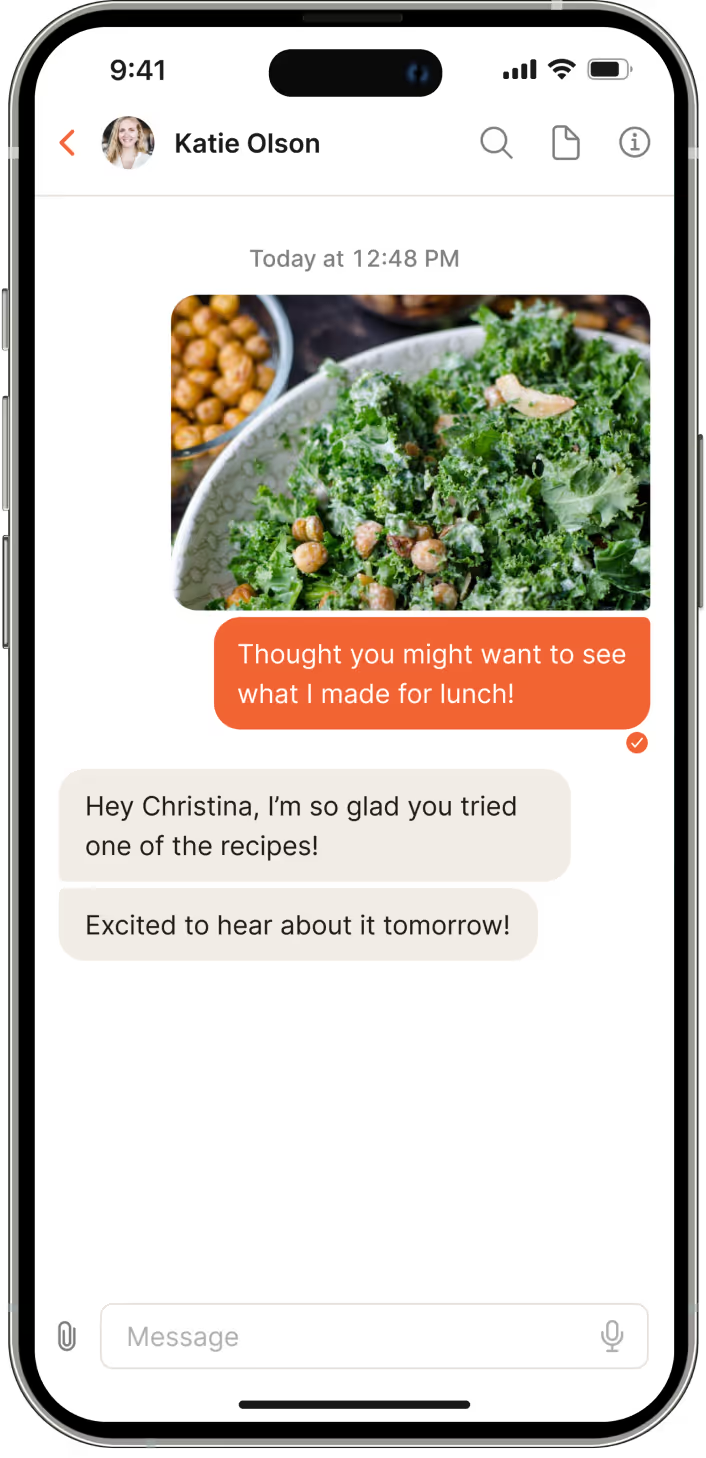
Between sessions, you can message your dietitian, log meals, track progress, and access recipes and resources through the Nourish app. 94% of our patients pay $0 out-of-pocket — Nourish handles all insurance verification and claim submissions so you can focus on your health.
Registered Dietitian Nutritionists (RDNs) are health professionals specializing in food and nutrition. Dietitians provide a behavioral health approach to nutritional care to help you reach your long-term health goals. To learn more about our approach to care, click here.
Registered Dietitian Nutritionist (RDN) is a nationally recognized credential. At Nourish, all our dietitians are RDNs, which means that they have completed a Bachelor or Master’s degree in Nutrition, passed a national exam, and complete a number of ongoing continuing education credits annually.
No, they are not the same. The title "nutritionist" is not a protected title, which means that anyone, including yourself, can call themselves a nutritionist. At Nourish, all our providers are Registered Dietitian Nutritionists (RDN) which is a legally protected title. Registered Dietitian Nutritionists must complete a Bachelor or Master's degree in Nutrition, pass a national exam, and complete a number of ongoing continuing education credits annually. Read our blog post to learn more!
With Nourish, you can be sure that you are speaking with licensed health professionals that have been trained in nutrition and dietary intervention. To learn more about our approach to care, please click here.
It depends on your goals and health conditions, and your dietitian will give you a personalized recommendation during your first session. That said, here's a general sense of what to expect:
Most patients meet with their dietitian weekly or biweekly, especially at the start of care. Initial sessions & follow ups will typically be 50–60 minutes. As you build momentum and healthy habits become more routine, many patients space appointments out to monthly check-ins.
There are no minimums or commitments — your care plan is entirely flexible and adjusts as your needs change!
Yes, at Nourish we have many dietitians who specialize in working with children. We have experience in dealing with nutrition issues related to children, including overweight/underweight, diabetes, hypercholesterolemia, food allergies, and eating disorders.
Yes, we have several team members who speak Spanish! They can help you make your appointment. To see a list of our Spanish-speaking dietitians, kindly visit our "Find A Provider" page by following this link: https://www.nourish.com/find-a-provider. Once there, use the dropdown menu to select the Spanish language option. This will display a comprehensive list of our present dietitians who are proficient in Spanish and available to assist you. ¡Sí, tenemos varios miembros del equipo que hablan español! Ellos pueden ayudarte a agendar tu cita. Para ver una lista de nuestros dietistas que hablan español, por favor visita nuestra página "Encontrar un Proveedor" siguiendo este enlace: https://www.nourish.com/find-a-provider. Una vez allí, utiliza el menú desplegable para seleccionar la opción de idioma español. Esto mostrará una lista completa de nuestros dietistas actuales que son proficientes en español y están disponibles para asistirte.
Nourish is available in all 50 states!
If you had not yet received an email/SMS message prompting you to sign up with Nourish, please reach out to our support team at support@nourish.com and we would be happy to get you set up as soon as possible.