
Best Endometriosis Dietitians Near Me
94% of Nourish patients pay $0 out of pocket!






How Nourish works
In your first session, your dietitian will gather a full understanding of you and your health goals to provide you with a personalized care plan.



In follow-up sessions, your dietitian will fine-tune and implement your treatment plan with actionable coaching, recommendations, and progress tracking.
It was such a pleasure to meet with you today! I loved helping you understand how your eating habits are influencing your overall health.

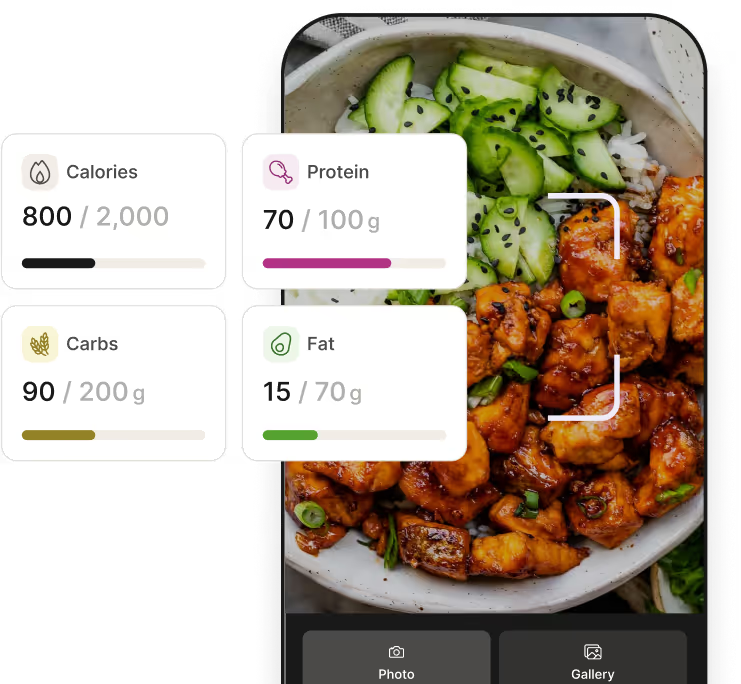
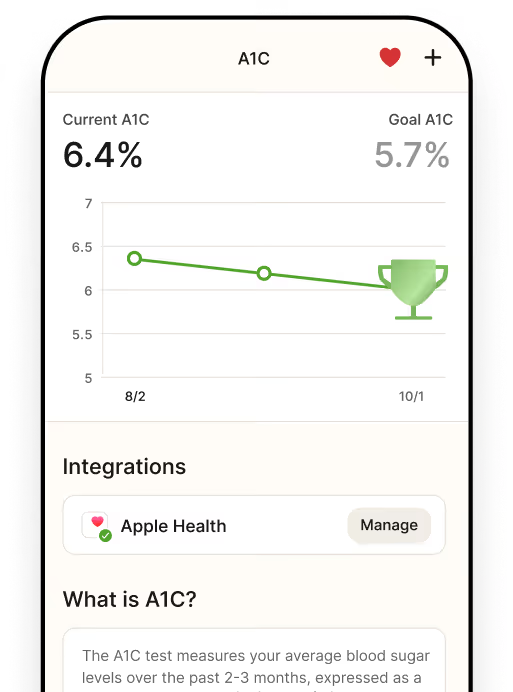
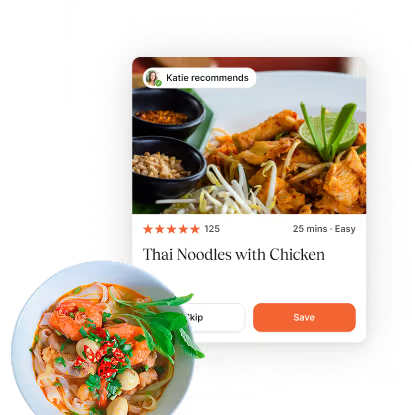
Throughout the program, leverage the Nourish app to message your dietitian, see session summaries, view curated content, set and track goals, and more.
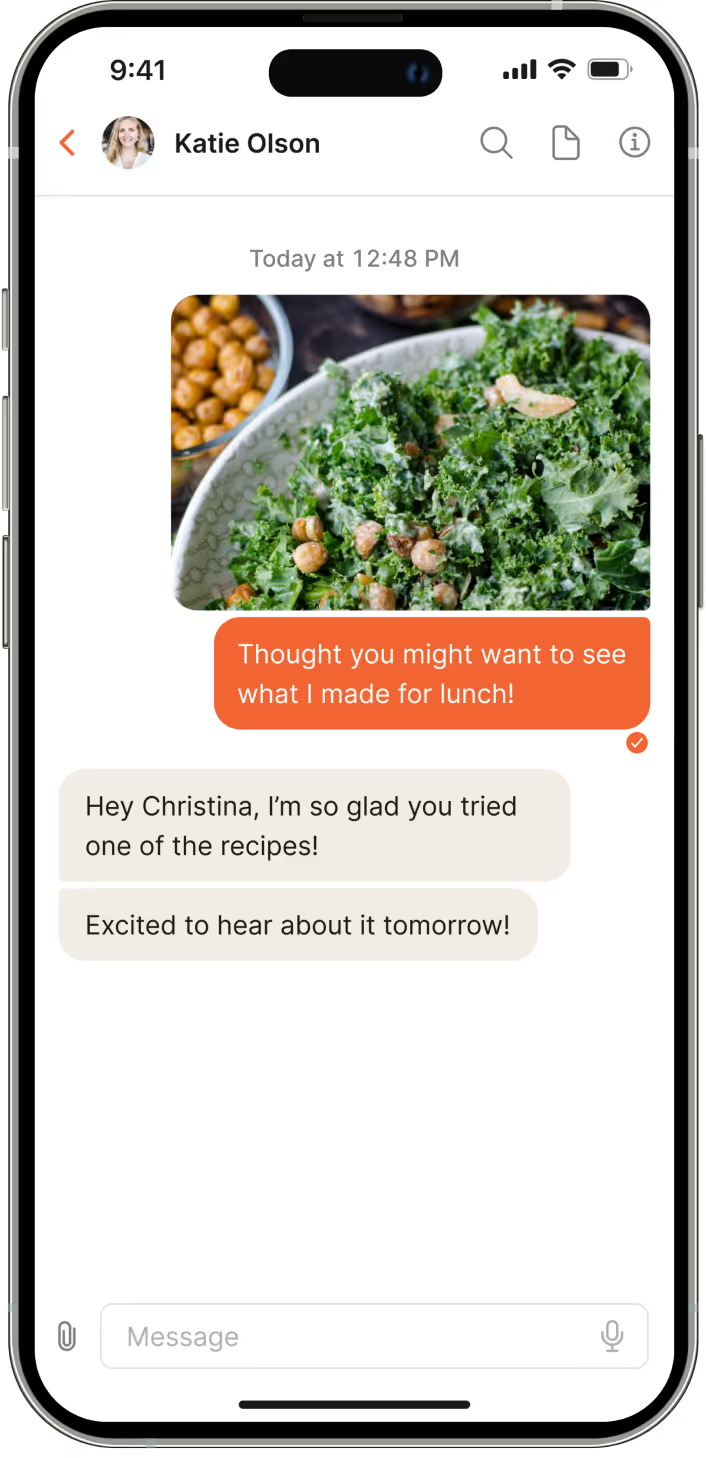

It was such a pleasure to meet with you today! I loved helping you understand how your eating habits are influencing your overall health.
Helping millions live healthier

Lucie
37, <Condition>
Balina
25, <Condition>
John
71, <Condition>
37, <Condition>
Balina
25, <Condition>
John
71, <Condition>
<Condition>
<Condition>
<Condition>
<Condition>
<Condition>
<Condition>
<Condition>
<Condition>
<Condition>
<Condition>
<Condition>
<Condition>
<Condition>
<Condition>
<Condition>
<Condition>
<Condition>
<Condition>
<Condition>
<Condition>
<Condition>
<Condition>
<Condition>
<Condition>
<Condition>
<Condition>
<Condition>
<Condition>
<Condition>
<Condition>
<Condition>
<Condition>
<Condition>
<Condition>
<Condition>
<Condition>
<Condition>
<Condition>
<Condition>
<Condition>
<Condition>
<Condition>
<Condition>
<Condition>
<Condition>
<Condition>
<Condition>
Our team of dietitians can support all areas of your health
Our team of nutritionists are skilled in numerous specialties. Whether your needs revolve around sports, weight loss, a chronic illness, or navigating a pregnancy, our professionals are prepared to provide the right nutritional guidance.
Our team of dietitians can support you with endometriosis



Personalized nutrition planning
We offer virtual one-on-one sessions with dietitians to discuss preventative actions that can be taken to address your health concerns. We educate, assess lifestyle changes, help plan your nutrition, and support our clients toward long-lasting success using personalized nutrition counseling.
Convenient, virtual appointments
Receive the highest quality care wherever you are most comfortable. You get access to your dietitian virtually anytime, anywhere. No more driving to appointments. No more waiting around.
Avoiding future complications
The payoff you’ll see for adjusting your lifestyle with nutrition counseling will be tremendous for your health. You’re less likely to suffer from a heart condition, kidney failure, and other serious conditions with the proper discipline and determination that we help provide.
We’ve got answers.
Still deciding if we’re right for you? These frequently asked questions may help.

How can I find a <Name> dietitian who accepts my insurance?
Nourish has <Name> dietitians in-network with major insurers like Blue Cross Blue Shield, United Healthcare, Aetna and Cigna. 95% of Nourish patients pay $0 when using insurance.
Are video visits with a dietitian online for <Name> covered by insurance?
Check your coverage to see if Nourish accepts your insurance plan.
What to expect during a visit with a dietitian that specializes in <Name>?
During your first appointment with a dietitian, you can expect to review your medical history, eating habits, and lifestyle. You’ll get to know your dietitian and you’ll have the opportunity to ask them any questions you have.
How can I find an online video visit with a dietitian that can help with <Name>?
Nourish offers completely virtual appointments that can help address <Name>.
How can I book a nutrition appointment online for <Name>?
Nourish offers completely virtual nutrition appointments and is covered by insurance. You can find a dietitian that’s right for you and filter by condition.
How can I see a dietitian that can help with <Name>?
Nourish has dietitians that specialize in <Name> that can help. Nourish uses evidence-based, personalized nutrition therapy so you feel your best.
A registered dietitian can also help with the following related <Name> conditions:

What Is Endometriosis?
The foods you eat can profoundly impact your body's inflammation and hormone levels. Since endometriosis is an inflammatory condition, eating foods that reduce inflammation could be beneficial. Additionally, foods that help balance estrogen levels, such as high-fiber foods, may help with symptom management. Studies show that the Mediterranean diet, a popular anti-inflammatory diet, may help relieve the pain associated with endometriosis. The Mediterranean diet is primarily plant-based and includes a variety of fruits, vegetables, whole grains, legumes, nuts, seeds, and olive oil. It also includes moderate amounts of fish and seafood and smaller amounts of poultry, dairy, and eggs. Red meat is rarely eaten and only in small portions.
How Can a Dietitian Help with Endometriosis?
There are many ways working with a dietitian can help with managing endometriosis.
Reduce Inflammation
Since endometriosis is an inflammatory condition, working with a dietitian to create a nutrition plan to reduce inflammation can be beneficial. They can help you incorporate anti-inflammatory foods like fruits, vegetables, whole grains, and omega-3 fats into your diet.
Pain Management
Certain foods may worsen your endometriosis pain. A dietitian can help you identify which foods are triggers, such as processed foods, alcohol, and products containing soy or gluten. Once you know which foods bother you, your dietitian can help develop an eating plan that avoids those foods while ensuring you get the nutrients you need.
Hormone Balancing
Since endometriosis is directly affected by estrogen, a dietitian can help guide you toward a diet that supports hormonal balance. This may involve incorporating foods that help regulate estrogen levels, such as high-fiber foods.
Support Gut Health
Many people with endometriosis also experience gut issues like constipation, abdominal pain, and bloating. A dietitian can recommend dietary changes to improve your gut health, including eating more fermented and fiber-rich foods.
How Does Nutrition Impact Endometriosis?
The foods you eat can profoundly impact your body's inflammation and hormone levels. Since endometriosis is an inflammatory condition, eating foods that reduce inflammation could be beneficial. Additionally, foods that help balance estrogen levels, such as high-fiber foods, may help with symptom management. Studies show that the Mediterranean diet, a popular anti-inflammatory diet, may help relieve the pain associated with endometriosis. The Mediterranean diet is primarily plant-based and includes a variety of fruits, vegetables, whole grains, legumes, nuts, seeds, and olive oil. It also includes moderate amounts of fish and seafood and smaller amounts of poultry, dairy, and eggs. Red meat is rarely eaten and only in small portions.
Foods to Eat with Endometriosis
There’s no specific “endometriosis diet.” However, several foods may help reduce inflammation and estrogen in the body while providing essential nutrients. Many of these foods are key components of the Mediterranean diet.
Fruits and Vegetables
Research has found that a high-fiber diet can reduce circulating estrogen levels. Fiber also promotes regular bowel movements. This is beneficial for people with endometriosis, as constipation is a common symptom. Eating lots of fruits and vegetables can also help reduce inflammation.
Whole Grains
Whole grains, such as whole wheat bread, pasta, quinoa, oatmeal, and brown rice, are loaded with fiber, which can promote regular bowel movements and balance estrogen levels.
Whole grains are also rich in magnesium. Magnesium is a mineral that helps muscles relax. Studies have shown that some people with endometriosis have low magnesium levels. Eating foods rich in magnesium may relieve some of the pain associated with uterine cramping.
Lean Proteins
Protein is an important part of a balanced diet. In addition to providing protein, these foods can also provide vitamins and minerals that may help reduce endometriosis pain and inflammation, such as vitamin D and zinc.
Some sources of lean protein include:
- Fish.
- Shellfish.
- Eggs.
- Poultry.
- Beans.
- Nuts.
- Seeds.
- Dairy products.
Healthy Fats
Healthy fats like omega-3 polyunsaturated fats and monounsaturated fats may help reduce the inflammation associated with endometriosis.
Try to include foods rich in healthy fats, such as:
- Fatty fish (like salmon and mackerel).
- Chia seeds.
- Flax seeds.
- Olive oil.
- Canola oil.
- Avocado oil.
- Soybean oil.
- Walnuts.
- Avocados.
Can a Dietitian Make Me a Meal Plan for Endometriosis?
A dietitian can create a customized meal plan to help you manage inflammation and balance hormones as part of your endometriosis treatment plan. As part of your meal plan, they will provide you with an endometriosis diet grocery list to guide you on which foods to buy.
When creating your meal plan, your dietitian will focus on sustainability and variety to ensure that it’s something you can stick to long-term without feeling deprived or becoming deficient in certain nutrients. They may also provide you with supplement recommendations if they determine that you need one.

What Foods Can Aggravate Symptoms of Endometriosis?
Certain foods may increase inflammation or estrogen levels. Here are some foods you may wish to limit to see if it helps with your endometriosis symptoms.
Red Meat
Red meat may increase inflammation, and frequent consumption is associated with a higher chance of developing endometriosis. Consider limiting your red meat consumption to fewer than two servings per week.
Soy Products
A 2021 study found that when people removed soy products (like soy milk, edamame, and tofu) from their diets, they experienced fewer endometriosis symptoms.
Gluten
One study found that people who removed gluten from their diets had fewer endometriosis symptoms. Gluten is found in products containing wheat, rye, barley, or triticale, such as bread, pasta, and pastries.
Highly Processed Foods
Highly processed foods like cakes, candy, chips, and sugary drinks are loaded with sugar, trans fats, and saturated fats that may increase inflammation in the body.
Alcohol
Alcohol may increase inflammation and worsen symptoms of endometriosis. Try limiting your alcohol intake to one or two drinks a week.

Best Endometriosis Dietitians Near Me
94% of Nourish patients pay $0 out of pocket!
80% of patients see health improvements in 30 days

Average weight loss in 4 months among patients with BMI ≥ 30 who lost weight
Average reduction in A1C for patients with A1C ≥ 6.5%
Average reduction in LDL Cholesterol for patients with LDL ≥ 130
of patients see improvements in GI symptoms
A clinically validated program


How it Works


Do more with the Nourish app

Frequently asked questions
Still deciding if we’re right for you? These frequently asked questions may help.
