Best Menopause Dietitians Near Me
94% of Nourish patients pay $0 out of pocket!




How Nourish works
In your first session, your dietitian will gather a full understanding of you and your health goals to provide you with a personalized care plan.


In follow-up sessions, your dietitian will fine-tune and implement your treatment plan with actionable coaching, recommendations, and progress tracking.
It was such a pleasure to meet with you today! I loved helping you understand how your eating habits are influencing your overall health.

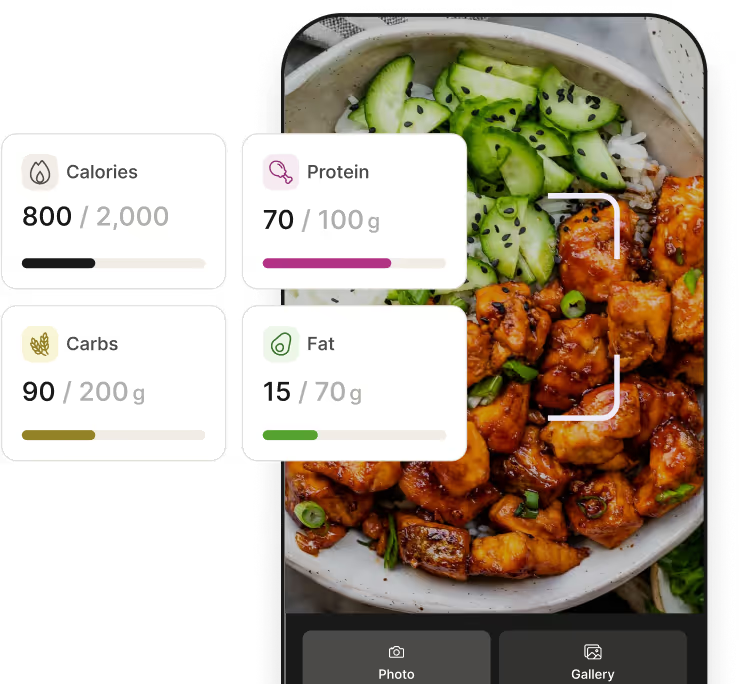
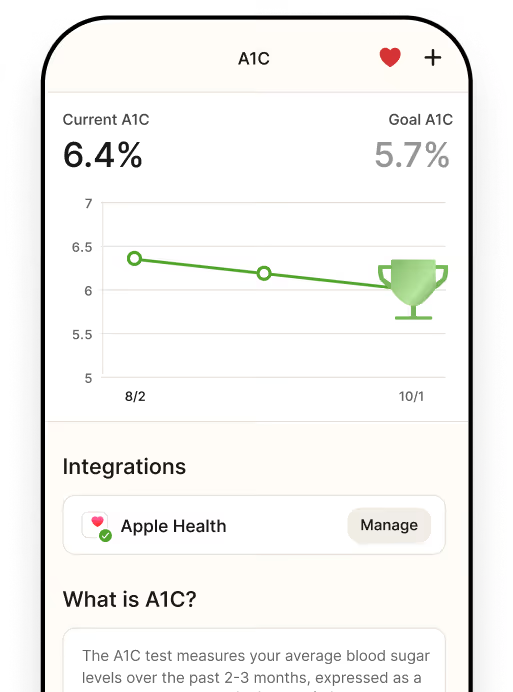
Throughout the program, leverage the Nourish app to message your dietitian, see session summaries, view curated content, set and track goals, and more.
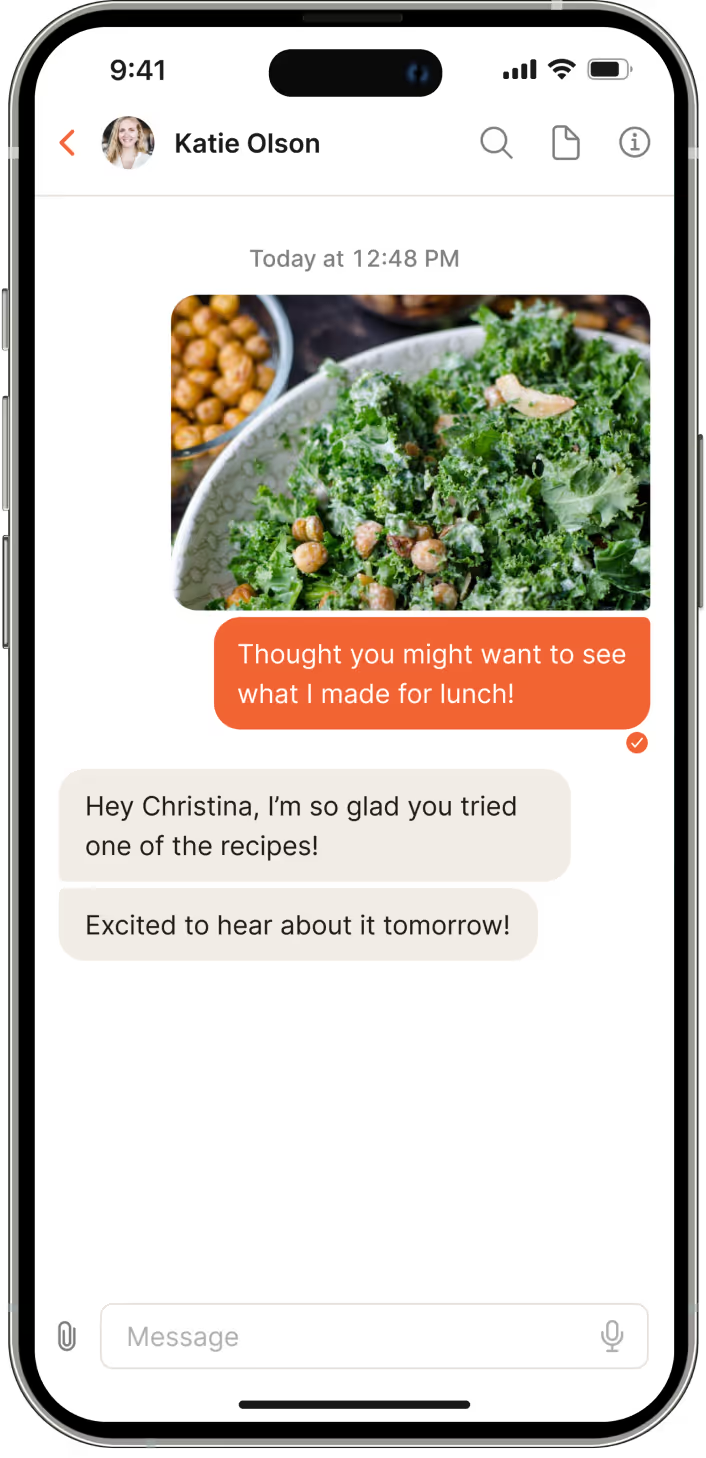

It was such a pleasure to meet with you today! I loved helping you understand how your eating habits are influencing your overall health.
Helping millions live healthier

Lucie
37, <Condition>
Vanessa H
<Condition>
Balina
25, <Condition>
John
71, <Condition>
Kim I
<Condition>
Jennifer S
<Condition>
37, <Condition>
Balina
25, <Condition>
John
71, <Condition>
<Condition>
<Condition>
<Condition>
<Condition>
<Condition>
<Condition>
<Condition>
<Condition>
<Condition>
<Condition>
<Condition>
<Condition>
<Condition>
<Condition>
<Condition>
<Condition>
<Condition>
<Condition>
<Condition>
<Condition>
<Condition>
<Condition>
<Condition>
<Condition>
<Condition>
<Condition>
<Condition>
<Condition>
<Condition>
<Condition>
<Condition>
<Condition>
<Condition>
<Condition>
<Condition>
<Condition>
<Condition>
<Condition>
<Condition>
<Condition>
<Condition>
<Condition>
<Condition>
<Condition>
<Condition>
<Condition>
<Condition>
Our team of dietitians can support all areas of your health
Our team of nutritionists are skilled in numerous specialties. Whether your needs revolve around sports, weight loss, a chronic illness, or navigating a pregnancy, our professionals are prepared to provide the right nutritional guidance.



Menopause nutrition experts
Personalized nutrition planning
Menopause dietitians understand your unique nutritional needs during this transitional life phase.
We offer virtual one-on-one sessions with dietitians to discuss preventative actions that can be taken to address your health concerns. We educate, assess lifestyle changes, help plan your nutrition, and support our clients toward long-lasting success using personalized nutrition counseling.
Personalized nutrition support
Convenient, virtual appointments
No two people experience menopause the same way, so a personalized approach is key to managing your unique symptoms.
Receive the highest quality care wherever you are most comfortable. You get access to your dietitian virtually anytime, anywhere. No more driving to appointments. No more waiting around.
Relieve menopause symptoms
Avoiding future complications
Your dietitian will incorporate foods to help manage symptoms, support hormonal balance, and promote overall health.
The payoff you’ll see for adjusting your lifestyle with nutrition counseling will be tremendous for your health. You’re less likely to suffer from a heart condition, kidney failure, and other serious conditions with the proper discipline and determination that we help provide.
We’ve got answers.
Still deciding if we’re right for you? These frequently asked questions may help.

How can I find a <Name> dietitian who accepts my insurance?
Nourish has <Name> dietitians in-network with major insurers like Blue Cross Blue Shield, United Healthcare, Aetna and Cigna. 95% of Nourish patients pay $0 when using insurance.
Are video visits with a dietitian online for <Name> covered by insurance?
Check your coverage to see if Nourish accepts your insurance plan.
What to expect during a visit with a dietitian that specializes in <Name>?
During your first appointment with a dietitian, you can expect to review your medical history, eating habits, and lifestyle. You’ll get to know your dietitian and you’ll have the opportunity to ask them any questions you have.
How can I find an online video visit with a dietitian that can help with <Name>?
Nourish offers completely virtual appointments that can help address <Name>.
How can I book a nutrition appointment online for <Name>?
Nourish offers completely virtual nutrition appointments and is covered by insurance. You can find a dietitian that’s right for you and filter by condition.
How can I see a dietitian that can help with <Name>?
Nourish has dietitians that specialize in <Name> that can help. Nourish uses evidence-based, personalized nutrition therapy so you feel your best.
A registered dietitian can also help with the following related <Name> conditions:

What Are the Best Foods to Eat in Menopause?
Nutrition may help relieve certain symptoms and complications of menopause. One study of over 6,000 people going through menopause found that eating a Mediterranean-style diet reduced symptoms like hot flashes and night sweats by 20%.
Calcium-Rich Foods
Calcium-rich foods, such as dairy products, leafy greens, and fortified plant-based milks, can support bone health and reduce the risk of osteoporosis. It’s recommended that women over 50 get at least 1,200 mg of calcium daily.
Omega-3 Fatty Acids
Omega-3 fatty acids support brain and heart health. Incorporate fatty fish like salmon and mackerel, as well as flaxseeds, chia seeds, and walnuts.
Whole Grains
Whole grains such as oats, quinoa, and brown rice promote stable blood sugar levels and provide lasting energy throughout the day.
Legumes
Legumes like beans, chickpeas, lentils, and peas are high in fiber and protein, which can help you feel satisfied between meals, balance blood sugars, and provide lasting energy.
Nuts and Seeds
Nuts and seeds, such as almonds, walnuts, sunflower seeds, and pumpkin seeds, are sources of healthy fats, vitamins, and minerals. For the biggest health benefits, stick to unsalted nuts and seeds.
Fruits and Vegetables
Load up on colorful fruits and vegetables, which are rich in fiber, antioxidants, vitamins, and minerals, to support overall health during menopause. Aim to fill half your plate with vegetables.
Phytoestrogen-Rich Foods
Reduced estrogen levels during menopause can cause hot flashes and other uncomfortable symptoms. Eating foods high in phytoestrogens (plant compounds that mimic estrogen in the body) may help increase your estrogen levels naturally. Including soy products, flaxseeds, chickpeas, and lentils may help relieve common menopause symptoms like hot flashes.
How Does Nutrition Impact Menopause?
Nutrition may help relieve certain symptoms and complications of menopause. One study of over 6,000 people going through menopause found that eating a Mediterranean-style diet reduced symptoms like hot flashes and night sweats by 20%.
Another study found that after 12 weeks of following a vegan diet supplemented with cooked soybeans, 50 percent of people going through menopause reported no moderate-to-severe hot flashes. While a vegan diet may be too restrictive for some people, a Mediterranean diet emphasizing plenty of plant-based foods may provide similar benefits.
Finally, the PREDIMED study, which looked at the relationship between the Mediterranean diet and heart disease risk, found that a Mediterranean diet can help reduce the risk of heart disease. Since menopause can increase heart disease risk, a Mediterranean-style diet can be beneficial for people going through menopause.

Are There Foods to Avoid in Menopause?
Certain foods may trigger symptoms like hot flashes. While every person is different, there are some common foods that you may want to avoid.
Spicy Foods
Spicy foods can elevate your body temperature, which may worsen hot flashes and night sweats. If you notice spicy foods trigger these symptoms, try avoiding foods like jalapeño peppers, cayenne pepper, and chili powder to see if it makes a difference to your symptoms. To boost the flavor of your meals, use milder herbs like thyme, basil, or fresh parsley.
Caffeine
Caffeine impacts sleep and has been shown to exacerbate hot flashes. If you struggle with hot flashes or disturbed sleep, try reducing your caffeine intake by switching to decaffeinated coffee or herbal tea.
Alcohol
Alcohol consumption is associated with both hot flashes and night sweats. If you’re experiencing these symptoms or having trouble sleeping, try reducing or eliminating alcohol from your diet to see if your symptoms improve.
Can a Dietitian Make Me a Meal Plan for Menopause?
Yes, a dietitian can create a personalized menopause meal plan tailored to your specific needs. The plan will focus on incorporating foods to help manage your symptoms, support hormonal balance, and promote overall health.
What to Look for in a Menopause Dietitian
When searching for a menopause dietitian, keep the following factors in mind.
Specialized Menopause Knowledge
Look for a dietitian with specialized knowledge and experience in menopause and hormonal health. This will enable them to understand your unique nutritional needs during this transitional life phase.
Personalized Approach
Choose a dietitian who will create a nutrition plan that takes into account your specific symptoms, lifestyle, and health goals. No two people experience menopause the same way, so a personalized approach is key to managing your unique symptoms.
Strong Communication Skills
You will be working closely with your dietitian, so it’s important to ensure they are someone you can communicate with openly. They should be able to explain concepts clearly and make you feel comfortable discussing your symptoms and concerns.
Client Testimonials or Reviews
Check for positive client testimonials or reviews highlighting successful outcomes in managing menopause symptoms through nutrition.
Flexible and Adaptable Plans
Menopause symptoms can come and go, so it’s important to find a dietitian who can adapt your nutrition plan as your needs change throughout menopause.
Virtual Consultation Availability
Virtual consultations make it easier to access a dietitian’s expertise from the comfort of your own home. Nourish dietitian services are 100% virtual, so you can meet with a menopause dietitian no matter where you’re located in the United States.
Covered by Insurance
Nourish dietitians provide expert, personalized nutrition counseling that’s covered by insurance. 94% of Nourish patients pay $0 out of pocket.

Best Menopause Dietitians Near Me
94% of Nourish patients pay $0 out of pocket!
80% of patients see health improvements in 30 days

Average weight loss in 4 months among patients with BMI ≥ 30 who lost weight
Average reduction in A1C for patients with A1C ≥ 6.5%
Average reduction in LDL Cholesterol for patients with LDL ≥ 130
of patients see improvements in GI symptoms
A clinically validated program


How it Works


Do more with the Nourish app


Frequently asked questions
Still deciding if we’re right for you? These frequently asked questions may help.