Best Eating Disorder Nutritionist Near Me
94% of Nourish patients pay $0 out of pocket!





How Nourish works
In your first session, your dietitian will gather a full understanding of you and your health goals to provide you with a personalized care plan.


In follow-up sessions, your dietitian will fine-tune and implement your treatment plan with actionable coaching, recommendations, and progress tracking.
It was such a pleasure to meet with you today! I loved helping you understand how your eating habits are influencing your overall health.

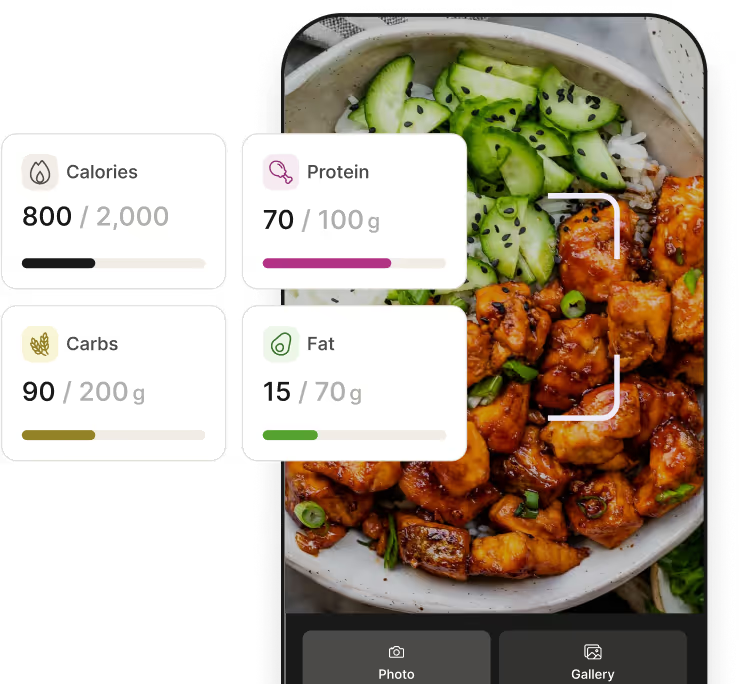
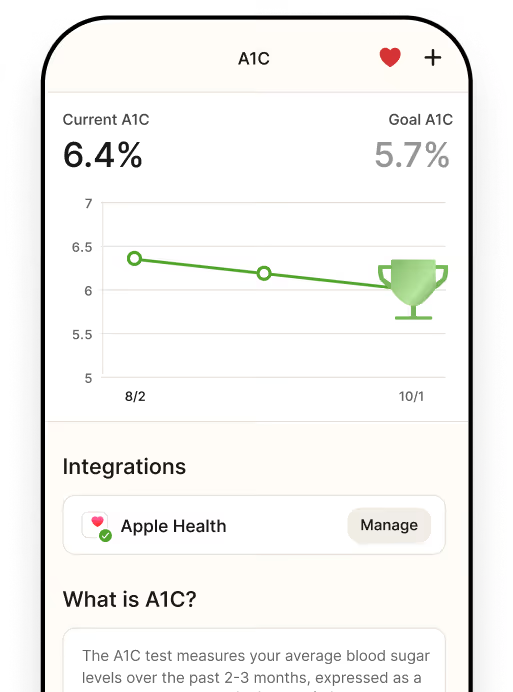
Throughout the program, leverage the Nourish app to message your dietitian, see session summaries, view curated content, set and track goals, and more.
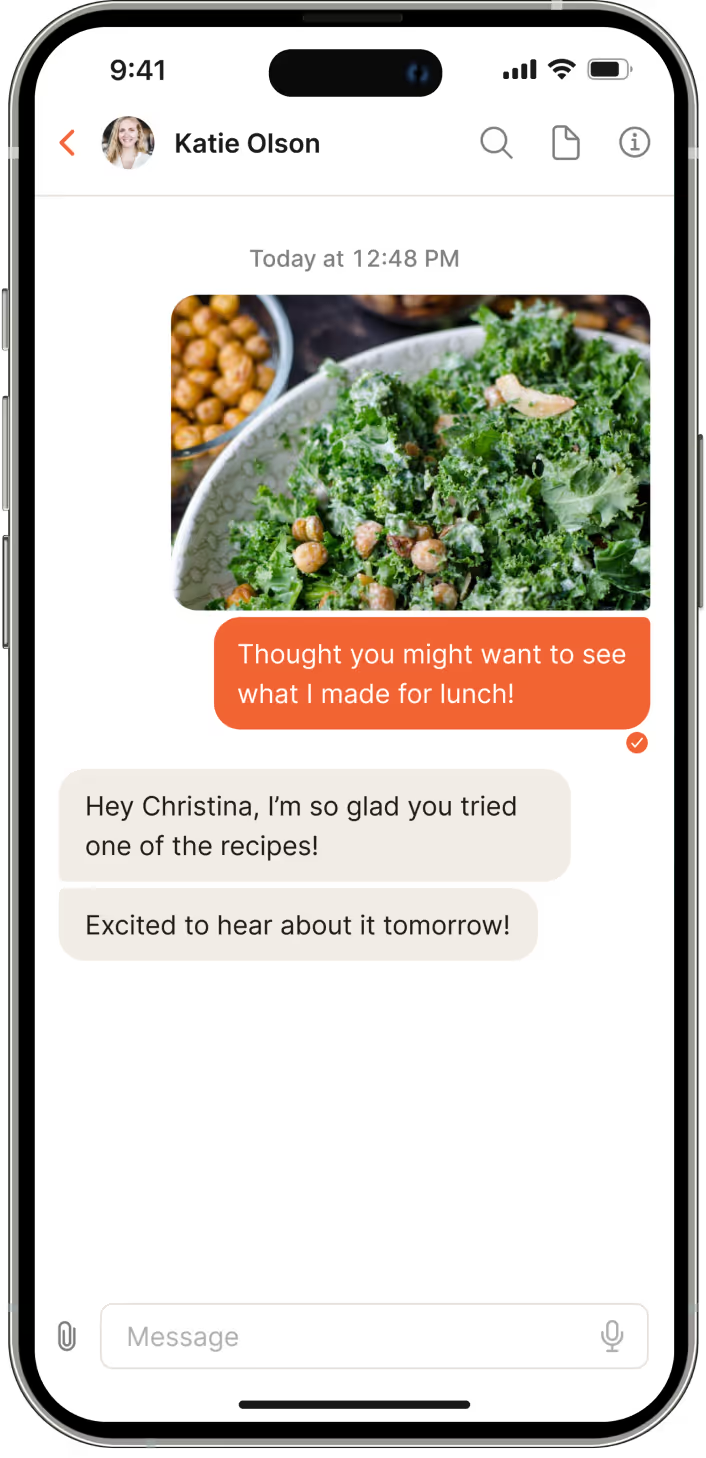

It was such a pleasure to meet with you today! I loved helping you understand how your eating habits are influencing your overall health.
Helping millions live healthier

Lucie
37, <Condition>
Colleen L
<Condition>
Balina
25, <Condition>
John
71, <Condition>
Ava L
<Condition>
Sammy U
<Condition>
37, <Condition>
Balina
25, <Condition>
John
71, <Condition>
<Condition>
<Condition>
<Condition>
<Condition>
<Condition>
<Condition>
<Condition>
<Condition>
<Condition>
<Condition>
<Condition>
<Condition>
<Condition>
<Condition>
<Condition>
<Condition>
<Condition>
<Condition>
<Condition>
<Condition>
<Condition>
<Condition>
<Condition>
<Condition>
<Condition>
<Condition>
<Condition>
<Condition>
<Condition>
<Condition>
<Condition>
<Condition>
<Condition>
<Condition>
<Condition>
<Condition>
<Condition>
<Condition>
<Condition>
<Condition>
<Condition>
<Condition>
<Condition>
<Condition>
<Condition>
<Condition>
<Condition>
Our team of dietitians can support all areas of your health
Our team of nutritionists are skilled in numerous specialties. Whether your needs revolve around sports, weight loss, a chronic illness, or navigating a pregnancy, our professionals are prepared to provide the right nutritional guidance.



Personalized nutrition planning
We offer virtual one-on-one sessions with dietitians to discuss preventative actions that can be taken to address your health concerns. We educate, assess lifestyle changes, help plan your nutrition, and support our clients toward long-lasting success using personalized nutrition counseling.
Convenient, virtual appointments
Receive the highest quality care wherever you are most comfortable. You get access to your dietitian virtually anytime, anywhere. No more driving to appointments. No more waiting around.
Avoiding future complications
The payoff you’ll see for adjusting your lifestyle with nutrition counseling will be tremendous for your health. You’re less likely to suffer from a heart condition, kidney failure, and other serious conditions with the proper discipline and determination that we help provide.
We’ve got answers.
Still deciding if we’re right for you? These frequently asked questions may help.

How can a nutritionist help with eating disorders?
A registered dietitian is essential to the healthcare team throughout eating disorder treatment. Your dietitian will create a meal plan that meets your nutritional needs while accounting for your medical history. In many cases, the goal will be weight restoration.
Your dietitian will also help you:
- Stop disordered eating habits like restricting, binging, and purging.
- Improve your body image.
- Build a healthy relationship with food.
- Learn how to nourish your body.
Are eating disorders curable?
Up to 60% of people with anorexia or bulimia and up to 75% of those with binge eating disorder achieve long-term recovery. There is less data about recovery rates for individuals with ARFID and OSFED.
Young people who have had their eating disorder for less time tend to have higher recovery rates. An individual's motivation to recover and having access to early treatment are highly beneficial.
What are the different types of eating disorders?
There are many different types of eating disorders, characterized by signs like intense dietary restriction, over-exercise, binge eating, purging, and poor body image.
The most common eating disorders include:
- Anorexia nervosa.
- Bulimia nervosa.
- Binge eating disorder.
- Other specified feeding or eating disorder (OSFED).
- Avoidant restrictive food intake disorder (ARFID)
How long does it take to recover from eating disorders?
Recovery from an eating disorder is not linear and will look different for each person. It can take months or years to recover from an eating disorder fully, and relapses may occur, especially with significant life changes.
Complete eating disorder recovery encompasses three primary areas:
- Physical recovery, such as weight restoration.
- Behavioral recovery, including stopping disordered eating habits.
- Psychological recovery, like building a healthy relationship with food.
The first steps to recovery are getting a proper diagnosis, seeking appropriate treatment, and building a strong support system.
How can I find a <Name> dietitian who accepts my insurance?
Nourish has <Name> dietitians in-network with major insurers like Blue Cross Blue Shield, United Healthcare, Aetna and Cigna. 95% of Nourish patients pay $0 when using insurance.
Are video visits with a dietitian online for <Name> covered by insurance?
Check your coverage to see if Nourish accepts your insurance plan.
What to expect during a visit with a dietitian that specializes in <Name>?
During your first appointment with a dietitian, you can expect to review your medical history, eating habits, and lifestyle. You’ll get to know your dietitian and you’ll have the opportunity to ask them any questions you have.
How can I find an online video visit with a dietitian that can help with <Name>?
Nourish offers completely virtual appointments that can help address <Name>.
How can I book a nutrition appointment online for <Name>?
Nourish offers completely virtual nutrition appointments and is covered by insurance. You can find a dietitian that’s right for you and filter by condition.
How can I see a dietitian that can help with <Name>?
Nourish has dietitians that specialize in <Name> that can help. Nourish uses evidence-based, personalized nutrition therapy so you feel your best.
A registered dietitian can also help with the following related <Name> conditions:

Can a Nutritionist Help with Eating Disorders?
Eating disorders are treated using a multidisciplinary approach, with different healthcare providers addressing medical, mental health, and nutritional concerns. The first goal of treatment is to stabilize medical issues like electrolyte imbalances and cardiac abnormalities.
During treatment, your dietitian will work with you to address disordered eating habits and body image concerns while emphasizing adequate nutrition to support a healthy weight. You’ll likely be given a meal plan to help you meet your nutrition needs and eat on a consistent routine.
Registered dietitians also treat disordered eating and can help you build a lifelong healthy relationship with food. Disordered eating is when a person does not meet the criteria for an eating disorder diagnosis but experiences eating disorder signs and symptoms, like preoccupation with weight, intense restriction of food, and guilty feelings after eating.
How Much Does an Eating Disorder Nutritionist Cost?
Nationwide, you can expect to pay an average of $150 per session with an eating disorder dietitian. Some states are more expensive, with initial visits costing around $310 in California and $250 in Vermont.
The cost of working with an outpatient dietitian for eating disorder treatment will vary based on your location and the type of clinic or practice where you are being seen. Many people with eating disorders are unable to access treatment due to insurance barriers and high out-of-pocket costs.
How are Eating Disorders Treated?
Eating disorders are treated using a multidisciplinary approach, with different healthcare providers addressing medical, mental health, and nutritional concerns. The first goal of treatment is to stabilize medical issues like electrolyte imbalances and cardiac abnormalities.
Numerous types of psychotherapy are used in the treatment of eating disorders, with the most common being cognitive behavioral therapy (CBT). Nutrition interventions include weight restoration, reversing malnutrition, interrupting dysfunctional eating behaviors, and developing a healthy relationship with food.
There are five different levels of eating disorder treatment depending on where you are in your recovery journey.
- Inpatient.
- Residential.
- Partial Hospital Program (PHP).
- Intensive Outpatient Program (IOP).
- Outpatient.
Inpatient is the highest level of care, which involves around-the-clock monitoring in a hospital setting. As individuals go through the treatment process and become more stable, they move through the different levels of care. Residential care is the next step when the patient needs 24/7 supervision but is no longer medically unstable.
Partial hospital and intensive outpatient programs involve varying lengths of time spent at an eating disorder treatment center each week without overnight stays. These range from three to eight hours per day up to five days per week.
Outpatient is the lowest level of eating disorder treatment and is best for medically and psychiatrically stable individuals. With continued care from the multidisciplinary team, outpatient care provides long-term recovery support.
Your medical team will determine which treatment level is the best starting point for you based on the type of eating disorder, its severity, and your medical and mental health history.

Can You See an Online Dietitian for Eating Disorders?
Working with a registered dietitian online is a convenient and safe way to access the nutrition care you need while recovering from an eating disorder.
Online dietitian visits offered by Nourish are best matched for individuals at the outpatient level of care who have a multidisciplinary team in place for medical and mental health support. The registered dietitians with Nourish coordinate with your healthcare team every step of the way to ensure continuity of care throughout your recovery journey.

Best Eating Disorder Nutritionist Near Me
94% of Nourish patients pay $0 out of pocket!
80% of patients see health improvements in 30 days

Average weight loss in 4 months among patients with BMI ≥ 30 who lost weight
Average reduction in A1C for patients with A1C ≥ 6.5%
Average reduction in LDL Cholesterol for patients with LDL ≥ 130
of patients see improvements in GI symptoms
A clinically validated program


How it Works


Do more with the Nourish app


Frequently asked questions
Still deciding if we’re right for you? These frequently asked questions may help.