Fear of Choking: Understand Pseudodysphagia

Medical Reviewer: Ellie Stamerjohn, MS, RDN, LD

Author: Caitlin Beale, MS, RDN

Summary
- Fear of choking (pseudodysphagia) causes anxiety when eating or drinking and can significantly impact daily life.
- Many people who fear choking have experienced a traumatic choking episode that triggers the condition.
- Treatment may include medications, behavioral therapy, and nutrition support.
Fear of choking isn’t as common as many disordered eating behaviors, but it’s just as serious. This mental health condition causes intense anxiety surrounding food that seriously impacts the quality of life. The severity of this condition can vary— while some people can manage small amounts of food, others may be completely unable to eat solid foods.
If you have a fear of choking, you may feel alone, but there is help. Resources are available to help you learn how to eat normally and enjoy food again. This article will explore why choking anxiety happens and how to find help to overcome the fear.
{{splash}}
What is Fear of Choking (Pseudodysphagia)?
Fear of choking, or pseudodysphagia, is an irrational fear of choking on food, liquids, or pills. Dysphagia means swallowing difficulty, and pseudo means false or not real.
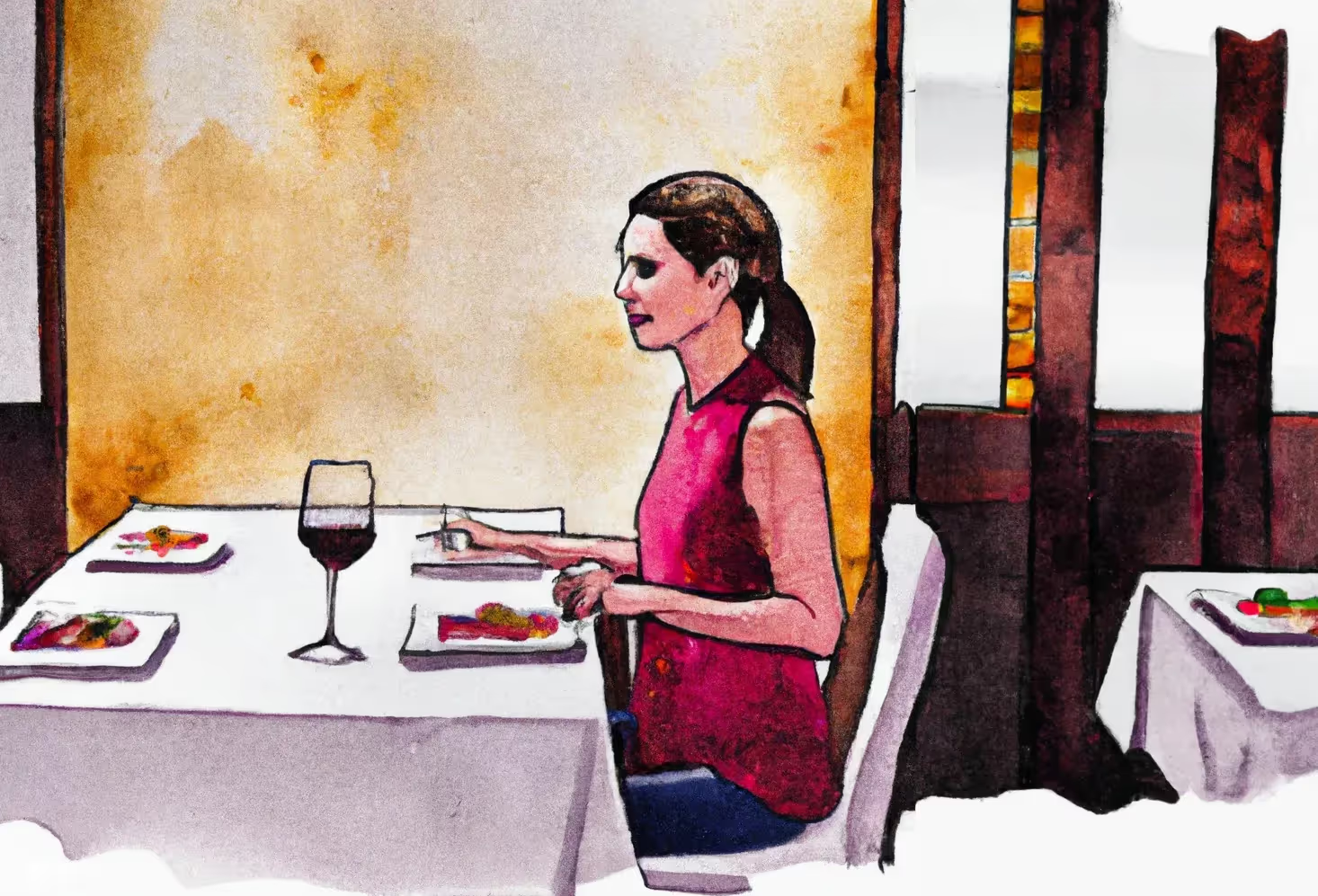
Someone with pseudodysphagia has no actual physiological problem that prevents them from swallowing but instead has anxiety or panic related to the fear of choking that interferes with normal eating. You may feel like there’s something “sticking” in the throat or a fear that something will get stuck.
Unlike other eating disorders that may stem from an intense focus on body image or fear of gaining weight, a person with a fear of choking avoids food because they believe eating is unsafe. Such restrictive eating behavior can quickly become problematic, leading to weight loss, loss of social relationships, and depression.
What Causes Choking Anxiety?
It’s possible to develop choking anxiety without any apparent cause, but many people who fear choking have experienced a traumatic event involving a choking episode or being choked. Sometimes the phobia develops immediately, but it can also take weeks, months, or even years to manifest.
Some older research suggests women are more likely to experience pseudodysphagia, but it can happen to any gender at any age. People with other mental health conditions like anxiety or depression may also be more at risk of developing a fear of choking.
How Fear of Choking Interferes With Everyday Life
Meals and eating are a cornerstone of life, so when someone avoids food because of the fear of choking, it disrupts daily activity in multiple ways:
- Socially: Living with pseudodysphagia often means you can’t enjoy meals with friends and family. Going out to eat or enjoying group meals can become cause stress and anxiety, leading many to withdraw from social activities. The dread surrounding mealtimes may make you feel that liquid diets that include shakes and nutritional supplements are the only option.
- Mentally: Constantly feeling like you are in danger of choking takes an emotional toll. Sometimes it only happens during meals; other times, constant worry throughout the day even interferes with sleep. Anxiety can make the throat tight, making the fear feel even more real. Loss of social relationships and withdrawal can also exacerbate depression.
- Physically: Weight loss and malnutrition can occur if the choking anxiety doesn’t allow adequate intake or eating patterns. When food is restricted during periods of growth, as with children or teens, growth and brain development can be affected.
People with pseudodysphagia may also be diagnosed with avoidant/restrictive food intake disorder (ARFID), a disordered eating condition characterized by food restriction due to severe food aversions. Studies suggest that people with ARFID often report a fear of choking on food.
Treatment Options for Fear of Choking
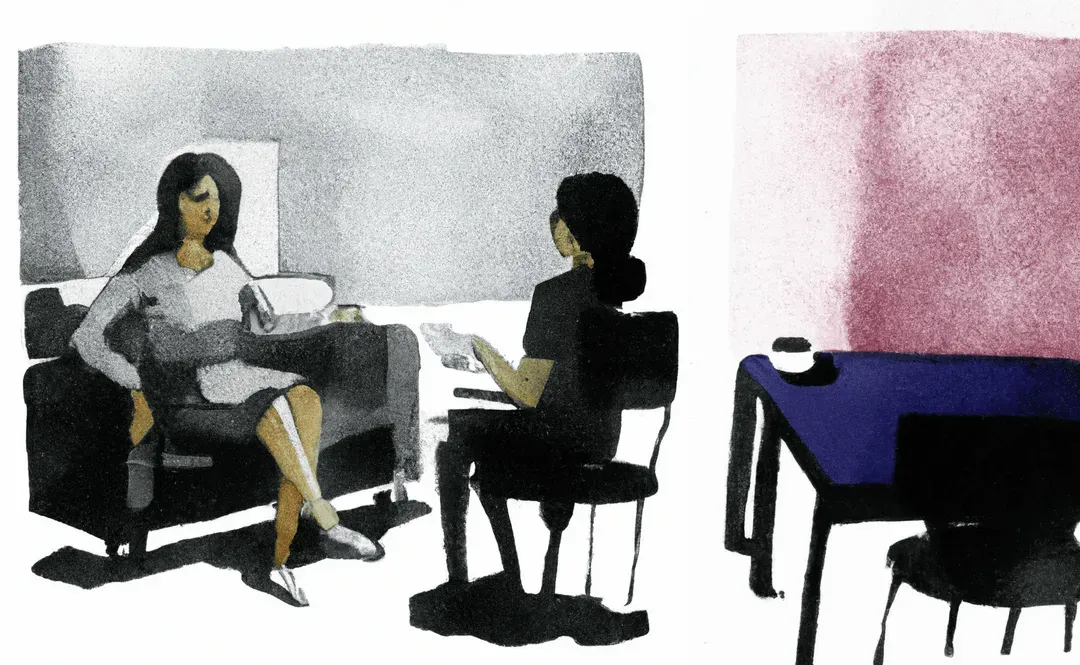
Since pseudodysphagia is not very common, there aren’t set treatment guidelines. An individualized approach to address the root cause or traumatic event is best practice. Your team may include a registered dietitian (RD), a speech, occupational, and/or mental health therapist, and a doctor to address physical health concerns.
Nourish offers personalized nutrition counseling and accepts the most popular insurance carriers. If you are living with a fear of choking, consider booking a virtual appointment with a registered dietitian.
A combination of medication, behavior therapy, and food exposure therapy is usually recommended.
- Medications: Medications to treat pseudodysphagia may include anti-anxiety to address the fear and panic associated with choking and antidepressants to support mood. However, these don’t necessarily address the reason the fear began in the first place, so therapy and food exposure is also recommended.
- Exposure therapy: Food exposure therapy involves gradually increasing exposure to agreed-upon safe foods in a non-threatening environment. Sometimes this means introducing food and eating during a session with a therapist or dietitian to address any anxiety that arises until it feels safe for you to eat at home.
- Progressive muscle relaxation: This deep relaxation technique utilizes purposeful muscle tension with release to reduce stress. A therapist can guide you through breathing and relaxation exercises to relieve anxiety before, during, or after a meal.
- EMDR: Eye Movement Desensitization and Reprocessing (EMDR) is a type of therapy that uses lateral eye movements or tapping to heal from emotional stress and trauma.
- Cognitive behavioral therapy (CBT): CBT is often used for eating disorder support. It helps identify and change the thought patterns and behaviors contributing to the fear of choking.
Tips for Overcoming Your Fear of Choking While Eating
Working with a treatment team you trust is key in helping you find the right approach to overcome your fear of choking. Here are a few things you may want to consider in addition to professional help:
- Try making a list of all the foods you are willing to eat. Start by rating each food on a scale from 1-10, with low scores for those that feel safest and higher numbers representing the most challenging to eat. You can share this list with your care team and gradually work up to those higher on your list.
- During meals, take small bites and chew slowly. Sometimes cutting food into tiny bites can help.
- Drink water regularly throughout the meal. People with a fear of choking often feel better with moistened food.
- Find friends or family you trust to share meals with and help you through the process.
Remember that it’s ok if all of these tips feel too overwhelming to do on your own. Fear of choking isn’t something that typically goes away quickly. You will be able to eat normally again, but it can take time and a professional support team to help you find your way back.
Takeaway
Fear of choking can develop after a traumatic event, creating an irrational fear of food and eating. Treatment options may include medications, behavior therapy, and food exposure therapy to rebuild a safe relationship with food.
It’s important to remember that you don’t have to do this alone—seeking professional help is key for long-term recovery. There’s no one-size-fits-all treatment for pseudodysphagia, so an individualized approach with a care team is essential.
Managing Disordered Eating With an RD
A registered dietitian can work with you and your therapist to create a plan to approach the fear of choking. A dietitian will create an individualized nutrition plan tailored to your needs and find creative solutions to address food fears. They will also address any weight loss or malnutrition concerns and ensure you get the nourishment your body needs.
Nourish can connect you with a dietitian to guide you in your recovery. A dietitian trained in eating disorders understands the complexities and will work with you to support your health and well-being.
Find a dietitian near you to get started today for as little as $0—94% of our patients pay nothing out of pocket.
{{splash}}
Frequently Asked Questions
References
View all references
- Sahoo, S., Hazari, N., & Padhy, S. K. (2016). Choking Phobia: An Uncommon Phobic Disorder, Treated with Behavior Therapy : A Case Report and Review of the Literature. Shanghai archives of psychiatry, 28(6), 349–352.
- Lopes, R., Melo, R., Curral, R., Coelho, R., & Roma-Torres, A. (2014). A case of choking phobia: towards a conceptual approach. Eating and weight disorders: EWD, 19(1), 125–131.
- McNally R. J. (1994). Choking phobia: a review of the literature. Comprehensive psychiatry, 35(1), 83–89.
- Carlson, D. A., Gyawali, C. P., Roman, S., Vela, M., Taft, T. H., Crowell, M. D., Ravi, K., Triggs, J. R., Quader, F., Prescott, J., Lin, F. T. J., Mion, F., Biasutto, D., Keefer, L., Kahrilas, P. J., & Pandolfino, J. E. (2020). Esophageal Hypervigilance and Visceral Anxiety Are Contributors to Symptom Severity Among Patients Evaluated With High-Resolution Esophageal Manometry. The American journal of gastroenterology, 115(3), 367–375.
- Rosales, F. J., Reznick, J. S., & Zeisel, S. H. (2009). Understanding the role of nutrition in the brain and behavioral development of toddlers and preschool children: identifying and addressing methodological barriers. Nutritional neuroscience, 12(5), 190–202.
- Zimmerman, J., & Fisher, M. (2017). Avoidant/Restrictive Food Intake Disorder (ARFID). Current problems in pediatric and adolescent health care, 47(4), 95–103.
- Nicely, T. A., Lane-Loney, S., Masciulli, E., Hollenbeak, C. S., & Ornstein, R. M. (2014). Prevalence and characteristics of avoidant/restrictive food intake disorder in a cohort of young patients in day treatment for eating disorders. Journal of eating disorders, 2(1), 21.
- Valiente-Gómez, A., Moreno-Alcázar, A., Treen, D., Cedrón, C., Colom, F., Pérez, V., & Amann, B. L. (2017). EMDR beyond PTSD: A Systematic Literature Review. Frontiers in psychology, 8, 1668.
- Murphy, R., Straebler, S., Cooper, Z., & Fairburn, C. G. (2010). Cognitive behavioral therapy for eating disorders. The Psychiatric clinics of North America, 33(3), 611–627.
Nourish has strict sourcing policies and prioritizes primary sources, including medical organizations, governmental agencies, academic institutions, and peer-reviewed scientific journals. Learn more about our medical review process and editorial guidelines.