Best SIBO Dietitians Near Me
94% of Nourish patients pay $0 out of pocket!





How Nourish works
In your first session, your dietitian will gather a full understanding of you and your health goals to provide you with a personalized care plan.



In follow-up sessions, your dietitian will fine-tune and implement your treatment plan with actionable coaching, recommendations, and progress tracking.
It was such a pleasure to meet with you today! I loved helping you understand how your eating habits are influencing your overall health.

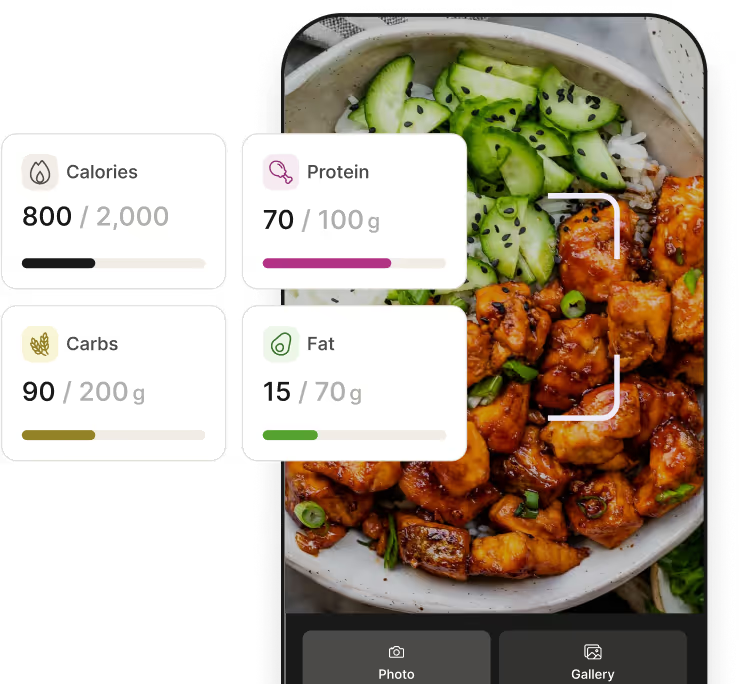
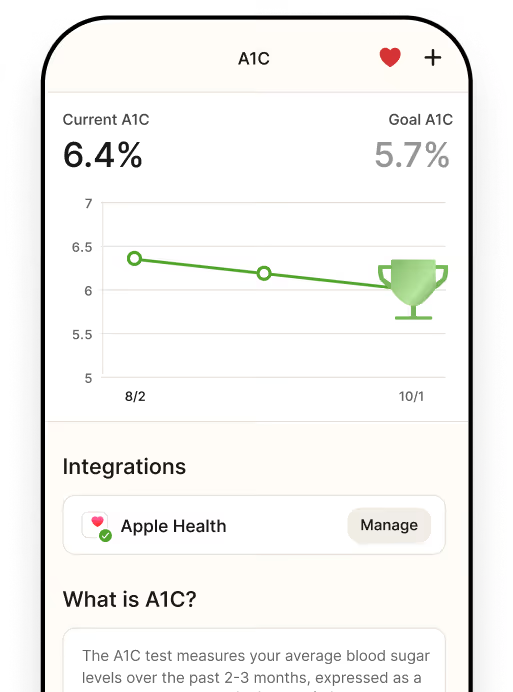
Throughout the program, leverage the Nourish app to message your dietitian, see session summaries, view curated content, set and track goals, and more.
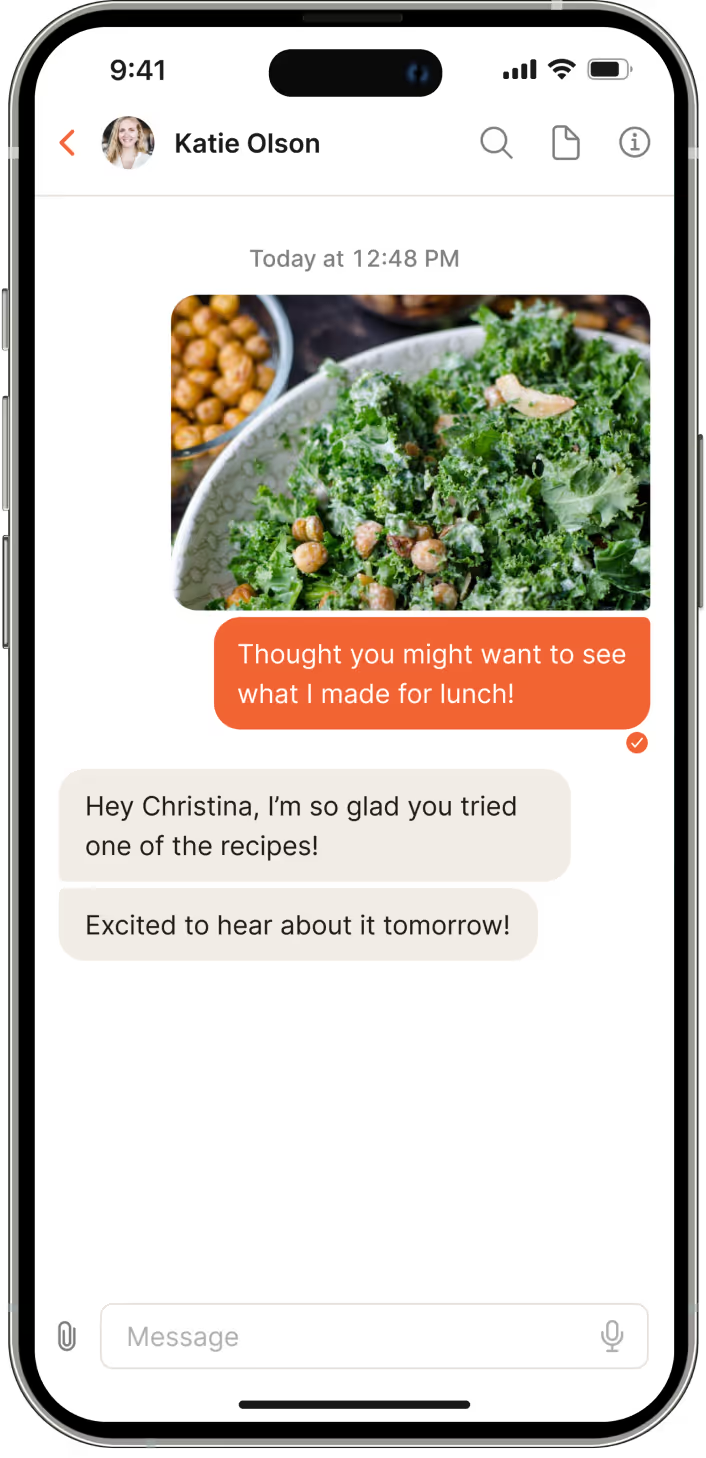

It was such a pleasure to meet with you today! I loved helping you understand how your eating habits are influencing your overall health.
Helping millions live healthier

Lucie
37, <Condition>
Balina
25, <Condition>
John
71, <Condition>
37, <Condition>
Balina
25, <Condition>
John
71, <Condition>
<Condition>
<Condition>
<Condition>
<Condition>
<Condition>
<Condition>
<Condition>
<Condition>
<Condition>
<Condition>
<Condition>
<Condition>
<Condition>
<Condition>
<Condition>
<Condition>
<Condition>
<Condition>
<Condition>
<Condition>
<Condition>
<Condition>
<Condition>
<Condition>
<Condition>
<Condition>
<Condition>
<Condition>
<Condition>
<Condition>
<Condition>
<Condition>
<Condition>
<Condition>
<Condition>
<Condition>
<Condition>
<Condition>
<Condition>
<Condition>
<Condition>
<Condition>
<Condition>
<Condition>
<Condition>
<Condition>
<Condition>
Our team of dietitians can support all areas of your health
Our team of nutritionists are skilled in numerous specialties. Whether your needs revolve around sports, weight loss, a chronic illness, or navigating a pregnancy, our professionals are prepared to provide the right nutritional guidance.
Our team of dietitians can support you with SIBO



Personalized nutrition planning
We offer virtual one-on-one sessions with dietitians to discuss preventative actions that can be taken to address your health concerns. We educate, assess lifestyle changes, help plan your nutrition, and support our clients toward long-lasting success using personalized nutrition counseling.
Convenient, virtual appointments
Receive the highest quality care wherever you are most comfortable. You get access to your dietitian virtually anytime, anywhere. No more driving to appointments. No more waiting around.
Avoiding future complications
The payoff you’ll see for adjusting your lifestyle with nutrition counseling will be tremendous for your health. You’re less likely to suffer from a heart condition, kidney failure, and other serious conditions with the proper discipline and determination that we help provide.
We’ve got answers.
Still deciding if we’re right for you? These frequently asked questions may help.

How can I find a <Name> dietitian who accepts my insurance?
Nourish has <Name> dietitians in-network with major insurers like Blue Cross Blue Shield, United Healthcare, Aetna and Cigna. 95% of Nourish patients pay $0 when using insurance.
Are video visits with a dietitian online for <Name> covered by insurance?
Check your coverage to see if Nourish accepts your insurance plan.
What to expect during a visit with a dietitian that specializes in <Name>?
During your first appointment with a dietitian, you can expect to review your medical history, eating habits, and lifestyle. You’ll get to know your dietitian and you’ll have the opportunity to ask them any questions you have.
How can I find an online video visit with a dietitian that can help with <Name>?
Nourish offers completely virtual appointments that can help address <Name>.
How can I book a nutrition appointment online for <Name>?
Nourish offers completely virtual nutrition appointments and is covered by insurance. You can find a dietitian that’s right for you and filter by condition.
How can I see a dietitian that can help with <Name>?
Nourish has dietitians that specialize in <Name> that can help. Nourish uses evidence-based, personalized nutrition therapy so you feel your best.
A registered dietitian can also help with the following related <Name> conditions:

What Is SIBO?
There are several ways working with a dietitian can help you manage SIBO.
Symptoms
There are several common symptoms of SIBO, including:
- Abdominal pain.
- Bloating.
- Diarrhea.
- Constipation.
In some cases, there is also nutrient malabsorption. Non gut-related symptoms like fatigue, joint pain, and headaches can also be present.
Causes
Typically, the body has defenses that prevent the overgrowth of bacteria in the small intestine, such as stomach acid, bile, digestive enzymes, gut motility, and immune factors. When these defences fail, bacteria can multiply in the small intestine, leading to SIBO.
Treatment
There are three types of SIBO:
Completing specialized testing to determine your SIBO type is vital to developing an appropriate treatment plan.
There are two main tests for SIBO: a breath test to measure the amount of different gases you exhale and a test where a small fluid sample is collected from the small intestine to test for the presence of bacteria.
SIBO treatment typically includes antibiotics to eradicate bacterial overgrowth. It’s also important to treat any nutritional deficiencies.
Rifaximin is the most commonly used antibiotic to treat hydrogen-dominant SIBO. Methane SIBO typically requires treatment with two antibiotics: rifaximin and neomycin. Antibiotics are typically taken for two weeks.
Can a Dietitian Help with SIBO?
There are several ways working with a dietitian can help you manage SIBO.
Coordinating SIBO Testing
Understanding your SIBO type is important for developing an appropriate treatment plan. A dietitian can work alongside your other healthcare providers to coordinate breath testing and ensure your dietary plan aligns with your test results and overall treatment plan.
Nutritional Supplementation
Some people with SIBO experience nutrient deficiencies due to malabsorption. A dietitian can recommend appropriate supplements and monitor your blood work to address nutrient deficiencies associated with SIBO, such as iron and fat-soluble vitamins like vitamin D.
Personalized Dietary Guidance
A dietitian can create a tailored nutrition plan that considers your individual food triggers. This may include a low FODMAP diet, which reduces fermentable carbohydrates and may help relieve SIBO symptoms while you wait to start antibiotic treatment.

How Does Nutrition Impact SIBO?
While diet alone typically won’t eradicate SIBO, it can play a role in symptom management.
Fermentable Carbohydrates Can Feed the Bacteria
Fermentable carbohydrates, such as high-FODMAP foods, can worsen SIBO symptoms. FODMAP stands for Fermentable Oligosaccharides, Disaccharides, Monosaccharides, and Polyols. These foods provide fuel for the bacteria in your small intestine. When these carbohydrates are fermented, it can increase gas production, bloating, and abdominal discomfort.
Limiting high FODMAP foods may help reduce symptoms of SIBO. However, simply eating low-FODMAP foods may not be enough to eradicate SIBO, which typically requires antibiotics.
Foods to Avoid with SIBO
The American Journal of Gastroenterology recommends reducing or eliminating high-fiber foods, sugar alcohols, fermentable sweeteners (such as sucralose), and prebiotic foods like inulin (which feeds the bacteria) to treat SIBO.
In addition, you may want to avoid foods high in FODMAPs. Since these foods are fermented by bacteria, reducing your intake may relieve some of the gas and bloating associated with FODMAP fermentation.
Some high FODMAP foods to avoid include:
- Onions.
- Garlic.
- Beans.
- Brussels sprouts.
- Honey.
- High fructose corn syrup.
- Peaches.
- Pears.
- Apples.
- Milk and dairy products.
- Wheat.
You may feel better after cutting these foods out. It’s best to work with a dietitian if you plan on cutting foods out of your diet, as eliminating foods can lead to nutrient deficiencies. A dietitian can help you plan a diet that provides necessary nutrients while relieving SIBO symptoms.
Foods to Eat with SIBO
There are many foods you can continue to eat if you have SIBO. The University of West Virginia Digestive Health Center recommends the following safe foods:
- Proteins, such as chicken, turkey, fish, shellfish, eggs, milk, beef, and pork.
- Plant proteins, such as tofu, tempeh, unsweetened nut or seed butter, nuts, and seeds (one ounce or less per serving).
- Grain products, such as bread, pasta, unsweetened breakfast cereals, unsweetened hot cereals, and crackers.
- Fruits, up to one small piece of fresh fruit or half a cup of applesauce daily. It’s best to speak with your dietitian about whether you should eliminate fruit completely when starting this diet.
- Starchy vegetables, such as white potatoes and butternut squash (no more than half a cup per meal).
- Non-starchy vegetables, such as green beans, carrots, greens, and tomatoes (no more than half a cup per meal).
- Dairy products, such as plain milk, plain yogurt, plain kefir, and cheese.
- Beverages, such as water, herbal tea, and unsweetened tea.
- Condiments, such as oil, vinegar, mayonnaise, and dressings free from fermentable sweeteners.
- Sweeteners, such as Equal, Sweet N Low, and Stevia.
Can a Dietitian Make Me a Meal Plan for SIBO?
As part of your SIBO treatment plan, a dietitian can create a customized meal plan to help starve the overgrowing bacteria and treat nutrient deficiencies. They may also recommend herbal supplements that can kill harmful bacteria.
When creating your SIBO meal plan, your dietitian will consider nutritional balance, personal preferences, and any other underlying health issues to create a plan custom to you and designed to be sustainable and straightforward to follow.
What’s the Best Diet for SIBO?
While there’s no specific SIBO diet, eating foods low in fermentable carbohydrates may help with symptom management. However, eating low-FODMAP foods typically doesn’t eliminate bacterial overgrowth. If you have SIBO, you’ll likely still need antibiotics to treat and eradicate the overgrowing bacteria.
An exception is if antibiotics have failed to get rid of bacterial overgrowth. In these cases, a short-term elemental diet may be considered. An elemental diet consists of broken-down nutrients in an oral formula. It’s thought that an elemental diet starves the bacteria. However, this diet should only be followed with close supervision by a physician and dietitian.

Best SIBO Dietitians Near Me
94% of Nourish patients pay $0 out of pocket!
80% of patients see health improvements in 30 days

Average weight loss in 4 months among patients with BMI ≥ 30 who lost weight
Average reduction in A1C for patients with A1C ≥ 6.5%
Average reduction in LDL Cholesterol for patients with LDL ≥ 130
of patients see improvements in GI symptoms
A clinically validated program


How it Works


Do more with the Nourish app


Frequently asked questions
Still deciding if we’re right for you? These frequently asked questions may help.