Foods to Consider for Eating Disorder Recovery

Medical Reviewer: Sarah Hormachea, MS, RD, CDCES, BC-ADM

Author: Jennifer Huddy, MS, RD, LD

Summary
- Eating disorder recovery requires a multidisciplinary treatment approach, with medical, psychological, and nutritional interventions.
- Foods for ED recovery include protein, fat, starchy carbohydrates, fruits, vegetables, and dairy.
- Certain foods contain nutrients that may benefit health conditions caused by eating disorders, like selenium-rich foods for thyroid health.
Updated by: Julia Zakrzewski
Food is an important part of eating disorder recovery.
Achieving adequate calorie and nutrient intake helps with many of the medical complications eating disorders can cause.
Your body needs a balance of the different food groups to get all of the nutrients it requires to function properly.
Read this article to learn more about the role of nutrition and specific foods in eating disorder recovery.
{{splash}}
How Food Affects Eating Disorder Recovery
Eating disorder recovery is complex and usually involves a combination of medical, psychological, and nutritional treatment.
From a dietary standpoint, the initial goal of recovery is to consume adequate calories to restore body weight to an appropriate level.
The long-term goals are to stop disordered eating behaviors, build a healthy relationship with food, and learn how to eat a nutritionally balanced diet.
A balanced meal plan for a person recovering from an eating disorder includes foods from each group:
- Proteins, like chicken, tofu, and eggs.
- Grains, such as rice, pasta, and oats.
- Fats, including avocado, nuts, and olive oil.
- Fruits, like blueberries, apples, and mango.
- Vegetables, including leafy greens, peppers, and carrots.
- Dairy, such as yogurt, milk, and cottage cheese.
A combination of these foods will provide your body with the calories, carbohydrates, protein, and fat you need to be healthy.
It also ensures adequate intake of micronutrients required for recovery.
Nutrients Support Your Overall Health
When untreated, eating disorders may result in specific medical concerns:
- Anemia.
- Low thyroid levels.
- Missed periods.
- Low bone density.
- Impaired immune function.
- Constipation.
In addition to receiving medical treatment, certain nutrients can benefit each of these concerns and help your body recover.
For example, nutrients like iodine and selenium are essential for proper thyroid function, while adequate calcium and vitamin D can support bone health.
{{splash}}
The 9 Best Foods for Eating Disorder Recovery
It may be helpful to prioritize nutrient-dense foods during eating disorder recovery.
This includes proteins, grains, fruits and vegetables, and fats.
1. Lean Proteins
Protein plays an important role in preserving muscle mass and supporting proper immune function, both of which can become weakened during an eating disorder.
It also stabilizes blood sugar levels and helps your body produce essential hormones.
A meal plan for eating disorder recovery will include a source of high-quality protein with each meal and snack, such as:
- Chicken.
- Turkey.
- Fish and seafood.
- Tofu.
- Beans.
- Lentils.
- Eggs.
- Greek yogurt.
- Nuts and nut butter.
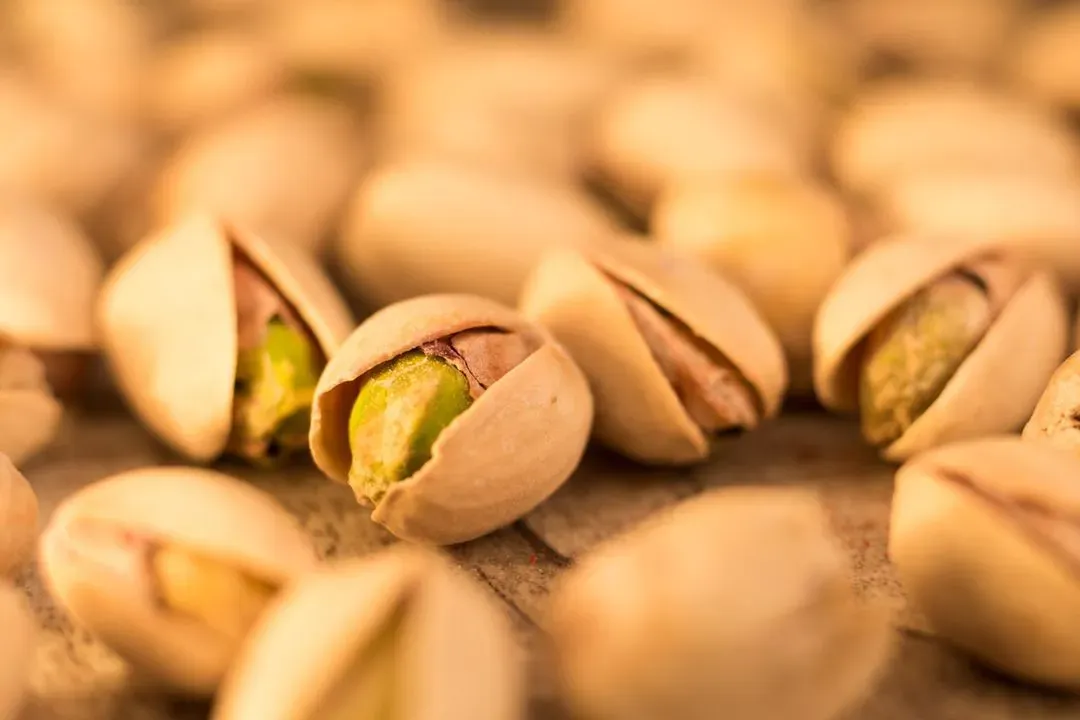
2. Nuts and Seeds
Nuts and seeds are rich in healthy fats, plant protein, fiber, vitamins, and minerals necessary for eating disorder recovery.
For example, brazil nuts are rich in selenium, a nutrient essential for proper thyroid function.
Further, research shows that nuts have anti-inflammatory properties, which may help reduce depression rates.
Nuts also contain magnesium, a mineral linked with improved brain function and mood.
Add whole nuts and seeds or nut butter to your diet daily to reap the nutritional benefits. Consider:
- Almonds.
- Walnuts.
- Pecans.
- Peanuts.
- Brazil nuts.
- Hemp seeds.
- Chia seeds.
- Pumpkin seeds.
- Flax seeds.
3. Beans and Legumes
Beans, peas, and lentils are part of the legume family and provide an excellent source of plant protein, carbohydrates, and fiber.
This means they provide long-lasting energy and blood sugar regulation.
The fiber content of legumes may also help improve the digestive side effects of eating disorder recovery by regulating bowel movements and improving gut health.
In addition, legumes are very nutrient-dense, providing a good source of B vitamins, iron, copper, magnesium, and zinc.
Try a variety of legumes, including:
- Kidney beans.
- Chickpeas.
- Black beans.
- Pinto beans.
- Black-eyed peas.
- Lentils (all types).
4. Whole Grains
Whole grains are an important source of carbohydrates, fiber, and energy in a balanced diet for eating disorder recovery.
Whole grains are also nutrient-dense, providing essential vitamins, minerals, and antioxidants.
Intake of whole grains is linked with improved gut health and immune function, both of which can be negatively impacted by eating disorders.
In your recovery eating plan, each meal should include a carbohydrate, which can be from whole grains such as:
- Brown rice.
- Barley.
- Quinoa.
- Farro.
- Whole grain pasta.
- Oats.
- Popcorn.
5. Leafy Greens
Dark leafy greens are incredibly nutrient-dense and can help your body regain its vitamin and mineral stores while recovering from an eating disorder.
These vegetables are a good source of vitamin K, which is important for blood clotting and bone health.
Green leafy vegetables contain folate and magnesium, which may play a role in preventing depression in part by boosting serotonin.
Include a variety of leafy greens in your diet, such as:
- Spinach.
- Kale.
- Bok choy.
- Collard greens.
- Arugula.
- Swiss chard.
{{splash}}
6. Healthy Fats
Dietary fat is an essential macronutrient when it comes to eating disorder recovery.
Not only does it help replenish your energy stores, but dietary fat is also necessary for your body to absorb fat-soluble vitamins from your food.
Fat also plays a role in hormone production and function and may help regulate the menstrual cycle, which can be disrupted in eating disorders.
Nutrient-dense fat sources include:
- Avocado.
- Nuts and nut butter.
- Seeds.
- Olive oil.
- Fatty fish, like salmon.
7. Starches
Carbohydrates, including starches, provide energy, maintain adequate blood sugar levels, and support brain and muscle health throughout eating disorder recovery and maintenance.
In addition to being good sources of fiber, vitamins, and minerals, starches can also boost serotonin levels, which may help improve mood and sleep.
Foods like starchy vegetables, legumes, and grains are good sources of starchy carbohydrates.
- Potatoes.
- Sweet potatoes.
- Corn.
- Green peas.
- Butternut squash.
- Grains, like rice, pasta, and bread.
- Legumes, including beans, lentils, and peas.
8. Nutrient-Dense Foods
While no single food will dramatically change your health, some foods are especially nutrient-dense and have a place in a balanced diet for eating disorder recovery.
Fermented dairy products, like cultured yogurt and kefir, provide beneficial probiotics which can support gut health and regularity.
They can also help you meet your daily calcium needs.
Blueberries are incredibly rich in antioxidants and fiber, making them an excellent addition to your oatmeal, smoothie, or snack.
Walnuts, chia seeds, and flax seeds are good sources of ALA, the plant-based precursor to omega-3 fatty acids.
Research shows ALA can improve heart health and chronic inflammation.
9. Liquid Nutrition Supplements
During your eating disorder recovery journey, your meal plan may include liquid nutrition supplements or nutritional shakes to help regulate your intake.
Appetite can fluctuate during recovery, sometimes making it hard to eat enough food to reach a healthy weight.
Since liquid nutrition supplements are nutrient-dense and low in fiber, they can be an easy and convenient way to help you meet your nutritional needs.
Sample Eating Disorder Meal Plan
Here is a three-day sample meal plan you can follow when recovering from an eating disorder.
Your dietitian will work with you to determine appropriate serving sizes:
Day 1
Breakfast: Whole grain toast with half an avocado, egg, and freshly sliced tomato.
Lunch: Chicken salad in a whole wheat pita wrap with lettuce, tomato, pickles, and cucumber. Dress with tzatziki and a line of hot sauce (optional).
Dinner: Turkey meatloaf served with baked sweet potato medallions and a side of mixed green salad. Dress the salad with olive oil and balsamic vinaigrette.
Day 2
Breakfast: Boiled oats with strawberries, shaved coconut, and roasted almond slivers. Add a dash of ground cinnamon and a spoonful of maple syrup for flavor.
Lunch: Quinoa bowl with black beans, diced roasted pepper, corn, cherry tomato, red onion, and baby arugula. Dress with chipotle sauce.
Dinner: Grilled tilapia served with a pineapple salsa. Add a side of seasoned brown rice and grilled green beans.
Day 3
Breakfast: Tofu scramble with bell peppers, spinach, mushrooms, and olives. Serve with toasted whole grain bread.
Lunch: Whole wheat tortilla wraps with leftover cooked tilapia, shredded mozzarella cheese, fresh basil, baby spinach, diced cucumber, red onion, and fresh cilantro. Dress with sweet and sour sauce.
Dinner: Five bean chili with ground turkey, corn, peppers, carrots, celery, and diced tomatoes. Serve with a dollop of sour cream and freshly cut green onions.
Snack Ideas for Eating Disorder Recovery
These snacks are rich in nutrients and can fit into your eating disorder recovery plan.
For more personalized tips, ask your dietitian for snack suggestions.
- Greek yogurt with frozen berries, cinnamon, and chocolate chips.
- Air fried sweet potato crisps with tzatziki dip.
- Whole grain crackers with cottage cheese and sliced cucumber.
- Celery and nut butter (optional: add raisins).
- Cereal with nuts and milk (animal or a plant-based alternative).
- Roasted, seasoned beans (fava beans, chickpeas, lentils, etc.)
Takeaway
While recovering from an eating disorder, you will likely be given a meal plan by a registered dietitian that includes foods from all the major groups– protein, carbohydrates, fats, fruits, vegetables, and dairy.
Some specific foods are especially beneficial for recovery.
Whole grains provide long-lasting energy and fiber for digestive health.
Fermented dairy products contain probiotics to support a healthy gut microbiome and calcium and vitamin D for bone health.
Nuts and seeds are rich in magnesium, which may help boost mood.
How a Dietitian Can Help
{{splash}}
A dietitian specializing in eating disorders will coordinate with your healthcare team to create a balanced meal plan to help you reach your goals.
It’s easy to find a reliable dietitian when you sign up with Nourish.
Every provider is compassionate, knowledgeable, and eager to help you meet your health goals through remote nutrition counseling.
In addition to online nutrition counseling, you can also download the Nourish app, which features free resources and helps you stay connected with your dietitian between visits.
Find a dietitian who accepts insurance through Nourish.
All appointments are conducted online for convenient access to expert help.
Frequently Asked Questions
What should I eat to recover from ED?
During eating disorder recovery, a balanced meal plan should include foods from every group, including lean proteins, starches and whole grains, healthy fats, fruits, vegetables, and dairy.
Each food group provides essential energy and nutrients for your body to recover and stay healthy.
You may also think of specific nutrients that can help your body recover.
For example, bone health often declines during eating disorders, so focusing on calcium-rich foods like yogurt, kale, and chia seeds can be beneficial.
What is the rule of three meal plan?
The “rule of three” is a type of meal plan used during eating disorder recovery.
It encourages three meals and three daily snacks, spaced approximately every three hours.
During treatment, you’ll learn the importance of eating consistently throughout the day and eating balanced meals and snacks for stable energy levels.
What foods heal my body?
All foods contain beneficial nutrients that can help you heal from an eating disorder.
Nutrient-dense options include fruits, vegetables, whole grains, legumes, poultry, tofu, fish, and more.
Ask your dietitian for more personalized food recommendations.
References
View all references
Nourish has strict sourcing policies and prioritizes primary sources, including medical organizations, governmental agencies, academic institutions, and peer-reviewed scientific journals. Learn more about our medical review process and editorial guidelines.























.avif)















.avif)

.avif)
.avif)
.avif)